Quick Summary: Finding a responsible puppy source in Illinois requires verifying health records, socialization, and transparency from breeders. Illinois law mandates puppies be at least 8 weeks old before sale and requires detailed records. Buyers should focus on breed fit, breeder reputation, and clear policies, avoiding rushed or vague transactions. Sage Puppies offers home-raised, health-tested puppies from responsible breeders, aligning with these guidelines for a smoother, safer purchase.
Looking for puppies for sale in Illinois gets hard fast once you move past the cute photos. The real question is simple: can the breeder or seller clearly prove health testing, daily care, good breeding practices, and a careful placement process before you put down a deposit?
That is where many families get stuck. Listings can look the same, but the source behind the puppy can be very different. First-time buyers and out-of-state families often struggle to tell the difference between a responsible breeder, a broker, and a risky online seller.
This guide helps you sort that out. You will learn how to judge breeders, spot red flags, compare breeds for your home, understand pricing, and know what steps to take before reserving a puppy in Illinois.
The advice here is built for serious puppy buyers who want a healthy, well-bred companion and a smoother path from search to homecoming.
What to Look for in a Reputable Illinois Puppy Source
A good Illinois puppy source proves health, shows how puppies are raised, and answers hard questions without dodging. If a seller avoids records, rushes payment, or will not let you see how the puppy lives, walk away.
Health testing and veterinary documentation
Start with paperwork, not photos. Ask for parent health testing, vaccine and deworming records, a recent vet exam, and the puppy’s date of birth. Illinois rules require certain sellers to provide a written statement with key details such as immunizations, parasite meds, breeder contact info, and other identifying records under Illinois Section 25.90.
- Ask who the puppy’s parents are
- Ask what breed-specific tests were done
- Ask for records before you send a deposit
A clean invoice is not the same as real health documentation.
Temperament, socialization, and family-raised care
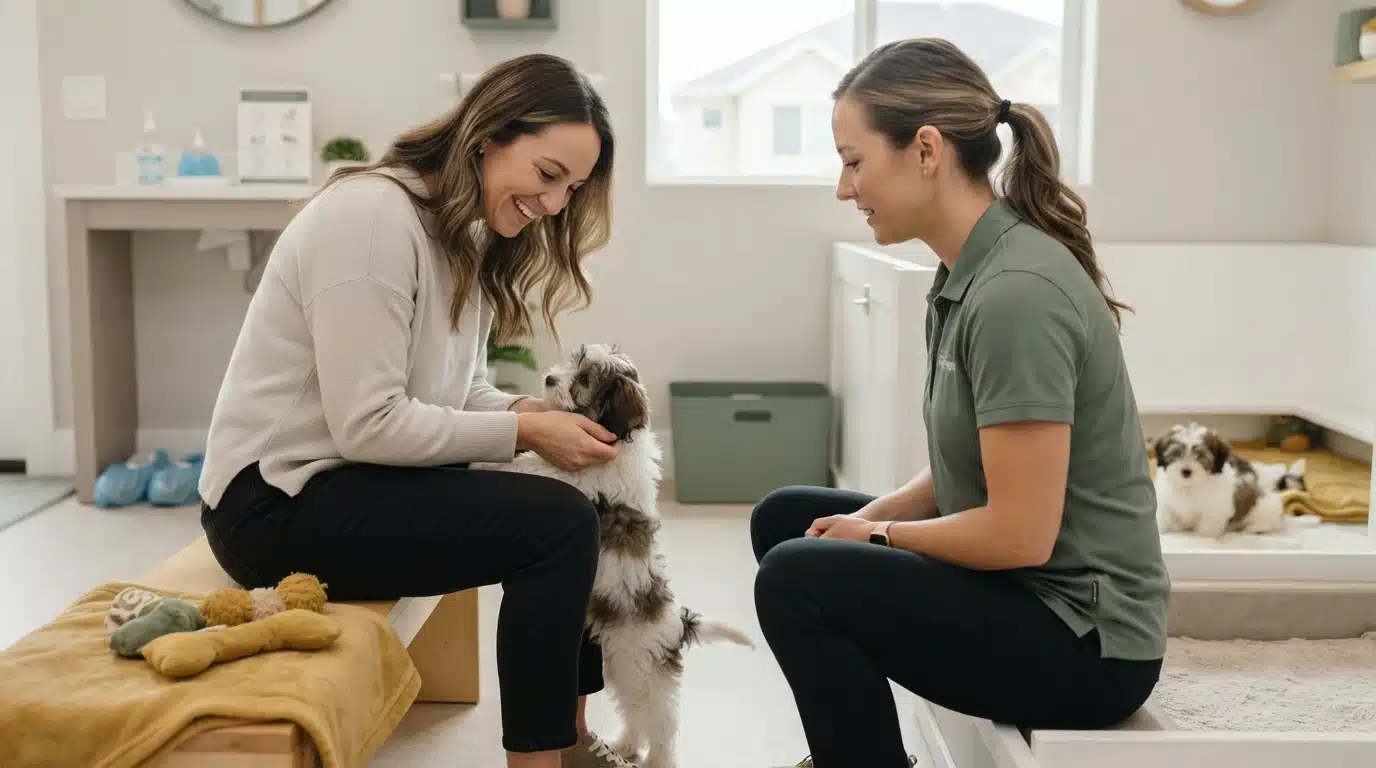
Puppies should be calm, curious, and used to normal home life. The ASPCA says responsible breeders raise pet puppies in a home environment, handle them daily, and provide early socialization with people and dogs, according to the ASPCA responsible breeding criteria.
Look for signs like these:
- Puppies are raised inside the home, not hidden in outbuildings
- The breeder can describe each puppy’s energy level
- You can meet at least one parent, or get a clear reason why not
- The breeder asks about your kids, schedule, and home setup
Transparency in communication and policies
A reputable source is easy to vet. They explain pricing, pickup or delivery, reservation terms, and what happens if the match is not right. In Illinois, large-scale breeders are regulated under the Illinois Animal Welfare Act, but smart buyers still need to look past licenses.
Use this quick check:
| Green flag | Red flag |
|---|---|
| Clear contract and return policy | Pressure to pay same day |
| Video calls and open answers | Vague or changing story |
| Focus on fit, not speed | Many breeds always available |
Also Read: 10 Adorable Havapoo Colors You Need To See 2026 Guide
Illinois Rules Buyers Should Know Before Purchasing
Minimum age and sale timing
Illinois law is clear on one key point: a puppy cannot be separated from its mother for sale until it is at least 8 weeks old, under 225 ILCS 605/2.2. If a seller offers a younger puppy, walk away.
That rule matters because early separation can hurt feeding, social skills, and stress recovery. Before you leave a deposit, ask:
- Date of birth
- Date the puppy can legally go home
- Whether the puppy is still with its litter and mother
If the pickup date feels rushed, treat that as a red flag.
Licensing, records, and disclosures
Illinois also requires licensed sellers to keep sales records and provide written details at the time of sale. State rules say records must include the animal’s source, sale date, description, sex, and buyer information, and buyers of dogs must receive a written statement with facts like age, breed, immunizations, parasite treatment, and any microchip or registration details, according to Illinois record rules.
Use this quick checklist before paying:
| What to ask for | Why it matters | What you should see |
|---|---|---|
| Seller license info | Confirms regulated status | Active Illinois license details |
| Health record | Shows basic care history | Vaccines, deworming, dates |
| Written sale statement | Protects you after purchase | Breed, sex, age, ID details |

Pet store and retail-sale considerations
Pet shop sales have extra disclosure rules in Illinois. Stores must give written details on price, breed, age, treatments, sourcing, return history, license number, and microchip status, and the buyer signs an acknowledgment at sale.
That does not make every retail listing equal. Ask these questions:
- Where was the puppy born and raised?
- Who handled early socialization?
- Can you review all disclosures before payment?
Good sellers welcome careful questions. Pressure, vague answers, or missing paperwork are reasons to leave.
Also Read: 12 Small Breed Puppies That Are Perfect for Kids (2026)
Choosing the Right Breed for Your Home and City Lifestyle
The right breed should match your space, schedule, energy level, and experience, not just your favorite look. For many Illinois buyers, especially in Chicago or close-in suburbs, a small companion breed is often the easiest fit.
Best fit factors for first-time owners
First-time owners usually do best with a puppy that is friendly, trainable, adaptable, and not extreme in exercise or grooming. The American Kennel Club notes that breeds recommended for new owners tend to be eager to please and easier to live with day to day, like the Cavalier King Charles Spaniel, Poodle, and Shih Tzu.
Ask yourself:
- How many walks can you do every day?
- Do you want low shedding, or lower grooming work?
- Are your kids old enough to handle a small puppy gently?
- Will someone be home often?
Pick for temperament and care needs first. Looks should come second.
Why smaller companion breeds often work well in city settings
City living does not always mean tiny dog only, but it does reward good manners, moderate exercise needs, and easy indoor living. AKC points out that apartment dogs should fit the space, handle neighbors well, and avoid nonstop barking, while some small breeds can do fine with indoor play and brisk walks in apartment homes.
- Easier to carry on stairs or in elevators
- Simpler to manage in condos and rentals
- Often better matched to shorter daily exercise windows
- Usually easier for first-time owners to handle physically

That said, small does not mean low-need. Some little dogs need lots of grooming, training, or company.
How Sage Puppies’ breeds fit different households
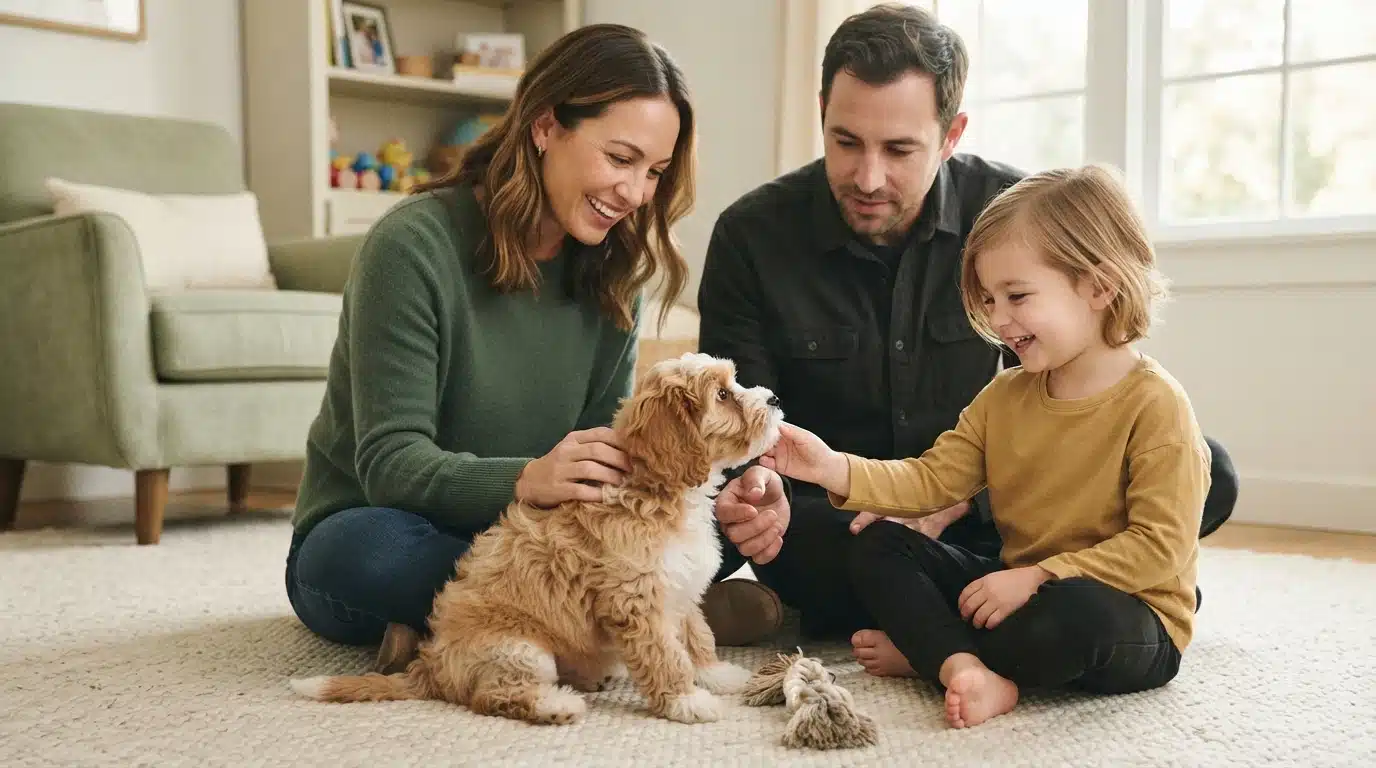
Sage Puppies focuses on Havanese, Havapoo, and Cavapoo, which makes sense for families who want a companion dog instead of a high-drive working breed.
- Havanese – great for families wanting a cheerful, social dog. AKC says Havanese can do well with city and suburban life.
- Havapoo – often a nice fit for buyers who want a small, affectionate dog with a playful side.
- Cavapoo – often suits homes wanting a gentle, people-focused pet with moderate activity needs.
These breeds may work well for:
- Apartment or townhouse homes
- First-time puppy owners
- Families with older children
- Remote workers or semi-home households
Also Read: 7 Best Small Breed Puppies For Apartment Living In 2026
Questions Reputable Breeders Should Ask You
Good breeders should interview you just as carefully as you interview them. Cornell notes that reputable breeders ask about your lifestyle, living situation, other pets, and past pet experience to make sure the match works for both sides according to Cornell.
Home, schedule, and training readiness
Expect direct questions about your home, work hours, yard, kids, other pets, and who will handle daily care. A breeder may also ask how long the puppy will be alone, where it will sleep, and whether you already picked a vet or training plan. The AKC says strong breeders use interviews or questionnaires to learn how a puppy will live day to day as described by AKC.
- Who is home during the day?
- How will you handle potty training?
- What is your backup plan for travel or emergencies?

If a breeder never asks about your schedule, that is a warning sign.
Lifestyle fit and long-term commitment
A good breeder wants to know why you chose this breed and what kind of dog you want to live with for the next 10 to 15 years.
They may ask about:
- Activity level
- Grooming tolerance
- Past dog experience
- Budget for vet care and training
- Plans if you move, have a baby, or change jobs
This is not nosy. It is how careful breeders avoid poor matches.
Why good breeders do not sell to everyone
Not every approved buyer gets a puppy, and that is a good thing. Ethical breeders place puppies where temperament, care level, and family goals line up best.
Reasons they may say no include:
- Impulse buying
- Unrealistic expectations
- No time for training
- Weak plan for lifelong care
The right breeder protects the puppy first, even if it costs them a sale.
How to Compare Prices, Reservation Policies, and What Is Included
A higher puppy price is not always overpriced. A lower price is not always a deal. Compare the full package, not just the number on the listing.
What affects a puppy’s price
Price usually reflects breed, size, coat type, breeder reputation, health testing, early social work, and what comes home with the puppy. In Illinois, pet shops must disclose the retail price, added fees, medical treatment, return policy, and microchip status in writing under Illinois law.
- Ask what is included
- Compare pickup, delivery, and tax separately
- Check if training groundwork or starter supplies are part of the fee
Reservation, deposit, and waitlist basics
Most breeders use one of three systems:
- Reservation deposit for a specific puppy
- Waitlist deposit for a future litter
- Application first, then deposit after approval
A fair policy should explain:
- Whether the deposit is refundable
- When you can transfer to another litter
- What happens if the breeder keeps a puppy back
- When final payment is due
Never send money until you have the policy in writing and know exactly which puppy or litter you are reserving.
What to confirm before you pay
Ask for a simple checklist. You want clear answers, not vague promises.
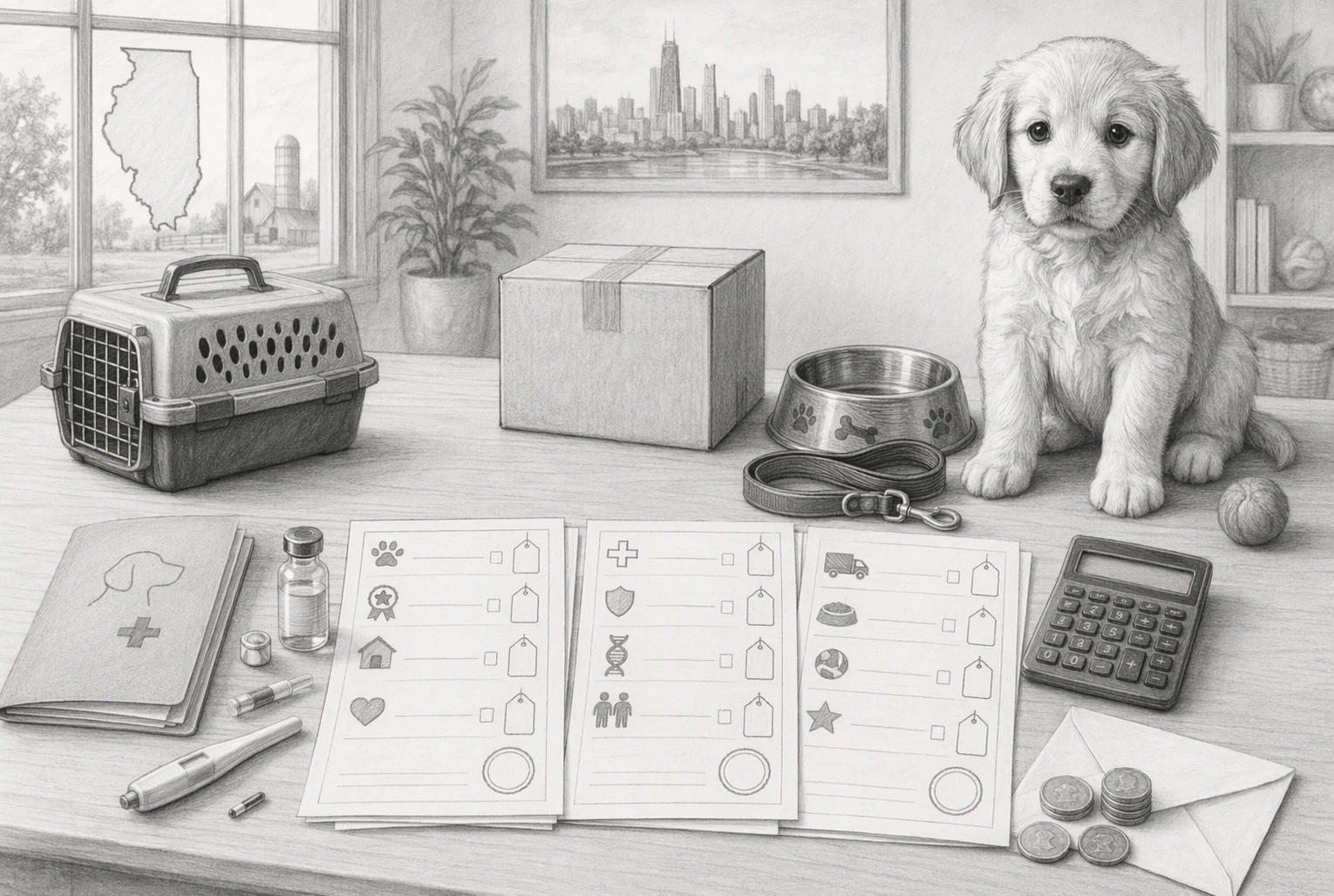
| Item | Confirm before paying | Why it matters |
|---|---|---|
| Puppy age | At least 8 weeks at separation | Illinois bars sale separation before 8 weeks under state law |
| Health records | Vaccines, deworming, vet notes | Helps you compare real value |
| Contract terms | Refunds, returns, health terms, delivery | Prevents surprises |
| ID details | Microchip and puppy identity | Confirms the puppy matches the paperwork |
Also Read: Home
Pickup, Delivery, and the First Week at Home
Confirm travel plans early so nothing feels rushed. Ask for the exact pickup address, timing window, feeding schedule, potty routine, and what food your puppy is eating now. If your puppy is traveling across state lines, ask what health paperwork is included, since transport rules can vary by state and carrier, as noted by the AVMA travel guidance.
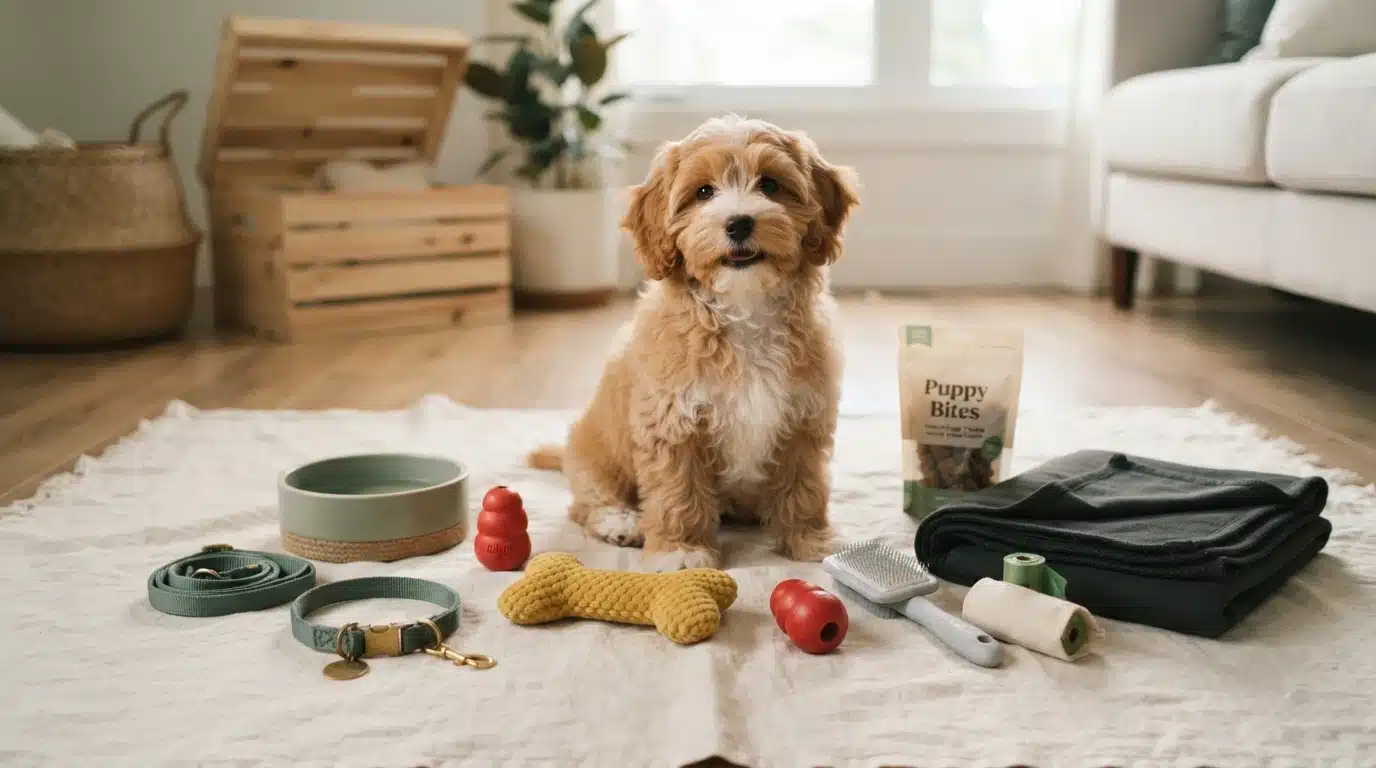
- Bring a secure crate or carrier
- Pack paper towels, water, and a leash
- Ask for a comfort item with familiar scent
Do not change food, route, and routine all on the same day if you can avoid it.
Set up home before arrival. Pick one potty spot, one sleep area, and one safe play zone. Keep the first 48 hours quiet and simple.
- Crate or pen
- Food and water bowls
- Chews and soft bedding
- Enzyme cleaner
- Baby gates
A puppy settles faster when your house rules stay clear from day one. Decide who handles meals, potty trips, and bedtime.
The first week should feel calm, not busy. Keep visitors low, use short wake-play-potty-sleep cycles, and reward small wins. The early social period matters, and positive exposure during these weeks helps prevent fear later, according to this AVMA review on puppy socialization.
- Feed on schedule
- Take outside after sleep, meals, and play
- Keep training sessions short
- Watch stool, appetite, and energy
Also Read: About
Common Mistakes Illinois Buyers Should Avoid
Buying before verifying health and records is the fastest way to get burned. Ask for vaccine dates, deworming history, microchip details, and the puppy’s exam notes before you send money. Illinois rules require certain sellers to give written sale and health details, and state rules also require sales records and treatment records to be kept under Illinois disclosure and record rules.
Assuming all sellers are equally responsible causes a lot of bad matches. A polished website does not prove good breeding. Illinois licenses and inspects several animal business types, and federal records may also apply for some dealers. Check whether a seller is licensed with the Illinois Department of Agriculture, ask who raised the litter, and confirm who handled early social time and vet care.
If a seller dodges simple questions, moves you off-platform fast, or refuses to share records, walk away.
Ignoring breed fit and daily routine leads to stress for both you and the puppy. Pick a breed that matches your home, budget, grooming tolerance, and time. A sweet puppy still needs structure, sleep, training, and daily people time.

If you want a puppy from a program that matches the standards in this guide, start with Sage Puppies. Their Havanese, Havapoo, and Cavapoo puppies are home-raised, come from health-tested parents, and are placed through a clear, family-first process with pickup or nationwide delivery. Review available puppies, pricing, and next steps before you apply.
Frequently Asked Questions
Q1: What should I consider when choosing a breeder or pet store for puppies in Illinois?
Check health testing, living conditions, socialization, contract terms, and how clearly the seller answers questions. A good breeder knows each puppy well. Pet stores often know less about parent dogs, early care, and long-term support.
Q2: What are the best dog breeds for city living in Chicago, IL, for new puppy owners?
Look for breeds with small size, friendly temperaments, and moderate exercise needs. Havanese, Cavapoos, and Havapoos often fit apartments well. Your match still depends on grooming needs, noise level, trainability, and how much time your family has.
Q3: What questions do reputable breeders in Illinois ask prospective puppy buyers?
They ask about your schedule, housing, kids, other pets, training plans, and budget. Good breeders also ask what temperament you want. These questions protect the puppy and help place each one in the right home.
Q4: How much should I budget for a puppy in Illinois?
Plan for more than the purchase price. Include food, vet visits, vaccines, grooming, training, supplies, and emergency care. > First-year costs often surprise new owners, so ask for a full estimate before you commit.
Q5: Can I buy from an out-of-state breeder if I live in Illinois?
Yes, if the breeder is transparent and well organized. Ask for video calls, health records, transport details, and pickup options. Programs like Sage Puppies can work well for Illinois families who want a home-raised puppy.
Conclusion
Buying a puppy in Illinois goes better when you slow down and check the basics. A strong breeder match starts with breed fit, clear health records, honest answers, and a clean, well-run home or program.
Illinois gives buyers useful guardrails. The state licenses and inspects dog breeders and related facilities through the Illinois Department of Agriculture. State law also says puppies cannot be separated from their mother for sale before 8 weeks of age, according to 225 ILCS 605/2.2.
The best choice is rarely the fastest one. Focus on health testing, temperament, transparency, and long-term support. If a breeder welcomes questions and screens buyers carefully, that is usually a good sign you are buying with your head, not just your heart.