Quick Summary: Quick Summary: When buying a puppy in California, focus on verifying breeder transparency, health records, and legal disclosures before committing. Avoid rushed decisions, cash-only deals, and sellers who refuse to show documentation or meet in person. Adoption is a good alternative if you’re flexible on breed and age, and California law now provides stronger buyer protections. Always review contracts carefully, especially regarding deposits and health disclosures, to ensure a smooth and safe purchase.
If you are sorting through Puppies For Sale in California, start with proof, not pictures. The right first move is checking whether a seller can show where the puppy came from, how it was raised, and exactly which health records you will get at pickup.
That is the big problem this guide solves. Many listings for Puppies For Sale look polished, but the real difference is breeder standards, health testing, early care, and honest paperwork. That is where buyers often get stuck.
This guide gives you a clear California-first framework. You will learn how to compare Puppies For Sale, screen California Puppies sellers, weigh breeder vs rescue options, and understand where Puppy Adoption California may fit better than a breeder purchase.
We built this for serious buyers who want a healthy, well-raised puppy and a smooth process. It also reflects what careful families look for in trusted programs like Sage Puppies, known for family-raised companion breeds and clear pickup or delivery steps.
Start with the Right Path: Breeder, Broker, Rescue, or Shelter
Your first choice shapes almost everything that follows. In California, a breeder sells dogs they bred and raised, while a broker sells dogs bred by someone else for profit under the state’s broker definition. A rescue is a nonprofit that places animals into homes and does not breed or buy from breeders for compensation. A shelter is a public agency or contracted facility for stray, abandoned, or surrendered pets. California also bars pet stores from selling dogs, cats, or rabbits unless they come from shelters or rescue groups under state law.
- Breeder – best for planned breed, size, and early history
- Broker – adds middleman risk and less direct source control
- Rescue – nonprofit placement, often foster-based
- Shelter – public intake, wide mix of ages and breeds

Buying may fit better if you need a clear target. That includes a known adult size, coat type, energy level, and more puppy-stage history. It can also help if your home has kids, allergy concerns, travel needs, or landlord limits.
Look for:
- Health-tested parents
- Clear medical records
- A chance to meet the breeder
- Honest talk about temperament
A good breeder should welcome questions and show paperwork without pressure.
Adoption may fit better if you care more about the right dog than the exact breed. It also makes sense if you are open to adult dogs, mixed breeds, or a shorter puppy phase. Many rescue and shelter dogs already show their size and personality.
Adoption often works well for:
- Flexible households
- Experienced owners
- Families open to some unknowns
- Buyers who want to help a dog in need
Also Read: 7 Best Small Breed Puppies For Apartment Living In 2026
How to Verify a Reputable California Breeder
What a responsible breeder should willingly show you
A good breeder does not hide the basics. They should gladly show you where puppies are raised, how they interact with people, and what care they get before going home. The California Attorney General says reputable breeders should meet you in person, share health and vet records, and let you see living conditions and the parents when possible in its consumer alert for puppy buyers.
Ask to review:
- Parent health testing results
- Vaccine and deworming records
- Vet visit history
- A sample contract
- Feeding and socialization routine

If a breeder acts annoyed by normal questions, treat that as useful information.
Questions that reveal quality and ethics
The best questions make a breeder explain their process, not just quote a price. You want clear, direct answers.
Ask:
- What health tests were done on both parents?
- How are puppies socialized in the home?
- What support do you offer after pickup?
- What happens if a family can no longer keep the dog?
- Can I speak with your vet or past buyers?
California law also helps you verify paperwork. Breeders covered by the state’s dog sale rules must give written disclosures that include birth date, breed details, inoculations, worming, vet treatment, and known illness or hereditary concerns under the Polanco-Lockyer Pet Breeder Warranty Act.
Red flags that should slow you down
Bad breeders rush. Good breeders screen you too.
Slow down if you notice:
- Parking lot meetups
- Cash-only payment pressure
- No proof of parent health testing
- No questions about your home or lifestyle
- Multiple litters always available
- Refusal to show where puppies live
- “AKC registered” used as a health claim
Registration tracks lineage. It does not prove health or breeding quality.
Another 2026 California point: contracts offered to buyers in California cannot require a nonrefundable deposit. If a seller pushes one, read the terms very carefully and walk away if needed.
Also Read: Home
Check the Health Records Before You Commit
Health records tell you if the puppy was raised with care or just marketed well. In California, sellers must give written records covering vaccines, deworming, source details, and vet treatment under state disclosure rules.
The records you should expect
Ask for a full paper trail before you place a deposit or schedule pickup. At minimum, you should see:
- Vaccine dates and product names
- Deworming dates and treatment used
- Any vet visits, medicine, or known health issues
- Birth date, breed, sex, color, and identifying marks
- Parent information if the puppy is sold as purebred or registerable
California also requires breeders covered by the law to disclose known illness, disease, or hereditary concerns in writing under the Pet Breeder Warranty Act.
If a seller says, “the puppy is healthy” but cannot show dated records, treat that as a red flag.
How pedigree and identity get verified
Pedigree papers are useful, but they do not prove health on their own. Use them to verify identity, not to replace medical records.
Check these details:
- The puppy’s call name and litter details
- Sire and dam names and registration numbers
- Microchip number, if already placed
- Matching color, sex, and markings across all documents
A good breeder should let you compare the puppy, the records, and the parent information side by side. If anything does not match, pause the sale and ask why.
What to confirm with your own veterinarian
Book a new-puppy exam right away. Bring every record you received.
Ask your vet to confirm:
- The vaccine schedule makes sense for the puppy’s age
- Deworming was done on time
- The puppy shows signs of parasites, infection, murmur, or joint issues
- The microchip, if present, matches the paperwork
Your vet is not just checking the puppy. They are also checking whether the breeder’s records look real, complete, and timely.
Also Read: 10 Adorable Havapoo Colors You Need To See 2026 Guide
Understand California Buyer Protections and Contract Basics
What California sellers must disclose
California buyers have stronger paperwork rights in 2026. Under the state Health and Safety Code, sellers arranging a dog sale to a buyer located in California must give written notice of the puppy’s source, key health records, and any vet care or medication history under California’s sale disclosure rules.
Use this checklist before you send money:
- Breeder name or original source
- USDA license number, if one applies
- State of birth
- Vaccines and deworming dates
- Vet treatment or medication records
- Signed health statement tied to known illness or hereditary issues
| Document | Why it matters | What to verify |
|---|---|---|
| Source disclosure | Confirms where the puppy came from | Breeder identity and birth state |
| Vaccine record | Shows basic preventive care | Dates, products, age match |
| Vet history | Flags ongoing issues | Meds, diagnosis, treatment notes |

If a seller says details are “unknown,” ask what they do know and get it in writing.
Why deposits and contract terms deserve attention
A big California change took effect January 1, 2026. A contract to transfer a dog, cat, or rabbit to a buyer in California is void if it includes or requires a nonrefundable deposit under AB 506.
Read the contract line by line before you reserve a puppy. Focus on:
- Deposit language – avoid any “nonrefundable” term.
- Health disclosure timing – records should come before or at sale.
- Replacement or refund terms – make sure they are plain.
- Delivery and pickup details – dates, fees, and who carries risk.
- Breed, sex, and puppy identity – the puppy offered should be clearly listed.
A clean contract should explain the puppy, payment, records, and next steps without vague wording.
How to protect yourself if something does not match
If the puppy, records, or contract terms do not match what you were promised, act fast.
- Save screenshots, messages, invoices, and signed documents.
- Ask for a written fix or refund right away.
- Point out the exact contract term or missing disclosure.
- If the contract is void under California law, request your money back within 30 days.
California law also lets affected buyers sue to recover money and seek other relief, with possible attorney’s fees for a winning plaintiff.
Also Read: About
Choose the Puppy That Fits Your Home, Not Just Your Heart
Temperament matters more than color or fluff. A puppy should match your daily rhythm, noise level, and experience. The AVMA says puppies do best when early experiences prepare them for real life, not a fantasy version of it.
- Busy home with kids? Look for a puppy that recovers fast, enjoys handling, and stays curious.
- Quiet apartment? A softer, lower-drive puppy may settle better.
- First-time owner? Choose a breed and personality with easier training and grooming needs.
A shy puppy is not always a bad pick. It is a bad pick if your home is loud, busy, and unpredictable.

Size, coat, and care shape your next 10 to 15 years. Small dogs fit more homes, but coat type changes the work. A low-shed coat often means more brushing and regular grooming.
| Factor | Easier fit for many homes | Higher commitment |
|---|---|---|
| Size | Small to mid-size | Large, fast-growing |
| Coat | Short or simple routine | Curlier coat with frequent grooming |
| Energy | Moderate daily exercise | High stamina and constant activity |
- Ask yourself:
- Can you handle grooming every week?
- Can your landlord, stairs, yard, and car fit this dog?
- Can you afford coat care, training, and supplies?
Ask clear questions before you commit. The AKC notes that the first three months strongly shape future behavior, so early handling and exposure matter.
- What new sounds, surfaces, people, and routines has this puppy seen?
- Has crate intro started?
- Has the puppy met children, men, and calm adult dogs?
- What training basics have begun?
Also Read: Early Development
Plan for Pickup, Delivery, and the First 72 Hours Home
What to confirm before handoff
Get the paperwork before your puppy leaves the breeder or transport partner. In California, sellers must give records for vaccines, deworming, vet care, and source details, and dogs brought in for sale or change of ownership need a health certificate dated within 10 days of entry under California import and sale rules and state code disclosures.
- Confirm the puppy ate, drank, and used the bathroom that day
- Get feeding amount, brand, and last meal time
- Check microchip details and your pickup contact numbers
- Ask what stress signs are normal for the first night
Do not accept a rushed handoff with missing records.
How to set up the first day at home
Keep day one small and quiet. Your puppy needs rest, water, one safe potty area, and a simple routine.
- Set up a crate or pen before arrival.
- Offer water right away and a small meal later.
- Take the puppy out often, especially after sleep and meals.
- Limit visitors, rough play, and long car rides.
- Use the same food for several days before any switch.
Expect some loose stool, extra sleep, or mild shyness after travel.
When to call your veterinarian
Book a new-puppy exam within the first few days. USDA APHIS also says interstate pet travel rules can vary by destination, so check early if your puppy crossed state lines.
Call your vet the same day if you see:
- Vomiting more than once
- Repeated diarrhea
- No eating or drinking
- Coughing, labored breathing, or thick nasal discharge
- Extreme weakness or a swollen belly
Also Read: 12 Small Breed Puppies That Are Perfect For Kids 2026
Common Mistakes to Avoid When Buying a Puppy in California
- Rushing because a puppy is available now
Scarcity is a sales tool. A good puppy today is not better than a better-fit puppy next month. Slow down and confirm health testing, temperament, home raising, and breeder transparency before you send money.
If a seller pressures you to decide the same day, treat that as a warning sign.
-
Ignoring paperwork or verbal-only promises
Do not rely on texts, calls, or “trust me” language. California buyers should ask for signed records, health details, vaccine and deworming history, and source information. Since January 1, 2026, sellers to California buyers must provide written source and treatment disclosures, and contracts cannot require a nonrefundable deposit under California law. -
Choosing solely on price
The cheapest puppy can become the most expensive one. Low prices often hide weak screening, poor early care, or missing records. The California Attorney General warns buyers to avoid cash-only deals, parking lot meetups, and missing medical records in its consumer alert.
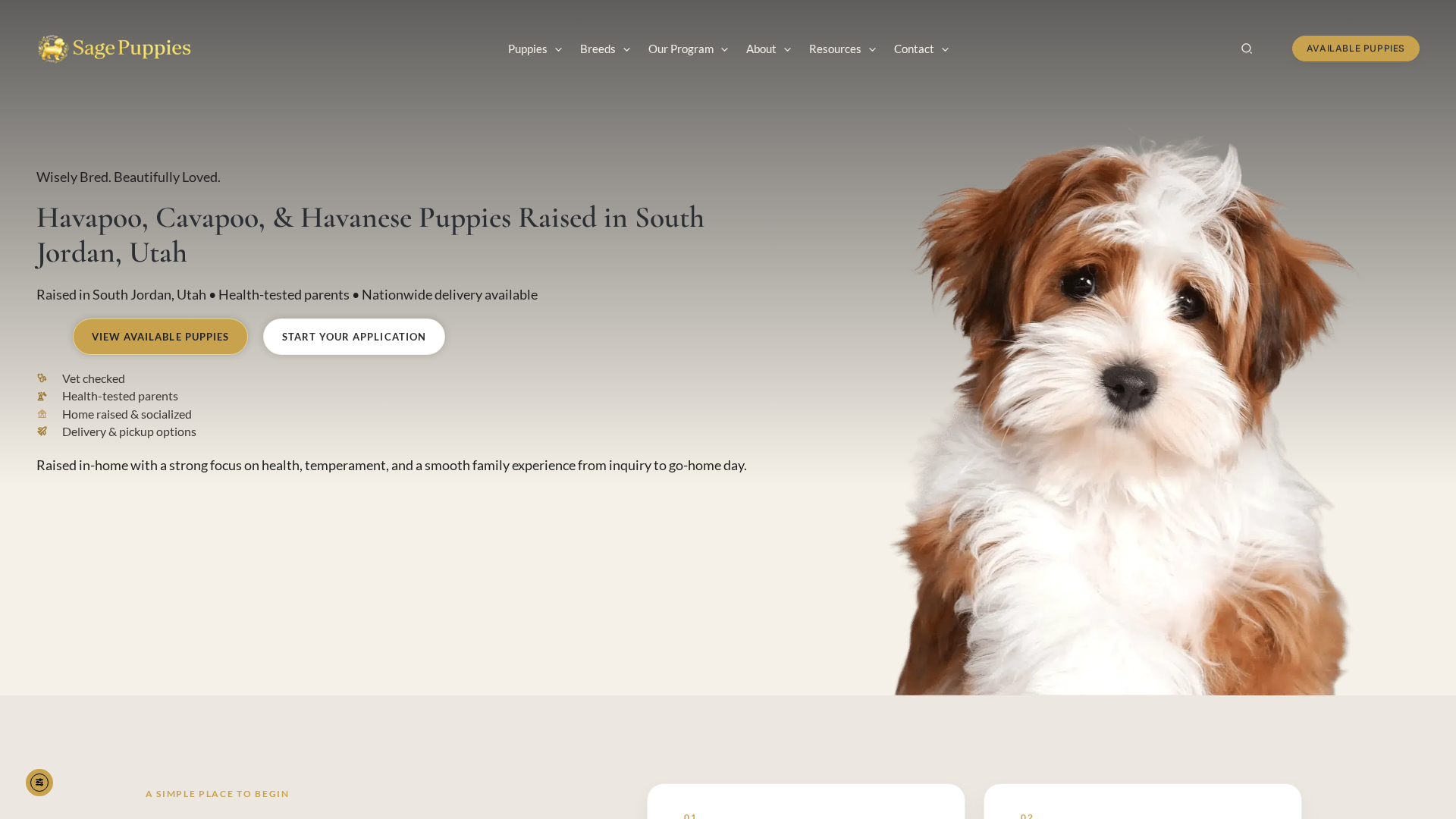
If you want a puppy program that makes health records, socialization, and next steps clear, take a closer look at Sage Puppies. Their family-raised Havanese, Havapoo, and Cavapoo puppies, transparent process, and nationwide delivery can help California buyers move forward with more confidence.
Frequently Asked Questions
Q1: What are the key factors to consider when choosing a reputable puppy breeder in California?
Check health testing, living conditions, socialization, contract terms, and breeder transparency. A good breeder shares parent records, answers hard questions, screens buyers, and does not push same-day sales. Avoid sellers who refuse visits, video calls, or basic paperwork.
Q2: How can prospective owners verify the health and pedigree of puppies in California?
Ask for vaccine records, deworming history, exam notes, and proof of parent health testing. For pedigree, request registration details and parent lineage documents. Match names, dates, and microchip data so the puppy, records, and breeder information all line up.
Q3: What is the typical California puppy adoption process from shelters and rescues?
Most rescues use an application, reference check, interview, and home fit review. You may also pay a fee and sign a care agreement. The process often moves slower than private purchase, but it can be a strong option for many families.
Q4: How much should I budget for a puppy in California?
Plan for the purchase or adoption fee, first vet visit, food, crate, training, grooming, and supplies. Total first-year cost is usually much higher than the puppy price, so budget before you commit.
Q5: Is it safe to buy a puppy from out of state?
Yes, if the breeder is transparent and organized. Ask for live video, records, references, and clear pickup or delivery details. Programs like Sage Puppies also explain process, health paperwork, and handoff steps upfront, which helps buyers feel secure.
Conclusion
Buying a puppy in California takes more than finding a cute listing. The smart path is simple: verify the breeder, confirm health records, review the contract, and stay open to adoption if it fits your home. California gives buyers real protections. Since January 1, 2026, sellers must disclose breeder origin and medical history, and contracts with nonrefundable deposits can be void under California’s AB 506 law. The state also warns buyers to avoid parking lot meetups, missing records, and sellers who dodge questions, according to the California Attorney General’s consumer alert.