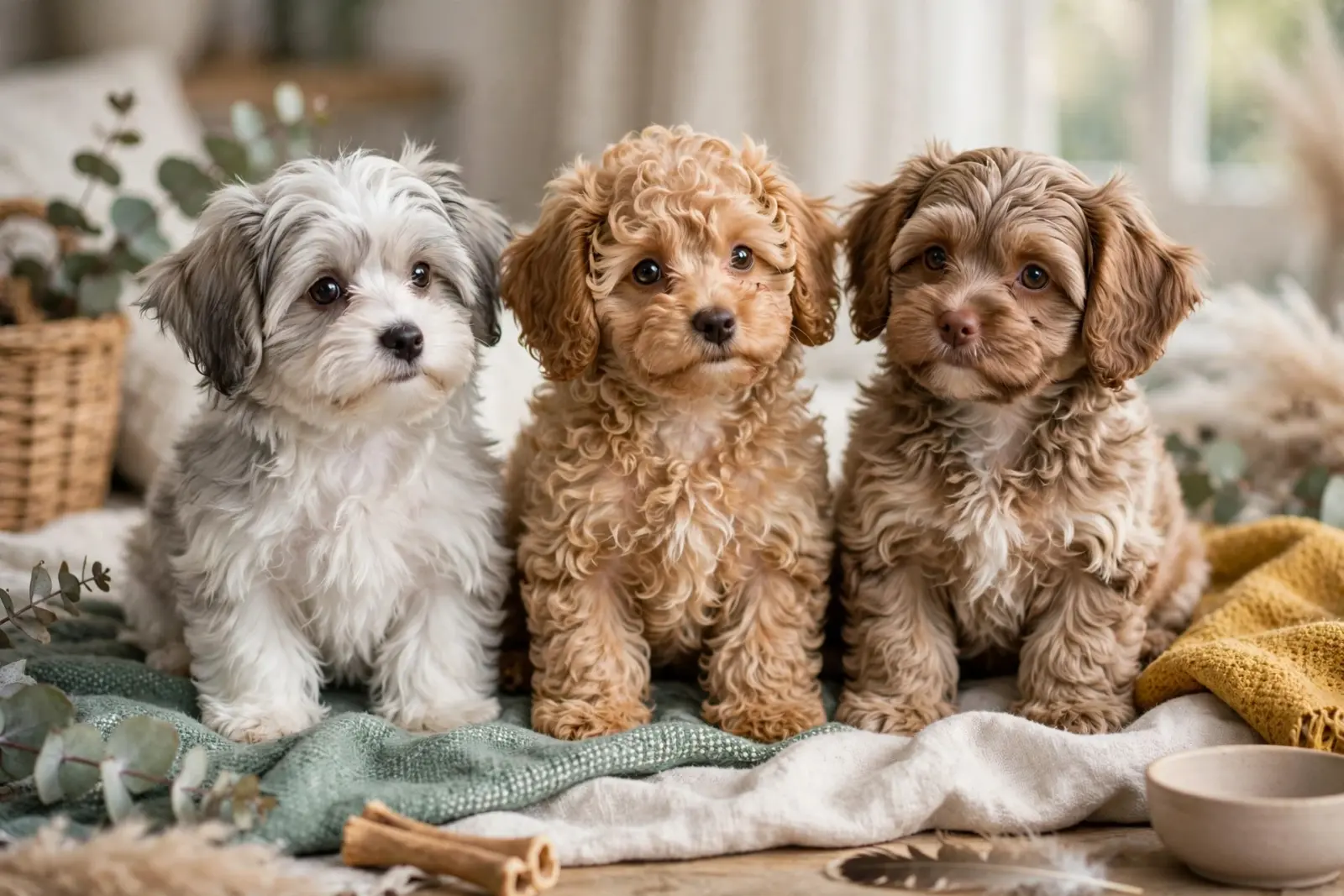
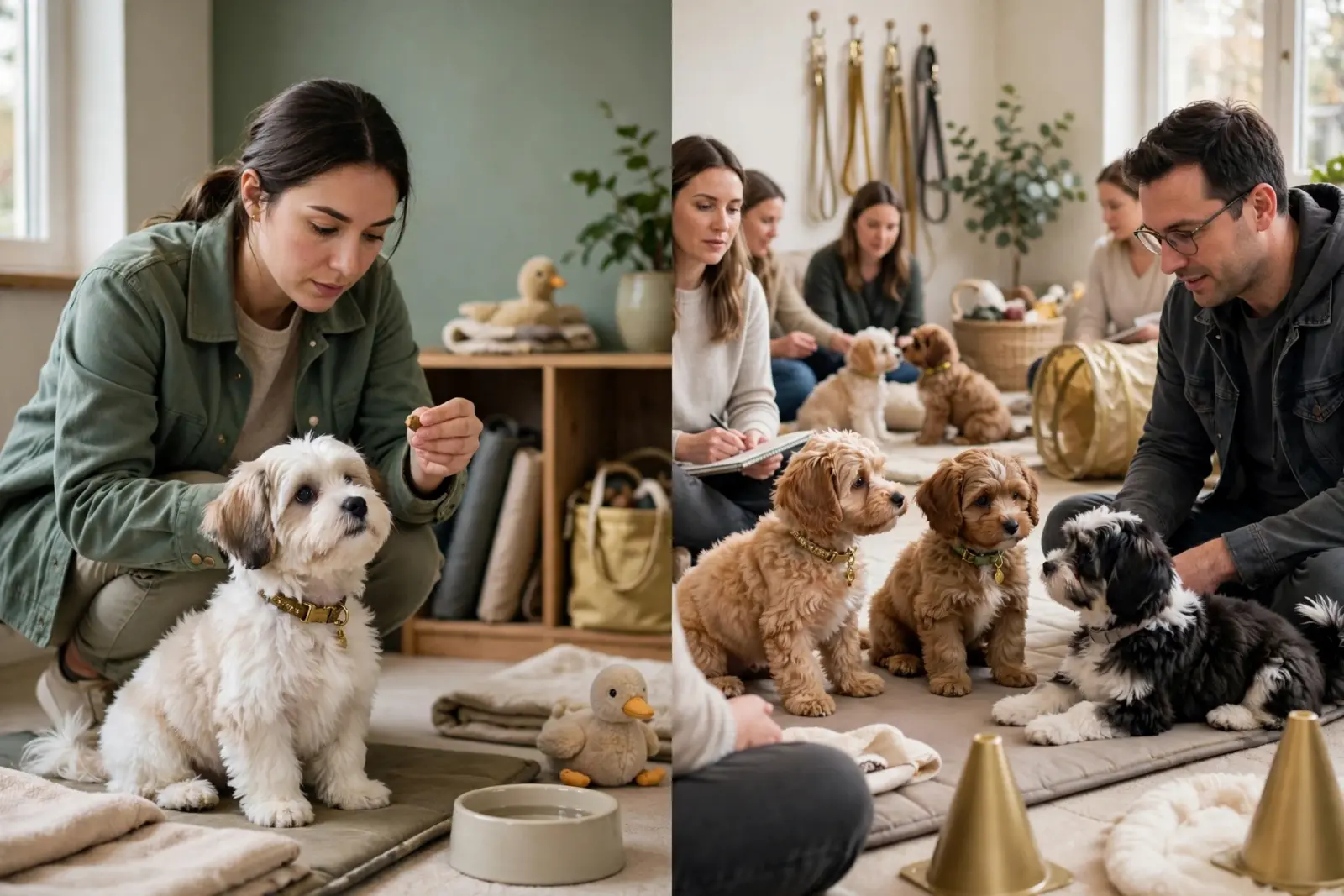
Plan the Nevada homecoming before agreeing on a pickup or delivery date. Confirm the actual puppy, the responsible adults, the receiving address and the records that travel with it. Keep room in the plan for weather or document timing to change.
Sage Puppies is Cassie Milar’s South Jordan, Utah program offering Havanese, Havapoo and Cavapoo. Discuss the supported arrangement directly with Cassie. A Nevada destination does not establish a Sage pickup location in Nevada.
Confirm the puppy, purchase and written arrangement
Sage’s general puppy purchase range is $3,500–$4,500. Confirm the individual puppy’s price with Cassie; travel, ongoing care and guardian arrangements are separate. Review Pricing & Reservation and How It Works before committing.
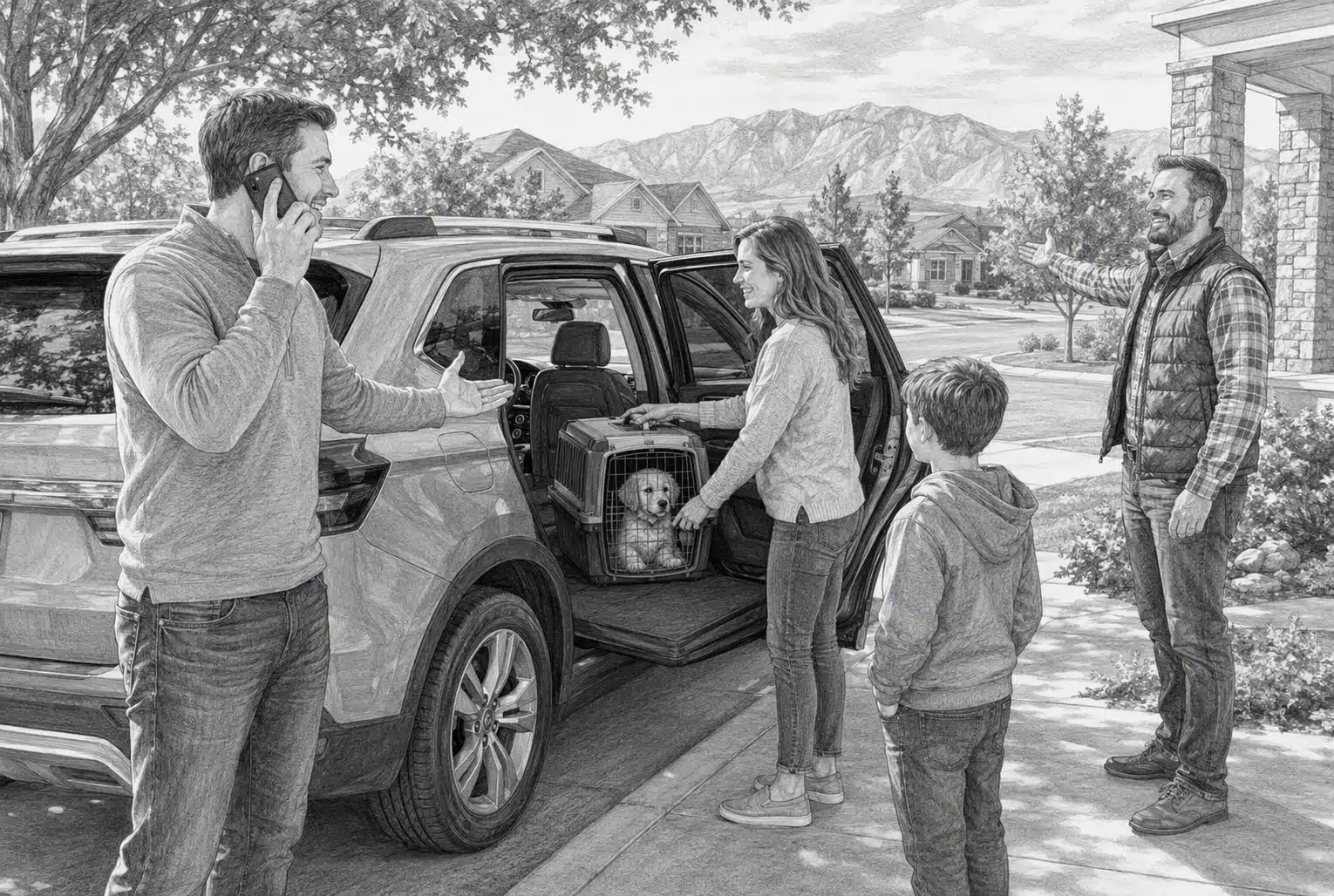
Write down the puppy’s profile and supplied identification, agreed price, receiving adult, contact route and confirmed handoff details. Ask what happens if the date changes and which costs or commitments apply. Review Delivery & Pickup before booking; confirm the particular arrangement rather than filling in an assumed route or arrival time.
Reconcile Nevada’s entry paperwork before travel
The Nevada Department of Agriculture’s dog, cat and ferret entry section lists a health certificate, current rabies vaccination and no entry permit. NAC 571.080 requires a health certificate for dogs and cats and addresses rabies vaccination for animals three months and older. Have the issuing veterinarian reconcile the actual puppy’s age, history and journey with current requirements.
Ask the issuing veterinarian or department about certificate validity, required identification, destination details and any current condition affecting the trip. Recheck if the date or destination changes. A sale contract, routine vaccination record and interstate health certificate serve different purposes; keep each clearly identified. This checklist does not certify a particular puppy’s travel eligibility.
Pack the carrier and familiar routine you have agreed
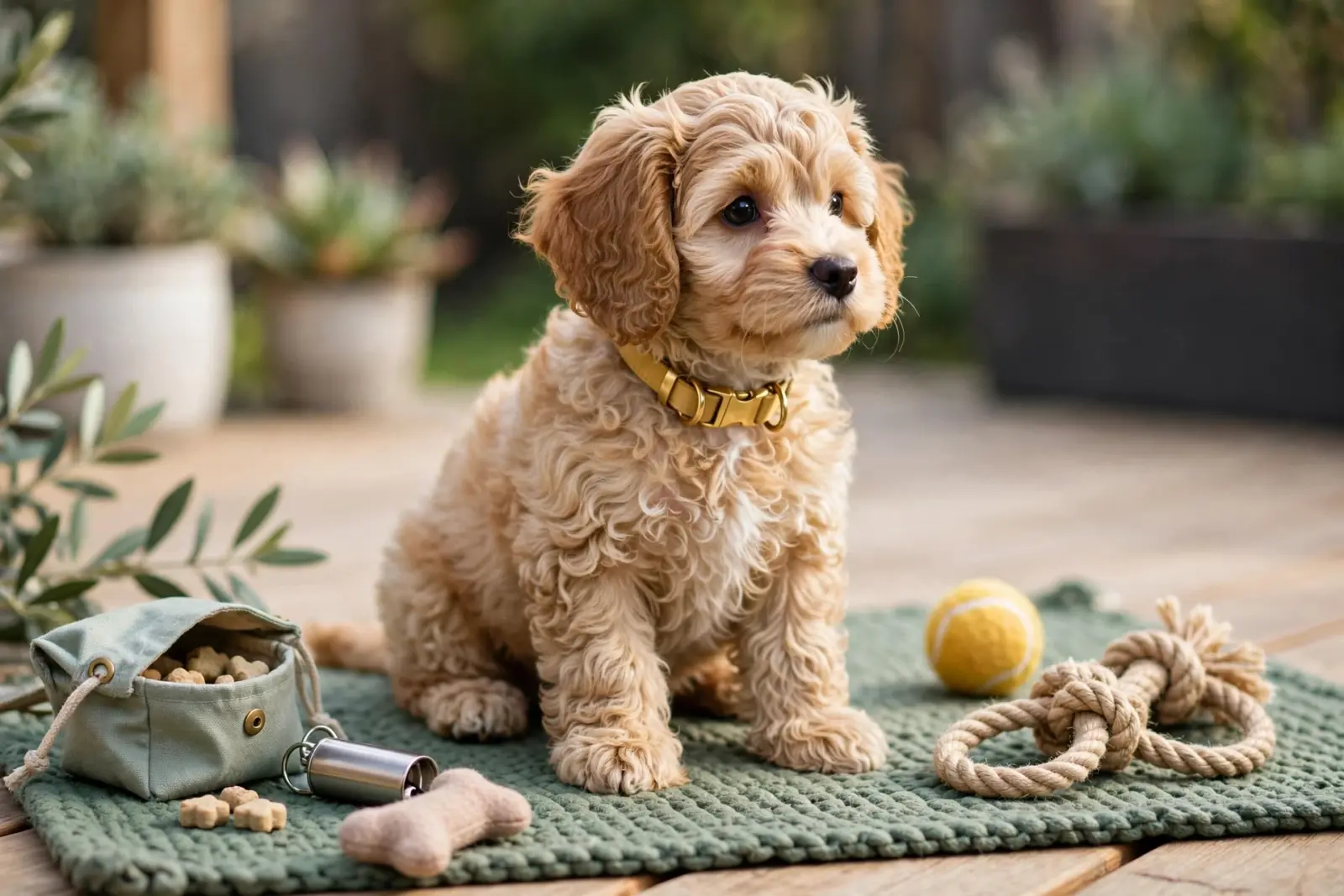
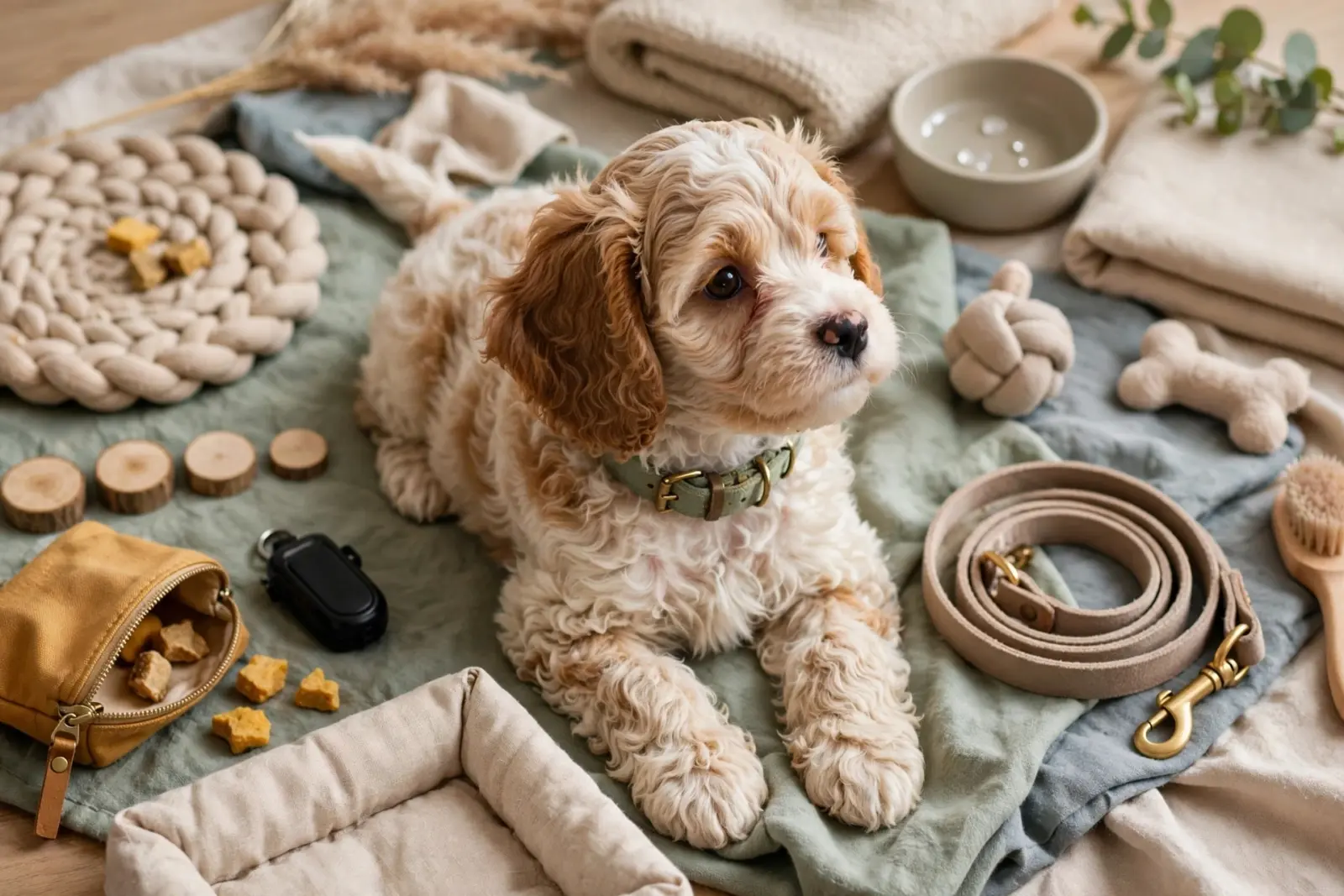
- Choose a carrier and restraint appropriate to the actual puppy and vehicle, following their manufacturer instructions and the agreed transport plan.
- Keep the supplied feeding notes and familiar food accessible; ask about the puppy’s individual travel-day routine.
- Pack water, a bowl, cleanup materials, waste bags and the puppy’s suitable lead or harness.
- Carry readable records and the receiving veterinarian’s contact route where the responsible adult can find them.
Set up the vehicle before the handoff. Keep the carrier ventilated and out of direct sun, with its secure position decided before driving. Ask the veterinarian about any travel or motion-sickness concern; do not improvise a medication, dose or fasting schedule.
Review the actual records before leaving
Match birth date and supplied identification to the puppy. Review examination findings, dated vaccinations and treatments, known concerns, feeding notes and any supplied microchip information. Keep parent screening separate from the puppy’s own medical history. Resolve an unclear date or entry with the issuer rather than guessing what it means.
Confirm who handles ordinary follow-up questions and how to reach veterinary care if the puppy appears unwell. Use Health Testing to prepare specific questions about the puppy and parents. Breeder communication supports the transition; the receiving veterinarian directs medical care.
Plan the journey using current road and weather conditions
NDOT’s travel-information page links to Nevada’s 511 road and weather service. Check conditions for the actual journey and return leg, including any state you pass through. For a northern or higher-elevation winter trip, read NDOT’s winter-driving guidance and allow timing to change when conditions require it.
Choose stops with a responsible adult able to supervise the puppy, manage a secure exit and assess the immediate surface and surroundings. Follow veterinary advice about age and exposure in shared animal areas. The National Weather Service warns against leaving pets in parked vehicles; plan necessary errands and stops around continuous care. Use the Nevada puppy heat guide when warm conditions affect the trip.
Give the receiving home a quiet, practical start
Prepare a small supervised resting area and a manageable toilet route, then follow the actual feeding and care notes supplied. Agree who covers the first evening, the next workday and an unexpected delay. For cold conditions, Cornell’s winter guidance explains individual vulnerability and paw care; clear a suitable route and return the puppy to a warm, dry area.
Arrange the receiving veterinary visit around the puppy’s history, clinic advice and your written agreement. Keep the records available and contact a veterinarian promptly about illness rather than waiting for a routine appointment. Return to the Nevada puppy buyer guide for household fit, or describe your care and homecoming plan in the application.