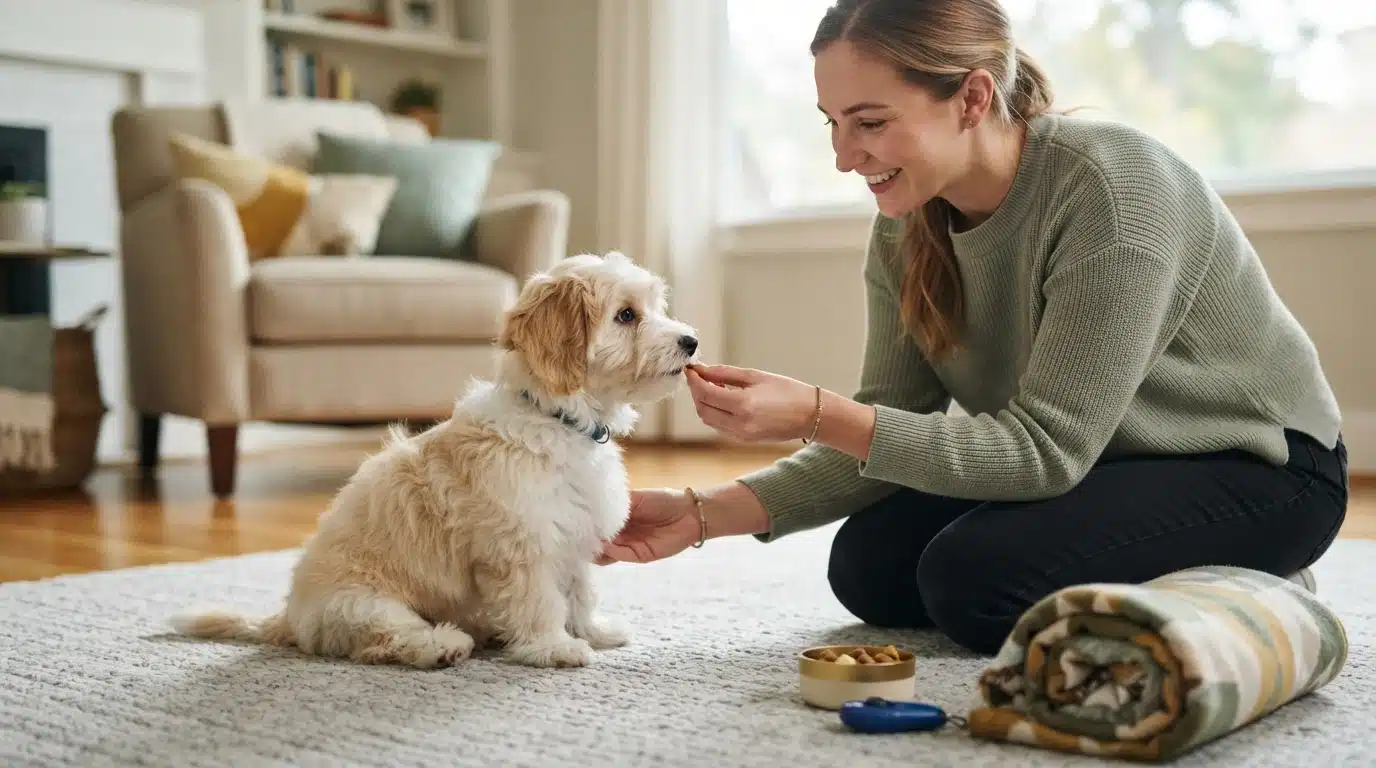
Quick Summary: Littermate-raised puppies learn bite inhibition and dog body language, while solo-raised puppies usually bond faster with people and settle more easily in a one-puppy home. Neither style replaces planned socialization between roughly three and 14 weeks, and littermate syndrome is a real risk rather than a guaranteed outcome when two siblings are raised together. For first-time owners, a solo-raised puppy is often the smoother choice, while littermate-raised puppies can suit homes with an experienced resident dog.
Two puppies from the same litter can leave a breeder’s home with very different social head starts. One spent eight weeks wrestling with siblings. The other was handled one-on-one by a person. Littermate raised vs solo raised puppies is not just breeder shorthand, because that early setup shapes leash manners, dog tolerance, and how quickly your puppy settles into a single-dog home.
Most buyers comparing litters keep seeing the phrases “littermate raised” and “mom raised” with no explanation of what actually changes at home. You want a puppy that is social, confident, and easy to live with. Here, we compare what each style tends to produce, where the littermate syndrome evidence is strong and where it is debated, and we finish with questions that separate real practice from marketing language. This comes from experience raising Havanese, Havapoo, and Cavapoo puppies in our South Jordan, Utah home.
Littermate-Raised vs Solo-Raised Puppies: At a Glance
| Littermate-raised puppy | Solo-raised puppy | |
|---|---|---|
| Early Socialization | High dog-dog exposure from litter play, plus normal household handling | Concentrated human contact, with individual play, handling, and training |
| Dog-Dog Skills | Practices play biting, turn-taking, and reading dog body language daily | Less litter practice; depends on later dog exposure |
| Risk of Dependency Issues | Higher risk of pair-dependence if both siblings go home together | Lower pair-dependence risk, though separation anxiety is still possible |
| Transition to a Single-Puppy Home | Slower at first; may expect constant company and play | Often quicker to settle, with more human focus |
| Best For | Homes ready to coach through the first weeks of solo adjustment | First-time owners, families wanting one puppy, and multi-dog homes |
How Littermate-Raised and Solo-Raised Puppies Compare
Littermate-raised puppy
A littermate-raised puppy stays with its mother and siblings until weaning, so litter play does most of the early social teaching. This path suits homes ready to coach a pup through the first weeks of solo adjustment. If two siblings go home together, pair-dependence becomes a real risk.
Key strengths
- Daily practice in play biting, turn-taking, and reading dog body language
- High dog-dog exposure from the puppy socialization period
Solo-raised puppy
A solo-raised puppy gets concentrated one-on-one human contact after weaning, with individual handling, feeding, and play shaping its early world. It often settles faster in a single-puppy home and fits first-time owners, families wanting one puppy, and multi-dog homes. Separation anxiety is still possible, so early training matters either way.
Key strengths
- Strong human focus that speeds home transition
- Lower pair-dependence risk, with litter skills built later through dog exposure
Does Raising a Puppy With Littermates Improve Socialization?
Not by itself. Raising a puppy with littermates sharpens dog-to-dog skills, but it does not teach a puppy to trust people, handle new places, or stay calm alone. Good socialization needs planned exposure to people, sounds, surfaces, and handling during the puppy socialization period, roughly three to fourteen weeks of age. Littermates are one input, not the whole plan.
What Littermates Actually Teach Each Other
Puppies raised together learn bite inhibition, which means softening their bite so play stays fun. They read body language, take turns, and accept corrections from a sibling who yelps when play gets too rough. These dog-dog skills are real and valuable. The risk is dependence: siblings bonded so tightly that they stress apart, a pattern often called littermate syndrome.

What Solo-Raised Puppies Learn From People Instead
A solo puppy in a home turns that same energy toward people. It learns that hands mean gentle handling, that a crate means rest, and that brief alone time is safe, which lowers the risk of separation anxiety in puppies. Breeders who raise litters in a home, with each puppy getting individual time away from the group, get the best of both. You can see what this looks like when visiting a family-raised puppy.
Why Neither Style Replaces a Socialization Plan
Whichever way your puppy was raised, the first weeks at home set the pattern. Build a simple plan: new surfaces, car rides, different people, short absences, and calm handling of paws and ears. Keep sessions short and positive, and let the puppy set the pace. A thoughtful plan matters far more than whether siblings shared a whelping box.
Dog-Dog Skills and Bite Inhibition: Where the Two Styles Diverge

How Bite Inhibition Is Actually Learned
Bite inhibition means a dog learns to soften its mouth so play never breaks skin. Puppies teach this to each other. When one bites too hard, the other yelps and stops playing, so the biter learns the exact pressure that ends the fun. The mother does some of this work too, but littermates give the most practice because they play often and at full energy. According to the RSPCA’s puppy guidance, play biting is normal and puppies learn to control it through feedback during play. A solo-raised puppy can still learn this, but the lessons come from you, in shorter sessions.
What Happens Without Littermate Rehearsal
A puppy raised alone misses hours of daily practice in reading another dog’s signals. Play bows, pauses, and body language all get rehearsed between littermates long before they matter at the dog park. Later, these gaps can show up as rough or pushy play that other dogs correct harshly. The fix is real but takes effort: supervised play dates with calm, vaccinated adult dogs during the puppy socialization period. When breeders raise Havanese, Havapoo, and Cavapoo puppies in the home, they cover much of this rehearsal, and a solid puppy socialization plan closes the rest.
Littermate Syndrome: The Risks Buyers Should Understand
What the Term Actually Describes
Littermate syndrome describes behavior problems some trainers see when two puppies from the same litter grow up together in one home. The pair bonds so tightly to each other that neither learns to cope alone or connect with people. Watch for these signs:
- Extreme distress when the puppies are separated
- Fear of new people, dogs, and places
- Poor focus and slow training progress
- Fighting between siblings as they mature
- Separation anxiety in puppies, in one or both
The bond matters more than the litter itself. Two unrelated puppies raised together can show the same pattern, which is why the term also covers “sibling syndrome” more broadly.
Why the Evidence Is Still Debated
Vets and trainers agree the pattern exists in practice, but it is not a formal diagnosis. No controlled study proves that every co-raised pair struggles, and plenty of well-managed homes raise two puppies successfully. Outcomes depend on training, separate walks, individual attention, and early socialization during the puppy socialization period. Some behavior professionals simply call these “littermate syndrome symptoms” to flag a real risk without overstating the science. Treat the label as a warning to plan around, not a guaranteed outcome.
Individual attention and early socialization matter more than the puppy’s company, so a breeder who keeps puppies with their mother and household rather than pairing them off sets buyers up for an easier first week with a new puppy.
Solo-Raised Puppies: Independence, Focus, and the Human Bond
The Human-Handler Advantage
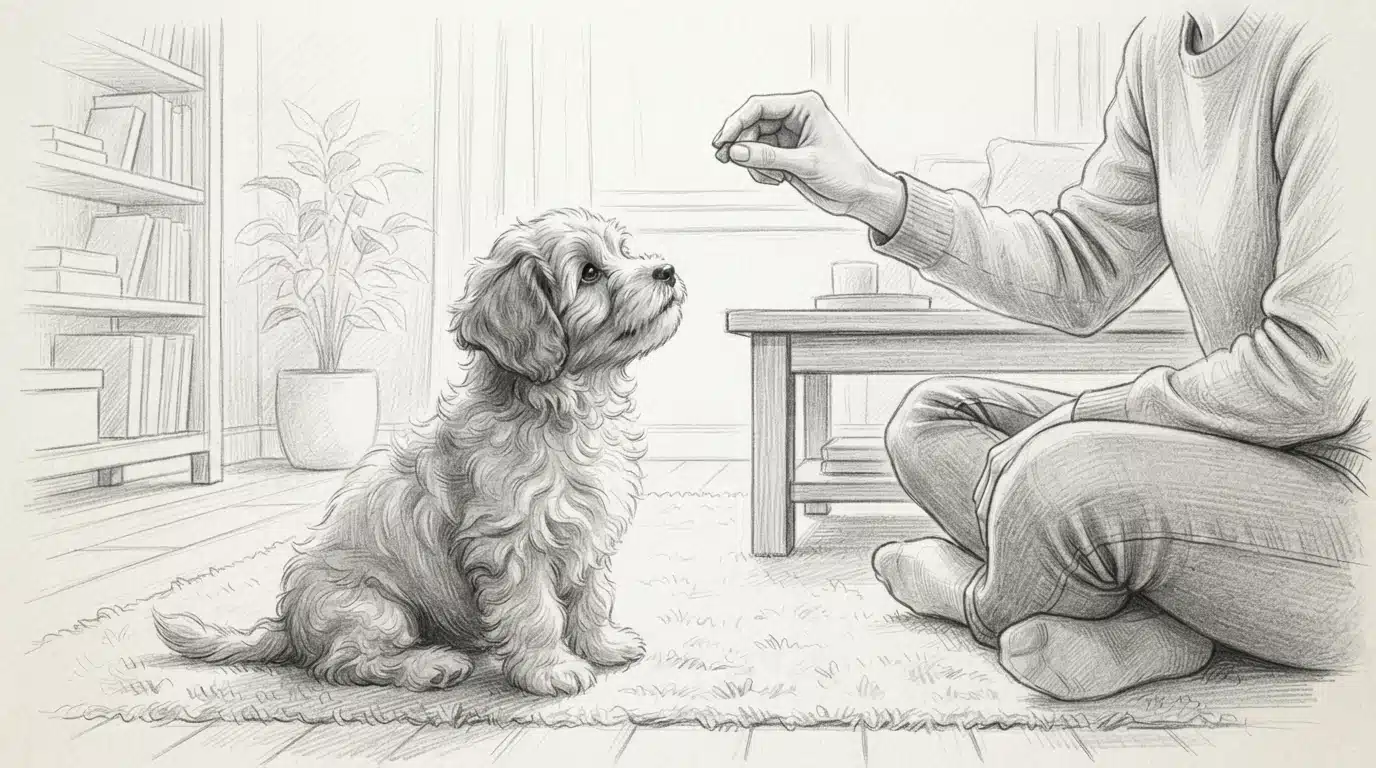
A puppy raised as the only pup in a litter often bonds hard and fast with people. Breeders who raise one or two pups by hand build that connection through daily handling, name recognition, and one-on-one play, so the puppy arrives home already tuned to human voices and routines. This focus can speed up crate training and potty training, because a solo pup watches you instead of a rowdy brother. It also means fewer distractions during early training sessions, which many first-time owners appreciate. Some small-breed programs raise Havanese, Havapoo, and Cavapoo puppies this way on purpose, leaning on the human bond as the puppy’s main social teacher during the puppy socialization period.
The Dependency Risk That Can Show Up Anyway
The flip side is a puppy that never learned to be a dog. Without littermates, a pup misses out on bite inhibition lessons, the yelps and pauses that teach a soft mouth. It may also lean so heavily on people that it struggles to settle alone, which raises the risk of separation anxiety in puppies. Watch for panic when you leave the room, constant shadowing, or refusals to eat unless you sit nearby. Ask a breeder how a solo-raised pup handles short periods alone and what dog-dog exposure it has had. A well-run program fills those gaps with calm adult dogs and planned outings before the puppy ever leaves.
Quick answers to common questions
Does raising a puppy with littermates improve socialization? Often yes, because siblings teach bite control, sharing, and reading dog body language that humans cannot fully copy. A solo-raised puppy can catch up, but it needs planned dog-dog play during the socialization window.
How Each Puppy Adjusts to a Single-Puppy Home
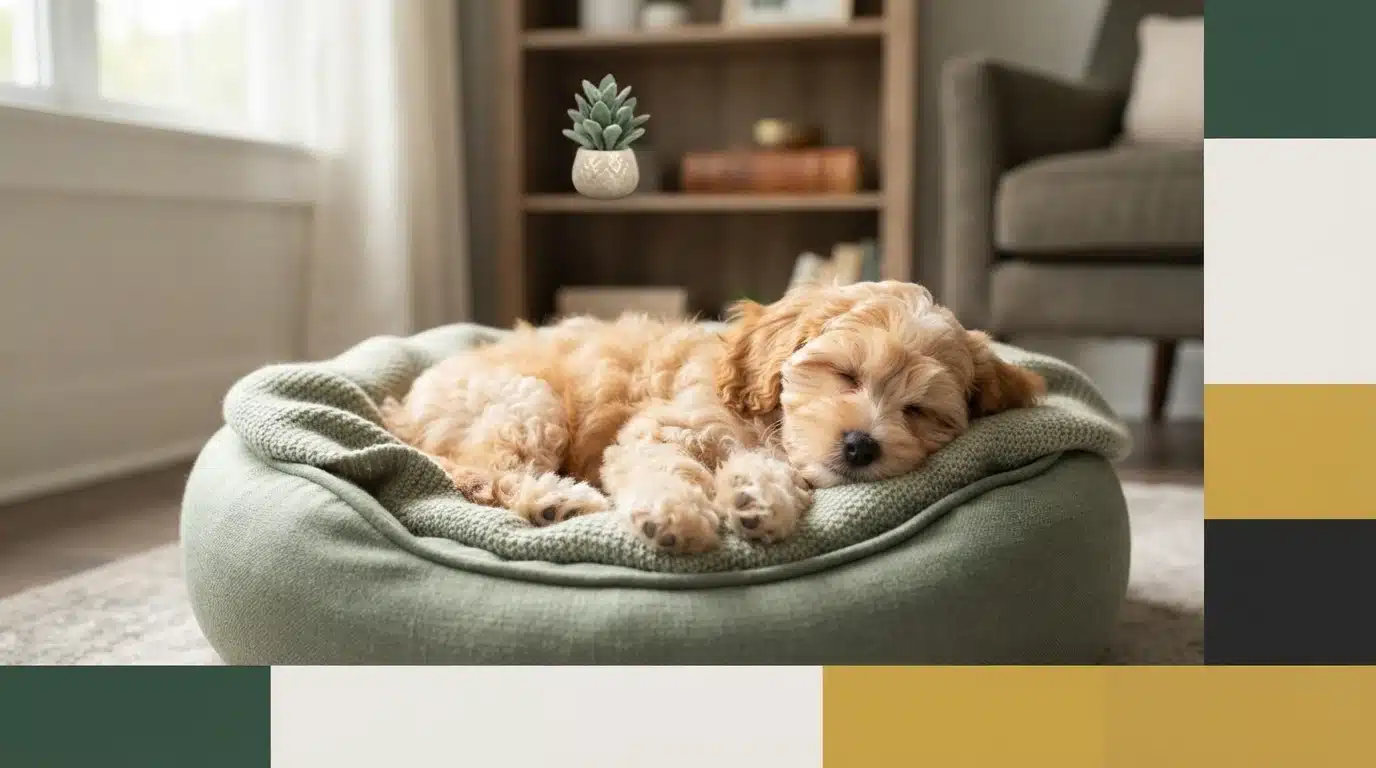
The first week looks different depending on how your puppy was raised. A puppy who shared a crate-side world with siblings leaves behind constant company. A puppy who was always the only pup leaves behind a familiar smell and routine. Both can settle beautifully, but each brings its own small hurdles to the first week with a new puppy.

The First Week With a Former Littermate
Expect some fuss at first. These puppies have slept beside a warm body every night, so quiet can feel strange. Whining at bedtime is common and usually fades within a few days. Plan frequent potty trips, keep rules consistent, and let your Havanese or Cavapoo follow you around without crowding them. It helps to give a towel that smells like the litter and to crate the puppy near your bedroom early on, since that closeness eases the break from siblings. Watch that your puppy seeks people, not just comfort, and reward calm moments alone.
The First Week With a Solo-Raised Puppy
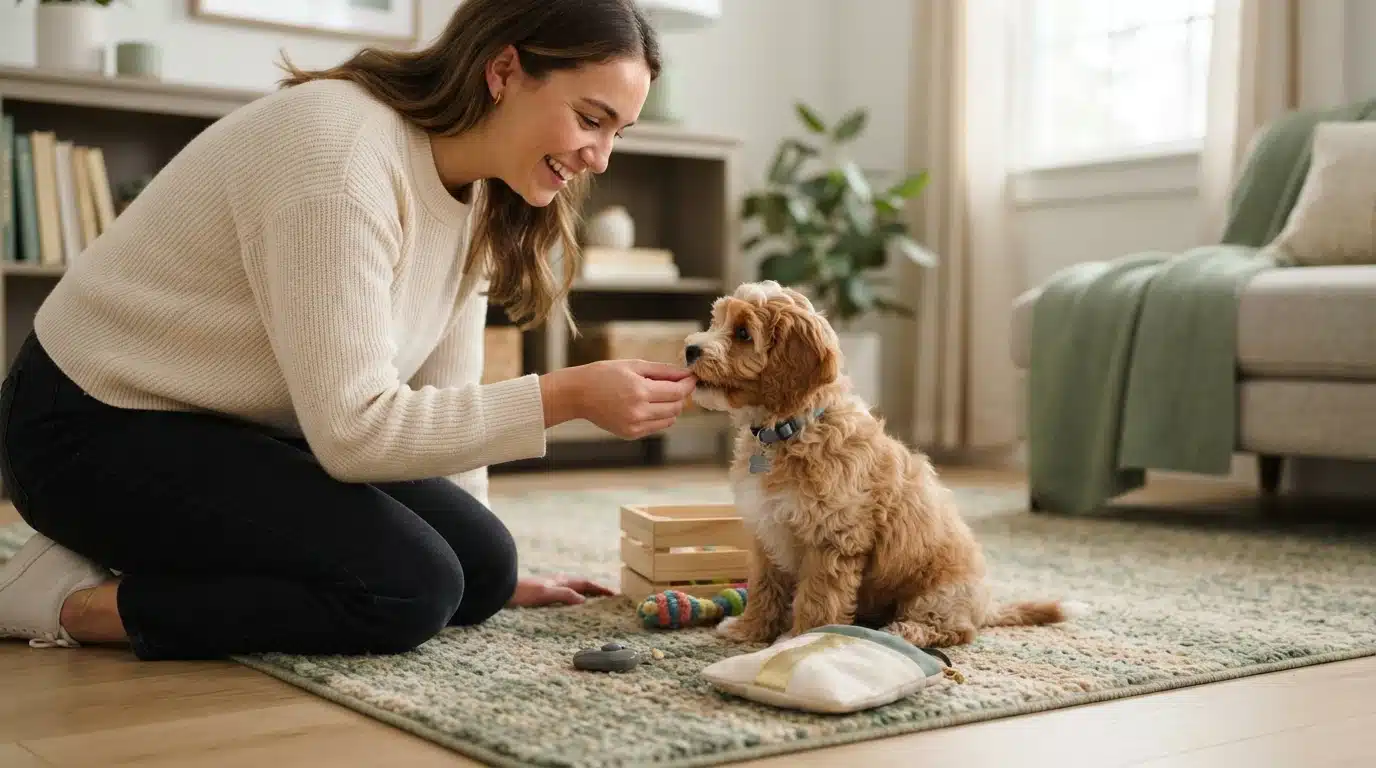
A solo-raised puppy often takes to people quickly, since human attention has always been the main event. The gap shows up in social skills instead. Handling may be fussier because no sibling taught soft play or bite limits yet. Keep sessions short, redirect nipping to a toy, and set a steady feeding and potty routine, which trainers say is the fastest way to build security. Short, calm absences starting on day one help prevent separation anxiety in puppies later.
Questions to Ask a Breeder About Raising Style
The fastest way to judge a breeder is to ask how puppies spend their first eight weeks. Ask these five questions before you reserve a Havanese, Havapoo, or Cavapoo puppy:
- Are the puppies raised in your home, and do they meet new people daily?
- Are they raised with their mother for the full weaning period?
- Do you separate littermates for crate time, meals, and one-on-one handling?
- How do you introduce new sounds, surfaces, and gentle handling?
- Can I visit or see videos of the daily routine?
Questions That Reveal a Real Raising Environment
Specific answers beat warm words. A breeder raising puppies well can describe the room they sleep in, the sounds they hear, and how each puppy is handled apart from the group. Ask how many litters they raise per year and who does the daily training. Good answers show effort: early nap training, name recognition, and short car rides before go-home day. At Sage Puppies, each puppy is raised in-home with individual attention, which makes these questions easy to answer in detail.
Red Flags in Littermate-Raised and Solo-Raised Claims
Watch for vague claims either way. “Littermates keep each other calm” can hide weak socialization, and poor early socialization raises behavior risk according to Penn State Extension. “Solo-raised” labels mean little without evidence of human contact. No photos, no visits, and answers that shift between litters all deserve a follow-up question.
Which Should You Choose: Littermate-Raised or Solo-Raised Puppies?
For a first-time dog owner, a solo-raised puppy is usually the better pick, because it bonds to people faster and depends less on another dog. Choose littermate-raised when the puppy will have a resident dog at home.
- Pick solo-raised if you want a quick, tight human bond and have time for daily one-on-one socialization.
- Pick littermate-raised if your Havanese, Havapoo, or Cavapoo will join another friendly dog, since early dog-dog practice carries over.
Choose Littermate-Raised If
A confident dog already lives in your home, or you plan to adopt two puppies at once and can train them separately from day one. A puppy raised with its mother and littermates has practiced bite inhibition and reading other dogs, so it often settles in faster beside an experienced older dog. You will still need to schedule solo time with you, because that human bond does not form on its own.
Choose Solo-Raised If
Your home has no other dog, or yours prefers calm company. A solo-raised puppy looks to people for play, comfort, and cues during the socialization period, which lowers the risk of littermate syndrome and makes training simpler. Plan short, positive dog meetups later to build those skills on purpose.

Choosing between two puppies from the same litter is easier with a breeder who raises them right and tells you the truth about each pup. See our current Havanese, Havapoo, and Cavapoo litters or start an application at Sage Puppies. Wisely Bred. Beautifully Loved.
Frequently Asked Questions
Q1: Does raising a puppy with littermates improve socialization?
It builds dog-dog skills like bite inhibition and body language, but it does not replace a socialization plan with people, sounds, and new places. Both styles need planned exposure during the puppy socialization period.
Q2: What questions should I ask a breeder about littermate-raised puppies?
Ask whether puppies are raised in the home, stay with their mother through weaning, get individual crate time and handling, meet new people daily, and whether you can visit or see videos of the routine.
Q3: Is it a bad idea to adopt two littermate puppies together?
Not automatically, but pair-dependence risk is real. You must train, walk, and crate them separately from day one, and give each puppy one-on-one time with you so both learn to cope alone.
Q4: Can a solo-raised puppy still learn bite inhibition?
Yes. The lessons come from you through short play sessions, yelp-style feedback, and redirecting nips to a toy. Supervised play with calm, vaccinated adult dogs builds the rest during the socialization window.
Q5: How long does the first week take for a former littermate to settle?
Bedtime whining usually fades within a few days. A towel smelling like the litter and a crate near your bedroom ease the break, while consistent routines help your puppy feel secure faster.
Q6: Does a solo-raised puppy have a higher risk of separation anxiety?
It can if it never practices being alone. Short, calm absences starting on day one prevent this, and a breeder should describe how each puppy handles time apart from people.
Q7: Which style is better for a first-time owner of a Havanese or Cavapoo?
A solo-raised puppy usually fits best. It bonds to people quickly, trains with fewer distractions, and carries lower pair-dependence risk, leaving you to plan positive dog meetups later.
Conclusion
Littermate-raised and solo-raised puppies both grow into wonderful companions, but they start with different skills. Littermates teach each other bite inhibition and dog body language, yet they carry a real pair-dependence risk if two siblings go home together. Solo-raised puppies bond to people fast and settle quicker in a single-puppy home, but they need planned dog-dog practice later. Neither style replaces a socialization plan during the puppy socialization period.
The breeder matters more than the label. Ask how puppies spend their first eight weeks, whether each one gets individual handling, and what evidence backs the claims. For first-time owners of Havanese, Havapoo, or Cavapoo puppies, a solo-raised, home-raised pup usually offers the smoothest first week with a new puppy, while littermate-raised puppies fit homes with an experienced resident dog.