Quick Summary: A well-raised puppy should show calm curiosity, accept handling, recover quickly from surprises, and feel comfortable around children, other pets, and household noise. Buyers should confirm those signs through an in-person visit or live video, ask specific questions about daily care, and verify dated vet records, parent health tests, and clear contract terms before paying a deposit. Sage Puppies says its litters grow up around family life, giving buyers concrete examples of the behavior and records they should expect.
Picture the first ten seconds with a new puppy. It wobbles toward your knees, sniffs your shoelaces, and settles without flinching when the dishwasher starts. That easy welcome is not luck. It is the visible result of eight weeks in a busy household, and it is the first clue in how to spot a well raised puppy. The problem is that photos and breeder websites look identical whether a litter grew up in a kitchen or a kennel run. So how to tell if puppy marketing matches reality? This guide gives you a buyer-side framework built on the critical socialization period, roughly 3 to 14 weeks of age. You will learn the signs of a well raised puppy to watch in person, the questions to ask on a visit, and a video checklist if you are buying from a distance. Cassie Milar raises Havanese, Havapoo, and Cavapoo puppies in her South Jordan, Utah home, and the checks below come from what she actually does with every litter.
Step 1: Learn What Family-Raised Actually Means
Family-raised means a puppy spends its first weeks inside a home, not a kennel run. It hears dishwashers, doorbells, and children. It gets handled daily, meets new people, and learns that crates, car rides, and household noise are normal. In short, “family-raised” describes where the puppy lived and, more importantly, what it practiced living with.
The Difference Between Home-Raised and Kennel-Raised
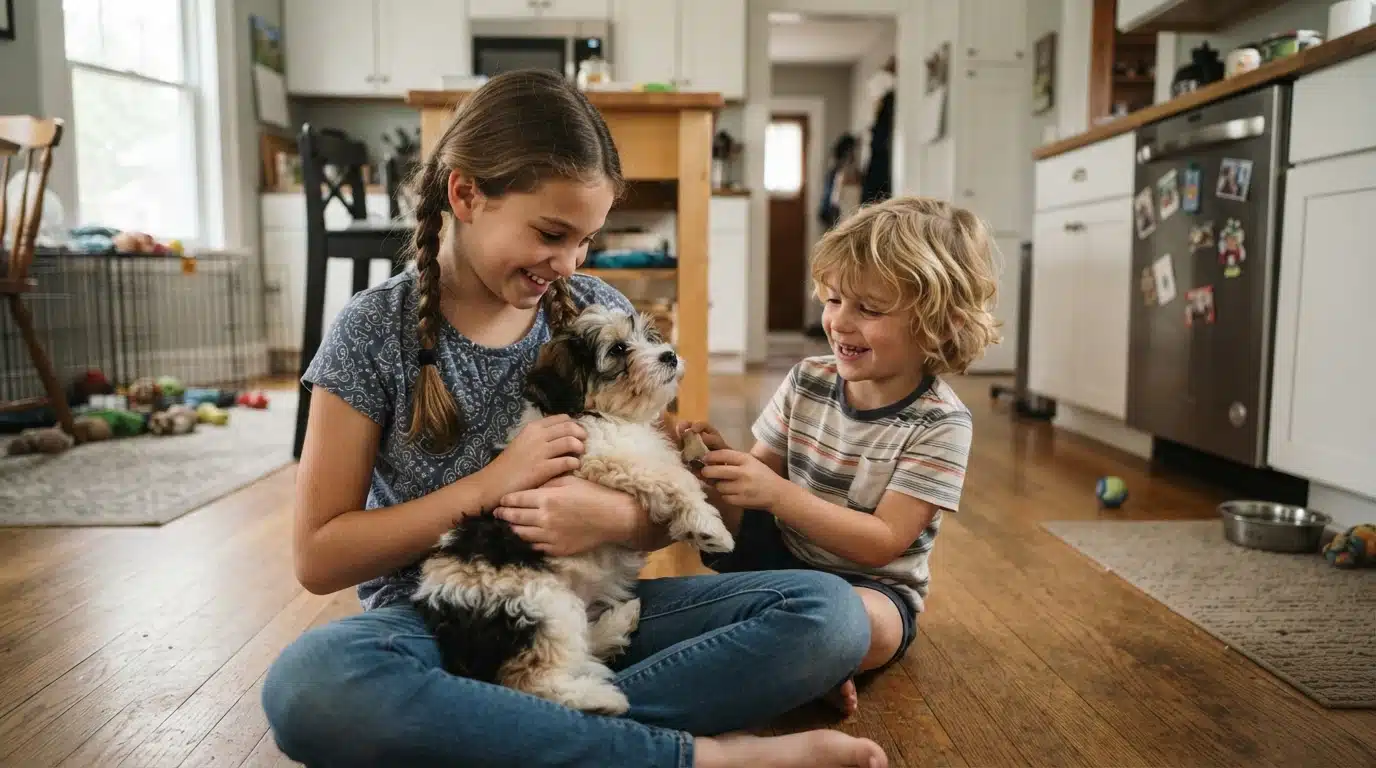
The difference comes down to daily experiences, not square footage. A family-raised vs kennel-raised comparison shows this clearly: home-raised puppies meet real life every day, while kennel-raised puppies mostly meet kennel routines. Both can be clean and healthy. But only one arrives already used to vacuum cleaners, kids’ toys underfoot, and being picked up by a stranger. Marketing photos can’t fake that history, so ask what a typical day looked like.
Why the First Three Months Matter
Months one through three hold most of the change. The critical socialization period runs roughly 3 to 14 weeks, when puppies are most open to new people, sounds, and handling, and least likely to react with fear, according to UC Davis veterinarians. After that window closes, confidence gets much harder to build. A puppy raised in a busy home uses those weeks well. A puppy raised quietly uses them on empty air.
The Questions a Home-Raised Puppy Should Already Be Able to Answer
A well raised puppy quietly answers these questions by age eight weeks:
| Question | What a Home-Raised Puppy Shows |
|---|---|
| What are people for? | Rushes up happily, wiggles, wants contact |
| Is handling scary? | Accepts being held, touched, and turned over |
| What is household noise? | Startles, then recovers within seconds |
| Who feeds me? | Soft, loose body at mealtime; no food guarding |
| What do I do when unsure? | Explores or checks in, rather than freezing |
These are the earliest signs of a well raised puppy. If several answers are missing, the puppy may have simply had a quiet start, and you can still help. But you deserve to know which it is before you commit.
Step 2: Watch How the Puppy Handles You in the First Five Minutes
The fastest way to spot a well raised puppy is to watch what it does when you arrive, not what the seller says. Within five minutes, a home-raised puppy shows curiosity first, then quick recovery after a startle. A kennel-raised puppy often shows either frozen fear or frantic, unfiltered excitement with no calm in between. Use this numbered observation list:
- Does the puppy approach you on its own, even after a pause?
- Does it accept being touched without going stiff or fleeing?
- Does it settle within a few minutes instead of staying wound up?
Approach, Handling, and Recovery
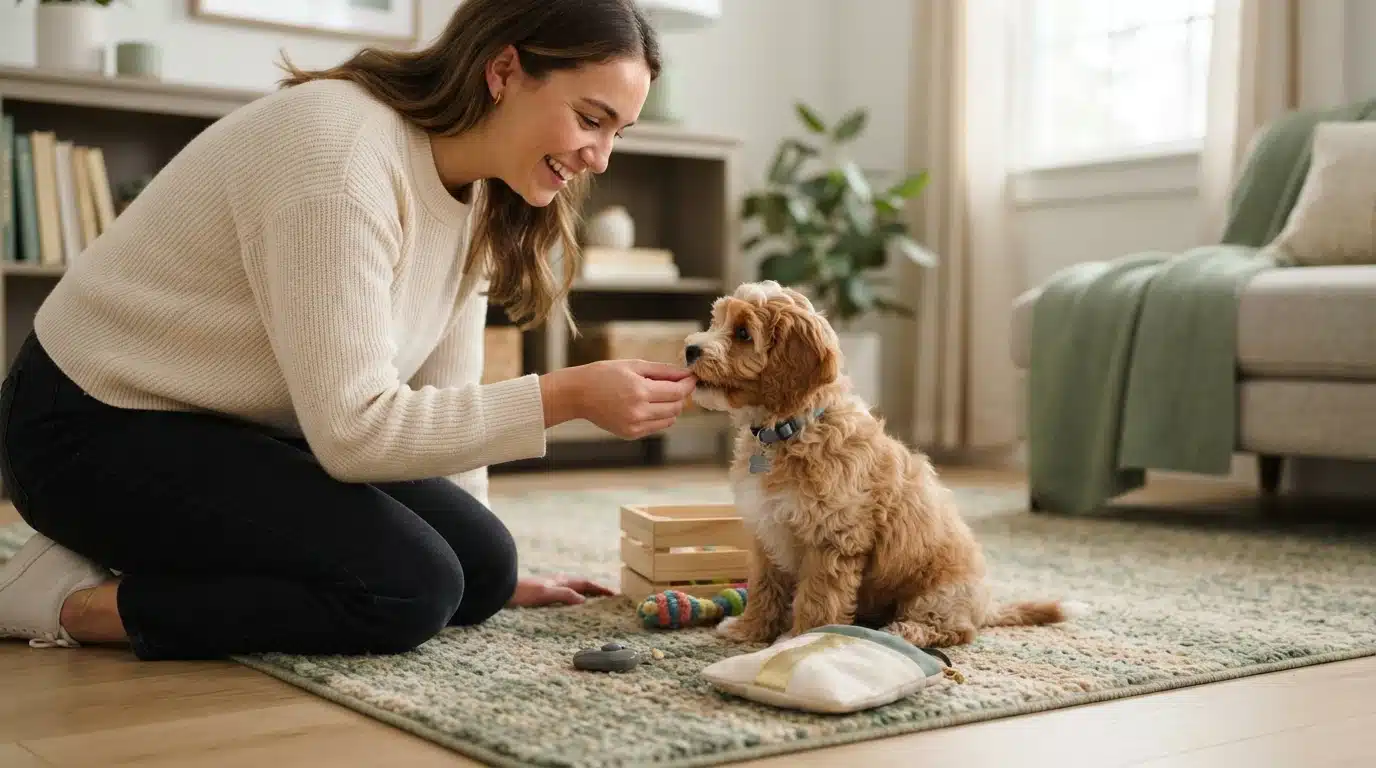
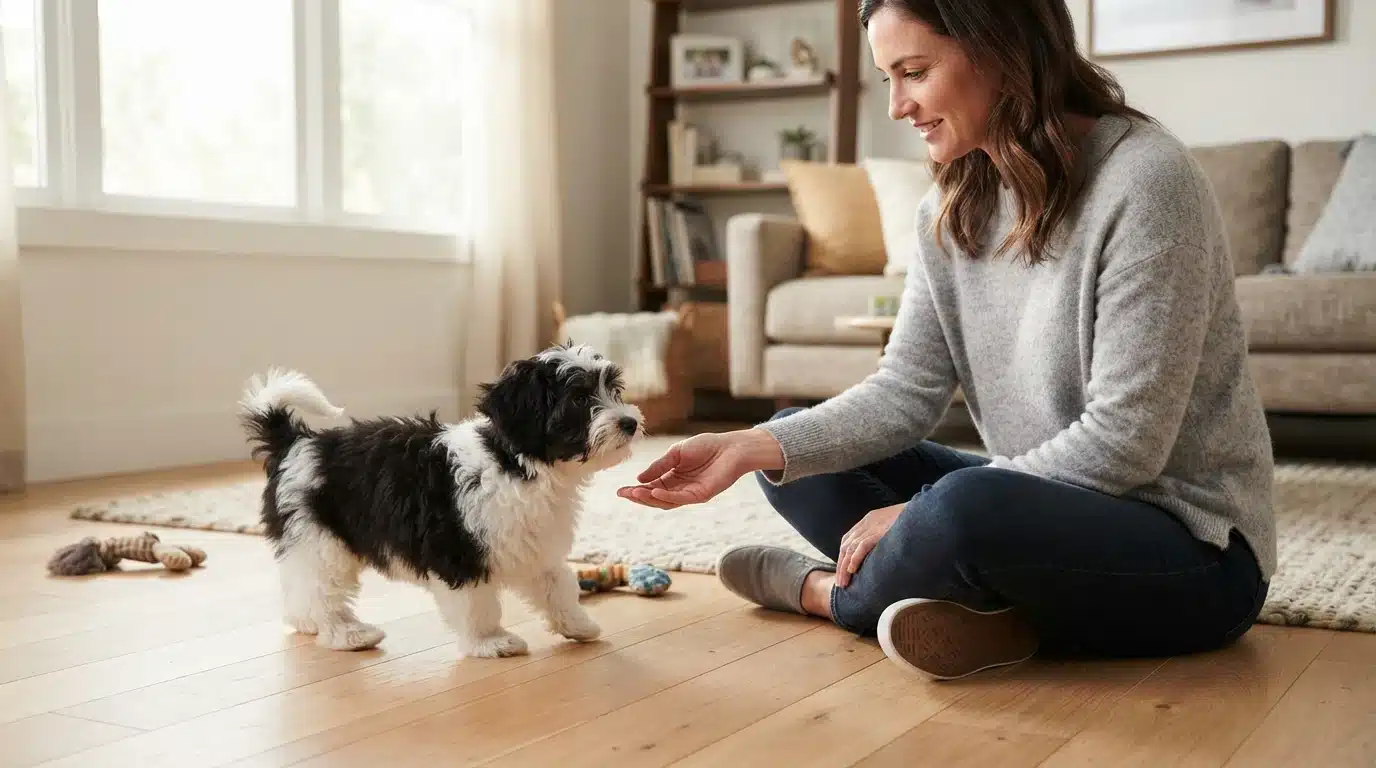
Sit on the floor and let the puppy come to you. A well-socialized 8-week-old should investigate within a minute or two, sniff your hands, and tolerate a gentle hold. It may wiggle or mouth a little. That is normal for the age. What matters is recovery: pick it up briefly, set it down, and see whether it returns to exploring or keeps retreating. A puppy raised around people recovers in seconds. Breeders who raise litters in a family setting, as Cassie does with her South Jordan program, usually get this pattern because the puppies have already met dozens of casual handlers before you.
Reading Stress Signals Correctly
Some stress in a new situation is expected, so read the signals rather than panic at them. Common signs include lip licking, yawning when not tired, pinned-back ears, a tucked tail, and showing the whites of the eyes, according to the AKC’s guide to stress in dogs. One lip lick means little. A puppy that stays stiff, hides, or trembles through the whole visit is telling you something bigger. Judge the trend, not the first flick.
What a Puppy That Missed Human Contact Tends to Show
Puppies that missed the 3 to 14 week socialization window often react to strangers as threats. Watch for cowering behind the littermates’ pen, refusing food when you are near, or going limp and frozen when lifted. The opposite extreme counts too: a puppy that has never learned bite inhibition may thrash, scream, and bite down hard with no off switch. Both patterns point to limited handling, and no cute video can undo what the puppy shows you in person.
Step 3: Look at the Space, Not Just the Puppy
A puppy’s behavior tells you about the puppy. The space tells you about everything behind it, so let the environment confirm what you’re seeing.
What a Lived-In Nursery Space Looks Like
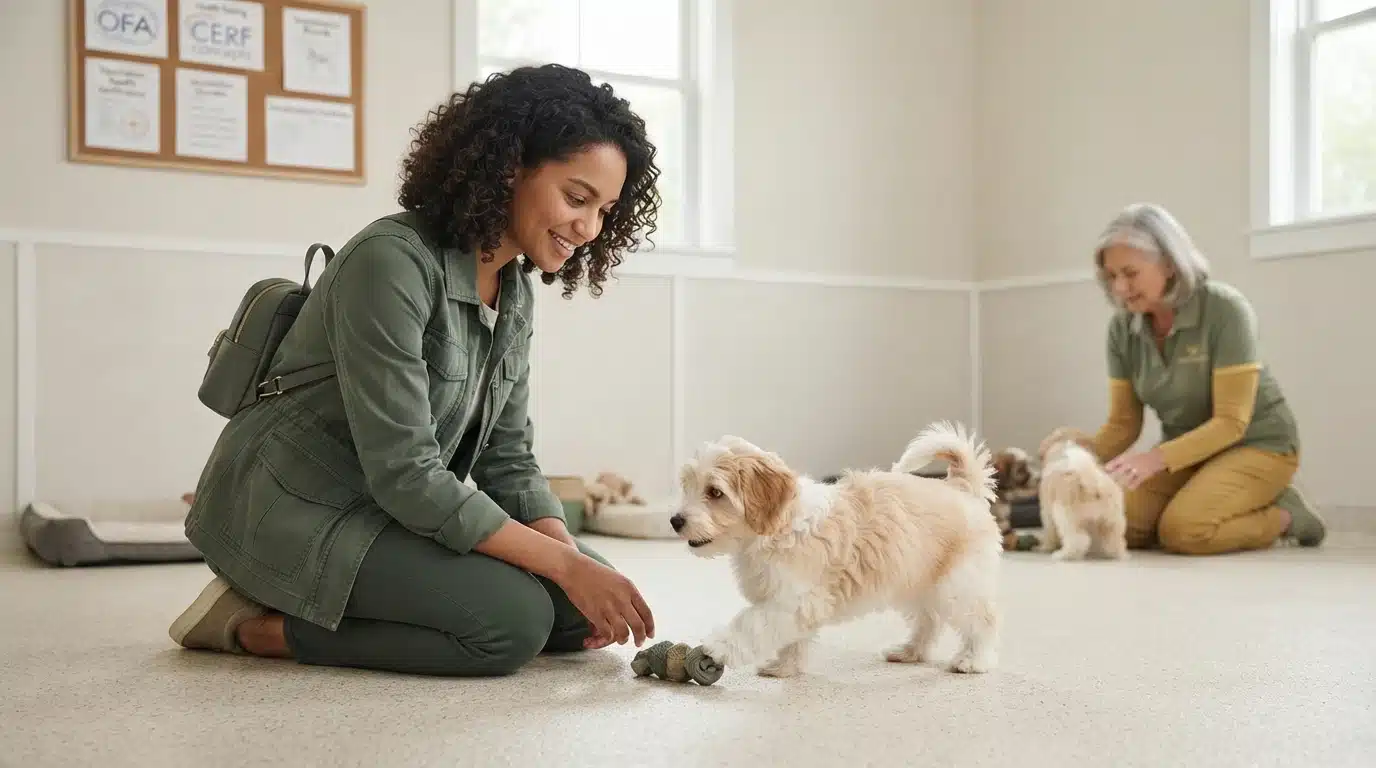
A real home nursery looks lived in, not staged. You should see a whelping box or playpen with washable flooring, papers or pads, and toys that show actual wear. Puppies raised inside a house live around carpet, tile, stairs, and doorways, and their space carries the smells of ordinary family life. A spotless, empty room can mean the litter was cleaned up for your visit, so ask what the space looks like on a normal Tuesday. If you’re planning a visit, this walkthrough of how to visit a breeder and inspect puppies safely covers what to check room by room.
Sound, Smell, and the Rest of the Household
During the critical socialization window, roughly 3 to 14 weeks, a puppy’s ears and nose do a lot of the learning. In a genuine family home you’ll hear dishwashers, doorbells, kids, maybe another dog, and the puppies should barely flinch. Puppies raised quietly in a garage or shed often startle at normal household noise, which is one of the clearest signs of a well raised puppy versus a kennel raised one. Notice, too, whether the people in the house actually know the litter by name and temperament.
Questions About the Setup That Reveal the Truth
Ask direct questions and listen for specifics:
- Where do the puppies sleep, and who cleans up at night?
- What sounds have they heard already, from vacuums to car rides?
- How many people have handled each puppy, and how often?
- Have they met children or other pets yet?
Vague answers like “they’re around us a lot” tell you little. A breeder who can describe each puppy’s day is showing you how to spot a well raised puppy before you ever fall for a face.
A puppy socialized with children shows loose body language, a wagging tail, and easy recovery after startling sounds, while one that missed early exposure freezes, hides, or mouths hard. Watch how it greets kids and how it handles resident dogs and cats, because those moments reveal the truth behind any marketing photos.
Here is the quick checklist of signs a puppy was socialized with children and other pets:
- Approaches children willingly, at its own pace, without cowering
- Recovers within seconds after a dropped toy or a sudden noise
- Shows soft, loose body language: relaxed ears, a wiggly tail, no stiff freeze
- Tolerates clumsy handling, like a hug or a tail grab, with mild complaint rather than snapping
- Greets calm resident dogs politely and shows curiosity, not panic, around cats
Step 4: Check the Signs of Socialization With Children and Other Pets
How to Read a Puppy That Greets Children
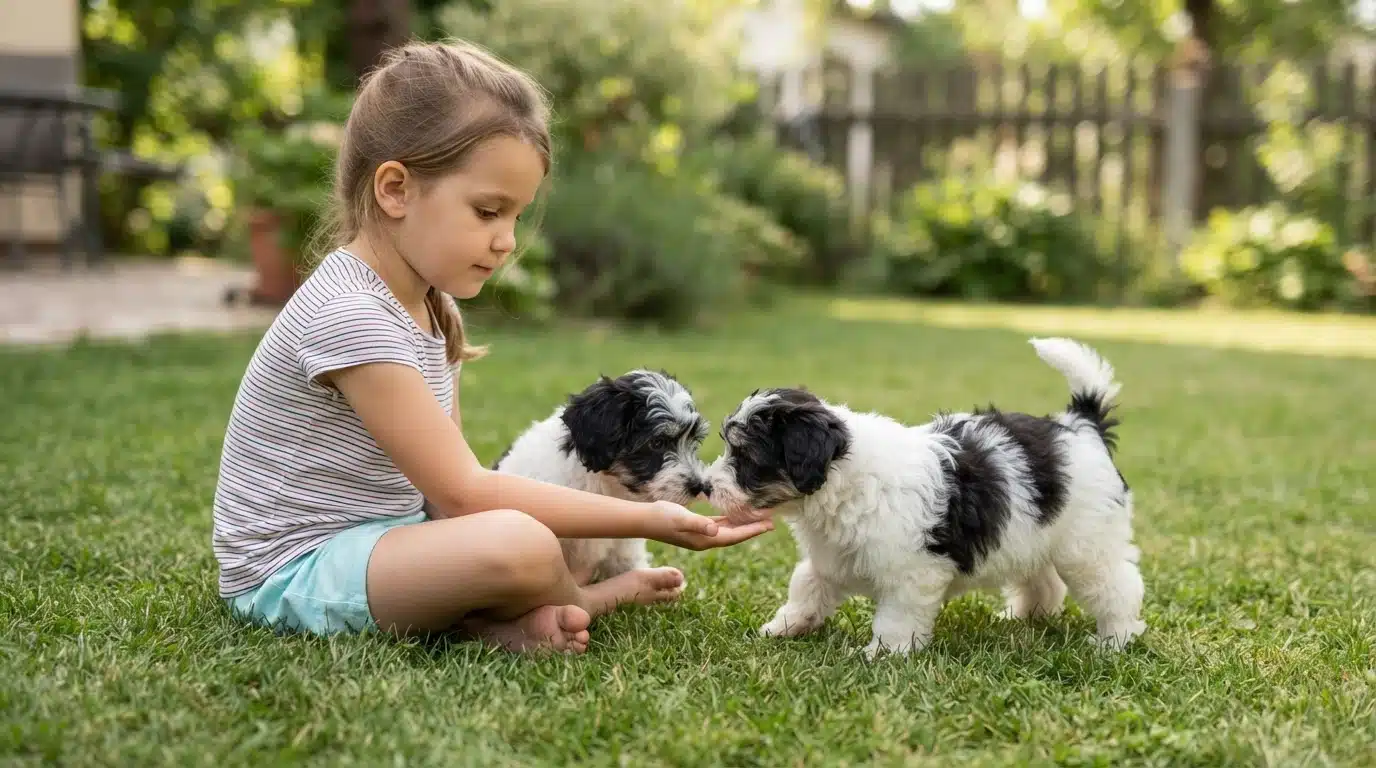
Let the puppy see the child first, then watch. A well-raised puppy trots over, sniffs, and settles nearby within a minute or two. It may lick a small hand or carry a toy over. Stress looks different: a tucked tail, lip licking, yawning, or turning away. One pause is normal. Repeated hiding is not. Puppies that never met kids during the 3 to 14 week window often treat them as loud, unpredictable threats.
What to Watch Around Resident Dogs and Cats
Ask to see the puppy near the breeder’s other dogs. Polite play looks bouncy and equal: loose bodies, play bows, frequent breaks. Watch for a puppy that only bullies or only gets bullied. With cats, curiosity beats chaos. A socialized puppy sniffs, maybe gets bopped, and backs off. A puppy that chases hard or freezes at the cat has likely never lived with one, whatever the listing claims.
Turning Observations Into a Conversation
Write down what you saw while it is fresh, then ask direct questions. Which children did the puppy meet, and how often? Has it lived with a cat? How does it handle rough play? A breeder who raised the litter in the home answers easily and offers details. Vague answers or a quick subject change deserve follow-up. At Sage Puppies, litters grow up around family life, so those questions come with stories, not guesses.
Step 5: Confirm the Story With Documents
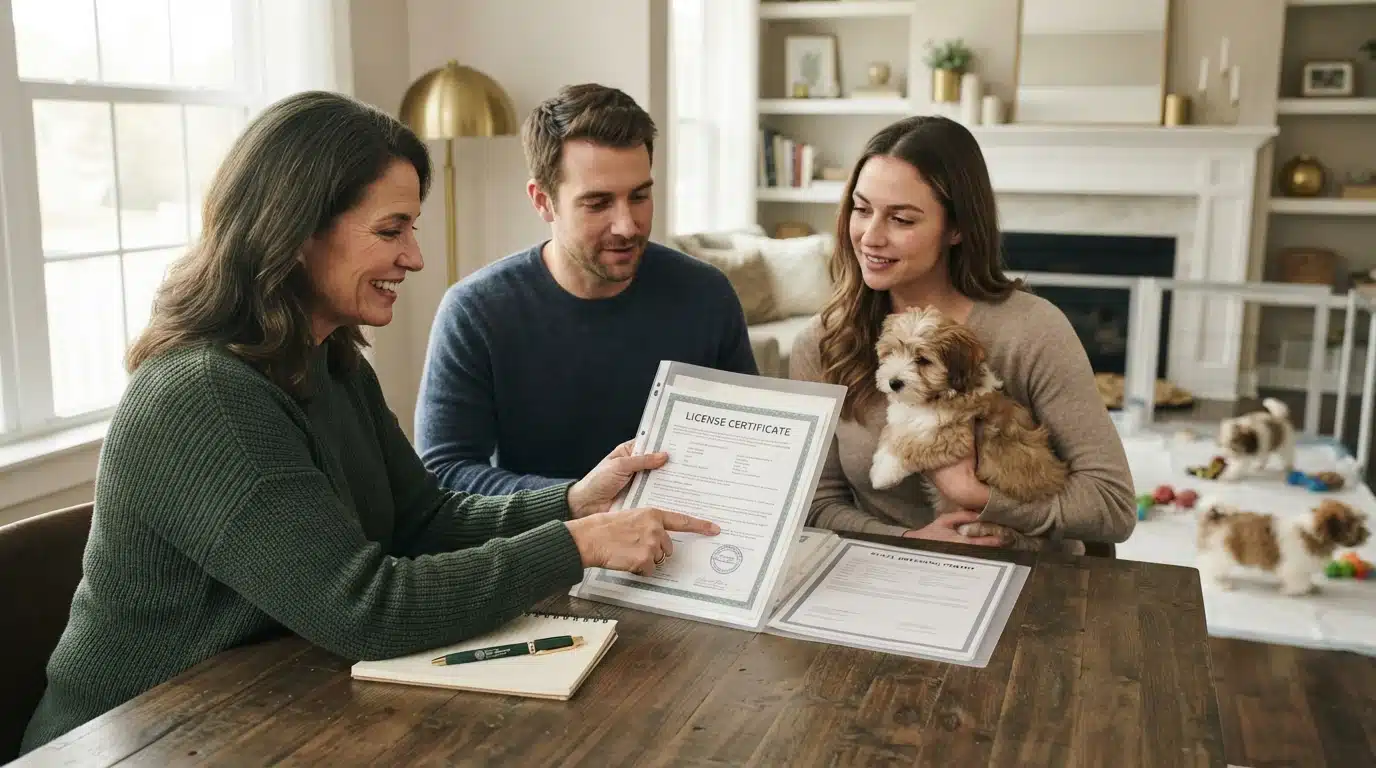
Behavior tells you how a puppy was raised. Paperwork tells you whether the breeder is telling the truth about everything else. Ask for records before you visit or place a deposit, and treat hesitation as an answer.
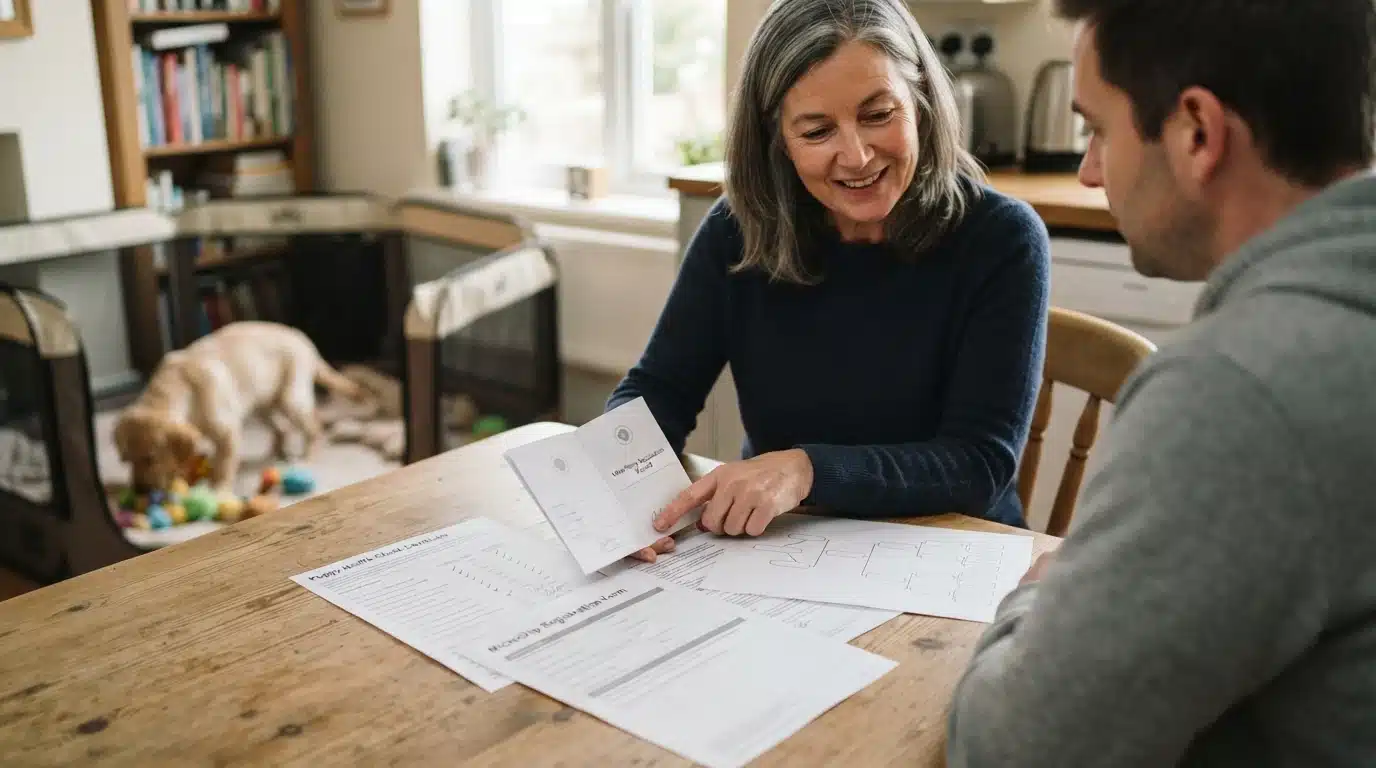
Health and Veterinary Records Worth Requesting
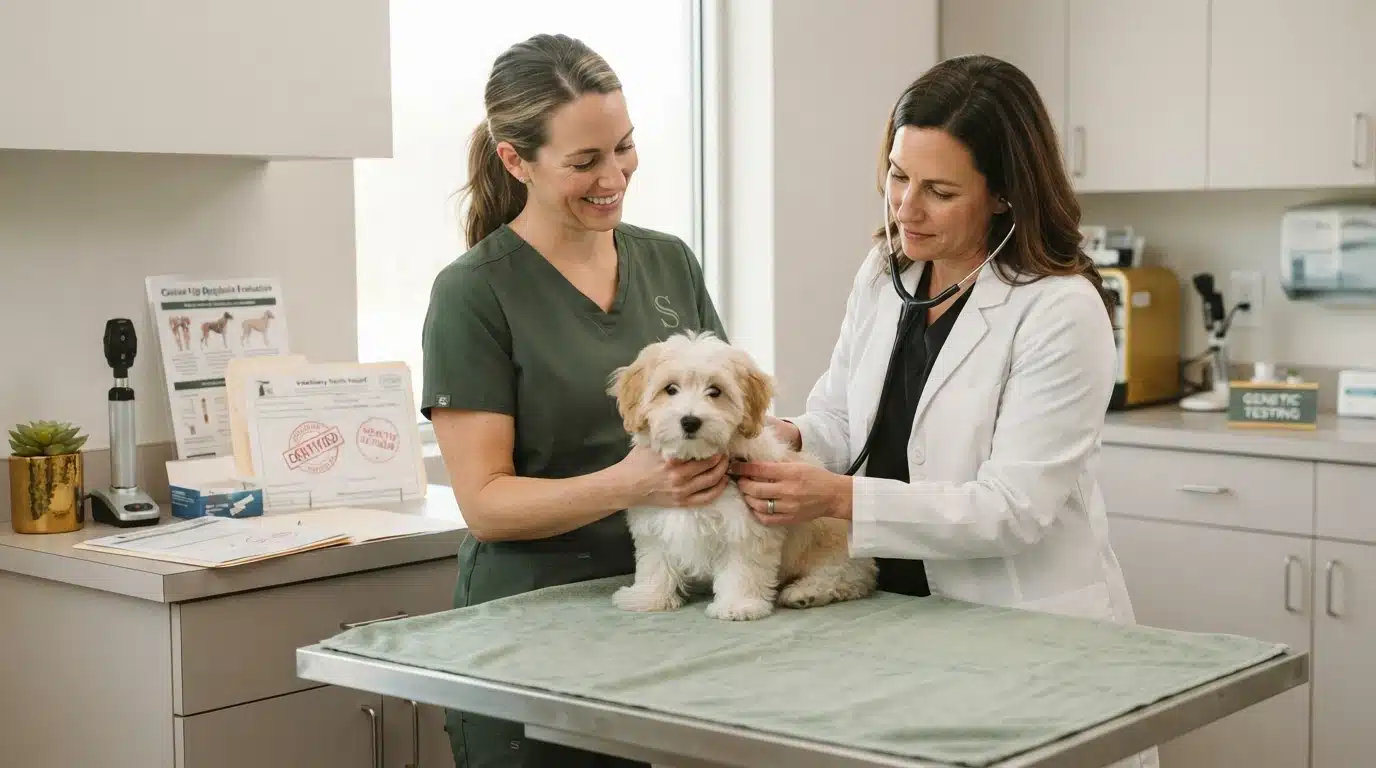
Ask for a vaccination record with dates, vaccine types, and the clinic’s name, plus deworming dates and any vet exam notes. A vet-issued document carries more weight than a handwritten card, so watch for a clinic letterhead or a printed summary. These records show you the puppy health records and vaccination schedule behind the glossy photos. Cross-check the dates against the puppy’s stated age: boosters spaced too far apart suggest shortcuts. One useful rule for how to spot a well raised puppy is that good breeders hand these over without being asked twice.
Verifying Ancestry and Parent Testing
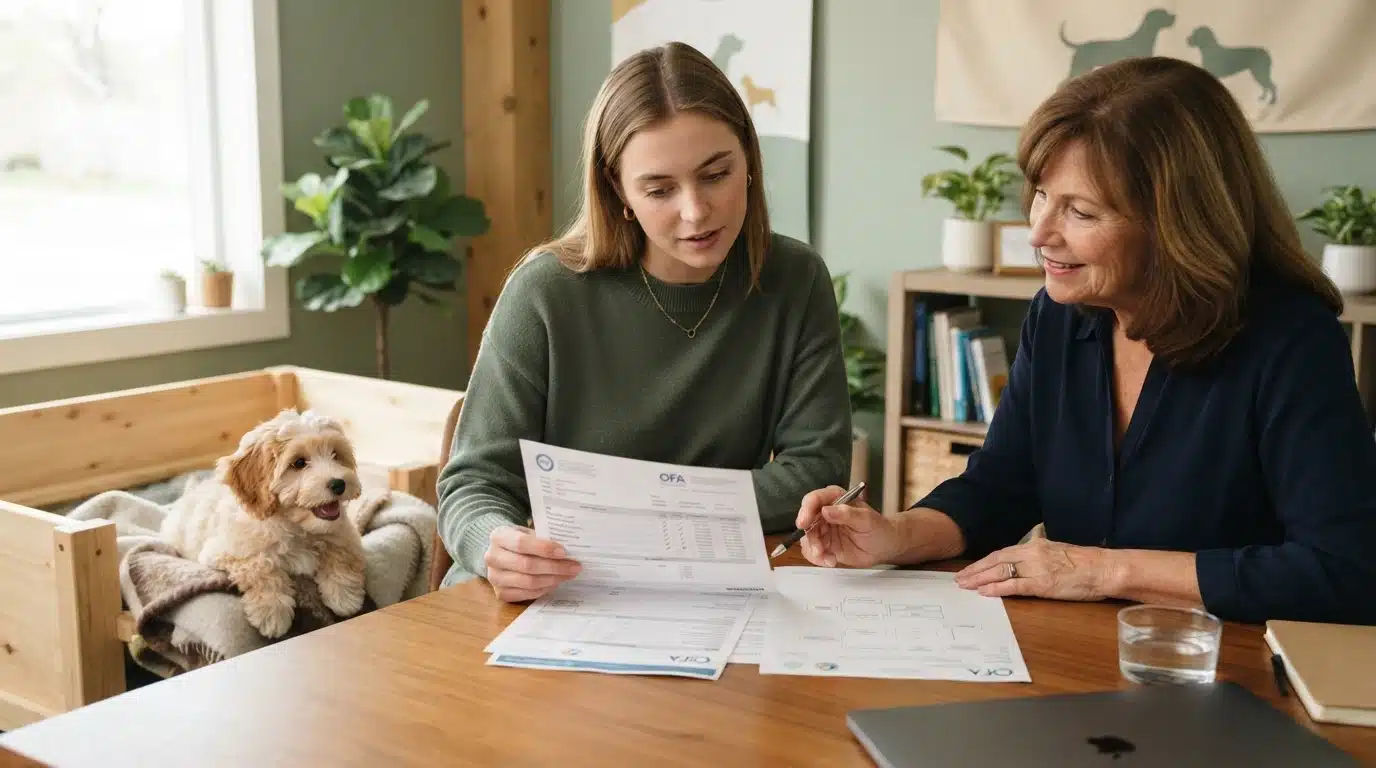
For Havanese, Havapoo, or Cavapoo puppies, ask which health tests the parents passed and for the registration or DNA paperwork. Then verify it yourself: the OFA keeps public records where you can search a dog’s health testing history by name or breed, and its CHIC program lists the tests recommended for each breed. If a breeder claims testing but no results appear, ask why. Verifying puppy ancestry and parent DNA testing takes ten minutes online and catches the most common exaggerated claims.
Contract Terms as the Honest Version of the Sales Pitch
Read the contract before you pay anything, not after. Look for deposit terms, what happens if the puppy gets sick, return policies, and any spay or neuter requirements. Vague promises like “healthy for life” mean less than a clear written health window with defined next steps. A written health testing and contract review habit protects you the same way it protects careful breeders. The contract is where a breeder’s real commitments live, so make sure the fine print matches the story you heard in person.
Step 6: Evaluate Puppies You Cannot Meet in Person
You can evaluate a puppy remotely with a short numbered routine: request a live video call, watch specific behaviors, review unedited photos and footage, verify health paperwork, confirm the puppy’s age, and nail down delivery and handover terms before any deposit changes hands. Distance removes one advantage, not all of them. The evidence just has to come through a screen instead of your hands.
What to Ask For on a Live Video Call
Ask for a real-time call, not a replay, and request these four things during it:
- The puppy moving freely in the space where it lives.
- The puppy approached and gently handled by the person on camera.
- A look at the mother, if she is present.
- A live view of vaccination and vet records.
Watch how the puppy recovers from the handling. A short startle that settles fast tells you more than any posed clip. If a breeder resists a live call entirely, treat that as a signal and keep looking.
Reading Photos and Recorded Footage Honestly
Photos prove a puppy exists. They prove little else. Polished shots in a staged basket say nothing about socialization, so weigh candid footage higher: a puppy tumbling with siblings, meeting a child, or napping near household noise. Ask when each video was filmed, because a clip from six weeks ago does not describe an eight-week-old. Ask for unedited files too. Heavy filters and cuts hide stress signals like a tucked tail or lip licking. Separating evidence from assumption is the whole game here.
Delivery and Handover Details Worth Confirming
Put delivery terms in writing before you pay. Confirm who transports the puppy, how travel time and temperature are handled, what the puppy eats on the trip, and exactly where handover happens. Ask which vaccination is due next and when. Families flying in or arranging delivery should review Sage Puppies’ delivery and pickup information as an example of the level of detail worth expecting from any program. A seller who cannot answer these basics clearly is asking you to absorb the risk.

You now know what to look for: calm curiosity, confident handling, and a puppy raised inside a real home. If you want that raised-right start without guessing, see the Havanese, Havapoo, and Cavapoo puppies at Sage Puppies. Start the application, ask your questions, and meet the evidence for yourself.
Frequently Asked Questions
Q1: How can I tell if a breeder raises puppies in a home vs a kennel?
Visit and watch the puppy, not the pitch. Ask where the litter sleeps, who handles it overnight, and what sounds it hears daily. A lived-in nursery with worn toys tells you more than any staged photo ever will.
Q2: What are the signs a puppy was socialized with children and other pets?
Look for loose body language, a willing approach to kids, and quick recovery after dropped toys or sudden noise. Around resident dogs, polite bouncy play with breaks counts. Freezing, hiding, or hard mouthing points to missed socialization.
Q3: What red flags show a puppy was not raised in a family home?
Watch for puppies that tremble through your whole visit, refuse food near strangers, or go limp when lifted. A spotless empty room, vague answers about daily routines, and reluctance toward a live video call also signal a quiet kennel start.
Q4: Can an older puppy recover from a missed socialization window?
Yes, partly. The 3 to 14 week window matters most, but gentle handling, short positive exposures, and patience after eight weeks can still build confidence. Expect slower progress and consider a trainer’s help.
Q5: Should I trust puppy delivery without seeing the puppy first?
Only with strong evidence: a live video call, unedited footage, verifiable vet records, and written delivery terms. Without those, deposits carry real risk you absorb.
Q6: What paperwork proves a breeder’s claims?
Request dated vaccination records, deworming notes, a vet exam summary, and parent health testing you can verify yourself through OFA’s public search. Honest breeders hand these over promptly.
Conclusion
Trust what the puppy shows you, not what the listing promises. A well raised puppy comes from a home that used the critical 3 to 14 week socialization window well, and it proves it: calm curiosity with you, quick recovery after startles, easy tolerance of handling, and comfort around kids, other pets, and ordinary household noise.
Separate evidence from assumption at every step. Behavior covers socialization; dated vet records, verified parent testing, and clear contract terms cover everything else. If you cannot visit, a live video call with the four checkpoints above replaces most of what your hands would tell you.
Ask for specifics, watch the space as closely as the puppy, and treat vague answers as information. That framework turns choosing a Havanese, Havapoo, or Cavapoo puppy from guesswork into an informed decision.