Quick Summary: A safe puppy pickup in Arkansas starts with confirming handoff details, health records, and travel expectations with the breeder in writing before the drive. Secure the puppy in a crash-tested crate or harness, pack minimal supplies, and plan stops every two to three hours for potty and water breaks. Check the destination state’s health certificate requirements and validity window, then review all paperwork on the spot before leaving. Keep the first day home quiet and predictable, with a defined space and the breeder’s feeding schedule, to help the puppy settle in smoothly.
An Arkansas road trip to pick up your puppy can stretch into hours of driving before your Havanese, Havapoo, or Cavapoo ever reaches home. That first trip matters. It starts before you turn the key, with a confirmed handoff plan and a secured spot where your puppy can ride. Most families plan the drive but forget the rest: what to bring, when to stop, and how to keep a young pup calm through safe puppy rides on a long day.
This Arkansas travel guide walks you through the whole pickup day. You’ll learn how to coordinate timing with your breeder, set up the car correctly, plan breaks, check your paperwork, and settle your puppy in quietly at home.
We’ve raised home-raised Havanese, Havapoo, and Cavapoo litters in South Jordan, Utah, and helped families nationwide bring their puppies home, so this plan comes from real pickup days, not guesswork.
Step 1: Confirm the Pickup Plan and Ask the Right Questions
A smooth pickup day starts weeks earlier, with a clear conversation between you and the breeder. Before you map your Arkansas road trip, lock down the basics in writing so nobody is guessing on the big day.
Confirm the handoff details in writing
Ask the breeder to send a short message or email that covers the essentials:
- Date and time window for the pickup, plus who will hand off the puppy
- Exact address and any parking or meeting instructions
- Total balance due and how you’ll pay it
- What to bring, such as a carrier, leash, and blanket that smells like home
Save that message on your phone. If plans shift, update the thread so both sides see the same details. Ethical breeders expect this. At Sage Puppies, families get clear pickup and delivery communication from the start, so you always know who, where, and when.
Ask about health records, routine, and the puppy’s readiness to travel
Before you drive, get answers to three questions.
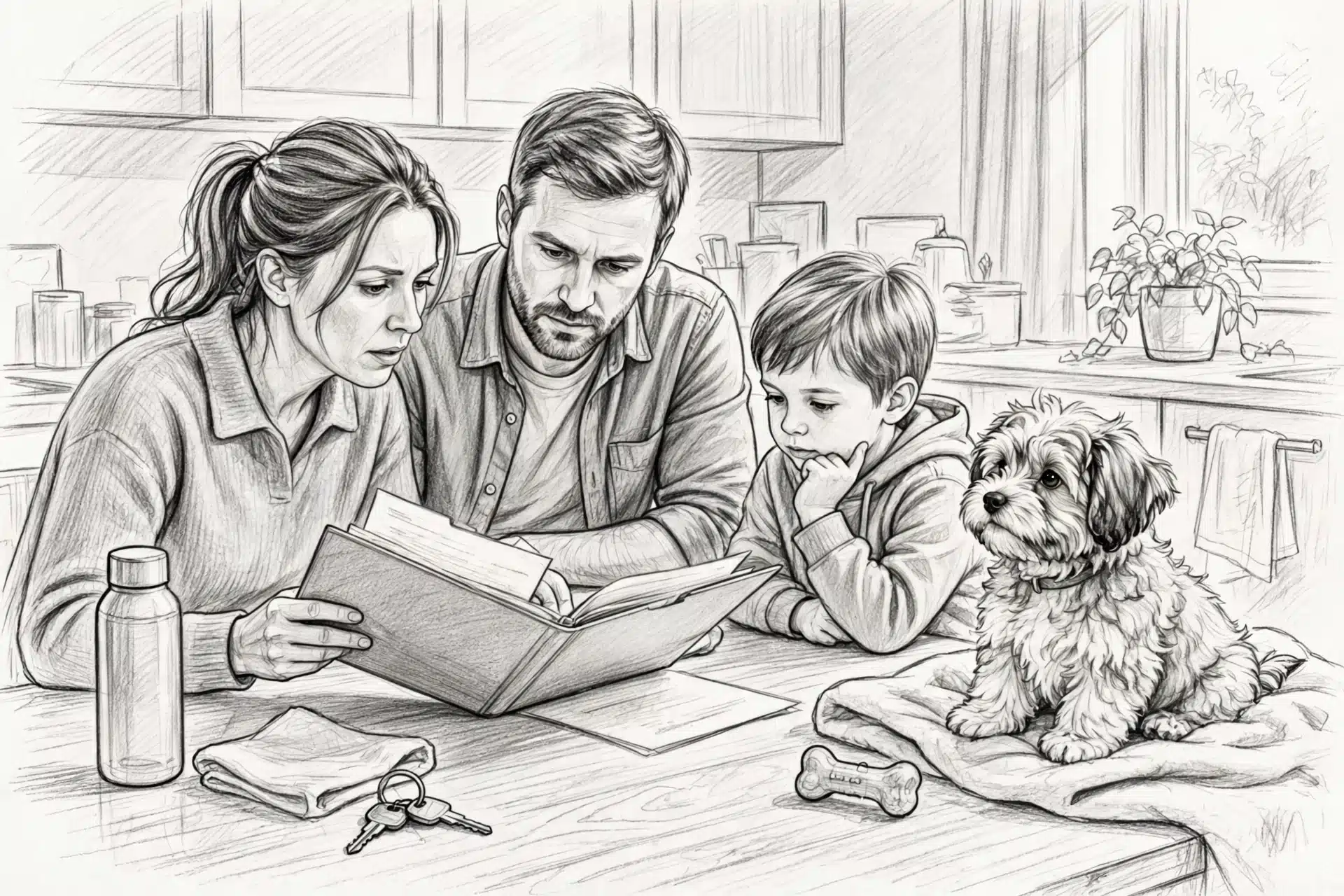
First, which health papers come with the puppy? Ask for the vaccination record with dates, the deworming schedule, and any vet exam notes. Request copies in advance so you can read them before pickup day, not in a parking lot.
Second, what is the puppy’s current routine? Ask about the food brand, feeding times, and crate habits. Keeping the same food for the first weeks helps avoid an upset stomach on the road.
Third, is the puppy old enough to travel? Most vets suggest waiting until a puppy is at least 8 weeks old, and many small breeds do better closer to 10 to 12 weeks. If your puppy is on the younger side, ask whether a few extra days at home with the breeder would help.
Make the travel method and expectations explicit
Tell the breeder exactly how the puppy will ride home: in a crate, on a lap harness, or held by a passenger. Ask what they recommend for a puppy this age and size.
Also agree on timing. Ask when the puppy last ate and drank, and when its last potty break was. Plan your first stop within 30 to 60 minutes of leaving.
Tip: A puppy that eats right before a long drive often gets carsick. Ask the breeder to serve a light meal several hours before pickup.
Step 2: Prepare the Car and Pack for a Secure Ride
A puppy’s first car ride shapes how it feels about travel for years. A few small choices before pickup day keep the trip calm and safe.
Set up a secure, comfortable travel space
Free-roaming puppies cause accidents and get hurt in sudden stops. Give your puppy a crate, travel carrier, or crash-tested harness instead. Crates are the safest option for a long drive.
Pick a crate big enough for your puppy to stand, turn around, and lie down. Line it with a soft pad and a towel that smells like home. Bring it to the pickup, and ask the breeder if they can add a cloth with the mother’s scent. That familiar smell eases the first hours apart.
Here is how we think about travel and pickup with a small breed puppy. The same rules apply in any state: secure the carrier with a seat belt, keep it out of direct sun, and never leave the puppy alone in a parked car.
Pack practical supplies without overloading the puppy
You need less than you think. A small bin in the back seat covers the whole ride home:
- Collar with an ID tag and a light leash
- Water and a collapsible bowl, offered at breaks only
- A few paper towels and pet-safe cleaner for accidents
- A chew toy or stuffed toy for comfort
- All paperwork in a folder: health records, vaccination dates, and microchip details
- Food from the breeder if they send some, so you avoid a sudden diet change
Skip bulky beds, piles of treats, and new gadgets. A stressed stomach plus a strange toy is a mess waiting to happen.
Prepare for a first ride that may feel unfamiliar
Most puppies from a home-raised program have already heard household noise, but a moving car is new. Whining or light pacing is normal for the first stretch.
Keep the cabin calm. Talk in a steady voice, play soft music, and resist the urge to pull the puppy out for cuddles while driving. Plan a break every two to three hours so your puppy can potty on a leash and sip water. Feed a light meal a few hours before you leave, not right before.
If the whining lasts more than a few minutes, ignore it. Comforting mid-whine teaches your puppy that crying earns attention. Stay boring, and most puppies settle within the first hour.
Step 3: Plan the Arkansas Road Trip Around the Puppy
A long drive home goes smoothly when you plan it for a puppy, not just a map. Your Havanese, Havapoo, or Cavapoo has been riding in cars for short trips by pickup day, but an Arkansas drive home is different. Build the trip around short stretches, calm stops, and steady routines.
Map the route and realistic stop options
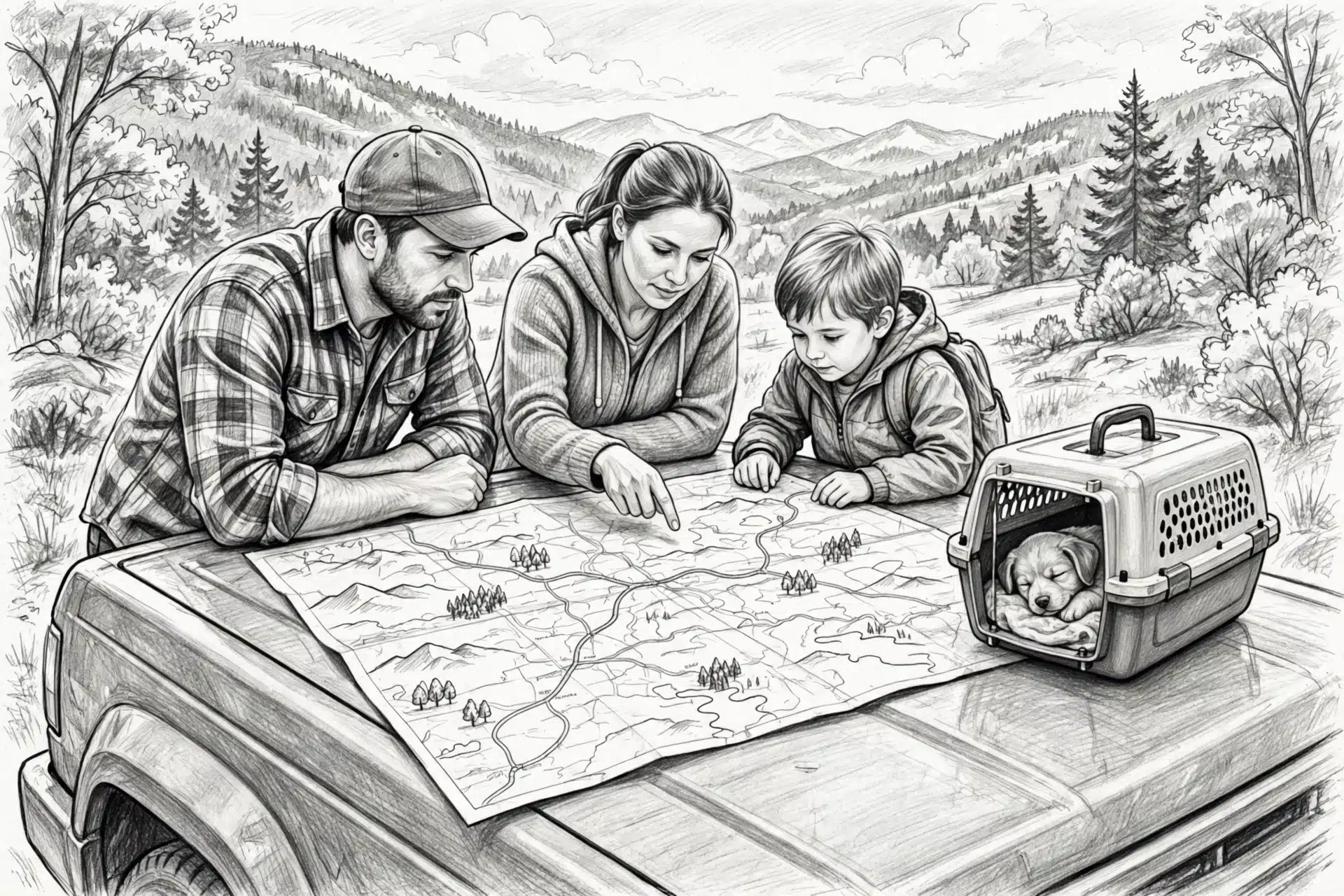
Before pickup day, trace your route and mark where you could safely pull over every two hours. Look for quiet exits with grass, rest areas, and wide shoulders rather than busy gas station lots. Arkansas highways stretch far between towns in places, so do not assume a stop is always close.
Plan your longest driving block for the puppy’s sleepiest hours. A puppy that naps through the first three hours starts the trip settled. Check the weather forecast for the full route too, since a mountain pass or thunderstorm can change your timing.
Make breaks controlled and low-stress
Puppy stops are not people stops. Keep them short, boring, and predictable.
- Potty first, play later. Carry your puppy out on a leash to a patch of grass. Give it a few quiet minutes. Skip the dog park and the busy rest stop lawn.
- Stay leashed the whole time. A scared puppy can slip a collar in seconds. Keep the leash on even in an enclosed area.
- Bring your own water. Offer small sips from a collapsible bowl instead of letting the puppy gulp from unfamiliar sources.
- Skip food on the road. Feed a light meal a few hours before you leave, not during the drive. Motion and full stomachs do not mix.
- Never leave the puppy alone in the car. Not for five minutes, not with the windows cracked.
Most Havanese and doodle puppies do best with a stop every two to three hours. Watch for restlessness or whining as your cue to pull over early.
Keep the puppy safe in changing conditions
Arkansas weather swings fast, from hot afternoons to sudden storms. Run the air conditioning so the back seat stays cool, and shade the carrier from direct sun. In rain, park well off the road and keep breaks brief. A snug, crash-tested crate or harness in the back seat protects your puppy through every mile. If you would rather skip the drive entirely, ask us about delivery options for your Arkansas puppy.
Step 4: Check Documents and Interstate Requirements Before Leaving
Paperwork comes before the car ride. A few minutes of checking now prevents delays at pickup and questions on the drive home.
Check the destination state’s current requirements
Each state sets its own rules for dogs crossing its borders. The receiving state decides what is required, not the state you leave from. The USDA’s state-to-state pet travel guide lists requirements by destination, and it points you to each state’s animal health official if something is unclear.
Most destinations ask for a health certificate issued by a licensed veterinarian after an exam. The standard form is the USDA APHIS 7001 certificate, which records the puppy’s identity, vaccination history, and the vet’s finding that the puppy is free of contagious disease.
Two details matter for Arkansas pickup families:
- Timing. Health certificates often carry a validity window, frequently 10 to 30 days. Ask when the puppy’s certificate was issued and confirm it covers your pickup date.
- Age rules. Very young puppies may not yet meet certain vaccination requirements, such as rabies, which is typically given at around 12 weeks or older. Check your state’s rules against your puppy’s exact age.
Review the puppy’s handoff records
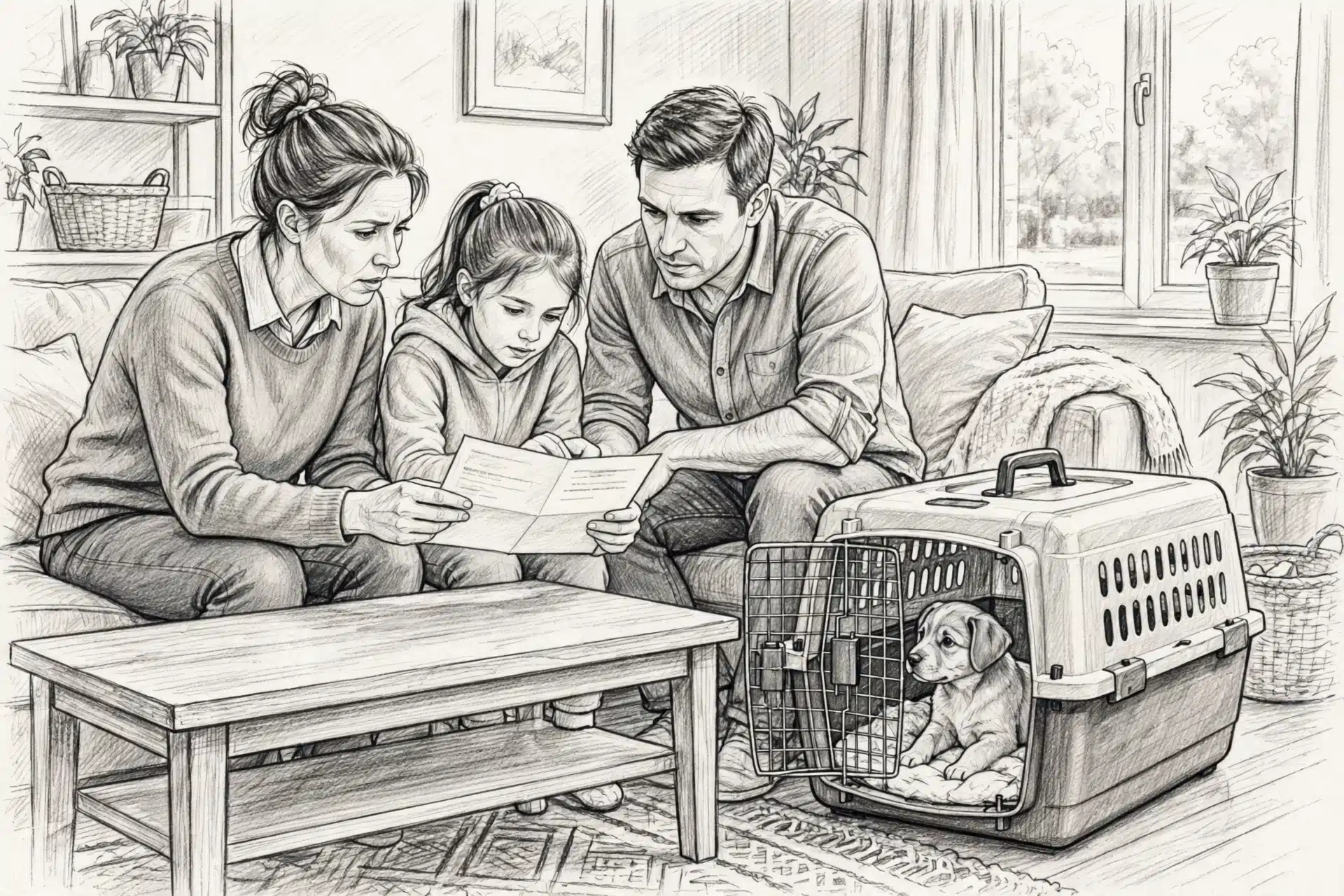
At handoff, expect a simple set of documents. Sage Puppies provides each family with the puppy’s health records, vaccination and deworming dates, and a written schedule for future vet visits. Before you drive off, read through the folder while the breeder is still there.
Confirm the basics: the puppy’s date of birth, the dates of each vaccine and deworming, any treatments given, and the name of the examining veterinarian. Match what you see against the health certificate if one is required.
Resolve gaps before setting out
If a date, signature, or detail looks missing, ask for it on the spot. A quick fix at pickup takes minutes. Fixing it later, from another state, takes phone calls. Bring a folder, keep everything together, and photograph each page as backup.
Wait, no closer? No conclusion requested, no closer. The content is complete.
Step 5: Complete the Handoff and Settle In at Home
The last hour of pickup sets the tone for your first week. Work through a short checklist, then drive home and keep the day calm.
Use a brief, organized handoff checklist
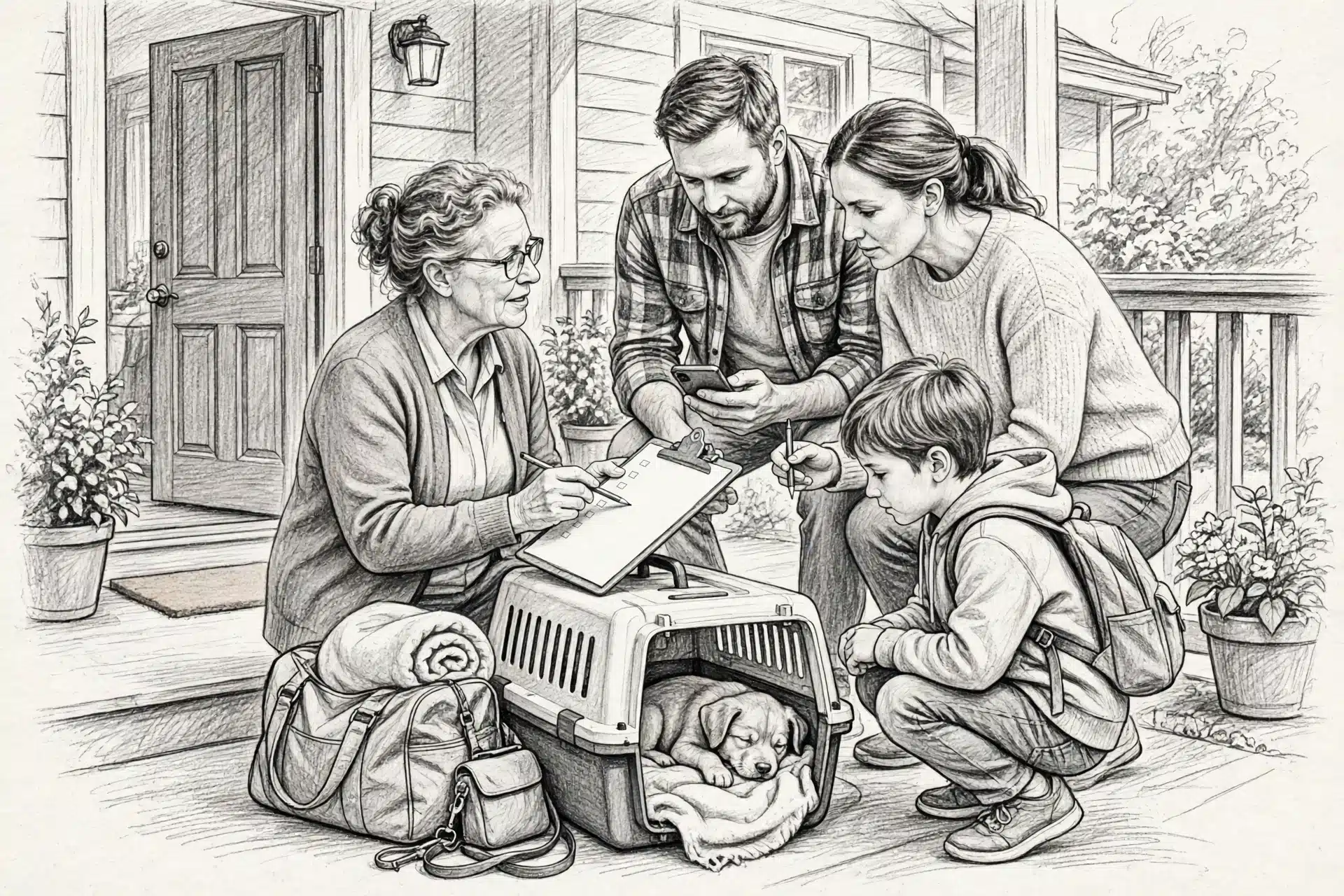
Before you leave, confirm the essentials with the breeder in person. Ask questions on the spot, because this is your best chance to hear details straight from the person who raised your puppy.
- Feeding schedule: brand of food, portion size, and timing. Switching food suddenly causes stomach upset, so keep the same food for at least a week.
- Health records: vaccination dates, deworming history, and any vet exam notes. Check that names and dates match your puppy.
- Microchip number: verify it against the paperwork and scan confirmation, then save it in your phone.
- Care tips: sleep setup, potty routine, and what comfort items travel home, like a blanket that smells like the litter.
- Next steps: when the next vaccine is due and which vet visits to schedule.
Make the first arrival quiet and predictable
When you get home, resist the urge to invite everyone over. Your puppy has just left its mother and littermates, so keep the arrival small and calm.
Set up one defined space: a crate or pen, water, a potty area, and a few toys. Let the puppy explore that area first. Take it outside to potty within a few minutes of arriving, and praise quietly when it goes. Offer food on the breeder’s schedule, then keep the evening low-key. Most puppies crash early, and that is exactly what you want.
Keep follow-up details close at hand
Save the breeder’s contact info, your vet’s number, and the vaccine schedule in one place, like a notes app. Families who adopt from Sage Puppies can also review the pickup and delivery process anytime, so answers stay easy to find.

Your puppy is ready, and a calm, well-planned pickup makes that first day easier for everyone. Sage Puppies walks you through every step, from pickup scheduling to a gentle arrival routine at home. Browse our available Havanese, Havapoo, and Cavapoo puppies today, or submit an application to start planning your trip with confidence.
Frequently Asked Questions
Q1: How do I keep my puppy safe and calm in the car on the trip home?
Use a crash-tested crate or a secured travel harness, never your lap. Line the crate with a towel that smells like the litter, offer water at stops, and keep rides before pickup short to build comfort.
Q2: What questions should I ask the breeder before puppy pickup?
Ask about vaccination and deworming dates, the vet exam results, what food the puppy eats, current potty habits, and the exact pickup time. Sage Puppies shares this paperwork with every family before the trip.
Q3: Should I fly my puppy in-cabin or use a pet transport service?
In-cabin flying works well for small breeds if the airline allows it and your puppy fits the carrier under the seat. For long drives you cannot make, a licensed ground transport service is the calmer option.
Q4: What should I pack for the drive home?
Bring a crate, water, puppy food, towels, paper towels, waste bags, a leash, and a small toy. A familiar-smelling item from the breeder helps most on the first night.
Q5: How long can a young puppy ride in the car?
Plan a stop every two to three hours for a potty break, water, and a short stretch. Most Havanese, Havapoo, and Cavapoo puppies sleep through much of a well-planned trip.
Q6: What paperwork should I receive at pickup?
Expect vaccination records, deworming history, a vet health certificate, feeding instructions, and registration or health guarantee details. Review everything before you leave the breeder’s home, and ask questions on the spot.
Q7: What should I do the first night home?
Keep it quiet. Offer food and water, one potty trip, then a crate in a calm room near you. Skip visitors for the first few days so your puppy settles in.
Plan a Safer Trip Home
A safe puppy pickup comes down to preparation. Confirm your pickup details and paperwork with the breeder early. Pack a secure crate, puppy pads, water, and a towel before you leave. Plan a break every two to three hours, and never leave your puppy alone in the car. At home, keep the first days calm and quiet so your Havanese, Havapoo, or Cavapoo can settle in.
Check paperwork before you drive away, and ask questions about feeding and vet care while you are there. Small steps like these turn a long drive into a smooth, low-stress day. Compare how Sage Puppies handles puppy pickup and delivery with other breeders, then travel with confidence.