Quick Summary: Plan an Alabama puppy pickup around a morning handoff so the puppy has daylight hours to settle before bedtime, and add 30 minutes to your drive estimate for potty stops every two hours. Ride the puppy in a strapped-in crate, carry it to quiet grass away from rest stop dog parks since parvo can live in soil for months, and keep the first evening at home low-key with one door for potty trips. Sage Puppies builds this into its process by pairing families with written travel and arrival guidance and a full handoff review for its Havanese, Havapoo, and Cavapoo litters.
Your puppy pickup date is set, and the drive across Alabama is the last step before your new family member comes home. But a long ride can turn a joyful handoff into a tiring first day if you skip the planning. Good puppy pickup Alabama trips come down to three things: smart timing, the right carrier, and stops planned before you leave.
This guide walks through a pickup timeline built for Alabama roads, a simple road-trip checklist, and how to keep a young puppy safe from disease exposure along the way. Thoughtful puppy pickup planning and careful puppy pickup timing matter even more for small breeds like Havanese, Havapoo, and Cavapoo puppies, which is why the team at Sage Puppies pairs every family with clear travel and arrival guidance from day one.
Step 1: Set a Pickup Time That Gives Your Puppy Room to Settle
A good pickup day starts long before you get in the car. Puppies do best when the handoff happens early, so they have daylight hours to explore their new home and one calm potty break before bedtime. Pick a time that protects that window instead of squeezing it.
Coordinate the handoff before booking travel
Talk with your breeder first, then book anything else. Ask exactly where you will meet, who will hand the puppy over, and what time the puppy was last fed. A breeder who raises puppies at home can tell you the puppy’s normal nap and potty rhythm, which helps you plan the drive around it.
If you are reserving a Havanese, Havapoo, or Cavapoo, your breeder’s pickup and delivery process should spell out the handoff steps. Confirm them in writing. When your puppy pickup Alabama plan runs through a single clear conversation, you avoid the two most common problems: arriving before the puppy is ready, or lingering at a meet spot with a tired, stressed pup.
Ask one simple question before you lock in a time: “What time of day does this puppy usually settle down?” Then work backward from that answer.
Build a realistic drive and arrival window
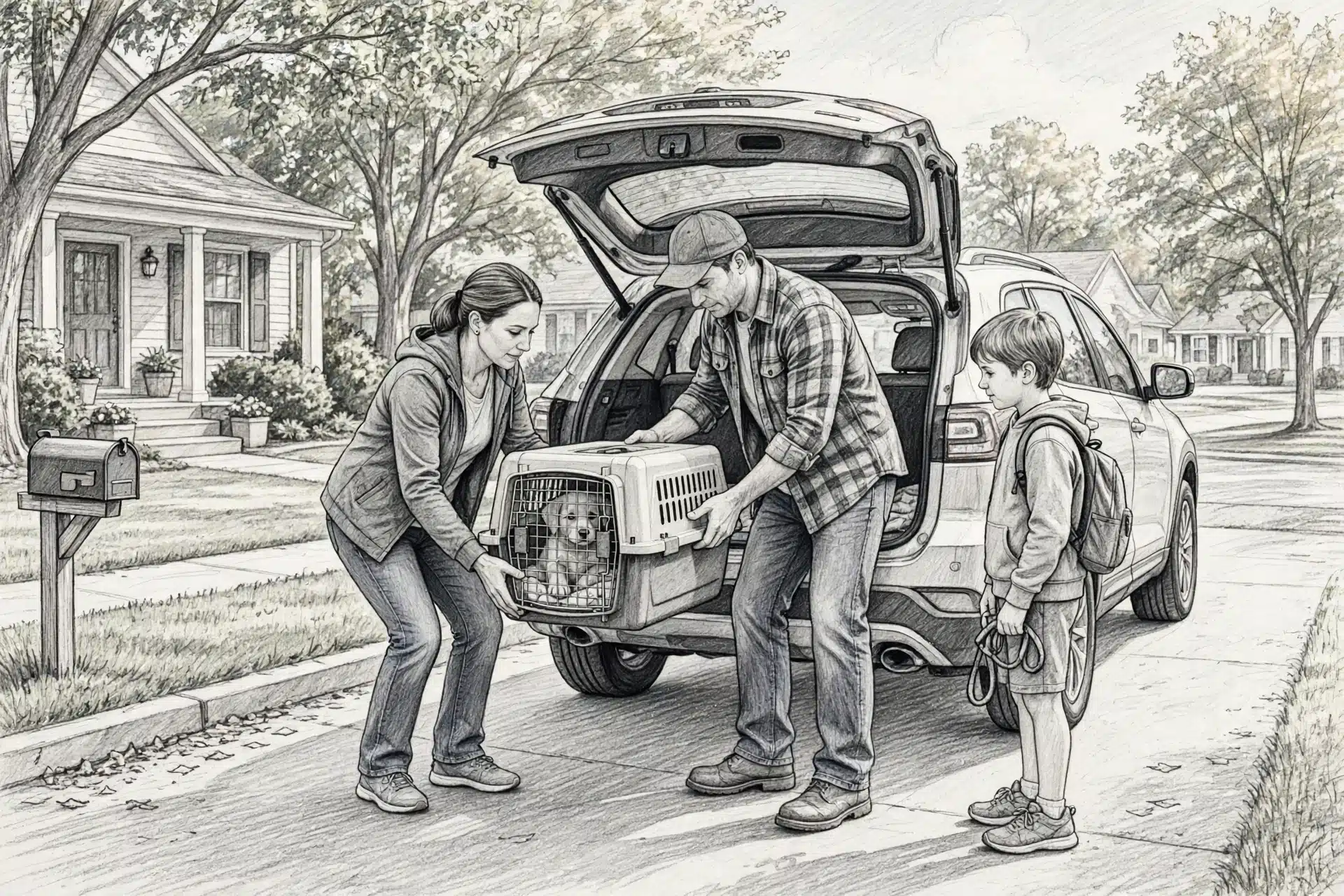
Map the drive, then add 30 minutes for stops. Puppies need a potty break every two hours or so on the road, and small breeds often need them sooner. Leaving at 9 a.m. for a four-hour drive gets you home by early afternoon, with plenty of light left for sniffing the yard.
Plan your puppy pickup Alabama timing so you arrive home at least four hours before bedtime. That gives your pup time to eat a small meal, take a few quiet walks, and learn where the potty spot is. A calm first afternoon prevents most first-night crying.
Step 2: Choose the Travel Plan Before You Leave Home
Pickup day goes smoother when the travel plan is set before you pack the car. Small breeds like Havanese, Havapoos, and Cavapoos ride best with a set routine, so decide now how your puppy will travel and what you will do at each stop.
For a car trip, plan secure restraint and manageable stops
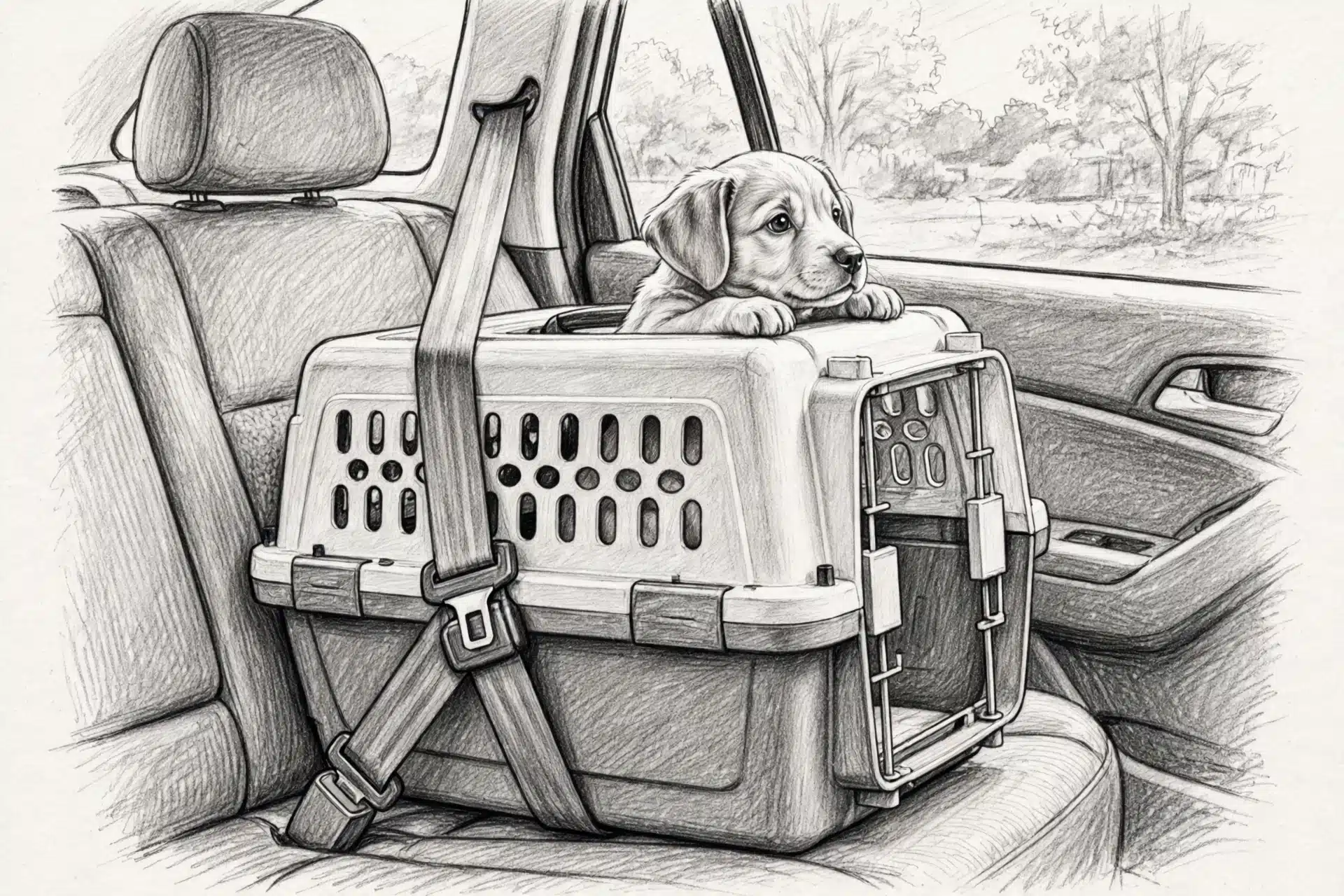
A crate is the safest way for a young puppy to ride. Choose one that is roomy enough to stand and turn in, but small enough to feel snug. Strap it in with a seatbelt or anchors so it cannot shift. If you prefer a harness, use a crash-tested car harness clipped to the seatbelt, never a loose collar.
Plan a stop every two to three hours. At each stop:
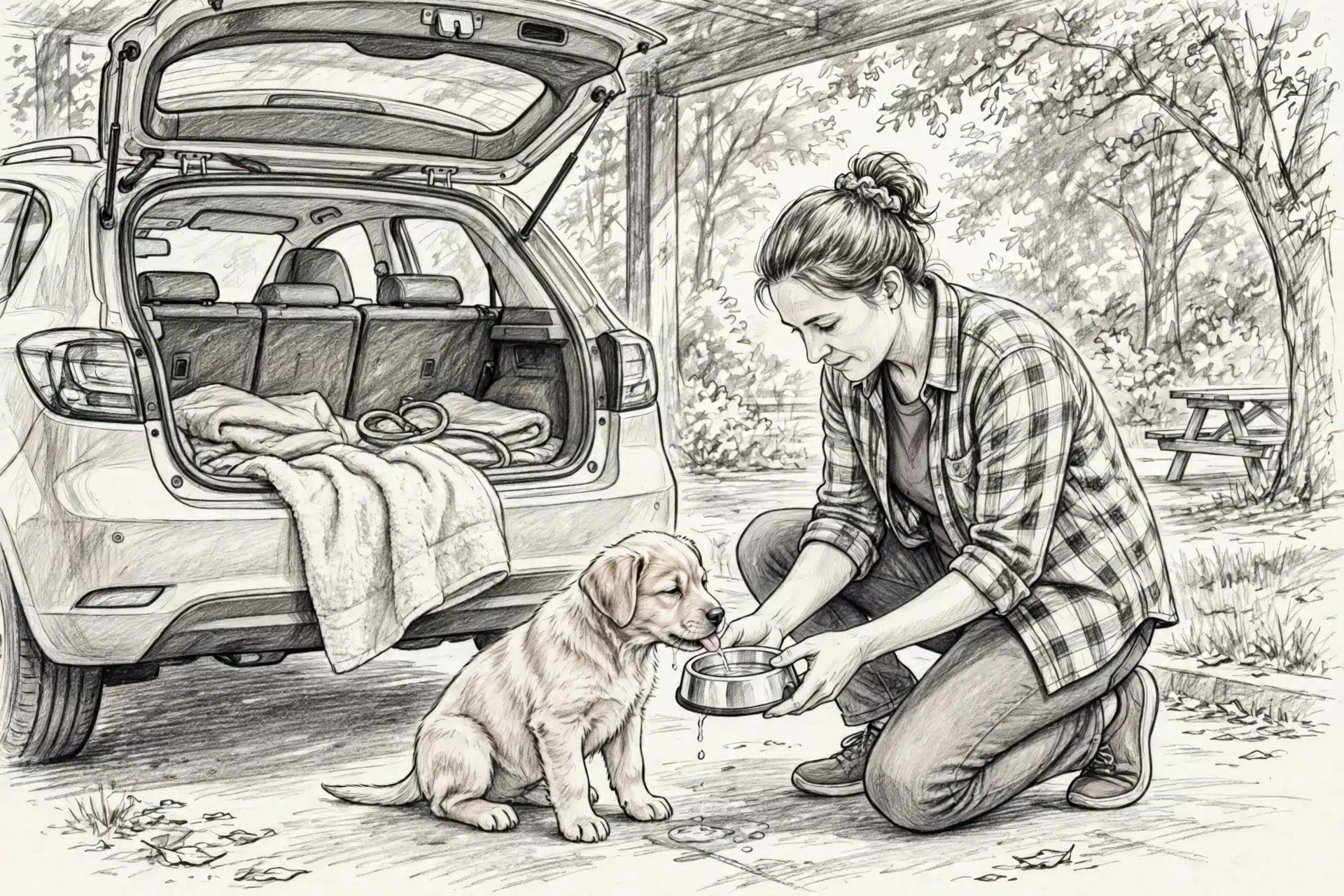
- Offer water in a shallow bowl
- Carry the puppy to a quiet grass spot for a potty break
- Keep the leash on until you are back in the car
- Let strangers admire from a distance, since young puppies are still building immunity
Pack a small travel kit ahead of time: food, bottled water, towels, paper towels, an enzyme cleaner, a favorite toy, and a soft blanket that smells like home. Alabama summers run hot, so never leave the puppy alone in the car, even for a few minutes. If Sage Puppies is your breeder, ask their team for the puppy’s current feeding schedule so meals line up with your drive. Families comparing pickups across the state can also review our guide to finding puppies in Alabama for timing ideas.
If considering a flight, verify every requirement first
Airline rules vary widely, so check them before you book anything. Confirm the airline’s minimum age, health certificate window, crate size rules, and any temperature limits for the route and season. Some carriers also restrict brachycephalic or small breeds, so ask in writing.
Call the airline, not just the website. A live agent can confirm the exact rules for your flight date and aircraft type.
Also check whether your state or airline needs a veterinary health certificate and how recent it must be. Many are valid for only ten days. Book a direct flight when you can, since connections add stress and handling. Keep the puppy’s records, food, and leash in your carry-on, not checked luggage. Confirm everything in writing at least a week before you fly, then reconfirm 48 hours out.
Step 3: Pack for the Handoff and the Ride Home
A good pickup day starts in your driveway, not at the meeting spot. Pack the night before so nothing gets forgotten in the morning rush.
Pack the essentials within easy reach
Keep one bag in the front seat, not the trunk. You will need things fast, often while stopped at a red light or rest stop.
| Item | Why It Matters |
|---|---|
| Small crate or booster seat | Keeps your puppy safe and settled |
| Harness and leash | For potty breaks, never a collar alone |
| Paper towels and cleaner | Accidents happen, usually within the first hour |
| Water and small bowl | Offer small sips, not a big drink |
| Soft blanket | Carries the litter’s scent, which calms your puppy |
| A few treats | Rewards brave moments and helps bonding |
Leave the food bowl alone until you are home. A puppy that eats in a moving car often gets sick. Small breeds like Havanese and Cavapoos also get cold easily, so keep a blanket handy even in mild weather.
Tip: Ask your breeder what food the puppy has been eating. A sudden switch can upset a young stomach. Plan to keep the same food for at least a week.
Collect records and care instructions at pickup
Before you leave the meeting place, gather four things:
- Vaccination record with dates and which shots are done
- Deworming history and any vet exam notes
- Feeding instructions, including amounts and schedule
- Microchip paperwork, if your puppy is chipped
Take photos of each document with your phone. Paper gets lost on road trips; backups do not. Then ask the breeder to walk you through the first 48 hours at home. Good breeders welcome these questions, and our delivery and pickup process includes a full handoff review so you leave with clear written guidance, not guesswork.
Confirm your first vet visit date before you drive away. Most puppies need a wellness check within a few days of coming home.
Step 4: Keep the Journey Calm, Safe, and Flexible
A long drive home is a big day for an eight-week-old puppy. The good news: you control most of what makes it easy. Keep the plan simple, watch your puppy closely, and stay flexible when things change.
Keep the ride low-key and monitor comfort
Your puppy will likely sleep through much of the trip, and that is normal. Set the crate in the back seat, out of direct sun, and keep the car at a steady, comfortable temperature. Skip loud music and avoid passing the puppy around the cabin.
Here is what to watch during the drive:
- Breathing: fast panting can mean heat, stress, or nausea
- Water breaks: offer small sips every couple of hours, not a full bowl
- Motion sickness: drooling or restlessness often shows up before vomiting
- Comfort items: a towel that smells like the breeder’s home helps a lot
Check on your puppy at each stop instead of expecting a signal from the back seat. Small breeds tire quickly, so quiet is your friend.
Tip: Ask your breeder to send a small blanket or toy with the litter’s scent on it. Familiar smells calm a puppy faster than anything you can buy.
If you are comparing pickup with professional puppy delivery, remember that a hand-off ride with a practiced driver can shorten your puppy’s time in transit.
Choose potty stops with vaccination status in mind
Young puppies are not fully vaccinated yet, so the ground itself matters. Parvo and other viruses can survive on soil and pavement for months.
- Pick grassy edges away from busy dog areas
- Skip rest stop dog parks completely
- Carry your own waste bags and water
- Let your puppy go quickly, then return to the car
Your yard at home is the safest first potty spot. Arrive, carry your puppy out, and let the settling-in begin.
Step 5: Make the First Hours at Home Quiet and Predictable
Your puppy’s first hours set the tone for the whole first week. After the drive home, everything is new: the smells, the floors, the people. A calm, predictable arrival helps your puppy settle fast instead of melting down.
Prepare the arrival space before pickup day
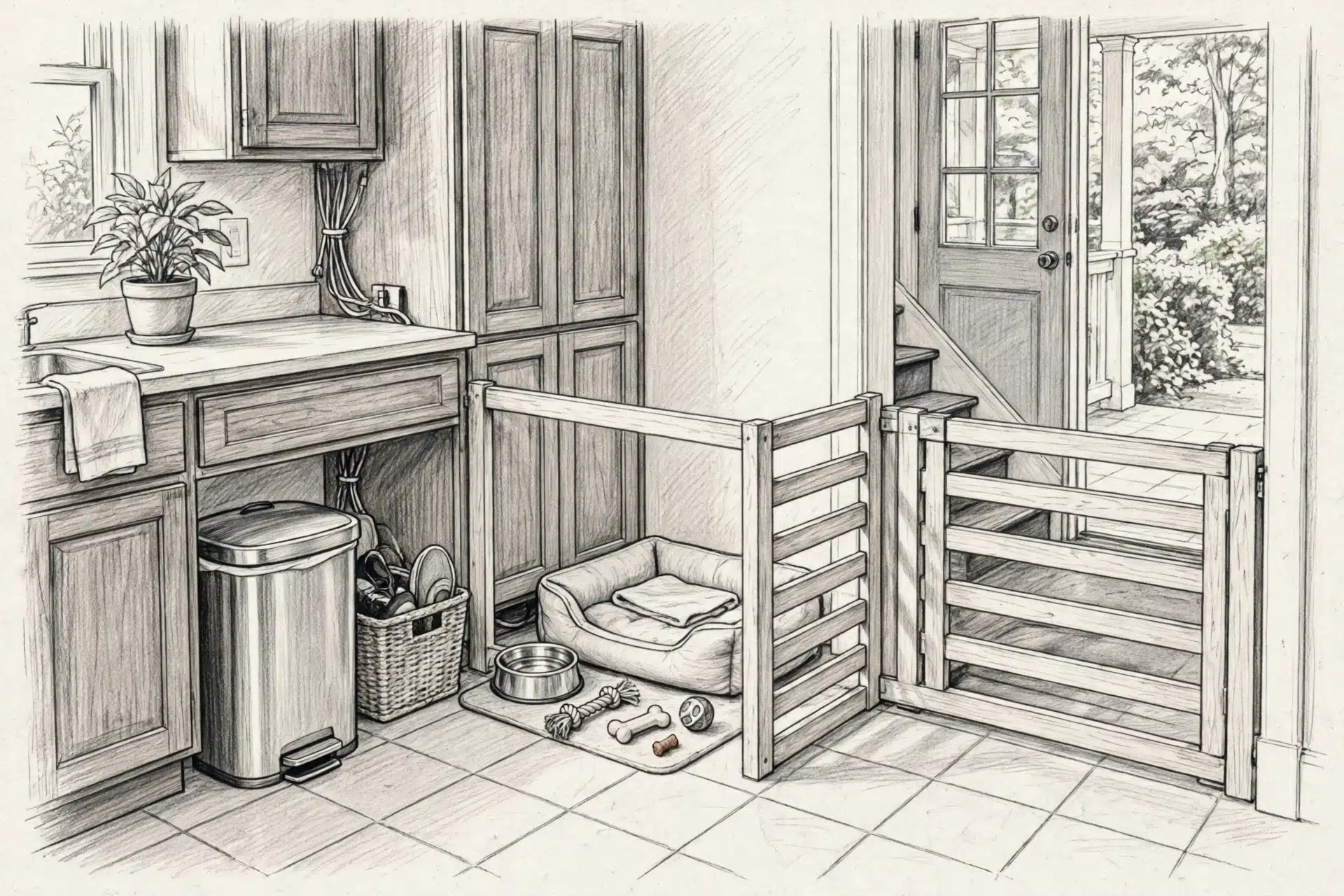
Set up one small area before you leave for pickup. A puppy-proofed room or a gated corner of the kitchen works well. Lay down a bed, a bowl of fresh water, a few toys, and place potty pads near the door you will use for bathroom breaks.
Remove anything your puppy could chew or swallow. Tuck away cords, shoes, houseplants, and trash cans. Block access to stairs if you can, since most eight-week-old puppies have not learned to climb safely.
Pick one door for potty trips and use it every time. Consistency from hour one makes house training much easier later.
Keep the first evening gentle
Let your puppy explore the setup on a leash, then settle in with the family. Everyone wants to hold the new puppy, and it’s fine to do a little of that. Just keep visits short and voices low so your puppy can rest.
Plan a potty trip after naps, meals, and play. Praise quietly when your puppy goes outside. Skip the park, the pet store, and neighborhood walks for now, because your puppy’s immunity is still developing before vaccinations finish.
Offer a small meal and water, then one last potty break before bedtime. A crate near your bed, a soft blanket, and a ticking clock or heartbeat toy can ease the first few nights apart from littermates.
Keep visitors away for the first few days. Your puppy needs time to bond with your family before meeting the next crowd.
If you’re still choosing a breeder, look for programs like Sage Puppies’ how it works process that send puppies home well-socialized and with clear go-home guidance.
Step 6: Confirm the Next Steps Before the Pickup Day
Use a final confirmation checklist
About three days out, confirm everything in writing. A short checklist keeps the day calm and prevents missed details.
- Time and location. Reconfirm the pickup window and exact meeting spot with the breeder.
- Payment balance. Check what is due on arrival and which payment methods they accept.
- Puppy paperwork. Ask what you will receive: health record, vaccine dates, deworming history, and feeding notes.
- Food and supplies. Confirm the exact food the puppy eats now so you can keep the same brand at home.
- Weather plan. Look at the forecast for your route. Adjust departure times if storms or extreme heat are likely.
- Contact numbers. Save the breeder’s phone number where you can reach it without signal issues.
- Car setup. Crates secured, water bowl packed, and a towel in case of car sickness.
Text your breeder a day before as a courtesy. Most will answer last-minute questions and share how your puppy has been eating and sleeping that week. Good breeders, including our own team in South Jordan, will walk you through the handoff step by step, and you can see how a pickup and handoff works in practice before your own day arrives.
Callout: Put the puppy’s paperwork in a folder the night before. Fumbling for vaccine records in a parking lot adds stress you do not need.
Take the next step when the timing feels right
If you are still choosing a breeder, confirmation habits tell you a lot. A thoughtful program will welcome your questions and answer them clearly. Browse the available Havanese, Havapoo, and Cavapoo puppies and start a simple conversation.

Ready to plan a smooth pickup day? Explore our available Havanese, Havapoo, and Cavapoo puppies at Sage Puppies. Apply today, confirm timing, and we’ll walk you through travel and arrival details step by step. Your well-started companion is closer than you think.
Frequently Asked Questions
Q1: How should I plan timing for a puppy pickup in Alabama?
Pick a morning pickup so your puppy has daylight hours to settle before bedtime. Leave buffer time for traffic and potty stops, and clear your schedule for the first two or three days at home.
Q2: What should I bring for a safe puppy pickup and drive home?
Pack a small crate, towels, water, a leash, and puppy pads. A familiar-smelling blanket helps calm an eight-week-old puppy during a long drive.
Q3: Is it safe to fly a puppy home from Alabama?
Cabin travel with an adult escort is safest for young puppies. Ask about health records and waiting until your puppy is old enough before booking any flight.
Q4: When can a puppy safely travel long distances?
Most breeders release puppies around eight weeks old. Short drives are fine then, but keep trips calm and add potty breaks every two hours.
Q5: Should I stop for potty breaks on the drive home?
Yes. Stop every two hours at quiet grassy areas, not busy rest stops. Avoid letting your puppy touch ground where unknown dogs roam until vaccinations finish.
A Thoughtful Start to the Journey Home
Good pickup days are planned, not rushed. Set your timing around the puppy’s age and shots, pack the car before the drive, and keep young pups off busy rest-stop grass where illness can spread. A short, calm trip home matters more than a fast one.
Have your setup ready too: a crate, water, a quiet potty spot, and a low-key first day. Small breeds like Havanese, Havapoo, and Cavapoo puppies settle best when the arrival feels gentle and predictable.
If you’re still weighing travel against flight nanny or ground delivery, our pickup and delivery guide walks through each option. Plan the drive, keep the first hours simple, and your puppy walks into a home that already feels safe.