Quick Summary: Socialize your Havapoo puppy starting weeks 8 and 9, because the critical socialization window closes around 12 to 14 weeks and a bad experience then can shape behavior for life. The plan: handling and household sounds in weeks 8 to 9, people and carried outings in weeks 10 and 11, puppy class with vaccinated adult dogs around week 12, and widening the world on short leashed walks through weeks 16 to 26, with real places and a second fear period handled calmly in months 7 to 12. You can and should socialize before vaccinations finish, since AVSAB treats missed socialization as the bigger risk, as long as you carry the puppy, avoid dog waste, and skip places sick dogs gather. Keep sessions under five to fifteen minutes, pair every new thing with treats, and end on a comfort sign rather than pushing through fear.
The morning your Havapoo puppy first hears the vacuum cleaner, someone decides whether that sound is ordinary or scary. A few seconds of judgment in that moment shapes how the dog handles every noisy thing for the next decade. That is why a clear Havapoo socialization schedule matters so much before week twelve closes the critical socialization window. This guide walks through Havapoo socialization week by week, from your puppy’s first days at home through the months when fear can creep back in. You will get named, safe exposures for each week, a direct answer to the pre-vaccination question, and steps that fit Sage Puppies’ documented health, deworming, and go-home practices. Cassie Milar and her South Jordan, Utah team raise these litters daily, so every suggestion here reflects what Havapoo puppies actually need in their first weeks.
Why the First Three Months Matter for a Havapoo
The sensitive period your Havapoo is already inside
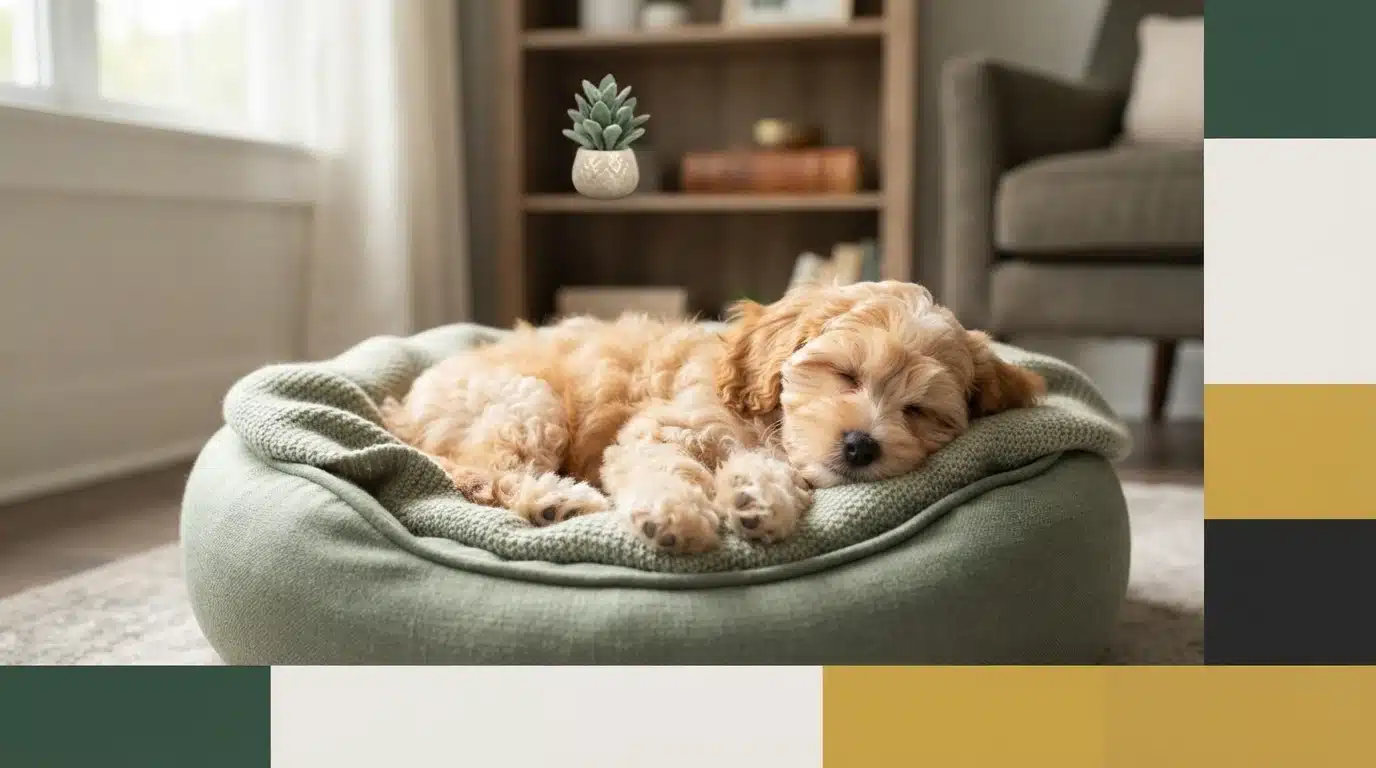
Puppies have one critical socialization window that closes fast. The American Veterinary Society of Animal Behavior says most of it happens before 12 to 14 weeks of age, so the weeks right after your puppy comes home carry the most weight. A Havapoo puppy week by week plan works because each week builds on the last one. Miss the window and you can still train an adult dog, but fear and reactivity take far more effort to undo. AVSAB advice is blunt: one bad experience during this period can shape behavior for life, so keep every exposure short, calm and positive.
Socialization is exposure, not obedience training
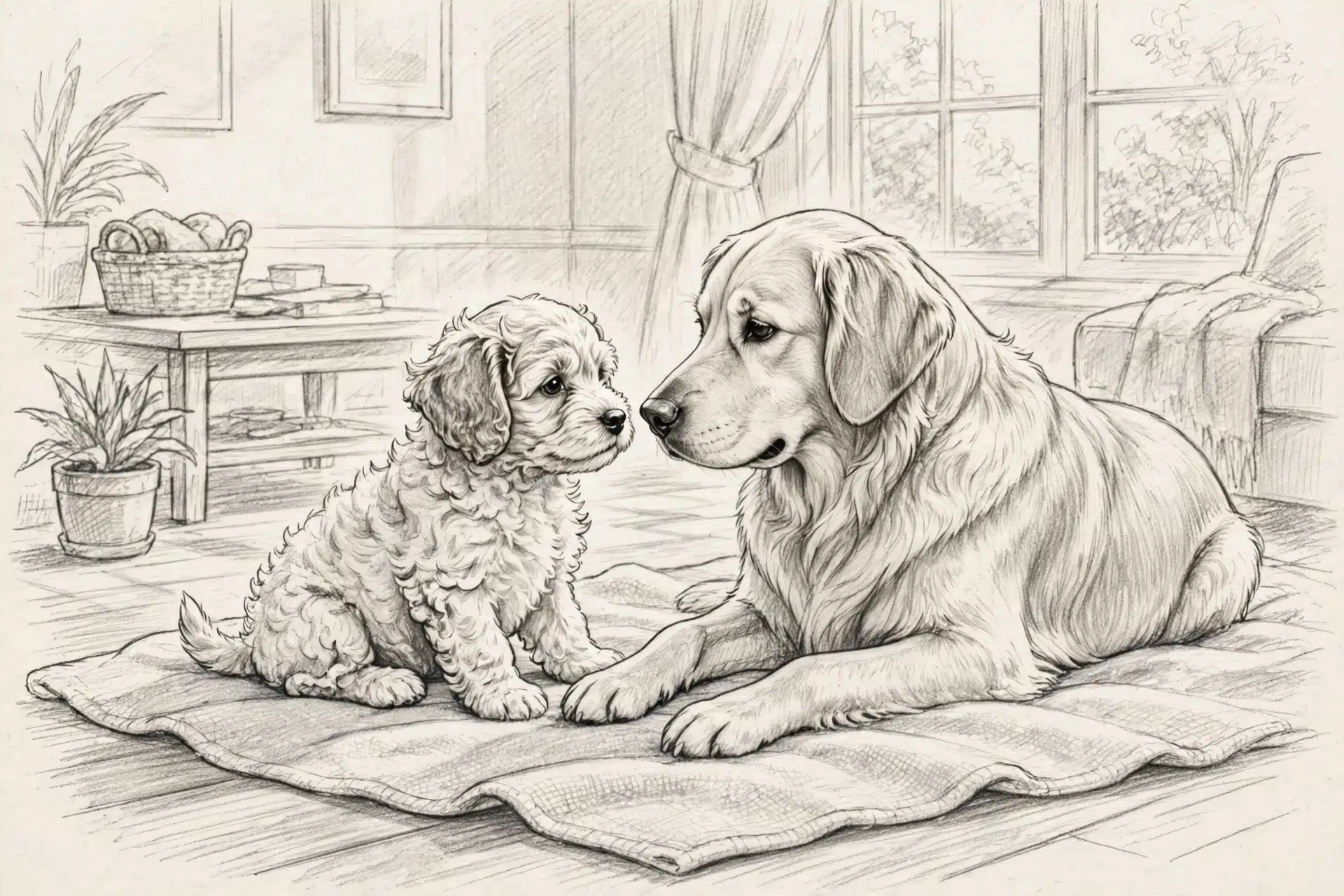
Socialization means your puppy learns the world is safe: different surfaces, sounds, people, dogs and handling. It is not sit, stay or leash manners. Reward-based exposure teaches your puppy to notice something new, check in with you and stay relaxed. Obedience can wait a few weeks, but confidence cannot. The goal of every outing is a puppy that recovers quickly instead of shutting down or barking at anything unfamiliar.
Before public outings, keep the vaccination schedule your veterinarian sets in view, since AVSAB supports starting classes after the first round of shots. Safe socialization and safe medicine work together. bred well by programs like Sage Puppies, a puppy still needs this work at home; temperament is a start, not a finish. Grooming tolerance matters too, and coat care basics show up early in handling practice, which is why even coat care routines pair well with early socialization habits.
Socializing a Havapoo Before Vaccinations Are Complete
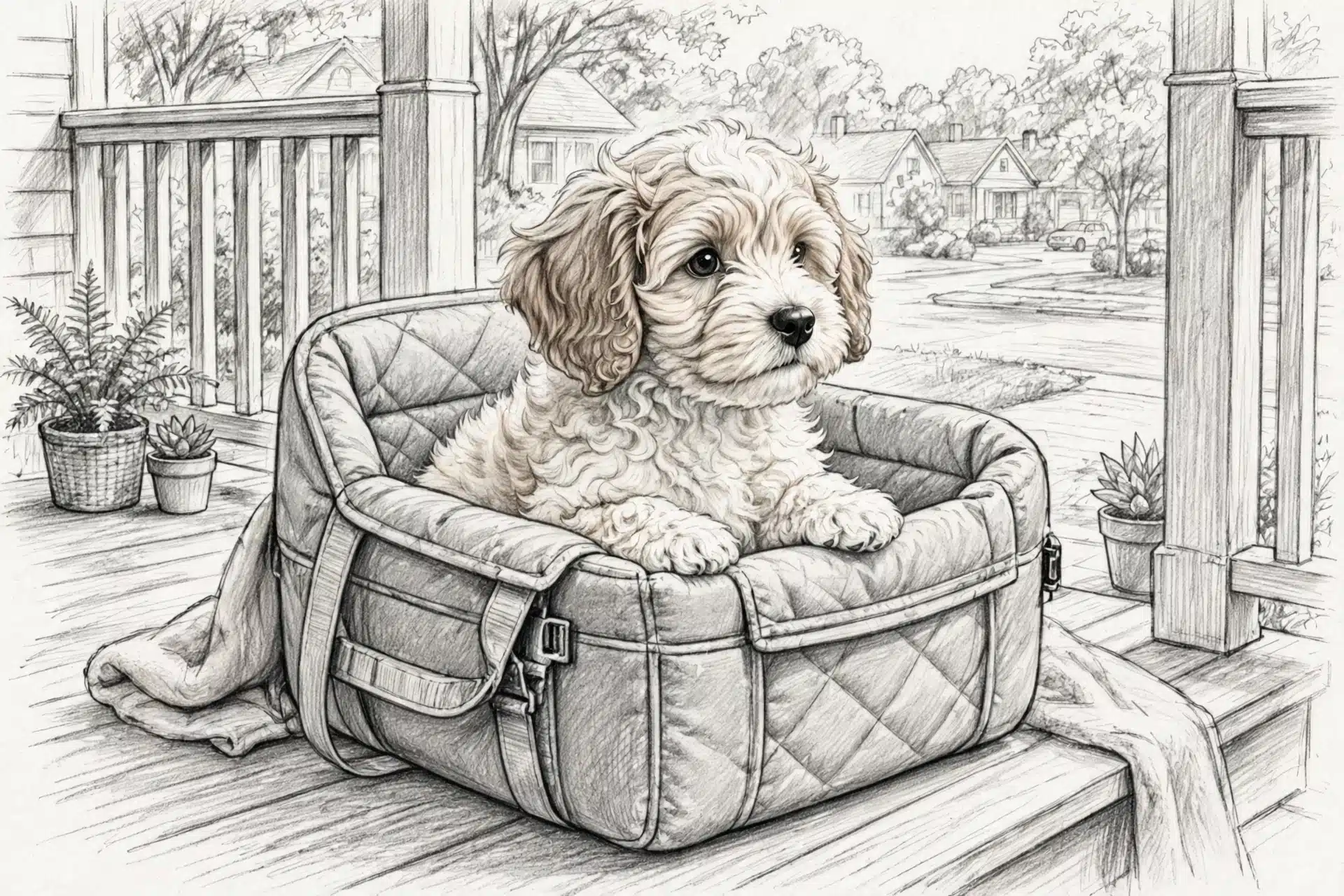
Yes, you can and should socialize a Havapoo puppy before vaccinations finish. The American Veterinary Society of Animal Behavior warns that missing the critical socialization window is a bigger behavior risk than the small disease risk from careful outings. Pair each exposure with common sense: carry your puppy, avoid unfamiliar dog waste, and skip places sick dogs gather. Safe options include:
- Car rides in a secured carrier
- Confident, vaccinated adult dog mentors at home
- Outdoor café or park visits from your arms or a blanket
- New sounds, surfaces, and handling at home
What the veterinary behavior guidance actually says
The AVSAB position statement recommends that breeders and owners start socialization at three to four weeks, before a puppy ever goes home. It states the standard vaccine series should not delay this work, because dogs who miss early positive contact face far higher odds of rehoming or euthanasia for behavior problems. The guidance supports classes that require one vaccine set, and it pairs every new experience with treats so the puppy builds good associations instead of fear.
Safer ways to expose a Havapoo in weeks one through eight
Your puppy’s first eight weeks at home are full of low-risk socialization chances. Carry her through parking lots, into hardware stores that allow dogs, and along quiet sidewalks so she sees strollers, umbrellas, and bikes without touching the ground. Invite friends of different ages, genders, and appearances to visit, and ask each one to offer a treat. Rotate surfaces: grass, tile, carpet, and a folded towel all feel different under tiny paws. Keep sessions short, end on success, and watch for stress signals like yawning or hiding, then give her space. If your Havapoo is coming by delivery rather than Utah pickup, preparing for a new puppy the week before arrival keeps those first exposures calm and planned.
The Havapoo Socialization Schedule, Week by Week
A Havapoo puppy socialization schedule maps each week at home to one focus and a few safe exposures. Use it as a checklist, not a race. If your puppy hesitates at any step, stay at that step for a few extra days.
| Weeks | Focus | Sample exposures |
|---|---|---|
| 8 to 9 | Settle in, handling | Household sounds, paws and ears touched, brief alone time |
| 10 to 11 | New people, carried outings | Kids, hats, umbrellas, car rides, outdoor sights from your arms |
| 12 | Other dogs, class | Reward-based puppy class, calm vaccinated adults, short separations |
| 13 to 16 | Widen the world | Short leashed walks, stairs, new surfaces, busier settings |
Weeks 8 and 9: settle in, handling, and household sounds
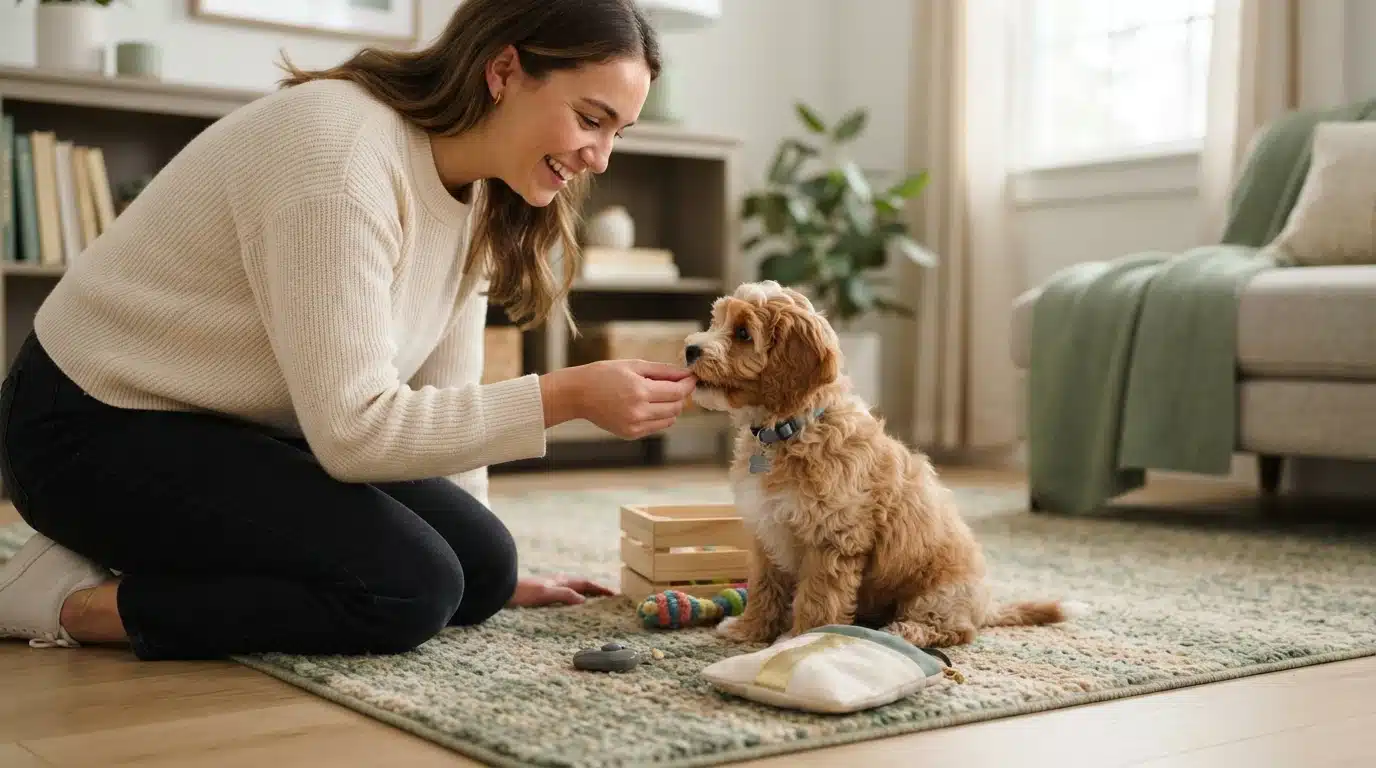
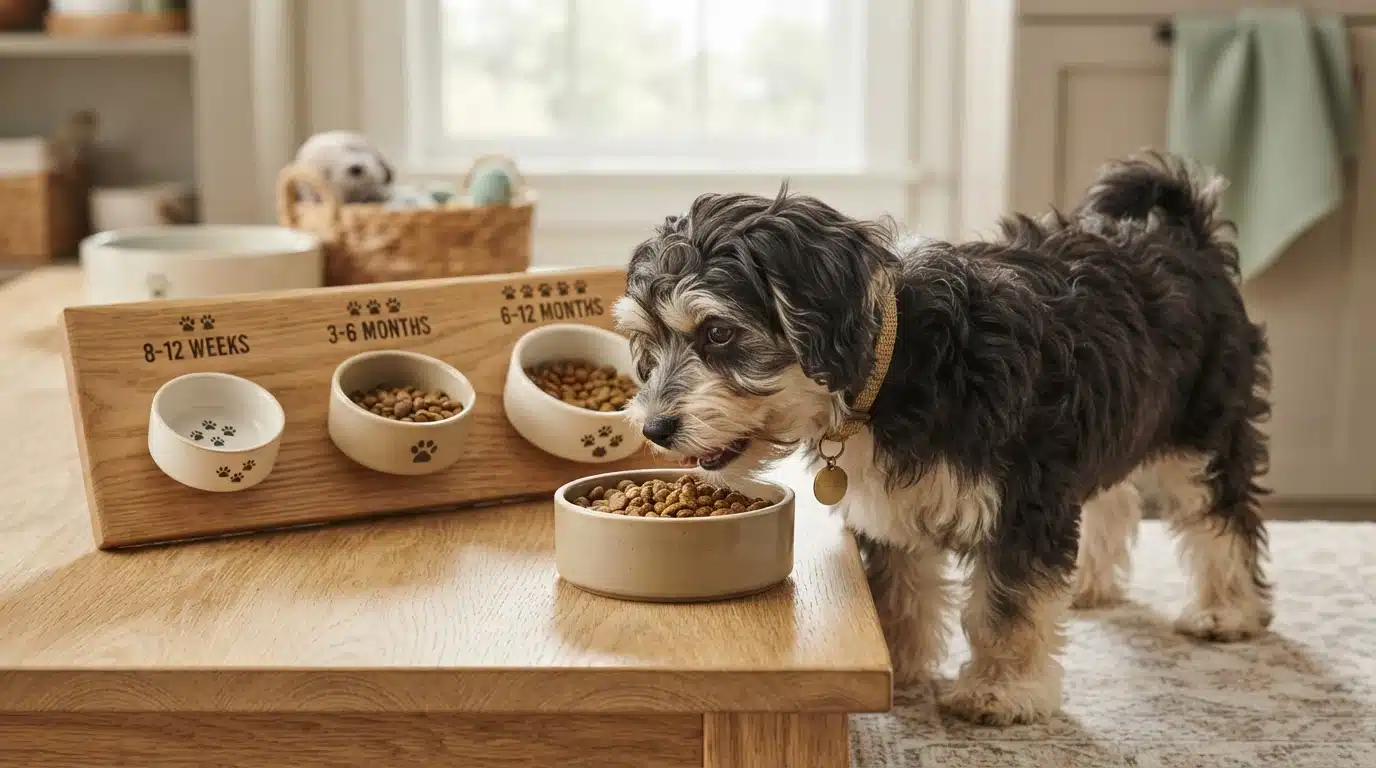
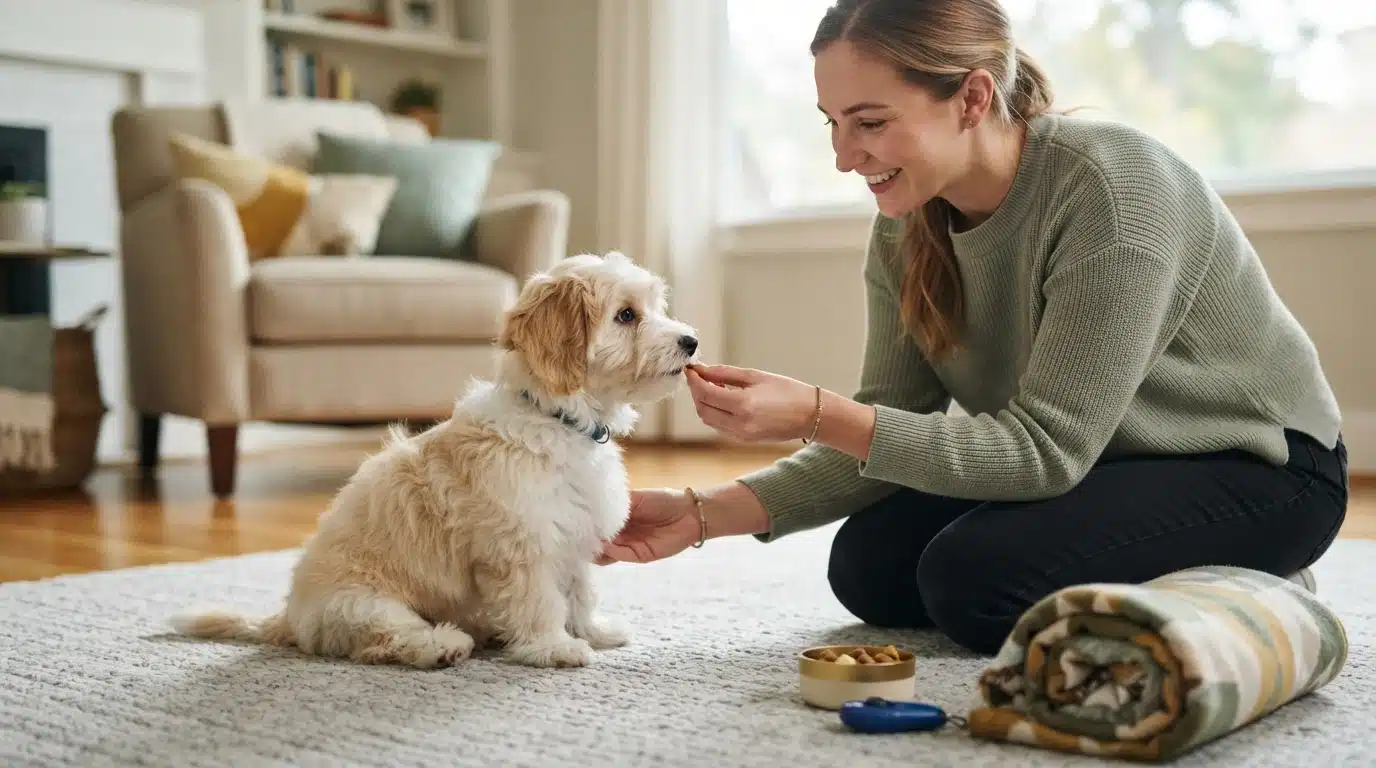
Your puppy’s first two weeks home are for trust, not field trips. Let her learn your routines, sleep near the family, and hear the washing machine, vacuum, and doorbell at low volume. Handle her paws, ears, and mouth gently each day, and reward calm behavior. This early handling builds the cooperative care habits that make grooming and vet visits easier later. Keep sessions under five minutes so she stays relaxed.
Weeks 10 and 11: people of all kinds, carried outings, and car rides
Because her first vaccine is on board, she can see the world from a safe distance. Carry her to a quiet sidewalk, a pet-friendly store entrance, or a park bench. Let her watch kids, joggers, strollers, and people in hats or hoodies. Invite calm visitors of different ages and appearances to meet her at home. Start short car rides too, a few minutes at a time, ending somewhere pleasant so the car predicts good things.
Week 12: puppy class, vaccinated adult dogs, and brief separations
The AVSAB position statement says puppies can start class as early as 7 to 8 weeks with at least one vaccine set, so week 12 is comfortably in range. Choose a reward-based puppy class with clean floors and small groups. Arrange play with calm, vaccinated adult dogs you know. Practice leaving her alone for 10 to 20 minutes so alone time stays normal.
Weeks 13 through 16: widening the world as the vaccine series completes
As boosters finish and your vet clears her, add short leashed walks on varied surfaces: grass, gravel, wet pavement, stairs. Ride elevators, cross parking lots, and visit busier places in small doses. Watch her body language, and step back if she stalls, yawns, or tucks her tail. Havapoos mature quickly but stay sensitive, so pair every new thing with treats and a happy voice. Keep the pace steady, and by 16 weeks she will have met the world on her terms.
Weeks 17 Through 26: Consolidation and Real-World Practice
Your Havapoo is now an adolescent, so this stretch is about depth rather than novelty. The critical socialization window has closed, but the habits you built hold only if you keep using them. Think of weeks 17 through 26 as practice season: same skills, busier settings.
The places families actually go
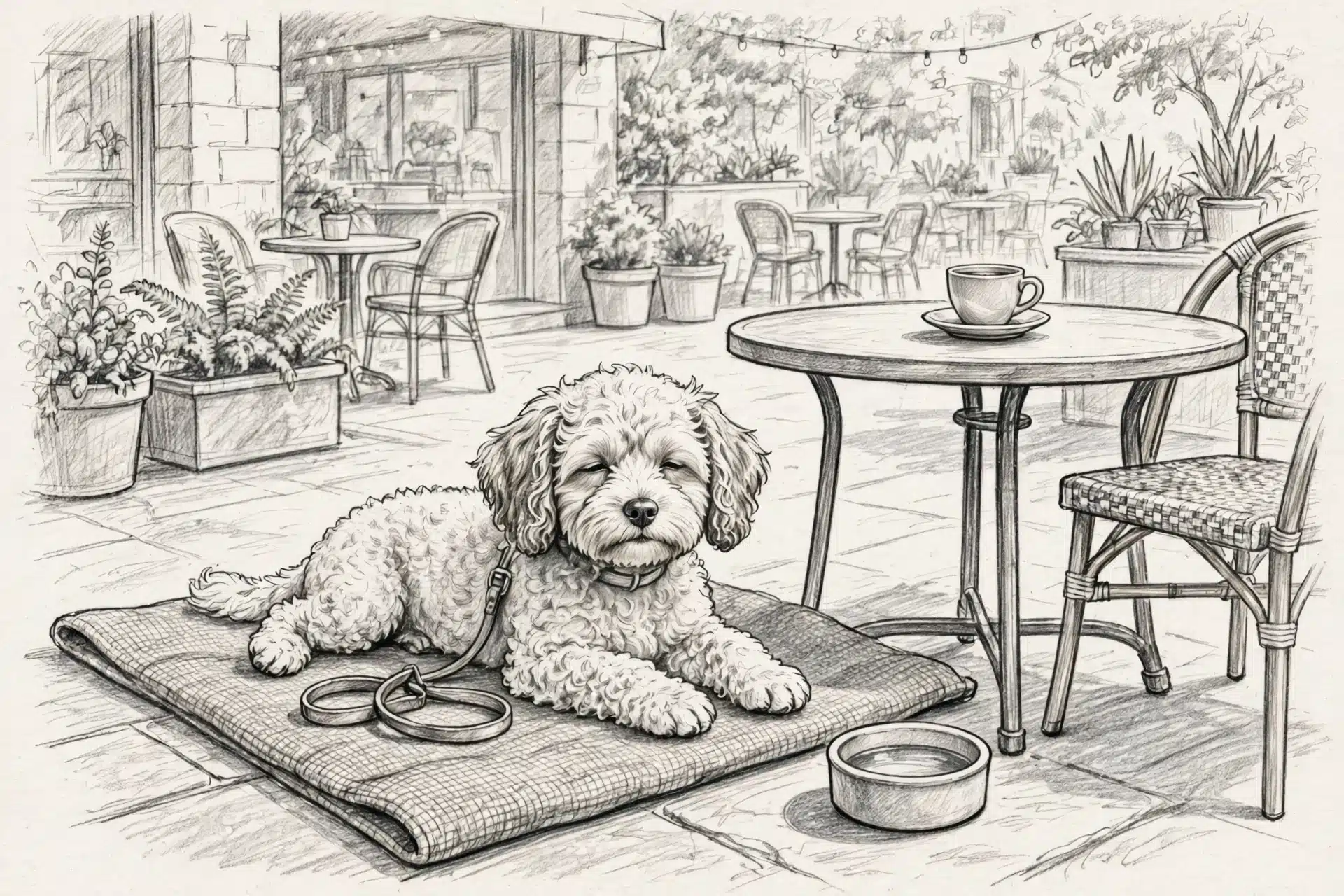
Now swap practice locations for real ones. Take her to a pet-friendly patio, a friend’s backyard barbecue, a farmers market, or the school pickup line. She should settle near crowds, ignore skateboards, and greet strangers politely without jumping. Adolescent fear periods can appear around this age, so watch her body language and give her space if she stalls or backs away. Keep sessions short and end on a win. A calm puppy who has napped before an outing handles far more than a tired one.
Keep the skills you already taught
Revisit the basics in new places. Practice loose-leash walking down a busier street, alone time in a different room, and handling that mimics grooming and vet visits. Small breeds often lose skills during adolescence, so a five-minute refresher each day beats a long weekend session. If her recall slips, drop the distance and pay well. Consistency now decides how she behaves as an adult, because rehearsed habits become her default.
Months 7 Through 12: The Adolescent Worry Spells
Why a confident puppy suddenly flinches at a trash can
Around 6 to 14 months, most dogs hit a second fear period. The AKC describes these windows as normal, and they usually last a couple of weeks, though small breeds often enter them early. Your Havapoo may balk at objects she ignored last month: the trash can, a ladder, a neighbor in a big coat. Nothing broke. Her brain is just re-sorting what counts as safe while hormones surge. Treat each startle as information, not failure. Note what set her off so you can reintroduce it gently later.
Patient exposure without forcing contact
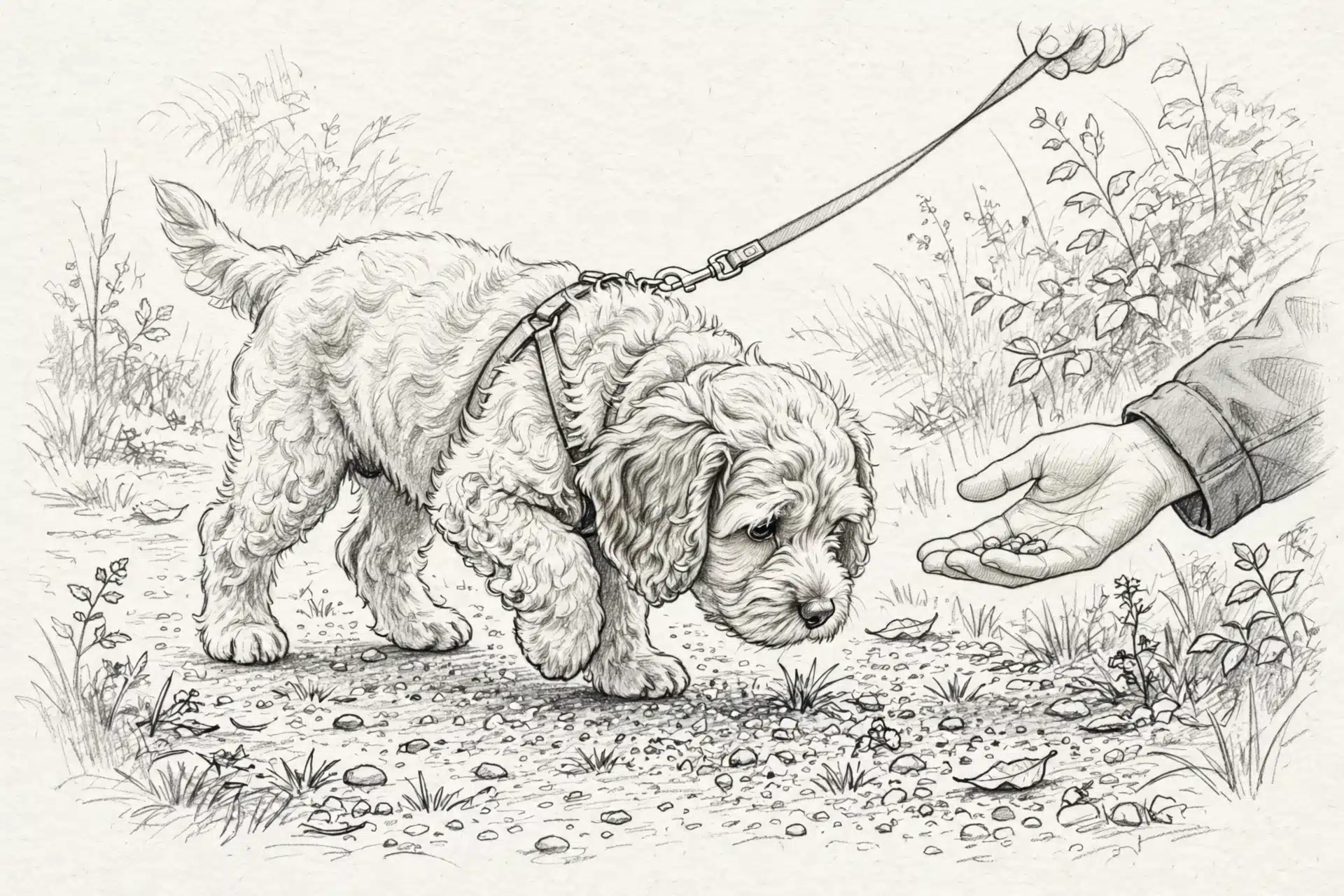
When she freezes or backs away, stay calm and let her watch from a distance she chooses. Toss treats toward the scary object, but never drag her closer or push her to touch it. Keep outings short and upbeat, and end on a win, like one loose-leash step past the recycling bin. Pair the odd thing with food three or four times, then pause. If the worry lasts beyond a few weeks, a reward-based trainer can help. Consistent, gentle sessions like these are also part of the beginner training habits that carry a small breed puppy through adolescence.
What Your Havapoo Puppy Should Meet in the First 8 Weeks at Home
Your first eight weeks at home should cover four groups: household sounds, different surfaces, gentle handling, and calm visitors. Since AVSAB supports socializing puppies before they finish their vaccine series, you can do all of this safely indoors and in your own yard.
The home checklist most families miss
Families remember the vacuum. They forget the rest. Work through these in short, happy sessions:
- Sounds: dishwasher, washing machine, doorbell, hair dryer, TV, kids playing, dropped pots.
- Surfaces: tile, carpet, grass, gravel, a bath mat, a low step, a wobbly cushion.
- Handling: paws, ears, mouth, belly, and a brief brush each day.
- Objects: umbrellas, hats, a cardboard box, a mirror, wheels on a stroller.
- Routines: collar on, crate door closed, car ride, short alone time.
Treat after every new thing. If she pauses, lower the intensity and try again tomorrow. At Sage Puppies, our go-home notes already cover crate time and daily handling, so you start from familiar ground.
Running a low-risk visitor session
Invite one or two calm adults, not a crowd. Ask them to arrive quietly, sit low, and let your puppy approach first. Skip loud greetings and looming over her. Watch her body language: yawning, lip licking, or backing away means she needs a break. Keep visits under fifteen minutes.
What to postpone for now
Hold off on dog parks, busy sidewalks, and pet stores until your vaccination schedule is complete. Unvaccinated dog friends can wait until week 12, when calm, vaccinated adults are fair game. Strenuous stairs and long hikes can wait too. Nothing on that list outweighs her safety.
Reading Your Havapoo’s Comfort and Stress
Watch your puppy’s body language during every session. Comfort means keep going; stress means shrink the session or skip the day. Reading these puppy stress signals is a skill, and it gets easier fast.
Signs your Havapoo is comfortable
- Loose, wiggly body with a soft wagging tail
- Relaxed ears in their natural position, not pinned back
- Willing to take treats quickly and chew normally
- Curious approach toward the new person, sound or surface, sniffing with a loose mouth
- Play bows, bouncing steps, or settling for a nap afterward
If you see these, mark the exposure a win and repeat it in a day or two.
Signs to back off
- Lip licking, yawning or a sudden shake when nothing is wet or sleepy
- Pinned ears, tucked tail, crouched or frozen posture
- Turning her head away, leaning back, or trying to hide
- Refusing treats she normally loves
- Whale eye, when the whites of her eyes show
Stop the current exposure and give her distance. Try again later at lower intensity, further away or quieter, and let her watch before she participates.
A simple rule: end every session on a comfort sign, even if that means cutting it short.

Socializing a Havapoo in those early weeks shapes the dog she becomes, and the plan above gives you every step. Want a head start? Sage Puppies raises Havanese, Havapoo and Cavapoo puppies with documented health and go-home practices, so week one at home begins on solid ground. Browse available puppies or start an application today.
Frequently Asked Questions
Q1: What is a Havapoo puppy socialization schedule week by week?
It is a simple plan that gives each week at home one focus and a few safe exposures. Weeks 8 and 9 cover handling and household sounds, weeks 10 and 11 add people and carried outings, week 12 brings puppy class, and weeks 13 to 16 widen the world.
Q2: Can Havapoo puppies be socialized before they are fully vaccinated?
Yes. AVSAB guidance says missing the critical socialization window is the bigger risk. Carry your puppy, avoid dog waste, skip places sick dogs gather, and follow your vet’s vaccination schedule.
Q3: What should Havapoo puppies meet in their first 8 weeks at home?
Household sounds, varied surfaces, gentle daily handling, calm visitors, and simple routines like collar, crate, and short car rides.
Q4: How long should each socialization session last?
Keep sessions under five to fifteen minutes. End on a comfort sign, like relaxed play or easy treat taking, so the memory stays positive.
Q5: What if my Havapoo seems scared of something new?
Stop and give distance. Let her watch from where she feels safe, toss treats toward the object, and retry tomorrow at lower intensity. Never drag her closer.
Conclusion
A Havapoo socialization schedule works because it turns a vague worry into a weekly habit. Start handling and household sounds in weeks 8 and 9, add people and carried outings by weeks 10 and 11, begin puppy class around week 12, then widen her world through weeks 16 to 26. Socialize before vaccinations finish by keeping her off shared ground, and read her body language so every session ends on a comfort sign. If a fear period shows up in adolescence, slow down rather than push. The critical socialization window closes fast, but a few minutes of calm, rewarded exposure each day is all it takes to raise a confident companion.