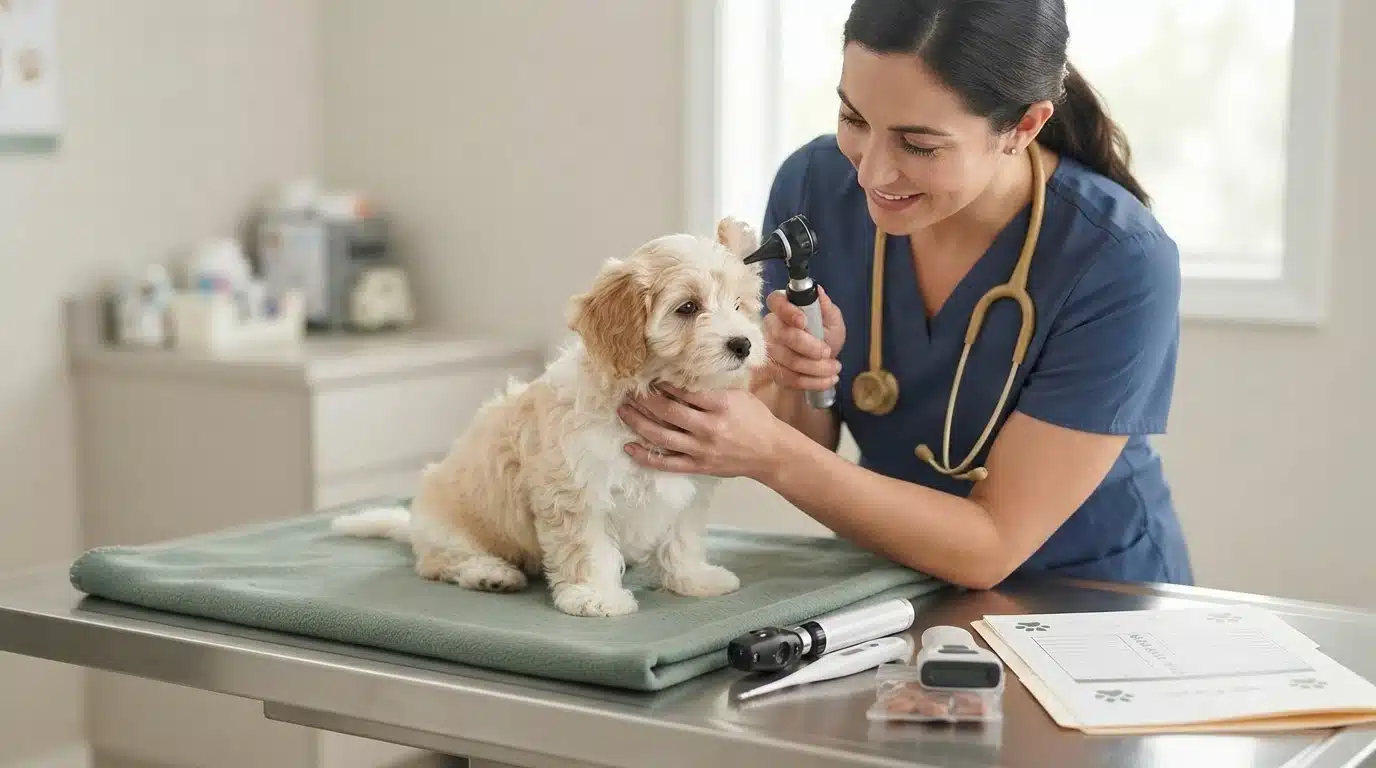
Quick Summary: Havapoo health problems are predictable, not random. The most common ones include loose kneecaps, hip disease, ear infections, dental disease, tear staining, and low blood sugar in young puppies, all of which respond well to early care. Simple habits like keeping your dog lean, brushing teeth daily, drying floppy ears after baths, and wiping eyes keep most issues minor for life. Pair that home routine with breeder-side OFA patella and PRA DNA test results on both parents to remove the biggest inherited risks before your puppy comes home.
If your Havapoo starts skipping on a back leg after a short play session, or you keep wiping brownish tears from the same eye, calling the vet can feel like an overreaction. Small breeds hide early discomfort well. And Havapoos inherit a specific set of risks from their Havanese and Poodle parents, which means the most common Havapoo health issues are also the most predictable ones.
This guide walks through each condition worth knowing about, from loose kneecaps and hip problems to ear infections, dental disease and tear staining. For every one, you will find early warning signs, a simple at-home prevention routine and the breeder health tests that lower the risk before a puppy ever comes home. Catch these conditions early and most stay minor for life.
How to Read This Havapoo Health Guide
What “Havapoo” Actually Means for Health Risk
A Havapoo is a cross between a Havanese and a Poodle, usually a toy or miniature. That mix cuts both ways. Hybrid pups can inherit conditions from either parent breed, so common Havapoo health issues include problems shared with Cavapoos and other small doodles, such as loose kneecaps, ear infections, and inherited eye disease. Crossbreeding is not a health guarantee. It just changes which risks matter most, and this guide walks through each one.
How to Use This Guide Week to Week
Read the condition sections once, before your puppy comes home. Then use the prevention checklists as a weekly routine: brush, check ears, watch gait, and log anything odd. Bring your notes to vet visits. If a section mentions a breeder-side test, ask for the results in writing. Prevention works best when it starts early, and small habits now beat big vet bills later.
Joint and Bone Conditions in Havapoos
Havapoos inherit their small frames from the Havanese and the Poodle, and that size brings a predictable set of Havapoo health issues centered on the knees and hips. Two conditions matter most: patellar luxation and Legg-Calve-Perthes disease. Both show up early, both run in small breeds, and both respond far better to early detection than to late repair.
Patellar Luxation: Spotting a Skipping Gait
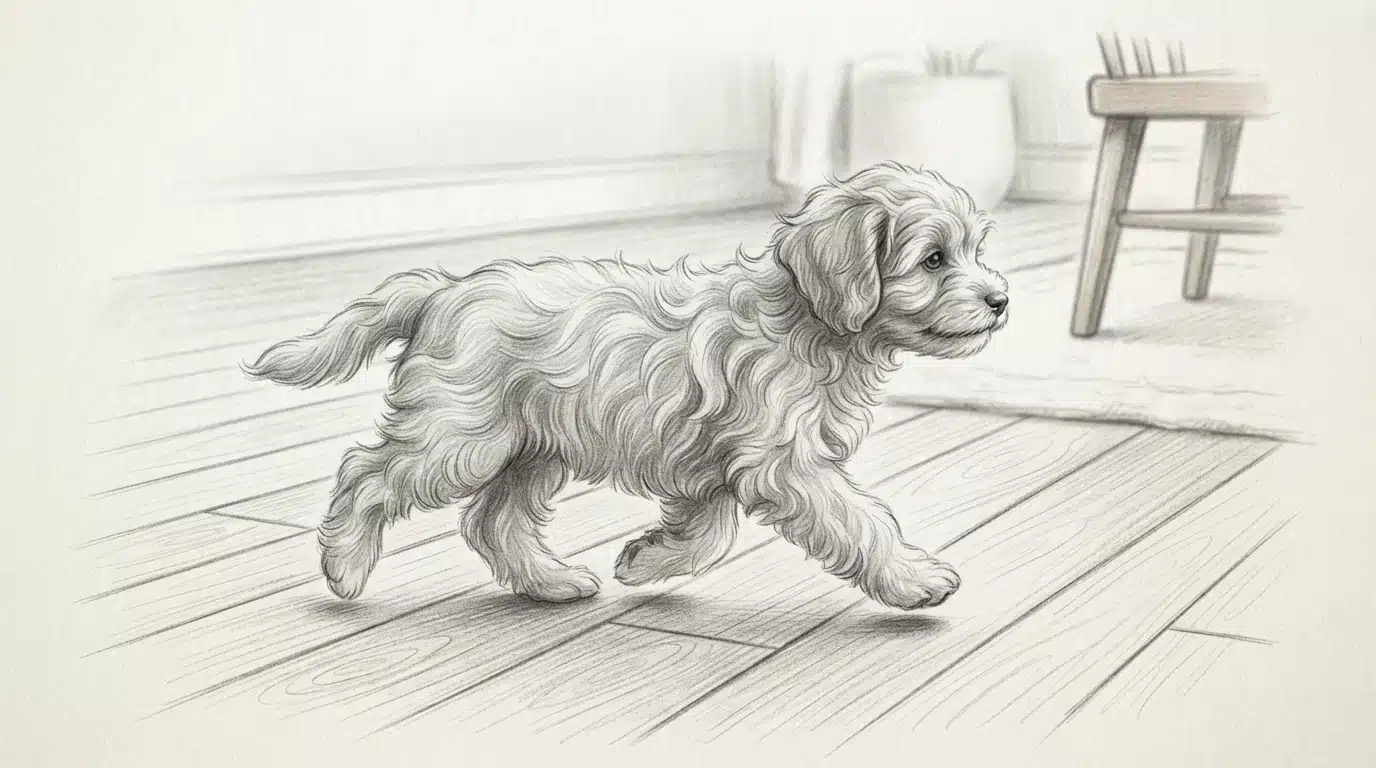
Patellar luxation means the kneecap slips out of its groove. It is one of the most common orthopedic problems in dogs, and small and toy breeds carry the highest risk, according to Purdue’s canine welfare resource. Many cases appear before age three, and both hind legs are often involved.
You will see it in the gait. The classic sign is a skip: your pup runs, hops for one stride on a back leg, then drops back to normal. Mild cases skip now and then. Severe ones cause a stiff, bowlegged stance and real pain. If the skipping becomes frequent, ask your vet for an orthopedic exam.
Legg-Calve-Perthes Disease in Young Havapoos
Legg-Calve-Perthes disease affects the ball of the hip joint. Blood supply to the femoral head drops off, the bone dies, and the joint breaks down. Toy breeds between four and twelve months old are the typical patients, so a young Havapoo limping on a hind leg deserves a prompt vet visit.
Signs start subtly. Watch for a limp that worsens over weeks, muscle loss in the affected thigh, or pain when you extend the hip. Vets confirm it with X-rays. Treatment is surgical: the vet removes the damaged femoral head, and small dogs usually walk comfortably again because muscle tissue forms a false joint.
At-Home and Breeder-Side Prevention
You cannot change genetics, but you can lower the strain. Keep your Havapoo lean, because every extra pound loads the joints. Use stairs in moderation during the first year, block high-jump landings off the couch, and choose traction-friendly floors over slick tile.
On the breeder side, ask whether both parents passed OFA patella screening. The OFA maintains a public database of results, and a breeder who tests and shares them is signaling the same care ethic we apply to every pairing at Sage Puppies. Write health questions down before you visit, and expect straight answers.
Eye Conditions and Tear Staining
Havapoos inherit their eyes from two sides. The Havanese parent can carry retinal disease genes, and the Poodle side brings its own risks, so eye health deserves attention from day one.
Progressive Retinal Atrophy (PRA)
PRA is an inherited disease that slowly destroys the retina, leading to blindness, often in middle age. There is no cure, but most cases trace back to known gene variants. DNA testing identifies dogs that are clear, carriers, or at risk, and UC Davis notes that dogs with two copies of the PRCD variant are expected to develop the disease and pass it to every puppy. Because carriers usually show no symptoms at all, testing matters more than appearance. Early signs in an adult dog include night blindness and hesitation on stairs. Ask a breeder for DNA results on both parents; Cornell’s canine health center confirms DNA tests exist for all known PRA variants.
Tear Staining and Daily Eye Care
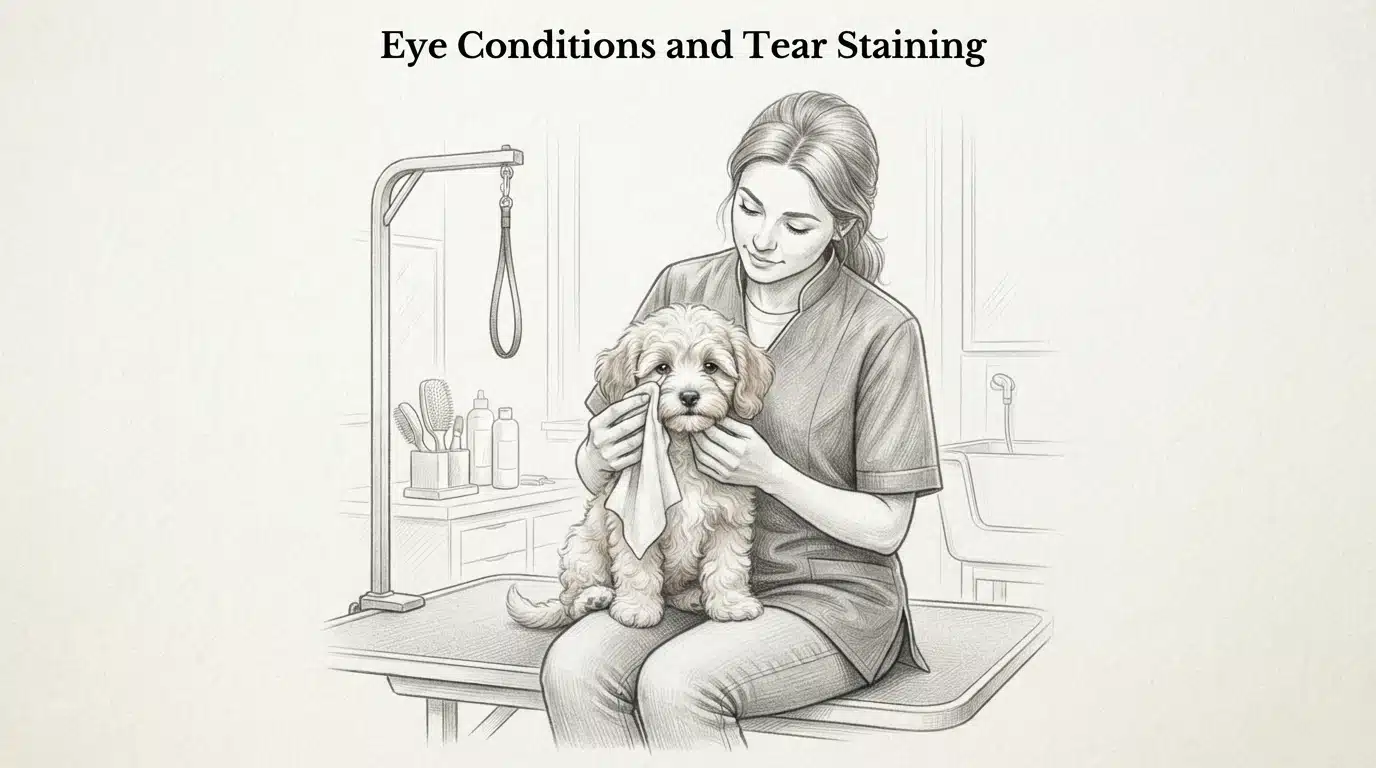
Tear staining shows up as reddish-brown streaks under the eyes. It is common in light-coated, small breeds because tears overflow onto the fur and feed pigment and bacteria. Causes range from shallow tear ducts and eyelash problems to allergies, dust, or diet.
Wipe the area daily with a warm, damp cloth. Keep face hair trimmed around the eyes, and dry the area afterward so moisture does not sit. Watch for redness, squinting, discharge that turns yellow or green, or pawing at the face. Those signs point to infection or irritation and need a vet visit, not another wipe.
Stains are mostly cosmetic, but sudden changes are not. A dark stain that appears quickly, or one eye that waters more than the other, can signal a blocked duct or an ingrown lash.
What Breeders Can Pre-Screen
Responsible breeders test parent dogs for PRA variants and have eye exams before breeding. Our guide to health checks Havapoo buyers should complete before adoption walks through what to request. Ask for DNA results, not just promises, and check whether either parent had eye staining or tear-duct surgery. Clear paperwork does not guarantee a puppy never has eye trouble, but it removes the biggest inherited risks before you ever meet the litter.
Dental, Ear, and Skin Issues Havapoo Owners See Most
Three problems fill most Havapoo vet visits: sore teeth, itchy ears, and irritated skin. None are mysterious, and all three respond well to simple routines started early. Here is what to watch for and what actually prevents each one.
Periodontal Disease in Small Breed Dogs
Small breeds carry the highest dental risk in the dog world. By age three, most dogs show some form of periodontal disease, and Cornell’s canine health center notes it hits smaller breeds hardest. A Havapoo’s compact jaw crowds 42 teeth into little space, so plaque packs in fast.
Prevention starts the week your puppy comes home. Brush daily with a dog-safe toothpaste (never human toothpaste, which contains xylitol), and pair brushing with vet-approved dental chews. Watch for bad breath, red gums, or dropping food; those signs mean a dental exam is due. Professional cleanings under anesthesia usually start around age two or three.
Tip: Touch your puppy’s mouth and lift the lips daily as a game. Puppies taught this early tolerate toothbrushing for life.
Ear Infections and Floppy-Ear Care
Those soft, hanging ears you love also trap heat and moisture, creating a warm home for yeast and bacteria. Havapoos inherit the drop-ear shape from both parent lines, so infection risk runs high.
Check ears weekly for redness, odor, head shaking, or dark discharge. After every bath or swim, dry the ears thoroughly, and trim or pluck only what your groomer or vet recommends. Dogs who swim often may need a drying ear rinse, but ask your vet before adding one. If your puppy scratches at its ears or the flap smells sour, skip home remedies and book an exam.
Allergies, Hot Spots, and Skin Sensitivity
Itchy skin is the most common reason Havapoo owners call the vet. Triggers range from fleas to food proteins to environmental pollens. A beginner grooming routine helps you spot problems early, because mats hide hot spots until they grow.
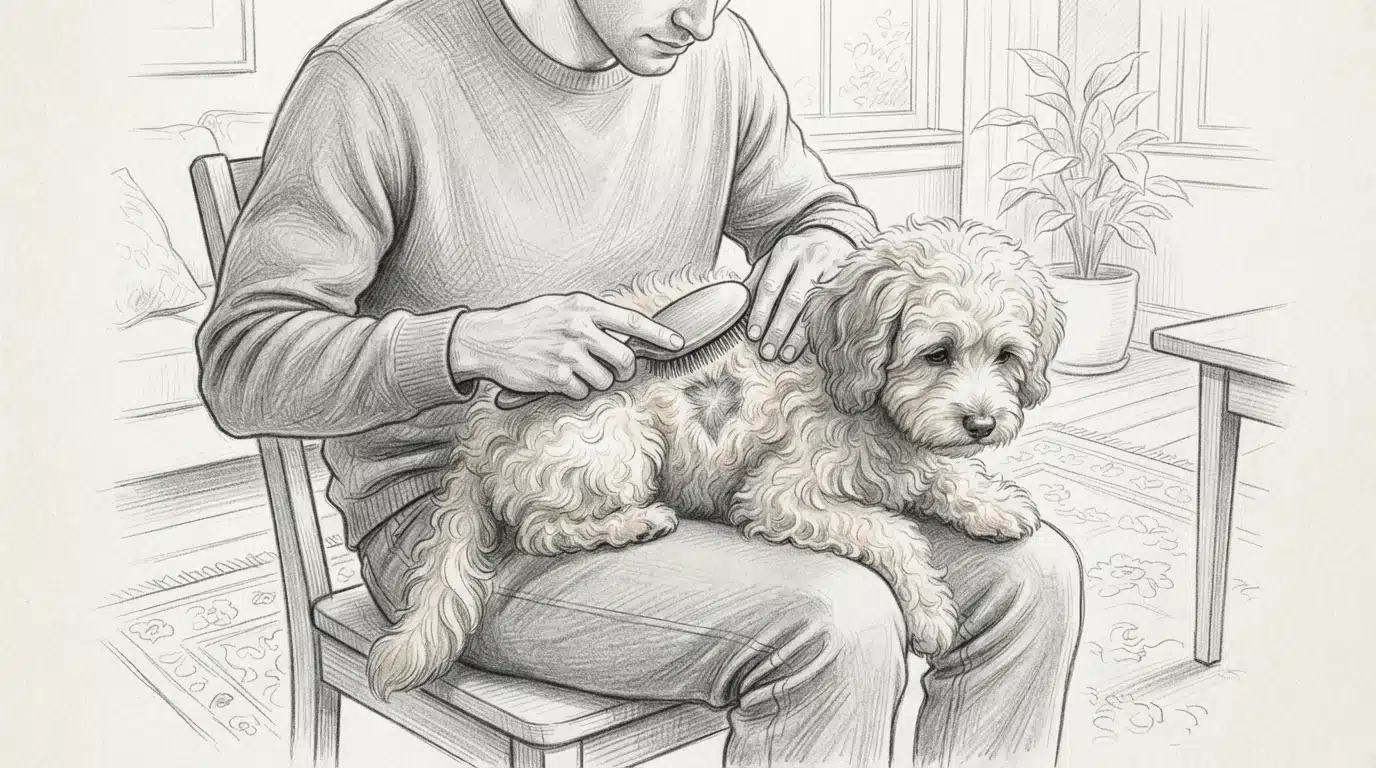
Brush your Havapoo several times a week to the skin, not just the top coat. Bathe every three to four weeks with a gentle dog shampoo, keep flea prevention current year-round, and treat any moist, red patch as urgent. Hot spots double in size fast, so early vet care saves your dog days of misery.
Internal Conditions: Hypoglycemia, Thyroid, and Addison’s
Hypoglycemia in Toy and Small Havapoo Puppies
Hypoglycemia, or low blood sugar, is the most urgent internal risk for a Havapoo puppy under four months old. Tiny bodies store little glucose and burn it fast, so long gaps between meals, cold weather, heavy play, or the stress of a new home can push blood sugar down quickly.
Watch for wobbliness, weakness, trembling, glazed eyes, and collapse. In the early stage a puppy may just seem sleepy and refuse food.
If you see these signs, act fast. Rub a small amount of corn syrup or honey on the puppy’s gums, which lets sugar absorb through the cheek tissue within minutes. Once your puppy is alert, follow with a small meal and call your vet. Cornell’s canine health center recommends this approach for alert dogs, but a puppy that cannot swallow needs emergency care right away.
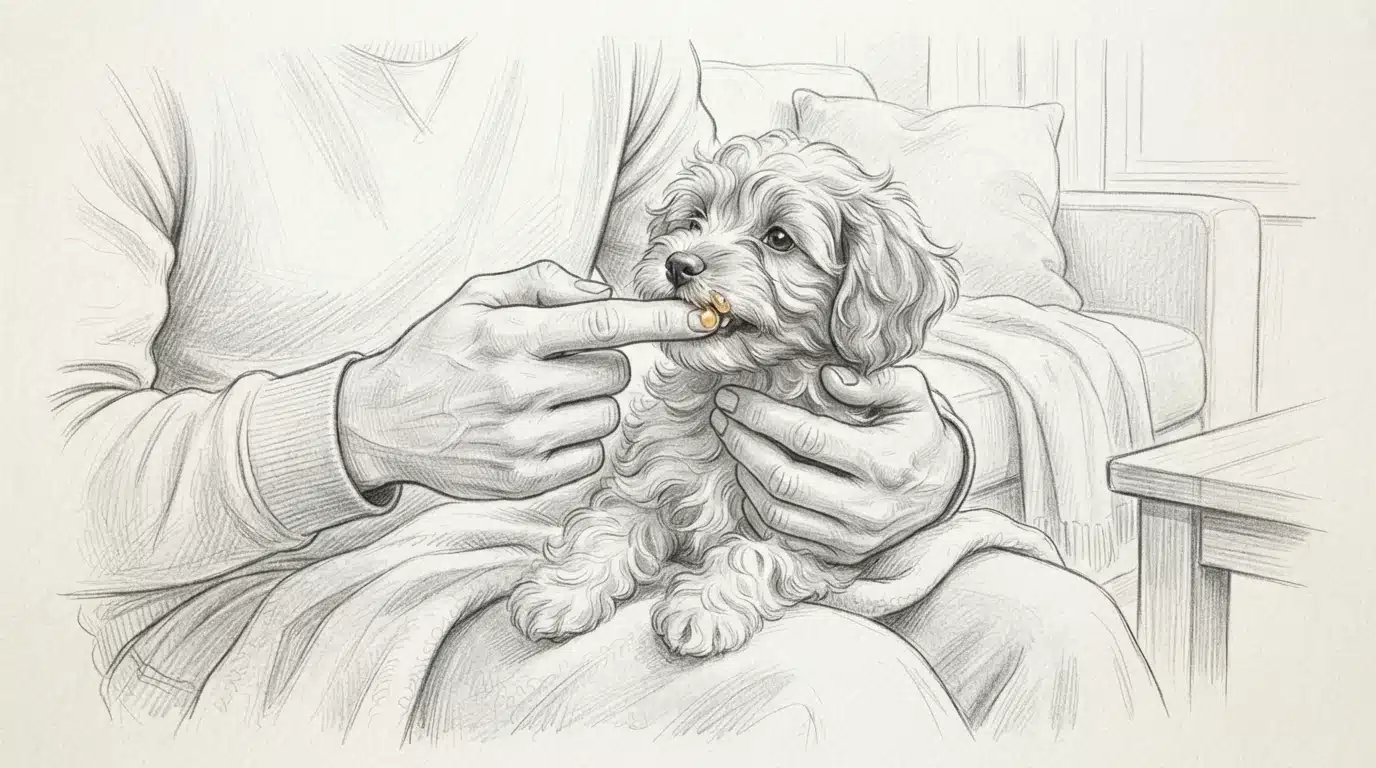
Prevention is simple but constant: feed three to four small meals a day, keep meals on a schedule, and pack syrup when you travel. Breeders who space meals and monitor weight during the first weeks lower the risk before your puppy ever comes home.
Hypothyroidism and Addison’s Disease
Two slower conditions can affect Havapoos later in life. Hypothyroidism means the thyroid gland makes too little hormone. Signs include weight gain, lethargy, thinning coat, and skin infections, usually in middle age. A simple blood panel catches it, and daily medication manages it well.
Addison’s disease means the adrenal glands make too little cortisol. It is rarer but harder to spot because signs come and go: vomiting, poor appetite, weakness, and shaking. A sudden crisis can be fatal, so persistent stomach upset with weakness deserves a vet visit and bloodwork. Both conditions respond well to treatment when found early, which is why annual exams matter.
No web searches available for this request. No web results were returned for this request. No web results were returned for this request.
A Year-One and Lifetime Havapoo Prevention Plan
Prevention works best on a schedule. Here is what to do at each stage, from bring-home day through the senior years.
Weeks 1 to 8 at Home With Your Havapoo
Most puppies go home around eight weeks, so your first days set the tone. Book a vet visit within the first week and bring any health records you received. Core vaccines start young, with combination shots repeated every 2 to 4 weeks until at least 16 weeks of age, per the AAHA vaccination guidelines. Until shots finish, avoid dog parks and public grass. At home, handle paws, ears and mouth daily so grooming and brushing never become a fight.
Months 3 to 12: Building the Baseline
This stretch locks in habits. Finish the vaccine series and the rabies shot, which most vets give between 12 and 16 weeks. Ask your vet about a baseline exam, a fecal test and the right weight for your puppy’s frame. Start tooth brushing now, since a Havapoo’s crowded jaw collects plaque quickly. Keep meals measured and treats under ten percent of daily calories, because small dogs gain weight fast. Short, positive training sessions prevent stress, and stress shows up as tummy trouble in toy breeds.
Adult and Senior Havapoo Care
Adults need a yearly exam with bloodwork, dental checks and heart and knee evaluations, since luxating patella runs in small breeds. Seniors, usually past age eight, do better with exams twice a year, because small dogs age quickly and hide problems well. Keep brushing teeth, weighing your dog and trimming nails on a fixed routine. Steady care catches small issues while they are still cheap and easy to fix.
Common Mistakes Havapoo Owners Make on Health
Most Havapoo health problems trace back to avoidable habits, not bad luck. Watch for these slip-ups:
- Skipping breeder health records. Ask for patella, eye, and heart checks on the parents before you commit.
- Ignoring dental care. That crowded little jaw needs brushing most days, not once a month.
- Overfeeding. Extra pounds stress the knees and worsen luxating patella risk.
- Skipping annual vet visits. Small breeds hide symptoms well, so early checks catch ear infections, heart murmurs, and dental disease sooner.
- Delaying parasite prevention. Year-round flea, tick, and heartworm protection matters in most U.S. regions.
- Missing ear maintenance. Floppy ears trap moisture after every swim or bath, so dry them thoroughly.
Fix these six and you remove the most common reasons Havapoos end up at the vet. Prevention costs less than treatment, every time.

Good prevention starts before puppy day. If you want a Havapoo raised with health-first breeding and honest guidance, Sage Puppies can help. Visit Sage Puppies to see available puppies and start your application.
Frequently Asked Questions
Q1: preventing common havanese poodle mix health problems?
Start with breeder testing: OFA patella screening and PRA DNA results on both parents. Then keep your Havapoo lean, brush teeth daily, dry ears after baths, and book yearly exams. Small habits catch problems while they stay minor.
Q2: How often should I clean my Havapoo’s ears?
Check weekly and dry thoroughly after every bath or swim. Sour smell, redness, or head shaking means a vet exam.
Q3: Do Havapoos need pet insurance?
It is worth considering. Surgery for patellar luxation or Legg-Calve-Perthes can cost thousands, and enrolling young locks in coverage before conditions appear.
Q4: When should hypoglycemia stop worrying me?
Usually after four months. Until then, feed three to four scheduled meals and carry corn syrup when traveling.
Q5: Are tear stains a health problem?
Usually cosmetic, but sudden staining or one watery eye can mean a blocked duct or ingrown lash. Get that checked.
Conclusion
Most Havapoo health issues are predictable, and that is good news. Loose kneecaps, hip disease, ear infections, dental trouble, tear staining, and puppy hypoglycemia all respond to early action. Your side of the deal is simple: keep your dog lean, brush teeth daily, dry those floppy ears, wipe eyes each day, and keep vet visits on schedule. The breeder’s side matters just as much. Written patella, eye, and DNA test results on both parents remove the biggest inherited risks before your puppy comes home. Small habits, started in week one, keep minor issues from turning into major ones.