Current Sage pricing and next steps
Sage Puppies is based in South Jordan, Utah. Our general puppy purchase range is $3,500–$4,500. Check each puppy’s listing for its exact price. Guardian-home arrangements and travel costs are separate.
Start with our Havapoo breed guide, browse available puppies and review pricing and reservation steps. Apply to discuss your household and timing with Cassie. Applying starts a review; it does not reserve a puppy.
Quick Summary: Havapoos are small, friendly dogs that vary in size from 7 to 20 pounds, depending on their Poodle parent. They are good for first-time owners if prepared for grooming, training, and regular companionship. Costs include not just the puppy price but also ongoing expenses like grooming and vet care. Choosing a responsible breeder with health-tested parents ensures a healthy, well-socialized puppy that fits family life.
A Utah family choosing between a 12-pound Havapoo and an 18-pound one is not just picking a look. That gap can change crate size, lap comfort, daily exercise, and which home setup feels easiest. Havapoo size and weight affects real life fast, especially for first-time puppy buyers.
This guide helps you sort out the biggest questions before you commit: price, adult size, family fit, and breeder quality. It will show how Havapoo size and weight can vary, what drives cost, and how to judge whether a puppy fits your kids, schedule, and space.
We work from a health-first, breeder-focused view shaped by what careful families ask most. If you want clear, calm help comparing Havapoo size and weight with lifestyle fit, you are in the right place.
What a Havapoo Is and Why Families Love the Breed
A Havapoo is a cross between a Havanese and a Toy or Miniature Poodle. Most families look at this mix for one reason first – they want a small, social dog that feels easy to live with.
A Havapoo is usually bred as a companion dog, not a working dog. According to Wikipedia’s Havapoo overview, this mix is typically small, low-shedding, and known for an affectionate, people-focused nature.
A small size also means more flexibility in daily life. Many families like that a Havapoo can fit well in:
- apartments
- suburban homes
- homes with older kids
- multi-pet households
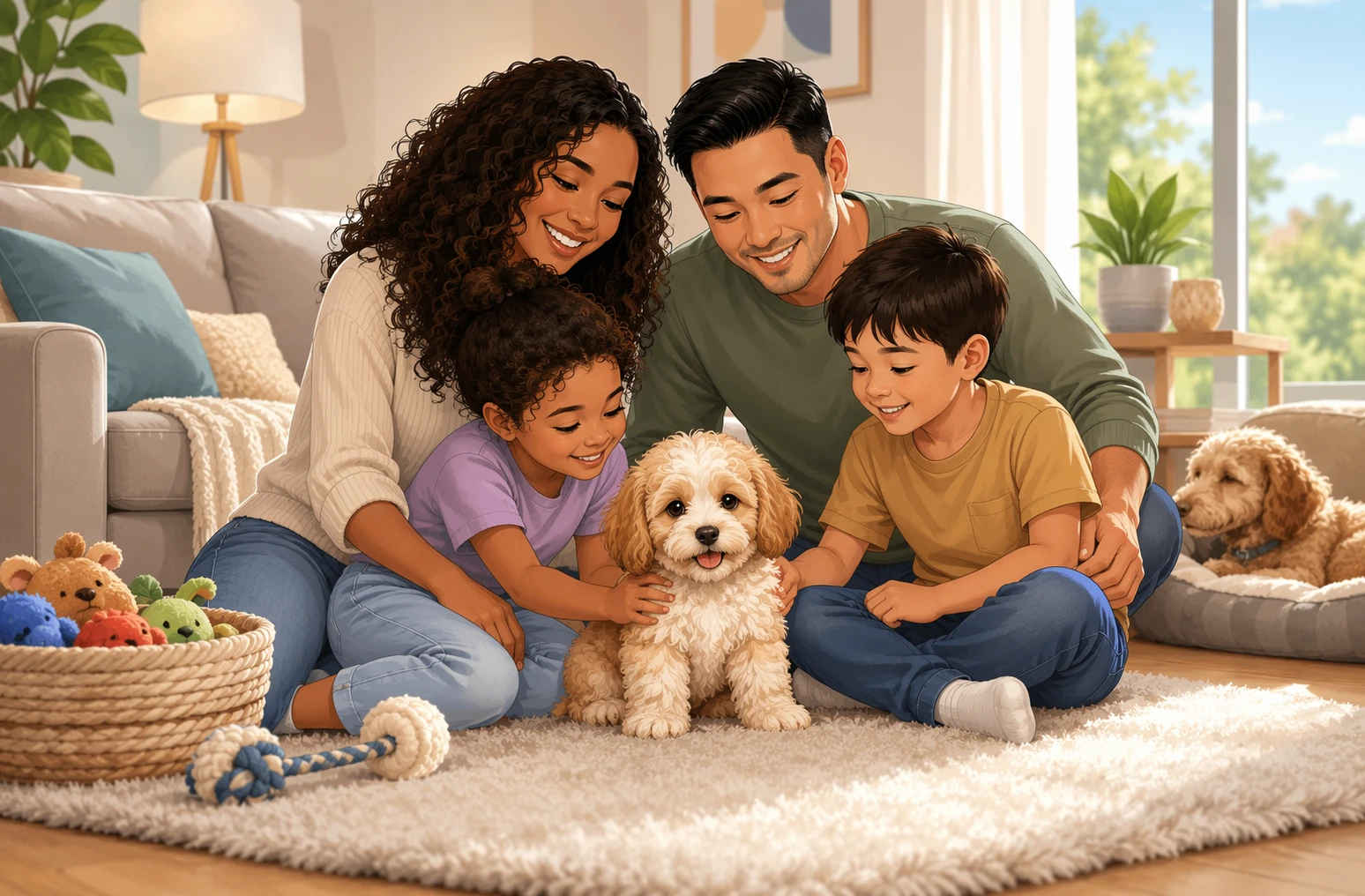
Daily temperament is a big part of the breed’s appeal. PetMD notes that Havapoos are generally friendly, clever, and do best with steady attention, positive training, and supervised time around very small children because of their petite build in this breed guide.
That family-friendly reputation often shows up in simple ways:
- They like being near their people.
- They usually enjoy play without needing huge amounts of exercise.
- They tend to learn routines quickly.
- They often adapt well to calmer homes.
A Havapoo can be a great first dog, but only if your home has time for grooming, training, and regular companionship.
First-time owners often like the mix because it feels approachable. You get a small dog with a soft look, a bright mind, and a temperament that often leans warm and responsive rather than pushy or intense.
Also Read: 10 Things to Know Before Buying Puppies for Sale in Idaho – Sage Puppies
How Big Havapoo Puppies Get
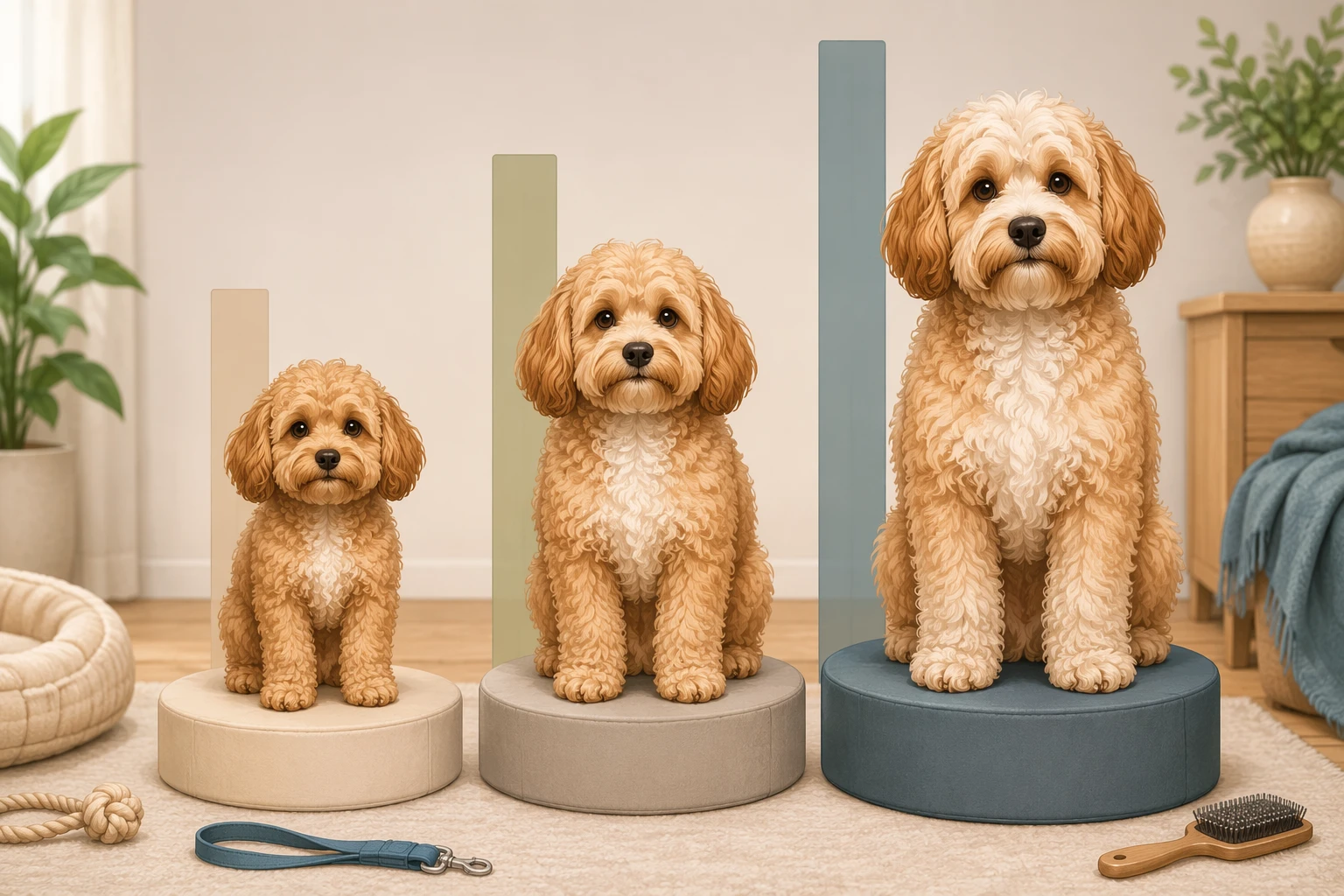
Most Havapoos stay small, but adult size can still vary more than many families expect. In general, a full-grown Havapoo stands about 8 to 15 inches tall and weighs around 7 to 20 pounds, though some run a bit larger, according to Wikipedia’s Havapoo overview.
Typical adult height and weight ranges
A Havapoo’s size depends a lot on whether the Poodle parent is Toy or Miniature. PetMD notes that Havapoos usually have one of those smaller Poodle parents, and many adults stay under 15 pounds based on that mix.
| Havapoo type | Typical height | Typical weight | What it feels like at home |
|---|---|---|---|
| Smaller Havapoo | 8 to 11 inches | 7 to 12 pounds | Easy lap dog, very portable |
| Larger Havapoo | 12 to 15 inches | 13 to 20 pounds | Still small, but sturdier |
That range matters because a 9-pound adult and an 18-pound adult can fit family life a bit differently.
Why littermates can grow to different sizes
Two Havapoo puppies from the same litter may not end up the same size. That is normal.
Common reasons include:
- Parent size, especially the Poodle parent
- Genetics that pull more from one side of the family
- Sex, with males sometimes a bit larger
- Nutrition and growth pace during puppyhood
A breeder can give you an informed estimate, not a promise. Mixed-breed puppies do not grow on a perfect formula.
This is one reason thoughtful families ask to see the parents’ sizes, not just puppy photos.
What size means for your home and routine
Small size makes Havapoos a good fit for many homes, including apartments. Still, “small” does not mean “zero effort.”
A smaller Havapoo often means:
- Easier travel and carrying
- Less floor space needed
- More care around stairs, rough play, and big dogs
A slightly larger Havapoo may feel sturdier with kids, but every puppy still needs gentle handling.
If you have toddlers, focus less on “tiny and cute” and more on safe supervision and calm handling.
Also Read: 7 Common Havapoo Puppies Problems and How to Avoid Them
What Havapoo Puppies Cost and What Affects Price
Havapoo puppy prices vary a lot, but the real question is what that price includes. A higher number can make sense if it reflects health testing, strong early care, and a breeder who raises puppies with family life in mind.
The main factors are breeder quality, parent health testing, location, demand, coat traits, and what comes home with the puppy. Small companion dogs also carry long-term costs. The AKC notes routine vet care alone can run about $700 to $1,500 per year for some dogs, and grooming can add much more depending on coat type and service level according to AKC.
The main factors that influence Havapoo pricing
A fair Havapoo price usually reflects real breeder investment, not just popularity.
- Health-tested parents and documented screening
- Home-raised early socialization
- Vet care, vaccines, and deworming already started
- Breeder support before and after pickup
- Region and demand, especially in high-cost markets
- Size, color, and coat type, which can affect buyer demand
| Price factor | Why it changes cost | What to ask |
|---|---|---|
| Parent testing | Reduces risk and adds breeder expense | Which tests were done? |
| Early care | Better start for family life | How are puppies raised daily? |
| Vet work | Adds direct upfront cost | What records come home? |
| Demand | Popular lines often cost more | Is there a waitlist? |
What families should expect beyond the purchase price
The puppy price is only the first check you write. First-year spending also includes supplies, training, grooming, food, and preventive care. AKC Pet Insurance says first-year costs can climb into the thousands depending on breed, size, and care choices in its first-year puppy cost guide.
- Crate, bed, leash, and playpen
- First vet visit and booster timing
- Grooming every 4 to 8 weeks
- Training classes
- Insurance or emergency savings
A lower upfront price can turn expensive fast if the puppy lacks health records, socialization, or support.
How to compare a puppy price fairly
Do not compare puppies by price alone. Compare the full package.
- Ask for parent health records.
- Review what care is already included.
- Look at how the puppy was raised.
- Read the contract and support details.
- Consider breeder transparency, not just the deposit amount.
A boutique program like Sage Puppies may price above bare-bones listings, but families often value the calmer start, clear records, and family-first process.
Also Read: 10 Unique Care Tips for Small Breed Puppies in Urban Settings – Sage Puppies
Are Havapoo Puppies Good for First-Time Owners?
Yes, they often are. A well-bred Havapoo usually works well for beginners because the Havanese side is small, social, and eager to please. The AKC describes the Havanese as cheerful, bright, adaptable, and generally easier to train and live with than many breeds, which is a helpful sign for Havapoo buyers too according to the AKC.
Why the breed can work well for beginners
- Small size makes daily handling less stressful
- People-focused temperament often helps with bonding
- Moderate exercise needs fit many family routines
- Trainable nature can make puppy lessons feel manageable
A good Havapoo can be a nice first dog if you want a companion, not a super independent pet. They usually enjoy family life, learn routines fast, and do well with kind, steady training.
Where first-time owners need to be prepared
You still need a plan. The Havanese side can bring coat care needs, and the breed type may struggle with being left alone too long. The AKC notes that Havanese need regular brushing and do not do well with long stretches alone in its breed fit guide.
A Havapoo is beginner-friendly, not beginner-effortless.
Be ready for:
- Grooming appointments and brushing
- Potty training patience
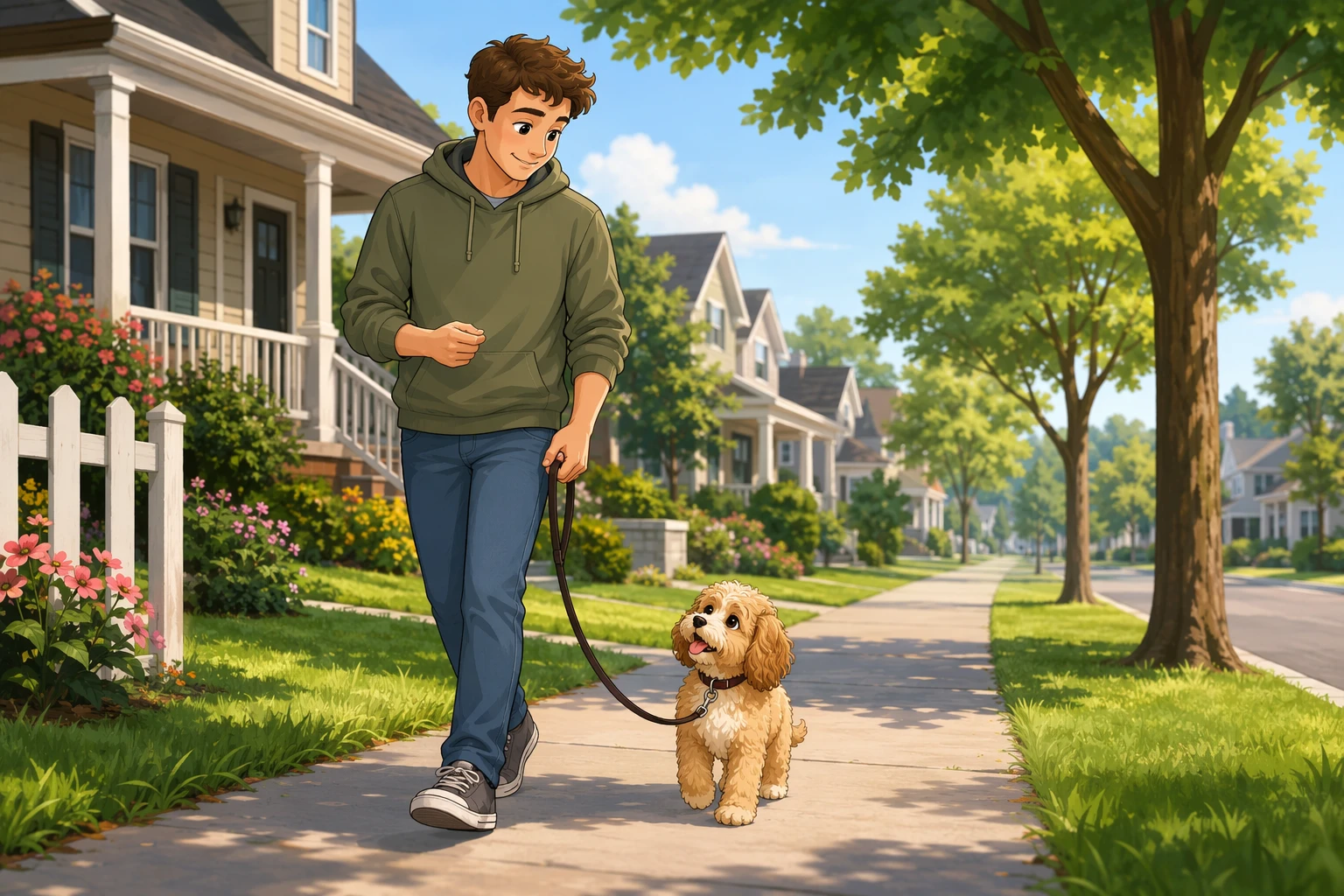
- Daily play and short walks
- Early crate and alone-time practice
- Ongoing socialization
Signs a Havapoo is the right match for your household
A Havapoo may fit if your home wants:
- A small indoor companion
- A dog that gets lots of human time
- Gentle, positive training
- Budget for grooming and vet care
- Supervision around very young kids
If your family is gone all day, wants a no-maintenance coat, or prefers a very independent dog, this may not be the best match.
Also Read: 10 Adorable Havapoo Colors You Need to See (2026 Guide) – Sage Puppies
Care Needs: Grooming, Exercise, and Training
Grooming that keeps the coat healthy and comfortable
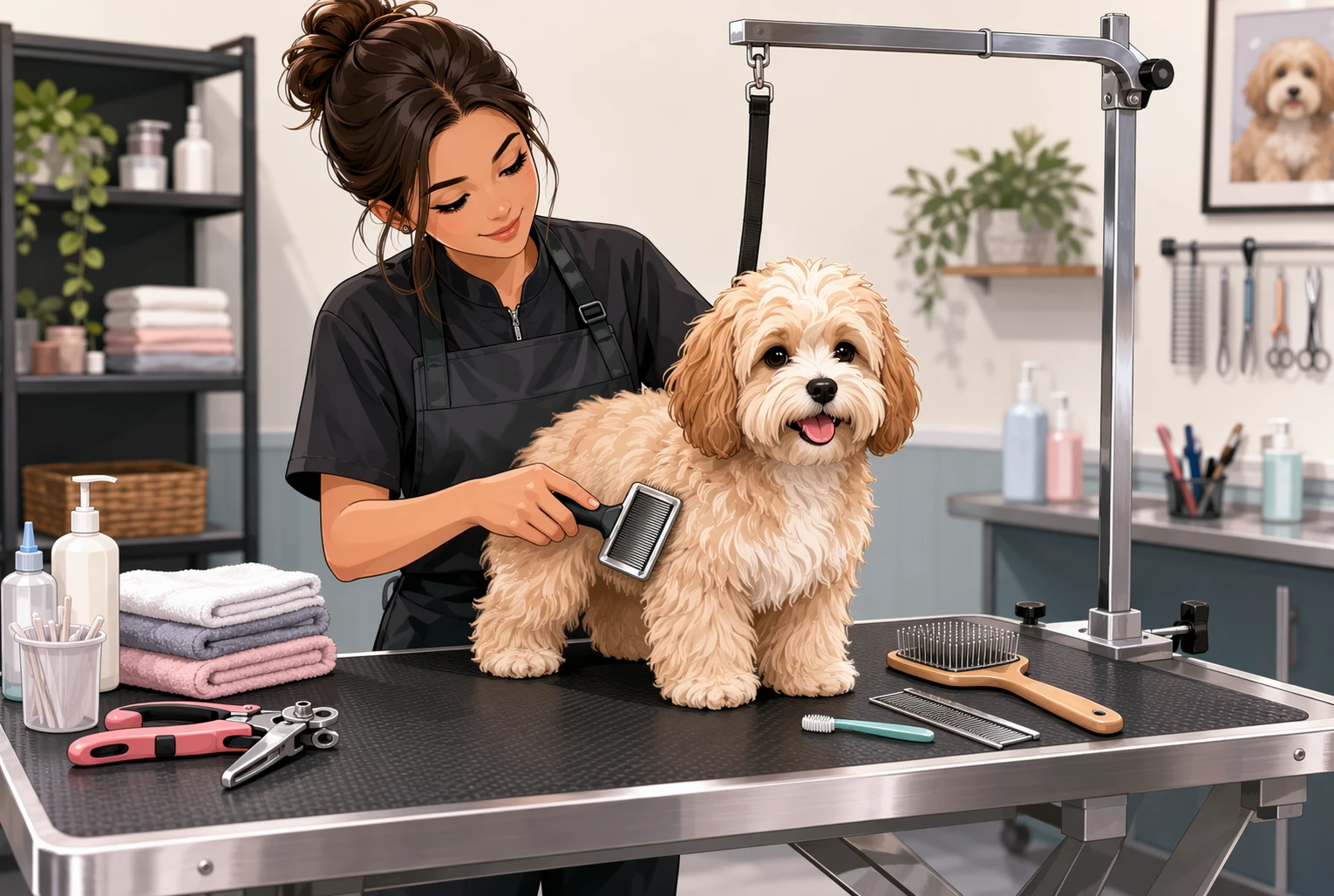
Most Havapoos need regular brushing to stop mats before they tighten near the skin. That matters because long or wavy coats trap dirt fast. The ASPCA notes that regular brushing helps remove dirt, spread natural oils, and prevent tangles, while long coats often need daily attention according to ASPCA grooming tips.
A simple routine works best:
- Brush the body and legs several times a week
- Comb behind the ears, under the collar, and armpits
- Trim nails, clean ears, and brush teeth often
- Plan professional grooming every 6 to 8 weeks
If your puppy’s coat feels cottony or dense, missed brushing can turn into painful matting fast.
Exercise and enrichment for a balanced puppy
Havapoos do best with moderate daily exercise, not marathon workouts. PetMD describes them as active but generally needing only moderate exercise, which fits most family homes and apartments PetMD Havapoo care guide.
Good daily outlets include:
- Two short walks
- Indoor play like tug or fetch
- Puzzle toys or snuffle mats
- Short training games
Keep activity gentle while growth plates are still developing. Many puppies get overtired before they get truly calm.
A bored Havapoo often shows it with barking, chewing, or shadowing you from room to room.
Training that works best with this breed
This mix usually responds best to positive, short, repeatable training sessions. They are smart, people-focused, and can shut down with harsh correction.
Use this approach:
- Start crate and potty routines on day one
- Keep sessions around 5 to 10 minutes
- Reward calm choices, not just cute tricks
- Practice alone time in tiny steps
Focus early on house training, leash manners, recall, and polite greetings. At Sage Puppies, that early family-style handling matters because a well-started puppy often settles faster into new routines.
Also Read: 10 Small Breed Puppies That Stay Friendly and Easy Going – Sage Puppies
Health, Lifespan, and What Responsible Breeding Should Look Like
Expected lifespan and long-term outlook
Most Havapoos live about 12 to 16 years, which fits the range commonly reported for this mix and its parent breeds on Wikipedia’s Havapoo overview. That is a long commitment for any family.
Your puppy’s long-term health will depend on:
- genetics
- weight control
- dental care
- exercise
- routine vet care
A cute puppy stage is short. A sound body and stable temperament matter for the next decade or more.
Common areas families should ask about
Havapoos can inherit issues seen in small companion dogs and in Havanese or Poodle lines. Families should ask clear questions about:
- patella luxation
- eye disease, including PRA
- heart concerns
- hip or Legg-Calve-Perthes history
- dental health trends
- hearing concerns
A simple way to stay organized is to ask for parent testing and family history in writing.
| Health area | Why it matters | What to ask |
|---|---|---|
| Knees | Small dogs often deal with kneecap issues | Were both parents screened for patellas? |
| Eyes | Some eye conditions are inherited | Were recent eye exams done? |
| Heart | Some lines carry cardiac risk | Any cardiac testing or history? |
| Hips and legs | Mobility affects lifelong comfort | Any hip or Perthes history in close relatives? |
What a responsible breeder should be able to explain
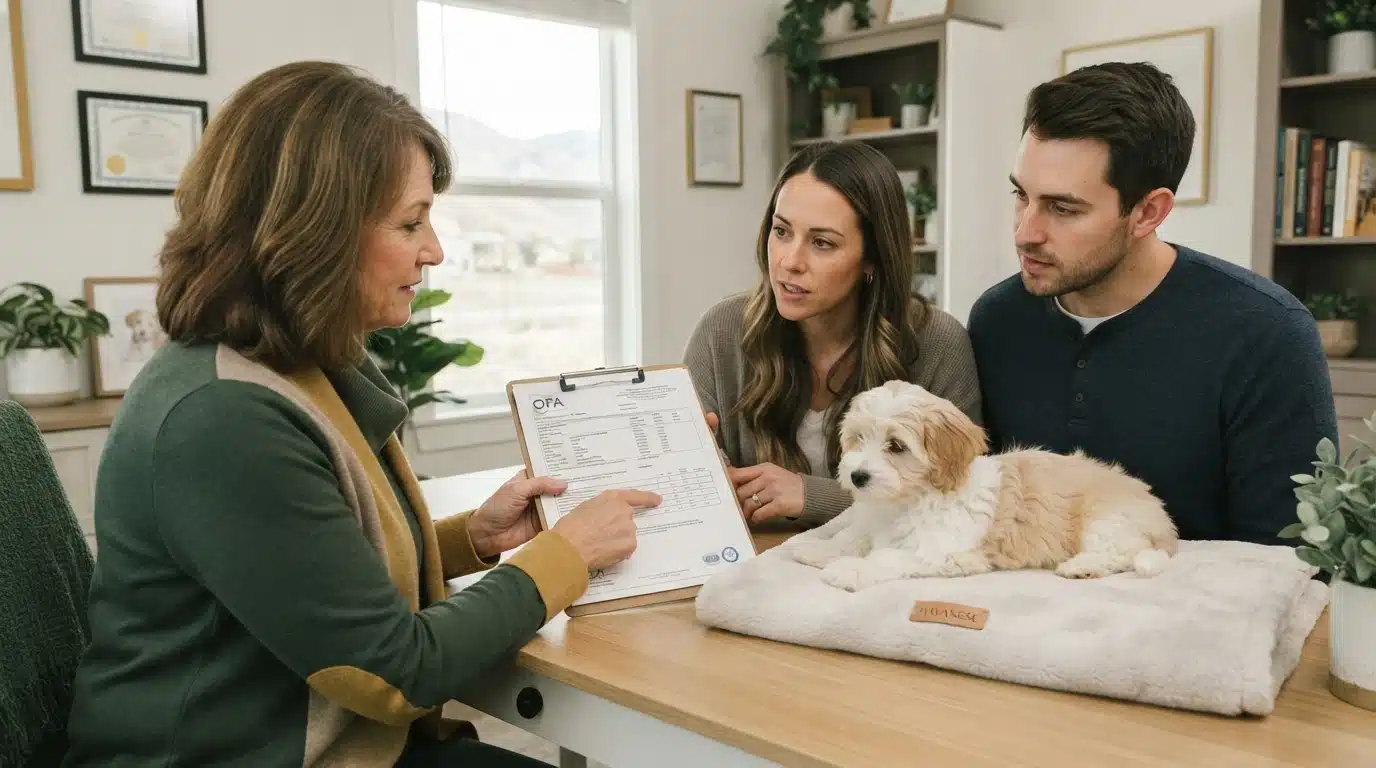
A responsible breeder should explain what tests were done, why they matter, and how you can verify them. The Havanese Club of America says breeder-list parents should have current CHIC-related testing, including BAER, CAER, patella, and hip screening, with results reported through OFA and CHIC or listed in the club’s health statement.
They should also be ready to share:
- parent names and records
- how puppies are raised and watched
- what support happens after pickup
If a breeder avoids paperwork, gives vague answers, or says testing is unnecessary, keep looking.
Also Read: Havapoo Puppy: Everything You Need to Know Before You Buy
How to Choose the Right Havapoo Puppy for Your Family
Questions that help you choose confidently
Start with your real life, not the cutest photo. Havapoos are small, social dogs that often bond hard with their people, and they usually do best with steady attention and moderate daily activity, according to PetMD’s Havapoo guide.
Ask yourself:
- Will someone be home often enough?
- Can we handle brushing, grooming, and training every week?
- Are our kids gentle with a small puppy?
- Do we want a playful companion, not an independent dog?
If your home is gone all day and loud most evenings, a Havapoo may feel stressed.
What to look for in a premium puppy experience
A strong breeder experience should feel calm, clear, and open. You want health testing on parent dogs, early social time, honest size discussion, and simple answers about pickup or delivery. Havapoos are not a standardized AKC breed, so breeder quality matters even more, as noted on Wikipedia’s Havapoo overview.
Look for:
- Health-tested parents
- Clear temperament notes on each puppy
- Home-raised care, not vague volume sales
- Transparent pricing and reservation steps
- A breeder who asks you questions too
Good breeders match puppies to families. They do not push fast deposits without context.
Best next steps after you decide a Havapoo is a fit
Once you feel sure, move in this order:
- Review available puppies
- Read the breeder’s process and pricing
- Ask about parent health testing and early socialization
- Share your home, schedule, and kid ages honestly
- Plan for grooming, training, and your first vet visit
For families who want a boutique, family-first process, Sage Puppies is the kind of program worth comparing closely. The goal is not just getting a puppy. It is bringing home the right one.

If you want a Havapoo with clear size expectations, thoughtful early care, and a family-first process, start with Sage Puppies. Review available puppies, pricing, and how adoption works, then reach out if you want help deciding whether a Havapoo truly fits your home.
Frequently Asked Questions
Q1: Are Havapoo puppies good for first-time owners?
Yes. Havapoos are usually friendly, trainable, and small enough to manage. They still need daily grooming, steady house training, and close human time. First-time owners do best when they choose a health-focused breeder and prepare for puppy routines before bringing one home.
Q2: How big does a Havapoo usually get?
Most Havapoos stay in the small-dog range, often around 8 to 20 pounds. Size depends on the parents, especially the Poodle side. Ask for parent weights and past litter ranges so you get a more realistic idea.
Q3: Are Havapoos good with kids?
Often yes, especially with gentle children and calm supervision. Their small size makes them sweet companions, but also easy to injure with rough play. Families should teach respectful handling from day one.
Q4: Do Havapoos shed a lot?
Many shed lightly, but no puppy is truly shed-free. Coat type can vary within a litter. Plan for regular brushing, routine grooming, and some loose hair in the home.
Q5: How much should I budget beyond the purchase price?
Plan for food, grooming, training, supplies, insurance, and vet care. The first year often costs much more than families expect, so build a full puppy budget before you commit.
Conclusion
A Havapoo can be a lovely family dog if you want a small, people-focused companion and you are ready for grooming, training, and daily closeness. Size and coat can vary, but most stay in the small range, and the breed is not recognized as a standard kennel club breed according to Wikipedia. Cost matters, but breeder quality matters more.
Key takeaways:
- Expect a small dog with moderate exercise needs
- Plan for regular coat care and dental care
- Ask for health testing and clear parent information
- Be honest about time at home, since Havapoos often dislike long periods alone per PetMD