Quick Summary: Havanese are often easier to live with than other small breeds because they settle quickly, train well, and suit apartments, but their long silky coat needs near-daily brushing and trims every 6 to 8 weeks. Choose based on your actual time alone, children, pets, noise, and grooming capacity rather than breed alone. Havapoo and Cavapoo coats may need less brushing, yet they still require regular professional grooming, and no breed is easy in every way.
If you are running a Havanese vs small breed dogs comparison for your home, here is the honest answer: the Havanese is easier in the ways that shape daily life. It settles quickly, wants to be with people, and fits apartment living well. But it is also the breed most likely to put you on a groomer’s schedule. Easier to live with, higher grooming commitment.
Online advice makes this harder than it should be. One list calls Havanese easy and low-shedding; another says they mat constantly. So this guide breaks the Havanese vs small breed dogs question into three parts: grooming effort, daily routine, and household fit. You will finish with a clear pick and the questions worth asking any breeder.
Havanese vs Other Small Breeds: Ease of Ownership at a Glance
| Havanese | Other small companion breeds (Maltese, Pomeranian, Yorkshire Terrier) | Small companion crosses (Cavapoo, Havapoo) | |
|---|---|---|---|
| Coat and grooming effort | High commitment; long silky double coat needs frequent brushing and regular professional grooming | Also high; Maltese and Yorkie need daily brushing, Pomeranian needs dense double-coat handling | Variable; wavy to curly coats need routine brushing and regular trims |
| Daily routine and exercise | Moderate; daily walks plus indoor play, adaptable to apartments | Low to moderate; small but often bursty, alert energy | Moderate; generally playful with steady daily activity |
| Temperament and trainability | Affectionate, social and people-oriented; responds well to positive reinforcement | Bright and independent; Maltese and Yorkie often more reserved, Pomeranian more vocal | Often described as eager to please and highly trainable, with individual variation |
| Household fit | Singles, couples, families and seniors; good with children and other dogs | Suits calm homes; may be less suited to very young children or busy/noisy spaces | Families, first-time owners and apartment households seeking a small, social dog |
| Health considerations | Watch patellas, hips, eyes and heart; AKC lists 14-16 year life expectancy | Dental disease, luxating patellas and tracheal or airway concerns are common concerns | Adult size and risk profile vary; inherited conditions from both parent breeds can still appear |
| Best for | Allergies-sensitive households and owners wanting a small, friendly companion | Owners wanting a smaller dog, a fluffy or straight coat, or a more alert companion | Buyers who want a soft, low-shedding coat and a small companion dog |
Meet the Contenders
Havanese
The Havanese is a small companion breed from Cuba with a long, silky double coat and a people-focused nature. It suits singles, couples, families and seniors who want a friendly, trainable dog that adapts well to apartment life. In any Havanese vs small breed dogs comparison, its grooming commitment is the honest trade-off.
Other small companion breeds (Maltese, Pomeranian, Yorkshire Terrier)
These toy breeds are the dogs buyers most often set a Havanese against, similar in size but distinct in temperament and coat care. They fit calm homes best and may struggle with very young children or noisy households. Expect bright, independent dogs with alert, sometimes vocal energy.
Small companion crosses (Cavapoo, Havapoo)
Cavapoos and Havapoos are Poodle crosses many buyers choose for a soft, low-shedding coat in a small package. They tend to be eager to please and easy to train, with some individual variation. Families and first-time owners in apartments are their natural fit.
“Easy” is a lazy word. Before any breed comparison makes sense, you need a definition. Below, “easier to own” means three specific things: how much coat work the dog demands, how much daily structure it needs, and how well it fits the people already in your home.
What “Easier to Own” Actually Means
Grooming effort, measured honestly
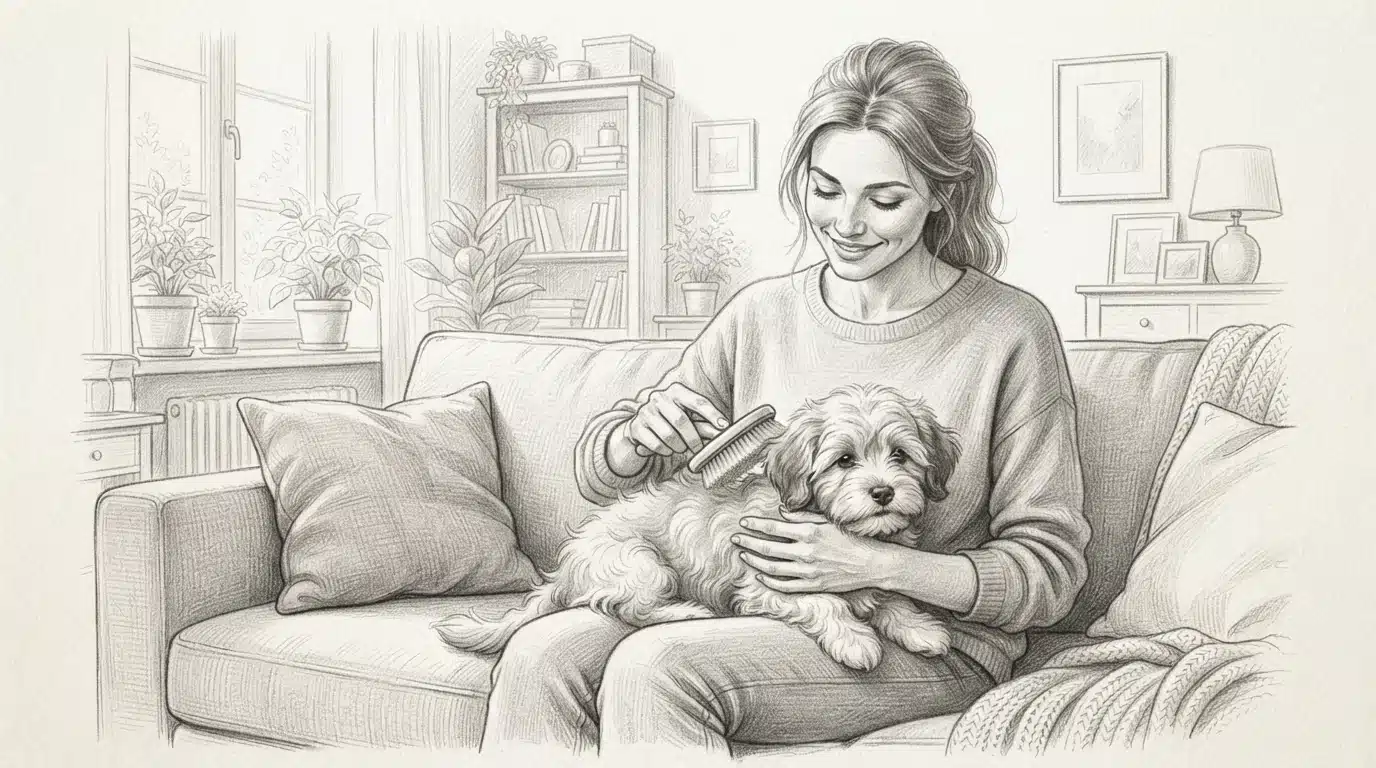
Coat care is where small companion breeds differ most. A short-haired breed needs a weekly brush and an occasional bath. A Havanese or a doodle mix needs brushing several times a week plus trims every six to eight weeks, either from you or a groomer. That is real money and real time, often $60 to $100 per visit. Skip it and mats form close to the skin, which hurts and usually means a shave-down. Judge grooming honestly: it is the single biggest recurring difference between breeds.
Daily routine and how much structure the dog needs
Next, look at your calendar. Some small breeds are content with two walks and indoor play. Others, bred for work, need a job even in a small body and will invent destructive ones if bored. Then there is alone time. Most adult dogs can handle a normal workday with a midday break, but puppies of any breed cannot go eight hours at first. If nobody is home by midday, plan for a dog walker or neighbor. The honest question is not “is this breed needy?” but “does its need match my actual week?”
Household fit: kids, pets, and noise
Finally, match the dog to the house. Families with young children want a breed that forgives clumsy handling and recovers from noise, not one that startles easily. Apartment dwellers should weigh barking, since some small breeds alert at every hallway sound. And if you already own a pet, temperament around other animals matters more than size. Those of us matching puppies to families at Sage Puppies treat this fit question as the deciding one, because a mismatch is what makes any breed feel hard.
Small companion breeds vary widely on all three dimensions, which is why the framework matters more than any single ranking.
Coat Care: Where the Havanese Is the Harder Choice
Grooming is the honest cost of owning a Havanese. Many small breeds shed and shake it off with a weekly brush. The Havanese asks for more, and you should know that before you fall in love with the face.
What “hypoallergenic” actually means for a Havanese
No dog is truly non-allergenic, and the Havanese is no exception. The breed sheds very little, which reduces loose dander around your home, but allergens still live in saliva and skin. Families with mild allergies often do well with a Havanese. People with strong reactions should spend time around the breed first, because reactions vary dog to dog. Think of low-shedding as less cleanup, not a medical guarantee.
Brushing, bathing and coat-length decisions
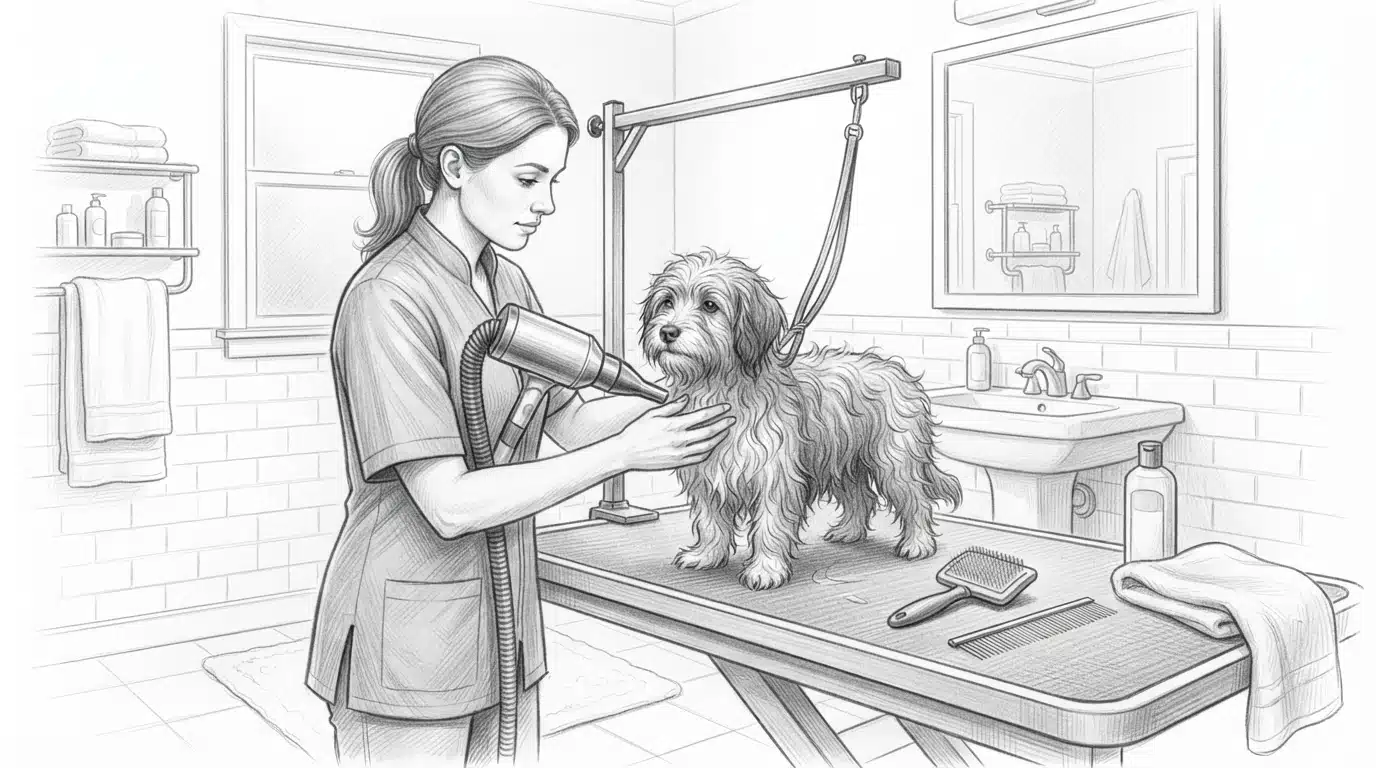
The AKC describes the Havanese coat as long, soft and silky, and it needs daily combing to stay free of mats. Skip a few days and tangles form close to the skin, where they pull and hurt. Most pet families solve this with a shorter “puppy cut.” A clipped coat needs brushing a few times a week instead of every day, plus a trim every 6 to 8 weeks. Bathing every few weeks works, but dry the coat fully or mats set in fast. We match grooming plans to each coat in our Havanese grooming schedule.
Poodle crosses and the coat-care trade
This is where Havapoos and Cavapoos often win. A curl-heavy Poodle coat sheds less and mats less than silky hair, so many owners brush two or three times a week and still stay ahead of tangles. The trade is professional grooming. Curly coats grow fast and usually need a full cut every 6 to 8 weeks, which runs more per year than a short Havanese clip. Wavy coats fall in between. Neither cross is zero-maintenance, but both forgive a busy week better than a full Havanese coat does. Pick the coat you will actually maintain, not the one you admire.
Daily Routine, Training and the First Year
House training and small breed timing
Small breeds are famous for slow house training, and the reason is simple: tiny bladders. A young puppy may need a potty trip every one to two hours, plus after meals, naps and play. The Havanese fits that pattern but adds a bonus, because the breed responds well to a consistent schedule and bell or pad systems. Expect steady progress by five or six months rather than a quick fix. A realistic, age-by-age potty training schedule removes most of the guesswork.
Training receptiveness and independence
Here the Havanese often beats other small breeds. The breed ranks high in working intelligence, learns tricks quickly and usually wants to please you more than it wants to argue. Trainers note that Havanese do well with short, positive sessions built around treats and praise. The catch is a soft streak: harsh corrections shut them down, and years of breeding for companionship means some puppies struggle when left alone. Pair early crate training with short absences so independence grows alongside obedience instead of after it.
Exercise pattern and time alone
Most adult Havanese need around 30 to 45 minutes of daily activity, split between walks and play, which is comparable to other small companion breeds. The difference shows up in the evening: a Havanese that has had its walk usually settles on the couch next to you rather than pacing. Puppies under six months need shorter, gentler sessions, so five short play blocks beat one long outing. That lower-energy pattern is exactly why apartment and first-time families choose this breed over busier small dogs.
Household Fit: Kids, Other Pets and Small Living Spaces
“Easier” depends less on the breed and more on where the dog will live. A Havanese thrives in a quiet apartment with a remote worker. Another small breed may handle a chaotic house with three kids better. Match the dog to your actual daily life.
Apartments, yards and daily logistics
Havanese adapt well to apartments. They are small, quiet by nature, and content with indoor play plus a couple of walks. The AKC notes they do well in living situations from apartments to larger homes. No yard required.
The trade-off is company. Both breeds bond hard with their people and struggle when left alone all day, every day. If your household is empty for ten hours, plan for a dog walker, daycare, or a second pet. That logistics question matters more than square footage.
If you rent, check pet rules and size limits before you fall in love with a puppy. Both breeds usually pass breed restrictions, but weight and deposit rules vary.
Kids, other dogs and noise tolerance
Havanese are sturdier than they look for a toy breed, and they are usually gentle and well-behaved with children and other dogs when supervised and socialized. They are also sensitive. Rough handling or constant shouting can make them shy or snappy, so gentle-hands rules come first.
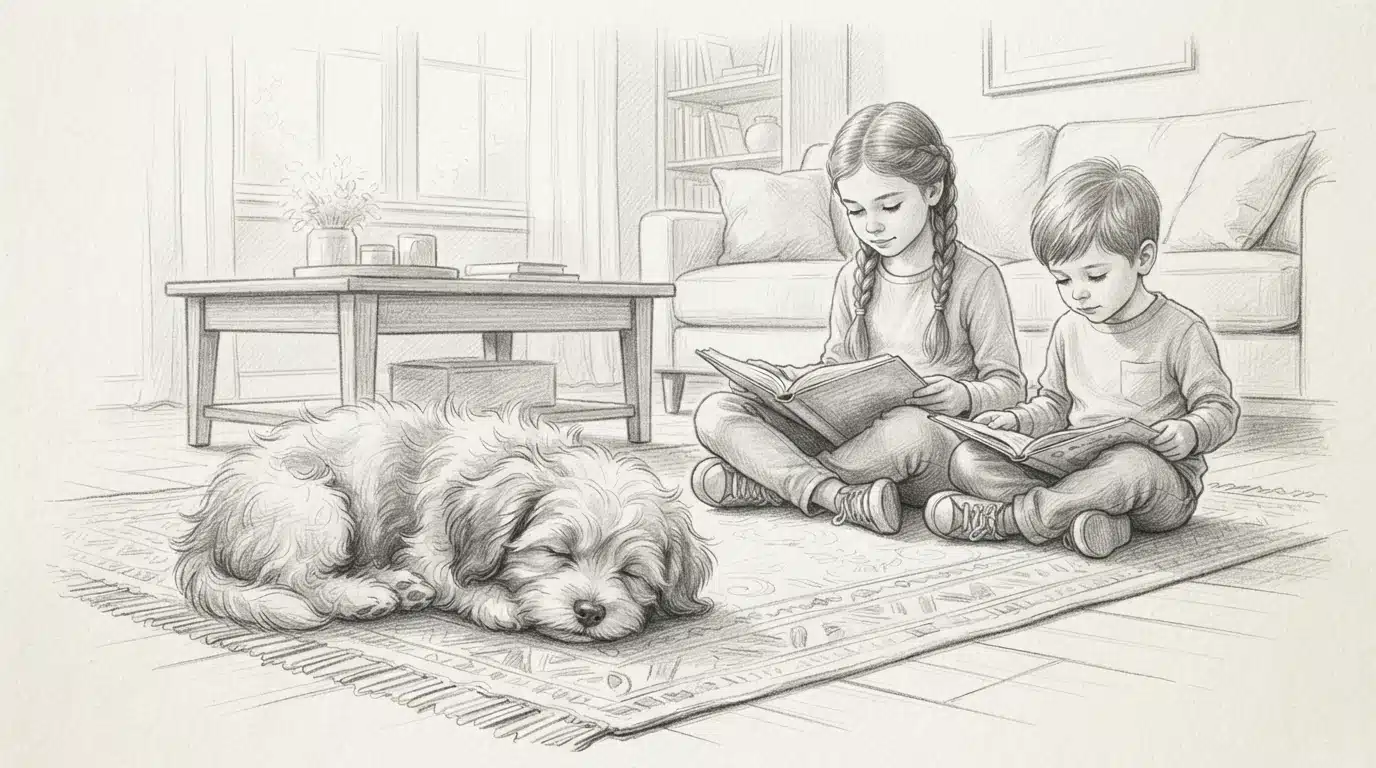
Some small breeds, like certain terriers, shrug off chaos better but bring more attitude. A Havanese prefers calm voices and steady routines. If your home is loud and fast, that sensitivity becomes the harder part of ownership.
Matching the breed to your household, not to a trend
Ignore which breed is trending this year. List your real conditions: hours alone, kid ages, existing pets, noise level, and who does the training. Then score each breed against that list.
Honest matching beats marketing. That is the whole idea behind owner-managed programs like Sage Puppies, where the breeder screens families instead of selling to whoever pays first. A good match now prevents a rehoming later.
Health, Lifespan and What to Ask a Breeder
A Havanese lives a long time. The breed’s life expectancy sits at 14 to 16 years, and small companion breeds in general outlive larger dogs. Longevity is only half the story, though. Which health problems show up, and how well a breeder screens for them, matters just as much as the number of years.

Common concerns to ask about
Ask every breeder about the same short list. For Havanese, that list covers luxating patellas (slipping kneecaps), heart defects, eye disease and hips. Doodle crosses add concerns from the other parent breed, such as ear infections in floppy-eared dogs or the conditions Cavaliers carry into some Cavapoo lines. Also ask about dental crowding, which small breeds struggle with, and about any puppies in the line that needed surgery. A good breeder answers without hesitation and puts test results in writing. A vague “our dogs are healthy” is a reason to keep looking, not a reason to relax.
What health testing does and does not tell you
Responsible breeders test parent dogs through the OFA’s CHIC program, which sets breed-specific screening protocols. For Havanese, that means OFA hips, patellas and annual eye exams, according to the Havanese Club of America. But testing lowers risk. It never guarantees a puppy stays free of every condition, so treat results as evidence, not a promise.
Verifying parentage and breeder claims
Ask to see the certificates, not just hear about them. OFA results are searchable online by the parent’s registered name, so you can verify claims yourself. Confirm both parents are the stated breeds and ask to meet the mother or see videos of her. Breeders who register results publicly, as Sage Puppies does with documented parentage, make this step easy. Trust breeders who volunteer records before you ask.
Which Should You Choose: Havanese or Another Small Breed?
Choose a Havanese when…
You want a companion that stays close to people all day. The Havanese adapts well to apartments, settles into a family routine, and brings a sturdy little body without the flat-face breathing problems some small breeds carry. Grooming stays manageable if you keep a short puppy cut. You also get a long runway: 14 to 16 years is common. If someone is home most of the day, or you can arrange a midday break, this breed fits beautifully.
Choose another small breed when…
Your schedule demands more independence than a Havanese can honestly give. Some breeds and mixes handle alone time better, and some families prefer a low-shedding coat or a calmer, less velcro temperament. If daily brushing or regular trims sound like a chore you will skip, a short-coated breed saves you money over the dog’s life. And if a 14 to 16 year commitment feels too long right now, that is a fair reason to look elsewhere. Honesty here prevents heartbreak later.
Next steps if Havanese looks right
Start with an honest look at your week. Count the hours someone is actually home, then decide who handles walks, brushing and vet visits. Talk with breeders about how they raise and socialize puppies, and ask to meet a dam or sire if you can. Reputable programs screen for patellas, eyes and heart, so ask for the paperwork. When you are ready, review available Havanese puppies and read the application steps so you know what to expect before you commit. A well-matched puppy beats a fast one every time.

If “easier” means a companion that fits your home, family and schedule, the right match matters more than the breed label. Sage Puppies raises Havanese, Havapoo and Cavapoo puppies in South Jordan, Utah, with an honest application and owner-managed matching. Start there, and tell us what your daily life actually looks like.
Frequently Asked Questions
Q1: Is a Havanese easier than other small breed dogs to own?
It depends on which “easy” you mean. Havanese are easier to live with: they settle well, adapt to apartments, and train quickly. The trade-off is coat care, which demands daily or near-daily brushing plus regular trims.
Q2: How much does Havanese grooming cost per year?
With trims every 6 to 8 weeks at $60 to $100 per visit, expect roughly $500 to $900 yearly. Keeping a short puppy cut and brushing at home keeps the cost at the lower end.
Q3: Can a Havanese be left alone while I work?
Adults can handle a normal workday with a midday break. Puppies cannot go eight hours at first. If nobody is home by midday, plan for a dog walker, daycare, or a neighbor.
Q4: Are Havanese good with young children?
Yes, when supervised and socialized. They are sturdier than most toy breeds, but they are sensitive. Teach gentle-hands rules, because rough handling or constant shouting can make them shy or snappy.
Q5: Is a Havapoo or Cavapoo easier to groom than a Havanese?
Often yes. Curly Poodle-type coats shed and mat less, so brushing two or three times a week usually suffices. The trade is faster coat growth, meaning professional grooming every 6 to 8 weeks.
Q6: Do Havanese shed or trigger allergies?
They shed very little, which lowers loose dander, but no dog is truly hypoallergenic. Allergens remain in saliva and skin. Spend time around the breed first if allergies are a concern.
Q7: How long until a Havanese puppy is house trained?
Expect steady progress by five or six months. Tiny bladders mean potty trips every one to two hours early on. Consistent schedules, bells, or pads speed things up.
Conclusion
“Easier” comes down to three measures: grooming work, daily structure, and household fit. On routine and temperament, the Havanese usually wins. It settles quickly, adapts to apartments, and trains well. On coat care, it loses: silky hair needs near-daily brushing plus trims. Curly-coated crosses like the Havapoo ease the brushing but add grooming bills. No breed is easier in every way, so score each one against your real week. Hours home, kid ages, and who grooms matter more than any breed label. Pick the dog that fits your life, and both of you will find ownership easy.