Quick Summary: The Havanese usually needs daily brushing for 75 to 100 minutes a week because its fine undercoat mats close to the skin, especially behind the ears and in the armpits. A Shih Tzu with a short puppy cut needs about 35 to 40 minutes of brushing across three weekly sessions, but requires daily face wiping to manage tear staining. Both typically need professional trims every four to six weeks, costing about $50 to $85 per visit.
A Havanese puppy usually needs a dedicated brushing block four to five days a week. A Shih Tzu puppy typically wants a daily brush plus a trim every four to six weeks. Same size, similar price range, very different grooming calendars. If your week has no room for a face full of tangles, the Havanese is the lower-commitment pick. If you enjoy a coat project and a lap dog living in short, tidy cuts, the Shih Tzu fits better. Many first-time families choose on looks, then get surprised by mats or a professional grooming bill. This Havanese vs Shih Tzu grooming comparison covers brushing time, matting risk, bathing, trims, face care, and real weekly budgets, so you can pick the coat load your household will actually sustain.
Havanese vs Shih Tzu Grooming: At a Glance
| Havanese | Shih Tzu | |
|---|---|---|
| Coat type and shedding | Long, silky single coat with a light outer coat; low shedding, though it tangles rather than fur-sheds | Dense double coat with a profuse undercoat that traps loose hair and holds tangles |
| Brushing commitment | Brushing about four to five days a week, ideally daily, with extra passes on the coat-change months | Daily brushing for a long coat, and every few days for a short puppy cut, plus face cleaning |
| Matting risk | Moderate; tangles form behind the ears, in the armpits and trousers, and at the collar | High; knots form quickly in the beard, topknot, ear fringes, leg feathering, and tail |
| Bathing and blow-drying | Baths roughly every one to two weeks with a full blow-dry, plus weekly brushing between | Regular baths with a full blow-dry that must reach the dense undercoat, plus daily face and eye wiping |
| Trimming and professional grooming | Long coat can be kept natural; a tidy pet trim is optional, with foot hair tidied for comfort | Coat typically trimmed every four to six weeks to keep length manageable and eyes clear |
| Best fit for | First-time owners and families wanting a tidy, trainable companion with a manageable weekly grooming routine | Owners who enjoy coat styling, keep a short cut, and can commit to daily hands-on care |
How Havanese and Shih Tzu Compare
Havanese
Cuba’s national dog is a small, silky-coated companion built for families and first-time owners. Its low-shedding single coat tangles rather than fur-sheds, so the havanese vs shih tzu grooming question often comes down to brushing rhythm: about four to five sessions a week, with baths and a full blow-dry every one to two weeks.
Key strengths
- Light shedding with a manageable weekly grooming schedule
- Optional pet trim; you can keep the coat natural
- Matting risk stays moderate with attention behind the ears and armpits
Shih Tzu
This Chinese palace companion pairs a long, dense double coat with a flat face, and both shape daily care. It suits owners who enjoy coat styling or keep a short puppy cut and can commit to daily brushing, face cleaning, and trims every four to six weeks.
Key strengths
- Classic long coat that styles beautifully
- Adaptable to a low-maintenance puppy cut
- Thrives with dedicated hands-on owners
Coat Structure: Why the Two Grooming Loads Differ
Both breeds grow hair continuously and shed very little, so loose hair stays trapped in the coat instead of landing on your floor. That sounds tidy, but it means shed hair has nowhere to go but into the coat itself, where it wraps around neighboring strands and starts to felt. How fast that happens depends on the layers underneath, which is where these two breeds part ways.
How Coat Density Changes Tangling Behavior
The Havanese carries a fine, silky double coat: a soft undercoat beneath a light, silkier outer layer that can grow past six inches. Because the undercoat sheds into the silky layer above it, the coat tangles from the inside out, and a comb has to reach all the way to the skin to catch it, as grooming guides on the breed explain. The Shih Tzu also has a double coat, but its hair is straighter, denser and heavier, so tangles tend to sit nearer the surface. Either way, both coats reward a slicker brush and metal comb worked in sections rather than quick surface strokes.
Matting Hot Spots in Each Coat
Friction creates mats, not the back or the tail. On both breeds, check behind and under the ears, the armpits, the belly, between the toes and under any collar or harness strap. A Havanese coat mats fastest at those points because the soft undercoat felts against the silky top layer. Shih Tzus add face trouble: their short muzzle means hair near the eyes traps tears, so daily face wiping and keeping hair tied or trimmed matter as much as body brushing.
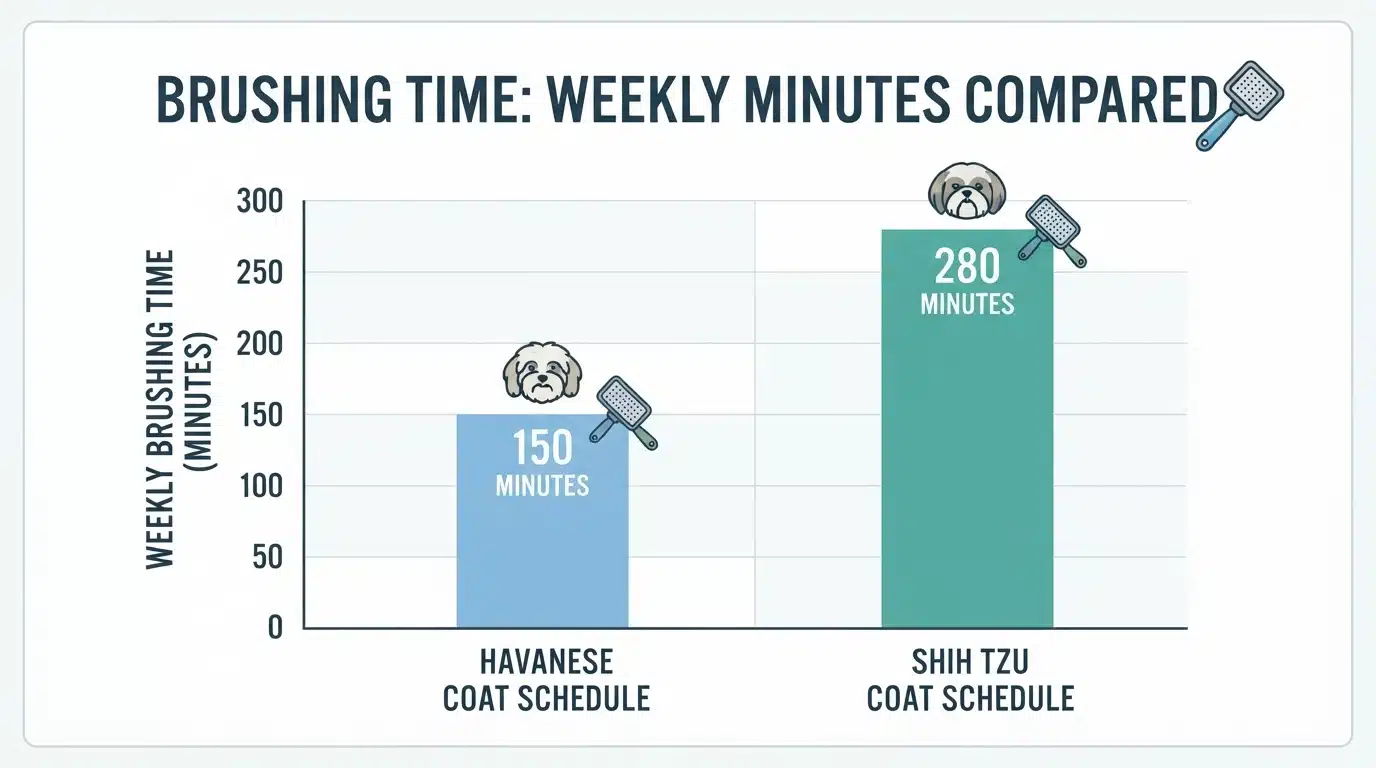
Brushing Time: Weekly Minutes Compared
Brushing is where these two breeds really differ day to day. A Havanese needs daily attention, usually 10 to 15 minutes per session, which adds up to roughly 70 to 105 minutes a week. A Shih Tzu follows a similar rhythm, though many owners keep the coat shorter and spread sessions out. In both cases the coat is a double layer of hair, not fur, so it grows and tangles rather than sheds out. Skipping even a few days lets mats form close to the skin, and those take far longer to work out than the brushing that prevents them.
A Week of Brushing: Havanese Schedule
Plan on brushing every day, with one slightly longer session to catch anything you missed.
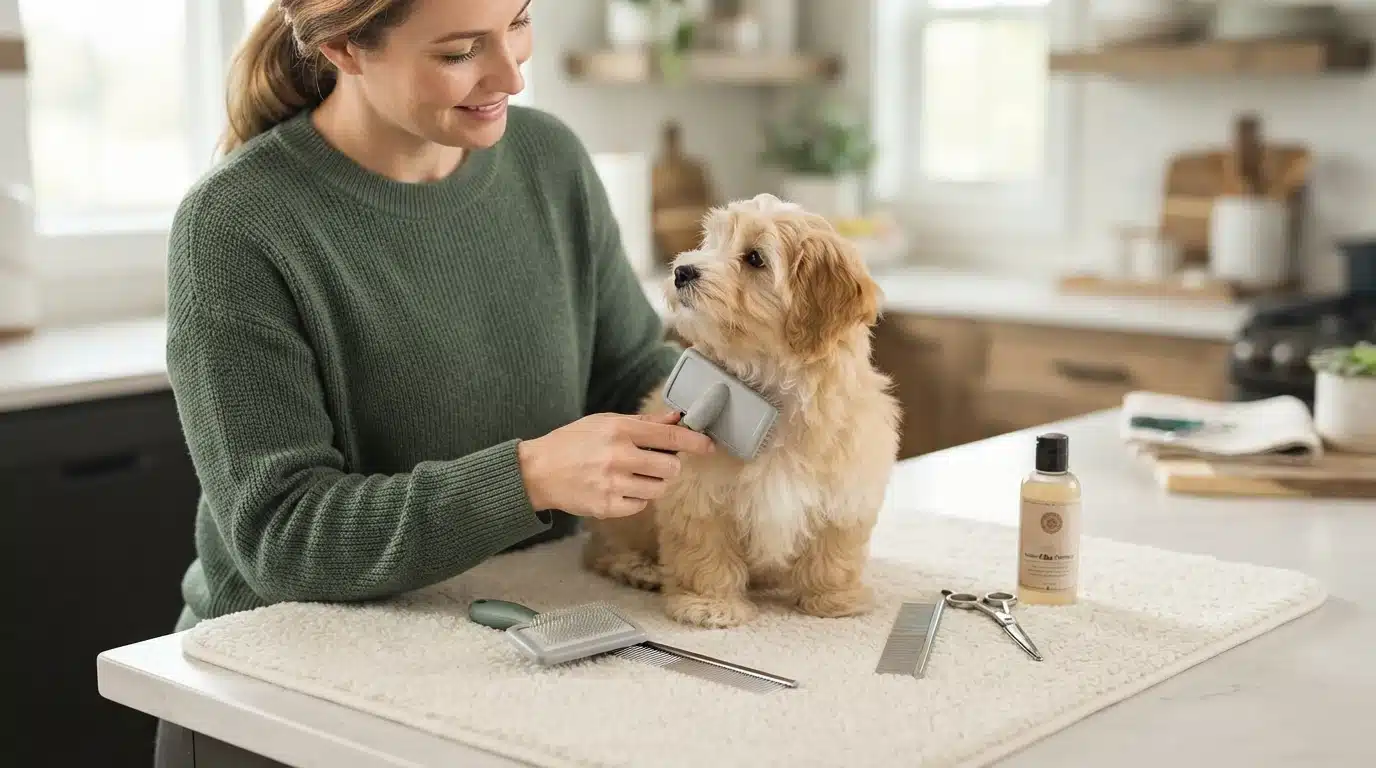
- Monday through Friday: 10 to 15 minutes each evening. Work through the body, legs, and armpits with a slicker brush.
- Saturday: 20 minutes. Add a pass with a metal comb to check for hidden tangles behind the ears and under the harness line.
- Sunday: A quick 5-minute touch-up on the face, feet, and tail.
That lands you at roughly 75 to 100 minutes a week, and the first-year care checklist pairs well with this habit. puppies learn to lie still for grooming fastest when sessions start in the first weeks home.
A Week of Brushing: Shih Tzu Schedule
A Shih Tzu in a longer coat needs almost the same commitment, so the difference comes down to trim length and face work.
- Monday, Wednesday, Friday: 15 minutes per session. Brush the body, legs, and belly with a slicker brush, then comb through.
- Saturday: 20 minutes, focused on the topknot, beard, and around the eyes, where tear staining builds up.
- Sunday: Skip it if the coat stays short, or do a 5-minute check on the ears and underside.
Shorter puppy cuts cut the weekly load noticeably.
Bathing, Drying, and Coat Care Routines
Bath Frequency and Dry Time
Both breeds do well with a bath every two to four weeks, more often if the coat is long or the dog loves rolling outside. The real difference is drying. A Havanese has a single coat with hair-like texture, so it dries fairly fast, but you should still blow-dry on low heat while brushing so the hair dries straight at the root. A Shih Tzu’s dense double coat holds water much longer, so plan on a patient, thorough blow-out with a slicker brush. Wet coat left to air dry mats in both breeds, so dry time is part of the job. Breeder guidance often walks new families through this routine hands-on, including the first bath and drying steps.

Skin, Tear Staining, and Coat Condition
Both breeds can develop skin irritation if shampoo is too harsh or residue stays behind, so use a dog formula and rinse well. The Shih Tzu needs more face care. Its flat face traps tears and food around the eyes, so daily wiping keeps staining in check and prevents damp, irritated skin. Havanese tear staining exists but is usually milder. Keep both coats brushed out before a bath, because water tightens existing tangles into mats that are much harder to remove. Check the skin under the coat each session; redness, flakes, or odor deserve a vet visit before you adjust anything else.
According to Artero’s breed care notes, a Havanese coat does best with bathing about every 14 days, which fits the two-to-four-week window above.
Trimming Styles and Professional Grooming Frequency
Natural Coat Versus Scheduled Trims
Both breeds can wear their long coats full, but that look demands daily brushing and weekly baths. Most families pick a shorter style instead. A puppy cut keeps hair at one to two inches, while a teddy bear trim leaves a rounded face and slightly fuller body. Shorter styles stretch the interval between full grooms because there is less length to tangle. Either way, face care stays non-negotiable: the Shih Tzu needs its eyes and topknot wiped several days a week to control tear staining.
Salon Visits and Cost Planning
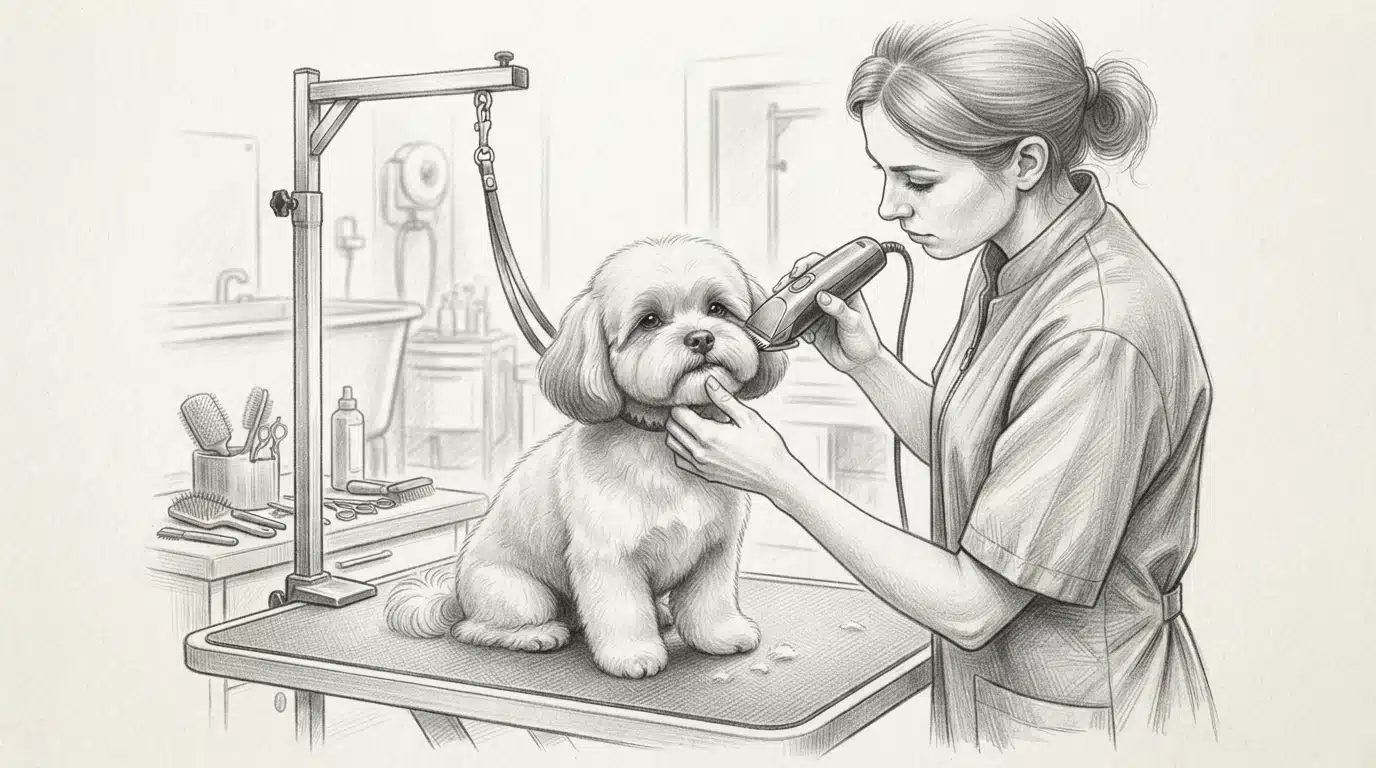
How often should a Shih Tzu be groomed? Full trims every 4 to 6 weeks on a puppy cut, every 3 to 4 weeks if the coat stays long, plus daily face wipes at home. Havanese follow the same rhythm, roughly every 4 to 6 weeks.
| Coat Style | Salon Interval | Home Work Between Visits |
|---|---|---|
| Full long coat | Every 3 to 4 weeks | Daily brushing, 20+ minutes |
| Puppy cut | Every 4 to 6 weeks | Brushing every 2 to 3 days |
| Teddy bear trim | Every 4 to 6 weeks | Light brushing, face checks |
Budget matters, too. Small-breed grooms often run $50 to $85 each, so a puppy cut can save real money over a year. At Sage Puppies, families raising a Havanese or Havapoo get habit-building guidance so the first salon visit goes smoothly. Ask a salon what a full groom includes, because some quote baths separately.
Face, Nails, and Ears: The Everyday Care Difference
Face and Eye Care
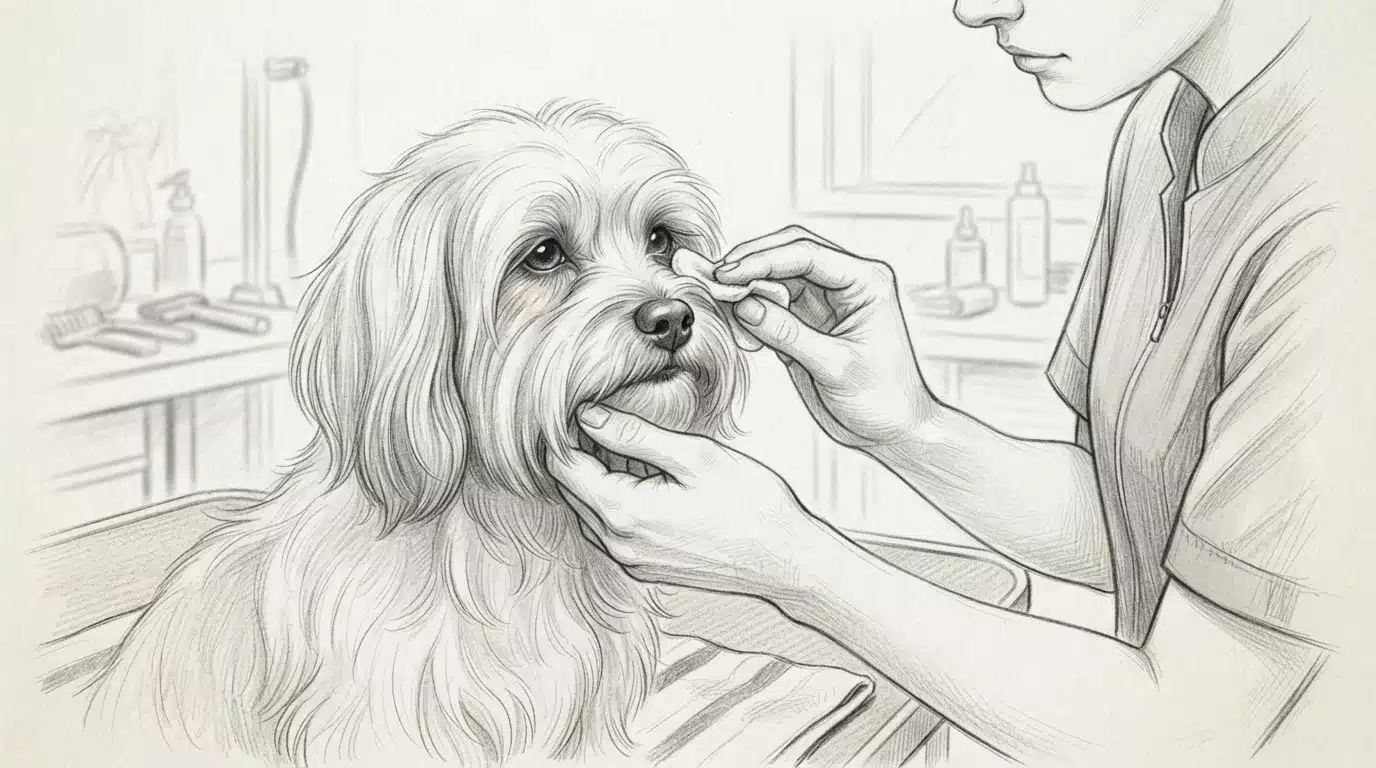
This is where the Shih Tzu asks for more. Its flat, brachycephalic face collects tears, food, and moisture, so a daily face wipe and careful drying are the core habit. Tear staining builds fast without it, and regular cleaning is the main way to manage it, per AKC guidance on tear stains. The Havanese needs lighter work: a quick check around the eyes and a wipe every day or two usually covers it. Both breeds grow hair near the eye, so trim or tidy that area weekly to avoid irritation.
Nails, Ears, and Anal Care
These jobs cost both breeds about the same time, and they sit outside the brushing budget. Trim nails every 2 to 3 weeks, checking for the quick on light-colored claws. Check ears weekly for wax, odor, or debris, and clean with a vet-approved solution when needed; floppy ears trap moisture. Many owners ask their groomer to handle anal gland expression during those 4 to 6 week visits, which keeps the home routine simple.
Handling and Cooperation: The Hidden Time Cost
Session Length by Temperament
The clock above assumes a calm dog. It rarely is, at first. Shih Tzus tolerate hands well once they settle, but their flat faces make eye-area work slow, and tear staining checks add minutes. Havanese tend to be biddable, yet their coats need brushing to the skin, so wiggling costs you more per session. A restless dog can stretch a 10-minute brush-out to 20. Count cooperation as part of grooming time, not a bonus.
Building Grooming Habits Into Puppy Life
Start during the puppy coat stage, when brushing needs are light and tangles are rare. Handle paws, ears, and the muzzle daily for a few seconds, then follow with a treat. Add the slicker brush and metal comb in short rounds before the adult coat arrives. A breeder who starts this work early sends a puppy home already used to touch; that is part of what we do with every Havanese litter at Sage Puppies. Brief, frequent sessions beat one long battle, and calm habits now protect the schedule later.
Grooming Time and Cost Budgets Side by Side
So which breed needs less grooming overall? With a puppy cut, the Shih Tzu edges ahead: about 35 to 40 weekly minutes versus 75 to 100 for the Havanese, because the Havanese’s finer coat mats faster and needs more brush-outs. Both breeds sit in the same low-shedding, high-maintenance camp.
Weekly Time Budget Examples
| Task | Havanese | Shih Tzu |
|---|---|---|
| Brushing sessions | Daily, 10 to 15 min | Mon/Wed/Fri, 15 min |
| Face and eye care | Weekly check | Weekly, 20 min topknot |
| Sunday routine | 5-minute touch-up | Skip or 5-minute check |
| Weekly total | 75 to 100 min | 35 to 40 min |
| Blow-dry after baths | Full dry, adds time | Faster on a short trim |
A restless dog can stretch any session, so pad your estimate.
Supply and Salon Budget Examples
| Budget Item | Havanese (example) | Shih Tzu (example) |
|---|---|---|
| Starter tools | Slicker brush, metal comb, dryer | Same basic kit |
| Salon visits | Every 4 to 6 weeks | Every 4 to 6 weeks |
| Cost per visit | $50 to $85 | $50 to $85 |
| Annual salon total | 9 to 13 visits | 9 to 13 visits |
These labeled examples assume a puppy cut; salon pricing varies by region and coat length. Whoever grooms your puppy, start the brushing habit in week one so the routine feels normal by the first salon visit.
Which Should You Choose: Havanese or Shih Tzu?
Both coats are low-shedding, but the weekly workload is not the same. The Havanese needs daily brushing and lands around 75 to 100 minutes a week. The Shih Tzu in a puppy cut asks for about 35 to 40 minutes, split across three shorter sessions.
Choose the Havanese If
Pick the Havanese if you enjoy grooming as part of the day, not as a chore to dodge. That daily 10 to 15 minute session becomes a calm bonding routine, and the coat rewards it: a silky, flowing finish that photographs beautifully. You also get a wider range of trims to play with, from full long coat to a teddy bear cut. Budget time for coat blow-drying after baths and a slicker brush and metal comb in your kit. If a short daily ritual fits your family, the extra minutes buy you the silkier coat.
Choose the Shih Tzu If
Pick the Shih Tzu if you want structure without daily commitment. Three 15-minute sessions a week plus a Saturday face check keeps the coat in shape, and the shorter puppy cut hides small lapses better. Plan for brachycephalic face care: the flat face means tear staining and eye-area cleaning need steady attention even when the coat stays short. The trim interval is similar to the Havanese, roughly every 4 to 6 weeks, so groomer costs are close. If weekly minutes matter most to you, the Shih Tzu wins the grooming math; if daily ritual does, the Havanese does.

If the weekly grooming load feels manageable, the next step is choosing your puppy well. At Sage Puppies, we match families with Havanese puppies suited to their routine and share honest prep guidance. Check available puppies and start your application today.
Frequently Asked Questions
Q1: How do a Havanese and a Shih Tzu compare in grooming?
The Havanese needs daily brushing, about 75 to 100 weekly minutes. A Shih Tzu in a puppy cut asks roughly 35 to 40 minutes across three sessions, plus daily face wipes.
Q2: How often should each breed visit a professional groomer?
Both typically need full trims every 4 to 6 weeks on a puppy cut, costing about $50 to $85 per visit.
Q3: Which breed mats faster?
The Havanese. Its fine undercoat felts against the silky top layer, so tangles form close to the skin behind the ears and in the armpits.
Q4: Does a Shih Tzu need more face care?
Yes. The flat face collects tears and food, so daily wiping is essential. Havanese tear staining is usually milder.
Q5: Can puppy coat care prepare an adult coat?
Start brushing and paw handling in the puppy coat stage. Brief daily sessions build calm habits before the denser adult coat arrives.
Conclusion
Grooming load is the tiebreaker between these two low-shedding small breeds. The Havanese needs brushing most days, roughly 75 to 100 weekly minutes, with tangles hiding close to the skin behind the ears and armpits. A Shih Tzu in a puppy cut runs about 35 to 40 minutes across three sessions, but adds daily face care for tear staining. Salon visits land every 4 to 6 weeks for both, near $50 to $85 each. Match the coat to your calendar: daily ritual suits the Havanese, shorter weekly blocks suit the Shih Tzu, and habits built in the puppy coat stage keep either schedule realistic.