Quick Summary: Finding a genuinely family-raised puppy comes down to proof, not marketing: confirm the puppies live in the home, receive daily handling, have written health records, and can be seen during an in-person visit or live video walkthrough. Ask specific questions before paying, review vaccination, deworming, vet exam, and contract records, and use a flight nanny for cabin travel when delivery is necessary. Sage Puppies in South Jordan, Utah, follows this in-home, application-based process for Havanese, Havapoo, and Cavapoo litters.
It is 11 at night, you are three listings deep into a search for family raised puppies for sale near me, and every page promises the same thing: raised with love, healthy, ready for a forever home. Two hours from now you will have bookmarked four breeders and remembered almost nothing about any of them. The real challenge is not finding listings. It is telling finding family raised puppies from clever marketing, because “family raised” is a phrase anyone can type. This guide gives you a step-by-step path instead: what the term actually means, how to verify a breeder with concrete proof requests, and which questions separate in-home raised puppies from kennel stock with a warm website. At Sage Puppies in South Jordan, Utah, we place Havanese, Havapoo, and Cavapoo puppies through an application and owner-managed process, so we know what honest answers look like. Here is where to start.
Step 1: Decide What Family-Raised Should Mean to You
Finding family raised puppies starts with defining the term before you shop. Ask any breeder, and you will hear “raised with love” from every listing. But words are cheap. Hold “family-raised” to five concrete things:
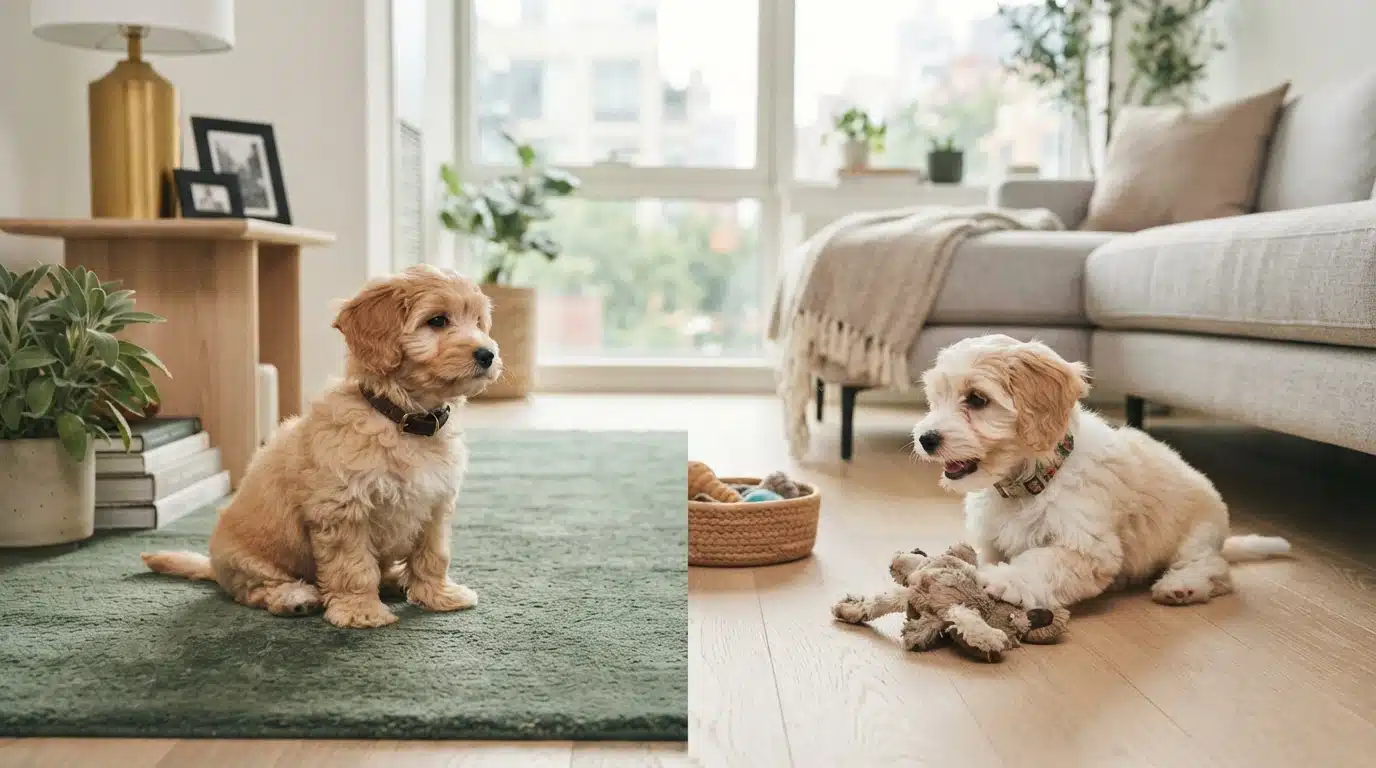
- The puppies are born and raised inside the home, not in a kennel or barn.
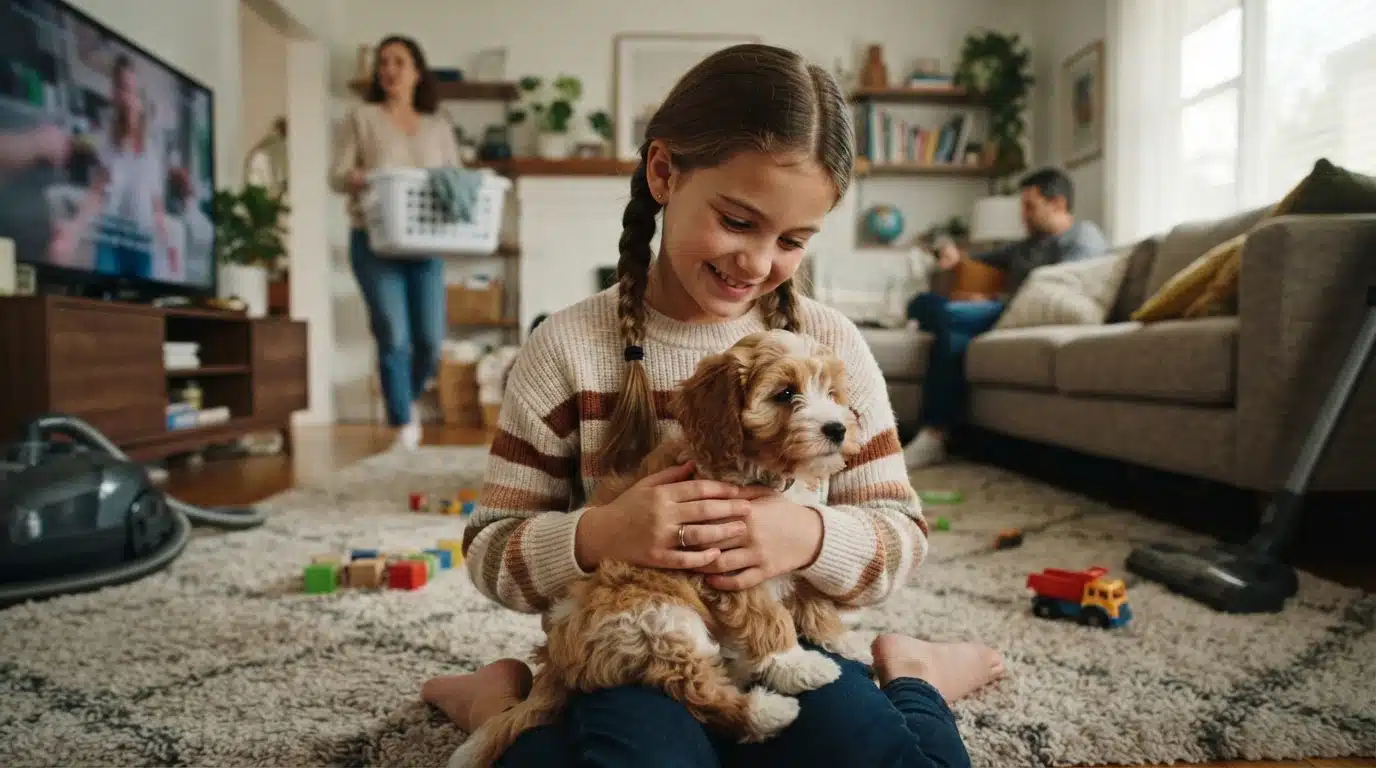
- The breeder’s children or household handle the puppies daily during the early socialization window.
- Puppies hear normal household noise: vacuum, television, doorbells, visitors.
- Health records and vaccination history are written down and shared.
- You can visit or get video that shows the actual living space.
Why the Word Is Used Loosely, and What That Means for You
There is no legal definition of family-raised. A kennel operation can use the phrase if one person works from home. Some listings describe a “family farm” where puppies live outdoors in runs. That is not the same thing. So treat the phrase as a claim to verify, not a fact to accept. Every breeder will say yes when asked if their puppies are family-raised. The difference shows up in what proof they can offer.
Where Sage Puppies Fits This Definition
Sage Puppies runs a small program in South Jordan, Utah, where Cassie raises Havanese, Havapoo, and Cavapoo litters in her home with daily family handling. If you want a match built around temperament, the first-time owner temperament guide explains how each breed tends to behave in a busy household.
Step 2: Start Your Search in the Right Places
Once you know what family-raised means, the next move is picking where to look. Search “family raised puppies for sale near me” and you will get a mix of real in-home programs, broker sites, and listings that copy each other’s wording. Start with places that let you verify the breeder, not just admire the photos.
Breeder Websites with a Real Application Process
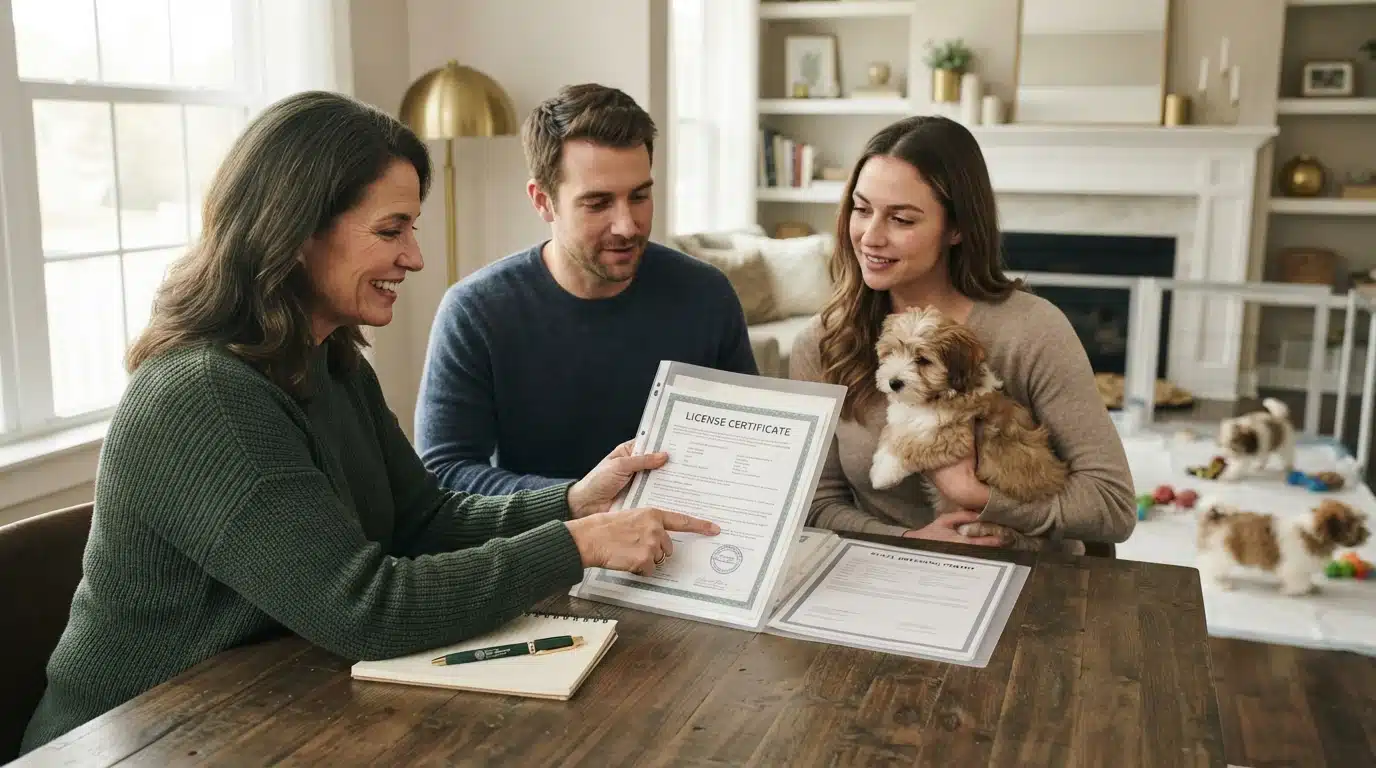
Good programs ask about you before they promise you a puppy. Look for an application that covers your home, schedule, and experience, plus a deposit and reservation contract you can read before paying. A clear application process is a strong sign the match matters to the breeder. Sage Puppies, for example, uses an owner-run application and matching process for its Havanese, Havapoo, and Cavapoo litters rather than a shopping cart. Use the puppy application as a model for what to expect anywhere you look.
Searching Locally for Family-Raised Puppies
Local pickup lets you see the home, meet the mother, and check puppy health records and vaccination history in person. In Utah, ask breeders whether litters are whelped and raised inside their own house, and whether you can visit during the early socialization window. A short drive to South Jordan or a nearby town can answer questions no website can.
National Delivery: When Distance Is Not a Dealbreaker
If no local program has the breed and timing you want, delivery widens your options. A flight nanny is a pet chaperone who accompanies your puppy in the plane’s cabin, so the puppy never flies as cargo, according to Good Dog’s transportation guide. Ask who travels with the puppy, what carrier is used, and how the handoff works.
Step 3: Vet a Listing by Message Before You Visit
A good listing tells you nothing. The seller’s answers tell you everything. Before you drive two hours or send a deposit, put every listing through the same message test. The questions below work as your family raised puppy search checklist, and they take ten minutes to send.

The Ten Questions to Send First
Ask these in one message. A breeder raising Havanese, Havapoo, or Cavapoo puppies in the home should answer all ten without hesitation:
- Which parent dogs live in your home, and may I see photos of both?
- Where do the puppies sleep, play, and eat every day?
- How many litters do you raise per year?
- What vaccinations and dewormings has this litter had so far?
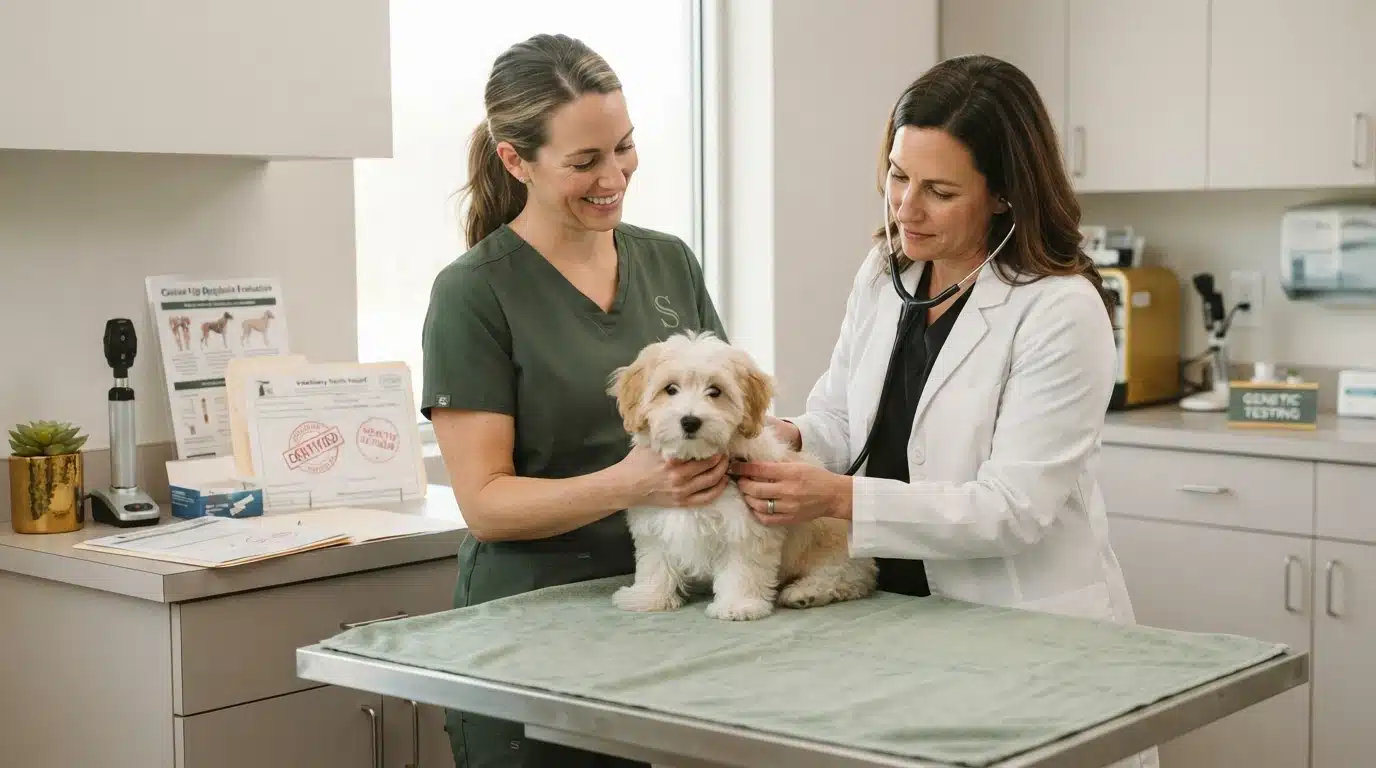
- May I see the puppy’s health record and vet exam notes?
- When was each puppy’s first vet check?
- How do you socialize the litter during the early weeks?
- What routine are the puppies on for feeding and potty breaks?
- What does your contract cover, including returns?
- When can I visit, and may I meet the mother?
How to Read the Answers
Watch for speed and specifics. A family breeder replies within a day and names dates, vet clinics, and routines. Evasive answers, “text only” replies, or pressure to pay today are warning signs. Anyone breeding several unrelated breeds on one site should raise a caution too, since focused programs match what families need from a family raised puppy for sale near me search.
Questions You Should Never Skip
Two questions carry the most weight. First, where the puppies actually live: a garage, barn, or “offsite facility” is not an in-home litter. Second, proof of a vet exam with records you can review. Photos of one healthy puppy prove nothing about the litter. If a seller dodges either one, keep looking. Honest programs, like the application process at Sage Puppies, expect these questions and answer them in writing.
Step 4: Visit the Home and Watch the Daily Routine
Most breeders will invite you in. The visit tells you more in one hour than a week of photos and texts ever could, so treat it as the moment your search gets real. Bring your questions, your kids if they will join the home, and a willingness to look around slowly.
Requesting the Visit and Preparing for It
Ask directly: “Can we visit where the puppies live?” A program with nothing to hide says yes and offers times. If you are out of state, request a live video walk-through instead. Before you go, write down what you want to see: where the puppies sleep, eat, and play, and which adult dogs you will meet. Confirm the address matches what the listing showed.
What to Watch for in the Space
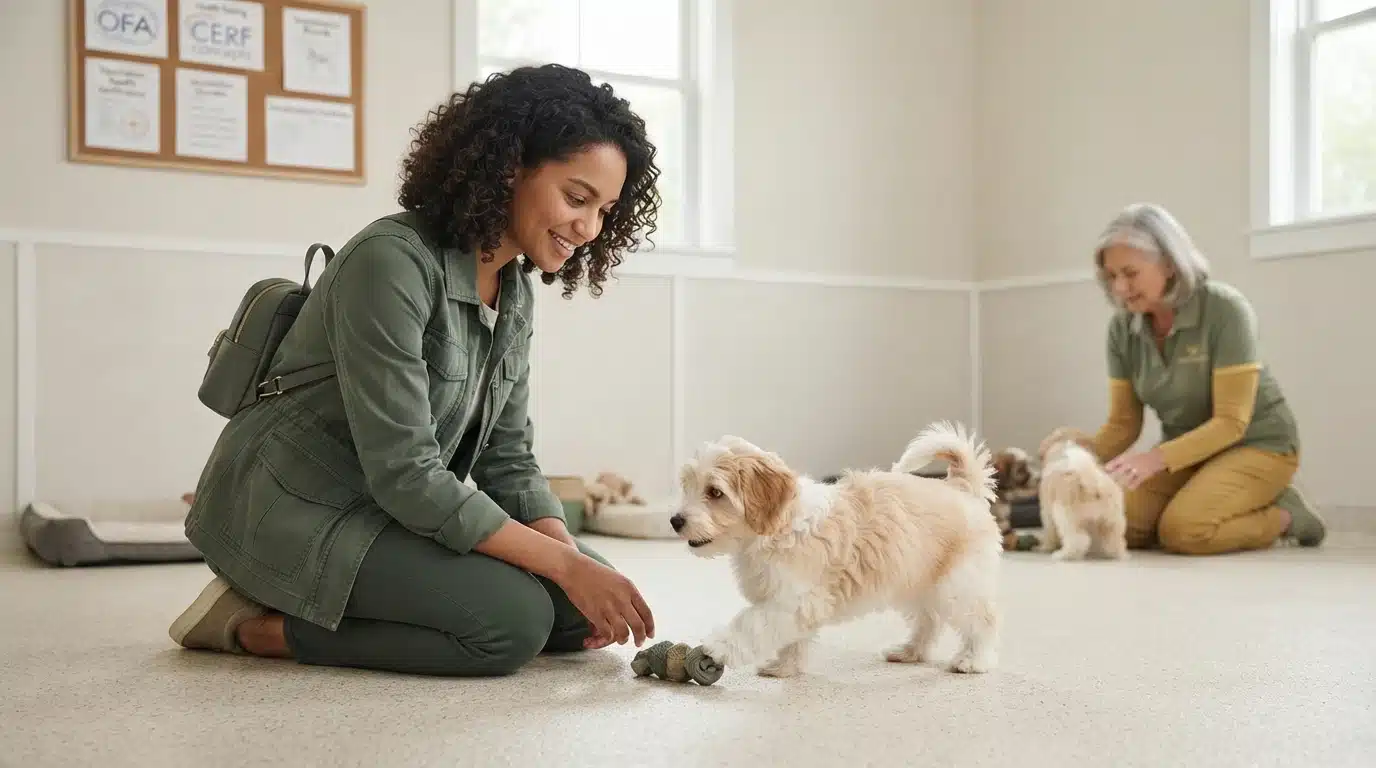
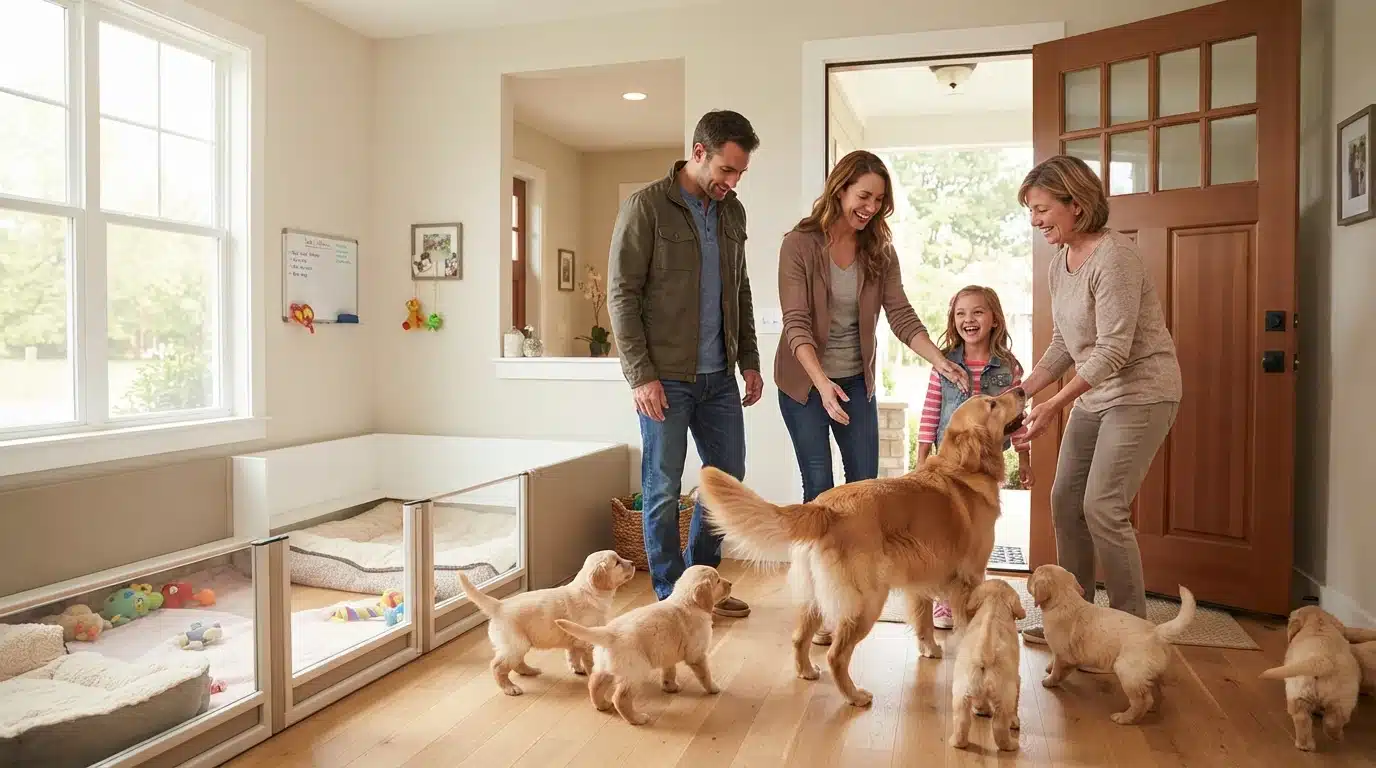
Look at the floor first. Clean surfaces, fresh water, and safe toys tell you about daily care. Then watch the puppies themselves. They should be curious, plump, and comfortable around people. The mother should be present, friendly, and healthy, since her temperament shapes her litter. Notice noise and handling too: are puppies hearing vacuums, doorbells, and children, or growing up in a quiet back room?
What You Are Really Measuring
You are not judging housekeeping style. You are checking whether the puppies live in the home, among the family, during the socialization window that shapes lifelong confidence. The difference between family-raised and kennel-raised puppies shows up right here: daily contact, real household sounds, and calm adult dogs. When a breeder opens the door willingly, that openness is itself part of the answer.
| Family-raised | Kennel-raised |
|---|---|
| Lives inside the home with daily family contact | Lives in a kennel run or separate building |
| Hears household sounds during the socialization window | Grows up with limited noise and handling |
| Temperament shaped by the mother and family routine | Temperament shaped by housing, not people |
Step 5: Confirm Health Records, Contracts, and Deposits
Before any money changes hands, the paperwork should convince you. Good breeders hand this over without being asked twice. A hesitant or vague answer here tells you more than any website photo.
The Records to Request and How to Read Them
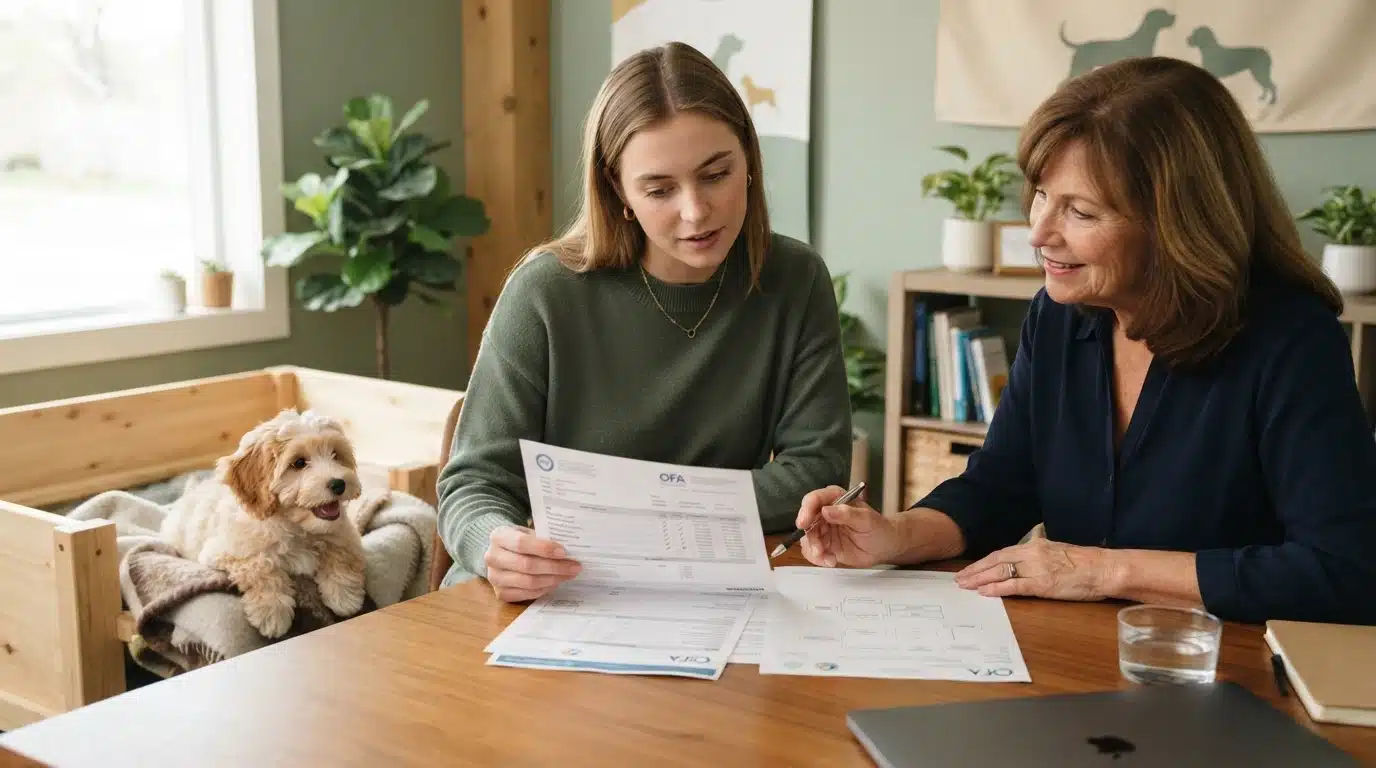
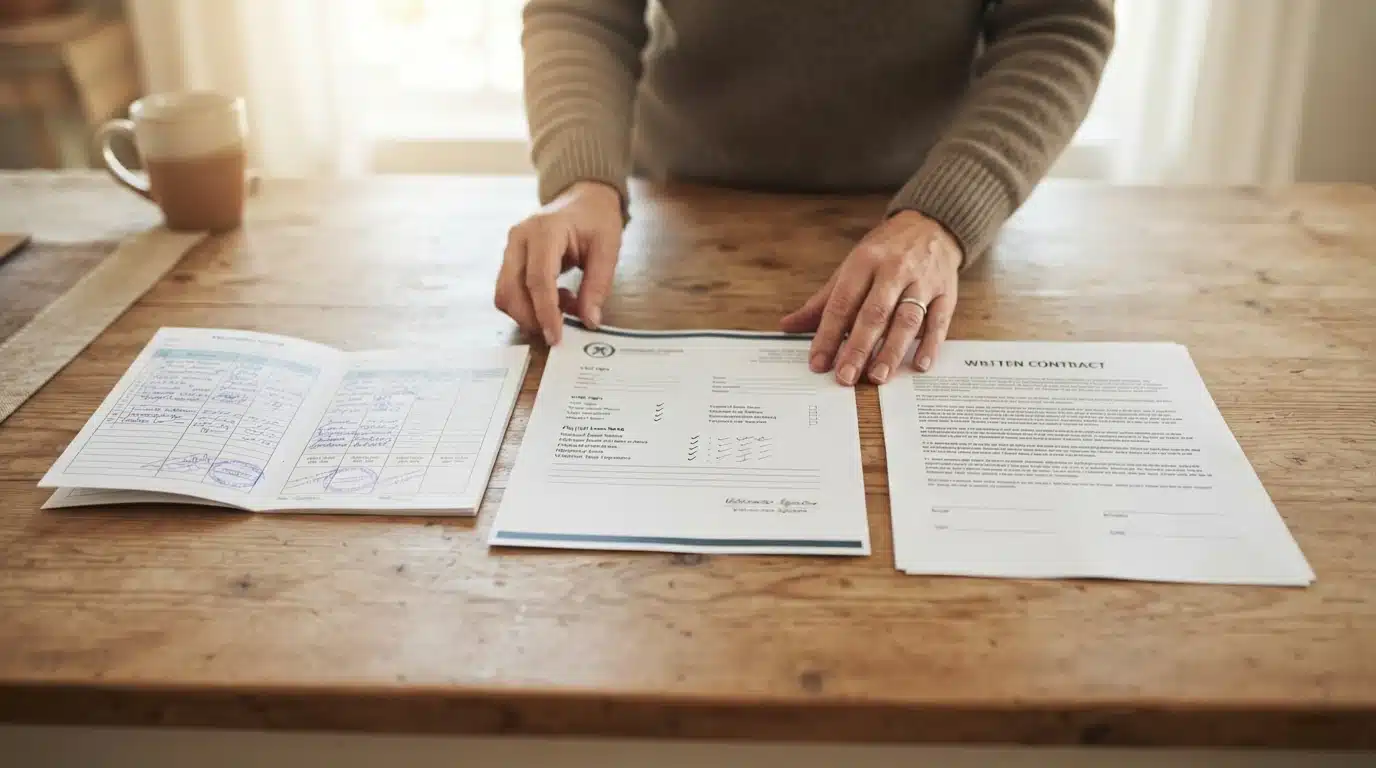
Ask to see four things before you pay:
| Record | What to Look For |
|---|---|
| Vaccination history | Dates, vaccine type, and the vet clinic or manufacturer details |
| Deworming log | Products used and dates, not just “dewormed” |
| Vet exam note | A check by a licensed vet, with findings written down |
| Parent health tests | Results for inherited conditions common to the breed |
Vaccination and deworming details matter most in the first eight weeks, and state agriculture departments keep guidance on what records breeders should maintain. Wisconsin’s consumer guide, for example, tells buyers to ask exactly what shots and worming a puppy has had and to expect proof, not promises, in the state’s own buyer checklist.
Contract Terms Worth Reading Slowly
A written contract should name the breeder and the buyer, state the purchase price, and explain what happens if the puppy becomes sick. Read the health and return terms closely. Ask what the seller covers and what you cover. Walk away from any breeder who refuses to put terms in writing.
Deposits and Final Payment
Deposits usually hold a puppy, so confirm whether yours is refundable, transferable, or applied to the price. At Sage’s reservation and pricing page, the deposit and balance terms are spelled out before you commit. Pay the balance only after you have the records above, then keep copies of everything.
Step 6: Plan Pickup or Delivery and the First Week at Home
Pickup Day Logistics
If you live near South Jordan, Utah, pickup is the simple option. Bring a crate or a seatbelt harness, water, a towel, and someone else to hold the puppy on the drive. Ask for the health record, vaccination dates, and feeding notes before you leave. Confirm the exact pickup spot and time the day before. A family-raised puppy has met new people already, so expect curiosity rather than fear. Keep the first day quiet and short.
When the Puppy Travels
If you are farther away, delivery changes the plan instead of the outcome. Many programs offer puppy pickup and flight nanny delivery, where a trusted person flies with the puppy in the cabin. Before you agree, ask who travels with the puppy, what the crate and carrier setup is, how the puppy is fed and watered en route, and what happens if a flight is delayed. Get the arrival window in writing. Plan to be home for at least a day after arrival.
Settling a Family-Raised Puppy Into Your Home
Family-raised puppies arrive knowing a household routine, so lean on that. Set up one quiet room with a crate, water, and a soft bed. Feed on the schedule the breeder gives you. Keep visitors away for a few days. Build confidence with short play sessions, gentle handling, and early crate practice, then grow the routine from there.
Common Mistakes to Avoid
Mistakes That Cost Families the Most
The biggest error is trusting a photo. A “raised with love” caption proves nothing, so ask where the puppies sleep and who handles them daily. Skipping the health conversation is next: request vet exam dates, vaccination records, and the deworming schedule before you pay anything. Many families also send a deposit without a written contract, then lose it when plans change. Get the reservation terms, price, and pickup or delivery details in writing. Finally, some buyers choose a breed on cuteness alone; Havanese, Havapoo, and Cavapoo puppies differ in coat care, energy, and size. Ask questions early. A breeder who welcomes them and answers clearly is telling you something a listing never will.

Ready to stop guessing and start matching? Sage Puppies raises Havanese, Havapoo, and Cavapoo puppies at home in South Jordan, Utah, with local pickup or safe nationwide delivery. Fill out the application, ask your proof questions, and see whether one of Cassie’s puppies belongs in your family.
Frequently Asked Questions
Q1: How do I go about finding family raised puppies?
Define what family-raised means to you, then ask for proof: in-home living space, daily handling, written health records, and a visit or live video. A short family raised puppy search checklist of ten questions works better than trusting any listing.
Q2: What questions should I ask a family raised puppy breeder first?
Ask where the puppies sleep and play, which parent dogs live in the home, how many litters are raised yearly, and what vet exams and vaccinations the litter has had. Send everything in one message and watch for specific, prompt answers.
Q3: Can I buy a family-raised puppy without visiting in person?
Yes. Request a live video walk-through of the home, review health records by email, and use a flight nanny so the puppy travels in the cabin rather than as cargo.
Q4: Should I pay a deposit before seeing health records?
No. Ask for vaccination history, deworming dates, and a vet exam note first. Then confirm the puppy deposit and reservation contract terms in writing before sending any money.
Q5: How early is too early to bring a puppy home?
Most responsible breeders release puppies around eight weeks, after key early socialization window weeks at home with the mother and litter. Earlier than that is a warning sign, not a bargain.
Q6: What does the early socialization window actually change?
Between roughly three and twelve weeks, puppies learn what feels normal. Household noise, gentle handling, and children during this period shape lifelong confidence in a way training later cannot fully replace.
Conclusion
Finding family-raised puppies comes down to proof, not phrases. Define what family raised means for your household, then verify it: puppies living inside the home, daily handling, written puppy health records and vaccination history, and a real visit or live video. Send the ten questions before you pay anything, read the contract slowly, and watch how the puppies respond to people when you arrive. A breeder who answers fast, specifically, and in writing is showing you the daily care behind the listing. Do that at every program you consider, including in-home raised litters near you, and the right match will separate itself from the marketing.