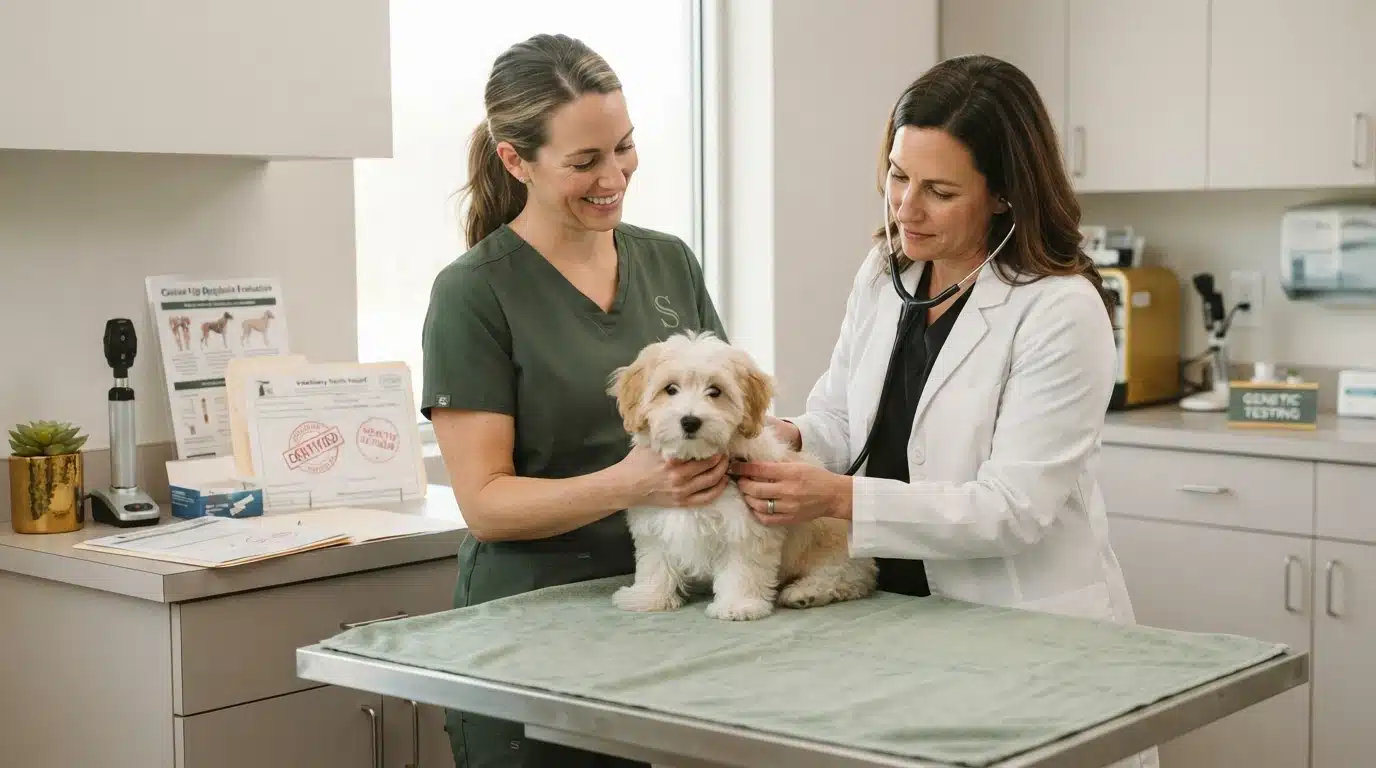
Quick Summary: Family-raised puppies offer predictable breed, size, parent health records, and a full socialization period, but usually cost $3,500 to $4,500. Rescue dogs typically cost $50 to $500 and may include core veterinary care, but their age, breed, history, and adjustment period can be uncertain, often lasting three weeks to three months. Choose based on which uncertainty your household can handle, then compare written answers about costs, health screening, behavior history, and support, including programs such as Sage Puppies, before committing.
Two Utah households can apply for the same small companion dog this month and finish the year in very different places. One brings home a young, family-raised Havapoo with parent health testing records and a written contract. The other adopts a rescue of unknown age, armed with intake notes and vaccination records. If you are searching family raised puppies for sale near me, the honest answer is that both roads can end well. The real difference in family raised vs rescue is which unknown your household can absorb: unknown inherited risks in a young dog, or an unknown past in an adult one.
This comparison weighs both routes against the same six criteria, from cost and documentation to the puppy socialization window and the rescue dog adjustment period. Along the way it separates what each label truly promises from what it does not, and ends with a decision rule plus written questions for a breeder or a rescue, so the choice fits your household rather than someone else’s sales pitch.
Family-Raised Puppies vs Rescue Puppies: At a Glance
| Family-raised puppies | Rescue puppies | |
|---|---|---|
| Acquisition cost and first-year budget | Sage Puppies publishes $3,500 to $4,500 for Havanese, Havapoo and Cavapoo puppies, plus routine first-year care costs | Published adoption fees commonly run about $50 to $500 depending on age and organization, usually including core vet care |
| Age and time to a settled routine | Young puppy placed after the raiser’s developmental schedule, with the full socialization period still ahead of you | Any age from young puppies to seniors, with many placements being adults that settle faster |
| Health and paperwork you can verify | Puppy exam records plus parent clinical screening such as OFA hips, patellas and annual eye exams, with DNA results kept separate | Vaccination, sterilization and microchip records from the organization, with breed-specific testing uncommon |
| Temperament predictability | Handling and socialization observations from the raiser, with no previous home history | Intake notes and behavior observations, sometimes including foster or prior-home history |
| Household and daily-life fit | Breed and expected adult size known in advance, including small companion breeds such as Havanese, Havapoo and Cavapoo | Breed often unknown or mixed, with fit determined by individual temperament and size |
| Availability and access | Application, reservation and deposit flow, with local pickup in South Jordan, Utah and delivery arrangements discussed in the handoff process | Application and counseling process with meet-and-greet steps, waitlist-driven in many locations |
How Family-Raised Puppies and Rescue Puppies Compare
Family raised vs rescue comes down to two very different starting points, so it helps to meet each contender first. Here is what family raised puppies and rescue puppies actually are, and who each path suits best.
Family-raised puppies
A boutique breeding program raises Havanese, Havapoo and Cavapoo puppies in a home setting, with parent screening records and a written contract. This path suits families who want a known breed, expected adult size and the full socialization window ahead of them. Sage Puppies, a small South Jordan, Utah program, works this way with an application and deposit flow, local pickup, and published pricing of $3,500 to $4,500.
Key strengths
- Breed, size and temperament observations known in advance
- Verifiable parent screenings, such as OFA hips, patellas and eye exams
- Young puppy placed on the raiser’s developmental schedule
Rescue puppies
Shelters and nonprofit rescues place puppies and young dogs, with intake records, core vaccines, spay or neuter and a microchip usually covered by the fee. This path suits families open to any age, including adults that settle faster, and budgets where adoption fees commonly run about $50 to $500. Breed is often unknown, so fit depends on each dog’s temperament and history.
Key strengths
- Core vet care included in a lower upfront cost
- Intake notes, behavior observations and sometimes foster history
- Application and counseling with meet-and-greet steps
What the Labels Actually Mean: Home-Raised, Kennel-Raised and Rescue
Family raised means a puppy grows up inside a person’s home, around normal household life. It promises a setting, not an outcome. What it does promise: daily contact with people, sounds and routines. What it does not promise: health testing, training results or a good breeder. Those are separate checks.
Where the puppy spends its first eight to sixteen weeks
The label is really about location during the earliest weeks. Puppies go home around eight weeks, so everything before that happens with the breeder or shelter. Research on canine socialisation points to this stretch, roughly three to sixteen weeks, as the period when puppies learn what feels safe, which is why the breeding setting matters so much. A home-raised puppy hears dishwashers, kids and vacuums. A kennel-raised puppy may not. Rescue puppies have often lived in a shelter or foster home instead.
Why ‘family raised’ is a setting, not a screening result
Because the phrase describes where the puppy lives, anyone can use it. Some programs, like Sage Puppies in South Jordan, Utah, pair the home setting with an application process and health records, but the label alone tells you none of that. The family raised vs rescue choice hinges on what you verify, not what the sign says, so a buyer’s checklist is worth working through either way.
What You Pay Up Front and What You Keep Paying
| Cost | Family-raised puppy | Rescue puppy |
|---|---|---|
| Up-front fee | $3,500 to $4,500 (planning example) | About $50 to $500 adoption fee |
| First-year care | Roughly $1,000 to $2,000 | Roughly $1,000 to $2,000 |
| Ongoing yearly | $500 to $1,000+ | $500 to $1,000+ |
The purchase price is the loudest number, but the care line matters more. A rescue dog adjustment period can also add a first vet visit, since shelter records may be incomplete.
One-time costs and what the fee usually covers
The big difference sits in the adoption fee or purchase price. A breeder fee usually pays for health testing on the parents, early vaccines, deworming and a head start on socialization. Sage Puppies publishes $3,500 to $4,500 for its Havanese, Havapoo and Cavapoo puppies, and you can see what the pricing and reservation process covers before you apply. Rescue fees are far lower, but often leave spay or neuter, initial vaccines and supplies to you.
Recurring care costs and the first-year budget
Either way, the puppy costs repeat. Food, parasite prevention, grooming for small companion breeds, toys and routine vet visits keep coming. AKC data puts first-year ownership well into four figures once you add supplies, training and vet care, and that is on top of the fee, so budget for both.
Where surprises hide on each side
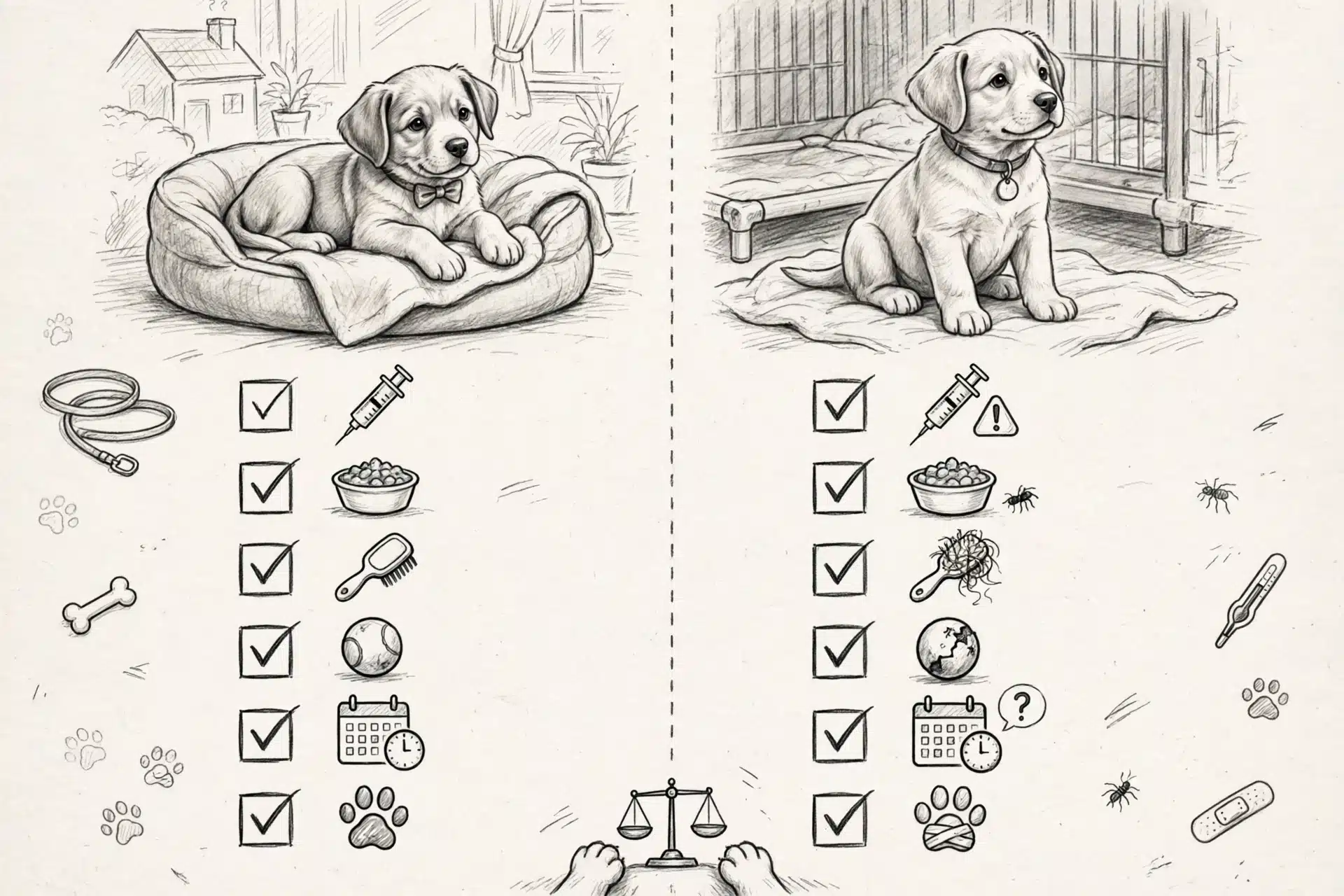
The rescue path hides costs in medical catch-up, like dental work or heartworm treatment. The family-raised path hides them in grooming appointments every few weeks for breeds that grow hair. Both paths hide emergencies, so a savings buffer or pet insurance helps either way.
Health Records, Screening and What You Can Actually Verify
Parent screening versus intake records
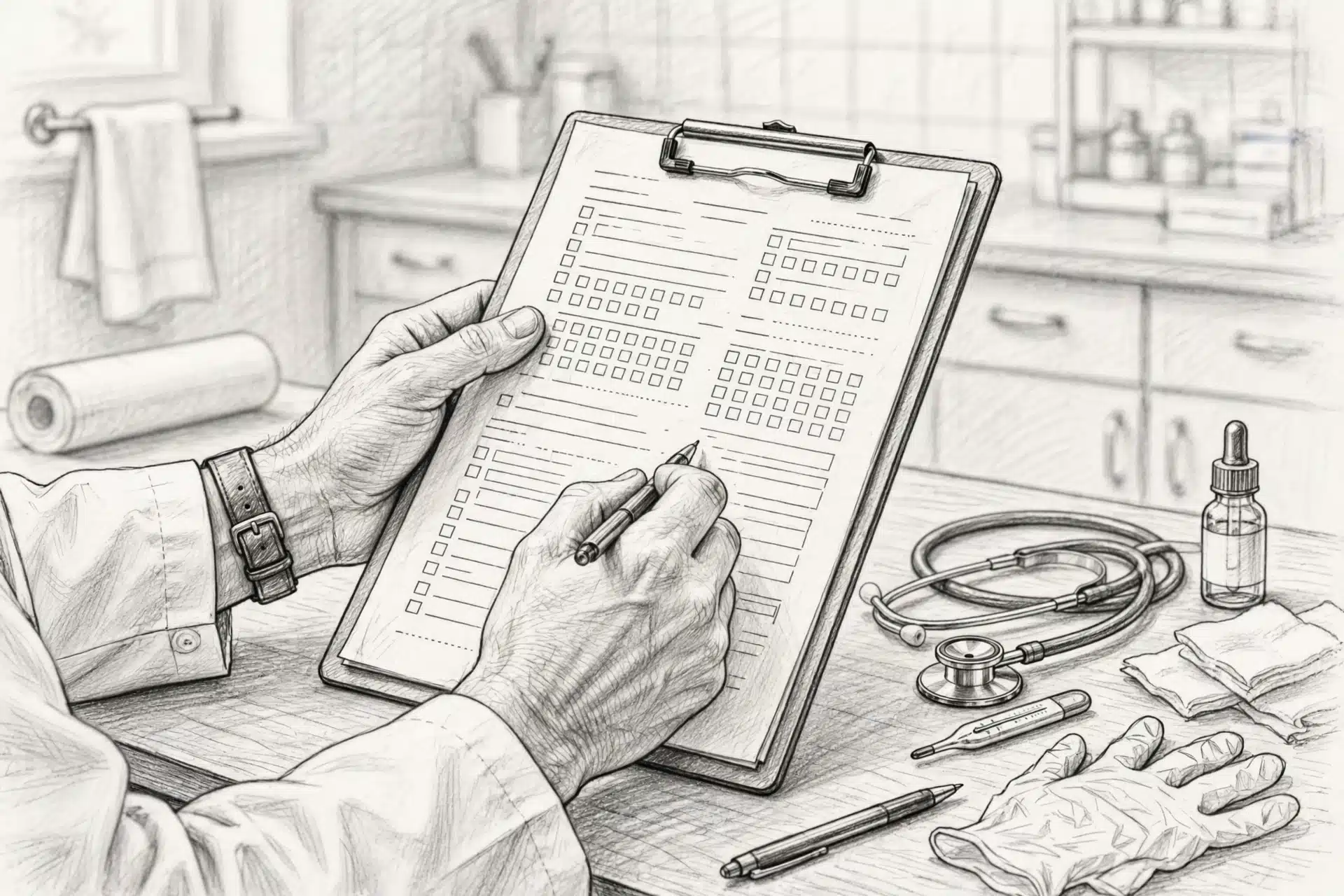
So what health records should you ask a breeder for? Request these categories:
- Vet exam record dated within days of your pickup
- Vaccination history with dates, products and the vet’s name
- Deworming log with the products used
- Parent health testing, such as OFA hips, patellas and current eye exams
- Microchip number and registration details
Here’s the caveat: screening lowers risk, but it cannot predict every health outcome. A clean parent lineup is a good sign, not a guarantee.
Rescue puppies follow a different paper trail. Shelters document what they saw after intake: exams given, vaccines started, and any known history. Conditions before that point stay unknown, so ask the staff what records exist and what does not.
The distinction matters. A breeder reports on parents they own; a rescue reports on a dog it recently met. Both can be honest, but they verify different things.
Questions that separate documentation from advertising
Bring these questions to any breeder or rescue and watch what you get back:
- Can I see the parents’ health testing results? Ask for the registry or clinic names, not just “health tested.”
- Which vaccines has this puppy had, and when is the next one due?
- What did the vet find at the last exam?
- What health issues appear in this line or breed? A real answer names problems. “None” is a flag.
- What happens if a serious issue shows up in the first year? Get the answer in writing.
A breeder who answers with documents beats one who answers with charm. Programs like Sage Puppies handle this by putting screening categories and puppy records in writing before a family commits, which is the standard to hold anyone to.
Temperament, Training and the First Months at Home
What you are inheriting versus what you are building
Short answer: how long does it take a rescue dog to adjust? Most rescue dogs need about three weeks to three months to settle into a new home, though some take six months or more. The common pattern runs like this:
- First few days: nervous pacing, hiding, little appetite
- Weeks one to two: routines begin to stick, sleep improves
- Weeks three to four: real personality starts to show
- Months two to three: trust and attachment deepen
A family-raised puppy builds that trust from day one, because it already lived through its socialization window with people, handling and household noise. The 3-3-3 rule (three days, three weeks, three months) is a helpful benchmark for rescue dogs, not a promise, so judge progress by behavior rather than the calendar.

The adjustment period and what it looks like day to day
Expect both paths to need structure in month one. For a puppy, that means potty breaks every couple of hours, short training sessions and crate time, since an eight-week-old is still learning everything from scratch. For a rescue, it means quiet days, a predictable feeding spot and letting the dog approach you first.
Families who want help matching a puppy’s early temperament to their home can see how the matching process works at Sage Puppies. Day to day, the difference is pace: a puppy grows into your routine, while a rescue gradually reveals the temperament it already has.
Household Fit: Kids, Schedules, Grooming and Other Dogs
A puppy’s temperament matters less than how your home runs. Match the dog’s needs to your kids, your calendar and your current pets, not the other way around.
Homes with children and first-time owners
Family-raised puppies often arrive already handled by kids, because breeders expose litters to people during the critical socialization window between 3 and 14 weeks, when puppies accept new experiences most easily. That head start helps, but it does not replace supervision. Teach children to sit on the floor, let the puppy come to them, and never grab or carry small breeds roughly. Rescue puppies work well too, though an adult or older pup with a known history around children can be the safer pick for very young kids. First-time owners of either path should keep expectations modest: house training and nipping take weeks of consistency regardless of where the puppy came from.

Schedules, grooming and existing pets
Both Havanese-style companion breeds and many rescue dogs want company, so plan for someone home most of the day or a midday visitor. Grooming is a real cost with small, low-shedding breeds: expect brushing several times a week plus professional trims every six to eight weeks. Before you commit, write honest answers about your routine into a puppy application so a breeder can match temperament to your household. For existing pets, ask either source how the dog has responded to other animals, and introduce them slowly on neutral ground over the first weeks.
How to Choose Between Family-Raised or Rescue Puppies
Should I buy a family-raised puppy or adopt a rescue? Choose a family-raised puppy if you want a known start: predictable size, health testing records, and handling during the socialization window. Choose rescue if you are open to any age, can accept an adjustment period, and want to give a home a second chance. Use this rule:
- Known history, young puppy, a specific breed match: buy family-raised
- Flexible on age and background, lower up-front fee, ready for slower settling: adopt
- Unsure? Decide based on your household’s schedule and budget first, then the dog
A simple decision rule
Start with what you can actually control: your time, budget, and tolerance for surprises. A puppy from a breeder costs more up front but gives you paperwork and predictability. Rescue costs less and rewards patience. If you need a dog that fits a small home and a set grooming routine, pick the path with fewer unknowns for your family, not the one that sounds better.
Written questions to ask a breeder and a rescue
Put every question in writing before you commit.
For a breeder, ask:
- What health testing did the parents have, and can I see the records?
- How did you socialize the litter between 3 and 14 weeks?
- What does the price include, and what is the deposit policy?
For a rescue, ask:
- What behavior issues are documented, and what support do you offer after adoption?
- What is included in the adoption fee?
- Can I meet the dog first, or see videos from the foster home?
Write the answers down and compare them side by side.
Which Should You Choose: Family-Raised Puppies or Rescue Puppies?
Both paths can work, but they reward different questions. A family-raised program should prove how it raised the litter. A rescue should prove how it supported the dog before you. Ask for written answers on both, and treat vague replies as a reason to walk away.
Questions to ask a family-raised program in Utah
Bring this list to any breeder you visit, including Sage Puppies in South Jordan:
- How did you socialize the litter between 3 and 14 weeks?
- Which health tests did the parents pass, such as OFA hips, patellas and eye exams?
- May I see puppy health testing records and vet visits in writing?
- Who lives in your home, and how often are puppies handled?
- What does the application and reservation process include, and what happens if a pregnancy fails?
Next steps for either path
Write down your budget, your weekly hours at home, and your tolerance for an unknown history. Then take two actions this week: contact one family-raised program and one rescue, and compare their written answers side by side. If you want a puppy raised around children and a predictable start, pick the program path. If you have patience for an adjustment period and want to give an older dog a home, adopt. Either way, decide with paperwork in hand, not on a cute photo alone.

Whichever path you choose, the right match starts with honest answers, not pressure. If a family-raised Havanese, Havapoo or Cavapoo fits your home, Sage Puppies invites you to review the pricing and application process, then ask questions before you decide. Wisely bred, beautifully loved.
Frequently Asked Questions
Q1: Should I choose family raised or rescue puppies?
Family raised vs rescue depends on which unknown fits your home. Pick family raised for a known breed, size and socialization head start. Pick rescue if you are flexible on age and can give an adjustment period time.
Q2: How much does a rescue puppy adoption fee usually cost?
Most fees run about $50 to $500 and often cover core vaccines, sterilization and a microchip. Budget extra for a first vet visit and any medical catch-up.
Q3: What puppy health testing records should a breeder provide?
Ask for a recent vet exam, vaccination and deworming logs, and parent screenings such as OFA hips, patellas and eye exams, all in writing.
Q4: How long is the rescue dog adjustment period?
Plan on three weeks to three months, using the 3-3-3 rule as a rough guide. Some dogs take six months.
Q5: Are family-raised puppies better with young children?
They often arrive handled by kids, but supervision still matters. An adult rescue with a known history can suit very young children well.
Q6: Can rescue puppies fit homes wanting small companion breeds?
Sometimes, though breed and adult size are often unknown. If a Havanese, Havapoo or Cavapoo match matters, a family-raised program gives more predictability.
Conclusion
The family raised vs rescue question has no universal winner. Family-raised puppies offer a known breed, puppy health testing records, and a full socialization window ahead, while rescues offer lower fees and dogs whose adjustment period rewards patience. The path that fits is the one whose unknowns your household can absorb: inherited risk in a young dog, or an unknown past in an adult one. Compare written answers on costs, screening and support side by side before you commit. If you are searching family raised puppies for sale near me, hold any program, including Sage Puppies, to the same documentation standard.