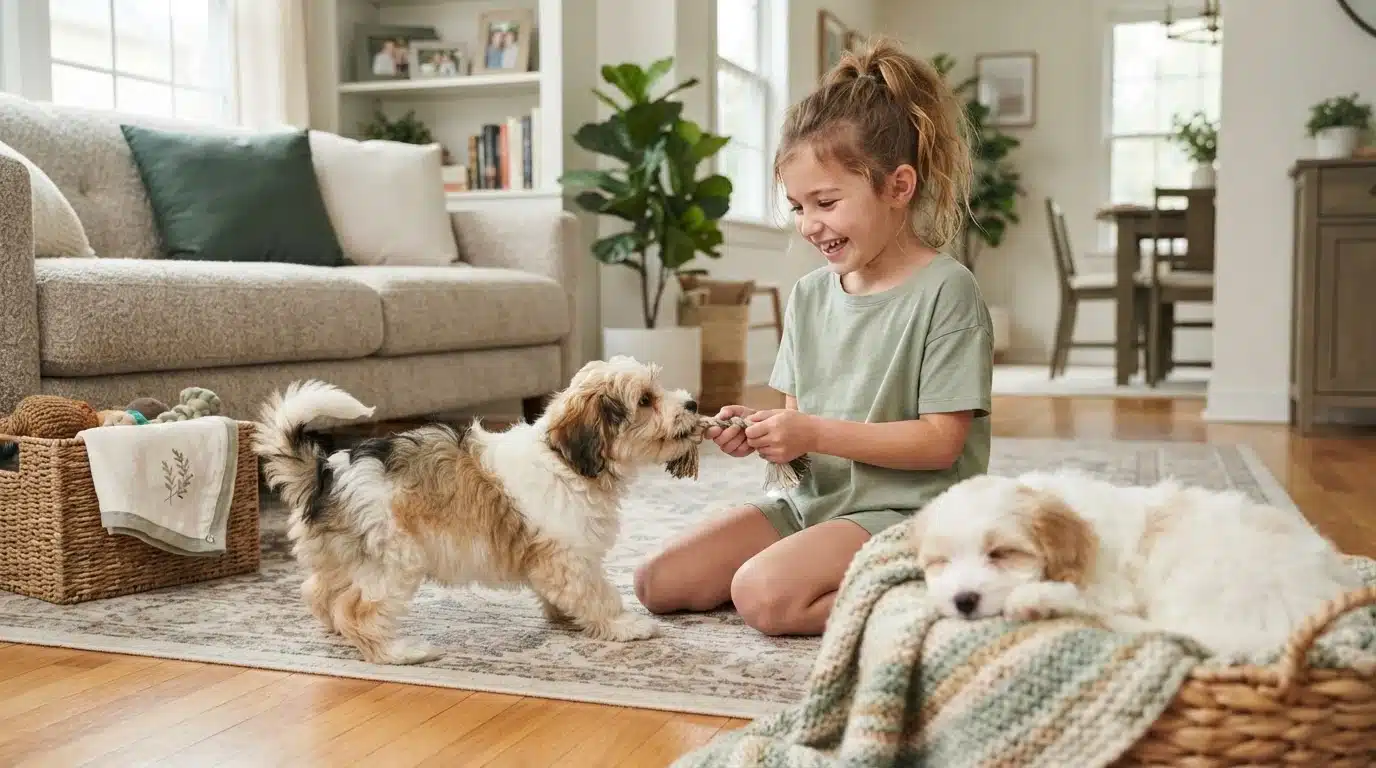
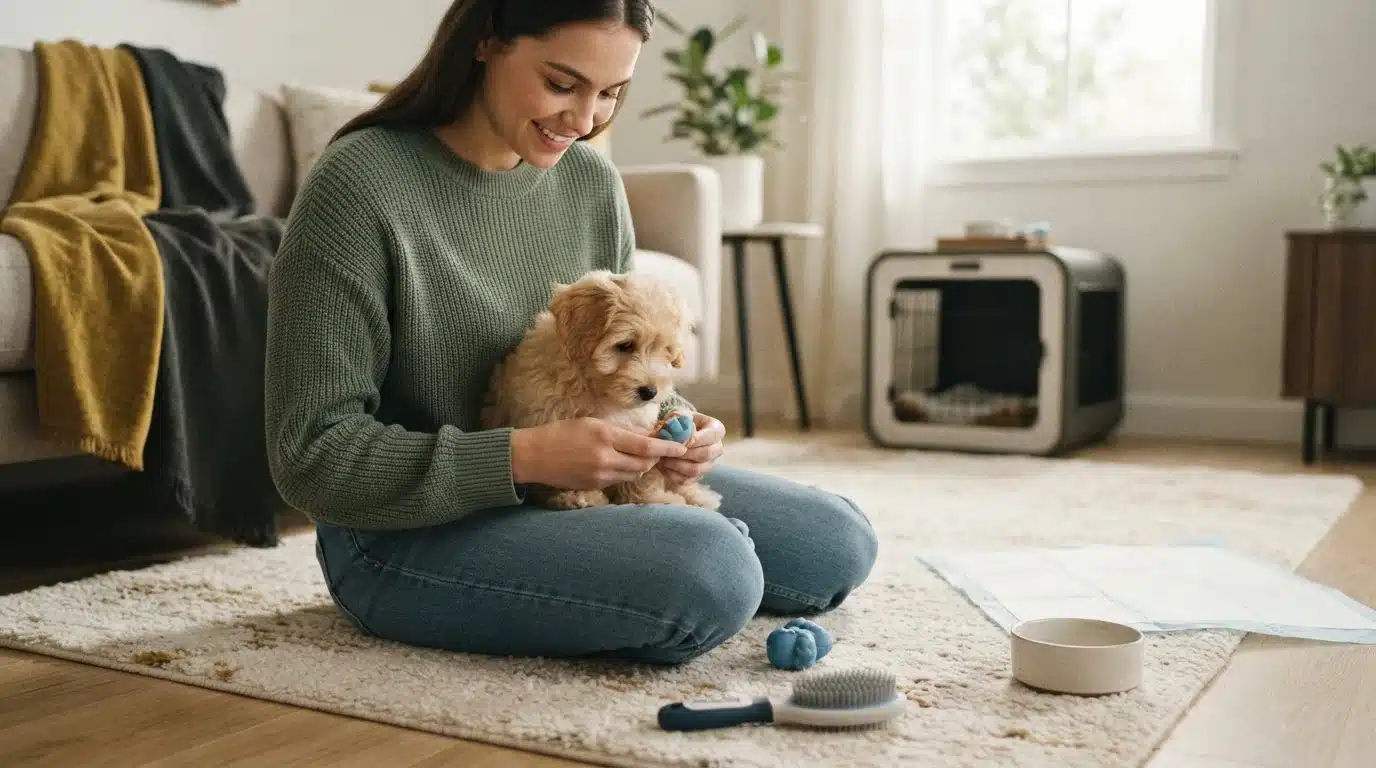
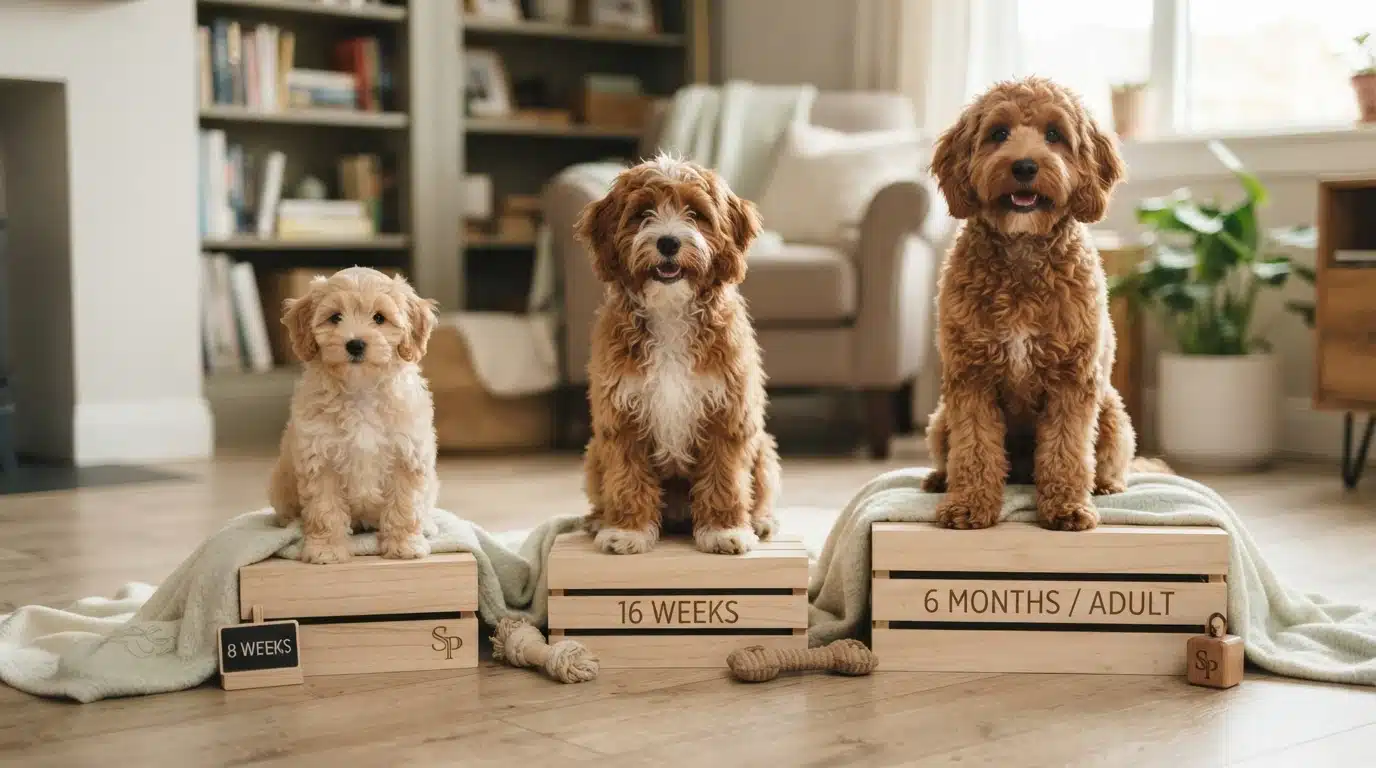
Quick Summary: Small breed puppies under 22 pounds, including Havanese, Havapoos and Cavapoos, need more frequent meals to prevent hypoglycemia, since their tiny stomachs burn energy fast. Training works best with short, reward-based sessions and gentle socialization during the first three months, while grooming, dental care and joint protection become daily priorities. Sage Puppies in South Jordan, Utah, raises these three companion breeds and emphasizes home-raised litters with early handling, offering a calm, family-socialized foundation for first-time owners.
Most first-week puppy panic in our home comes from a five-pound puppy with a sugar crash at 4 p.m., not from a big behavior problem. That one detail changes how you prepare, because tiny breed puppies burn through energy fast and need a simple puppy feeding guide to stay steady. This guide covers the full first year: food schedules, hypoglycemia warning signs, crate routines, socialization and small dog training that works with a small dog’s nature instead of against it. At Sage Puppies in South Jordan, Utah, we raise only Havanese, Havapoo and Cavapoo puppies, so every tip here comes from daily life with these breeds and from questions real puppy families ask us before go-home day.
What Counts as a Small Breed Puppy (and Why Size Changes Everything)
A small breed puppy is any dog expected to stay under about 22 pounds as an adult. The label matters more than it looks, because small dogs eat, train and grow on a different schedule than big ones.
Size Categories and What They Mean Day to Day
Breeders usually sort small dogs into three groups:
- Toy (under 12 pounds): tiny enough for a lap, needs extra care with stairs and rough play.
- Small (12 to 22 pounds): sturdy enough for kids but still easy to travel with.
- Mini (roughly 20 to 35 pounds): the middle ground some families prefer.
Most Havanese land near 10 to 16 pounds, while a Havapoo or Cavapoo can land anywhere from toy to mini depending on the parents. That adult weight affects crate size, food portions and how much space you really need.
Why Small Breed Puppies Are a Family Favorite
Small dogs fit real life. They travel well, adapt to apartments and houses alike, and cost less to feed for a lifetime. For many families, small dog training feels easier too, because a puppy you can lift safely is a puppy you can guide confidently. Breeds like the Havanese were developed as companions, so bonding comes naturally.
The Trade-Offs Worth Knowing Before You Choose
Small bodies come with small margins. Tiny puppies can struggle with low blood sugar, joint stress from jumping, and dental crowding. They also take longer to housetrain than many larger breeds. None of this is a deal breaker, but it shapes how gently and patiently you need to plan that first year.
Feeding Your Small Breed Puppy the Right Way
Small breed puppies burn energy fast, so they need food built for their size and meals spaced through the day. Get both right in the first six months and you avoid the most common rookie mistakes: a picky eater, a gassy pup, or worse, a blood-sugar crash.
What to Feed a Small Breed Puppy
Choose a puppy formula labeled for small breeds. The kibble pieces are smaller, so tiny jaws can chew them, and the calories are more concentrated. Look for a named protein (chicken, turkey, or fish) as the first ingredient, plus a statement that the food meets AAFCO nutrient profiles for growth. A simple diet works best. Switching foods every few weeks usually causes loose stools.
How Often to Feed (and Why Tiny Stomachs Need More Meals)
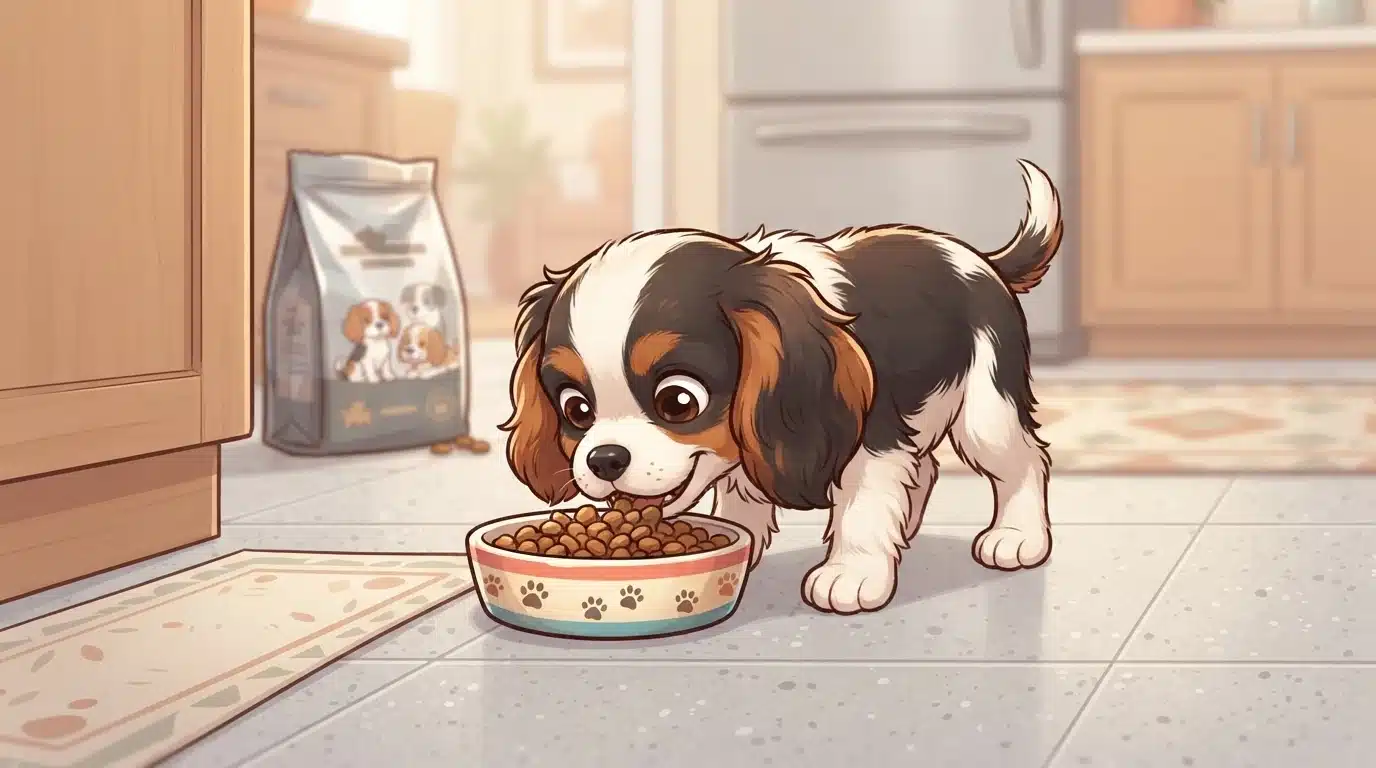
A Havanese or Cavapoo puppy has a stomach the size of a golf ball. Three meals a day, roughly every five hours, keeps blood sugar steady until about six months old. Then drop to two. Never leave a young toy-breed puppy without food for a full day, and know the warning signs of hypoglycemia: wobbling, weakness, or heavy napping that is hard to wake.
Portion Math Without the Guesswork
The bag chart is a starting point, not the final answer. Weigh your puppy weekly and use this quick check:
| Method | How It Works |
|---|---|
| Body check | You should feel ribs under a thin fat layer, with a visible waist |
| Weight tracking | Steady weekly gain means the portion is right |
| Bag guideline | Start on the low end of the chart, then adjust |
Treats, Toppers and “People Food” to Skip
Keep treats under 10% of daily calories. Skip grapes, raisins, onions, chocolate, and anything with xylitol, a sweetener that is toxic to dogs. Skip plain table scraps too, since they teach begging that undermines your small dog training effort before it starts.
Training a Small Breed Puppy With Positive Reinforcement
Small puppies learn fastest when good choices earn good things. Reward-based training builds trust, works gently on tiny bodies, and fits Havanese, Havapoo and Cavapoo temperaments well. Skip the old “alpha” ideas. A puppy that wants to work with you will outperform one that is just avoiding a correction.
The Foundations: Name, Sit, Come, Crate
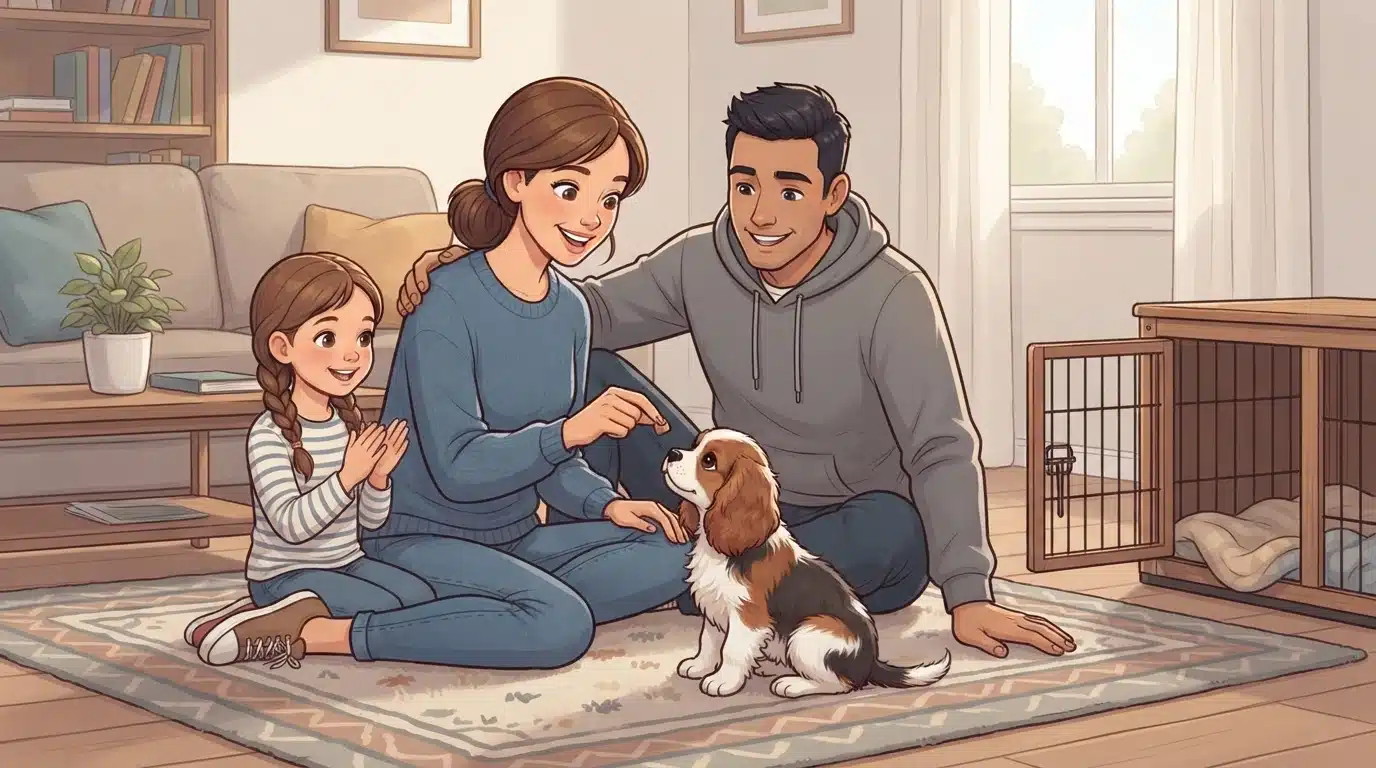
Start with four basics in the first week home. Say the name once and reward eye contact, so the name stays a happy word. Lure a sit with a treat, mark it, and repeat in short bursts. For come, make yourself the best thing in the room. Finally, feed meals inside the crate with the door open so it becomes a nap spot, not a punishment. Two to three minutes per session beats one long one.
Housetraining a Small Breed Puppy
Small bladders mean small windows, roughly one hour per month of age. Take your puppy out after waking, eating, playing, and before naps. Praise calmly the moment they finish outside. Accidents happen; clean them with an enzyme cleaner and never rub a nose in it. A consistent potty spot and a predictable schedule will get you there faster than anything else.
Socialization the Small-Dog-Friendly Way
The first three months shape a dog for life. Introduce new surfaces, sounds, gentle handling, and calm, friendly dogs in small doses. Keep sessions short and upbeat, and let your puppy retreat when unsure. Because small dogs get carried everywhere, also practice loose-leash walks so the world stays familiar from ground level.
Common Small-Dog Behavior Pitfalls (and How to Avoid Them)
| Pitfall | Why It Happens | The Fix |
|---|---|---|
| Barking at everything | Barking gets attention | Reward quiet moments |
| Nipping during play | Overexcitement | Pause play, offer a chew toy |
| Being picked up as a warning | Rough handling history | Pair lifting with treats |
| Jumping on guests | It works | Ask for a sit first |
Small size makes many owners skip rules. Don’t. A Cavapoo jumping on a toddler or a Havanese guarding the couch is still a safety issue. Treat your small dog like a big dog with clear, kind boundaries, and the cute stuff takes care of itself. If you’re preparing for go-home day, our puppy preparation guide covers the supplies and routines to have ready.
Health Essentials: What Every Small Breed Puppy Needs
Small breed puppies stay healthy the same way any puppy does: vaccines, good food, regular vet care. What sets them apart is scale. Everything is smaller, so problems like low blood sugar and dental disease show up sooner and hit harder.
Vaccines, Vet Visits and the First-Year Schedule
Your puppy needs a combination vaccine every two to four weeks between 6 and 16 weeks of age, plus a rabies shot around 12 to 16 weeks, following AAHA’s canine vaccination guidelines. Book the first exam within a few days of go-home day. Bring your vet records so the clinic can plan the remaining doses. If you want a preview, Cassie walks through what to expect at a Havapoo puppy’s first vet visit.
Hypoglycemia in Toy and Small Breed Puppies
Puppies under about five pounds can burn through their blood sugar in hours, especially when stressed or playing hard. Watch for wobbliness, weakness, trembling, or glazed eyes. Rub a little corn syrup or honey on the gums, then call your vet right away. Frequent small meals prevent most episodes. Keep kibble available during the day, and never let a tiny puppy skip meals on a busy day.
Dental Care: The Small-Dog Priority Most Owners Skip
Small dogs crowd 42 teeth into a short jaw, so plaque builds up fast. Gum disease starts early and often leads to tooth loss. Start brushing now, even before adult teeth arrive. Use a soft finger brush and dog toothpaste two or three times a week, then daily once it becomes routine. Ask your vet about dental chews that actually carry a seal of approval.
Bones, Joints and Tracheas: Three Fragile Systems
Little bodies break more easily than they look. Keep puppies off high furniture, use a harness instead of a collar, and stop play that involves jumping from your arms. Support the back end when lifting, and teach kids to sit on the floor for handling. These habits sound small. They prevent the knee, back and throat injuries that small breeds see most.

Grooming and Daily Routines for Small Breed Life
Havanese, Havapoos and Cavapoos have hair that keeps growing, so a little grooming most days beats a big battle once a month. Build short, calm sessions into the routine and your puppy learns to accept handling for life.
Brushing, Bathing and Coat Care
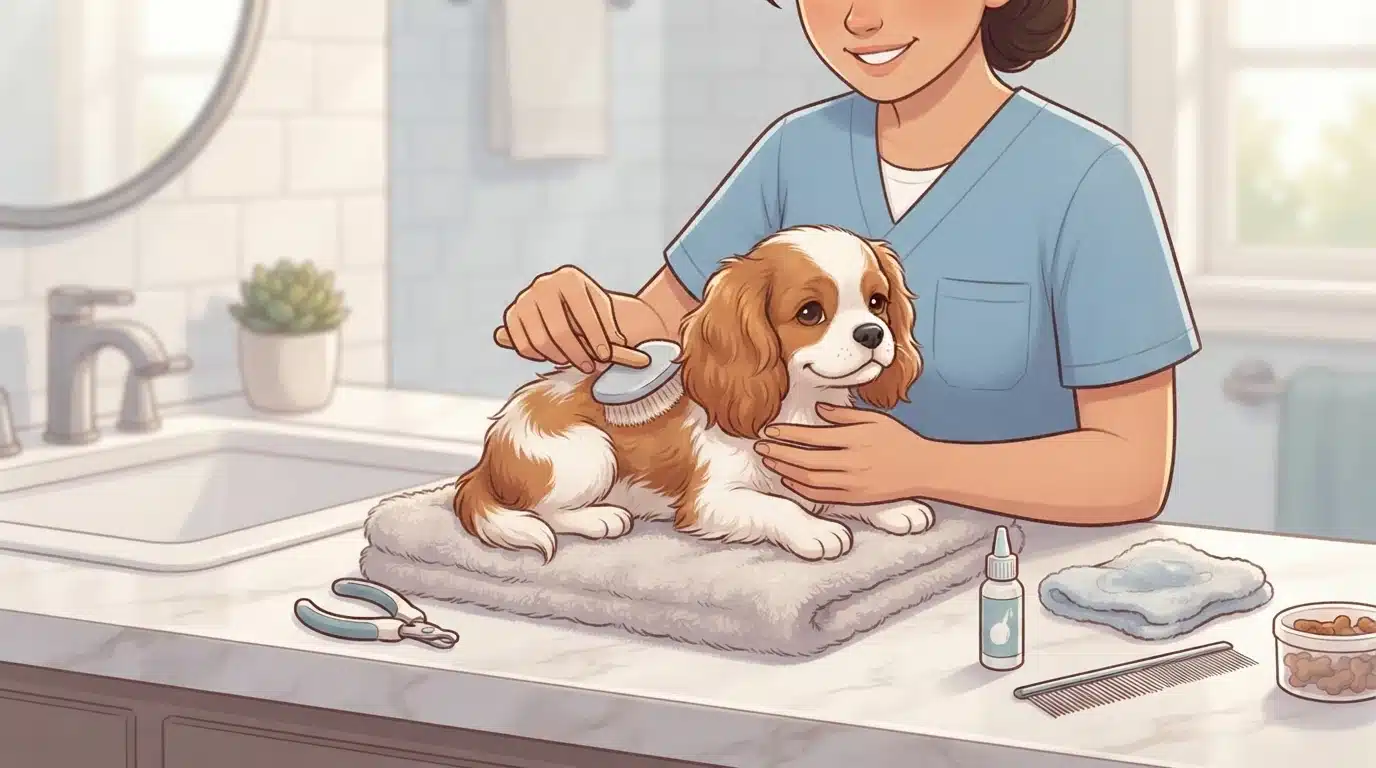
Brush two to four times a week with a slicker brush and a metal comb, working gently to the skin where mats hide behind ears and under leg fur. Check those spots every session. Bathe every three to four weeks with puppy shampoo, then fully dry the coat, since damp hair mats faster. A soft short puppy trim around the face keeps eyes clear between full grooms.
Nails, Ears and Eyes Without the Drama
Trim nails weekly, taking just the tips so quicks never get nicked. Check ears for redness or odor after baths and swimming, and wipe away eye residue daily with a damp cloth. Keep each session under five minutes and end with praise. Small breeds handle care better when it stays brief, boring and predictable rather than a rare big event.
A Sample Day in a Small Breed Household
Morning brings a potty break, breakfast and five minutes of brushing or a quick nail check. Midday offers a short walk or play session, since Havanese and doodle mixes need activity more than marathon exercise. Evening includes another potty trip, dinner, calm cuddle time and a fast once-over of ears and eyes. Consistency matters more than length. Small dogs thrive on the same rhythm every day.
Exercise, Play and Mental Enrichment for Small Breeds
How Much Exercise a Small Breed Puppy Actually Needs
A simple rule works well: about five minutes of structured walking per month of age, once or twice a day. So a four-month-old Cavapoo gets roughly 20 minutes. This is the guideline many vets and trainers use for growing puppies, and it applies to breeds like the Havanese too, as Purina explains. Watch your puppy, not just the clock. If she flops down or starts weaving, head home. Free play in the yard counts, and it lets her stop whenever she wants.
Mental Enrichment Beats Marathon Walks
Small companion breeds rarely need distance. They need thinking work. Ten minutes of sniffing, puzzle feeders, or a simple game of find-the-tire-tire-the-treat can settle a puppy more than a long walk. Rotate a few toys so nothing gets boring, and practice two-minute training sessions for sits, recalls, and name response. Bored small dogs invent their own jobs, and you will not like theirs, like barking at the doorbell for an hour. Sniffy strolls around a new parking lot or trail edge also build calm confidence better than pace ever will.
Choosing the Right Small Breed Puppy for Your Family
The right small breed puppy fits your household’s energy, schedule, and allergies. Three breeds – Havanese, Havapoo, and Cavapoo – all stay small and people-focused, but they differ in coat care, activity, and how they handle busy family life.
Matching Temperament to Your Household
Match the puppy to your daily rhythm, not just its looks. Havanese thrive on constant company and gentle play, so they suit families who are home often. Cavapoos handle active kids well and love a game of fetch. Havapoos blend both, staying playful but adaptable. If your house is loud and full, an easygoing puppy will settle faster than a sensitive one.
Allergies, Shedding and Honest Expectations
No dog is truly hypoallergenic, so plan with facts. Poodles and Havanese shed far less than many breeds, which helps allergy-prone homes. Still, dander and saliva trigger some people regardless of coat. Spend time with the breed before you commit if anyone in your family reacts to dogs.
If allergies are a concern, ask your breeder about F1 vs. F1b generations, since curlier-coated F1b puppies often shed even less.
Why the Breeder You Choose Matters
A good breeder shapes your puppy’s first eight weeks, and that foundation lasts. Health-tested parents, early handling, and clean, home-raised conditions all lower future risk. Ask how puppies are socialized and what comes home with them. At Sage Puppies, every litter is raised in our South Jordan home with daily family contact, because small breeds bond deeply from the start.
Your First Week (and First Year) With a Small Breed Puppy
The First 7 Days at Home
Keep the first week quiet. Your puppy needs one small space, a consistent potty spot, and short, happy handling sessions with every family member, including the kids. Feed the same food the breeder sent home, keep naps frequent, and let everyone practice calm greetings. Skip busy outings until your vet finishes the vaccine series. Small stomachs run on a tight schedule, so plan meals and potty breaks on a timer, not a vibe.
Milestones From 8 Weeks to 12 Months
Most small breed puppies follow a similar first-year rhythm. Around 8 to 12 weeks, expect rapid learning: crate training, potty habits, and bite inhibition improve daily with short practice sessions. Between 3 and 6 months, socialization peaks, so meet gentle dogs, varied people, and new surfaces while your puppy still gains confidence easily. Teething usually peaks near 4 to 5 months, so provide safe chews. By 6 to 12 months, adolescence arrives with a bit more independence. Stay consistent, keep sessions short, and your Havanese, Havapoo, or Cavapoo will settle into a steady adult routine.
When You Are Ready, Here Is the Next Step
Sage Puppies raises Havanese, Havapoo, and Cavapoo puppies in South Jordan, Utah, with pickup or delivery options. Review current availability and pricing, then submit your application to start the matching process.

If a calm, well-bred small companion is what your family is hoping for, Sage Puppies raises Havanese, Havapoo and Cavapoo puppies with owner-managed matching. Start the application today and take the first honest step.
Frequently Asked Questions
Q1: What should you feed a small breed puppy?
Choose a puppy formula made for small breeds. It has smaller kibble and more calories per cup, which fits fast metabolisms and tiny stomachs.
Q2: How often should small breed puppies eat?
Feed three to four small meals daily until about twelve weeks, then three meals. Small puppies burn energy fast and risk low blood sugar between meals.
Q3: What health problems are common in small breed puppies?
Watch for hypoglycemia, dental crowding, luxating patella and collapsed trachea. Regular vet checks, gentle handling and a harness instead of a collar lower many risks.
Q4: When should training start?
Start the day your puppy comes home. Short, positive sessions at eight weeks build habits quickly.
Q5: How much exercise does a small breed puppy need?
A few short play sessions and gentle walks daily are plenty. Avoid long runs while joints are still growing.
Conclusion
A small breed puppy thrives on the same three things: steady feeding to prevent low blood sugar, short and positive training sessions, and gentle socialization during the first months. Havanese, Havapoo and Cavapoo puppies all respond well to this calm, consistent routine, which makes them a strong fit for first-time owners and families with kids. Expect grooming to become part of your weekly rhythm, and keep early vet visits on the calendar. With preparation, patience and realistic expectations, your puppy’s first year sets the pattern for a well-mannered, affectionate companion who fits comfortably into family life.