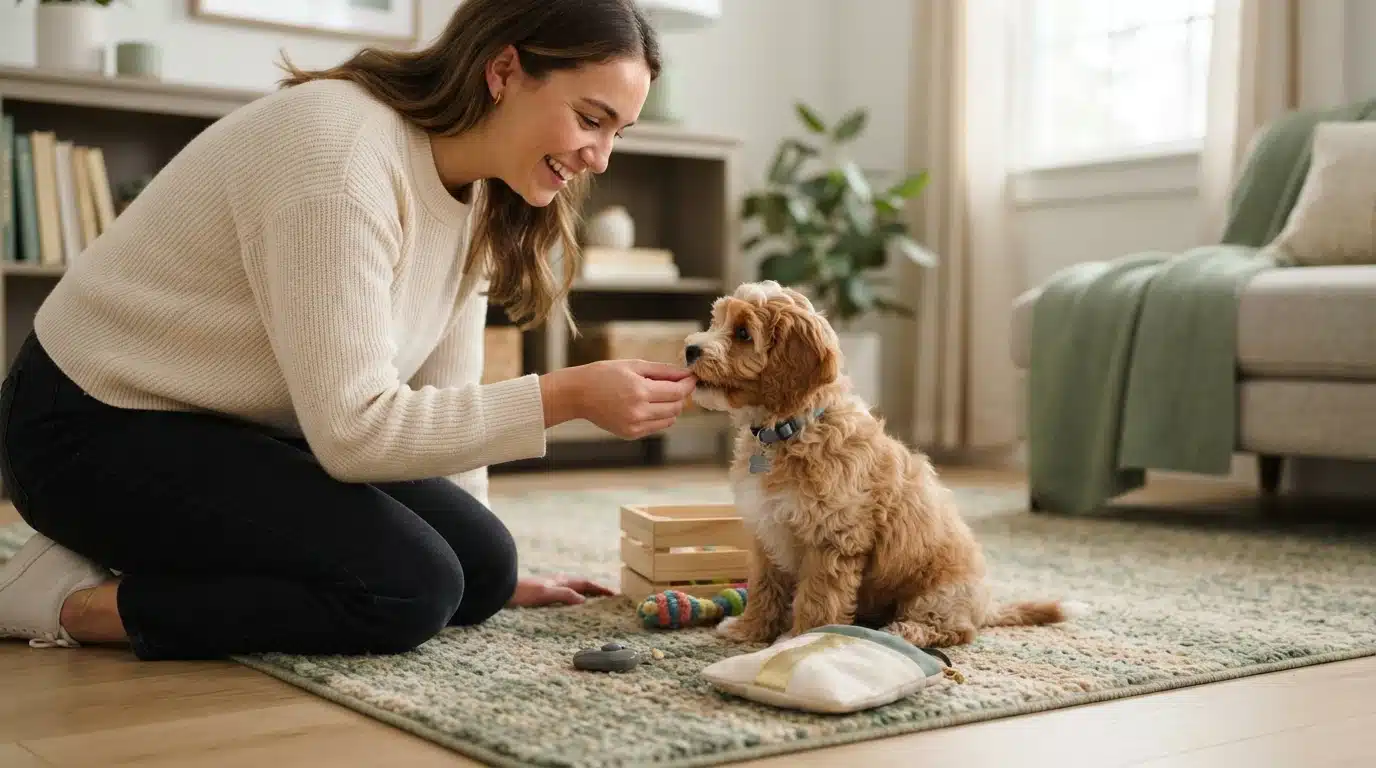
Quick Summary: Both Cavapoos and Havapoos are highly trainable, but their training styles differ: Cavapoos often respond faster to praise and recall, while scents can distract them, whereas Havapoos tend to hold focus longer and redirect more easily. Havapoos need steadier work on being left alone, and Cavapoos can be more independent. Individual temperament, early socialization, and consistent three-to-five-minute reward-based sessions matter more than the breed mix, so the best choice depends on your household and the specific puppy.
At eight weeks, a Havapoo and a Cavapoo can look nearly identical and train like different projects. The Havapoo usually settles into focused obedience work sooner, which is why it often ranks higher on cavapoo trainability comparisons. The Cavapoo gives you eager attention, then wanders off once a scent grabs its nose. Most advice stops at one sentence and a verdict. This guide goes deeper. We break trainability into attention, motivation, distraction tolerance, task type, and separation tolerance, then show how each mix behaves in daily life. You also get a reward-based plan for your first weeks home, plus the breeder questions that help you match the puppy to your household. For easily trained dogs among small breeds, both qualify; the difference shows up in the details.
Cavapoo vs Havapoo Trainability: At a Glance
| Cavapoo | Havapoo | |
|---|---|---|
| Trainability and Focus | Moderate; learns quickly for short focused reps but attention drifts with scents | Moderate to high; tends to hold attention on a task for longer stretches |
| Motivation for Rewards | High; food, praise, and play all register, and the breed is eager to please | High; very responsive to praise and treats |
| Distraction Tolerance | Lower; outdoor scent trails pull focus faster | Moderate to high; typically easier to redirect once distracted |
| Separation Tolerance | Moderate to good; the Cavalier line tends to be more independent than the Havanese line | Lower; the Havanese line is strongly people-oriented and wants company |
| Handling and Grooming Cooperation | Often cooperative, especially once treats are part of the routine | Variable; often cheerful but may need gradual conditioning for restraint |
| Best Fit for Owners | Owners who enjoy scent games and want a dog eager to stay close | First-time owners who want a responsive companion and consistent team practice |
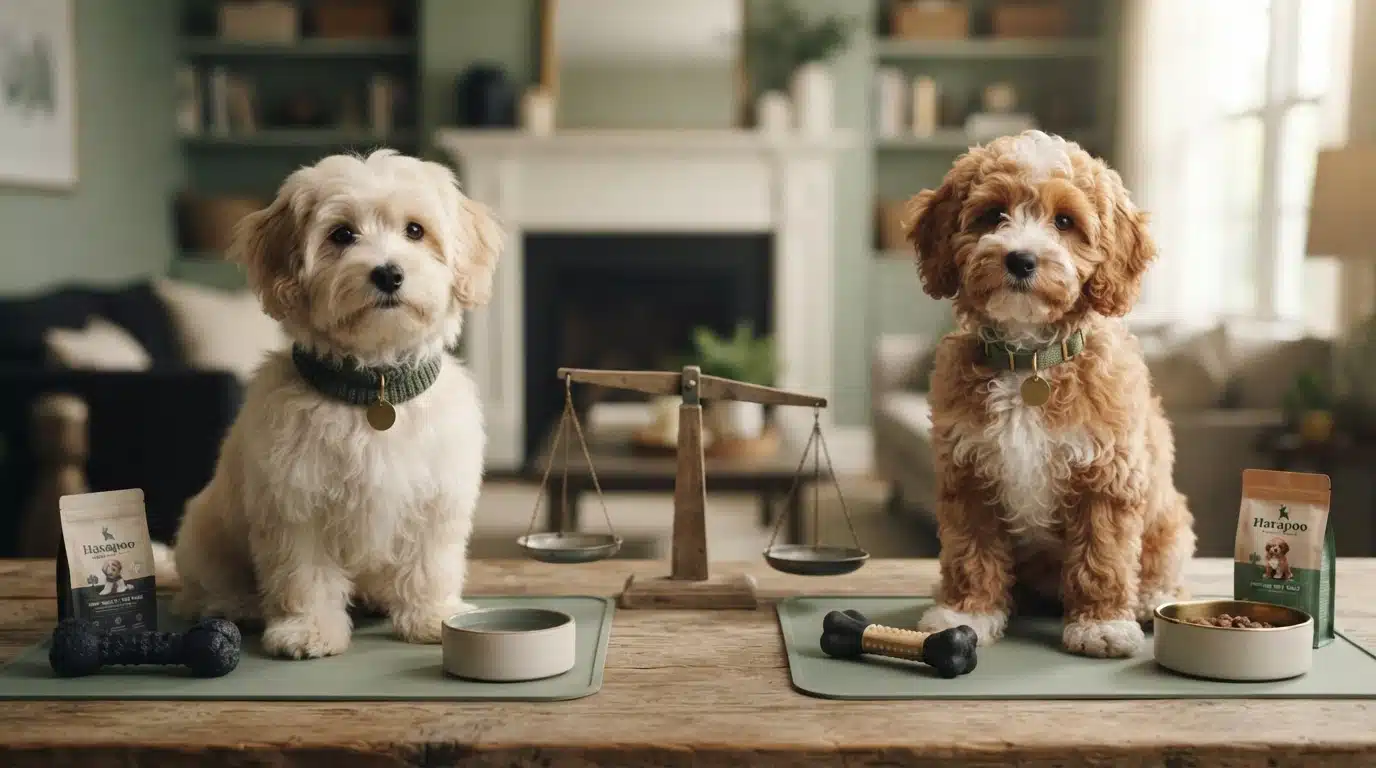
How the Cavapoo and the Havapoo Compare
Cavapoo
A cross between the Cavalier King Charles Spaniel and a Poodle, the Cavapoo pairs people-pleasing eagerness with a spaniel’s scenting instinct. Cavapoo trainability is solid for short, focused reps, though outdoor scent trails can pull attention. It suits owners who enjoy scent games and want a dog that stays close.
Key strengths
- High motivation for food, praise, and play
- Cooperative handling, especially once treats enter the routine
- Separation tolerance tends to run moderate to good
Havapoo
A Havanese-Poodle cross, the Havapoo blends a people-focused companion temperament with poodle mix learning ability. It tends to hold attention on a task for longer stretches, making it one of the more trainable small dogs for first-time owners. It fits families ready for consistent team practice and steady company.
Key strengths
- Strong response to praise and treats
- Easier to redirect once distracted
- Cheerful grooming attitude, with gradual conditioning for restraint
Which Puppy Is Easier to Train: Cavapoo or Havapoo?
The Short Answer, With the Honest Qualifications
Most families find Cavapoo trainability slightly ahead, mostly because the Cavalier King Charles Spaniel side is famous for eagerness to please. A Cavapoo often watches you for the next cue and repeats what earns praise. But the gap is small, and it shrinks with good timing and treats. A Havapoo learns just as fast once you find what motivates it. Individual breeding, early socialization, and your consistency matter more than the mix itself.
Why the Parent Breeds Behave Differently in Training
Both mixes share a Poodle parent, so poodle mix learning ability is strong on either side. The difference sits with the other half. Cavaliers work for human approval, which makes reward-based puppy training feel almost automatic. Havanese are clever and cooperative too, but they were bred as alerting and companion dogs, so they bring more independent watchfulness and a busier mind. That energy can show up as barking or distractibility until you channel it. Their strong scenting drive also means sniffing sometimes beats sitting on cue. As this Havapoo and Cavapoo comparison notes, the non-Poodle parent shapes the daily temperament.
Where Individual Puppies Overrule the General Rule
Any puppy can flip the script. A bold Havapoo from people-focused parents can out-train a shy Cavapoo. Ask a breeder how each parent responds to handling, noise, and new places, then meet the litter. Some families start early with Cavapoo training needs, which helps whichever puppy comes home.
Attention and Motivation: What Each Mix Brings to a Session
Training success starts with two things: how long your puppy holds attention, and what actually makes the effort worth it to the dog. The two mixes differ here in small but useful ways.
How Long Attention Actually Holds
A young puppy of either mix stays focused for a few minutes at a time, not a full class period. The Cavapoo usually locks onto you and works steadily while you keep sessions short and upbeat. The Havapoo, with Havanese in the mix, tends to check in constantly, watching your face for the next cue. Both breed lines were built to work with people, which is why both rank among the most trainable small dogs. Keep sessions to three to five minutes and repeat them often.
What Actually Motivates Each Breed
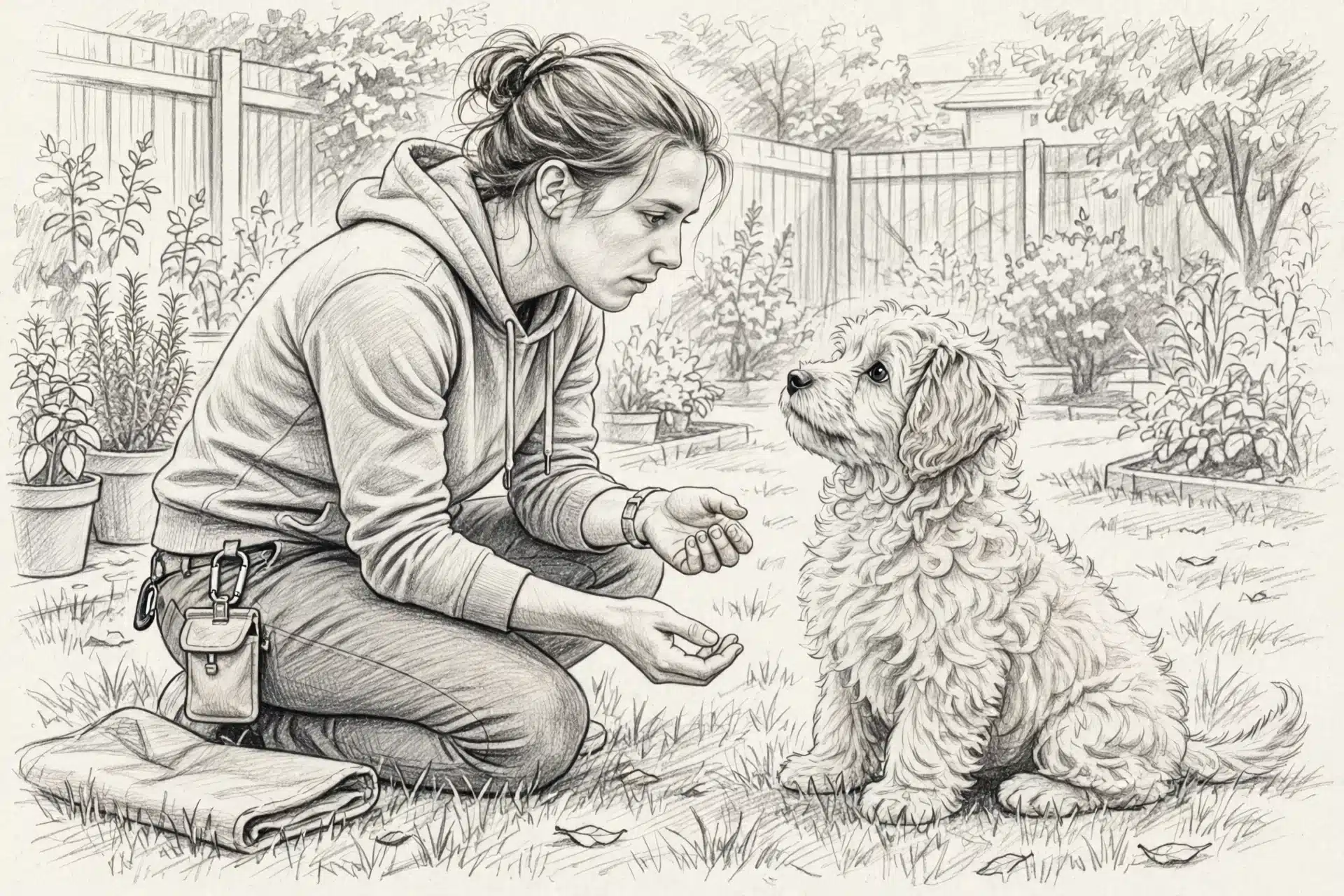
The Cavapoo’s Cavalier side is famously eager to please, so your praise alone carries real weight; the AKC describes the Cavalier as “very eager to please their human.” Food still speeds things up, especially for new cues. The Havapoo leans harder on the relationship itself. It wants to be near you and will work for attention, play, and food in about equal measure. The poodle in both mixes adds problem-solving drive, so puzzle toys and simple trick chains keep either puppy engaged.
Recovering From a Mistake Without Losing the Dog
Both mixes are sensitive, so a raised voice can stall progress for days. If your puppy blows a cue, stay quiet, reset, and pay the next correct try. A Cavapoo usually recovers with soft praise; a Havapoo often just needs you to cheer up and restart the game. That’s why reward-based puppy training matters more here than with sturdier breeds: you’re training a companion that reads your mood closely, and your calm is part of the reward. This same gentle approach shows up in how we match puppies to families at Sage Puppies.
Task by Task: Recall, Loose-Leash Walking, and House Training
Training success depends on the task, not just the breed. Here is how each skill plays out with a Cavapoo versus a Havapoo, and what to do about it.
Recall and Response to Name
Cavapoos usually win the name game first. The Cavalier side wants to please, so a happy “come” plus a treat lands fast. Havapoos take a bit longer because the Havanese eye checks in with you before deciding whether to obey. Teach recall in a hallway, then a fenced yard, before you trust either breed off leash. Reward every single response for the first few weeks, and never call your puppy over for something unpleasant, like a bath.
Loose-Leash Walking and Public Distraction
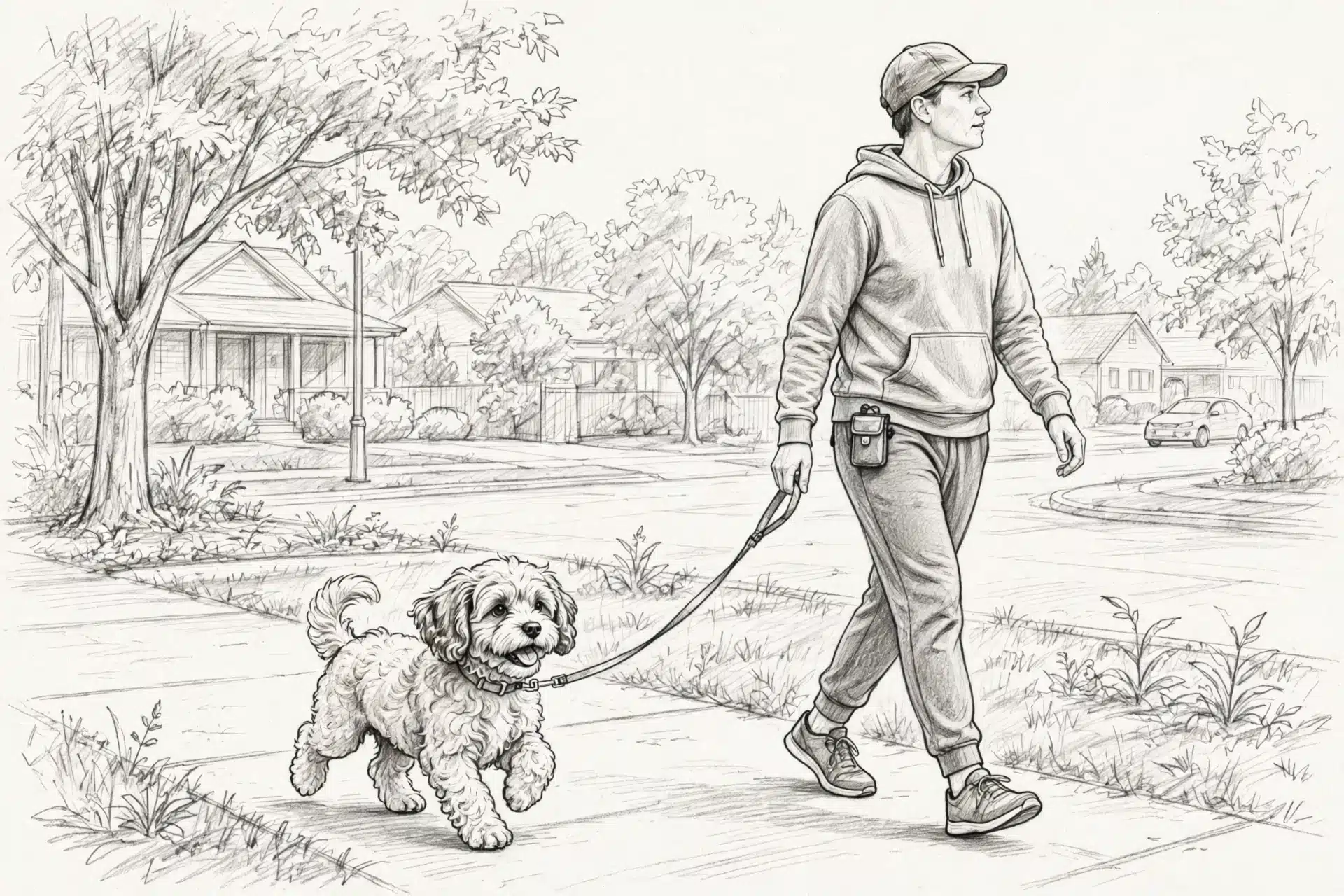
On a quiet street, both breeds walk reasonably well within a month. Distraction is where they split. A Havapoo may stall or spin to face you when a stranger approaches, while a Cavapoo is more likely to forge ahead, nose down and following scents. Keep sessions under ten minutes. When the leash tightens, stop and wait for slack, then move again. Consistent stops teach both puppies that pulling gets them nowhere.
House Training Routines That Fit Each Temperament
House training rewards consistency more than breed choice. Take your puppy out after every nap, meal, and play session, since young puppies need breaks as often as veterinary guidance suggests. Havapoos often signal at the door early; Cavapoos may quietly wander off instead, so supervise closely and reward outdoor potty with praise and a small treat. Our beginner training tips walk through the first-week routine step by step.
Socialization and Handling: Cooperation at the Groomer and the Vet
Both breeds need regular grooming and routine vet care, so early socialization is not optional. The goal is a puppy who accepts handling calmly instead of just tolerating it.
New People, New Surfaces, No Rush
Introduce your puppy to a wide mix of people, places, and textures before sixteen weeks, the peak window for puppy socialization. Walk on metal grates, carpet, tile, and grass. Let calm strangers offer treats. Keep each visit short and upbeat, and let your puppy watch first if it seems unsure. Havanese and Cavalier lines both tend toward friendliness, but every puppy moves at its own pace.
Cooperative Handling for Grooming and Exams
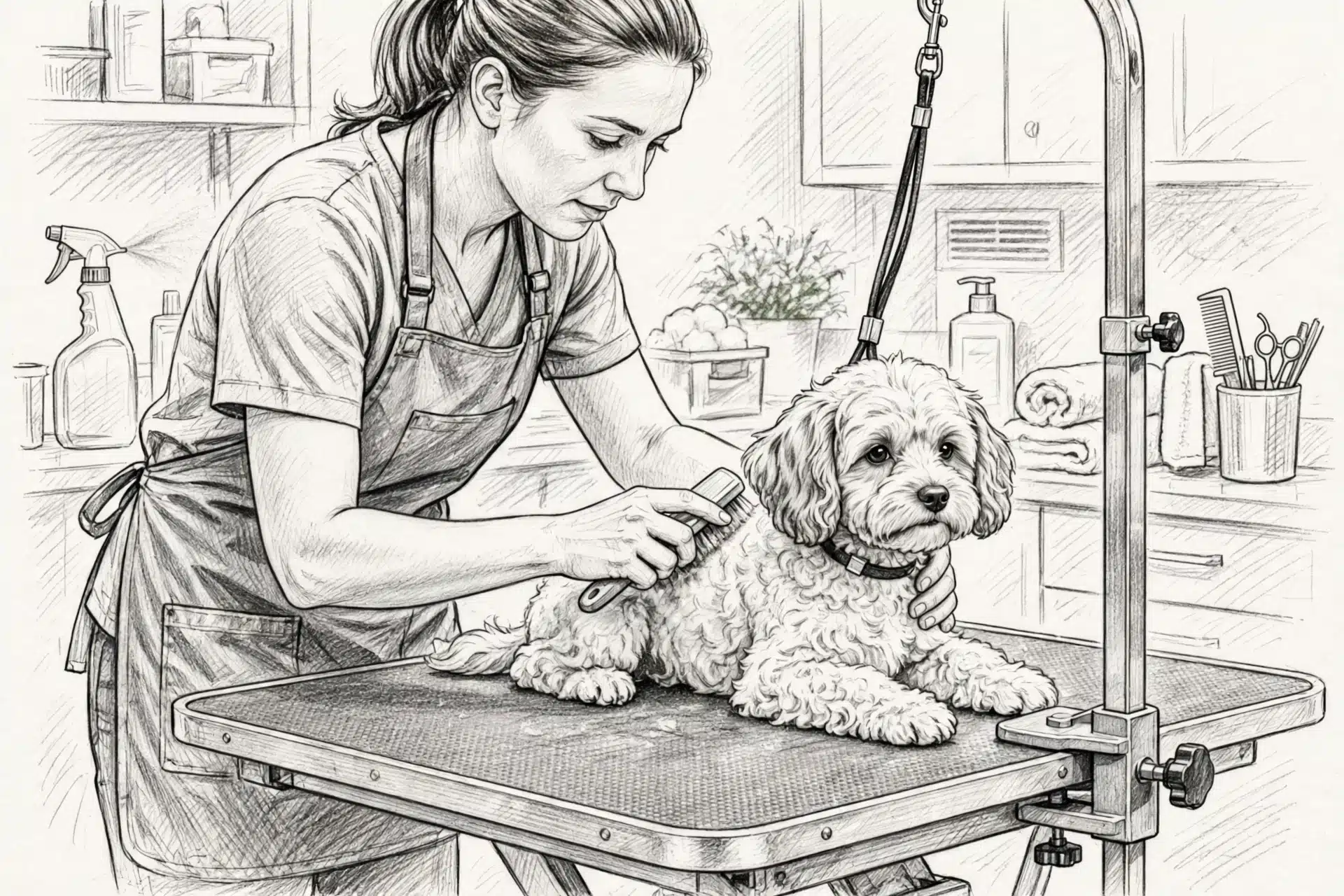
Teach your puppy to choose cooperation. Touch an ear, then treat. Lift a paw, then treat. Rest your hand on its back, then release. Poodles and Havanese both need frequent coat care, and Cavapoos shed less but still need brushing. Practice holding still for a brush, a nail trim, and a quick body check. When the real vet visit comes, the routine already feels familiar.
Children, Guests, and Busy Households
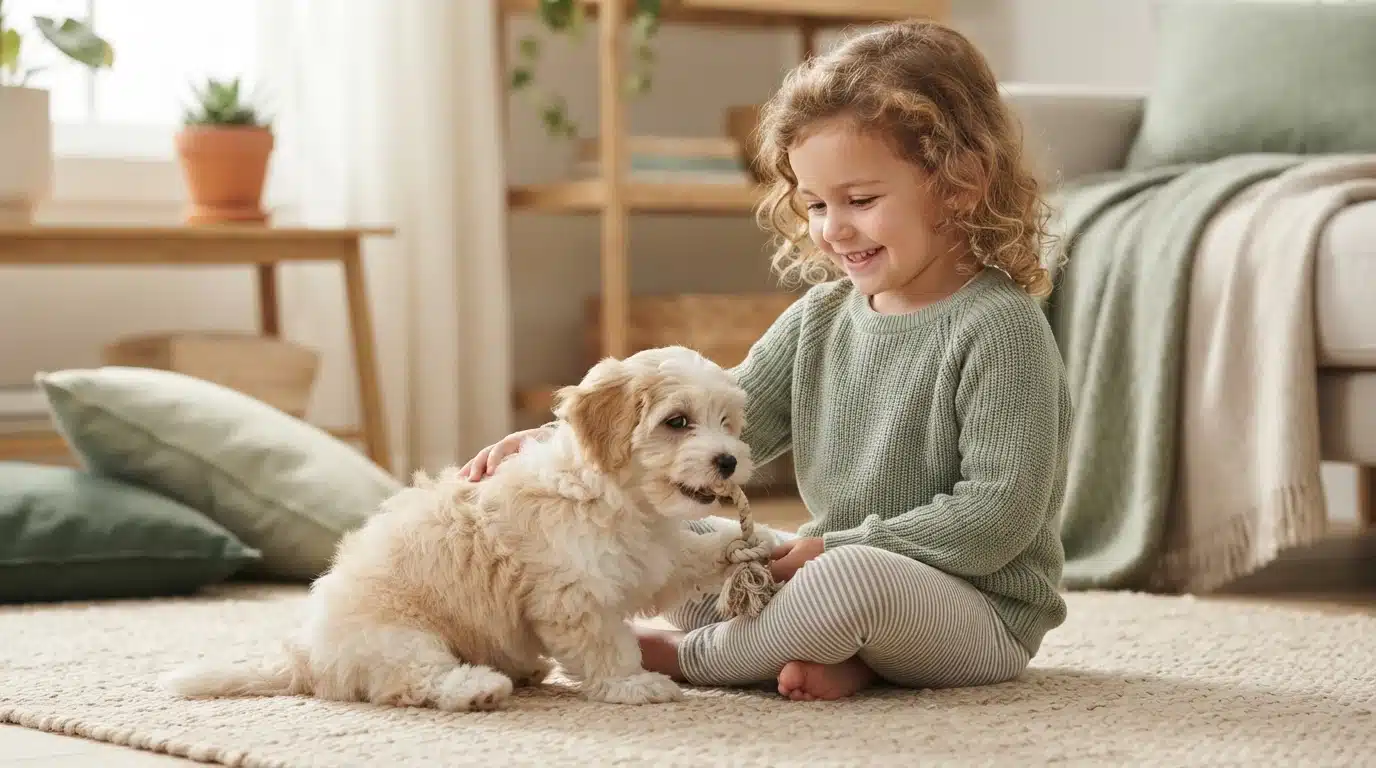
Both breeds want to be where the family is, which makes household socialization easier. Have children sit on the floor instead of looming over the puppy. Ask guests to greet calmly and ignore jumping. In a busy Utah home or a quiet apartment, the pattern is the same: predictable, gentle handling builds a puppy who cooperates for life.
Separation Tolerance: The Training Difference Most Buyers Miss
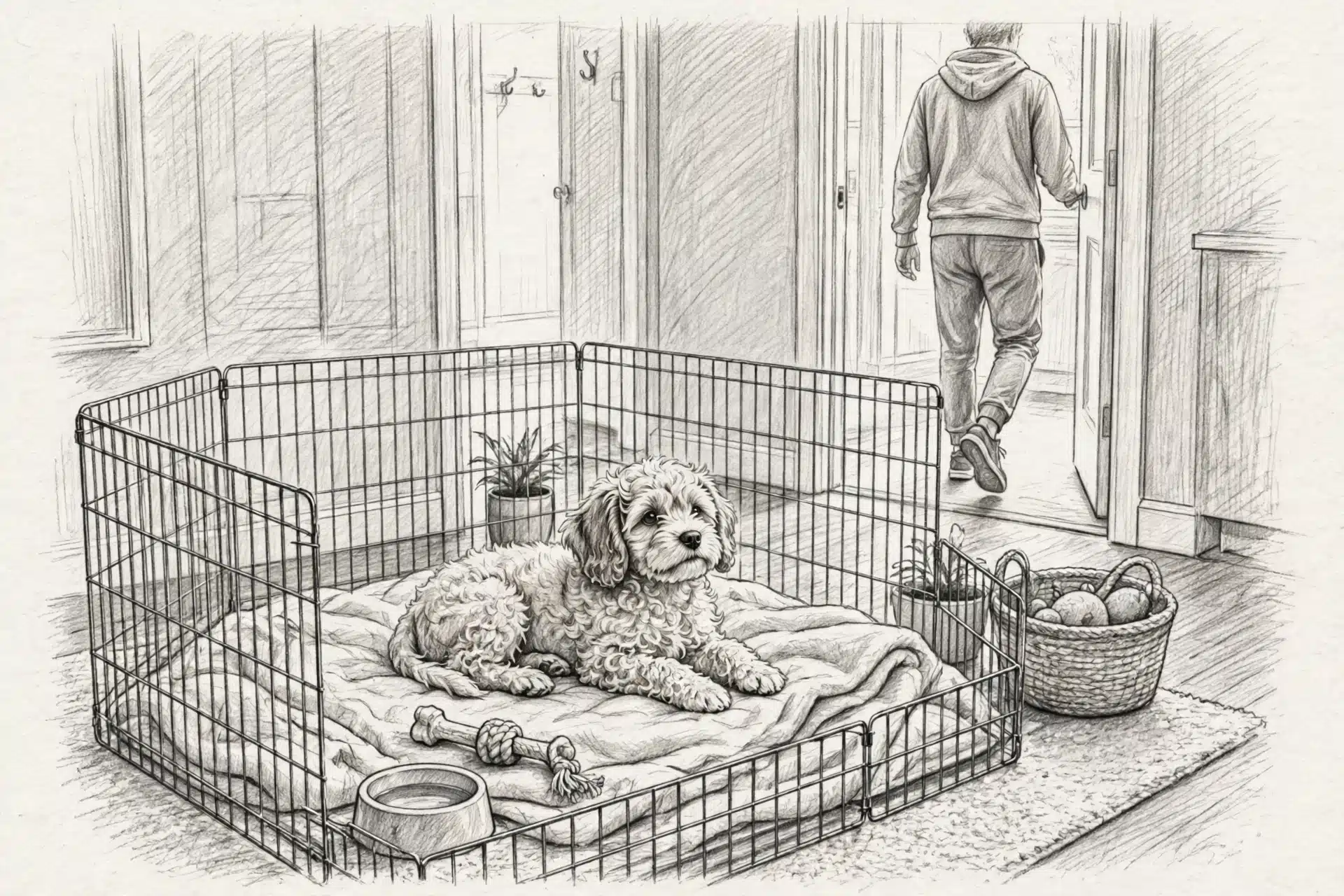
So which breed needs more separation training? The Havapoo, usually. The Havanese parent line was bred to shadow its people, so Havapoo puppies bond fast and notice your absence faster. Cavapoos enjoy company too, but the Cavalier side is a bit more relaxed about downtime. Both can learn to stay calm alone; the Havapoo simply needs a steadier start.
Why the Havapoo Line Needs More Conditioning
Velcro dogs make wonderful companions but poor first-alone students. Havanese lines are known for deep attachment, which is why breed trainers stress early, short absences over long ones. If you skip this step, barking and pacing can set in within weeks.
Building a Gradual Alone-Time Routine
Keep it boring and predictable. Step out for 30 seconds, return without fuss. Next, five minutes. Then a full room, then a short drive. Repeat each stage until your puppy barely lifts his head. Slow wins.
When Separation Distress Needs Professional Help
Drooling, destroyed doorframes, or crate escape attempts are panic, not naughtiness. Call your vet and a certified trainer rather than pushing through. Relief usually comes from a structured plan, not more willpower.
Choosing a Breeder Who Answers Training Questions Honestly
A good breeder talks about training in specifics, not slogans. If every answer is “they’re so smart,” keep looking. Someone who knows each litter can tell you which puppy leans clingy, which one follows a scent, and how early experiences shape both.
Questions That Reveal Real Training Preparation
Ask these and listen for details:
- Which puppies in this litter handle new sounds and handling calmly?
- Have any shown strong clinginess or early worry when alone?
- What have they already learned before pickup, like crate naps or a name?
- How do you match a puppy’s energy to a family’s schedule?
Honest answers include limits. A breeder who says “this pup will need more patience with house training” is more useful than one who promises a perfect puppy.
How Sage Puppies Handles This in South Jordan, Utah
Because the program is small and owner-run, Cassie Milar tracks each Havanese, Havapoo, and Cavapoo puppy through early socialization and cooperative handling from birth. Matching starts with your application: your schedule, kids, and experience. She points first-time owners toward the steadier pup and flags the higher-drive one for a family with time to train. You can ask these exact questions and get a real answer, not a script.
What Support Looks Like After Pickup
Ask how the breeder helps once you’re home. Look for written feeding and potty guidance, a health record with dates, and a willingness to field training questions in the first weeks. Local Utah families get pickup-day coaching; delivered puppies need the same notes in writing. A breeder who stays reachable after money changes hands is showing how they work before you commit.
Which Should You Choose: Cavapoo or Havapoo?
Neither breed is universally easier to train. The better question is which puppy’s motivation style fits your household, then how well an individual pup matches it. Use these five questions to size up any puppy:
- Does this pup check back with you during play?
- Does food or praise restart its energy fastest?
- How quickly does it recover from a startle?
- Does it settle after a short play burst?
- Can it hold eye contact for two seconds on cue?
Choose a Havapoo If Training Consistency Is Your Top Priority
The Havanese side brings sharp attention and a strong desire to stay close, and the poodle mix adds quick learning. That combination rewards a steady routine: short sessions, the same cues, the same rewards. If your family can agree on one training plan and stick to it, a Havapoo usually picks up house rules fast. Sloppy or inconsistent practice slows this pup down more than it would a more easygoing breed.
Choose a Cavapoo If Engagement and Scent Fun Matter More
Cavalier King Charles Spaniels were bred to be keenly tuned to people, and that eagerness to please makes training feel like play. The Cavalier nose adds scent games that burn mental energy, which helps on rainy days. If you want a puppy that works eagerly for praise and fun sniffing activities, the Cavapoo fits. Just stay gentle; Cavaliers shut down under harsh correction.
The easiest puppy to train is the one whose attention style matches yours. Match the dog to your habits, not the breed to a ranking. At Sage Puppies, we help families compare individual puppies during the matching process.

Whichever breed you choose, early training matters more than the verdict. Both mixes learn fast with patient, reward-based sessions. Ready to meet your match? Apply at Sage Puppies for Utah pickup or nationwide delivery of a well-bred Havapoo or Cavapoo puppy.
Frequently Asked Questions
Q1: Which is easier to train, a Cavapoo or a Havapoo puppy?
Both are trainable small dogs, so the gap is small. Cavapoos often respond to cues faster because of the Cavalier’s eagerness to please, while Havapoos hold attention longer. Your consistency matters more than the mix.
Q2: Are Cavapoos easier to train than Havapoos?
Often slightly, for name response and recall. But scents can pull a Cavapoo off task, so the advantage depends on the skill and the individual puppy.
Q3: What are the main Cavapoo vs Havapoo temperament differences for training?
Cavapoos work eagerly for praise but follow their nose outdoors. Havapoos check in constantly, redirect more easily, and need steadier alone-time practice.
Q4: How long should training sessions be?
Keep them to three to five minutes, repeated often. Both mixes learn best through short, upbeat, reward-based sessions.
Q5: Can a Havapoo be left alone while you work?
Gradually, yes. Build alone time in small steps, starting with seconds. Ask your breeder which puppies in the litter showed early independence.
Conclusion
Both mixes are easily trained dogs, so the real difference is style, not ability. The Cavapoo offers eager attention and fast praise response, but scents can pull it off task. The Havapoo holds focus longer and redirects more easily, yet needs steadier alone-time practice. Poodle mix learning ability runs strong on either side, and your consistency matters more than the mix. Reward-based puppy training, short sessions, and early socialization will shape either puppy into a cooperative companion. Match the puppy’s attention style and energy to your household habits, then choose the individual pup that checks back with you, recovers quickly, and settles easily.