Quick Summary: Cavapoo coat color changes are genetic, with most puppies fading between 6 weeks and 2 years as the soft baby coat gives way to a denser adult coat. Reds and apricots usually lighten the most, creams change least, and blacks may turn silver or diluted blue, so a dark puppy photo does not predict its final shade. Parents’ pedigrees, earlier litter photos at 6 months and 2 years, and consistent natural-light photos offer the best clues, but even Sage Puppies’ documented litters cannot guarantee an exact adult color.
Cavapoo coat color changes can surprise you. The apricot puppy at eight weeks may be nearly cream by age two. A black pup with one white sock can carry a tiny silver fleck that spreads into a full salt-and-pepper saddle before its first birthday.
That gap between the baby coat and the adult coat trips up many buyers. Photos of the puppy tell only half the story. This guide explains why Cavapoo coat color changes happen, how the poodle fade allele works, and what each common color tends to become with age. You will also get a simple timeline and a way to read pedigree clues, so you can look at one specific puppy instead of guessing from a picture. Cassie Milar of Sage Puppies in South Jordan, Utah, has documented these shifts across her own litters.
Why a Cavapoo’s Coat Color Changes as the Puppy Grows
Cavapoo coat color changes because of genetics, not grooming or sun exposure. Most puppies carry a fade allele inherited from the poodle side, which lightens the adult coat between 6 weeks and 2 years of age. That means the red, apricot, or black puppy in a litter photo often looks like a completely different dog as an adult. Knowing the mechanism helps you predict what your puppy will become.
Where the Color Comes From: Two Breeds, Two Sets of Alleles
A Cavapoo inherits one set of coat genes from the Cavalier King Charles Spaniel and one from the poodle. Cavaliers contribute solid rich colors and the four traditional coat patterns, while poodles contribute fading, dilution, and curl. Which alleles your puppy gets depends on the parents’ genotypes, not the puppy’s current color. This is why Cavapoo coat color changes can surprise owners who judge only by a photo.
The Fade Allele and Why It Is Recessive
The poodle fading gene in Cavapoos sits on the progression (PS) series of alleles, and the fading version is recessive to the solid (SW) allele. A puppy needs two copies, one from each parent, to visibly fade. Carriers with one copy show rich color but can pass fading to their own puppies, which is why the parents’ color history matters more than their appearance.
Silver and Dilute Genes: Look Different, Fade Different
Dominant silver works differently from the fade allele. It is dominant, and it lightens black pigment gradually over several years, producing a diluted blue or true silver adult. Because the timelines differ, a Cavapoo that seems to have stopped fading at one year can still be changing. Ask a breeder about both genes when reading a pedigree.
How Each Cavapoo Coat Color Ages
Each adult color follows its own path, so a red Cavapoo puppy and a cream one do not fade the same way. Will my red Cavapoo puppy turn cream? Sometimes, but not always, and the difference comes down to how many fade alleles your puppy inherited. Likely outcomes:
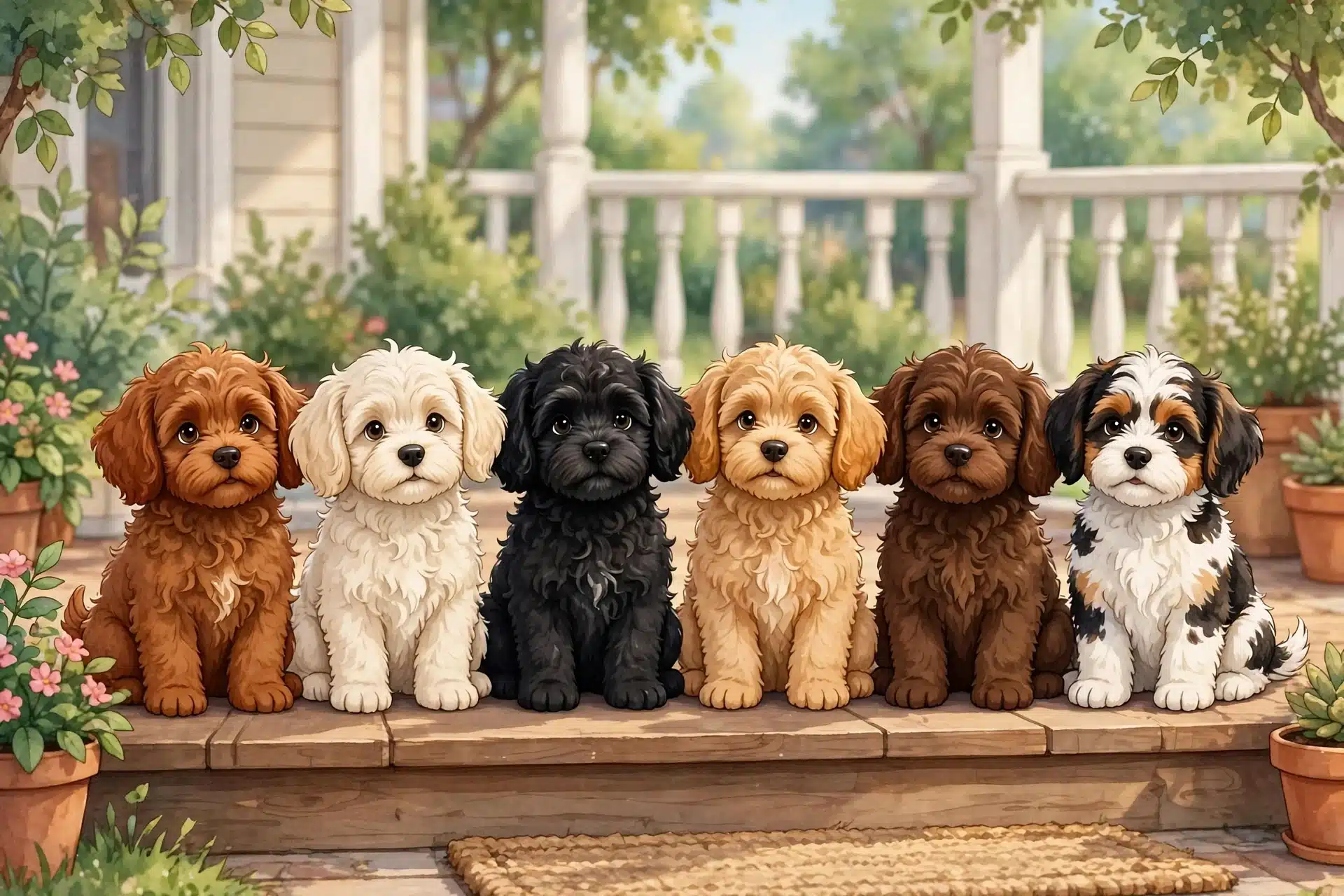
- Strong fade genes: deep red can soften to apricot, then to light cream by age two.
- Moderate fade genes: the coat settles at apricot or a warm light red.
- No fade genes: the red stays rich, with only mild lightening on the ears and face.
Red and Apricot: The Most Dramatic Change
Reds fade the most. A chocolate-dark red baby coat can lose several shades within the first year, settling at apricot or cream. Apricots usually fade one step lighter, and many keep warm coloring around the ears. Watch the ears and the roots of new hair, since they hint at the adult coat better than the fluffy body fur does.
Cream and Light Shades: The Slowest Fades
Creams, whites and champagnes change the least because there is little pigment left to lose. A cream puppy tends to look almost identical at eight weeks and at two years, apart from a warmer or duller cast as the adult coat comes in. Slight yellowing near the ears is normal and usually evens out.
Black, Black and White, and Chestnut
Solid blacks often surprise new owners. Many carry the progressive graying gene from the poodle side, so the coat lightens gradually to silver or blue by age two or three. You can sometimes spot this early as pale hairs at the paws or muzzle. Black and white parti coats hold their pattern but the black patches may soften. True chestnuts, a deep reddish brown, usually keep their depth better than reds, though the tips can bleach in sun.
Sable, Merle, Silver and Blue
Sables fade noticeably. The dark tipping on the head, ears and back thins out, and the puppy often grows into a lighter gold or cream coat with dark points left on the ears. Merle patterning stays put; the mottled patches simply lighten along with the base color. Silvers are born black and clear over two years into a pale diluted blue, one of the slowest transformations in the breed. A beginner’s guide to your first Cavapoo covers how to judge a puppy’s adult color from litter photos and the parents.
Blenheim and Tricolor Patterns
Blenheim markings, white with chestnut patches, keep their pattern for life, though patches may fade a shade. Tricolor Cavapoos usually retain the tan points and white chest, so the pattern stays clear even as the base color softens.
The Timeline: When the Change Actually Shows
Most Cavapoo puppy coats change color on a fairly predictable clock. Here is how it usually unfolds:
- Birth to 8 weeks: the baby coat shows its strongest color
- 3 to 6 months: fading often begins at the muzzle and paws
- 6 months to 2 years: the visible fade happens
- After 2 years: the adult coat settles in place
Birth to Eight Weeks: The Puppy Coat
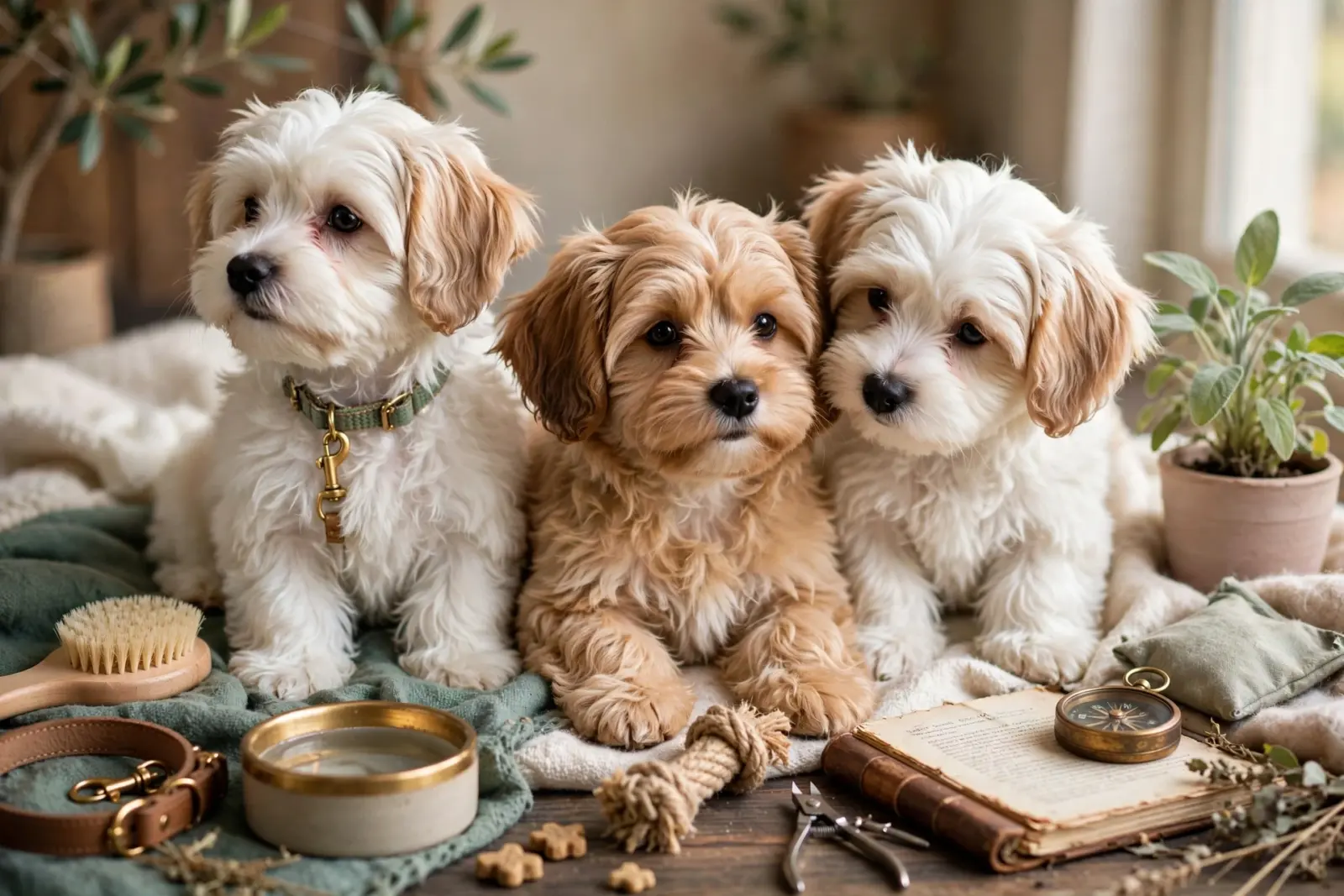
Newborn Cavapoos are often darker than they will stay. A red pup can look almost mahogany, and black puppies look glossy and solid. This baby coat is short, dense, and soft. Breeders’ litter photos at this age capture the deepest color your puppy will likely ever show.
Three to Six Months: The Coat Begins to Shift
Somewhere in this window, many Cavapoos start to lighten. The change usually shows first around the muzzle, ears, or paws, where the hair is shortest. Some owners mistake it for dirt wearing off. It is not. The fade allele inherited from the poodle side is simply starting its work.
Six Months to Two Years: The Visible Fade
This is when the real change happens. Reds and apricots often drift toward cream or pale gold, blacks can soften to blue or silver, and sables may lose most of their dark tipping. The pace varies a lot between puppies, even within one litter, so comparing notes with your breeder helps.
Beyond Two Years: Settling Into the Adult Coat
By about two years old, most Cavapoos reach their final shade. Small shifts can still occur with sun exposure and grooming, but the dramatic fading is done. What you see now is close to what you will keep.
Reading Color Expectations From a Pedigree and Litter Photos
Can you predict a Cavapoo puppy’s adult coat color? Yes, within limits, using three inputs: both parents’ colors and textures, photos of the puppy’s earlier litters, and well-lit photos of the puppy itself. No single clue is certain, but together they narrow the range a lot.
What Both Parents’ Colors Tell You
Parent colors show which fade alleles each dog can pass on. A red or apricot parent often carries the poodle fading gene, so red cavapoo fading is common even when the puppy looks deeply colored at 8 weeks. A solid dark parent paired with a light partner can still produce sable, merle or Blenheim-marked puppies. Think in ranges, not promises.
Using Earlier Litters as the Best Evidence
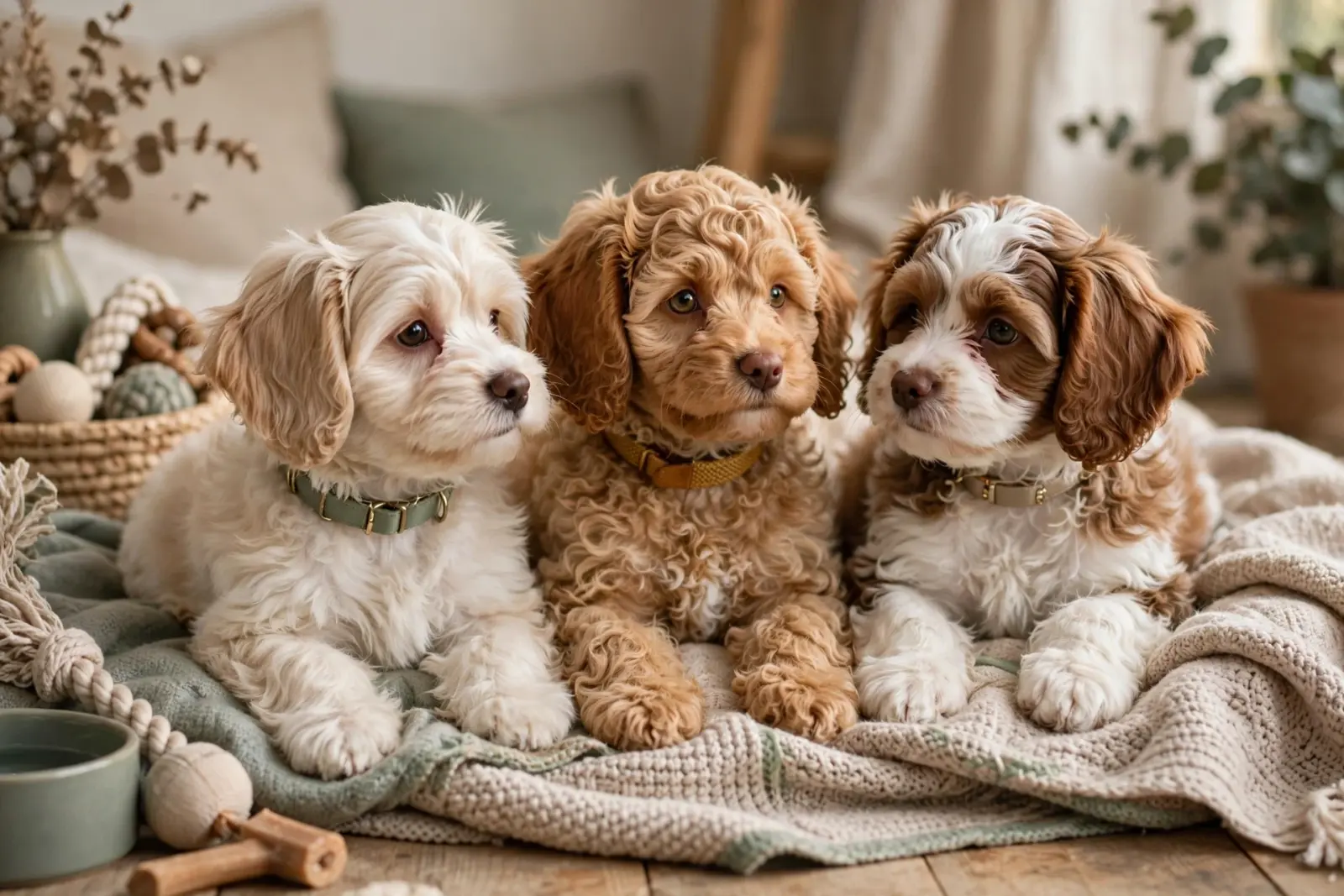
Earlier litters from the same pairing beat any single puppy photo. Ask for photos of those pups at 6 months and 2 years, not just as newborns. If a pairing has produced apricot adults that stayed warm for two litters running, that history is the strongest signal you will get. Repeat pairings are simply more reliable than first attempts.
Questions Worth Asking a Breeder About Color
Come prepared with a short list:
- Have puppies from this pairing faded before, and how much?
- Do the parents carry a dominant silver or dilute line?
- Was the adult color of earlier litters confirmed by their owners?
A breeder who tracks past litters, the way litters here are matched and documented, can answer from records rather than guesswork.
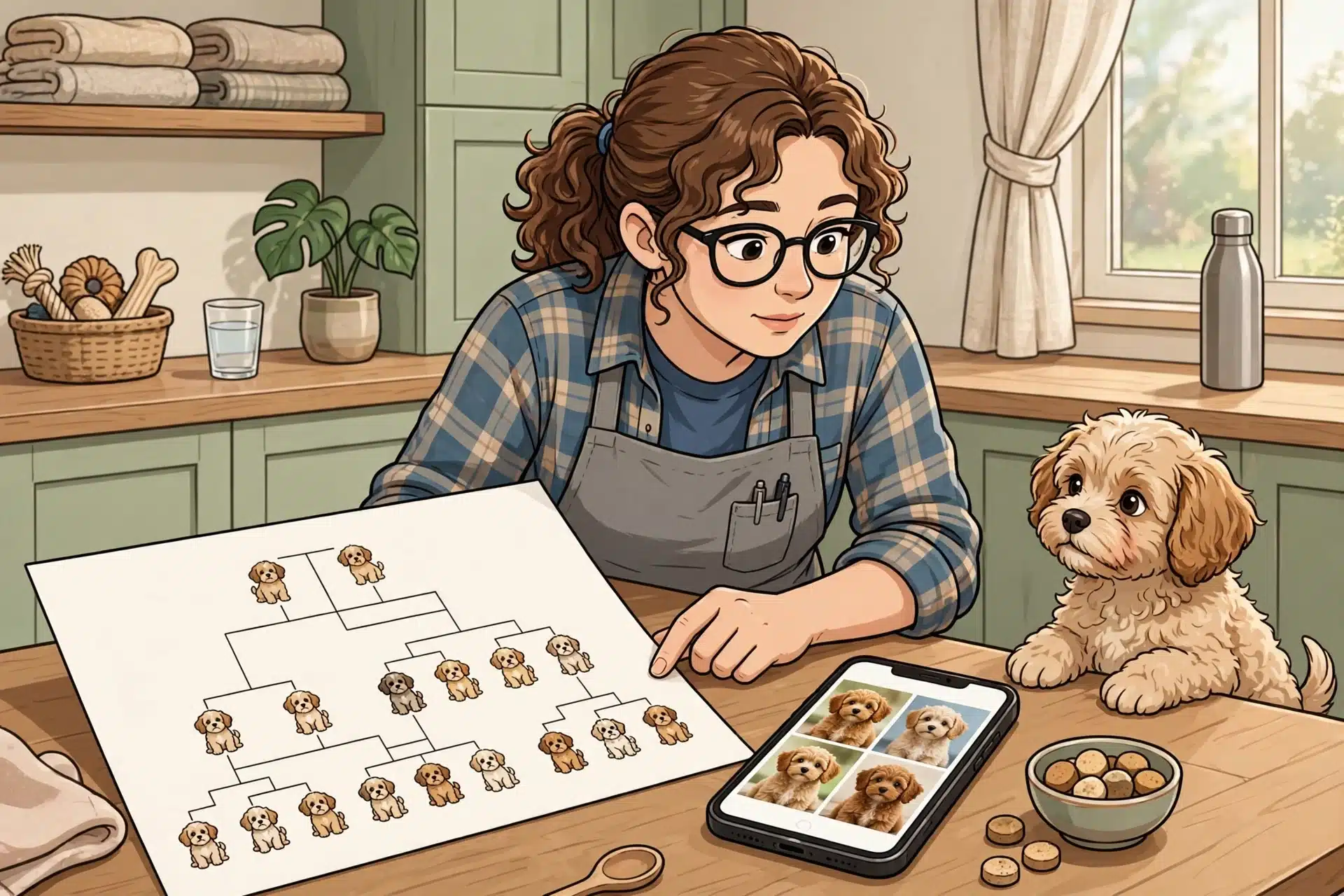
Photographic Limits: Lighting, Cameras and Litter Snapshots
Phone cameras distort color badly. Warm indoor light makes apricots look red, and harsh sun washes blacks toward diluted blue. Ask for photos taken in natural, indirect daylight from the same distance. Consistent lighting across several photos tells you far more than one flattering shot.
Color Change and Coat Texture Change Together
Color and texture rarely change on their own. As the fade allele lightens the coat, the soft baby coat gives way to an adult coat with a different feel, so what you brush at 8 weeks is not what you brush at 2 years.
What the Puppy Coat Becomes
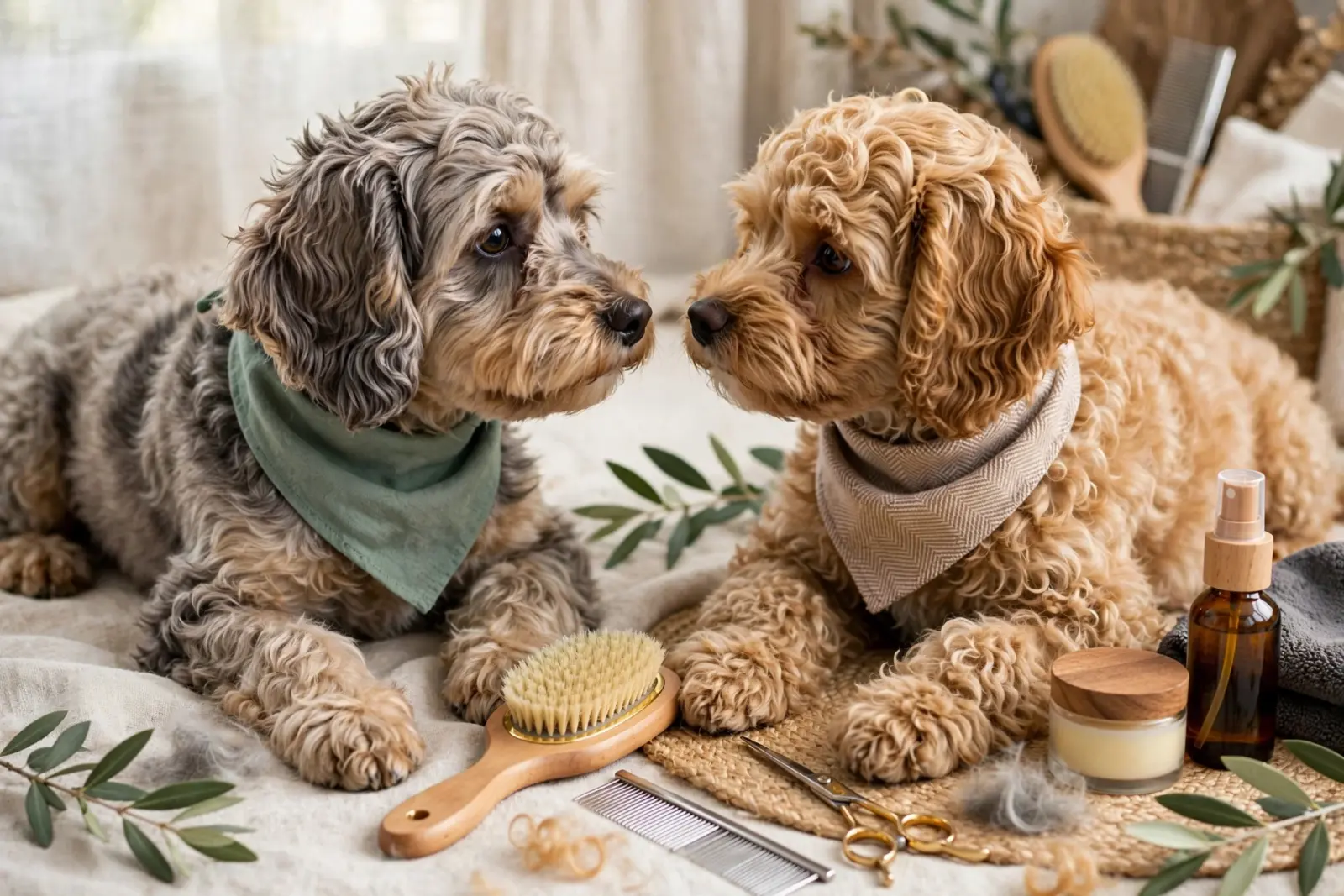
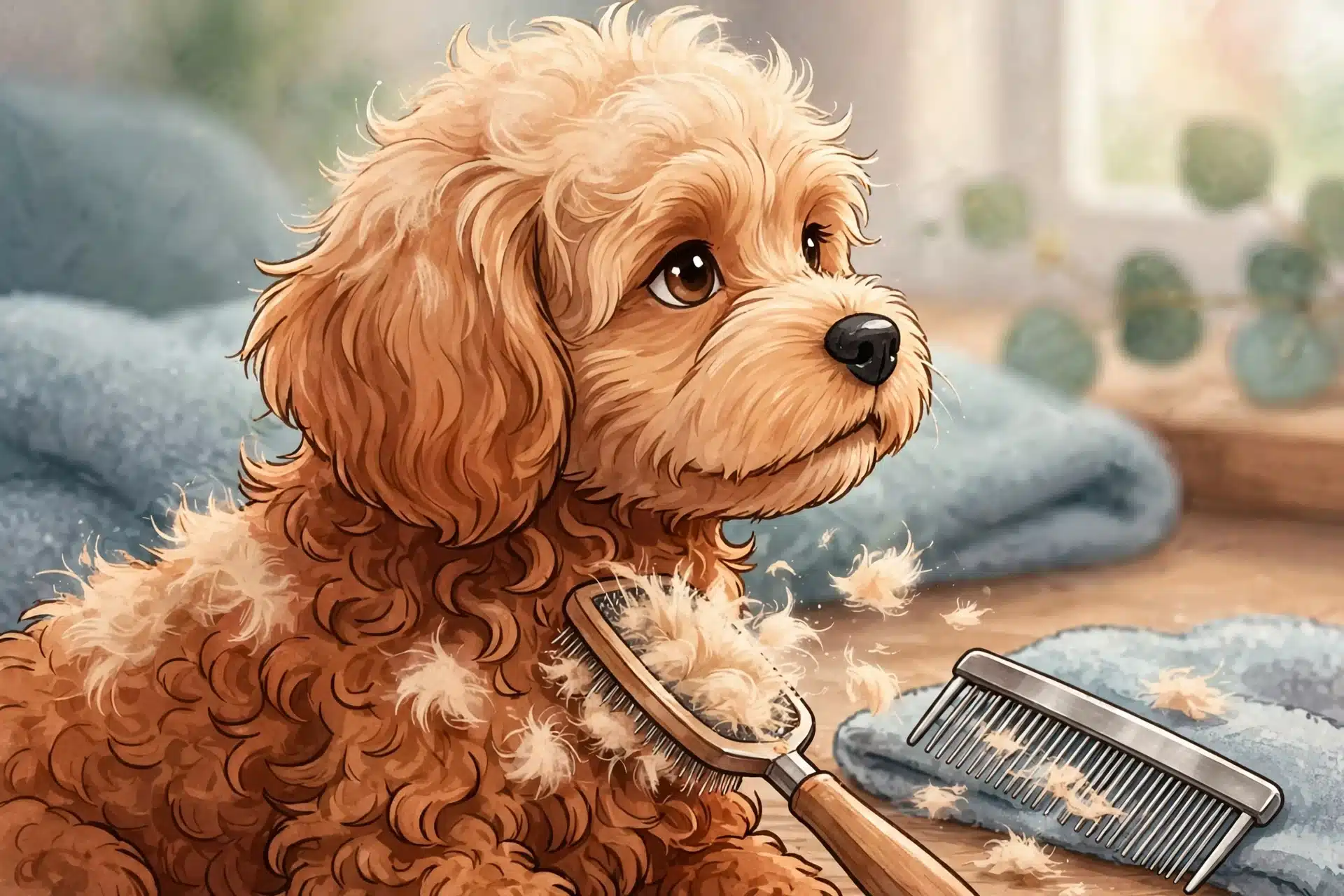
The puppy coat is fine, fluffy, and often slightly darker than the adult coat will be. Between 6 and 12 months, that baby coat sheds out and thicker adult hair grows in its place. This is when fading shows up fastest and when the coat starts to feel denser. A slicker brush and a metal comb, used a few times a week, keep the shedding transition from turning into mats. A steady puppy grooming schedule makes this stage far easier to manage.
Loose Wave Versus Tight Curl
Curl level comes from the poodle parent, and it often deepens as the adult coat arrives. A wavy, fleece-textured puppy may grow tighter waves, while a curly puppy usually stays curly but with denser hair. Wave and curl also affect fading: tight curls hide lighter roots, so the color shift looks gradual, while a straighter coat shows it plainly. Because wavy coats need brushing a few times a week and curly coats often need daily attention, texture tells you how much work is ahead.
Grooming Through the Change
The transition window, roughly 6 to 12 months, is the highest-matting-risk period of your dog’s life. Loose puppy hair tangles with incoming adult hair near the skin, where you cannot see it. Brush to the skin, not just the top layer, and check behind the ears, armpits, and harness line. Most coats settle into their mature texture after the adult coat is fully in around 12 to 18 months.
Normal Lightening Versus Signs That Need a Veterinarian
What Normal Change Looks Like
A fading coat stays healthy. The color shifts gradually, often from the muzzle and paws outward, while the hair itself keeps a soft shine and normal density. Skin underneath stays pink, smooth, and free of flakes or sores. If your puppy eats well, plays hard, and the coat simply looks lighter each month, that is the fade allele doing its work.
What Should Prompt a Vet Visit
Color change itself is harmless, but some changes are not cosmetic. Call your veterinarian if you notice health signs worth checking such as:
- Patchy hair loss with red, scaly, or crusty skin
- Dull, brittle, or greasy coat that appears within weeks
- Symmetrical thinning on both sides of the body
- Scratching, chewing, or skin sores along with color loss
- Sudden darkening with flaking or odor
These can point to allergies, parasites, thyroid issues, or infection, all of which need treatment rather than patience.
What a Breeder Can and Cannot Say About Color
An honest breeder can describe the parents’ colors, share litter photos, and explain that the poodle fade allele makes adult color partly unpredictable. No breeder can guarantee a puppy’s exact adult shade. Treat any such promise as a red flag, not a selling point.
Common Mistakes to Avoid When Tracking Coat Color
Expecting the Puppy Photo to Match the Adult Dog
The 8-week photo shows the baby coat at its darkest. Fading often starts at the muzzle and paws by 3 to 6 months, so a dark red puppy may soften well before its first birthday. Judge a breeder by litter photos at 6 months and 2 years, not newborn shots alone.
Assuming Every Red Puppy Ends Up Cream
Red cavapoo fading is common because the poodle side often carries the fade allele, but it is not automatic. Some reds hold a rich apricot tone into adulthood, and black or sable puppies follow different paths. Ask which parent lines have actually lightened before you predict a cream outcome.
Changing Diet to Fix Color
Fading is genetic, so no food, oil or supplement reverses it. Feed a complete, balanced diet for coat health, and expect the color to settle where the genes say. If a coat dulls suddenly alongside itching or patchy hair loss, call your vet rather than the pet store.

Now that you know how a cavapoo’s color can soften from puppyhood to age two, pick a puppy with confidence. At Sage Puppies, Cassie Milar matches families with wisely bred, beautifully loved cavapoo puppies. Browse available puppies or start your application today.
Frequently Asked Questions
Q1: How does cavapoo coat color change with aging?
Most cavapoos lighten between 6 weeks and 2 years because of the recessive poodle fade allele. Reds fade most, creams change least, and blacks may clear to silver or diluted blue.
Q2: Will my red cavapoo puppy turn cream?
Only if it inherits two fade alleles. With moderate fading it stays apricot; without them, the red stays rich.
Q3: When does fading start?
Usually at 3 to 6 months, beginning at the muzzle and paws, with the main fade from 6 months to 2 years.
Q4: Can a breeder guarantee adult color?
No. Breeders can describe parents and past litters, but exact adult shade is never certain.
Q5: Does diet change coat color?
No, fading is genetic. Feed a balanced diet for coat health only.
Q6: Does the coat texture change too?
Yes. The soft baby coat sheds out between 6 and 12 months, replaced by a denser adult coat that often curls tighter.
Conclusion
Cavapoo coat color changes follow genetics, not luck. The recessive poodle fade allele lightens most puppies between 6 weeks and 2 years, with reds fading the most, creams changing least, and blacks often clearing to silver or diluted blue. Texture shifts alongside color, since the baby coat sheds out for a denser adult coat between 6 and 12 months. To predict one puppy’s outcome, read the parents’ colors, earlier litters at 6 months and 2 years, and daylight photos together. No breeder can promise an exact adult shade, but a pedigree tells you far more than a single photo ever will.