Quick Summary: A reputable breeder is usually the healthier choice because buyers can review parents’ health tests, puppy veterinary records, living conditions, and written guarantees before paying. Pet stores offer immediate availability but often provide only sales paperwork, limited vaccine records, and restricted parent information, so buyers should ask for the breeder’s name, license, and full health history. Sage Puppies emphasizes family-raised Havanese, Havapoo, and Cavapoo puppies with records provided upfront and ongoing breeder support.
A pet store can put a small breed puppy in your arms the same week. A breeder usually cannot, but for good reason: a reputable breeder is the only source that can show you the parents, the genetic test results and the litter’s veterinary file before you sign anything. In a breeder vs pet store puppy decision, health comes down to paperwork you can read, not promises you can hear.
That is a real problem for first-time buyers and small-breed families. Both sources use the same pedigree-sounding language, so neither feels obviously safer. This breeder vs pet store puppy comparison breaks the choice into five testable areas: health testing records, where the puppy lives, price and contract structure, access to the parents, and support after pickup. Then it shows exactly what to request in writing from each source before you pay.
Breeder vs Pet Store Puppy: At a Glance
| Reputable breeder | Pet store puppy | |
|---|---|---|
| Genetic health testing | Typically tested on both parents before breeding; results shared on request | Often limited to a breed certificate; parent testing is rarely available |
| Where the puppy lives | Raised in a home or family setting with household socialization | Puppies commonly arrive from commercial breeding facilities after transport |
| Purchase price | Sage Puppies lists $3,500 to $4,500 for its puppies | Single posted store price, plus care and spay or neuter costs on top |
| Health guarantee | Written guarantee and contract terms provided at purchase | Store-level health policy, often limited in scope and time |
| Access to the parents | Often arranged, subject to the breeder’s visitation rules | Rarely available, since the litter is usually not on site |
| Support after pickup | Ongoing breeder contact for the life of the puppy | Store return window and limited post-sale guidance |
How Reputable breeder and Pet store puppy Compare
Reputable breeder
A small-scale breeder breeds selectively, documents health testing on both parents, and sells each puppy with a written contract and ongoing support. This route suits families who want family-raised puppies and answers about the litter’s background. Sage Puppies, a boutique program in South Jordan, Utah, lists $3,500 to $4,500 for its Havanese, Havapoo and Cavapoo puppies.

Key strengths
- Genetic health testing on both parents, with results shared on request
- Written health guarantee and contract terms at purchase
- Ongoing breeder contact for the life of the puppy
Pet store puppy
A pet store is a retail outlet that resells puppies, often from commercial breeding operations, at a single posted price. It works for buyers who want to walk in and take a puppy home the same day. What the store can document about the parents is usually limited, since the litter is not on site.
Health Testing: The Record That Settles the Argument
Health testing is where the breeder vs pet store question stops being a matter of opinion. One side hands you a documented file. The other usually hands you paperwork about a sale, not a puppy’s health.
What health records should I ask a breeder for?
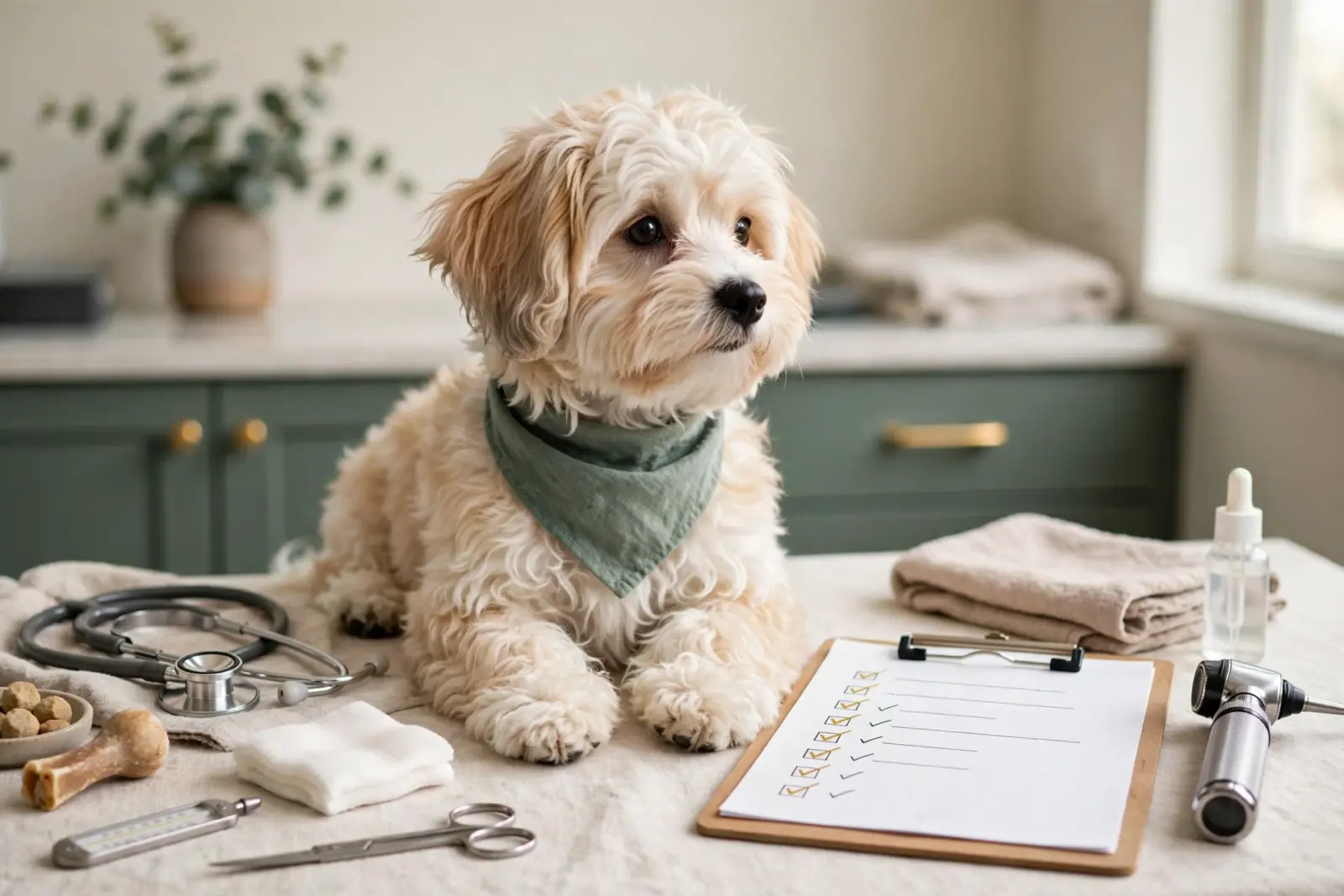
Ask for a file that includes:
- Parent health testing results through OFA or CERF, covering hips, patellas, eyes and heart
- Genetic panel results for both parents, especially for breed-specific risks
- Vet exam records for the puppy, with dates and findings
- Vaccination and deworming dates, listed by product and dose
- Microchip number and registration details
A breeder who does this work hands it over without hesitation. That is the whole test.
What a Breeder’s Health File Should Contain
The strongest proof comes from the parents, not the puppy. Responsible breeders test breeding dogs before breeding them, so look for parent results listed in the OFA’s public database. Conditions like luxating patellas and inherited eye disease show up in small breeds such as Havanese, Cavapoos and Havapoos, which is why the testing matters more, not less.
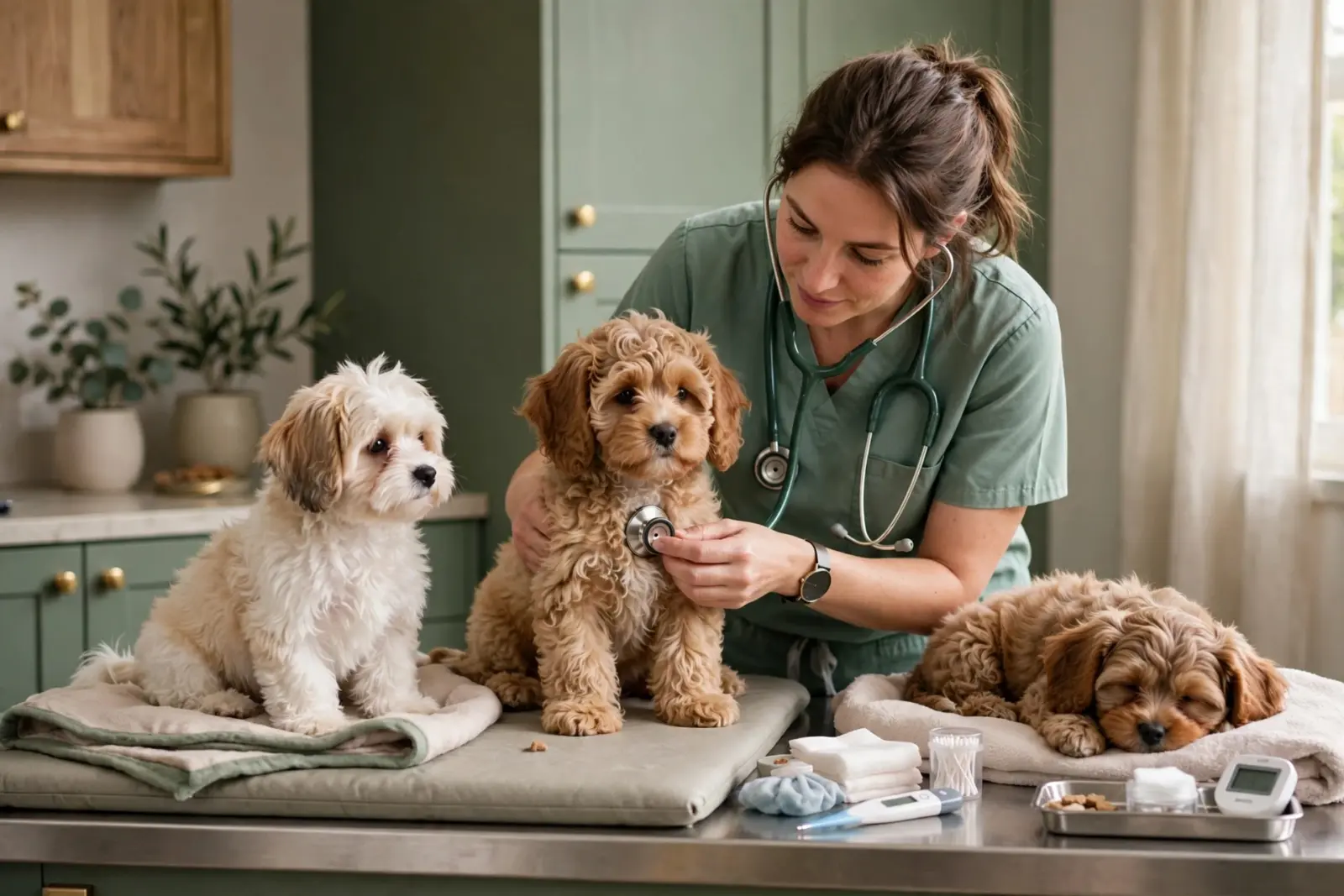
The file should also trace the puppy’s first eight weeks: worming dates, first vaccines, and a vet check that notes weight and heart sounds. Dates should line up. If the vaccine record says eight weeks but the puppy is six weeks old, ask why.
Good breeders also explain results in plain words, including the flaws. No dog is perfect, so a file that claims zero risk anywhere is usually a file nobody actually read. If you want a model of what to see in person, our guide to what to look for when visiting a puppy breeder walks through the same evidence on site.
Why Pet Store Puppies Rarely Come With That File
Pet stores mostly buy from large-scale breeders and brokers, and most of those operations ship puppies at seven or eight weeks, before full vaccine series finish. The USDA licenses these facilities and requires vet care and records, but that is a breeding kennel’s compliance file, not a health history built for your puppy.
So what reaches the counter? Usually a sales invoice, a starter vaccine record, and a store warranty. What is usually missing: parent genetic panels, parent eye and patella results, and the name of the vet who examined the litter.
You can often ask, and some stores will share what they have. But the paper trail stops where the broker’s invoice starts. That gap, more than price or breed choice, is why the health outcome odds tilt toward breeders who document.
Where the Puppy Lives Before You Take It Home
The first eight weeks shape a puppy more than anything you do afterward. During that window, the puppy’s living space matters as much as its paperwork.
Home-Raised Litters and the First Eight Weeks
Responsible small-breed programs keep litters in a home, not a kennel building. Puppies grow up around normal household sounds: dishes, doorbells, vacuum cleaners, kids. That daily exposure builds the early confidence stores and kennels struggle to replicate. Ask a breeder where the litter sleeps, who handles the puppies each day, and how often they meet new people. A confident answer comes with specifics. You should also ask about the mother’s living conditions, since a mother who lives as a family pet tells you a lot about the program. Home-raised Havanese, Havapoo and Cavapoo litters are the standard at Sage Puppies, which is typical of boutique programs. For a detailed walkthrough of what to check in person, see what to look for when visiting a breeder.

What a Store Visit Can and Cannot Show You
A store visit shows you a clean enclosure and a puppy that looks healthy today. It cannot show you the mother, the birthplace, or how the puppy spent its first weeks. Many store puppies are trucked in from distant breeders, so the environment that shaped them stays invisible. You can observe handling and energy level, but not lineage or socialization history. That gap is exactly why the records in the next section matter more than a tidy display. When you buy from a breeder, you can often meet the dam and see the actual whelping space. When you buy from a store, you rely on documents someone else prepared. Neither option removes your homework; one just gives you more of the picture directly.
Price, Contracts and What a Health Guarantee Should Cover
A puppy health guarantee is a written contract that covers specific genetic or congenital conditions for a set period, usually one to two years. Most cover hereditary problems like hip dysplasia or heart defects, not accidents or common infections, and many limit remedies to a refund or replacement puppy, sometimes capped below the purchase price.
That definition matters because the paper tells you more about a seller than the price does. A breeder can print anything; a store can only pass along what its suppliers wrote.

Comparing Purchase Price Against Total First-Year Cost
The sticker price is only the start. Sage Puppies lists $3,500 to $4,500, and pet stores often charge in a similar band once you add their financing interest and mandatory add-ons. Either way, plan for the rest of year one. You can see a full breakdown of pricing and reservation details before you commit, which is exactly the transparency to expect from any seller.
| Cost item | Rough first-year range | Notes |
|---|---|---|
| Purchase price | $1,000 to $4,500 | Depends on source and breed |
| Vet visits and vaccines | $300 to $700 | Includes spay or neuter |
| Food, gear, grooming | $500 to $1,500 | Small breeds need regular trims |
| Training classes | $100 to $400 | Optional but worth it |
Budget examples like these are planning tools, not quotes. Ask each seller what the price includes: records, microchip, first vaccines, and any written health terms.
Contract Terms Worth Reading Line by Line
Read every guarantee for four things. Coverage window: how many days for illness, how many months or years for genetic conditions. The remedy: refund, replacement, or reimbursement, and whether it is capped. Your obligations: some contracts require a vet exam within 72 hours or specific food and care to stay valid. The return clause: many guarantees require returning the dog to the seller, which few families can bear emotionally, so know it before you sign.
Deposit refundability and transfer rules deserve the same scrutiny. A seller who explains these terms in writing, before payment, is showing you how they will behave after payment.
Seeing the Parents and Matching a Puppy to Your Home
What Parent Access Reveals About a Future Dog
Meeting the mother, and ideally the father, tells you more than any brochure. Watch her temperament: calm, friendly parents tend to raise calm, friendly puppies. Her coat gives you a preview of shedding and grooming needs, and her size brackets how big your puppy will get. A responsible breeder welcomes these visits and can show where the dogs live.
Ask to see the parents’ health testing results, such as OFA or CERF clearances for hips, eyes and heart. A trustworthy breeder shares certificates without being pressed twice. Ask the breeder to describe any known breed issues and how they screen for them.
The way the mother behaves around people matters most for a family dog. Puppies raised inside a home, with normal noise and handling, usually settle into family life faster than pups raised in kennels or store cages. Breeders who invite families to visit, or offer video calls for out-of-state buyers, are showing you their program because they have nothing to hide.
Home Life, Energy Level and Small-Breed Households
Honest breeders ask questions too. Expect a conversation about your yard, work hours, kids and other pets before they hand over a puppy. That screening protects the dog as much as it protects you.
Match the puppy to your routine rather than the cutest face. Havanese, Havapoo and Cavapoo puppies suit apartments and families because they are small, people-focused and moderately active, but they dislike long days alone. At Sage Puppies, matching considers energy level, household noise and each family’s schedule before a reservation is confirmed.

A good fit shows up in daily life: fewer accidents, calmer evenings and a dog that settles when your children get loud. Take your time with this step. The right match lasts twelve to fifteen years.
Support After the Puppy Arrives
The puppy comes home, and this is where breeders and pet stores truly separate. What happens in the first weeks matters as much as anything on a health record.
The First Ninety Days With a Small Breed Puppy
Small breeds like Havanese, Havapoo and Cavapoo puppies need steady routines early. Expect house-training setbacks, sharp puppy teeth, short naps, and a first vet visit to confirm what the breeder’s records promised. Most contracts give you about 72 hours for that exam, so book it before pickup day.
Ask your source what to feed for the first two weeks. Sudden food changes upset small stomachs. Keep the same food the puppy already eats, then switch slowly if you want a different brand.
A good breeder stays reachable through this stretch. Small-breed puppies also tire fast, so protect nap time and keep training sessions to a few minutes each.

If you want a plan for those early weeks, this first weeks with a small breed puppy guide walks through food, sleep, and vet visits step by step.
Who Answers Your Questions at 9 p.m.
Test this before you buy. Message each source with a simple question, like what to do if the puppy skips a meal. A breeder who raised the litter will answer from real experience with that puppy. A pet store clerk often reads from a card or tells you to call a vet.
Breeders usually know the parents, the litter’s habits, and each puppy’s personality. That history helps when trouble shows up at odd hours.
Pet stores may offer hotline numbers or trainer credits, but the person on the line has never met your puppy. Ask both sources, in writing, how long they answer questions after pickup. The answer tells you a lot about support you can count on.
Which Should You Choose: Reputable Breeder or Pet Store?
A puppy from a responsible breeder is usually the healthier pick, because you can see the parents’ health testing, the puppy’s vet records, and the home it was raised in. Pet store puppies often come from large commercial kennels, and responsible breeders rarely sell to stores at all, according to a Humane World fact sheet. That said, the smarter question is not “where” but “what can this seller prove?”
When a Pet Store Purchase Can Still Work
Some families fall for a puppy at a store and want to do right by it. That is a fair instinct. Before you pay, ask for the puppy’s full history: the breeder’s name and license number, vaccination and deworming dates, vet exam records, and the store’s written guarantee. Stores must disclose where their puppies come from, so treat a refusal as a red flag. If the paperwork is thin, ask about the store’s return policy instead, and plan a vet exam within the first 72 hours. If you have already bought, a caring home still changes that puppy’s life.
When a Reputable Breeder Is the Better Fit
A breeder is the better fit when health records and honesty matter most to you. You can meet the mother, review parent health testing for hips, eyes and heart, and read puppy contract terms before you commit. Good breeders interview you back, keep puppies with the litter long enough, and stay reachable for life. Many families who start their search for a reputable puppy breeder near me end up choosing a small program like Sage Puppies, where Havanese, Havapoo and Cavapoo puppies are family-raised and every record is shared up front. Ask the same questions of every breeder, then compare answers.

The records you just learned to ask for? Every Sage Puppies puppy comes with that paperwork backed up. See the application, pricing and available Havanese, Havapoo and Cavapoo puppies at Sage Puppies, or start with the free preparation guides. Wisely Bred. Beautifully Loved.
Frequently Asked Questions
Q1: Should I get a pet store or breeder puppy?
A breeder puppy is usually the healthier pick when you can review parent health testing, vet records and a written guarantee. A store works if the paperwork is complete and the puppy has already won you over.
Q2: What paperwork should I walk away with on pickup day?
Get the vet exam record, vaccine and deworming dates by product and dose, microchip number, and the signed contract. Every Sage Puppies puppy goes home with that file.
Q3: How long do puppy health guarantees actually last?
Most run one to two years for genetic conditions and about 72 hours for illness. Check the remedy, any caps, and the vet exam deadline that keeps coverage valid.
Q4: Can I meet the puppy’s parents?
With a breeder, often yes, or by video call if you live out of state. Stores rarely can arrange it because the litter is not on site.
Q5: Do breeders ship puppies nationwide?
Many boutique programs offer delivery or flight nanny options, plus local pickup. Ask how the puppy travels and what comes with it.
Q6: Are pet store puppies always from puppy mills?
Not always, but most come from commercial kennels or brokers, and responsible breeders rarely sell to stores. Ask for the breeder’s name and license number.
Q7: How much should I budget for year one?
Plan for the purchase price plus $900 to $2,600 in vet care, food, gear and training. Ask each seller what the listed price includes.
Wrapping Up: Choosing the Right Source for Your Puppy
Health comes down to what a seller can prove. Ask for parent health testing, puppy vet records, a written health guarantee, and puppy contract terms before you pay anything. Meet the mother when you can, and check where the litter spent its first eight weeks. A pet store can work if the paperwork is complete, but a reputable breeder who answers your questions freely usually has the stronger file. Apply the same breeder verification checklist to every source, then compare answers. The seller with nothing to hide will prove it in writing.