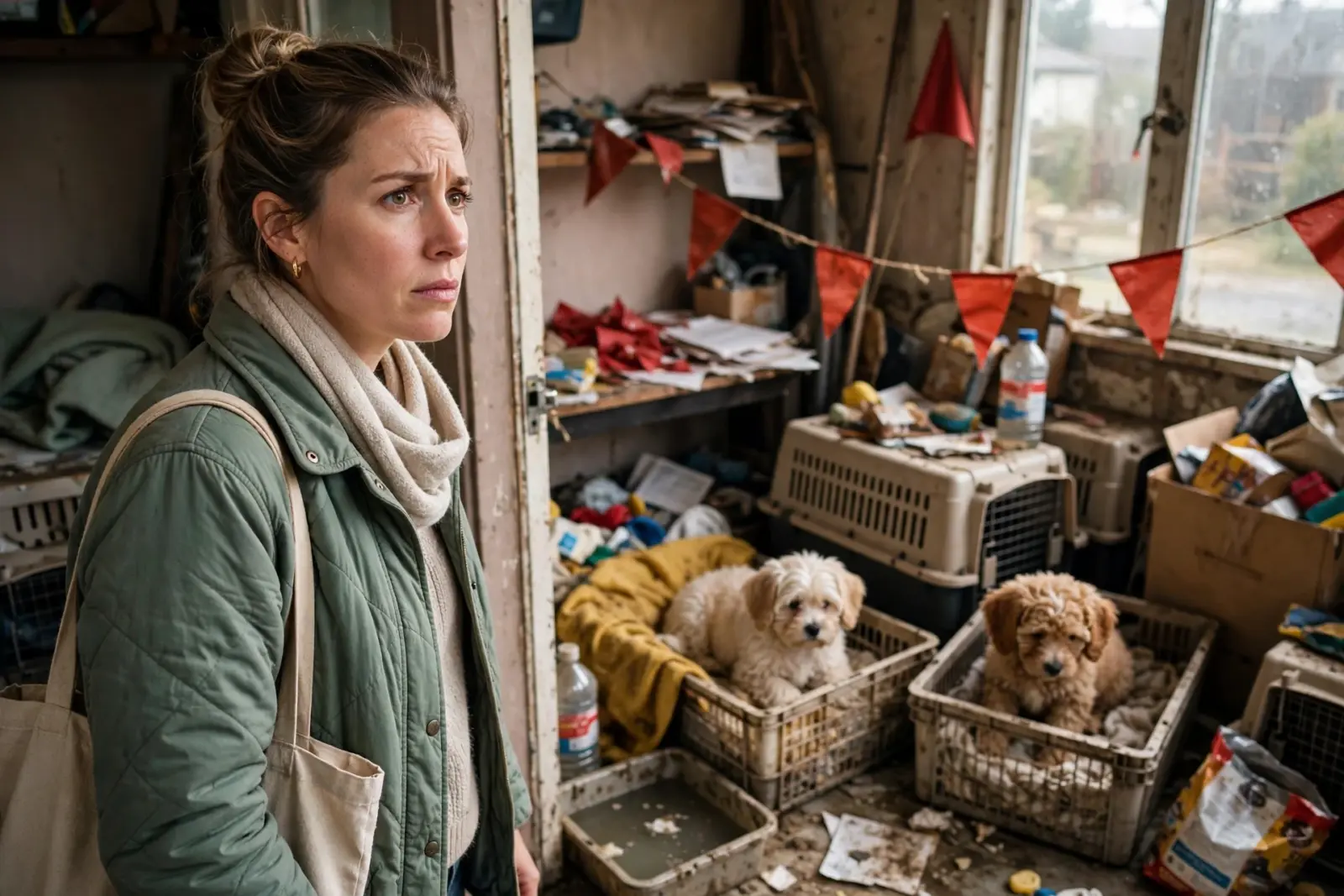
Quick Summary: A good breeder visit should reveal a clean, open home where you can see where the puppies were born and raised, meet the mother, and observe healthy, well-socialized puppies that can be handled. Ask for vaccination and deworming records, veterinary notes, parent health test results, and a signed contract, health guarantee, and return policy before paying anything. Refused access, poor conditions, hidden health history, pressure to reserve on the spot, or missing paperwork are strong reasons to walk away and compare breeders before making a decision.
You are standing in a breeder’s living room. Six Havapoo puppies wobble toward you on a runner rug while the breeder names the price of the sable male and mentions how quickly he is going. That is the moment a kennel visit turns into a purchase decision, and it is also the moment to slow down. Pressure makes even careful families skip steps. This guide walks your onsite breeder evaluation in the order it actually happens, from the front door to the paperwork, so you know what to watch, what to ask and what to take home in writing. You will learn how to run a simple puppy health inspection, spot puppy mill warning signs and judge temperament calmly. The advice draws on guidance from The Royal Kennel Club, PAWS, NAWT and Zoetis, and it fits small breeds like the Havanese, Havapoo and Cavapoo.
How to Prepare for a Kennel Visit Before You Arrive
Yes, you can and should visit a breeder before deciding on a puppy, and a good breeder will welcome it. Before your kennel visit, confirm the appointment details, ask for health records in advance, and set clear personal rules so you judge the litter calmly instead of falling for the first cute face. Searching for a reputable puppy breeder near me only gets you a shortlist; preparation is what turns a visit into a real onsite breeder evaluation.
Confirm the Visit Type, Location and Rules
Call or email a few days ahead. Ask whether you will tour the home, the whelping pen and the outdoor play area, or meet partway for biosecurity reasons. Some breeders limit visits until puppies reach a certain age, which protects the litter. Confirm who attends, how long the visit lasts and whether children are welcome.

Request Records Before You Travel
Ask the breeder to email copies of the mother’s health testing results, the puppy vaccination and deworming schedule, and any veterinary exam notes before you drive. Reviewing paperwork at home gives you time to read it properly and follow up on gaps. At the visit, match the records you were sent against the originals on site.
Set Your Own No-Pressure Rules
Decide your budget, timing and deal-breakers in advance, and agree as a family that nobody reserves a puppy on the spot. Planning to follow a clear reservation process rather than decide on impulse keeps the visit low-pressure. A good breeder respects a thoughtful wait; pressure to commit the same day is a warning sign.
What to Look for in the Home or Kennel Environment
The environment tells you more than any sales pitch. Within a few minutes of arrival you should be able to judge whether these dogs live in a home or a warehouse. Walk in slowly and use your senses first: a responsible setup is clean, calm and welcoming, and the Royal Kennel Club advises that you should be able to see the whelping pen, comfortable bedding, food and fresh water before you discuss anything else.

Cleanliness, Odor and Daily Care
Clean does not smell like bleach, and it does not smell like ammonia either. A light doggy scent is normal. Strong urine odor, matted fur, or waste left in the run is not. AKC guidance notes that the house or kennel should look clean and the puppies should be lively and in good weight. Ask what daily care looks like: feeding times, cleaning routines, and who handles the dogs each day.
Where the Dogs Sleep and Where Puppies Were Born
Ask to see the whelping pen and where the litter actually lives, not just a tidy room saved for guests. Good breeders are proud to show it. Our own Havanese puppies are raised inside the family home, so you can read what home life teaches a family-raised puppy before you visit anyone. If a breeder refuses to show the whelping area, treat that as a red flag.
Space, Enrichment and Safety
Count the dogs. Overcrowding is one of the clearest puppy mill warning signs. Each dog needs room to move, toys to chew, and safe footing. Look for exposed wires, loose cords, or baby gates that do not latch. Small breeds like Havanese, Havapoos and Cavapoos climb and squeeze, so check that escapes and drop risks are managed.
Observing the Puppies Themselves
Paperwork tells you about the past. The puppies in front of you tell you about the future. When you visit, work through the same four checks on every pup:

- Ask to handle each puppy in the litter.
- Run a quick hands-on health inspection: eyes, ears, coat, and body condition.
- Watch how each pup reacts to the breeder.
- Compare the whole litter, not just the cutest one.
Ask to Handle Every Puppy in the Litter
A good breeder hands you a puppy without hesitation. Holding each one lets you check weight, muscle tone, and how the pup settles in a stranger’s arms. If you are steered toward a single favorite or told some pups are off limits, ask why. Selective handling is one of the quieter puppy mill warning signs.
Health Signs You Can Check With Your Own Eyes
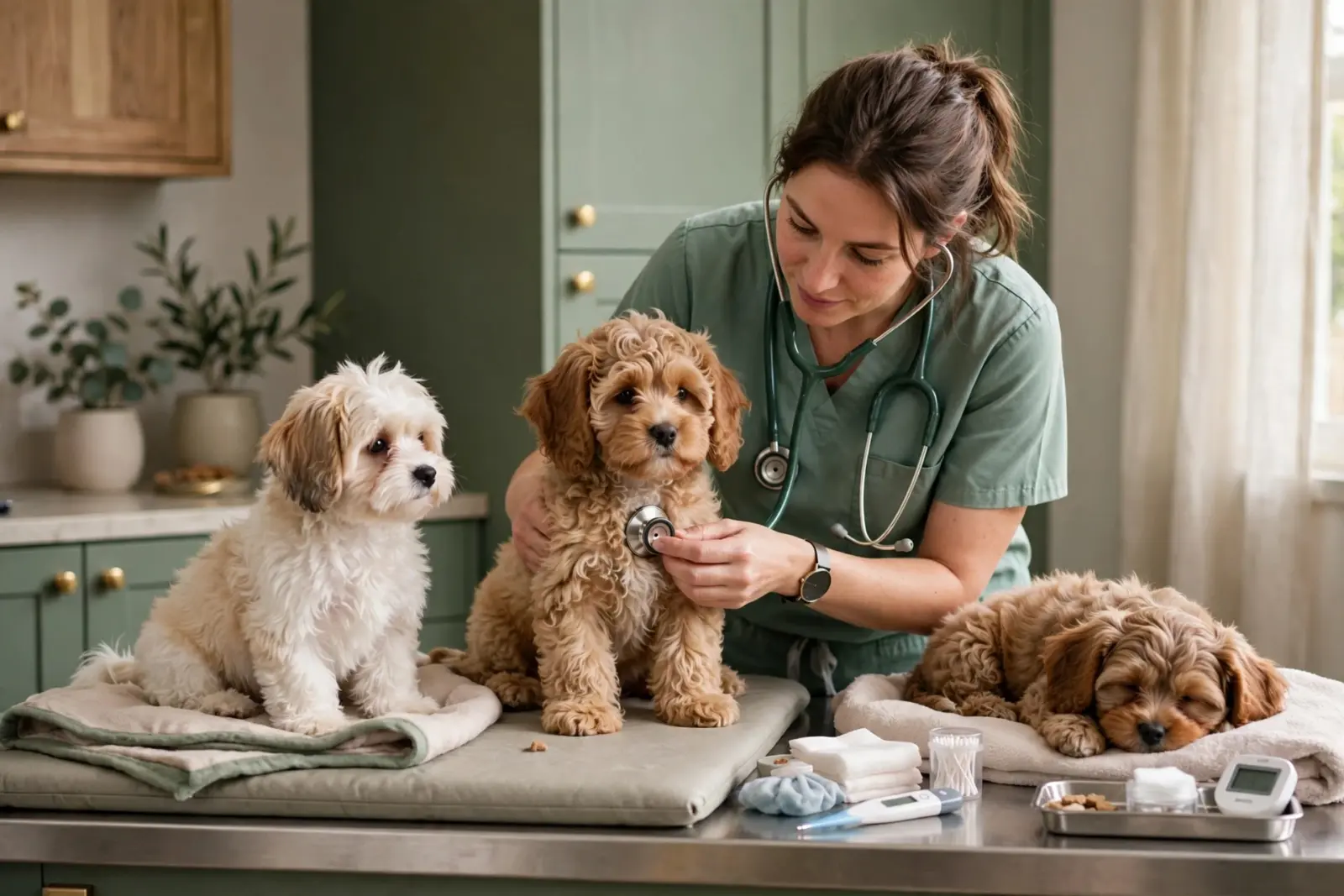
Your basic puppy health inspection takes about a minute per pup. Eyes should be clear, with no redness, drainage, or squinting, according to VCA Animal Hospitals. Then check for clean ears, a soft belly, pink gums, and a coat with no bare patches. Puppies should be plump but not bloated, and free of fleas or feces stuck to the fur.
Watch How the Puppies Behave With the Breeder
Notice who the puppies run to. Pups that greet their breeder happily, accept being scooped up, and calm down quickly show real socialization work. Curiosity beats fear at this age. An overly shy or hand-shy litter often means too little human contact, even in a clean home. That early handling shapes temperament for life.
Meeting the Mother and Father
Ask to see the mother before anything else. Meeting the dam and sire, or at least the dam, is the single best read on how a puppy will turn out. Watch the mother closely and keep the conversation focused on both parents.
What the Dam’s Behavior Tells You
The dam’s temperament is a preview of your puppy’s. A healthy mother dog greets visitors calmly, moves without stiffness and tolerates you leaning over her space. Watch how she reacts to her puppies: a well-tempered dam checks on whining, grooms them and settles quickly. Alarm or hiding is a red flag. So is a dam kept outdoors or away from visitors. Good breeders raise puppies in the home, so the mother should be relaxed right where the litter lives.
When the Sire Is Not There
Many programs use stud dogs from other homes, so it is normal if the sire is absent. That is fine as long as the breeder is upfront about it. Ask to see photos or video of him, learn where he lives, and confirm both parents were health tested. For breeds like the Havanese, Havapoo and Cavapoo, ask for test results on paper.
Ask About Temperament of Both Parents
Ask how each parent acts at home: with children, guests and other dogs. The answer should be specific, not vague. At Sage Puppies, families hear details about both parents because matching depends on it.
Health Records, Testing and Paperwork to Review Onsite
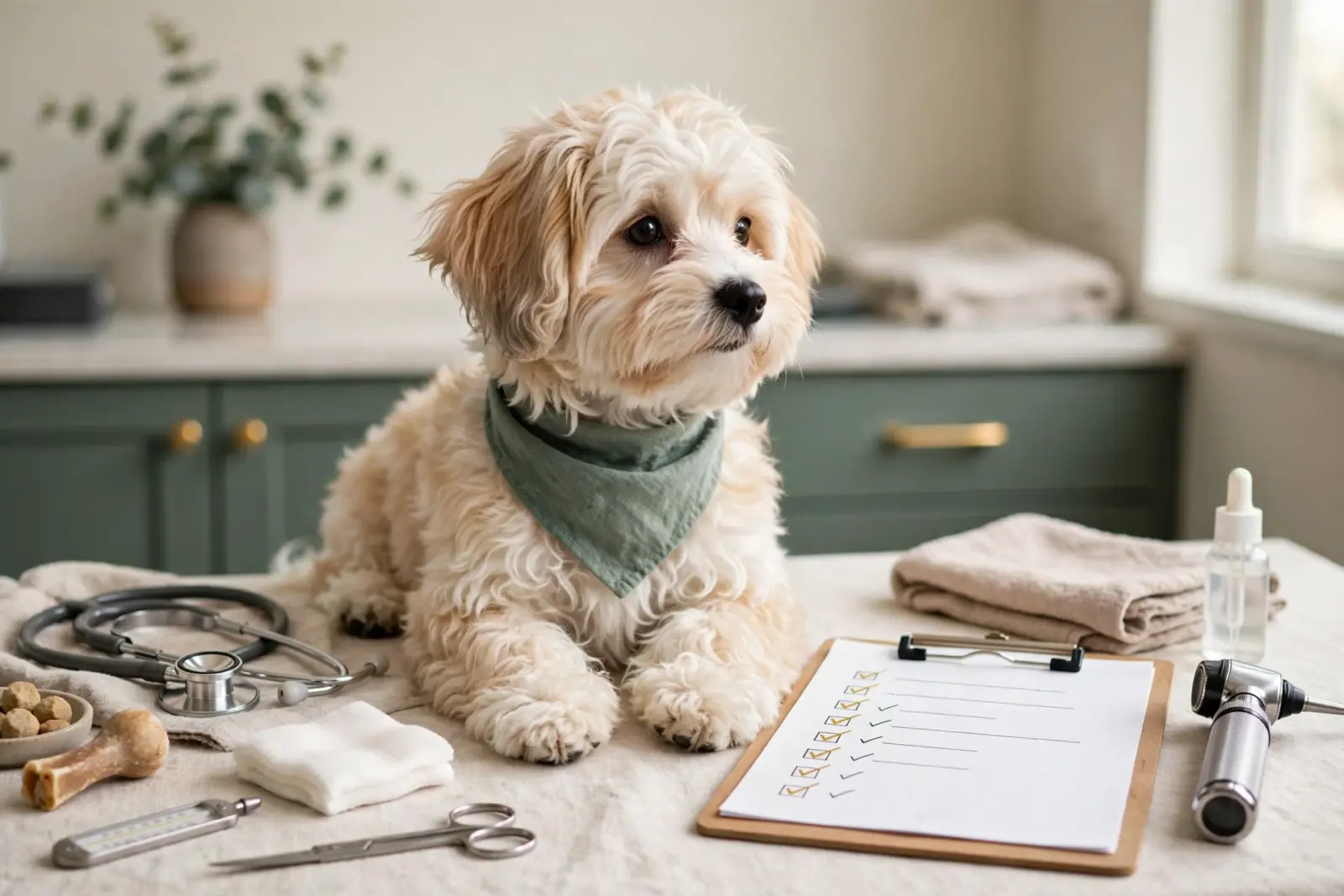
Ask for documents before you fall in love with a puppy face. A breeder who tracks health will hand you records without hesitation. One that stalls, shrugs or promises to email “everything later” is telling you something.
Vaccinations, Deworming and Veterinary Records
Request the puppy’s shot and deworming history in writing. Puppies start core vaccines at 6 to 8 weeks, with boosters every two to four weeks until about 16 weeks, per the AKC vaccination guide. Deworming usually starts earlier and repeats. You want dates, product names and the vet clinic listed, not “shot given.” A vet exam record with the date and findings is the strongest proof the puppy was checked by a professional, not just by the breeder.

Genetic and Orthopedic Testing for Small Companion Breeds
For Havanese, Havapoo and Cavapoo puppies, ask what the parents were tested for and see the results on paper. Small companion breeds carry known risks such as loose kneecaps and inherited eye conditions, so responsible programs screen breeding dogs before matching them. A written test report from a vet or registry means far more than “both parents are healthy.”
Contracts, Guarantees and Return Policy
Read the purchase contract before you pay anything. It should spell out the health guarantee, what voids it, and what happens if the match fails. A breeder confident in their puppies will take one back. Our own health guarantee explains what buyers should expect covered, in plain terms.
Questions to Ask During the Visit
A good breeder welcomes questions and answers them without hedging. Ask these in order as you move through the visit.
About the Litter and the Parents
Start with the dogs themselves. Ask to meet the dam, and the sire if he lives onsite. Ask how many litters the mother has had and how far apart they are. Then ask where the puppies were born and raised, and what they have seen, heard and handled so far. Breeders who socialize early usually say so in detail.
About the Breeder and Their Process
Next, ask about paperwork and health. Ask for the puppy vaccination and deworming schedule in writing, and ask whether the parents were tested for breed-specific conditions. For Havanese, Havapoo and Cavapoo families, ask which health tests were done and why. Ask to see the puppy purchase contract, the health guarantee and the return policy before you talk price. A reputable puppy breeder near you will hand these over without being asked twice.
About You and the Homecoming
Finally, ask what happens next. Ask how the breeder matches puppies to families, and what happens at pickup, including microchip registration at pickup. If you are planning a Utah puppy pickup, ask what to bring and what your puppy will need on the drive home. A breeder who asks you questions back is a good sign.
Red Flags and Warning Signs to Walk Away From
Watch for three groups of puppy mill warning signs: access problems, poor conditions, and pushy sales tactics. Spot any one of them and leave.
Access and Transparency Problems
A good breeder invites you in. Walk away if they:
- Refuse to show where the puppies were born and raised
- Won’t let you meet the mother
- Offer to meet in a parking lot instead
- Hide the father’s history or health testing
- Discourage questions or seem annoyed by them
Condition and Volume Red Flags
Look closely at the puppies and their space. Warning signs include:
- Strong ammonia smell, matted fur, or dirty pens
- Many litters at once, or multiple breeds always “available”
- Puppies under eight weeks offered for sale
- Eyes, nose, or rear that are crusty, runny, or sore
- Thin, listless, or fearful pups who shrink from touch
Sales Pressure and Paperwork Gaps
- Pressure to pay a deposit on the spot
- No written puppy purchase contract, health guarantee, or return policy
- Missing vaccination and deworming records
- No microchip or vet visit mentioned
Sage Puppies sends records and contract details before pickup, which is a fair baseline to expect anywhere.
After the Visit: Comparing, Deciding and Reserving
Score the Visit and Take Time to Decide
Compare each breeder against your scorecard the same day, while details are fresh. A written contract, health testing and parents on site matter more than charm. Wait at least a few days before placing money; pressure to pay fast is a red flag.
What a Legitimate Reservation Process Looks Like
Reputable breeders use a written application, a clear deposit amount and a signed puppy purchase contract before the puppy goes home. The AKC’s guide to responsible breeders notes that contracts and ongoing breeder support are standard, not extras. Expect the balance due at pickup.
Final Checks at Pickup
At pickup, confirm three things: the puppy’s vaccination and deworming record, the health guarantee terms, and microchip paperwork in your name. In Utah, most litters go home at eight weeks or later. Review the contract on site, ask final questions, then load your puppy up with a safe carrier.

Found a breeder who passed your checklist? Take the next step with Sage Puppies. Our Havanese, Havapoo and Cavapoo families start with a simple application and honest answers, so you know exactly what to expect before you visit. Ask us anything.
Frequently Asked Questions
Q1: What should I look for when visiting a puppy breeder in person?
Look at the environment first: clean pens, fresh water and a whelping pen you can actually see. Then handle every puppy, run a quick health check, meet the mother, and ask for vaccination records, health testing and a written contract before discussing price.
Q2: What red flags should I watch for at a puppy breeder’s home or kennel?
Watch for refused tours, a hidden mother dog, strong ammonia smell, many litters at once, puppies under eight weeks, pressure to pay a deposit on the spot, or no written contract, health guarantee or return policy. Any one of these is reason to leave.
Q3: Can I visit a breeder before deciding on a puppy, and what should I observe?
Yes, and a good breeder welcomes visits. Observe how puppies greet the breeder, whether the dam is calm and social, how many dogs live onsite, and whether the litter was raised inside the home rather than in a separate kennel building.
Q4: What paperwork should I take home from the breeder?
Take the vaccination and deworming schedule with dates, vet exam notes, parent health test results, a signed purchase contract, the health guarantee terms and microchip registration paperwork.
Q5: Should I place a deposit during my first visit?
No. Decide your budget and rules beforehand, then wait at least a few days. Legitimate breeders use a written application and deposit process and never pressure same-day commitments.
Conclusion
A good breeder visit comes down to three things: a clean, open home where the litter and the mother live, puppies that are healthy and happy to be handled, and paperwork you can take home in writing. Run the visit in order, meet the dam, check the puppy vaccination and deworming schedule, and read the puppy purchase contract, health guarantee and return policy before money changes hands. Watch for the puppy mill warning signs, and never let anyone rush your decision. Families looking at Havanese, Havapoo and Cavapoo puppies can use this same onsite breeder evaluation anywhere; Sage Puppies welcomes it.