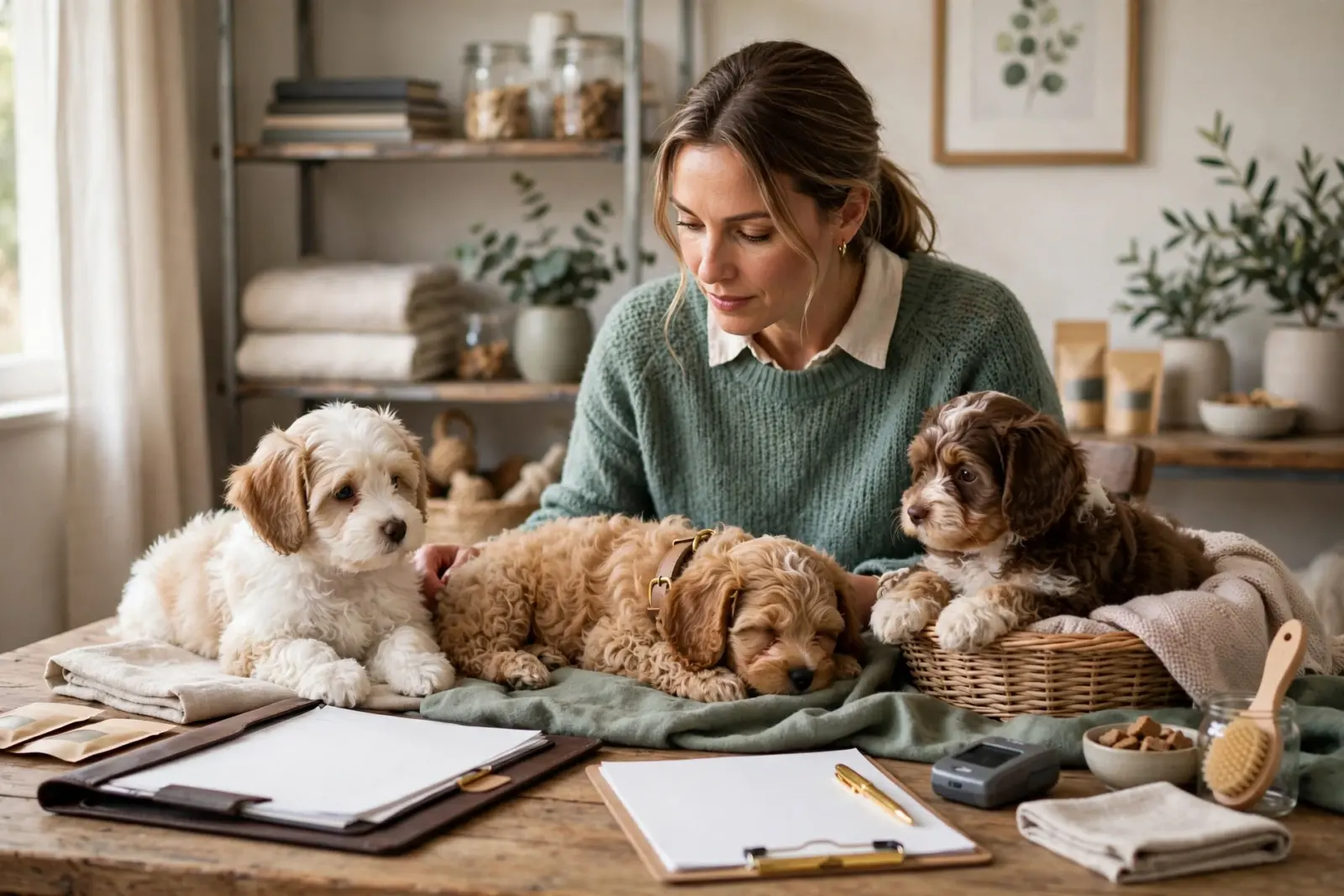
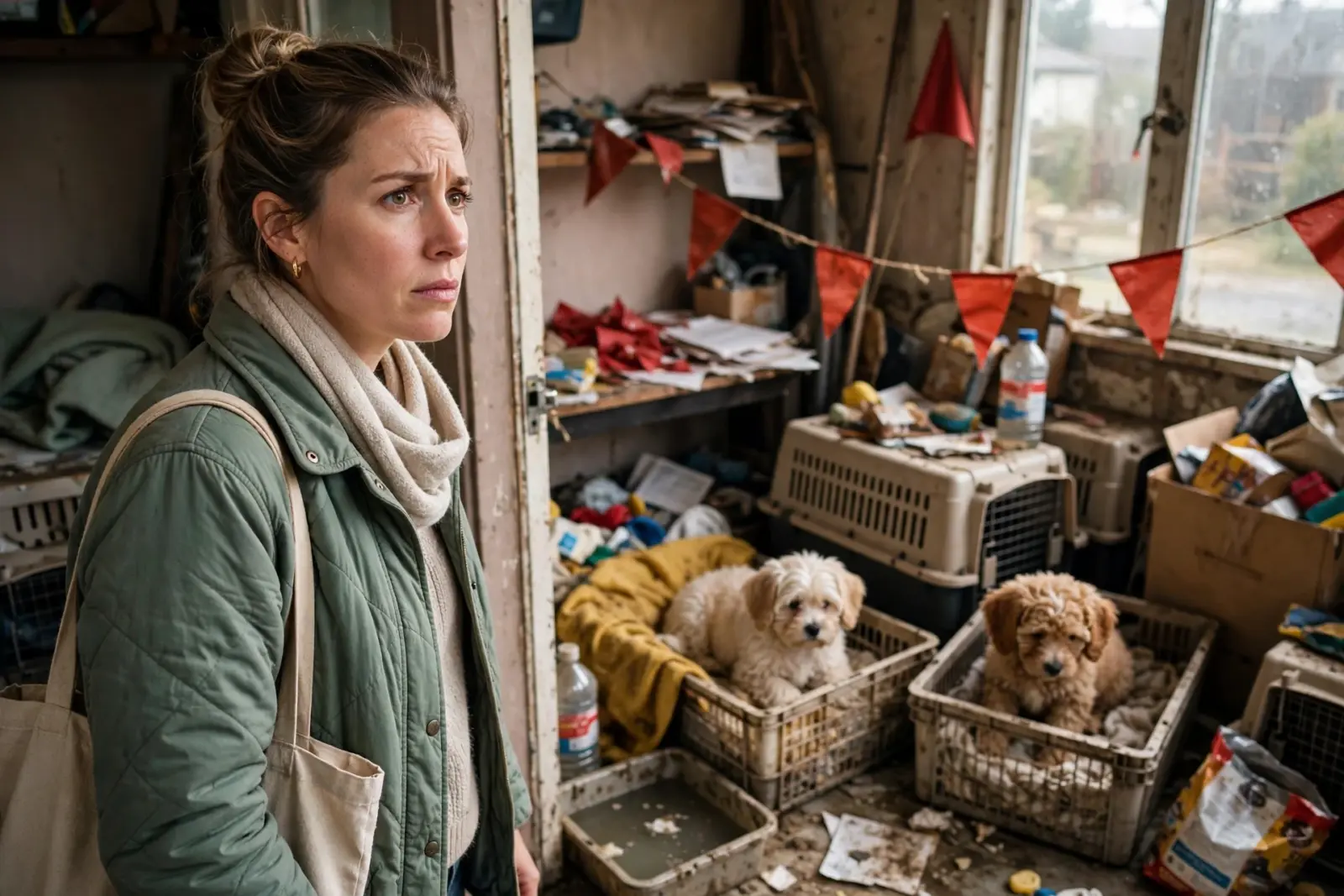
Quick Summary: Vet a puppy breeder by meeting the puppies and their mother, checking and independently verifying health records, using a written contract, and paying only a modest deposit with clear refund terms. Walk away from pressure, hidden living conditions, vague health claims, unexpected discounts, or refusal to allow visits and live video calls. Sage Puppies offers a small, owner-managed South Jordan, Utah program where families can review health records, parent backgrounds, pricing, and reservation details before committing.
Most puppy websites look trustworthy. Glossy photos, sweet captions, even testimonials. The hard part is knowing what to check before money changes hands, because learning how to vet a puppy breeder usually happens after someone has already paid a deposit to a puppy mill front.
So here is the direct answer. To visit and vet a reputable breeder, meet the puppies and their mother in person, ask to see health testing records, request a written contract, and pay only a modest, refundable deposit. Those four steps expose most problems early.
This guide walks through each one in detail. You will get a checklist for the visit itself, the health paperwork to verify, the questions worth asking, and the payment habits that protect your wallet.
We write from Cassie Milar’s breeding program in South Jordan, Utah, where every Havanese, Havapoo and Cavapoo litter is raised under our own roof. We know exactly what a good breeder should show you, because we show it every day. Once you know how to vet a puppy breeder, you can walk away from a bad match in ten minutes flat.

Now you know how to vet a puppy breeder, put that checklist to work. If you want a head start, Sage Puppies runs a small, owner-managed program in South Jordan, Utah, with Havanese, Havapoo and Cavapoo puppies raised under one clear standard: Wisely Bred, Beautifully Loved. Browse available puppies, review the pricing and reservation details, and submit an application when you feel ready. Cassie will walk you through health records, parent backgrounds and what raising your puppy at home will actually take, before any commitment. That is the same transparency you should expect from any breeder you visit, including us. Ask hard questions, trust what you see, and choose the breeder who welcomes every one of them.
Frequently Asked Questions
Q1: How do I go about visiting and vetting a reputable puppy breeder?
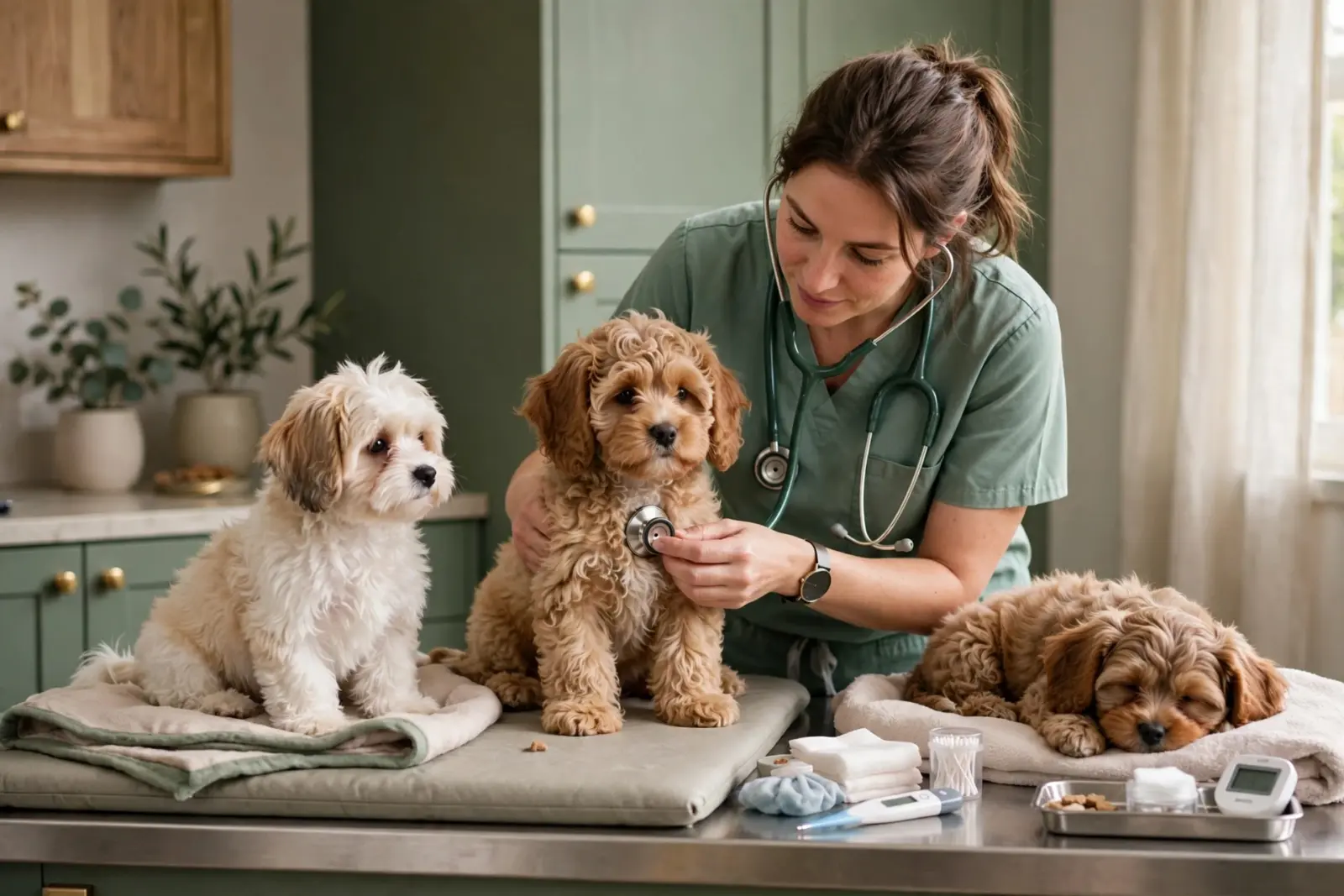
Start with a phone or video call, then schedule an in-person visit before paying anything. When you arrive, ask to see where the puppies live, meet the mother, and review health testing records on the spot. A reputable breeder invites you in, answers questions without hesitation, and asks you plenty in return about your home, schedule and experience. Watch how the puppies respond to people. Well-socialized puppies approach you curious and relaxed, not cowering or frenzied.
Tip: If a breeder refuses a visit, offers to meet you in a parking lot, or only “delivers,” treat that as a serious warning. Meeting the dam and, when possible, the sire tells you more in ten minutes than any website can.
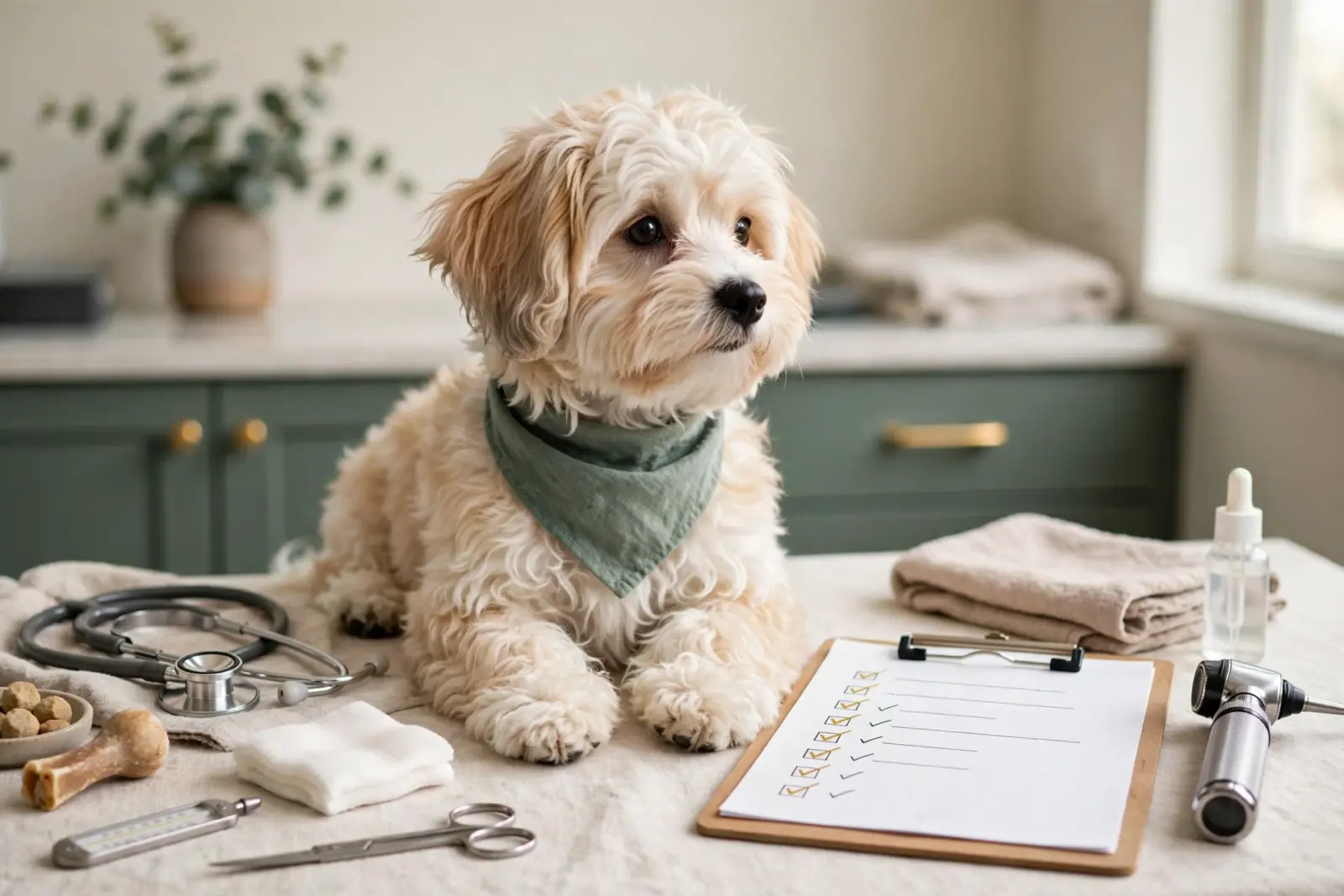
Bring a written list so nerves do not make you forget anything. Cover health testing, the puppy purchase contract, vaccination records, and the deposit and refund policy. Take notes during the visit. A good breeder will welcome your diligence, because it shows you will be a careful owner.
Q2: Can I vet a puppy breeder without visiting in person?
Yes, though it takes more effort. Ask for a live video call, not pre-recorded clips, and have the breeder walk the camera through the whelping area, the puppies and the mother in one continuous shot. Request copies of health testing records and verify them yourself in the OFA (Orthopedic Foundation for Animals) and CHIC databases by searching the parents’ registered names. Ask for the veterinary clinic’s phone number and call to confirm the puppies have been examined there. Finally, ask for references from two or three families who bought puppies in the last two years, and actually call them.
Video vetting works well for national buyers, and it is how many responsible breeders serve out-of-state families. If a breeder dodges live video, sends only edited footage, or pressures you to pay before any call, treat the distance as a red flag rather than a reason to lower your standards.
Q3: What health records should a breeder provide before I take a puppy home?
Expect four things. First, proof of the parents’ health testing, which you can verify independently through OFA and CHIC lookups. For Havanese, that typically means annual eye exams plus hips, patellas and cardiac evaluations, though DNA panels have limits and cannot rule out every inherited condition. Second, the puppy’s own veterinary exam record from a licensed clinic. Third, a vaccination record showing dates, products used and which shots are still due. Fourth, a deworming history with dates and medications.
Ask for copies, not photos of a folder waved at the camera. A legitimate breeder hands these over without being asked twice. If records are “coming later” or the breeder wants the deposit first, walk away.
Q4: How much should a deposit be, and when is it refundable?
A safe deposit is modest, usually a few hundred dollars, and it should be clearly explained in writing before you send anything. Ask two questions: what happens if no healthy puppy matches your preferences, and what happens if your own circumstances change before pickup. Many reputable breeders refund deposits when they cannot offer a suitable puppy but apply or keep them when a buyer simply changes their mind, because they have turned other families away. The key is that the policy exists on paper, not as a verbal promise.
Never pay the full purchase price up front to a breeder you have not met. Use a payment method with a paper trail, get a dated receipt, and make sure the contract states what the deposit holds: a specific litter, pick position or puppy.
Q5: What are the biggest red flags when vetting a puppy breeder?
Watch for these patterns. The breeder always has multiple breeds and litters available year round, which suggests volume production rather than a planned program. They will not let you see the mother or the living space. They push delivery and payment before any conversation. Health “guarantees” replace actual health testing records. They cannot name their veterinarian or produce a single vaccine record. Prices are dramatically below the breed’s normal range, or they run constant discount pressure.
Warning: Puppy-scam losses spike around holidays. If you feel rushed, or the only communication channel is a messaging app with a stock-photo profile, stop and verify before sending money.
One red flag alone may have an innocent explanation. Three or more together usually do not. Trust what you see over what you are told.
Q6: What questions should I ask a puppy breeder during the visit?
Ask about the parents first: their ages, temperaments, health testing results and whether you can meet them. Ask how puppies are raised, including house training starts, socialization, handling and exposure to everyday sounds. Ask which vaccinations and exams the puppy has had and what remains. Ask what the contract covers, including health terms, return policy and any spay or neuter requirements. Then ask about support: will the breeder answer questions a year from now, and will they take the dog back if your situation ever changes?
A strong breeder interviews you too, asking about your schedule, children, other pets and plans for training. That back-and-forth is a good sign. It shows the breeder cares where the puppy lands, not just whether it sells.
Q7: Is it normal for a breeder to ask me a lot of questions?
Yes, and you should want it. Responsible breeders screen buyers carefully because they are placing a living animal, not completing a sale. Expect questions about your work hours, yard, experience with dogs, other pets, children’s ages and how you plan to train. Some breeders use a written application, others prefer a long conversation, and many do both.
If a breeder accepts your money with zero questions, that tells you the puppy’s placement matters less than the payment. Good breeders sometimes turn buyers away or suggest a different fit, which is exactly the care you want on your side of the transaction.
Q8: When should I walk away from a breeder, even after a good visit?
Walk away when the details do not line up, even if the visit felt pleasant. If health testing records exist only as promises, if the mother seems fearful or unhealthy, if the contract is verbal, or if the deposit and refund terms stay vague after two asks, those are enough. Also reconsider if the breeder guilts you for asking questions or pressures you toward a same-day decision.
You can love a puppy and still decline the purchase. A dog lives ten to fifteen years, and the breeder you choose shapes your first months, your vet relationship and your support system. Taking an extra week to verify records, call references and compare programs costs nothing. Paying a deposit to the wrong program can cost you years of heartache, so let the paperwork, not the puppy eyes, make the final call.
Conclusion
Vetting a puppy breeder comes down to four habits that work anywhere. Meet the puppies and their mother in person, ask for health testing records and verify them yourself, insist on a written puppy purchase contract, and keep the deposit modest until you are sure. None of these requires expertise, just patience.
The pattern behind every red flag is simple: pressure without proof. A breeder who hides the mother, dodges live video, discounts heavily or wants payment before questions is telling you how the next fifteen years will feel. A breeder who welcomes your checklist, volunteers records and interviews you back is showing you something just as clearly.
Trust what you see over what you are told, and let the paperwork make the final call. If a detail does not line up during a visit, walk away, even if the puppy is adorable. Waiting a week costs nothing; the wrong deposit can.
When you prepare for the visit itself, our guide on what to look for onsite at a puppy breeder walks through the same standards we hold in our own program, litter by litter. Whether you end up with us in South Jordan, Utah, or with another careful breeder closer to home, the goal stays the same: a healthy, well-socialized puppy from someone who will still answer your questions years from now.