Quick Summary: Choose a Utah shelter if you want a low-cost puppy and can stay flexible about breed, size, and coat, since adoption fees often include vaccines, microchips, and spay or neuter. Choose a breeder if you need a specific small breed with known parents and health screening, but expect to pay $2,500 to $5,000 and wait two to six months, with Sage Puppies pricing Havanese, Havapoo, and Cavapoo puppies at $3,500 to $4,500. Neither route guarantees a good match, so verify records, licenses, contracts, and post-purchase support before committing.
If you search for puppies right now, you’ll see open listings and nearly empty kennels at Utah dog shelters at the same time. The honest answer to the breeder vs shelter question depends on what you want: a specific breed with documented parents, or an open-ended match. Utah dog shelters like Humane Society of Utah and Best Friends Salt Lake City Pet Adoption Center place adoptable puppies Utah families love for low fees, often with vaccines and microchips done. A breeder offers a predictable adult size and health records. This guide compares cost, wait time, and support across both, so your household can pick the right fit.
Utah Dog Shelters vs Utah Breeders: At a Glance
| Utah dog shelters and rescues | Utah private breeders | |
|---|---|---|
| Upfront cost | Adoption fees commonly low or waived; Humane Society of Utah lists fees from pay-what-you-can up to $500 for dogs, Best Friends Salt Lake City lists $100 adult dogs and $150 puppies | Sage Puppies prices Havanese, Havapoo, and Cavapoo puppies at $3,500 to $4,500; other Utah breeders vary |
| Puppy availability | Puppies arrive as litters and are usually adopted quickly; exact inventory changes weekly | Planned litters with a waitlist and application process rather than same-day listings |
| Breed predictability | Often unknown or mixed breed, though some breed-specific rescues place purebred dogs | Breed-specific by design, with known parents and expected adult size |
| Health documentation | Vaccinations, spay or neuter, and microchip typically included in the fee | Puppy exam records plus parent clinical screening and DNA variant results, which are separate documents |
| Ongoing support | Varies widely by organization; foster-based rescues offer the most behavior and medical guidance | Contract, health guarantee terms, and lifetime contact with the breeder are common, though terms differ by breeder |
| Best for | Families open to breed, who want to save money and support a nonprofit | Households that want a specific small breed and can plan ahead and budget |
How Utah dog shelters and rescues and Utah private breeders Compare
Utah dog shelters and rescues
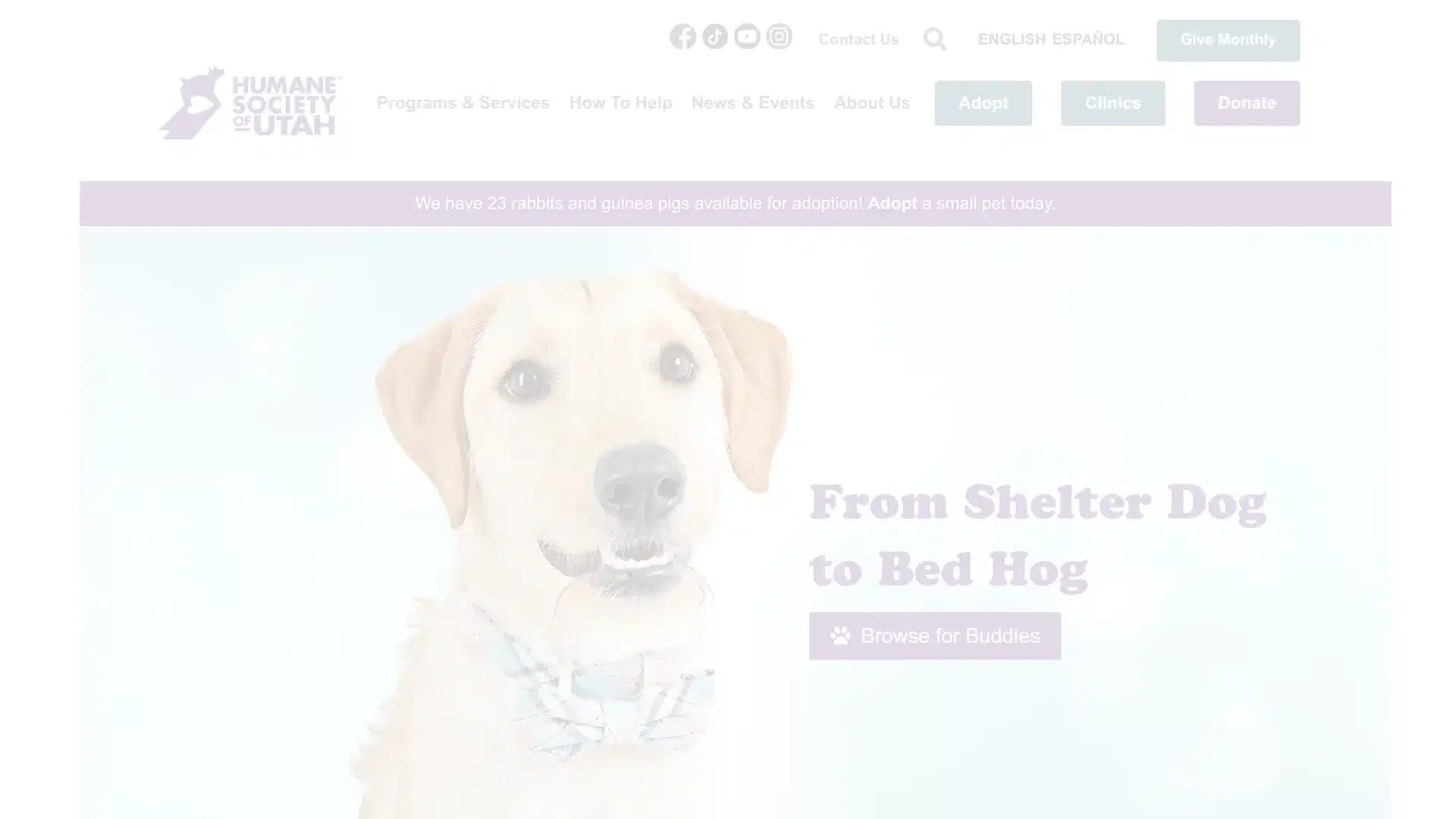
Nonprofit shelters and foster-based rescues rehome dogs for a modest adoption fee. Groups like the Humane Society of Utah and the Best Friends Salt Lake City Pet Adoption Center fit families open to any breed who want to save money and support a nonprofit.
Key strengths
- Low or waived adoption fees, usually covering vaccines, spay or neuter, and a microchip
- Immediate availability when puppies arrive as litters
Utah private breeders
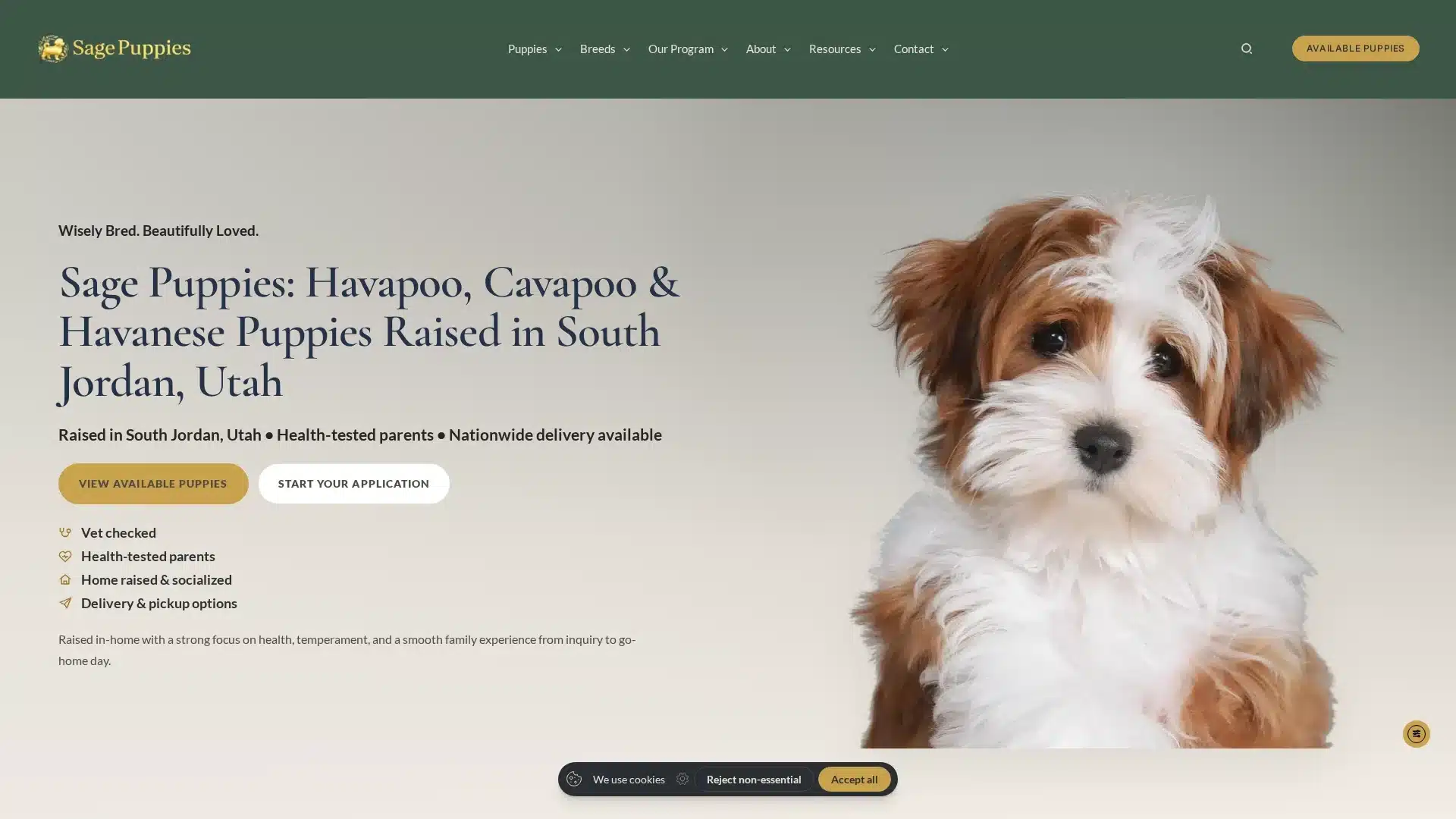
Private breeding programs sell pedigreed and crossbred puppies through an application, deposit, and written contract, with prices typically in the low thousands. This route suits households set on a specific small breed, such as a Havanese, Havapoo, or Cavapoo, who can plan ahead and budget.
Key strengths
- Known parents, expected adult size, and puppy health screening records with parent testing
- Planned litters with clear waitlist and deposit terms
Where to Buy a Puppy in Utah: Shelter or Breeder
For most Utah families, the best place to buy a puppy is the route that matches your priorities: a shelter if you want to save a life and keep costs low, a breeder if you want a specific breed, known parents, and health records from day one. Both paths work well here. Your options include:
- Humane Society of Utah in Murray, with dogs from pay-what-you-can up to $500
- Best Friends Salt Lake City Pet Adoption Center, which lists adult dogs around $100
- Salt Lake County Animal Services, which posts adoptable pets online
- A licensed Utah breeder or small home program for Havanese, Havapoo, or Cavapoo puppies
The Utah shelters that regularly have puppies
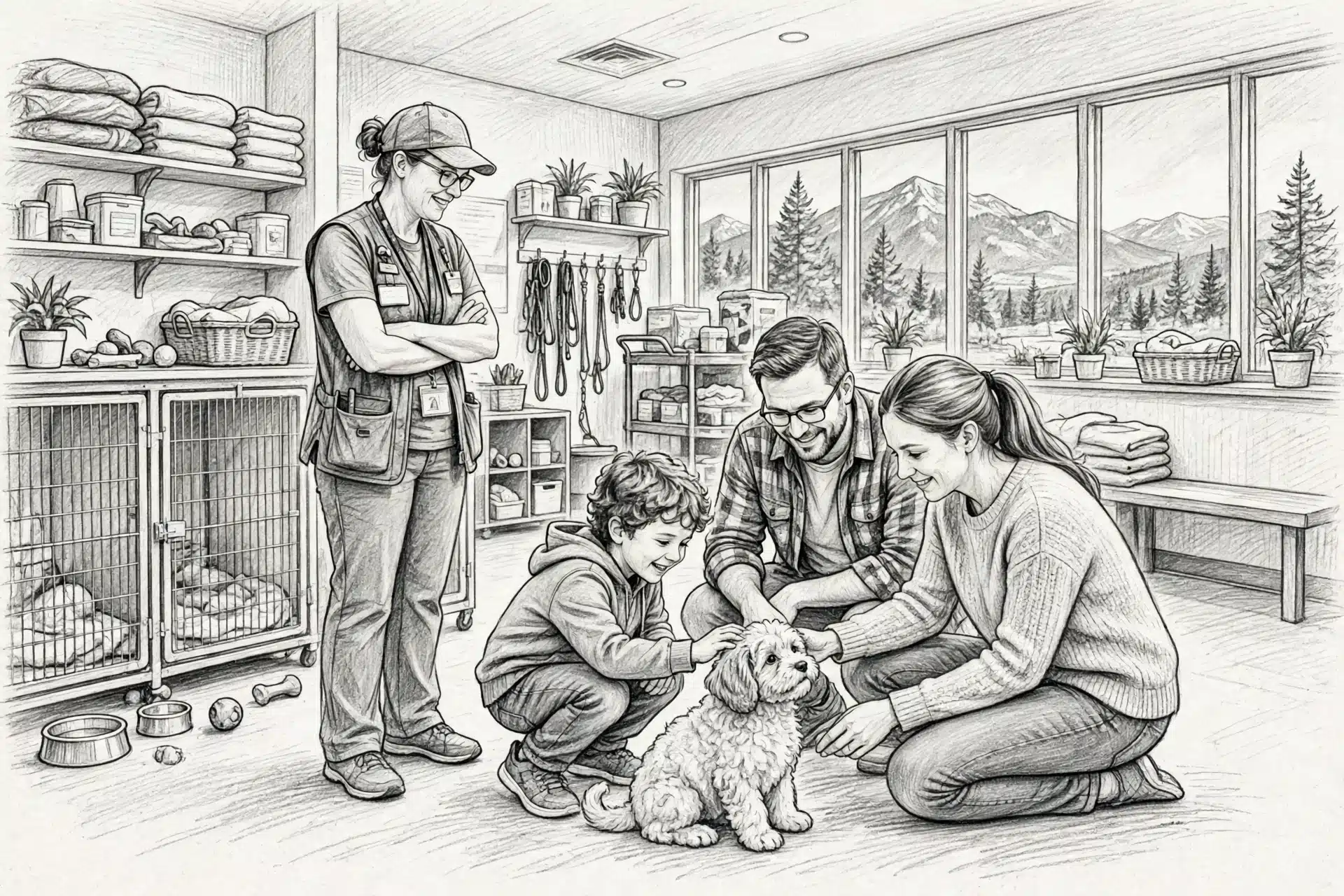
Shelters and rescues along the Wasatch Front place dogs daily, but puppies move fast. Purebred small-breed puppies rarely appear, so most families waiting for a Havanese-type dog at a shelter wait months or settle for a mixed breed they did not plan for. Call ahead, check adoptable listings each morning, and fill out an application before you visit. Adoption fees stay low, and most dogs leave spayed or neutered with initial vaccines. The tradeoff is history: you often get little or no information about the parents, early socialization, or health screening.
What buying from a Utah breeder actually looks like
Utah has no statewide breeder license, though Salt Lake City requires a responsible breeder license under its animal services code. So vetting falls on you. A reputable breeder welcomes visits, shows parent health testing, and uses a written application and deposit. If you want a checklist for either route, this guide to finding a puppy in Utah covers the questions to ask.
SOURCES:
- Humane Society of Utah adoption fees: https://www.utahhumane.org/adopt/adoption-fees
- Best Friends Salt Lake City adoption fees: https://bestfriends.org/salt-lake-city/adopt/adoption-fees
- Salt Lake County Animal Services adoptable pets: https://adoptapet.adoptaspca.org/shelter/salt-lake-county-animal-services
- Salt Lake City responsible breeder license code: https://codelibrary.amlegal.com/codes/saltlakecity_ut/latest/saltlakecity_ut/0-0-0-49822
- Utah state breeder licensing overview: https://www.animallaw.info/topic/table-state-commercial-pet-breeders-laws
INTERNAL LINKS:
- How to Find a Puppy in Utah: Breeder and Shelter Checklist: https://sagepuppies.com/how-to-find-a-puppy-in-utah-breeder-and-shelter-checklist/ (used inline above)
What a Puppy Costs: Adoption Fee vs Breeder Price
Here is the short answer. A Utah shelter or rescue puppy usually costs $0 to $500 up front, and that fee typically covers spay or neuter, vaccines, and a microchip. A breeder puppy from a small breed like a Havanese, Havapoo, or Cavapoo commonly runs $2,500 to $5,000, with health screening and parent testing of the parents included at a good program. The gap reflects what each route includes and how predictable the puppy is.
Reading Utah adoption fees without misreading them
Adoption fees are not random. The Humane Society of Utah’s puppy fees sit at $500 and cover the spay or neuter, microchip, and age-appropriate shots. Adult dogs often cost far less, sometimes $25 during specials. Best Friends Salt Lake City lists adult dogs around $100. The catch: those fees already pay for surgery, so adding those costs to your budget double-counts.
Planning a breeder budget, including what is not included
Breeder prices look high because they carry early work: parent health testing, first vaccines, deworming, and early socialization. At Sage Puppies, puppies range from $3,500 to $4,500, and the pricing and reservation page lays out deposit terms before you commit. What is not included: ongoing vet visits, food, grooming, training, and supplies. Ask any breeder exactly which health records come with the puppy, then put everything else in writing.
First-year costs that surprise new Utah owners
Whichever route you pick, the first year adds up fast. Budget for a vet exam, booster shots, spay or neuter if the puppy arrives intact, a crate, and training classes. Grooming alone runs $50 to $90 per visit for a Havanese coat.
Mixed-Breed Matches vs Known Pedigree
What an unknown-heritage shelter puppy actually means
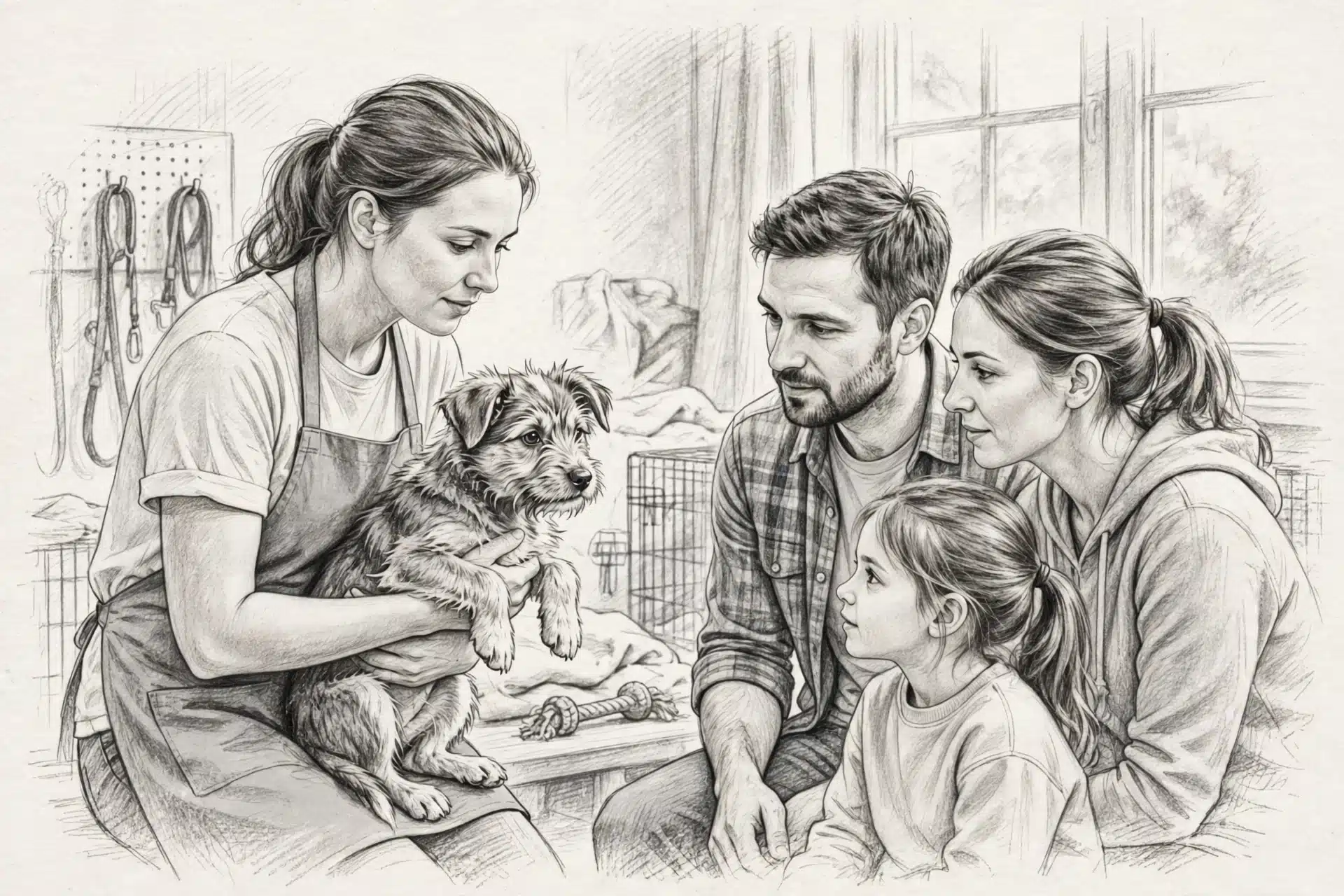
Most shelter pups in Utah are mixed breeds with no paperwork. Staff can often tell you the size the dog will reach, based on paws and age, but not whether it will lean toward a Havanese coat, a terrier bark, or something else. Health history for the parents is unknown, so future joint or skin issues are a guess. That is not a flaw; it is simply a trade. You pay little up front and accept uncertainty about adult size, coat care, and temperament. If you can adapt to the dog that shows up, adoption works well.
Why small-breed seekers end up with breeders
Families who want a specific small breed usually need more predictability than a shelter can promise. A known pedigree answers the questions that matter most: expected adult size, coat type, grooming needs, and the general temperament both parents show. Responsible breeders also share health screening records and parent testing, which shelters cannot supply for unknown lineage. Small breeds like Havanese, Havapoo, and Cavapoo rarely appear on Utah shelter floors, so waitlists run long or never fill. When size and coat matter, working with a breeder through a clear puppy search checklist gives you facts instead of surprises.
Health Records and Vetting: What Each Route Shows You
Paperwork is where the two routes differ most. A breeder can show you a puppy’s full history before it comes home. A shelter shows you what was documented while the puppy was in its care. Neither is a red flag by itself, but you should know what each file can and cannot prove.
Documents to ask for from a Utah breeder
A good breeder hands over records without being pushed twice. Ask for these before you pay a deposit:
- Proof of a state or local license. To check whether a Utah breeder is licensed, ask for the license number, then verify it with your city or county.
- Veterinary exam record for the puppy, dated and signed.
- Vaccine and deworming log with dates and products used.
- Parent health screening results, including tests for breed-specific conditions.
- A written contract covering returns, health terms, and what happens if the match fails.
Breeders who test their parent dogs, as responsible Havanese and Cavapoo programs do, can show those results directly.

What shelter health records actually tell you
Shelter files list what happened after intake: vaccines given, deworming, a spay or neuter, and a microchip. They rarely include parent history or early weeks, because the puppy arrived as a stray or a surrender. That gap is normal. Ask the staff what behavior and health notes they observed, and schedule a vet visit within the first week.
Utah licensing and local rules worth checking
Utah has no statewide pet breeder license, so rules vary by city and county. Salt Lake City requires a responsible breeder license for anyone selling dogs, and some operations fall under the federal Pet Animal Care and Facilities Act. Call your city’s animal services office to confirm a seller is current, and ask shelters like Salt Lake County Animal Services about their own intake standards.
Availability and Wait Times
Timing shapes your choice as much as budget does. Here is what each route actually looks like.
Shelter puppies move fast, then wait
Adoptable puppies at Utah shelters move in hours, sometimes minutes. Good litters at the Humane Society of Utah or Salt Lake County Animal Services rarely sit long, so families check listings daily and arrive early. The trade-off comes after you fall in love: most puppies stay until they are old enough to adopt, often eight weeks or more, and popular breeds get long request lists.

Breeder waitlists run in months, not weeks
Reputable breeders usually plan litters a season ahead. Expect two to six months of waiting for a Havanese, Havapoo, or Cavapoo, and longer if you want a specific coat or color. Most programs take deposits before puppies are born, so you commit early and get updates as the litter grows. Boutique programs work the same way; Sage Puppies, for example, matches families through its reservation process before a litter ever arrives. Ask each breeder for a realistic timeline in writing, including what happens if a litter is small or a pregnancy is missed.
Support After the Puppy Comes Home
The puppy is home. Now what? The two routes help you differently in the weeks and months after pickup, and knowing the difference ahead of time saves real stress.
What a shelter can and cannot offer
Shelters like the Humane Society of Utah send every dog home with vaccine records, a microchip, and a spay or neuter already done. Many also share basic behavior notes from kennel staff. What they usually cannot tell you is the puppy’s parentage, early socialization history, or the health test results of the parents. For mixed-breed puppies, that background is often simply unknown, even at a careful shelter.
What a breeder contract covers, and what it does not
A good breeder contract puts promises in writing. Expect a health guarantee window, a requirement to spay or neuter by a set age, and sometimes a clause to return the puppy to the breeder rather than rehome it. Ask whether the contract covers hereditary conditions and for how long. What it will not cover is training results, housebreaking speed, or damage your puppy does to the carpet. Those are on you. Ask for the parent health screening records before you sign, and keep the contract with your vet paperwork. At a small program like Sage Puppies, that written process doubles as your point of contact for questions after pickup.
Which Should You Choose: Utah Shelter or Utah Breeder?
Neither route is universally better. Adoption suits some families, and buying from a breeder suits others. Here is the honest breakdown.
Choose a Utah shelter when:
- Your budget favors a $0 to $500 fee over a few thousand dollars
- You want shots, a microchip, and spay or neuter already done
- You have an open mind about breed, coat, or size
- You would rather give an existing dog a home than wait months
Choose a Utah breeder when:
- You need a specific small breed, like a Havanese, Havapoo, or Cavapoo
- Predictability matters: known parents, health screening records, and expected adult size
- You want to raise a puppy from eight or ten weeks old
- Allergies or housing rules make a low-shedding, predictable coat essential
Neither route is a guarantee of a good match. Shelters often lack puppy history, and a well-run shelter screens adopters carefully. A good breeder also screens buyers, so expect an application, questions about your home, and sometimes a waitlist. The difference is what you know up front. A breeder can show you the parents and testing; a shelter gives you what it knows at intake. Whichever way you lean, prepare before you commit. Our Utah puppy checklist walks through the questions worth asking either side. The route you pick matters less than doing the homework it requires.

Whichever route fits your family, take it with your eyes open. If a well-bred Havanese, Havapoo, or Cavapoo feels right, see how Sage Puppies matches each puppy with its people, then start the application when you’re ready.
Frequently Asked Questions
Q1: Where is the best place to buy a puppy in Utah?
There is no single best place. If you want a specific small breed with known parents, a breeder fits. If you want low fees and an open-ended match, start with the Humane Society of Utah or Best Friends Salt Lake City.
Q2: Is it better to adopt a puppy from a shelter or buy from a breeder in Utah?
Neither is universally better. Adoption suits families flexible about breed and coat; breeders suit households needing predictable size, temperament, and health screening records from day one.
Q3: How much does a puppy cost from a breeder vs a Utah shelter?
Shelter puppies usually cost $0 to $500, with surgery and vaccines included. Breeder puppies from small breeds typically run $2,500 to $5,000, before first-year costs like grooming and vet visits.
Q4: How long is the wait for a Havanese, Havapoo, or Cavapoo in Utah?
Expect two to six months from most reputable breeders, longer for a specific coat or color. Shelter litters appear without notice and adopt within hours.
Q5: Do Utah breeders need a license?
Utah has no statewide pet breeder license, but Salt Lake City requires a responsible breeder license. Ask any seller for the number, then verify it with your city or county animal services office.
Conclusion
The best place to buy a puppy in Utah comes down to fit. A shelter or rescue like the Humane Society of Utah works well when your budget is small and your breed is flexible, with fees from about $0 to $500. A Utah breeder fits families set on a Havanese, Havapoo, or Cavapoo, where known parents and health screening records justify a $3,500 to $4,500 price. Neither route is better by default. Whichever you choose, verify records, ask the hard questions, and commit only when the answers hold up.