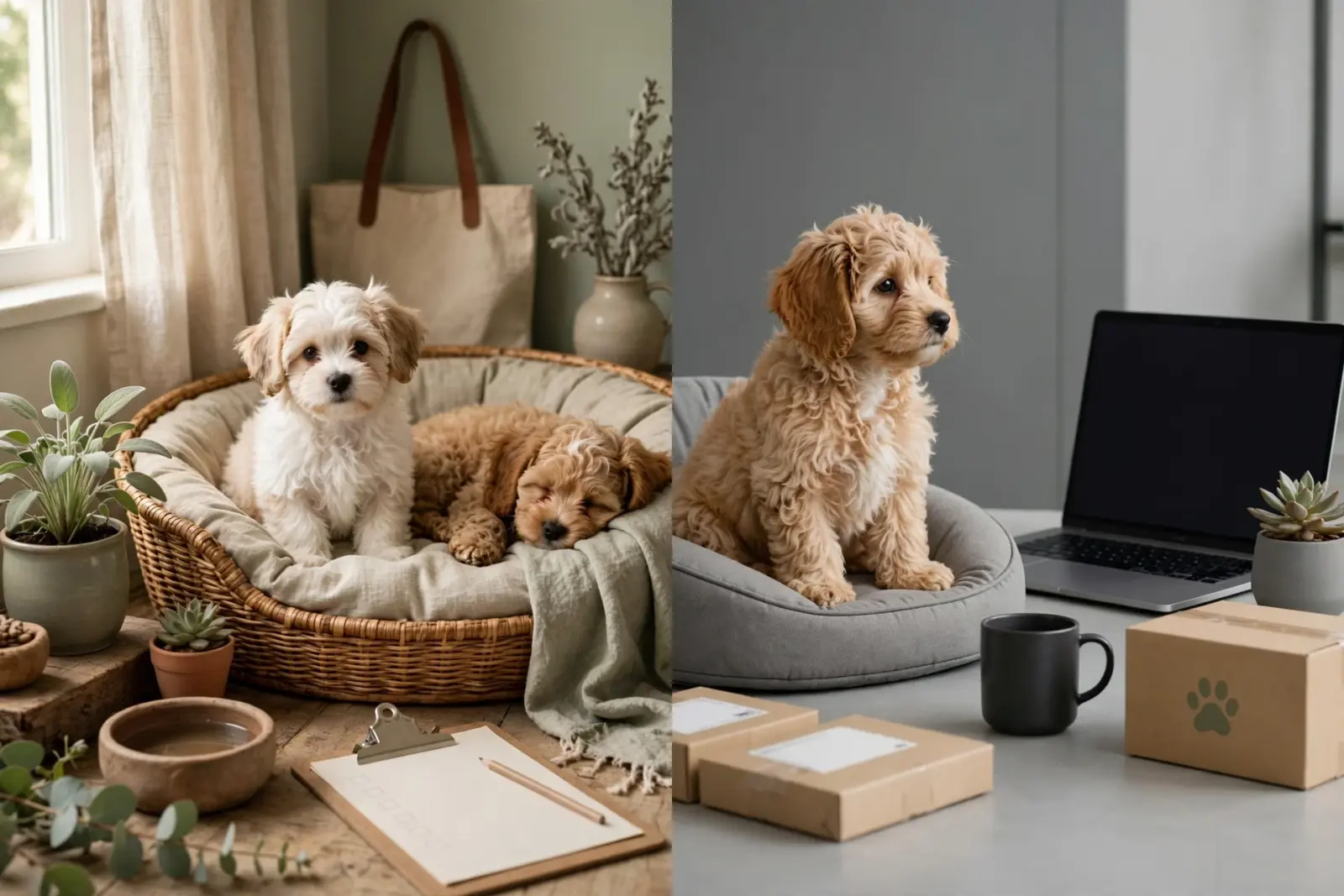
Quick Summary: Utah does not license or inspect dog breeders, so buyers must verify every seller through live video, parent health screening, DNA records, references, and a written contract before paying a deposit. Breeders, shelters, rescues, and rehoming networks each suit different needs, with a first-year puppy budget of roughly $5,700 when buying or $2,700 when adopting. Sage Puppies supports the same transparent, owner-managed approach by listing Havanese, Havapoo, and Cavapoo litters and sharing health records before placement.
Finding a puppy in Utah sounds simple until you start. You save one photo, share it in the family group chat, and three weekends later you are still comparing sellers who all use the same words. The state keeps no breeder license list and no registry you can check, so a polished website proves nothing on its own.
That gap is the problem this guide solves. It walks you through three routes side by side: a responsible breeder, shelter puppy adoption, and Utah puppy rescues. You will learn which records actually confirm a dog’s background, which claims cannot be verified, and what a full first year really costs.
We write from the breeder side. Sage Puppies is a small program in South Jordan raising Havanese, Havapoo and Cavapoo puppies, so we know exactly what thorough paperwork looks like and what buyers should demand before money changes hands.
Where to Find Puppies for Sale in Utah: Four Routes Compared
Finding a puppy in Utah comes down to four routes: private breeders, county shelters, breed-specific rescues, and rehoming networks. Here is where each one starts.
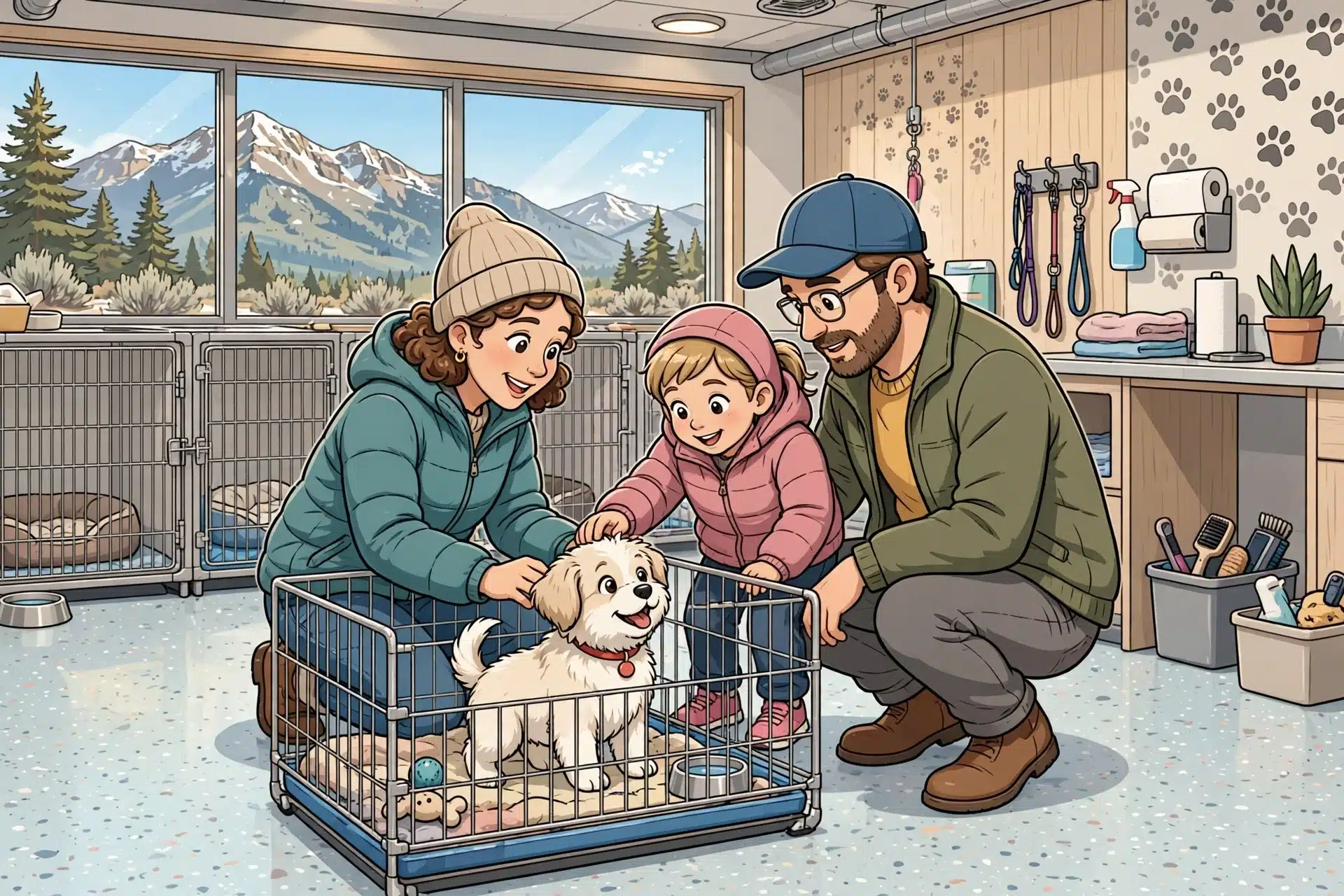
- Private breeders – licensed programs and home breeders, found through breeder referrals or club directories
- County shelters – Salt Lake County, Davis County, and South Utah Valley animal services
- Breed rescues – groups like Cache Humane Society and All Paws Count
- Owner rehoming – direct listings from families who need to place a dog
Private and breed-specific breeders in and around Utah
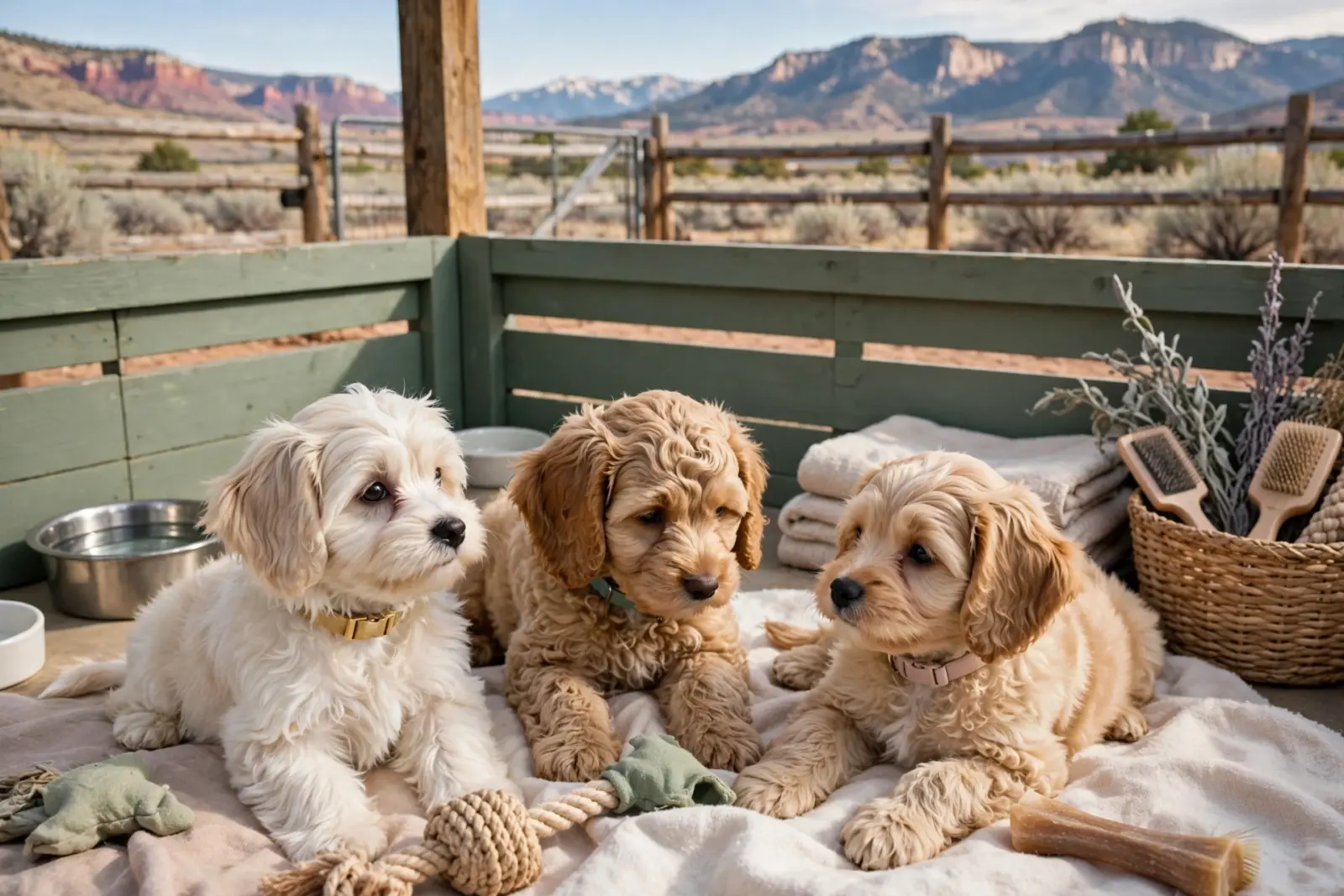
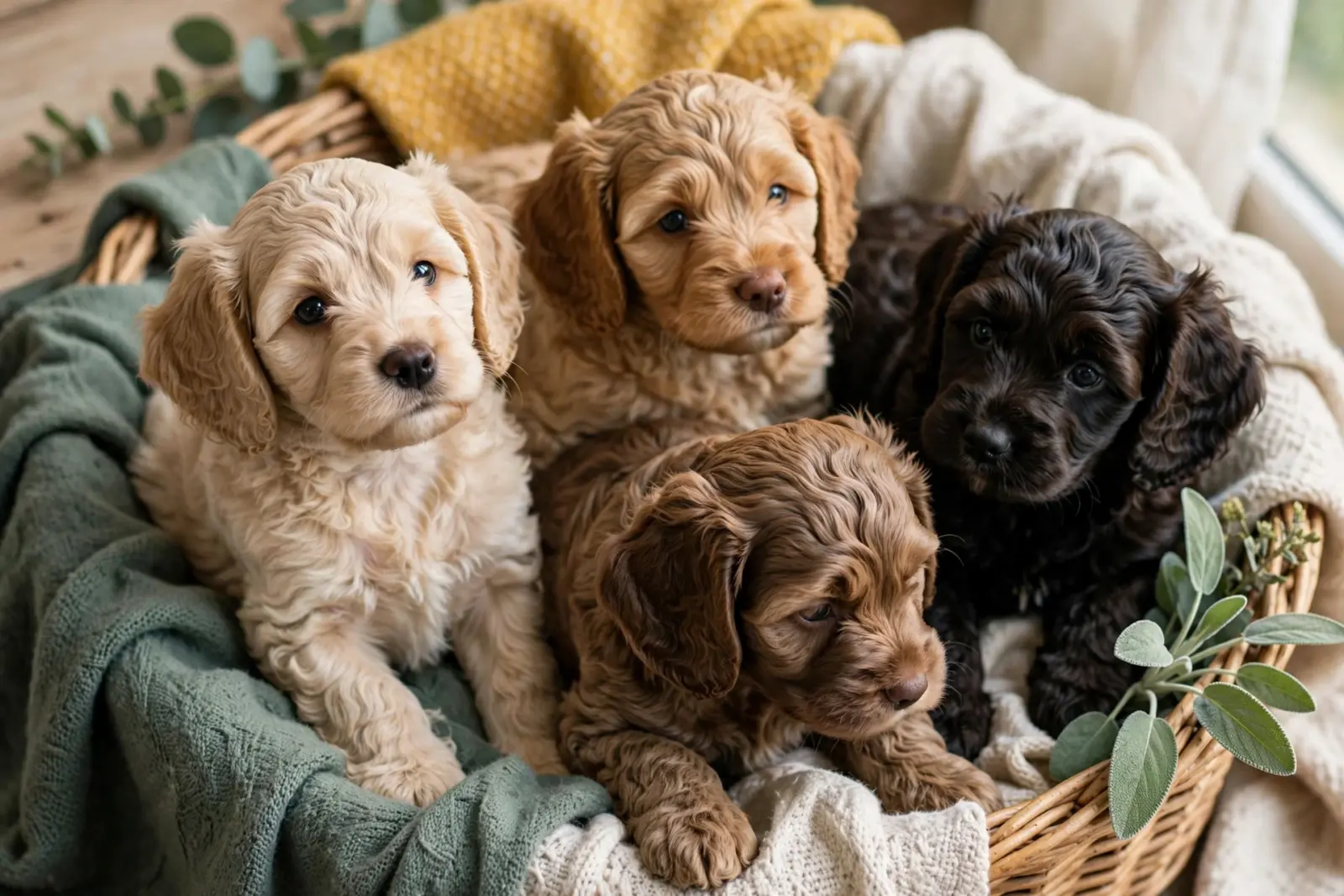
Breeders are the main source of purpose-bred puppies, especially for small breed companion dogs like Havanese, Havapoos, and Cavapoos. Utah licenses no state dog breeders, so vetting falls on you: visit in person, meet the mother, and ask for parent health testing. A small program such as Sage Puppies lists current litters openly, and you can compare that approach with available puppies in Utah from any breeder you contact.
Shelters and county animal services
Shelter puppy adoption works best when breed flexibility matters more than pedigree. Salt Lake County Animal Services and Davis County Animal Care post adoptable dogs online, and South Utah Valley Animal Shelter serves Spanish Fork and surrounding towns. Puppies show up, but adults dominate the kennels. Adoption fees usually cover spay or neuter surgery and vaccines, which lowers the first-year bill.
Breed-specific rescues and rehoming networks
Rescues fit families set on one breed without a breeder budget. Groups such as Cache Humane Society and All Paws Count rehome dogs across Utah, mostly adults with known temperaments. Waitlists for puppies run long, so patience matters.
How to Vet a Utah Breeder Before You Pay
A legitimate Utah breeder can show you, in writing or on video, three things: proof the puppy exists, proof the parents exist, and records that back the health claims. Anything less is claimed-only. That matters here because finding a puppy in Utah means working without a state safety net. Utah requires no state breeder license, and the state runs no breeder inspection program, though some cities add their own permit rules.
Confirming the breeder exists where they say they do
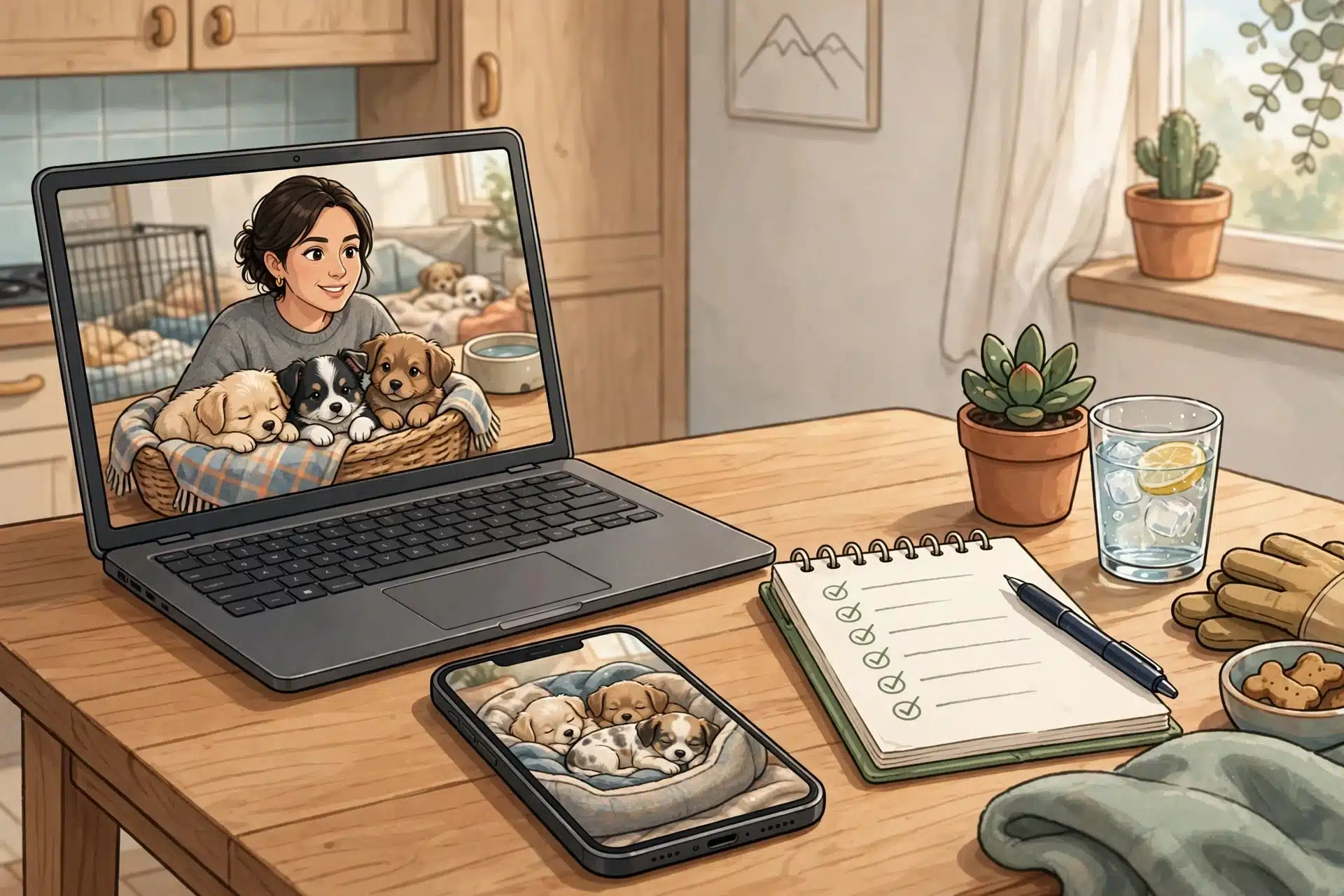
Start with the address. Ask for a street or cross-street and check it against maps and the business license records many Utah cities keep. A South Jordan program, for example, should match what city records or a quick drive-by show. Then ask for a live video call from the home where the puppies live. Scammers reuse the same photos and stock video, so ask for a fresh clip with today’s date written on paper next to the puppy.
Questions to ask before any deposit
Put these in writing and keep the answers:
- Which vet examines the puppies, and can you call the clinic?
- What health screening did the parents have, and can you see the actual results rather than a summary?
- What does the deposit cover, and is it refundable if the match falls through?
- Who keeps the puppy between birth and pickup, and where does it sleep?
A serious breeder answers without hesitation and puts terms in a contract. You can compare answers using puppy deposit safety questions before you send money.
Reading reviews, references and past buyer experiences
Ask for two or three past buyer references and actually call them. Then search the breeder’s name with words like “review” and “scam,” and check state consumer complaint records. Pattern matters more than a single bad comment. Consistent complaints about deposits, delivery or health are your answer.
Health Records and Screening: What to Request and How to Read It
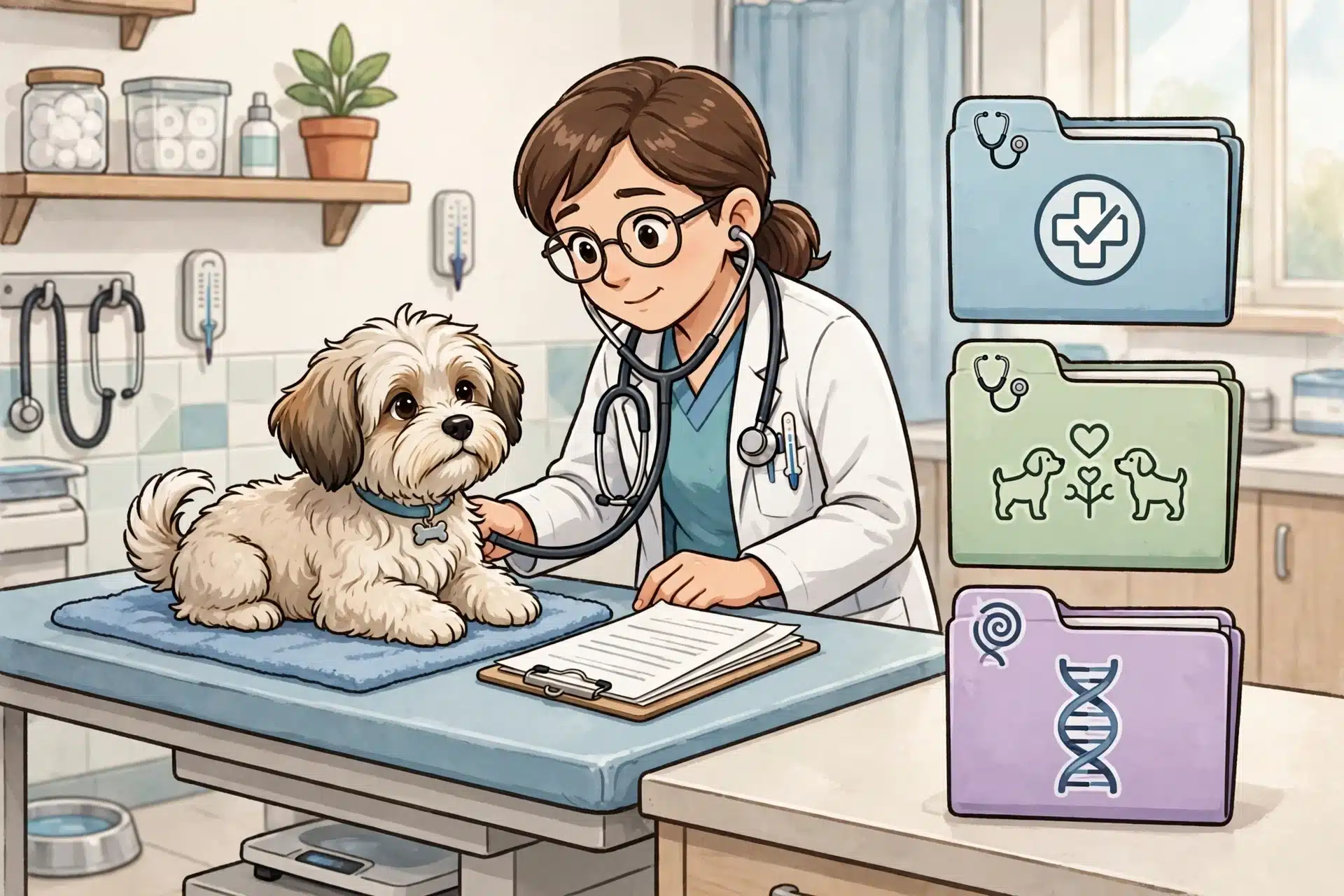
Ask a breeder for three things: the puppy’s vet exam record, the parents’ health screenings, and DNA test results. Each answers a different question, so a stack of papers proves little unless you know which is which.
Three record types, three different meanings
| Record type | What it can show | What it cannot show |
|---|---|---|
| Puppy health certificate or exam record | This puppy is healthy today | Inherited conditions that appear later |
| Parent screening results | Parents’ hips, knees, eyes and heart | Problems from the other side of the family tree |
| DNA test results | Carrier status for specific genes | Every genetic risk, and nothing about structure |
A puppy health certificate only covers the visit date. Parent screenings and DNA results protect against problems that show up at age two or five, which is why the second and third rows matter most for a small breed companion dog.
Breed-specific screening to ask about
For Havanese, the Havanese Club of America recommends patella certification, annual eye exams, hip testing and cardiac checks for breeding dogs, according to its health and testing guide. For Havapoos and Cavapoos, ask about the same joints plus conditions common to the poodle or Cavalier parent. Verify results yourself in the OFA database rather than accepting a photocopy. Sage Puppies screens parent dogs for these conditions and shares the records with each puppy’s family.
Scheduling an independent veterinary check
Book your own vet visit within the first few days, even with strong breeder records. An independent exam confirms the puppy matches its paperwork and gives your vet a baseline. Good breeders expect this and welcome it, so hesitation is a red flag worth noting.
Readers who want the full breakdown can see which records to request and how to read DNA results.
Contracts, Deposits and Payment Safety
A puppy contract protects you before the puppy comes home. Get every promise in writing: health guarantee terms, what the breeder will take back, spay or neuter requirements, and both parties’ names and dates. Because Utah licenses no state dog breeders, a written agreement plus vaccination and vet records are often the only documents a buyer can actually verify. A serious breeder expects these questions, so treat hesitation as a signal. The puppy deposit safety rule is simple: no contract, no money.
What a written puppy contract should cover
Look for a stated purchase price, health guarantee window, and clear return or rehome terms. It should separate what a vet exam confirms from what parent health testing and DNA results claim, since those are different levels of evidence. Ask who pays if a health issue appears in the first days. Responsible breeders also spell out pickup or delivery terms and microchip details.
Deposits, refunds and waitlist positions
Ask exactly what a deposit holds: a specific puppy, a pick position in a litter, or a place on a general waitlist. Get the refund conditions in writing before you pay, including any fees if you change your mind. Some breeders, including Sage Puppies, use an application before deposits so matching comes first. Confirm waitlist movement rules too, such as how many litters you may pass before the deposit transfers or expires.
Payment methods and scam red flags
Pay with a method that leaves a record, like a credit card or documented invoice, and avoid gift cards, wire transfers and crypto. Puppy scam warning signs include photos that appear on multiple sites, pressure to pay the same day, and sellers who refuse a video call showing the puppy live. Visit in person when you can, or ask for video of your specific puppy with today’s date visible.
What It Actually Costs: Purchase, Adoption and First-Year Budget
A puppy’s first year in Utah typically runs about $5,700 for a breeder purchase at a $3,500 start, or roughly $2,700 through adoption, once you add vet visits, supplies, food and training. The purchase is one line. The care behind it is the rest.
The purchase price line, and what it covers
Buying from a breeder costs more up front than adopting. Sage Puppies prices its Havanese, Havapoo and Cavapoo puppies at $3,500 to $4,500, and that range describes one breeder’s program, not a Utah market average. Shelter and rescue fees usually sit between $50 and $500 and often include spay or neuter surgery and initial vaccines.
Ask any breeder what the price covers: the puppy exam record, vaccinations, microchip registration and written contract terms. Get each answer in writing.
Delivery, travel and first-year care
| First-Year Budget (Illustrative) | One-Time | Recurring |
|---|---|---|
| Purchase or adoption fee | $50–$4,500 | – |
| Delivery or flight nanny (if shipped) | $300–$600 | – |
| Vet visits, vaccines, spay/neuter | $400–$1,200 | – |
| Supplies: crate, gear, food bowls | $300–$600 | – |
| Food, grooming, insurance | – | $1,000–$2,500 per year |
| Training classes | $150–$400 | – |
These are planning estimates, not quotes. Rover’s 2026 cost report puts upfront dog costs between $1,195 and $4,650, so build a cushion above your total.
How Utah Breeders Match Puppies to the Right New Owners
Most Utah breeders place puppies by fit, not by first come, first served. Expect a short written application, a conversation, and then a deposit once both sides agree a puppy suits your home.
What an application actually asks
A typical application covers your household basics. Breeders want to know who lives at home, whether children or other pets are there, and how many hours a puppy would be alone. They often ask about your yard, your experience with dogs, and whether you prefer a calmer companion or a more playful one. Some ask who your veterinarian will be and whether you plan to attend puppy classes.
The goal is honest matching, not screening you out. If your days are busy, a breeder may steer you toward a different timing or a more independent puppy. Sage Puppies uses a written application like this, followed by owner-managed matching, so each Havanese, Havapoo or Cavapoo goes to a family that fits its temperament. Answer truthfully and the process works in your favor.
Waitlists, selection conversations and deposits
Most breeders run waitlists when a litter is planned. You join the list, often before puppies are born, and wait for your turn to choose. Good breeders describe each puppy’s temperament as it develops, then talk through which one matches your answers.
Deposits usually come after that conversation. Get the amount, refund and transfer rules in writing before you pay anything.
A breeder who asks questions and sometimes says “not this litter” is protecting the puppy, not gatekeeping you.
Common Mistakes to Avoid
Families in Utah lose money and sleep for a few predictable reasons. Skip these and the process gets far easier.
- Paying a deposit before verifying the breeder. Ask for the puppy’s location, meet the mother if you can, and get vaccination and vet-exam records in writing before any money moves.
- Falling for too-good prices. A $600 “Havapoo” shipped overnight is a classic scam pattern. Real programs rarely discount below their stated range.
- Assuming a license means quality. Utah issues no state breeder license, so a “licensed” claim can’t be checked the way buyers expect.
- Confusing records. A puppy health certificate is a same-day vet exam. Parent DNA and health screening is separate testing done before breeding.
- Budgeting only for the purchase fee. Set aside the first-year total, not just the $3,500 to $4,500 a Sage Puppies-type breeder charges, so vet visits and supplies don’t surprise you.
- Skipping the contract. No written health terms or return policy? Walk away.
One more: rushing. A waitlist is normal; pressure to pay today is not.

Whichever route you choose, the checklist above keeps you honest about health records, pricing and red flags. If a well-bred Havanese, Havapoo or Cavapoo fits your family, see how the application and matching process works at Sage Puppies. Cassie keeps it small, transparent and owner-managed, so your next step is simple: ask questions and pick the path that feels right.
Frequently Asked Questions
Q1: Where can I find puppies for sale in Utah?
Start with private breeders, county shelters like Salt Lake County Animal Services, breed rescues such as Cache Humane Society, and owner rehoming listings. Utah keeps no state breeder registry, so vet each source yourself with visits, records and references.
Q2: How do Utah breeders match puppies to the right new owners?
Most use a written application, a conversation about your home and schedule, then temperament-based selection before a deposit. Sage Puppies follows this owner-managed process so each puppy’s personality fits its family.
Q3: What breeds are available from Utah puppy breeders?
Utah programs offer many breeds, though small companion breeds like Havanese, Havapoos and Cavapoos are popular statewide. Breed-specific rescues carry adults of single breeds, while shelters list mostly mixed-breed puppies and dogs.
Q4: How much does a puppy cost in the first year?
Expect roughly $5,700 buying from a breeder, or about $2,700 adopting, once you add vet care, supplies, food and training to the purchase or adoption fee.
Q5: Are puppy deposits refundable if I change my mind?
Refund rules vary by breeder. Get the amount, conditions and any transfer or waitlist expiration terms in writing before you pay anything.
Q6: Do Utah breeders need a license?
The state licenses no dog breeders and runs no inspections, though some cities require local permits. Verify a breeder through records, references and video calls instead.
Conclusion
Utah gives you no state breeder license to lean on, so every claim rests on records you verify yourself. Pick your route first: a responsible breeder, shelter puppy adoption, Utah puppy rescues or owner rehoming. Then vet it the same way, with an address check, a live video call, parent health screening and DNA results, and a written contract before any deposit. Keep a puppy health certificate separate from genetic testing, and budget for the full first year, roughly $5,700 buying or $2,700 adopting, not just the purchase line. Do that, and the seller matters less than the process. A waitlist and an application are good signs; pressure to pay today never is.