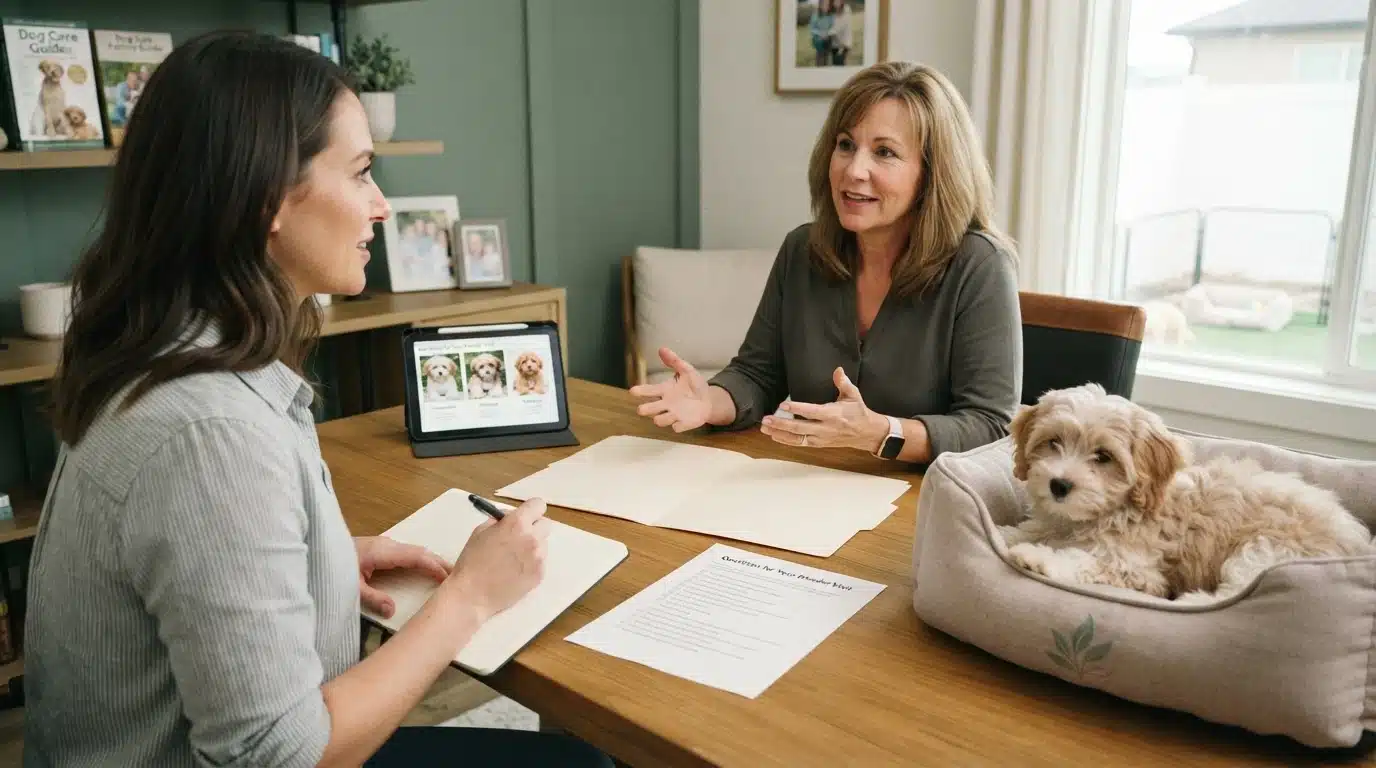
Before committing to a puppy, gather clear answers about identity, readiness, care records, household fit, written terms and the receiving plan. Keep those answers with the documents they refer to so another responsible adult can understand what has been agreed.
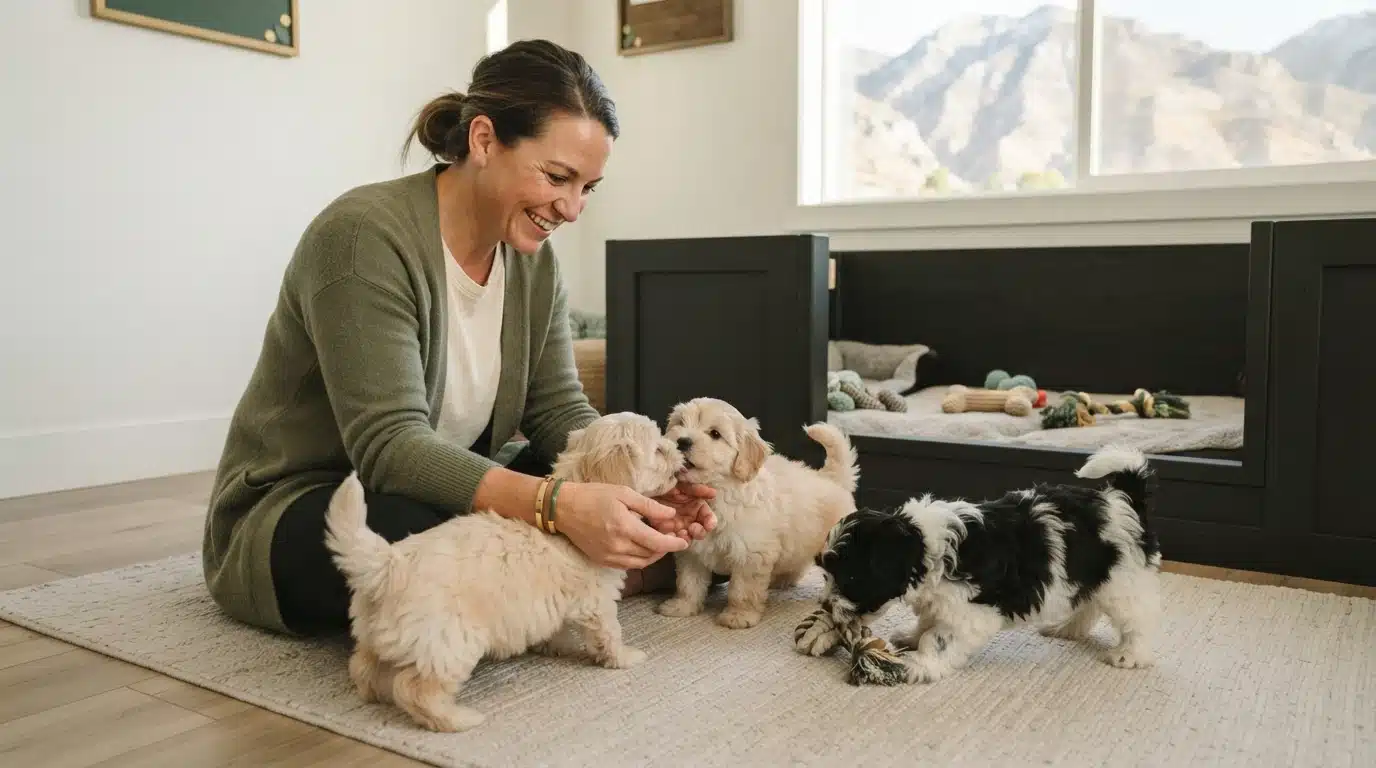
Sage Puppies is Cassie Milar’s South Jordan, Utah program for Havanese, Havapoo and Cavapoo puppies. Start with current profiles and pricing and reservation information. General puppy purchase pricing is $3,500–$4,500. Confirm the individual price, timing and any supported travel arrangements with Cassie; travel and ongoing care are separate costs.
The listings below can change. Open the individual puppy’s profile for current details and discuss the puppy and supported homecoming arrangements with Cassie.

Big Fudge
Big Fudge is a cuddle bug! This boy is a happy tail wagging ball of fluffy minky soft fur. He is pee pad trained…
Chai
Chai is a tiny boy, he will be small boy closer to 6-8lbs. He is very playful and just a mega sweetheart.
Rolo
This sweet boy is a beautiful milk chocolate coat and so much love to give. He loves to chase a ball and explore new…
Mocha
Mocha is a beautiful deep brown coat, has the perfect chocolate nose! She is bigger than the other pups and definitely a chill girl.…
Rocky
Rocky is a rockstar! This boy is very affectionate, playful and curious. He loves to smell new places and things. He’s got tail that…
Ralphy
This boy is lighted hearted, snuggly and very smart! Per pad trained, kennel exposure. Passed all his temperament evaluations with high records.

Sugar
Sugar lives up to her name: a sweet little sprinkle of playful charm, dressed in a red-sable tuxedo and always happy for affection.
1. Who raised this puppy, and which puppy do the records describe?
Ask who raises and cares for the litter and who is offering the particular puppy. Match the puppy’s name or other identification, birthdate and description across the current profile and the documents you receive.
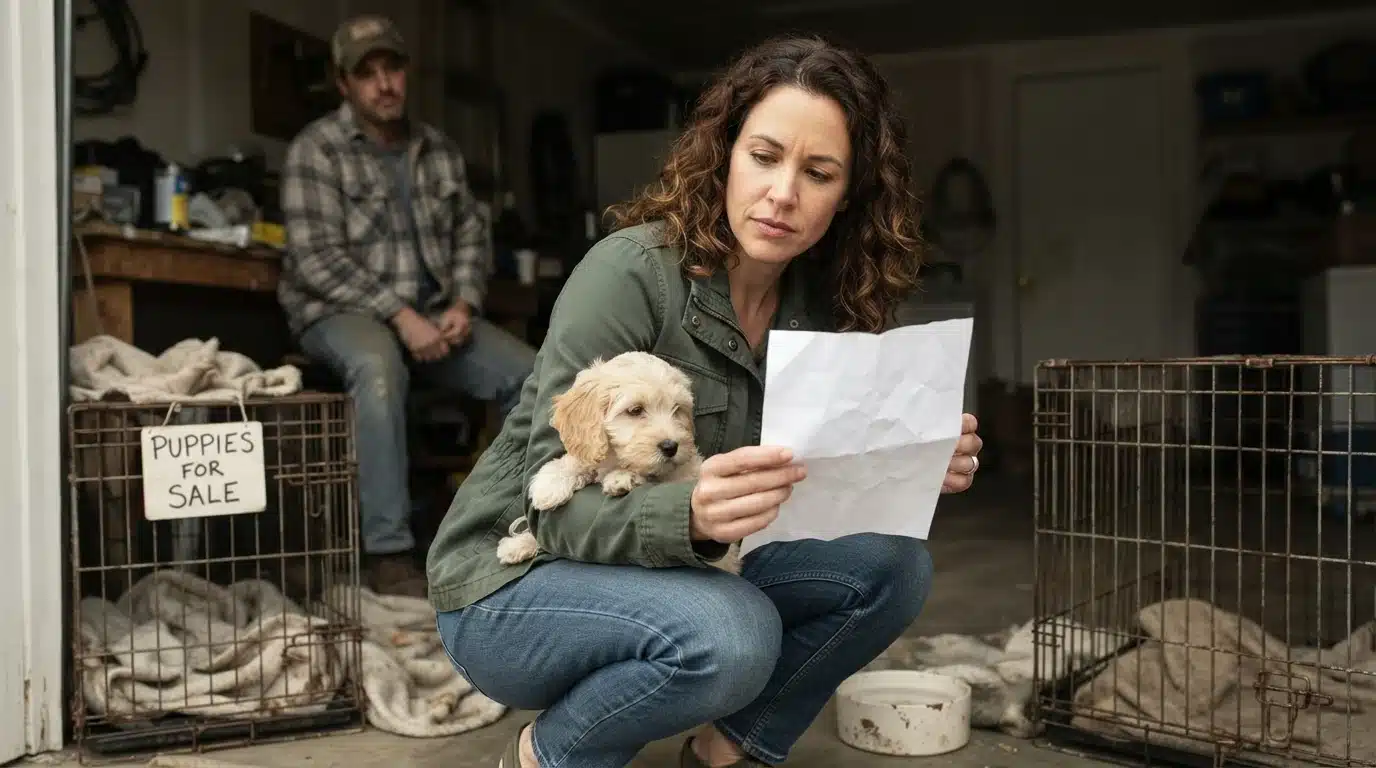
A photograph or friendly conversation can introduce a program, but it cannot answer every records question. Ask for clarification when a document concerns another animal or the identification is unclear.
Write down the responsible contact and the open questions. Use the same questions when comparing local and out-of-state programs, without assuming that location establishes quality.
2. What supports the proposed go-home timing?
Ask for the actual birthdate, current care information and the basis for the proposed timing. Discuss readiness and any travel-related care questions with the appropriate veterinarian and confirm the supported arrangements with Cassie.
Virginia’s age and care statute addresses unweaned animals and dogs or cats under seven weeks without their dam, with exceptions. That legal wording does not establish an individual puppy’s readiness or Sage’s go-home policy.
A proposed date also needs to work for the receiving household. Identify the adult who will be present, arrange follow-up and leave room to reconsider if the puppy’s situation or supported travel plan changes.
3. Which care records will accompany the puppy?
Request a readable immunization and current care history. Ask separately about screening reports for the actual named parents. Note which animal each report concerns, the date and the question it can answer. Let a veterinarian interpret clinical information.
Registration and a health-screening result are different kinds of evidence. Virginia’s animal-history-certificate provision has conditions involving pet-dealer sales within the Commonwealth represented as registered or registerable; it is not a universal health certificate for every transaction.
Use Sage’s health-testing information to prepare questions about the particular pairing. Ask what records are available and what remains unconfirmed.
4. What has been observed about this individual puppy?
Ask for descriptions of handling, settling, activity and the current daily routine. Request an example when a general description such as “calm” or “socialized” leaves you unsure what it means.
Explain the home the puppy would join: adults’ schedules, children, visitors, other animals and available care. Compare observations with that setting, allowing for change as the puppy develops.
The Virginia household guide connects these questions with the three breed destinations and practical home preparation. Observations help a fit discussion; they do not guarantee adult behavior.
5. What do the written price and terms actually cover?
Read the individual price, reservation terms, refund provisions and responsibilities together. Ask about any separate travel charges and what happens if the proposed date changes. Resolve unclear wording before committing.
Virginia’s consumer-remedies provision and written-notice provision contain conditions and short deadlines. These include veterinary-certification windows of ten days, or fourteen for parvovirus, and three-business-day steps. The retain-animal reimbursement option is specified for pet-shop or USDA-licensed-dealer purchases.
Ask qualified legal help about applicability and deadlines for the actual seller and transaction, including an out-of-state purchase. Do not assume identical remedies for every sale or coverage of every veterinary bill. Seek veterinary care promptly for a concern.
6. Which Virginia entry requirements apply to this journey?
VDACS’s admissions guidance and the pet-entry regulation distinguish purposes and exemptions. An applicable examination and approved CVI must fall within ten days before entry. A personal-pet move does not automatically establish the treatment of a new purchase.
The current admissions page also describes additional inspection, CVI and permit requirements for NWS-affected regions. See the agency’s NWS information, then have the accredited veterinarian and VDACS confirm actual origin, transit, purpose, age, dates and accepted documentation before booking.
Do not infer a universal no-permit rule, a current zone classification or travel eligibility from a general guide. Read Sage’s delivery and pickup information and confirm what is supported for this placement.
7. Who is responsible if the receiving plan changes?
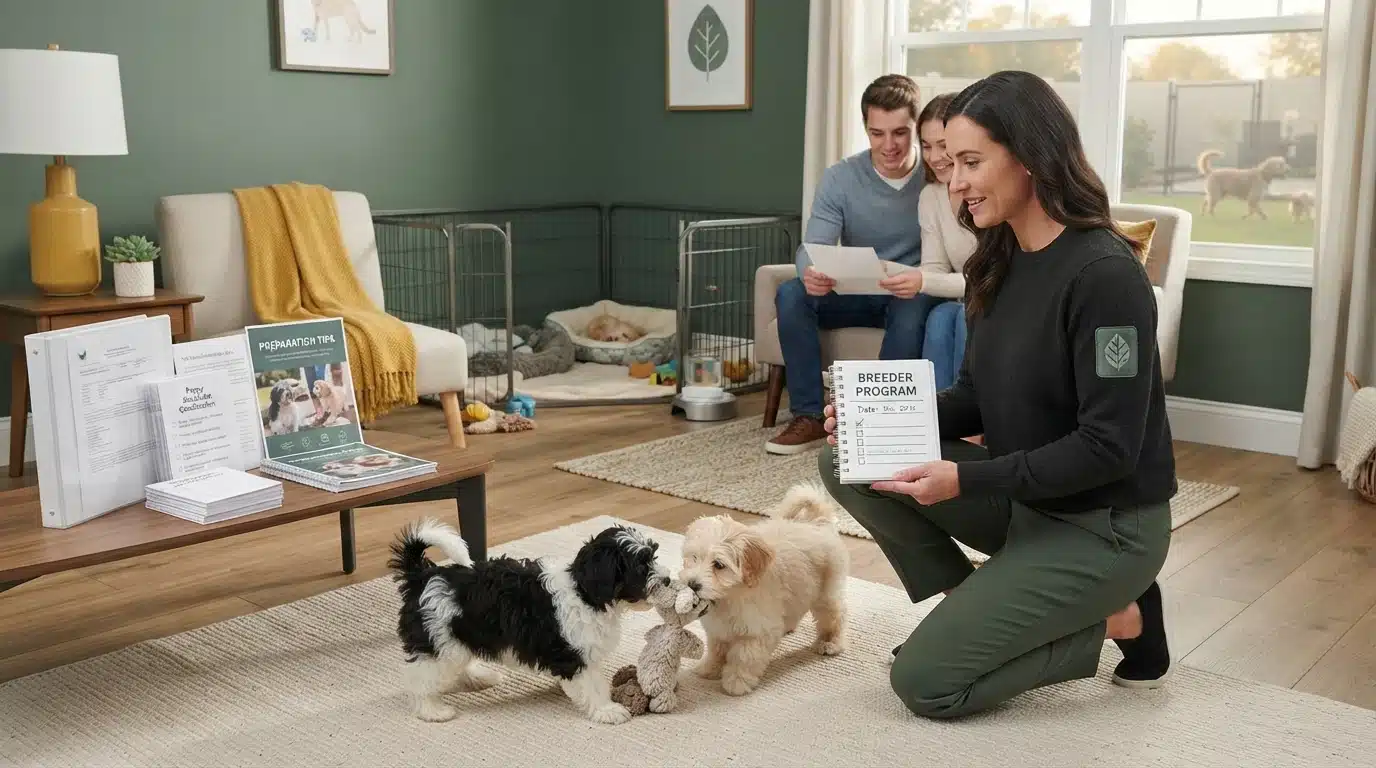
Record the receiving adult, backup caregiver, agreed contact route and the person arranging each document. Make current care instructions and the receiving veterinarian’s contact accessible to the adult taking over.
Use the communication guide to turn those answers into a written plan. Confirm how updates will be communicated and which questions still need answers.
When the plan fits, review the process and complete an accurate application. Give Cassie the household information and constraints needed for the next conversation.