Quick Summary: Finding a healthy, well-raised puppy in Virginia requires careful screening of breeders, focusing on health testing, transparent records, and proper socialization. Virginia law offers protections like remedies if a puppy is unfit, but buyers should review contracts and paperwork thoroughly. The best approach is a slow, thoughtful process that matches the puppy to your lifestyle, rather than rushing for cute photos or quick deals.
You can scroll through Puppies for Sale in Virginia for hours and still miss the one thing that matters most. The real test is not which puppy looks cutest online. It is which breeder is raising that puppy with health, structure, and temperament in mind.
That is where many buyers get stuck. Listings for Puppies for Sale often blur the line between careful breeding, brokers, and backyard sellers. Nice photos do not show health testing, early social care, or how a puppy was bred and raised.
This guide helps you sort through Puppies for Sale with a clear plan. You will learn how to compare breeders, understand Virginia buyer protections, match a breed to your home, and know what premium Virginia Puppies should include. We also cover what to expect if you are looking at Havanese Puppies from a family-focused breeder with a strong process and clear next steps.
What Makes a Good Puppy Search in Virginia Different
A smart Virginia puppy search starts with the breeder, not the cute photo or marketplace post. Listings can hide weak practices. Breeder habits usually do not. Ask who raised the litter, where the puppies live, what health testing was done, and whether you can clearly review records, parent details, and pickup or delivery steps. A good search feels slower, more direct, and easier to verify. Use the ad only as a lead. Do your real vetting on the people behind it.
Virginia buyers also have state-specific reasons to be careful. Under Virginia law, pet dealers must provide a written notice of consumer remedies before delivery, including rights tied to a vet certification if the puppy is found unfit within 10 days, or 14 days for parvovirus, according to the Code of Virginia consumer remedies notice. Virginia also requires a pet dealer’s animal history certificate with key facts such as breeder name, source, and vaccination record in certain sales, as shown in the animal history certificate law.
These rules help, but they do not replace careful screening before you send a deposit.
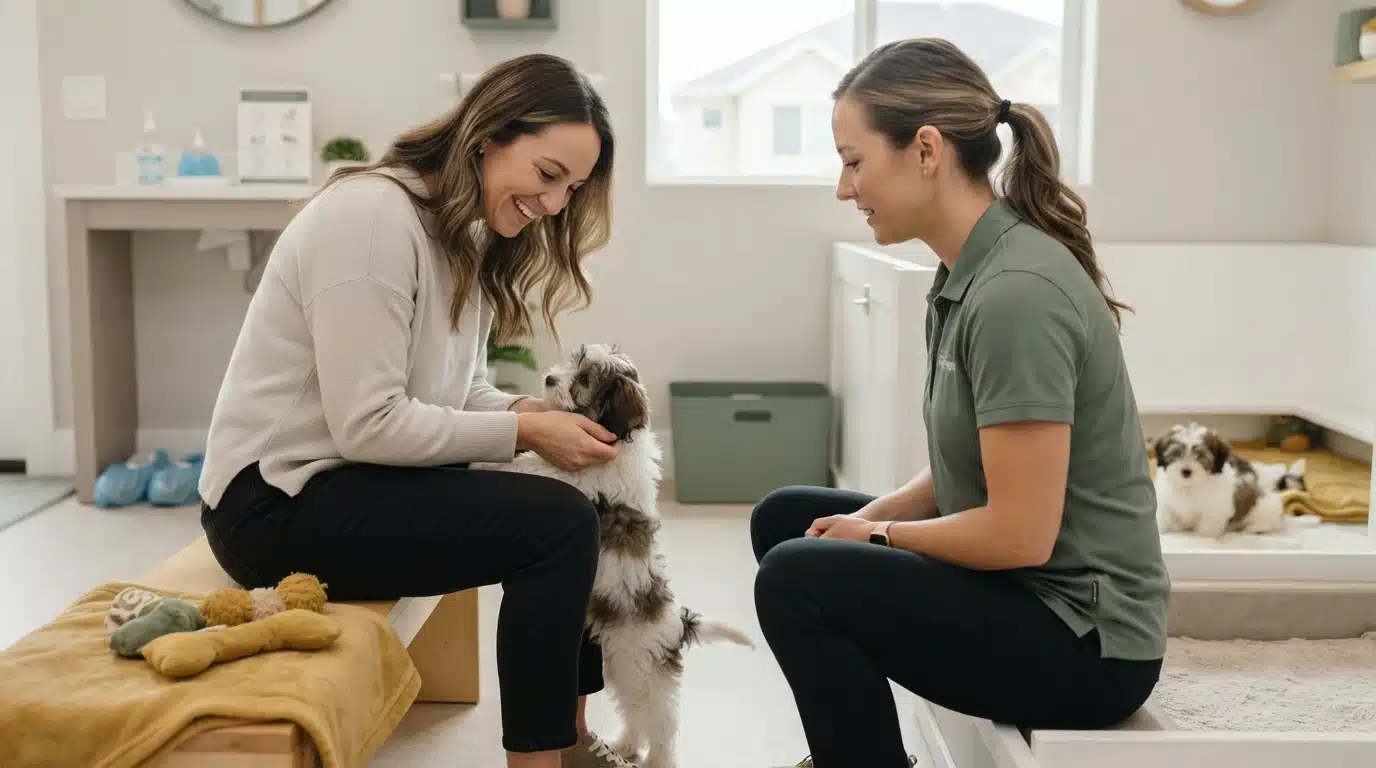
A premium puppy purchase should feel calm and transparent. You should not feel rushed, confused, or pushed to pay before basic questions are answered. Good breeders welcome thoughtful buyers. They explain timelines, pricing, temperament goals, and what support looks like after pickup. That is the standard families should expect whether they buy in Virginia or work with a trusted program like Sage Puppies from out of state. Clear answers are a good sign. Pressure is not.
Also Read: 10 Adorable Havapoo Colors You Need To See 2026 Guide
Know the Virginia Rules That Protect Puppy Buyers
Virginia gives puppy buyers real legal backup. If a seller counts as a pet dealer, you should get clear paperwork before delivery, plus specific remedies if the puppy is later found unfit.
What pet dealers must disclose before delivery
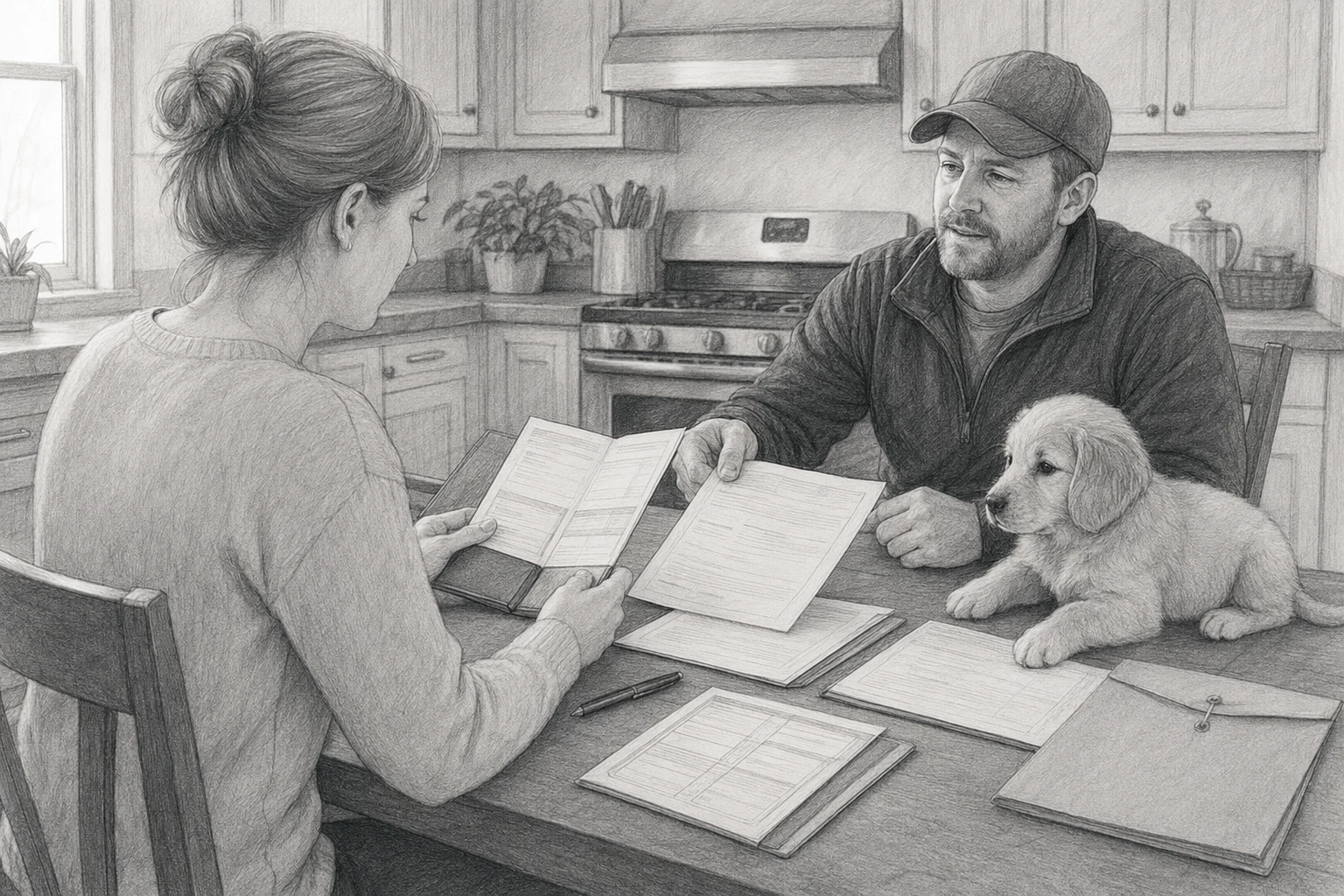
Before delivery, a pet dealer must give you a written notice of your consumer remedies under Virginia law. If the seller says the puppy is registered or can be registered, you should also receive an animal history certificate with basics like breed, sex, age, birth date, breeder name and address, parent registration numbers if listed, vet exam details if done, and vaccination history, according to the Virginia animal history certificate law and required written notice law.
- Ask for every document before you pay in full
- Match the puppy to the paperwork
- Save signed copies
If a seller gets vague or rushes you past the paperwork, slow down.
When a puppy is certified unfit for purchase
Virginia says a licensed veterinarian can certify a puppy unfit for purchase within 10 days after receipt, or within 14 days if the puppy has parvovirus. You must present that written certification to the pet dealer within 3 business days after receiving it. The notice also explains possible remedies, which may include a refund, exchange, or in some cases reimbursement of certain vet costs.
- Book a wellness exam right away
- Keep all invoices and records
- Follow the notice deadlines exactly
Intestinal parasites alone do not automatically make a puppy unfit unless the puppy is clinically ill.
Why registration promises must be handled carefully
Registration talk can sound small, but Virginia treats it seriously. If a pet dealer promises registration or papers and fails to provide them within 120 days of sale, you may return the puppy for a refund or keep the puppy and seek up to 50 percent of the purchase price and sales tax back under Virginia’s registration remedy law.
A careful breeder does not make loose promises. They explain what is included, what is pending, and when papers will arrive.
Also Read: 10 Things To Know Before Buying Puppies For Sale In Idaho
How to Identify a Reputable Breeder
A reputable breeder proves quality with records, routines, and honest answers. You should be able to verify health work, see how puppies are raised, and feel screened rather than sold to.
Look for health testing you can verify
Ask for the exact health tests done on both parents, not vague lines like “vet checked” or “healthy bloodline.” Cornell says good breeders test for conditions recommended by the breed club and may do added screening, then share proof with buyers through records such as OFA results or other clearances in its guide to selecting a purebred puppy.
Use this quick check:
- Ask for parent names and test dates
- Match results to the breed’s known risks
- Confirm what is DNA testing versus physical screening
- Read the contract for return terms and health terms
If a breeder gets annoyed when you ask for proof, move on.
Pay attention to how the puppies are raised
Healthy breeding is not just genetics. It is also daily care, handling, and early social growth. USDA APHIS reopened federal discussion in 2026 around standards for breeding dog care and dog exercise and socialization, which shows how central these basics are in breeder quality in the Federal Register notice.
Look for signs like these:
- Puppies raised in a home or clean, well-run space
- Regular handling by adults and gentle exposure to normal sounds
- Clean bedding, good footing, fresh water, and bright eyes
- Age-appropriate routines for crate intro, grooming, and potty habits

The goal is not a perfect puppy. It is a confident, well-started one.
Choose communication that feels clear, not salesy
Good breeders answer questions directly and ask plenty of their own. They care where the puppy is going. That often means a waitlist, an application, and real talk about fit, grooming, training, and timing.
Watch for green flags:
- They explain their process clearly.
- They share updates without pressure.
- They tell you when a puppy is not the right match.
- They stay available after pickup or delivery.
That kind of calm, transparent style is what qualified families should expect from programs like Sage Puppies.
Also Read: 10 Small Breed Puppies That Stay Friendly And Easygoing
Choose a Puppy That Fits Your Home and Lifestyle
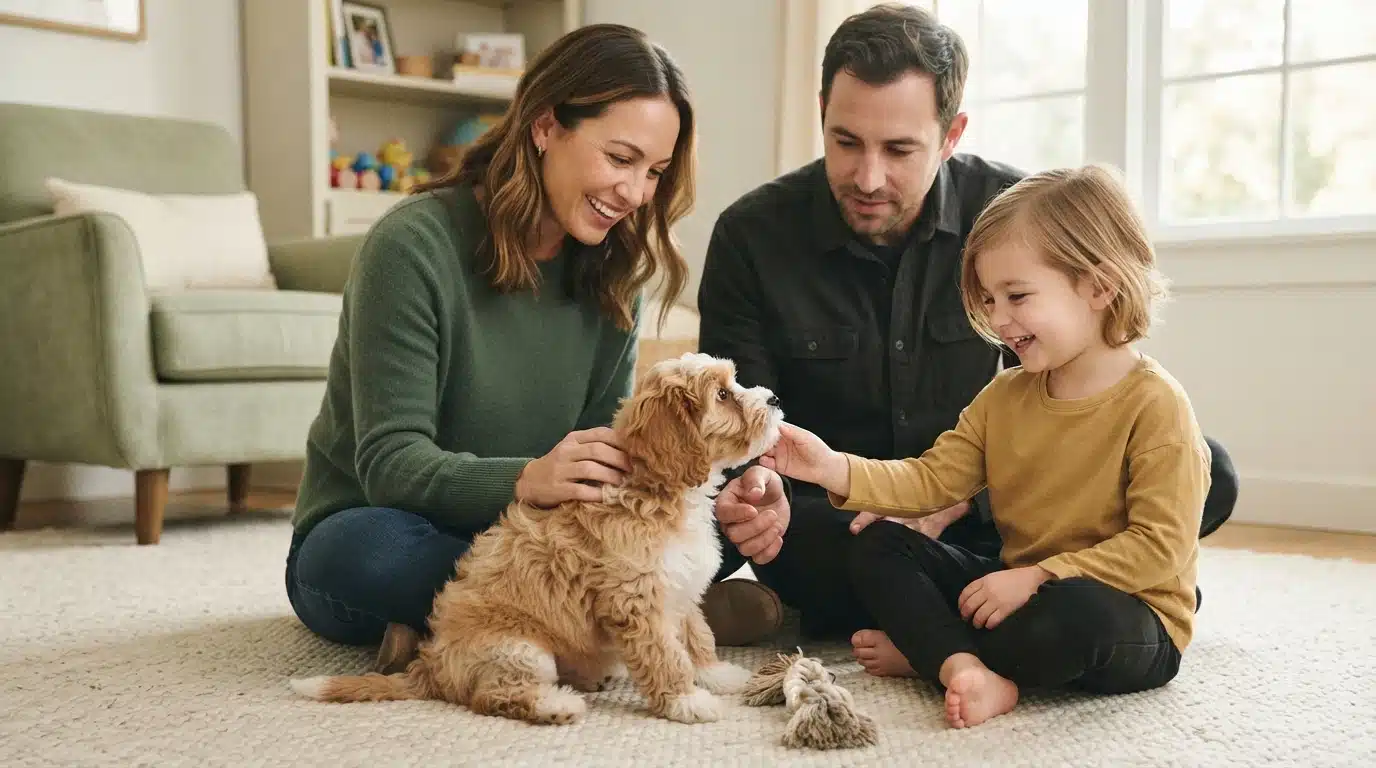
Cute photos should not make this choice for you. Your real match comes from energy level, time at home, grooming tolerance, training consistency, and how much noise, mess, and puppy supervision your household can handle.
Start with your normal week:
- How long is the puppy alone?
- Do you want daily walks or short play sessions?
- Are kids calm, busy, or very young?
- Can you keep up with coat care and early training?
A good breeder will ask these same questions. That is a good sign, not a sales hurdle.
Pick for the next 12 years, not the first 12 minutes.
Havanese are often a strong fit for families who want a small, cheerful companion. According to the AKC’s Havanese lifestyle guide, they are adaptable, social, and usually do well in both city and suburban homes. They also need regular grooming and do not do well when left alone for long stretches.

That mix matters. The breed standard also describes the Havanese as friendly, playful, alert, and intelligent with a sweet disposition, according to the Havanese Club of America breed standard. For many homes, that means:
- easier day-to-day companionship
- moderate exercise needs
- strong people focus
- a coat that needs real upkeep
Still, even a great breed can be a poor match if the breeder places puppies loosely. Ask how they match pups. Some breeders let buyers choose by color first. Better ones watch each puppy and guide placement by temperament, confidence, and family goals.
Use this quick filter:
| Your goal | Better fit |
|---|---|
| Easy family companion | Calm, social, middle-energy puppy |
| Active home with training plans | Bold, resilient, playful puppy |
| First-time dog owner | Breeder-guided match, not first-pick pressure |
Sage Puppies’ style naturally fits buyers who want that guided, family-first match instead of a fast checkout.
Understand Typical Puppy Costs Before You Commit
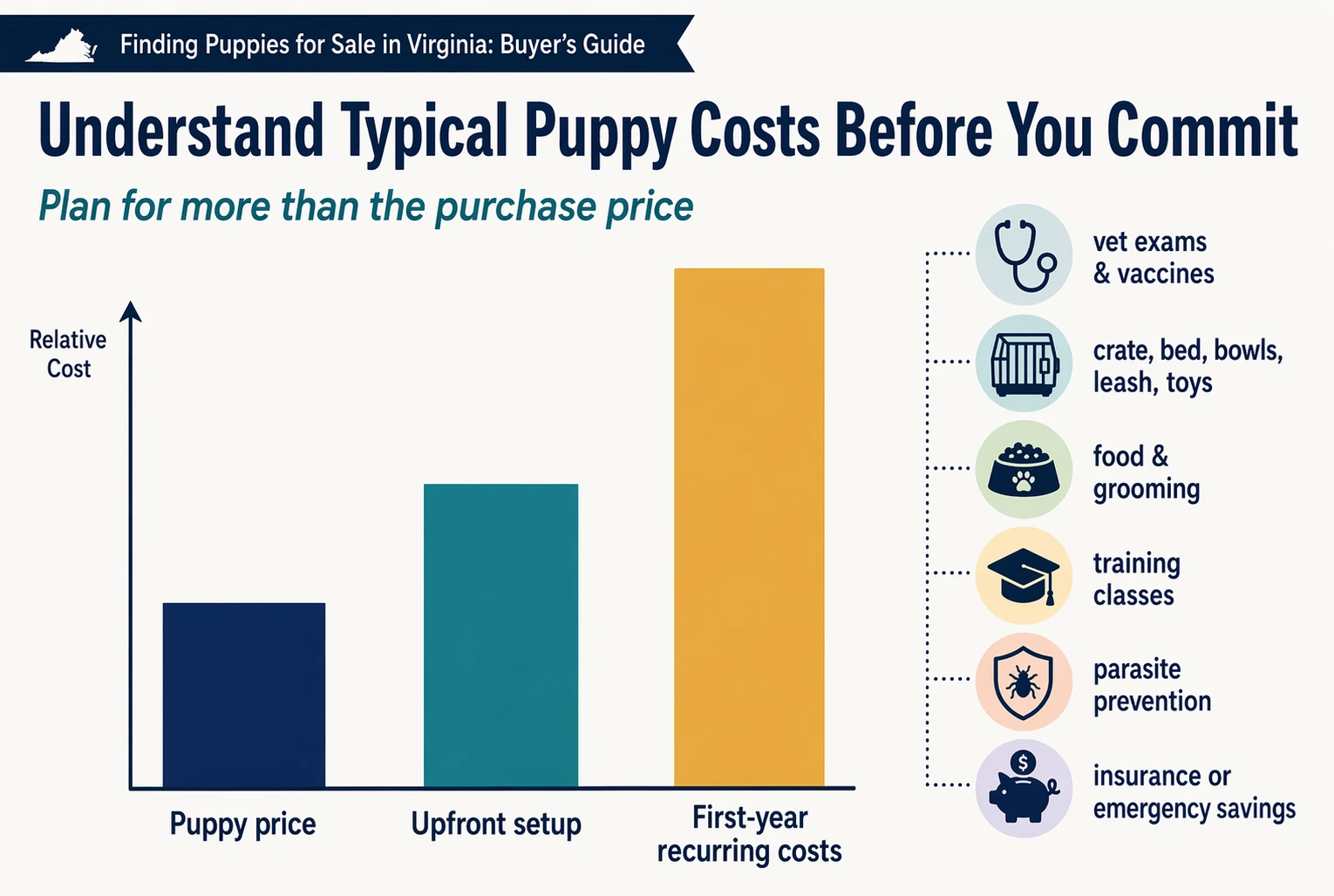
A well-bred puppy costs more than the purchase price. You need to budget for the puppy, the first-year setup, and the waitlist process before you commit.
What affects the price of a well-bred puppy
Price usually reflects breed demand, parent health testing, breeder standards, early care, and location. AKC notes that purebred puppies can range from $500 to $5,000, and coat type, size, and local service costs also change what you will spend later on AKC’s cost guide.
A higher price should come with clear value, such as:
- documented health testing
- strong socialization
- clean home raising
- transparent records
- lifetime breeder support
A low price is not always a deal. It can mean skipped testing, weak early care, or costly health and behavior issues later.
Budget for the full first year
Your first year is usually the most expensive. MarketWatch’s 2026 study estimates about $1,038 in upfront puppy costs before purchase price, plus roughly $2,524 a year in recurring dog costs on average MarketWatch’s dog cost study.
Plan for:
- purchase price
- vet exams and vaccines
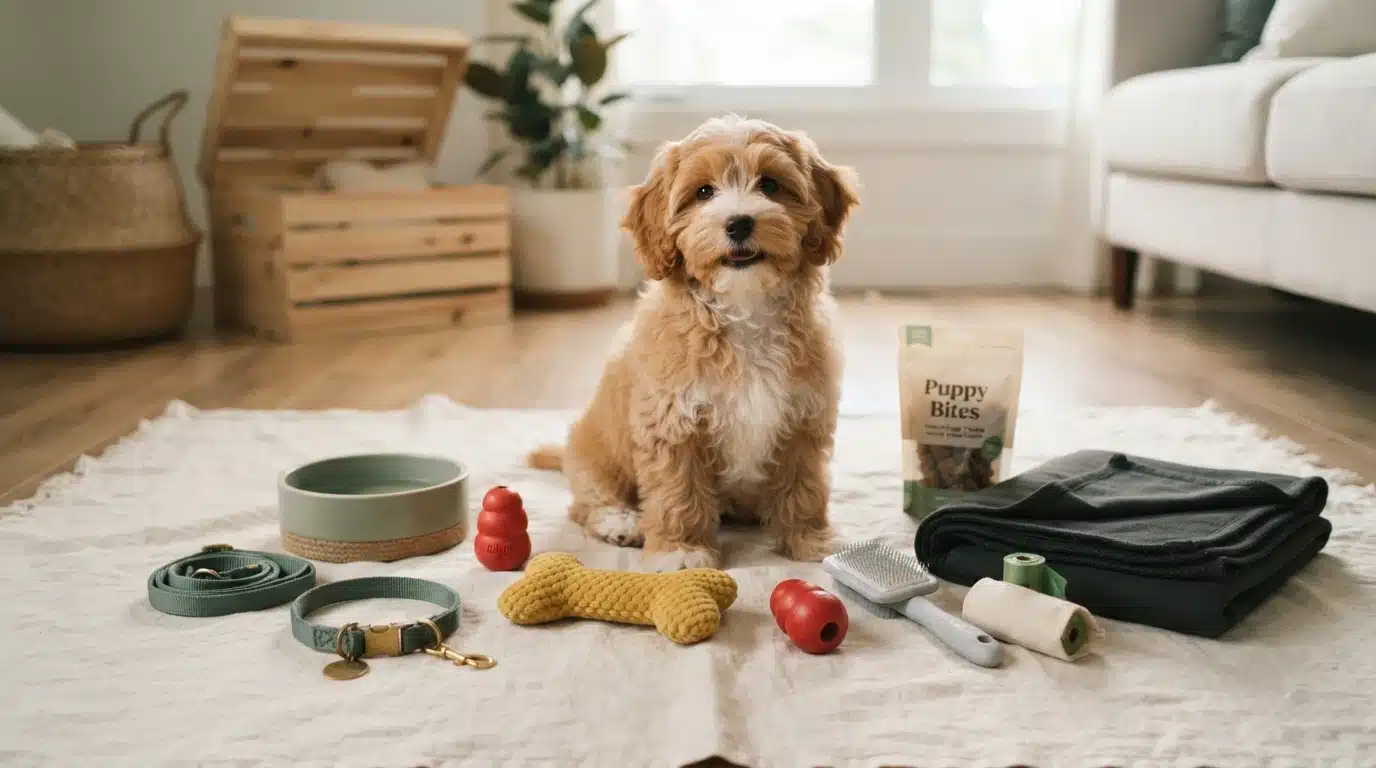
- crate, bed, bowls, leash, and toys
- food and grooming
- training classes
- parasite prevention
- insurance or emergency savings
Reservation and waitlist planning
Many good breeders use interest lists, deposits, or confirmed-litter waitlists. That is normal. What matters is clarity.
Before you send money, ask:
- Is the deposit refundable, transferable, or nonrefundable?
- Are you reserving a spot or a specific puppy?
- How is match order decided?
- What happens if timing changes or the litter is small?
Sage Puppies and other careful programs should explain this in writing, not in vague messages.
Also Read: 10 Questions to Ask Before Buying a Puppy Locally
Review Contracts, Pickup Details, and Ongoing Support
Read the contract before you pay
Read every line before you send a deposit. A good contract should spell out price, refund terms, health terms, pickup timing, and what happens if the breeder keeps the puppy longer than planned. In Virginia, pet dealers must provide written notice of certain buyer remedies before delivery, including time limits tied to a vet finding that a puppy is unfit for purchase under Virginia’s written notice law.
Ask these questions first:
- Is the deposit refundable, transferable, or neither?
- What health records are promised?
- Are registration papers included, if offered?
- Who pays if transport plans change?
If a breeder tells you to “just trust us” and avoids a written contract, pause the sale.
Ask what comes home with the puppy
You should know exactly what you receive on pickup day. In Virginia, sellers covered by the law must provide an animal history certificate with key details such as breed, sex, age, breeder information, parent registration details if represented, vet exam information if performed, and vaccination history under Virginia’s animal history certificate rule.
Ask for a clear checklist:
- Vaccination and deworming record
- Microchip details, if applicable
- Feeding plan and current food
- Vet exam record
- Registration or pedigree paperwork, if promised
- Blanket, toy, or transition item
A careful breeder will have this ready before pickup, not after.
Expect guidance after the puppy arrives
Support should continue once the puppy gets home. You will likely have questions in the first week about sleep, feeding, potty trips, and normal stress from the move.
Look for breeders who offer:
- Early check-in after pickup
- Feeding and routine guidance
- Help during the first adjustment week
- Clear next steps if a health concern comes up
Sage Puppies stands out here when a family wants a more guided, boutique process instead of a handoff-only sale.
Also Read: 10 Unique Care Tips For Small Breed Puppies In Urban Settings
Common Mistakes to Avoid When Searching for Puppies for Sale
Skipping health documentation. Cute photos are not proof of good breeding. Ask for health testing on the parents, vaccine records, deworming history, and a clear vet exam. In Virginia, a pet dealer’s animal history certificate should include basics like breed, birth date, breeder details, vet exam info, and vaccination records under Virginia law on animal history certificates.
Choosing speed over fit. Fast pickup feels exciting, but rushed choices often lead to stress later. Match the puppy to your home, budget, energy level, and grooming tolerance. Use a simple check before you commit:
- daily exercise needs
- coat care
- size and temperament
- kids, travel, and work schedule
The right puppy should fit your life, not just your timeline.
Ignoring the contract and paperwork. Read every line before you place a deposit. You want terms on price, pickup, refunds, health disclosures, and what happens if promised registration papers never arrive. Virginia also requires written notice of buyer remedies before delivery, including options if a vet certifies the puppy unfit within set time windows under Virginia’s required consumer notice law.

If you want a puppy raised with the same care this guide recommends, start with Sage Puppies. Their health-tested Havanese, Havapoo, and Cavapoo puppies are home-raised, well-socialized, and available for pickup or nationwide delivery. Review available puppies, pricing, and the adoption process, then apply when the fit feels right.
Frequently Asked Questions
Q1: What are the key factors to consider when buying a puppy in Virginia?
Focus on health testing, breeder honesty, temperament, and how the puppy was raised. Ask about parent dogs, socialization, vet records, contract terms, and return policy. Also check if the breed fits your home, budget, grooming needs, and daily routine.
Q2: How can I identify reputable breeders for puppies in Virginia?
Good breeders ask you questions too. Look for clear health records, clean home-raised conditions, proof of parent testing, and no pressure to buy fast. They should explain timelines, pricing, and support after pickup instead of avoiding direct answers.
Q3: What is the typical cost of puppies in Virginia and what affects the price?
Prices vary by breed, breeder quality, health testing, lineage, and early care. Expect well-bred companion puppies to cost more than backyard-bred litters. Travel, delivery, training starts, and demand can also raise the final price.
Q4: Should I avoid puppy listings that seem cheap?
Usually, yes. Very low prices can signal poor breeding, weak care, missing records, or scams. Compare what is included: health testing, vaccines, socialization, and breeder support.
Q5: Can I buy from an out-of-state breeder instead of a Virginia breeder?
Yes, if the breeder is transparent and experienced with pickup or delivery. Many families compare options nationwide. Programs like Sage Puppies appeal to buyers who want boutique, home-raised puppies and a clear family-first process.
Conclusion
Finding puppies for sale in Virginia comes down to one thing – slow, careful screening beats fast availability. The best family match is not just cute. It is healthy, well-raised, clearly documented, and a fit for your home, budget, and daily routine.
This guide covered the core checks: breeder honesty, health records, temperament, contract terms, pickup or delivery details, and red flags. Virginia buyers also have real protections around pet sales, remedies, and breeder oversight under the state’s Comprehensive Animal Care laws and pet shop regulations.
A great puppy purchase should feel clear, calm, and well supported – never rushed.