Quick Summary: Havapoo puppies often show early signs of health, behavior, and grooming issues that can be prevented with proper routines. Regular brushing, ear cleaning, dental care, and controlled exercise help avoid problems like matting, infections, and joint issues. Early socialization and training reduce fears, nipping, and separation anxiety. Consistent, gentle habits are key to raising a healthy, well-adjusted Havapoo puppy.
A Havapoo puppy that skips on one back leg after zoomies, chews behind the ears, or cries the second you leave is often showing a pattern early, not just having an off day. Many Havapoo Puppies give small warnings before bigger behavior, grooming, or health trouble shows up.
This guide helps you spot the most common Havapoo Problems before they turn into expensive or stressful habits. We will cover what is normal, what is not, and what you can do at home to lower the risk.
You will learn how to prevent common Havapoo Health Issues, avoid training mistakes, and build better routines for feeding, grooming, sleep, and separation. Good breeders and prepared families both play a role here. That is why this article focuses on practical prevention for Havapoo Puppies, with clear advice first-time owners can actually use. Havapoo Puppies do best when you catch problems early.
Problem 1: Preventing Matting, Tangles, and Skin Irritation
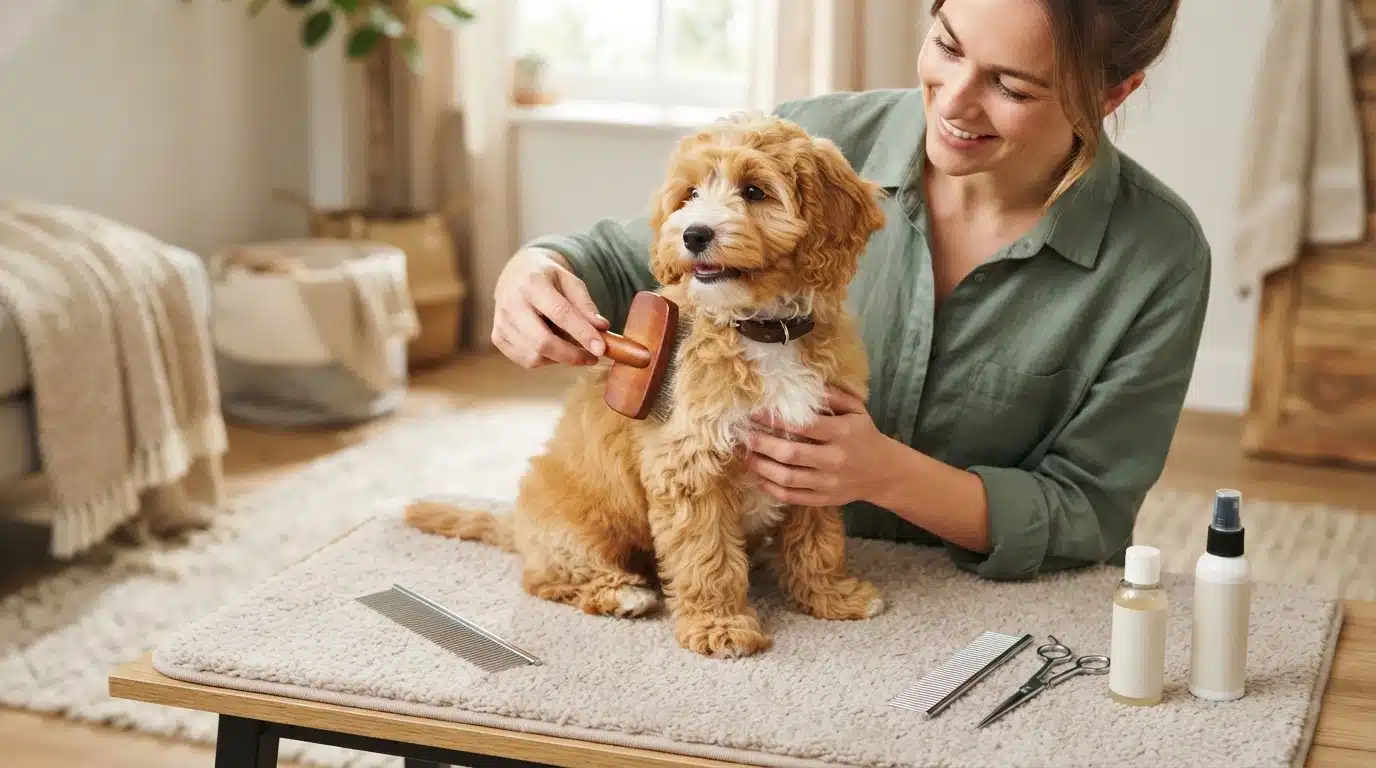
Havapoo coats mat fast because the hair is soft, fine, and often curly or wavy. Loose hairs get trapped instead of falling out, then they twist into tight knots. Friction spots get hit first, especially behind the ears, under the collar, in the armpits, and between the legs. The USDA notes those rubbing areas are common mat zones, and mats can trap moisture and raise the risk of skin trouble according to USDA coat care guidance.
A simple routine works better than long, random grooming sessions.
- Brush 4 to 5 times a week for 5 to 10 minutes.
- Mist lightly with dog-safe detangler so the coat does not snap.
- Use a slicker brush first, then a metal comb.
- Brush in layers from the feet up, not just over the top.
- Check high-risk spots every time.
| Area | How often to check | Why it mats |
|---|---|---|
| Behind ears | Daily | Constant rubbing |
| Armpits | Daily | Walking friction |
| Collar area | Every day | Trapped moisture and rubbing |
| Rear legs | 4 to 5 times weekly | Curling and tangles |
If the comb cannot pass through to the skin, the coat is still matted.
The AKC advises brushing several times a week and brushing down to the skin, not just the outer coat in its grooming guide.
Call your vet if you see more than a mild tangle problem. Redness, bad odor, greasy skin, scabs, hair loss, open sores, or nonstop scratching can point to dermatitis, yeast, bacteria, or parasites. Mats often hide the real problem. Do not cut tight mats with scissors near the skin. That is how many puppies get nicked. Ask a groomer for safe clipping, then have your vet check any sore skin underneath.
Also Read: 10 Adorable Havapoo Colors You Need To See 2026 Guide
Problem 2: Preventing Ear Infections and Ear-Related Discomfort
What puts Havapoo ears at risk
Havapoos often have soft, floppy, hair-filled ears. That mix can trap heat, wax, and moisture. According to the Merck Veterinary Manual, dogs with pendulous ear flaps, narrow canals, extra ear hair, and moisture exposure face a higher risk of otitis externa.
Common triggers include:
- baths with water left in the ear
- swimming
- heavy wax buildup
- allergies
- rough overcleaning
If your puppy scratches after every groom or bath, check the ears first.
| Risk factor | Why it matters | Prevention move |
|---|---|---|
| Floppy ear flap | Less airflow | Check ears weekly |
| Hair in canal | Traps debris | Ask your vet before plucking |
| Moisture | Helps yeast and bacteria grow | Dry ears after baths |
| Allergies | Drives repeat inflammation | Treat the skin issue too |
How to clean ears without causing irritation
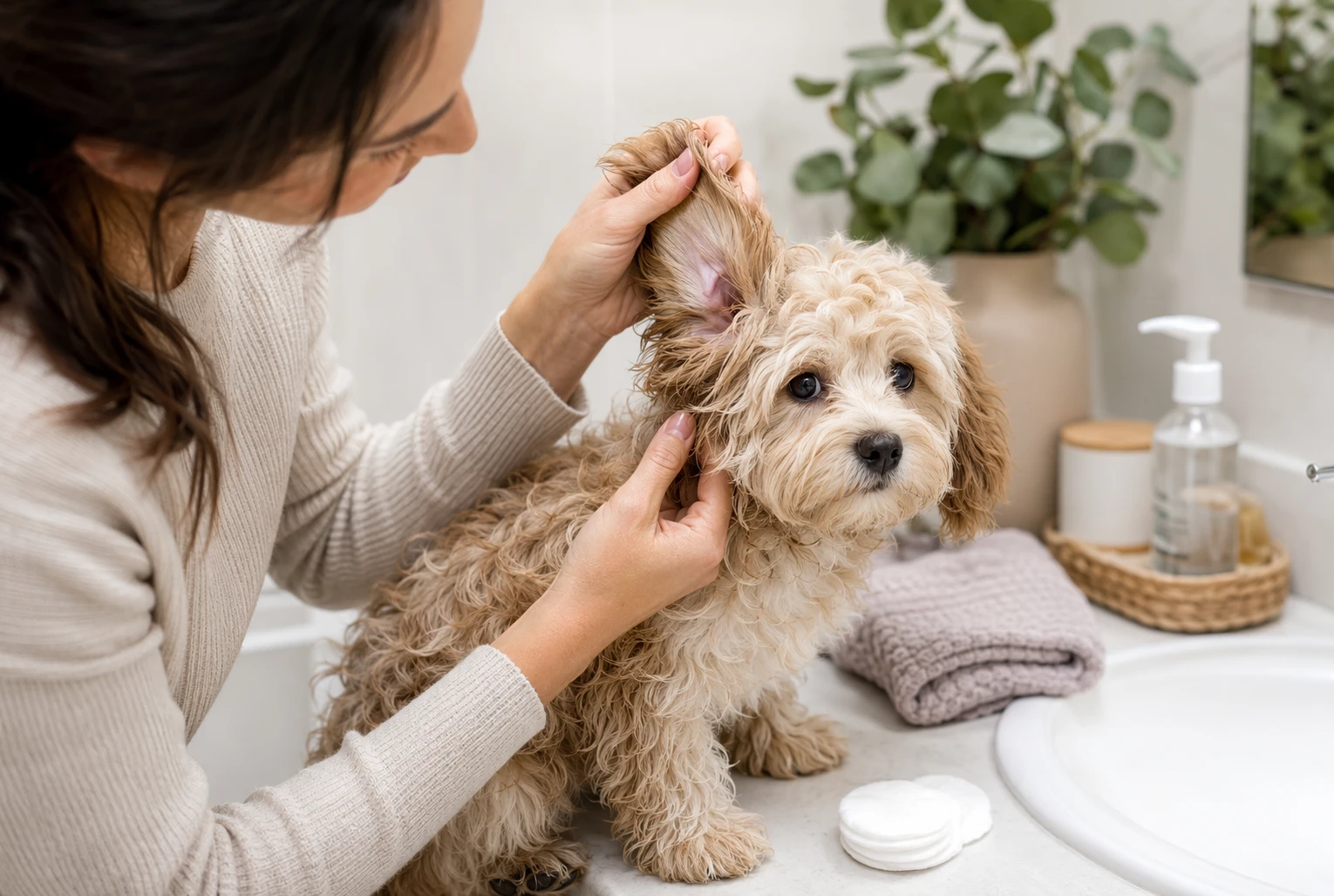
Use a vet-approved cleaner, cotton balls or gauze, and treats. The VCA ear cleaning guide warns against alcohol, hydrogen peroxide, and cotton swabs because they can irritate the canal or push debris deeper.
Follow this order:
- Lift the ear flap gently.
- Fill the canal with cleaner.
- Massage the base for about 30 seconds.
- Let your puppy shake.
- Wipe only what you can easily see.
Avoid these mistakes:
- cleaning too often
- digging into the canal
- using homemade vinegar mixes
- cleaning red, painful ears before a vet exam
Signs the problem is more than routine wax
Normal wax is light brown and mild. Call your vet if you notice:
- strong odor
- dark brown, yellow, or pus-like discharge
- redness or swelling
- crying when touched
- constant head shaking
- one ear worse than the other
Ear infections rarely stay minor on their own. Fast treatment helps stop chronic pain and repeat flare-ups.
Problem 3: Preventing Dental Disease Before It Starts
Small dogs often have crowded teeth, and crowded teeth trap plaque fast. That matters for Havapoo puppies because early dental trouble can start before owners notice it. The AVMA says periodontal disease affects nearly 80% of dogs by age 3, and much of that damage happens below the gumline according to the AVMA. AAHA also notes that dogs expected to stay under 20 to 25 pounds usually need more involved dental prevention in its dental guidelines.
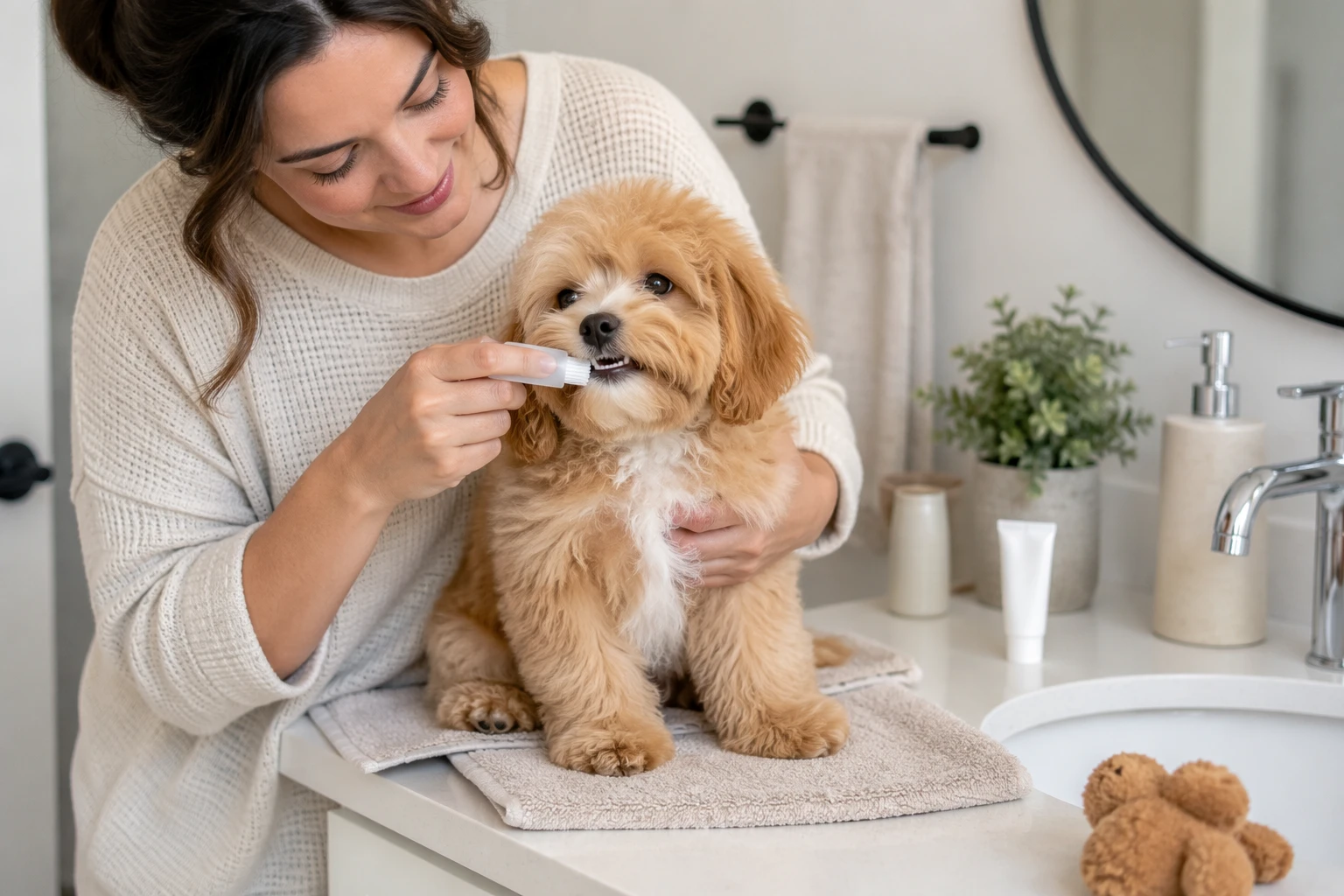
Build the habit while your puppy is relaxed and easy to guide. Keep each session short.
- Let your puppy lick dog toothpaste from your finger.
- Rub the outer gums for 5 to 10 seconds.
- Switch to a soft finger brush or puppy toothbrush.
- Brush the outside of the back teeth first.
- Reward right away with praise or play.
Skip human toothpaste. It can upset your puppy’s stomach.
A simple routine works best:
| Habit | Goal | Frequency |
|---|---|---|
| Tooth brushing | Remove fresh plaque | Daily if possible |
| Mouth check | Spot redness or baby teeth issues | Weekly |
| Vet exam | Catch crowding or retained baby teeth | At regular puppy visits |
| Dental chew approved by your vet | Add light plaque control | As directed |
Watch for small warning signs between visits. Do not wait for severe odor or obvious pain.
- Bad breath that gets worse
- Red gums or gumline swelling
- Brown buildup on teeth
- Dropping kibble or chewing on one side
- Pawing at the mouth
- Retained baby teeth as adult teeth come in
White-looking teeth do not always mean a healthy mouth. Trouble often starts where you cannot see it.
Problem 4: Preventing Skipping Knees, Limping, and Other Joint Trouble
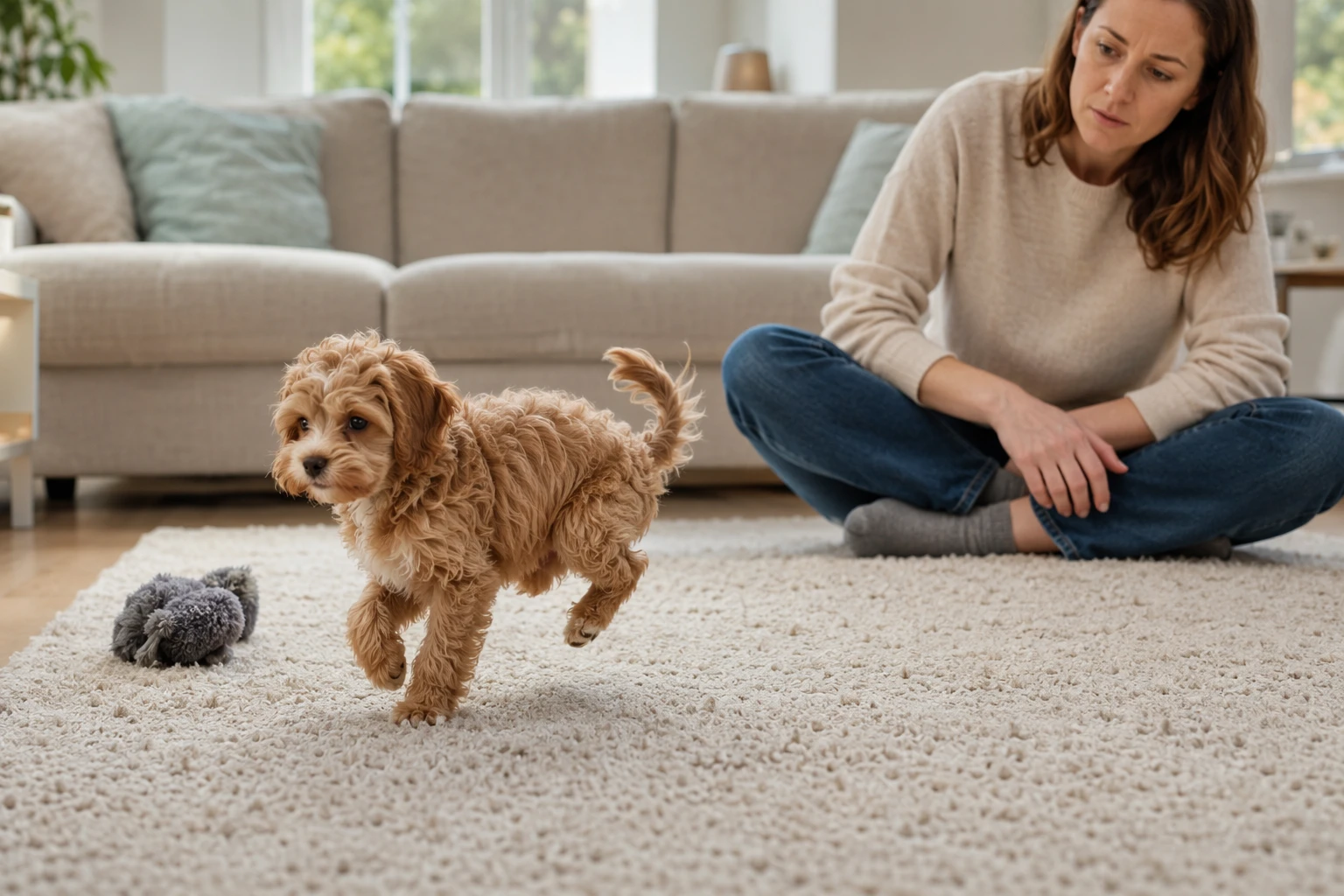
A Havapoo puppy that suddenly “skips” a few steps may be showing an early knee issue, not just being cute or clumsy. In small dogs, a luxating patella often looks like brief three-legged hopping that clears after a few steps, according to Cornell’s patellar luxation guide.
How to recognize early joint warning signs
Watch your puppy during normal play, not just at the vet. Early signs often come and go.
- Brief skipping or bunny-hopping
- Holding up one back leg for a few steps
- Trouble jumping on low furniture
- Sitting with one leg kicked out
- Less interest in stairs or rough play
- A yelp after a twist, jump, or fast turn
If the limp appears, disappears, and then returns again, do not ignore it. Intermittent limping is common with kneecap trouble.
| Sign | What it may mean | What to do |
|---|---|---|
| Occasional skipping | Mild kneecap slip | Record video and monitor |
| Stiffness after play | Joint strain | Reduce impact for 48 hours |
| Rear-leg weakness | Worsening alignment issue | Book a vet exam |
Daily habits that protect growing joints
You cannot change genetics, but you can lower daily stress on growing knees.
- Keep your puppy lean. Extra weight adds force to tiny joints.
- Use ramps or low steps for couches and beds.
- Block repeated jumping off furniture.
- Choose short, steady walks over hard running on slick floors.
- Put rugs or traction mats on wood or tile.
- Feed a complete puppy food and avoid overdoing treats.
For mild cases, vets often use weight control and controlled exercise, while severe or persistent lameness may need surgery, notes the Merck Veterinary Manual.
When a limp needs prompt veterinary attention
Call your vet promptly if your puppy:
- Will not bear weight
- Cries when the leg is touched
- Has swelling after a fall
- Limp lasts more than 24 hours
- Starts limping often, even if it improves
- Shows a bowed or knock-kneed stance
Bring a phone video of the limp. That helps when the exam room walk looks normal.
Problem 5: Preventing Separation Anxiety and Attention-Seeking Behavior
Why Havapoos are so prone to clinginess
Havapoos are bred to stay close to people. That sweet, shadow-like behavior feels cute at first, but it can turn into panic when you leave. Small companion mixes also get picked up, cuddled, and carried a lot, so some puppies never learn how to settle alone.
Research in the Journal of the American Veterinary Medical Association says separation anxiety is a common behavioral diagnosis in dogs and likely has many causes, not just “spoiling” or attachment alone according to AVMA.
How to teach calm alone time from puppyhood
Start early and keep it boring, short, and safe.
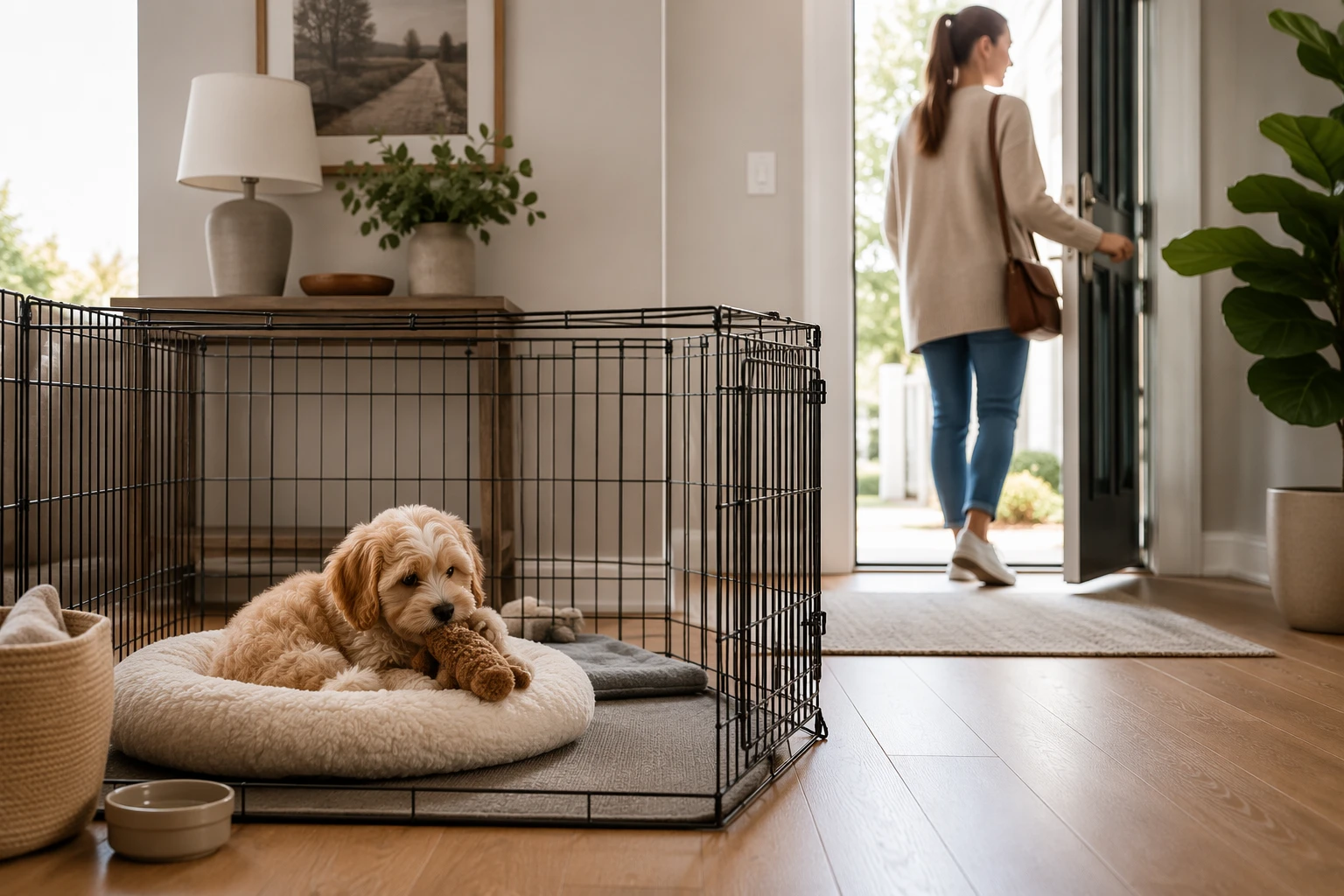
- Give your puppy a pen, crate, or gated area with a bed and chew.
- Leave for 30 to 60 seconds while your puppy stays relaxed.
- Return calmly before whining ramps up.
- Repeat many short sessions each day.
- Save special chews and stuffed toys for alone time only.
Use this quick checklist:
| Habit | Helps prevent clinginess | Common mistake |
|---|---|---|
| Short daily absences | Builds confidence | Waiting until first long workday |
| Low-key greetings | Lowers arousal | Big hello party |
| Independent naps | Teaches self-settling | Constant lap time |
| Food toys when you leave | Creates a good link | Giving them all day |
The AVSAB puppy socialization statement also says puppies need scheduled time to play alone with favorite toys or nap in safe spaces, which may help prevent over-attachment per AVSAB.
Do not reward barking, pawing, or jumping with eye contact, talking, or instant pickup.
When behavior changes need extra support
Call your vet if your Havapoo suddenly panics, stops eating when alone, drools heavily, damages doors, or soils the house only during absences. Those signs go beyond simple boredom.
A trainer can help with mild cases. Severe distress may need a vet-led plan.
If your puppy hurts himself trying to escape, get help right away. Crating can make true panic worse in some dogs.
Also Read: Home
Problem 6: Preventing Potty Training Backsliding and Small-Bladder Accidents
What causes potty training to stall
Most backsliding is not stubbornness. It usually comes from too much freedom too soon, missed potty windows, or expecting a young puppy to hold it too long. The AKC notes that puppies do not have full bladder control until about 16 weeks, and many accidents happen when owners stretch time between breaks or stop close supervision too early AKC potty guidance.
A simple schedule that prevents most accidents
Use a routine your puppy can win with:
- First thing in the morning – outside right away.
- After every meal or big drink – outside within 5 to 30 minutes.
- After naps, crate time, and play – outside every time.
- Between those events – take small puppies out every 1 to 2 hours.
- Reward fast – treat and praise within seconds.
| Trigger | What to do |
|---|---|
| Wake up | Go straight outside |
| Eat or drink | Potty break soon after |
| Play or excitement | Potty break right away |
| Loose indoor time | Keep leash, pen, or close watch |
Clean accidents well and shrink freedom again for a few days.
What to do if accidents suddenly increase
A sudden jump in accidents can be a medical issue, not a training failure. Cornell lists signs like frequent small pees, straining, foul-smelling urine, and house accidents as common with urinary tract infections Cornell UTI signs.
- Call your vet if the change is sudden.
- Go back to a tighter potty schedule.
- Do not punish or scold.
Also Read: 10 Things To Know Before Buying Puppies For Sale In Idaho
Problem 7: Preventing Poor Socialization, Nipping, and Fearful Reactions
Small companion mixes like Havapoos can bond fast, but that also means they can get clingy, wary, and mouthy if early practice is weak. The key window is early. The AVMA review notes that diverse, positive experiences before 12 weeks help lower later fear and behavior problems, and delays can make puppies more reactive to new people, pets, and places AVMA’s socialization review.
Socialization should build confidence, not force bravery.
Use a simple plan:
- Introduce one new thing at a time.
- Keep sessions short and calm.
- Pair new sights, sounds, and people with treats.
- Stop before your puppy looks worried.
A good weekly checklist includes:
- Friendly adults
- Gentle children
- Calm vaccinated dogs
- Grooming touch
- Car rides
- Household sounds
- Different floor surfaces
| Puppy response | What to do |
|---|---|
| Curious and loose | Reward and continue |
| Hesitant but eating treats | Increase distance and go slower |
| Freezing, hiding, or barking | End the session and reset |
Nipping usually comes from play, teething, or overarousal. UC Davis advises redirecting to a toy, ending attention right away, and avoiding punishment, which can make fear worse UC Davis puppy nipping guide.
To reduce mouthy play:
- Keep toys within reach
- End rough play fast
- Reward licking or calm contact
- Give nap breaks before your puppy gets wild
If your Havapoo startles easily or stays fearful for days, ask your vet or a qualified trainer early.

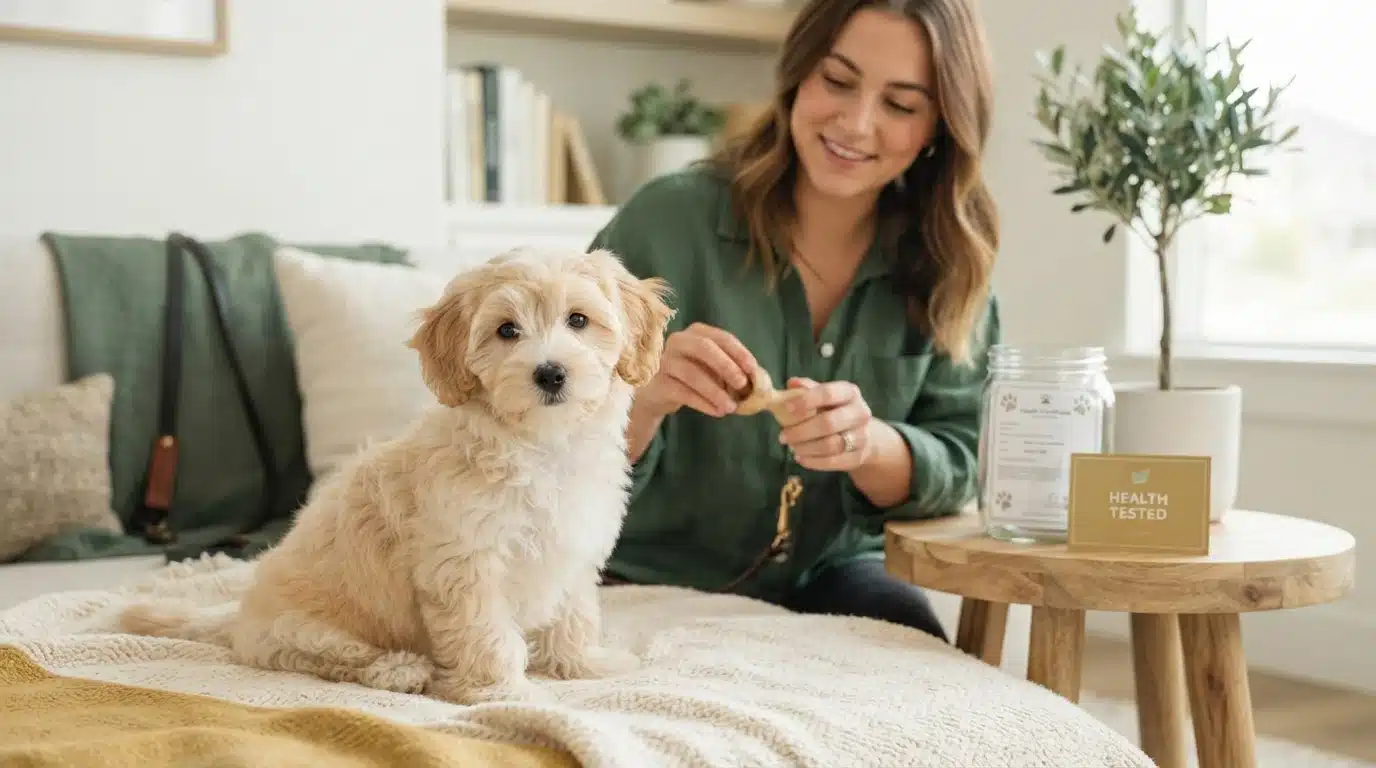
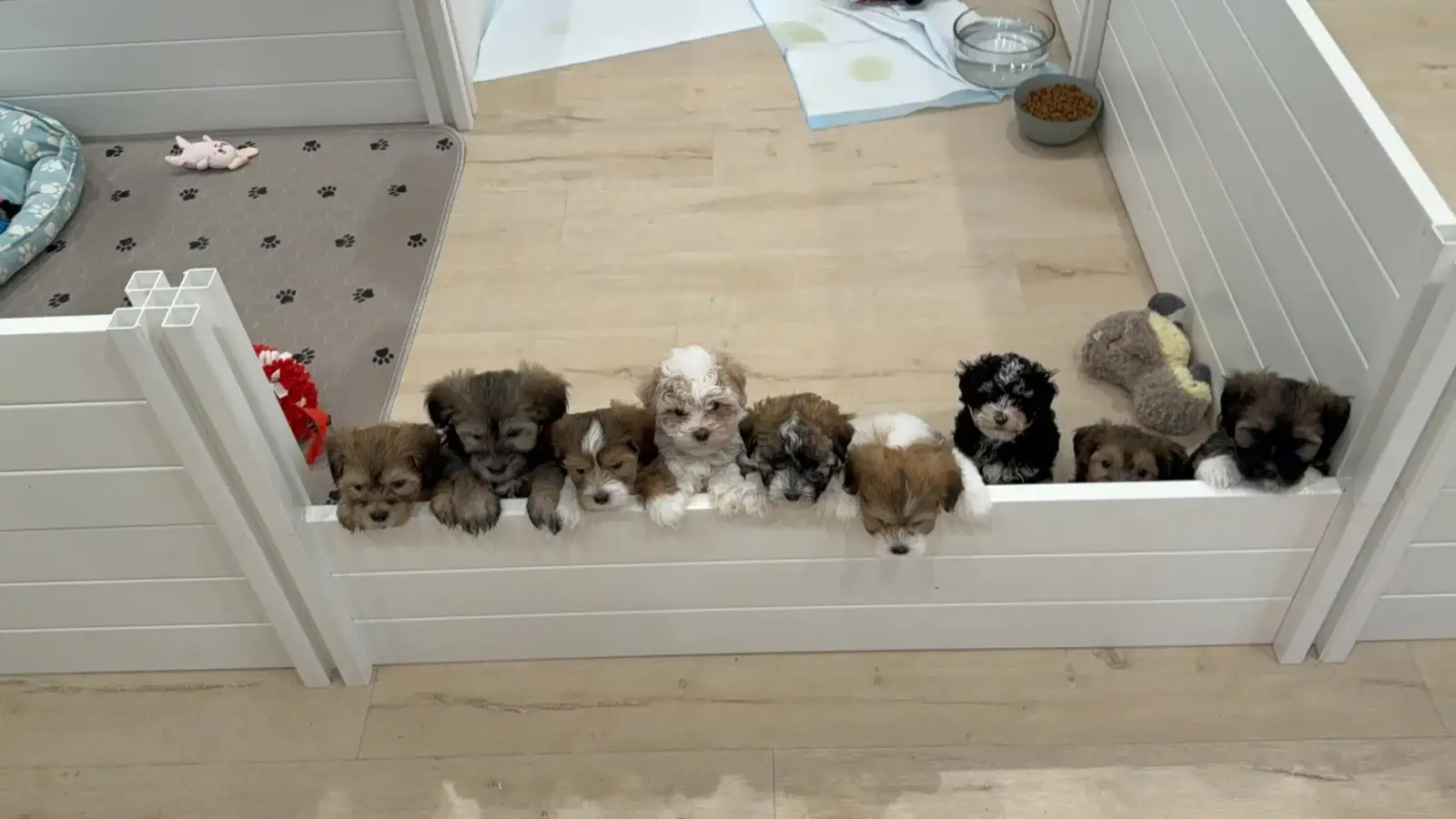
If you want to avoid these common Havapoo puppy problems before they start, choose a breeder who builds health, confidence, and good habits early. Sage Puppies offers home-raised Havapoo puppies from health-tested parents, with early socialization, clear next steps, and pickup or nationwide delivery for the right family.
Frequently Asked Questions
Q1: What are the most common health issues in Havapoo puppies and how can they be prevented?
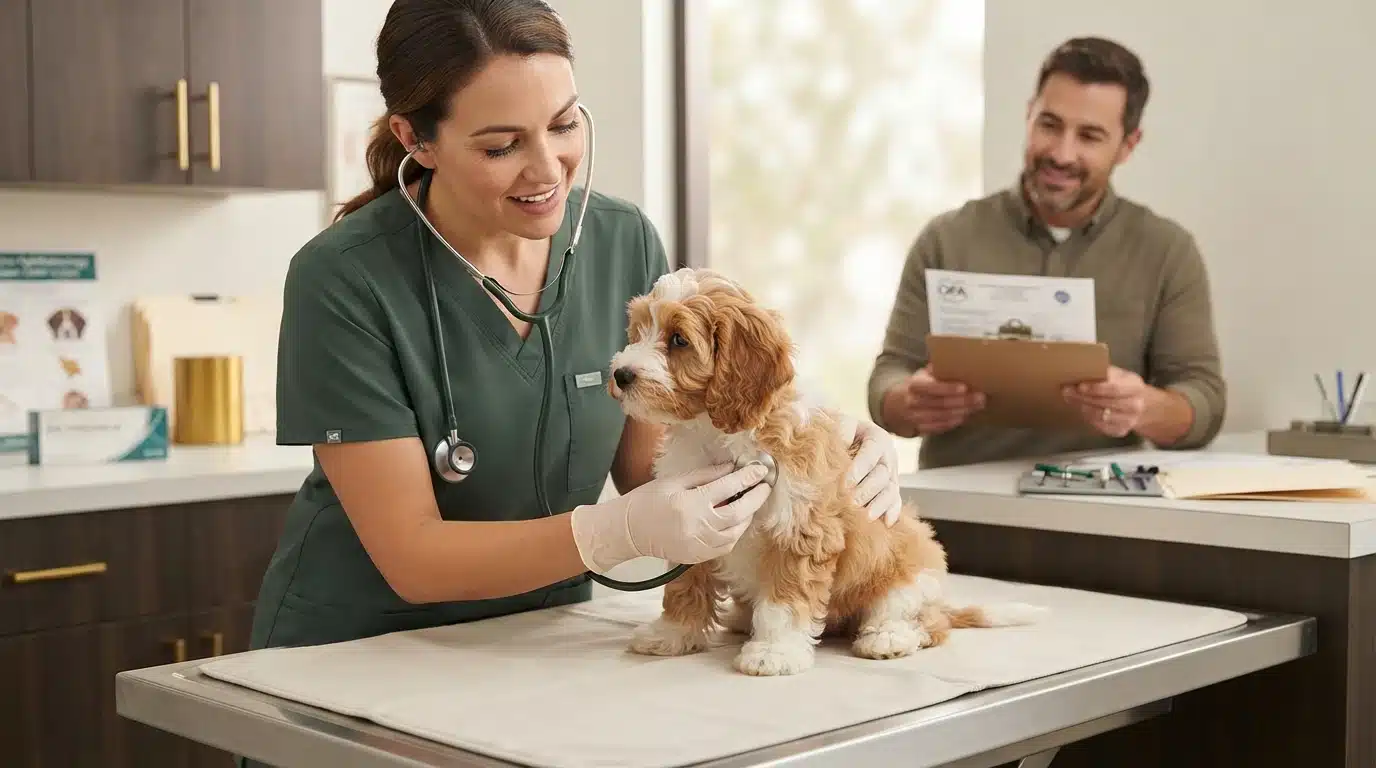
Common issues include ear infections, tear stains, loose stools, dental crowding, and kneecap problems. Prevent them with clean ears, steady diet changes, early brushing, safe exercise, and routine vet checks. Choose a breeder that health-tests parents and raises puppies in a clean home.
Q2: How can I train my Havapoo puppy to prevent behavioral problems?
Start on day one. Use short sessions, crate training, potty schedules, naps, and reward-based rules. Socialize early, but keep it calm. Prevent barking, nipping, and separation stress by teaching alone time, chew habits, and polite greetings before bad patterns stick.
Q3: What are the best grooming tips for Havapoo puppies to avoid skin and coat problems?
Brush several times a week, especially behind ears, legs, and collar spots. Bathe gently, dry fully, trim around eyes, and keep ears clean. Start grooming young so your puppy accepts handling, tools, nail trims, and future coat care.
Q4: How often should a Havapoo puppy eat to avoid stomach issues?
Most young Havapoo puppies do best with three small meals a day. Keep food changes slow over 7 to 10 days. Avoid rich treats, table scraps, and overfeeding, which often trigger diarrhea, begging, and picky eating habits.
Q5: When should I worry about my Havapoo puppy’s behavior or symptoms?
Call your vet if you see repeated vomiting, bloody stool, coughing, limping, low energy, or refusal to eat. For behavior, get help early if fear, guarding, nonstop barking, or panic gets worse instead of better over time.
Conclusion
Most Havapoo puppy problems are easier to prevent than fix. The big themes are simple: start socialization early, build routines fast, stay ahead of grooming, and do not ignore small changes in appetite, stools, skin, or behavior. The best results come from steady habits, not quick fixes.
Early exposure matters because puppies are most open to learning between about 3 and 14 weeks, according to the AVMA socialization guidance. Safe, positive handling and training during that window can lower future fear and stress, backed by published puppy socialization research. For Havapoos, prevention is the whole game.