Quick Summary: Buying a puppy involves more than just the purchase price; families should budget for vet care, supplies, training, food, grooming, and emergency costs in the first year. These expenses often surprise new owners and can add up quickly, so a detailed budget helps ensure they can afford proper care. The article emphasizes planning for the full first-year costs, including hidden or ongoing expenses, to make an informed decision. Sage Puppies offers transparent pricing and support to help families plan realistically.
Before you reserve a puppy from a local breeder, look past the puppy price. The bigger question is what the first year will really cost once food, vet visits, supplies, and training start stacking up. A clear Puppy Cost Breakdown helps you see the full picture before go-home day.
Many families compare breeder prices but miss the rest of the Puppy Cost Breakdown. That is where surprise bills show up fast. Your first crate, vaccines, grooming, classes, and routine care can change the budget more than expected. A solid Puppy Expenses List keeps those early costs from catching you off guard.
This guide ranks the seven costs to budget for before buying a puppy, so you can plan with confidence, compare options honestly, and decide if now is the right time to bring a puppy home. We built this Puppy Cost Breakdown around the expenses that most often surprise U.S. families searching for Puppies For Sale Near Me, with practical Puppy Budget Tips along the way.
Quick Cost Comparison
| Cost | Best for | Typical timing | Budget range | Why it matters |
|---|---|---|---|---|
| Puppy purchase price | Families comparing breeder options and planning the initial reserve budget | Before application or reservation | Varies by breeder, breed, and location | Sets the foundation for every other puppy expense |
| Veterinary start-up care | Families preparing for the first 30 to 90 days home | Immediately after pickup and throughout the first year | Usually several hundred dollars in year one | Protects puppy health and catches issues early |
| Supplies and home setup | Families preparing the house before the puppy arrives | Before go-home day | Usually a few hundred dollars | Creates a safe and calm transition home |
| Training | Families wanting a smoother transition and faster learning | First year, often starting soon after go-home | Varies widely by class type and location | Prevents behavior issues and builds structure |
| Food and treats | Families building a monthly ownership budget | Every month | Usually a few hundred dollars per year | Directly affects health, growth, and energy |
| Grooming | Families choosing a coat type or breed with grooming needs | Ongoing | Low to moderate, depending on coat and region | Affects comfort, appearance, and long-term coat health |
What to know about puppy costs
Most puppy budgets are front-loaded. The first few months usually cost more than families expect, even if the breeder price feels clear upfront. You are not just paying for the puppy. You are also paying for the basic setup, early care, and the first round of routine needs that hit fast.
That matters right now because prices for vet visits, supplies, food, and services have stayed high in many parts of the U.S. A smart budget helps you compare puppies more honestly and avoid getting stretched after bring-home day.
The real question is not just, “Can we afford the puppy?” It is, “Can we afford the full first year well?”
1. Puppy purchase price
Start with the breeder price, but do not stop there. Your puppy purchase price sets the tone for the full Puppy Cost Breakdown, so check the number, what it includes, and whether pickup or delivery changes your final total. Sage Puppies lists current pricing at $3,500-$4,500 before reservation and explains that delivery or South Jordan pickup may affect go-home planning.

Highlights
- Current pricing is listed before reservation so families can plan clearly.
- Compare puppy breeder pricing with included care, not just the base number.
- Travel, delivery, or local pickup can add separate costs.
Specs
- Best for: Families comparing breeder options and planning the initial reserve budget
- Typical timing: Before application or reservation
- Budget range: Varies by breeder, breed, and location
- Cost: Upfront
Pros
- Easy to research before you commit
- Helps compare premium breeders more fairly
Cons
- Does not show full ownership cost
- Deposit or travel fees can hide the true total
This ranks first because it is the first number most families see, and it shapes every next budget choice.
Last updated: July 20, 2026
Also Read: Puppies for Sale Near Me: Red Flags to Avoid Scams
2. Veterinary start-up care
Plan for vet bills right after pickup. Most puppies need an early exam, core shots, deworming, and a follow-up schedule, and AKC notes these first-year puppy costs can add up fast in a basic puppy budget.
Highlights
- First vet visit, vaccines, and wellness checks
- May include deworming and microchipping
- Higher-cost metros often charge more
Specs
- Best for: Families preparing for the first 30 to 90 days home
- Typical timing: Right after pickup and through year one
- Budget range: Usually several hundred dollars
- Why it matters: Catches issues early and protects health
Pros
- Helps prevent bigger bills later
- Gives peace of mind from day one
Cons
- Often takes multiple visits, not one
- Prices vary by clinic and region, and puppies often need vaccines every few weeks early on, per Merck Veterinary Manual
It ranks here because vet care is one of the first required post-purchase costs.
Last updated: July 20, 2026
Also Read: Home
3. Supplies and home setup
Budget for more than a leash and cute collar. Before go-home day, most families need a crate, bed, bowls, ID tags, toys, shampoo, brush, cleaning spray, and a few puppy-proofing basics. AKC’s checklist and the ASPCA’s home prep guide both show how fast these small purchases add up.

Highlights
- Common starter items include a crate, leash, collar, bowls, bed, shampoo, and brush.
- A prepared home reduces stress on go-home day.
- Gates, playpens, and replacements can raise the total fast.
Specs
- Best for: Families preparing the house before the puppy arrives
- Typical timing: Before go-home day
- Budget range: Usually a few hundred dollars
- Cost: Upfront
Pros
- Easy to plan and buy gradually
- Supports training and routine
Cons
- Some items wear out fast
- Easy to overbuy
It ranks here because each item looks minor, but together they create a real first-week cost.
Last updated: July 20, 2026
4. Training
Good training is part of the real puppy budget. It helps with house rules, leash skills, crate comfort, potty habits, and social confidence, so it should never feel like an optional add-on. Average training costs vary, but Bark’s 2026 guide shows sessions can run widely by format, while HomeGuide’s pricing breakdown shows group classes often cost less than private help.

Highlights
- Puppy kindergarten, group classes, and private lessons all fit different budgets
- Early training can cost less than fixing bad habits later
Specs
- Best for: Families wanting a smoother transition and faster learning
- Typical timing: First year, often starting soon after go-home
- Cost: Recurring or package-based
Pros
- Builds confidence for both puppy and family
- Can match the puppy’s age and temperament
Cons
- Private coaching can get expensive
- Training still takes family time and follow-through
This ranks here because training shapes nearly every part of daily life with a new puppy.
Last updated: July 20, 2026
5. Food and treats
A puppy’s food budget grows with size and quality. This is one of the easiest ongoing puppy costs to plan for, but families still miss how fast treats, toppers, and bigger bags add up. Choose a puppy food with a complete and balanced statement, and remember treats should stay occasional.
Highlights
- Recurring monthly or annual expense, not a one-time purchase.
- Breed size and activity level affect the food bill.
- Treats often become part of the training budget too.
Specs
- Best for: Families building a monthly ownership budget
- Typical timing: Every month
- Budget range: Usually a few hundred dollars per year
- Why it matters: Directly affects health, growth, and energy
- Cost: Recurring
Pros
- Predictable and easy to plan for once you know the brand.
- Can often be optimized by buying the right size bag and feeding plan.
- Supports growth and training when chosen carefully.
Cons
- Can rise quickly for larger or premium-fed puppies.
- Special diets cost more.
- Treats and toppers can quietly inflate the total.
Food ranks here because it is steady, essential, and easy to underestimate over time.
Last updated: July 20, 2026
6. Grooming
Coat care can be a real ongoing cost. Some puppies need simple brushing and baths, while fluffy or low-shedding coats often need regular salon visits. The AKC notes that grooming needs change by coat type and routine, and national averages still vary by size and area in Bark’s 2026 grooming guide.
Highlights
- May include brushes, shampoo, nail care, and professional grooming
- Coat type and size can dramatically change the cost
- Regular grooming supports comfort and hygiene, and AKC explains it also helps prevent mats and painful overgrown nails
Specs
- Best for: Families choosing a coat type or breed with grooming needs
- Typical timing: Ongoing
- Budget range: Low to moderate, depending on coat and region
- Why it matters: Affects comfort, appearance, and long-term coat health
- Cost: Recurring
Pros
- Keeps coats healthy and manageable
- Helps puppies get used to handling early
Cons
- Professional grooming adds up over time
- Missed grooming can lead to matting or skin issues
This ranks here because many families underestimate grooming until the first haircut schedule starts.
Last updated: July 20, 2026
Also Read: 10 Adorable Havapoo Colors You Need To See 2026 Guide
Additional budget items to keep in mind
A basic puppy budget covers the big items first. If you want a safer cushion, plan for a few extra costs that can raise the real total over time.
- Emergency and optional costs – Pet insurance, boarding, travel, and surprise vet bills can add up fast. These costs are not monthly for every family, but they matter when you want a more realistic first-year and lifetime puppy budget.
How to choose the right puppy budget
Start with your full first-year number, not the puppy price alone. That tells you if a puppy truly fits your home and routine. For the full cost breakdown, go back to the parent guide on 7 Costs to Budget for Before Buying a Puppy.
Use these criteria before you compare litters:
- Build the real total first. Add the puppy, vet visits, vaccines, supplies, food, and training.
- Price grooming early. If you want a Havanese, Havapoo, or Cavapoo, coat care can be a steady cost each month or quarter.
- Keep a cushion. Set aside money for emergency care, boarding, travel, or pet insurance before you commit.
- Match the breed to your life. Pick a puppy whose coat, size, and training needs fit your monthly time and budget.
- Ask what is included. If you are searching Puppies For Sale Near Me, ask whether breeder pricing covers starter supplies, health records, pickup, or delivery.
| Budget check | Why it matters |
|---|---|
| First-year total | Prevents underbudgeting |
| Grooming plan | Avoids surprise coat costs |
| Emergency cushion | Protects your finances |
Sage Puppies stands out here because its family-first process, health-tested parents, and clear pickup or delivery options make total-cost planning much easier.
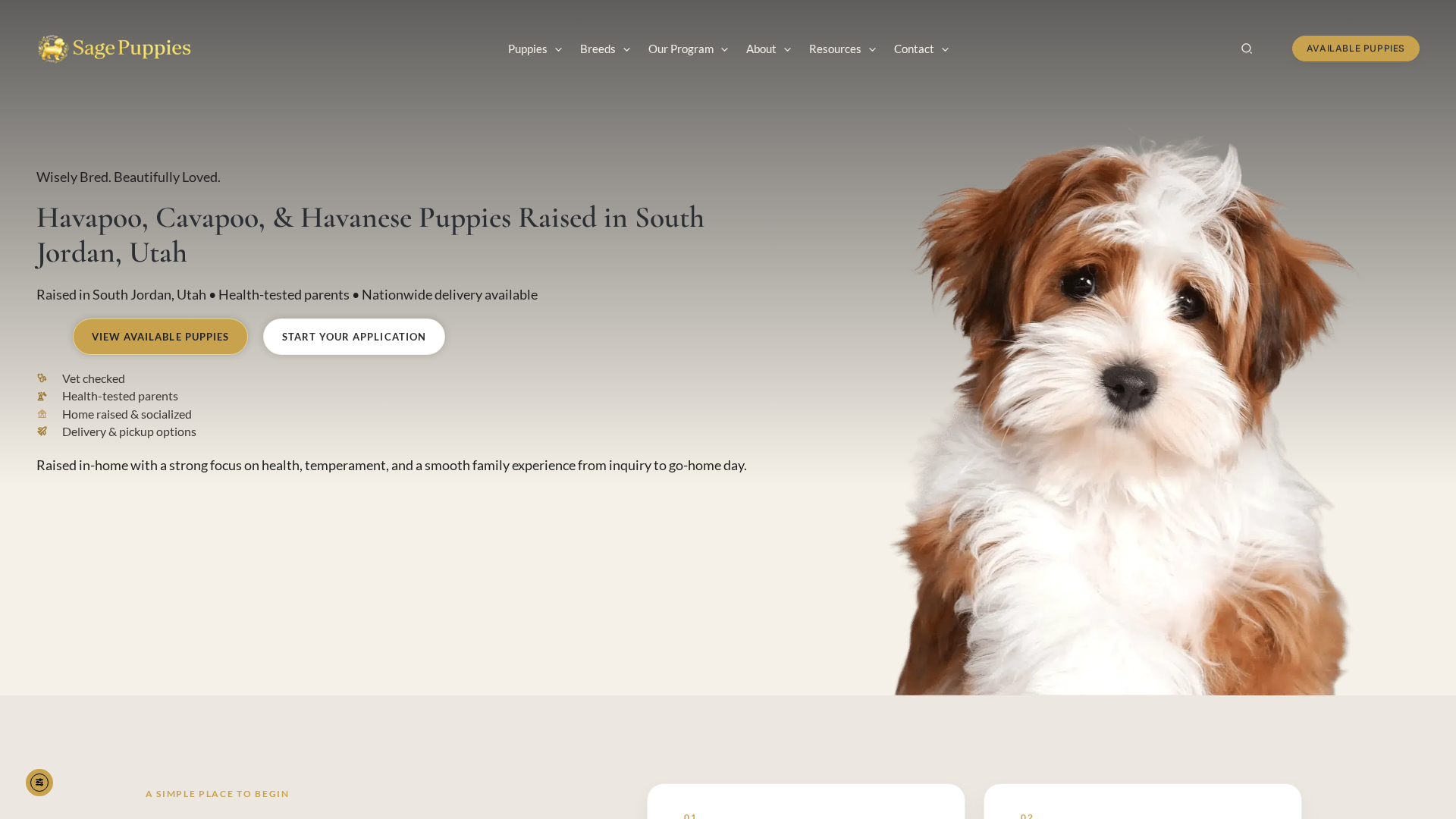
Want a puppy budget that feels realistic, not rushed? Sage Puppies helps families compare upfront and ongoing costs with a transparent, family-first process, health-tested parents, and clear pickup or delivery options. Review available puppies, pricing, and next steps before you commit.
Frequently Asked Questions
Q1: What are the essential costs to budget for before bringing home a puppy from a local breeder?
Plan for the puppy price, deposit, vet exam, vaccines, food, crate, bed, leash, grooming, training, and emergency savings. Ask for a full first-year estimate so you compare breeders fairly, not just the upfront price.
Q2: What are the long-term expenses associated with owning a puppy near me in the United States?
Most families keep paying for food, grooming, yearly vet care, parasite prevention, toys, treats, boarding, and insurance or emergency care. Small breeds may eat less, but grooming and dental care can add up over time.
Q3: How does the cost of puppy ownership vary across different breeds like Havanese, Havapoo, and Cavapoo?
Size, coat type, and health needs drive costs. Havanese often need regular grooming. Havapoos and Cavapoos may have similar grooming bills, but breeder pricing, shedding level, and adult size can shift food and care costs.
Q4: How much should I keep in an emergency fund for a new puppy?
A good starting point is $1,000 to $3,000, depending on your budget and insurance choice. That buffer helps with surprise illness, stomach issues, injuries, or after-hours vet visits without forcing a rushed money decision.