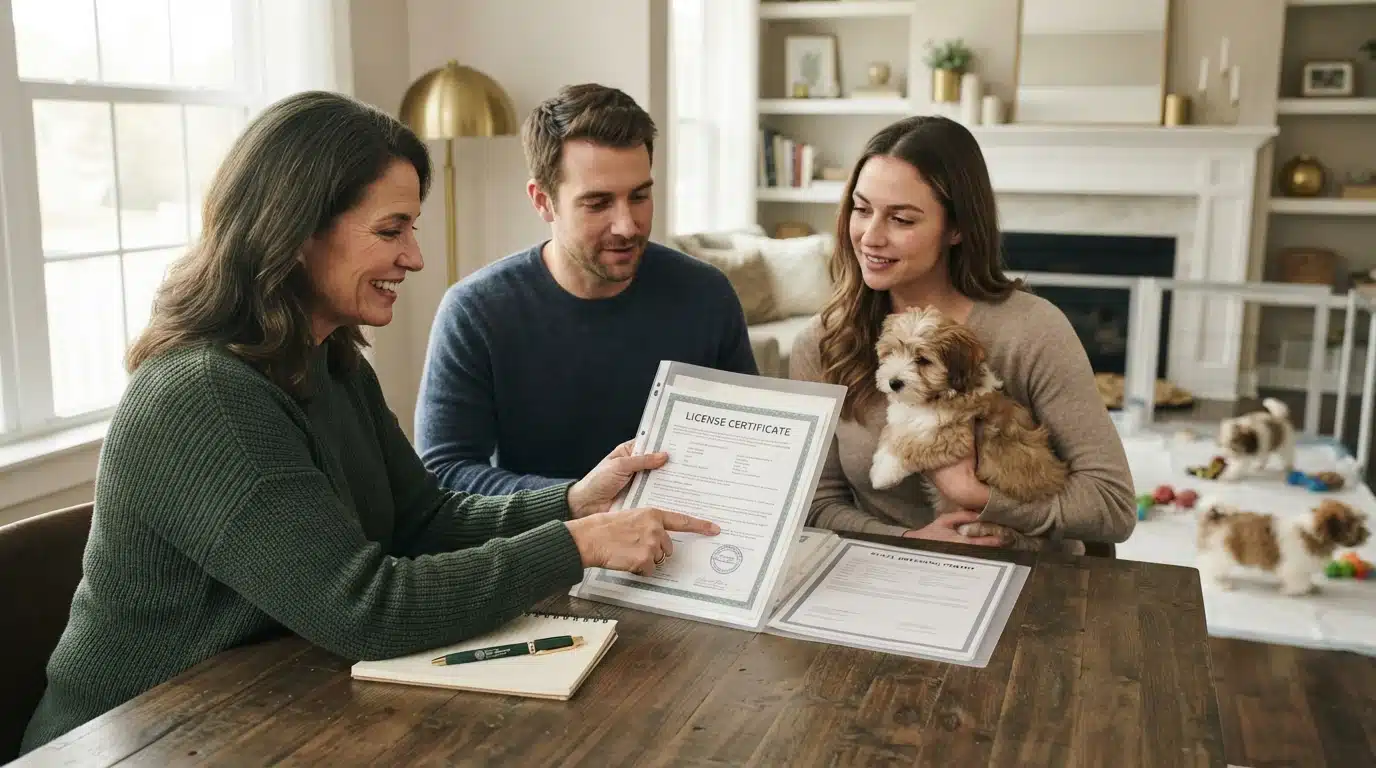
Quick Summary: A Utah puppy’s price depends on breed, pedigree, parent health testing, coat traits, early training, included extras, and breeder experience, so compare quotes line by line rather than choosing the lowest total. A fair quote should include veterinary care, vaccines, deworming, microchipping, documented parent testing, socialization, and written support, with suspicious low prices treated as warning signs. Sage Puppies prices its Havanese and doodle puppies at $3,500 to $4,500 to reflect documented testing and owner-managed matching. Budget another $2,500 to $4,500 for first-year food, veterinary care, gear, training, and licensing.
Two Utah families can each be quoted about the same amount for a Havapoo puppy, and one quote can still be the better deal. That’s because the two prices rarely include the same things. One may cover health testing, early socialization, and a starter kit, while the other stops at the puppy itself.
The challenge is knowing what you’re actually paying for. This guide breaks down the main puppy pricing factors breeders in Utah weigh, from parent health testing to coat type, so you can compare quotes line by line. You’ll also see a puppy pricing breakdown of what a fair price should include, plus the real first-year costs that come after pickup.
At Sage Puppies in South Jordan, we raise Havanese, Havapoos, and Cavapoos, so we know these numbers from the inside. Here’s what determines the final cost.
What Determines the Final Price of a Puppy in Utah
The short answer: seven factors do most of the work
Seven puppy pricing factors set most quotes you will see in Utah:
- Breed and demand
- Pedigree and lineage
- Breeder health testing
- Coat, color and markings
- Training and socialization already done
- Included extras such as starter supplies or delivery
- Breeder experience and program size
A Havanese priced at $3,500 and a mixed doodle priced at $1,800 are not random numbers. Each breeder builds the price from these seven inputs, and the differences between two quotes usually trace back to two or three of them.
Why two puppies of the same litter can cost differently
A puppy pricing breakdown within one litter usually comes down to three things. A rarer coat color, such as a parti or chocolate pattern, often carries a premium. Sex can matter when a breeder holds back show-quality girls or offers guardian home arrangements for promising boys. And temperament plays a role, because a puppy that matches a family with young children takes more careful matching work. Size within the litter can shift the number too, since smaller pups in toy-leaning litters often draw more requests.
At Sage Puppies, every litter is priced within one clear range, and any difference between littermates is explained before you place a deposit.
Price is not the same thing as value
The cheapest quote is rarely the cheapest puppy. A low price can mean skipped health testing on the parents, no early socialization or a breeder you cannot reach after pickup. Value shows up in what the price covers: verified parent testing, early training and a breeder who stays in touch. A well-bred puppy at the higher end often costs less across its lifetime than a bargain with hidden vet bills.
Breed, Size, and Pedigree: Where the Price Starts
Three pricing factors set the base number before any breeder adds fees: the breed, the pedigree behind it, and the size you are paying for.

Havanese, Havapoo, and Cavapoo price differences
Purebred Havanese usually cost more than the two doodle mixes. Both parents must be the same breed, so fewer litters exist and the waitlist runs longer. Havapoos and Cavapoos pair a Havanese or Cavalier with a poodle, which widens the breeding pool and often softens the price. Coat color and markings shift the number too, but breed rarity does most of the early work.
What a pedigree adds to the price
A pedigree is simply your puppy’s documented family tree. When parents carry champion lines or verified health testing, breeders price that lineage because it predicts temperament, coat, and long-term health. Ask which tests the parents passed and get the records in writing. That paperwork is a large part of what a higher quote buys.
Adult size and the downstream cost
Size shapes more than the sticker price. A Havanese or a small Cavapoo eats less, needs smaller doses of medication, and fits cheaper gear than a larger dog. Over ten or more years, those small savings add up, so the breed you pick today affects the budget you live with later.
Health Testing, Records, and the Veterinary Work Behind a Price
A big share of a breeder’s quote is the screening behind it. Tests on the parents, DNA panels, and puppy vet visits all cost real money, and that work shows up in the final number.
Parent screening versus puppy records
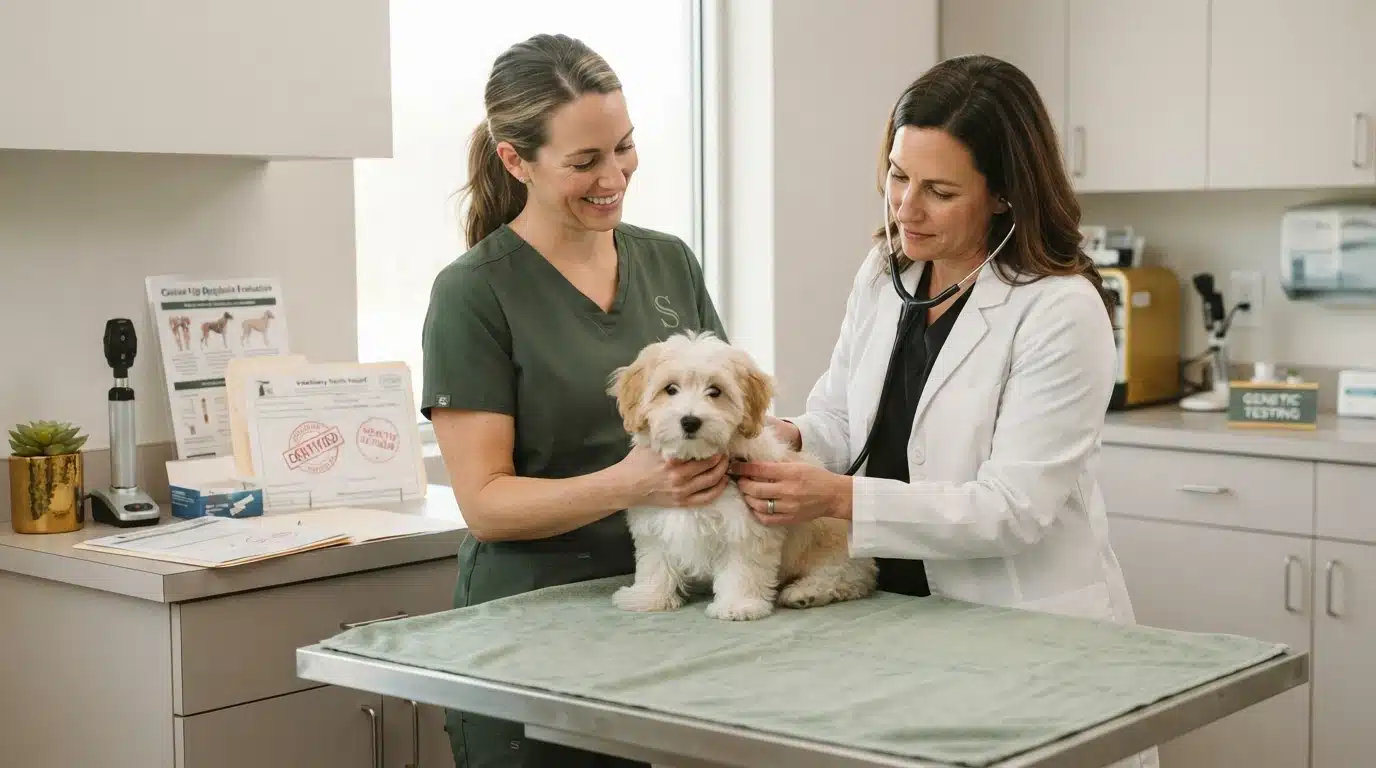
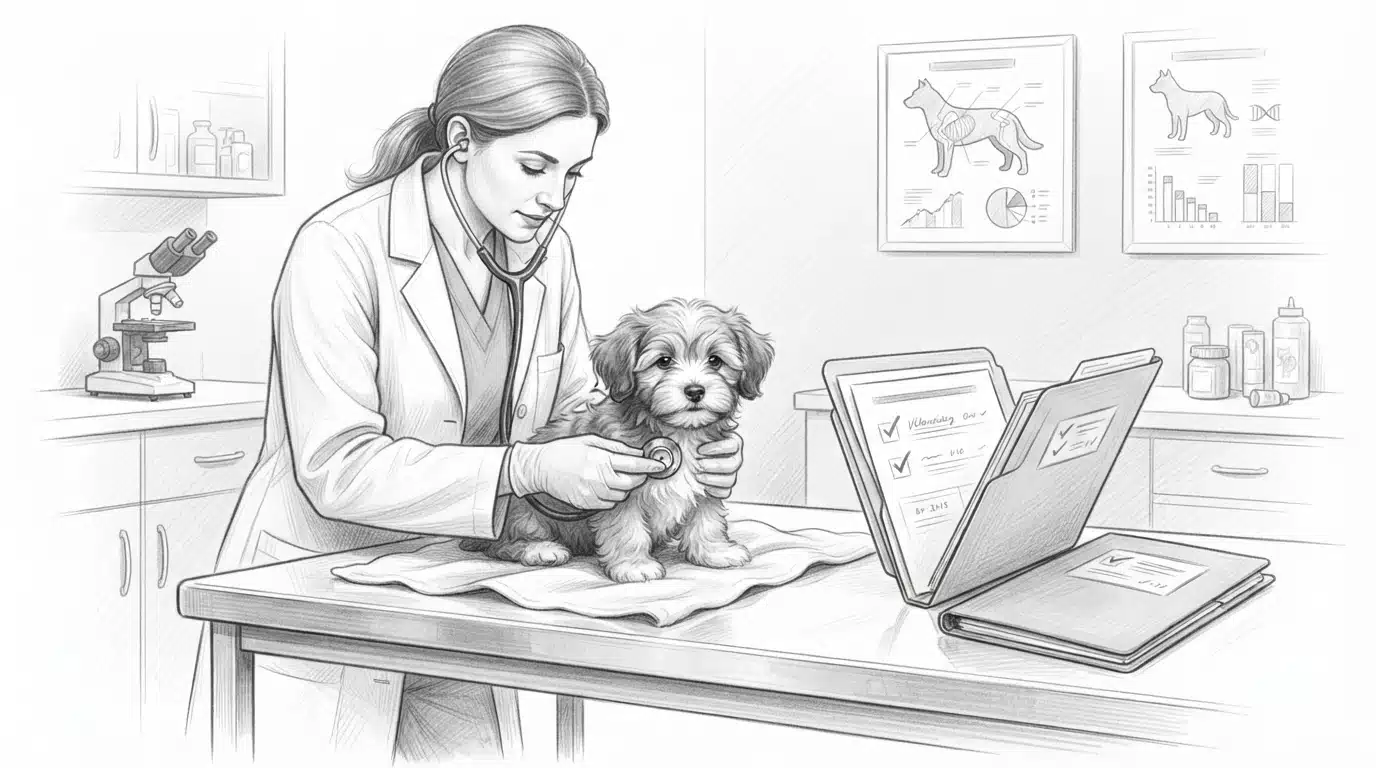
Parent screening looks ahead. It checks the breeding dogs for inherited problems before a litter exists. Puppy records look back at what already happened: the vet check, first vaccines, and deworming. Both belong in a fair price, but they answer different questions. Good breeders show you both sets of health testing records instead of only the puppy’s shot log.
What Havanese breeders are recommended to screen
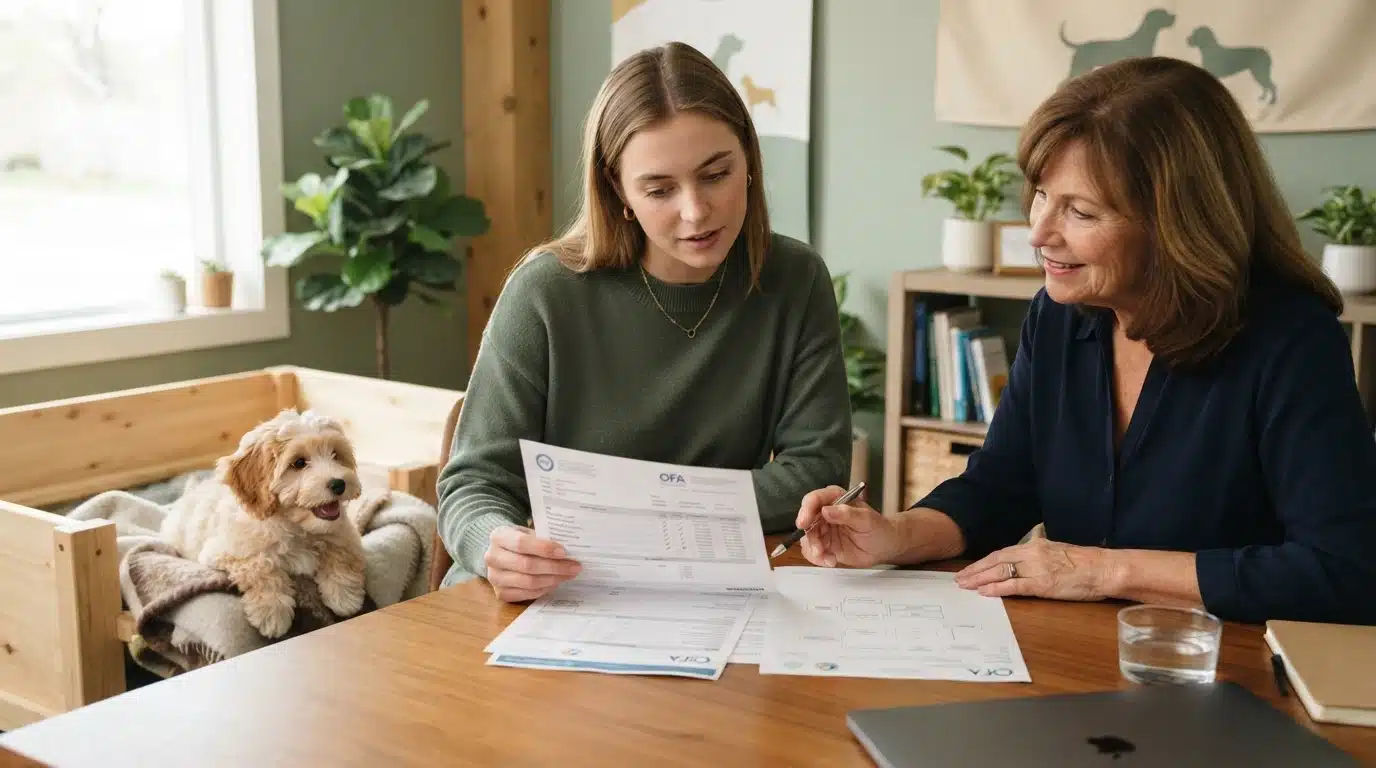
For purebred Havanese, the breed club sets a clear bar. The Havanese Club of America requires OFA hip, OFA patella, and annual eye exam results for a dog to earn a CHIC certificate, which is the OFA’s open health database. Breeders also often add cardiac checks and DNA panels. These tests repeat each generation, so they are a recurring cost, not a one-time one.
Questions that reveal real testing
Ask what happens next if a test comes back unclear, and ask to see results online by the dog’s registered name. A breeder who tests happily will answer both fast. For doodle parents, ask which DNA tests were run and why. Our own guide covers five questions about health-tested puppy parents that separate real screening from paperwork. Vague answers cost less upfront and far more later.
What a Utah Puppy Price Should Actually Include
A fair Utah puppy price from a boutique breeder should cover the puppy itself, a vet health exam, first vaccinations and deworming, microchipping, health testing of the parents, early socialization, and written contract support. Ask any breeder for that checklist in writing before money changes hands, then compare quotes line by line instead of by total alone.
The standard inclusions to confirm
Confirm these items are bundled into the quote: parent health testing, a licensed vet exam, age-appropriate vaccines, deworming, a microchip, and a written health contract with support terms. Early socialization and house-training starts matter too. A transparent breeder, including small Utah programs like Sage Puppies, lists this in the puppy pricing breakdown rather than leaving you to guess.
Questions to ask before you pay a deposit
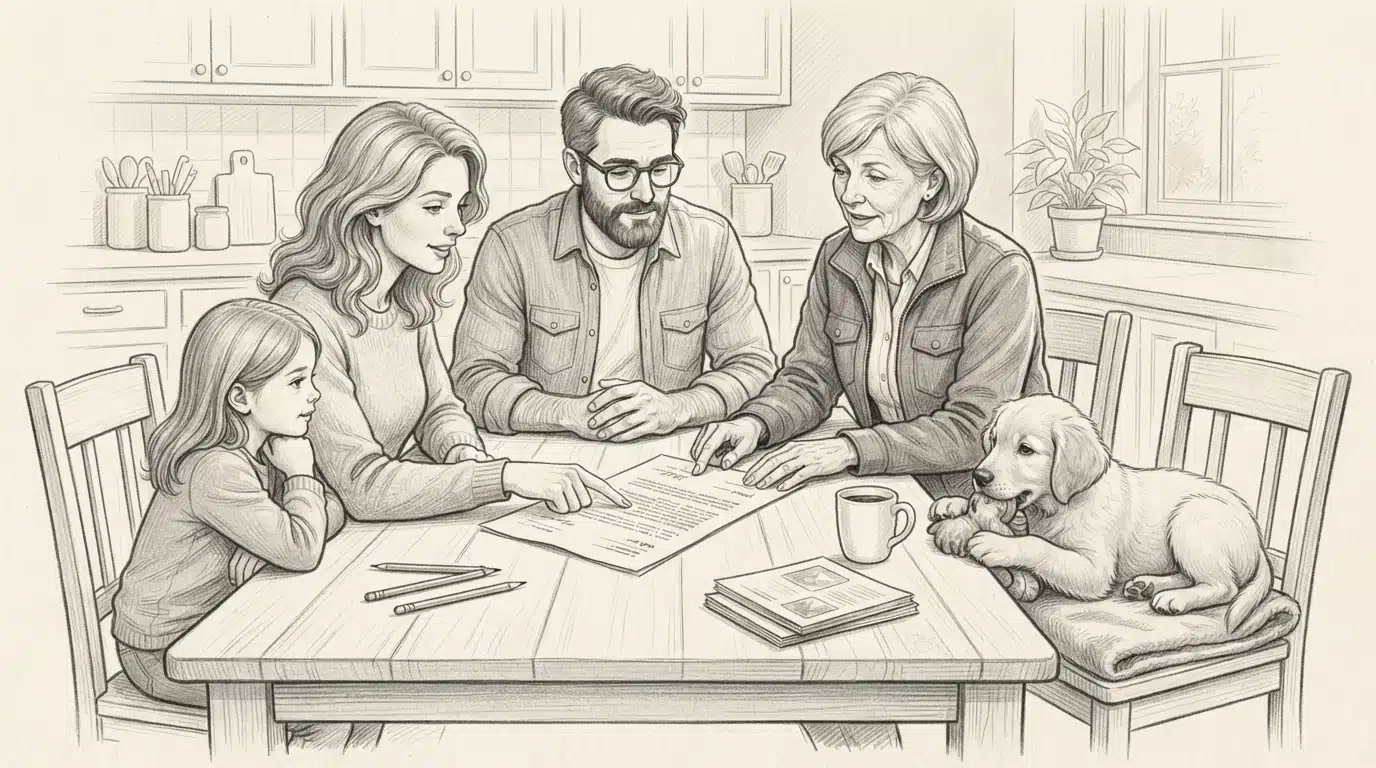
Ask exactly what the deposit covers, whether it is refundable, and under what conditions. Confirm pickup timing, what happens if a health issue appears, and whether support continues after you take the puppy home. Get the puppy deposit and refund terms in writing. Vague answers here are one of the common puppy scam warning signs.
What is usually billed separately
Expect these on top of the base price: spay or neuter cost at your own vet, first-year puppy vet costs, a city dog license Utah residents must file, food and gear, and puppy delivery cost if you live out of state. Ground transport and flight nanny services typically add several hundred dollars.
Location, Delivery, and the Utah Advantage
Why the same litter costs different amounts in different states
Puppy prices swing by state because breeder costs swing first. Vet care, licensing, insurance, and living expenses in Utah simply run lower than in coastal metro areas, so a breeder there can price a Cavapoo responsibly without cutting health testing. Demand matters too. Regions with fewer small-breed programs often list the same bloodlines higher.
Local pickup versus nationwide delivery
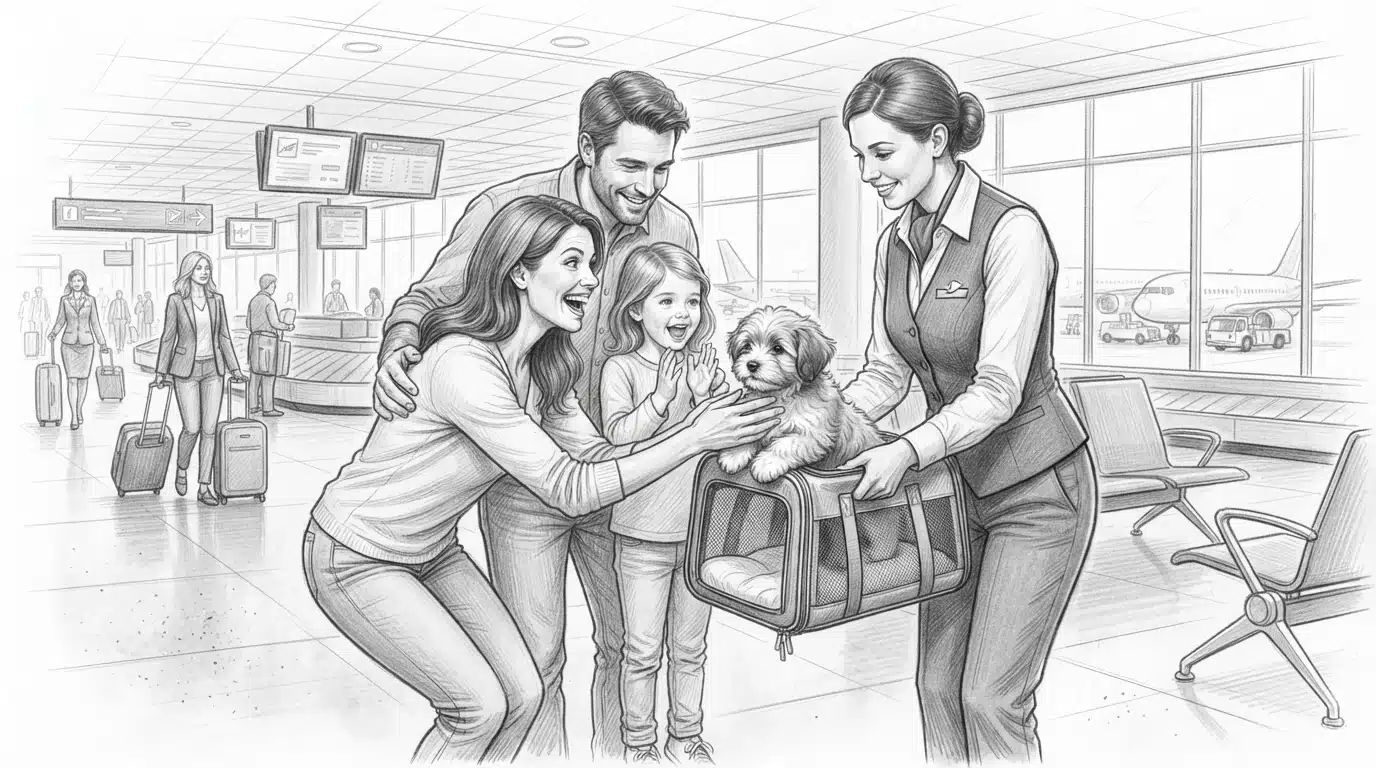
Pickup is usually free. Delivery adds a real line item. Ground transport tends to be the cheaper option, while a flight nanny, a person who carries your puppy in the cabin, often starts near $675 and can reach $1,500 or more depending on distance, according to TLC Flight Nanny’s pricing and Care.com’s cost guide. Sage Puppies serves both local Utah families and buyers nationwide, so the quote should always show which option you chose.
What local pickup actually saves you
Budget examples only, but the math adds up quickly. Skipping a $675 to $1,500 delivery fee puts that money toward first-year vet costs, a crate, or an emergency fund instead. Pickup also lets you meet the breeder, see the parents, and skip the stress of travel day on an eight-week-old puppy.
Deposits, Contracts, and Guardian Arrangements
How deposits work in practice
Most Utah breeders take a deposit to hold your spot in a waitlist, then apply it to the final price at pickup. Ask three questions before you pay: how much it is, whether it moves to a later litter, and when it becomes nonrefundable. Get the puppy deposit and refund terms in writing, since a verbal promise protects no one if plans change. A clear contract should also cover health records, spay or neuter timing, and what happens if the breeder cannot deliver the puppy you reserved. Sage Puppies spells these terms out on its pricing and reservation page before you apply, so families know the full picture first. Skip any seller who wants payment through apps with no written agreement.
Guardian homes and why they are priced differently
A guardian home arrangement lets a breeder place a breeding dog with a local family instead of keeping it on site. The family pays a small placement fee rather than a full puppy price, and the dog later returns to the breeder for breeding care. Guardian families must live nearby and meet set health and home requirements. It is a partnership, not a free puppy, so read the commitment terms carefully before agreeing.
How to Know if a Utah Puppy Price Is Fair
How do you know if a puppy price in Utah is fair? Run a simple three-part check before you commit to anything.
A three-part fairness check
- Ask what the price includes. Health testing on the parents, first vaccines, a vet exam, microchipping, and support after pickup all belong in a well-bred puppy’s cost.
- Compare quotes for the same breed and level of care, not just the lowest number.
- Match the price to the program behind it. Health-tested parents, real socialization, and clear paperwork cost more, and they should.
At Sage Puppies, for example, the $3,500 to $4,500 range reflects Havanese and doodle parents with documented testing and owner-managed matching. A fair quote explains its own math.
Warning signs that the price is hiding something
Be careful when a breeder won’t do a video call, pushes for full payment fast, or only communicates by email or text. The AKC’s puppy scam guide also lists stock photos and vague locations as red flags. A suspiciously low price, like a $1,800 purebred Havanese, usually means skipped health testing or a scam. According to the Animal Legal Defense Fund’s scam FAQ, too-good-to-be-true prices are the most common lure in online puppy fraud.
What a fair price never guarantees
Even a fair price buys no promises of a perfect dog. It cannot guarantee a hypoallergenic coat, a fixed adult size, flawless health forever, or a puppy that never has a rough night alone. It buys careful breeding and a strong start. The rest is the care you provide.
Budgeting Beyond the Purchase Price
A puppy’s first year usually costs more than the purchase price itself. Beyond the sticker, you pay for vet visits, food, gear, training, and licensing, and those costs arrive in a rush during the first few months.
The first year beyond the puppy price
The American Kennel Club estimates one-time costs like a crate, spay or neuter, and starter gear run about $2,100, with routine first-year vet care adding $100 to $500 for vaccines and checkups. Add food, a leash, toys, and a city dog license in Utah, and the first year often reaches $2,000 to $4,000 on top of the puppy itself.
| First-year cost | Typical range |
|---|---|
| Vet care, vaccines, spay or neuter | $500 to $1,200 |
| Crate, gear, and supplies | $300 to $700 |
| Food and treats | $250 to $500 |
| Training classes | $150 to $400 |
| Utah city dog license | $10 to $40 |
A realistic Utah first-year range
Budget $2,500 to $4,500 in the first year after pickup, and more if you add pet insurance or a boarding plan. For example: $1,000 in vet costs, $500 in gear, $400 in food, $250 in training, plus a license and a small emergency fund. Label these as planning numbers, not quotes, since prices vary by clinic and city. Dog owners nationally average about $1,533 a year in essential expenses once the first year ends.
Pricing mistakes that quietly cost buyers extra
Three slip-ups cost buyers the most. Skipping pet insurance or an emergency fund turns one ear infection into a $600 bill. Cheaping out on gear twice costs more than buying a good crate once. And a low-priced puppy from skipped health testing often brings vet bills that erase the savings, which is why the $1,800 Havanese from earlier looks cheap only on the day you pay it.

Want a puppy price that’s explained, not guessed? At Sage Puppies, every Havanese, Havapoo, and Cavapoo comes with documented parent testing and a clear quote. Check current litters on our pricing page, then apply and let’s match you with the right pup.
Frequently Asked Questions
Q1: What factors determine the price of a puppy in Utah?
Seven puppy pricing factors do most of the work: breed, pedigree, parent health testing, coat color, training done, included extras, and breeder experience.
Q2: How do I know if a puppy price in Utah is fair?
Ask what it includes, compare quotes for the same level of care, and match the price to documented testing and real socialization.
Q3: What should be included in a Utah puppy price from a boutique breeder?
A puppy pricing breakdown should list parent testing, a vet exam, vaccines, deworming, microchipping, socialization, and written contract support.
Q4: Why do littermates cost different amounts?
Rarer colors, sex, size, and temperament matching can shift the number within one clear range.
Q5: Do deposits count toward the final price?
Usually yes. Confirm puppy deposit and refund terms in writing before paying.
Conclusion
The final cost of a Utah puppy comes down to seven puppy pricing factors: breed, pedigree, parent health testing, coat color, early training, included extras, and breeder experience. Compare quotes line by line instead of by total, ask what each price includes, and treat a suspiciously low number as a warning. Expect the first year to add $2,500 to $4,500 on top of the purchase price. When you weigh Utah puppy price factors this way, a Havanese, Havapoo, or Cavapoo from a transparent program stops being an expense and becomes a decision you can defend for the dog’s whole life.