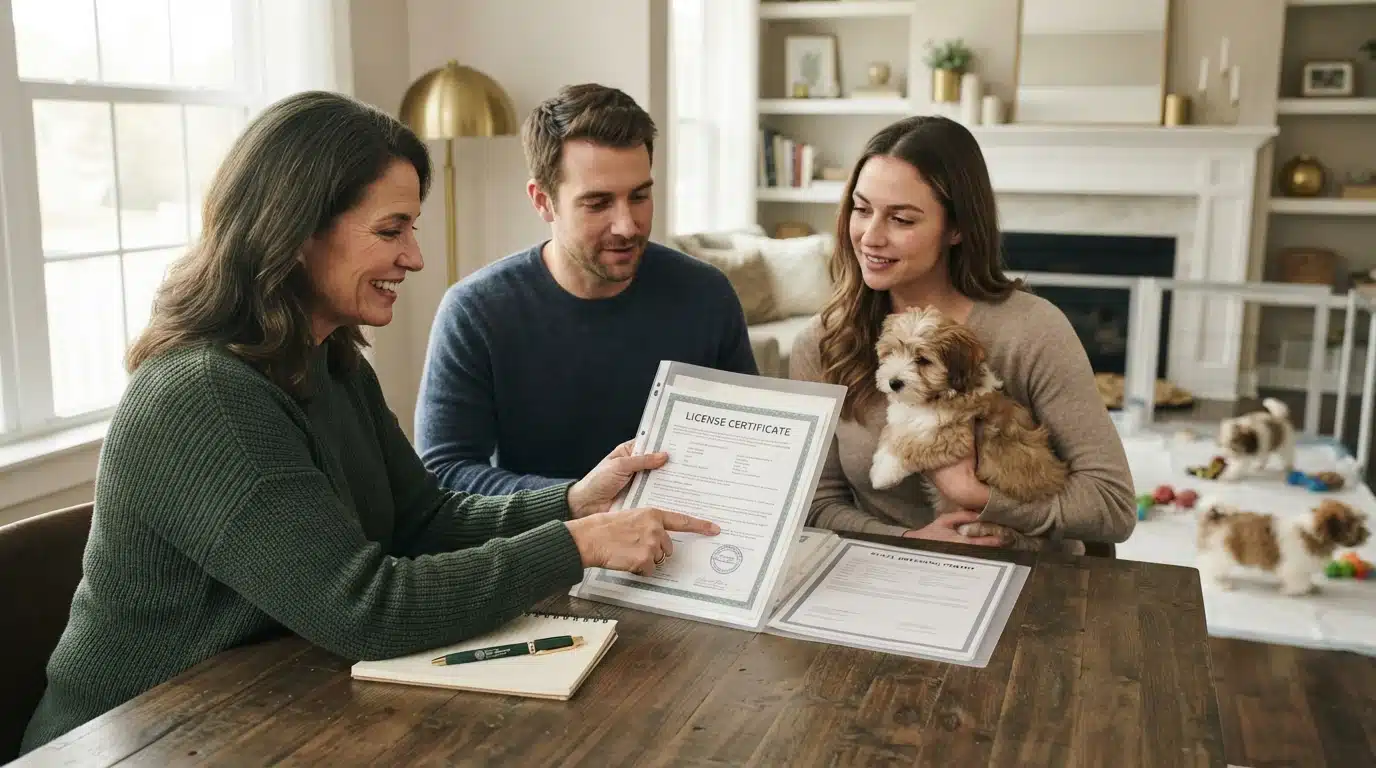
Quick Summary: Before paying a Utah puppy deposit, verify the breeder and litter, see the puppy live, request vet and health records, and read every contract and refund clause. Pay by credit card or PayPal Goods and Services, avoid irreversible methods like wire transfers, Zelle, gift cards, and crypto, and note that Utah has no puppy lemon law. Transparent programs like Sage Puppies publish pricing, use an application before payment, and provide written reservation terms.
Most puppy buyers do not get burned by the listing. They get burned by the deposit. It happens late on a Sunday night, when a seller says two spots are left and one can be held until morning, so you send $500 to $1,000 to a stranger’s phone. After that, puppy deposit payment safety stops being a topic you meant to research.
This guide fixes that. You get a puppy deposit checklist you can work through before any money moves: how to verify a breeder, which documents to request, the contract clauses that protect you, and payment methods ranked by how easily you can reverse them. We also cover Utah-specific buyer-protection steps and what a safe puppy deposit looks like at a boutique program like Sage Puppies in South Jordan, where pricing and the application process are published up front. Work through it in one evening.
Step 1: Confirm the Utah Breeder Is Real Before You Discuss Money
Check three things before you send a deposit: that the breeder has a real, verifiable history; that the puppies exist and are with the breeder; and that you can talk to a real person who knows the litter. Skilled scammers use borrowed photos and fake urgency. Ten minutes of checking stops most of it.
What to check before buying a puppy from a Utah breeder
Work through a short list:
- Search the kennel name plus the words “scam” and “review.”
- Look for the same puppy photos on other sites using a reverse image search.
- Ask how long they’ve bred this breed and which litters came before.
- Check for a state license where required and any club membership.
- Read recent buyer comments, not just testimonials on their own page.
Good breeders answer these without offense. A short breeder history with one breed is normal for a small program; a long list of many breeds is not.
Confirm the physical location and the litter
Ask for the city and offer to visit. Utah buyers can usually do an in-person pickup, so a breeder who refuses any visit or video call deserves caution. Ask for a live video tour of the mother with the puppies, done on the call, not a recorded clip. Request the litter’s birth date and count, then match it to the photos. Real breeders talk about the dam easily and know each puppy’s traits.
Red flags that deserve a pause, not a panic
Some puppy scam warning signs show up fast: only-wire-transfer payment, prices far below the breed norm, or a seller who pushes you to decide tonight. Others are quieter, like a website registered weeks ago or stock photos of adult dogs. One odd answer means ask again; several together mean walk away. The warning signs overlap heavily with common red flags when buying from a Utah breeder, so it pays to know the full list before money moves.
Step 2: Request the Documents Every Utah Buyer Should See
Before any money moves, ask for paperwork in writing. A serious breeder answers fast; a scammer stalls, excuses, or goes quiet. Send this list as your puppy deposit checklist, and treat slow or partial answers as a warning sign.
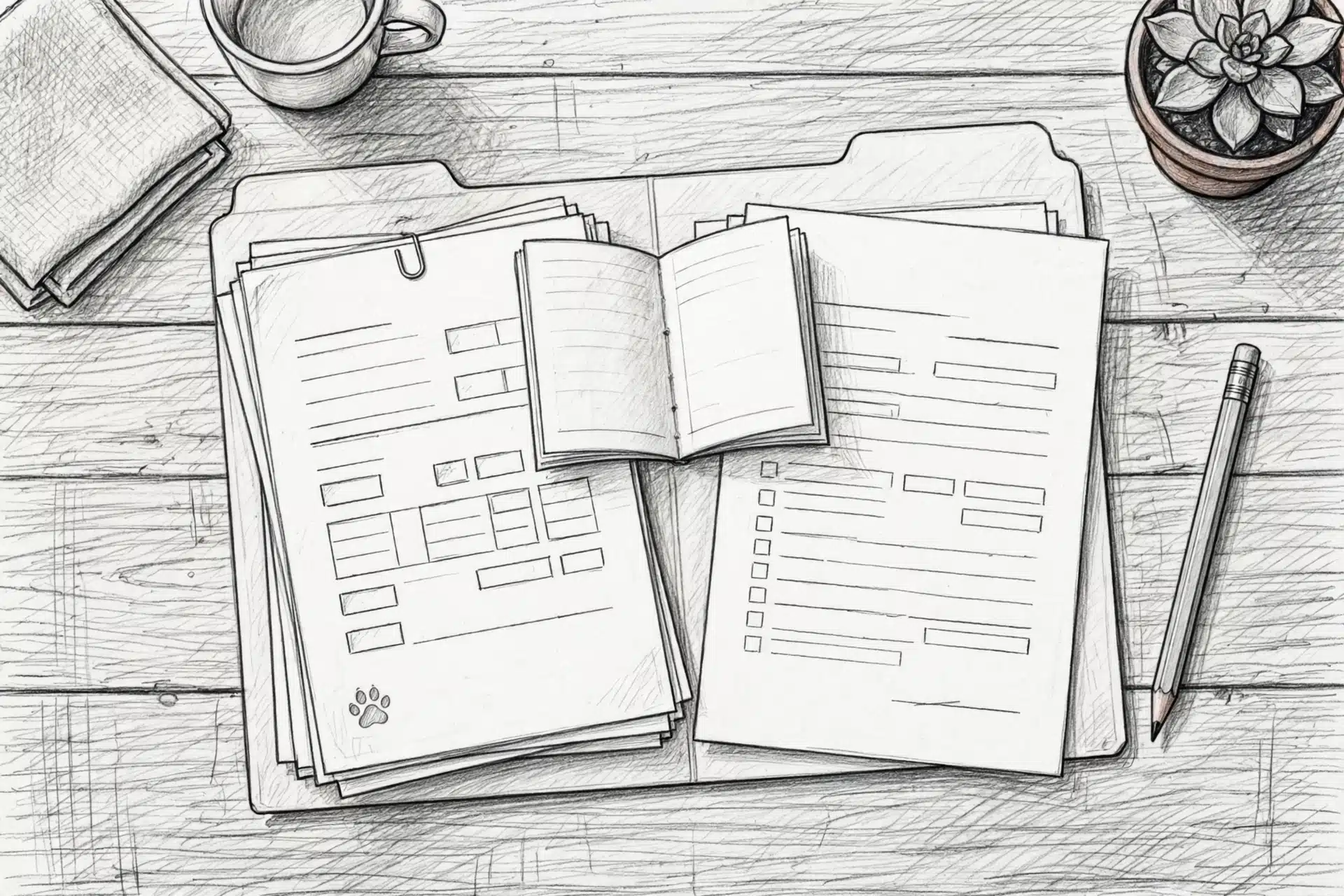
The document request list you can copy and paste
- Recent vet exam record for the specific puppy, dated and named
- Vaccination history with dates and vaccine types
- Deworming records with product and dates
- Microchip number and registration details
- Dam and sire health testing results
- A written purchase contract before you pay
- The health guarantee terms, in full
- Proof of ownership of the mother
Health records and vaccination history worth reading
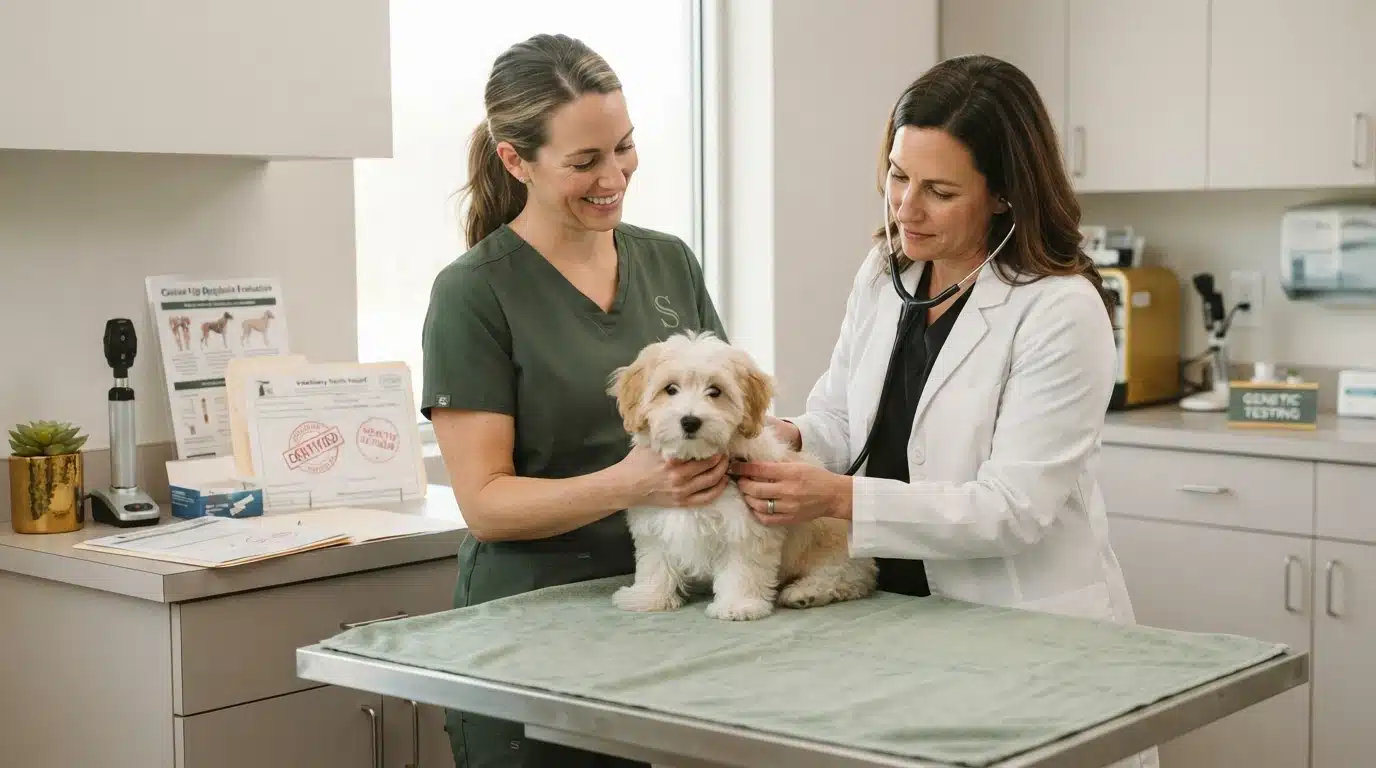
Anyone can send a photo of a vaccine booklet. Read it. Dates should progress in logical order, the puppy’s description should match what you saw, and the clinic name should be real and searchable. First shots typically land at six to eight weeks, so a puppy under eight weeks with a finished vaccine series is a red flag.
The contract and the health guarantee, read as two different things
The contract covers the sale: price, what’s included, spay or neuter terms, and who owns the puppy. The health guarantee covers what happens if the puppy gets sick. Many Utah buyers skim the guarantee and miss the return window, the refund rules, and who pays for follow-up vet visits. Missing contract terms are among the most common puppy scam warning signs, so read every clause.
Records a legitimate seller can produce on the spot
Small Utah programs often keep digital files, so there’s no reason to wait days for basic records. When we match a Havanese, Havapoo, or Cavapoo family, exam records, vaccination dates, and parent health info go out with the application reply. If a seller claims records exist but can’t show them until after you pay, walk away, and review Utah breeder warning signs first.
Step 3: Read the Deposit Agreement Line by Line
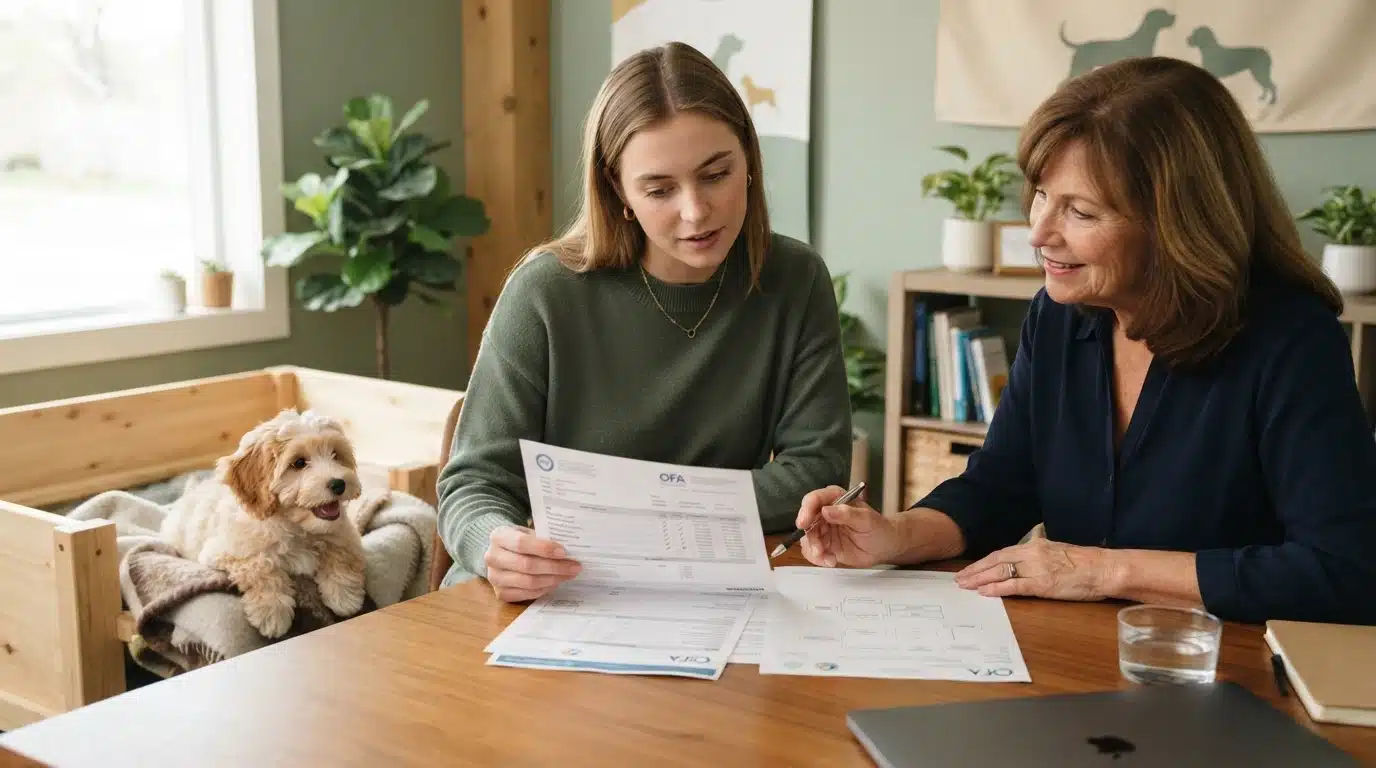
A safe deposit agreement spells out six things in writing: what the deposit holds, when the balance is due, refund and transfer rules, pickup or delivery terms, health records you get, and what happens if a litter or your plans change. If a seller resists putting those clauses on paper, treat that as a puppy scam warning sign and walk away. Read every line before you send money, not after.
Where the deposit goes and when the balance is due
The contract should state the exact deposit amount, what puppy it holds, and the final balance deadline. Ask whether the deposit applies to the total price and whether it covers litter placement or just a spot on a waitlist. Confirm how the balance gets paid and whether pickup day or delivery day triggers it. Good programs publish this up front; ours lists pricing and reservation terms plainly, so you know the numbers before you apply.
Refund and transfer clauses to look for
This part matters most for puppy deposit payment safety. Look for language that answers: Is the deposit refundable if you change your mind? Is it refundable if the breeder cancels, the litter is small, or a health issue appears? Can you transfer it to a future litter? Watch for vague phrases like “no refunds under any circumstances” paired with no breeder-side commitments. A fair agreement protects both sides, and you can compare one breeder’s written refund policy against anything you’re handed.
Pickup, delivery, and what happens if plans change
The contract should say where the puppy changes hands: Utah pickup, a flight nanny, or another delivery method, plus who pays travel costs. It should also cover delays, missed pickups, and rescheduling, in plain sentences rather than fine print. If plans fall through, you want a documented path: hold the puppy, transfer the deposit, or refund it. Get any verbal promise written in before you sign, because a text message rarely holds up in a dispute.
Step 4: Choose a Payment Method You Can Actually Reverse
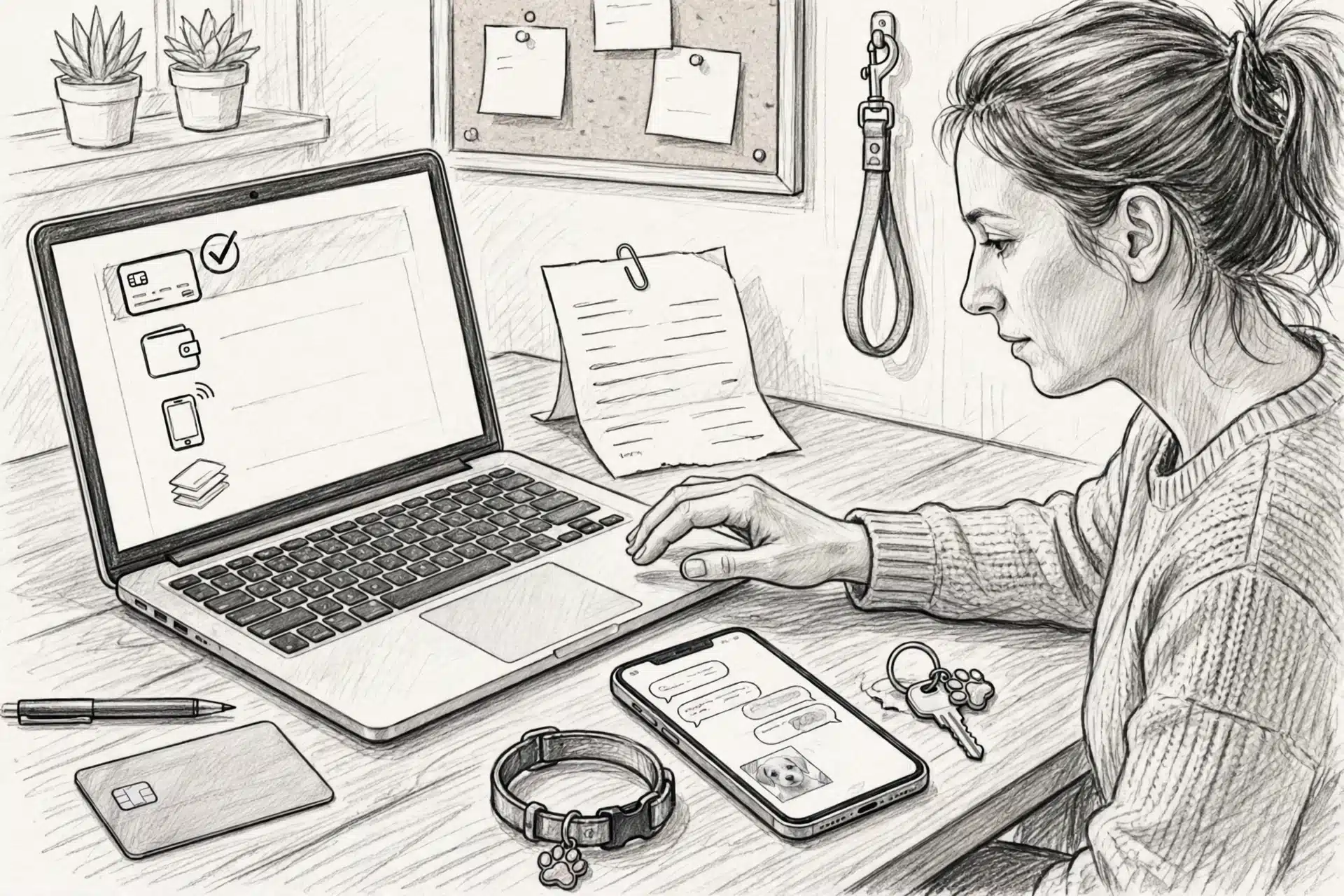
The safest way to pay a puppy deposit is a credit card, followed by PayPal or a card-funded service using Goods and Services terms. Both leave a paper trail and give you dispute rights if the puppy never arrives. Wire transfers, gift cards, Zelle, and crypto sit at the bottom: once the money leaves, you cannot pull it back.
| Method | Reversibility | Notes |
|---|---|---|
| Credit card | Strong | Federal law lets you dispute charges you never got a product for |
| PayPal Goods and Services | Moderate | Buyer protection, but only on eligible purchases |
| Debit card | Weak | Bank discretion, no federal dispute right |
| Zelle, wire, gift cards, crypto | None | Treat as cash; gone once sent |
The safest ways to pay a puppy deposit
Pay by credit card whenever a breeder accepts one. Under the Fair Credit Billing Act, you can dispute a charge as a billing error if the goods never show up, and the FTC explains how the dispute process works. You generally have 60 days from the statement date, so act fast. Some breeders add a card fee; a few percent is cheap insurance. PayPal’s Goods and Services option is a reasonable backup, but read its terms first.
Payment methods to think twice about
Zelle, wire transfers, gift cards, and crypto are the scam reports’ favorite payment types because none of them can be reversed. A seller who insists on them, or drops the price to push a same-day wire, is showing you a puppy scam warning sign. Some honest breeders avoid cards too, so ask why before you decide.
Timing, splitting, and keeping a paper trail
Never send the full price before pickup. A deposit holds the puppy; the balance is due when you meet the breeder. For larger sums, split the deposit across a card and a later balance payment. Save every receipt, email, and contract page, and confirm pickup details in writing. Sage Puppies, for example, handles reservation through its application rather than a rushed same-day wire, which keeps the record clean.
Step 5: Know Your Utah Buyer Rights and Where to Go If Something Goes Wrong
What pet purchaser protection laws generally cover
Here’s the honest picture: Utah is not among the 22 states with a Pet Purchaser Protection Act, often called a puppy lemon law. Those laws typically force sellers to disclose a puppy’s vet history and offer a refund, exchange, or vet fee reimbursement if the animal is sick or has a genetic condition, per an AKC policy analysis of state laws.
Because Utah has no such statute, your puppy purchase contract terms carry the weight. Whatever health guarantee and return policy you negotiated in Step 3 is what a court or mediator will read. Get every promise in writing before you pay any deposit, and keep vet records and messages. That paper trail is your puppy deposit payment safety net.
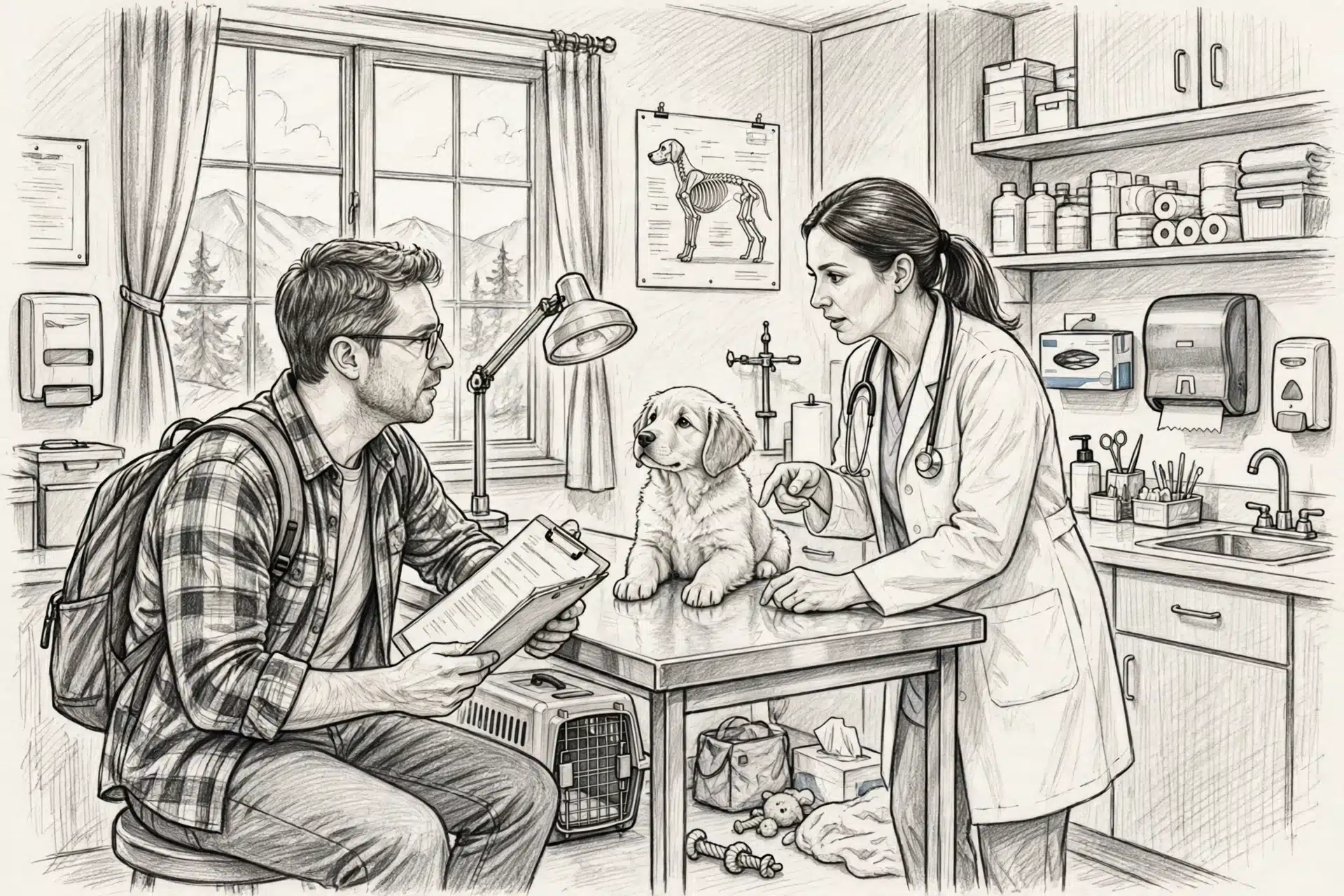
Where Utah buyers can take a complaint
If a seller takes your money and goes quiet, escalate in this order:
- Demand a refund in writing, with a deadline.
- File with the Utah Division of Consumer Protection, which handles fraud and unfair seller practices statewide.
- Dispute the charge through your card issuer or PayPal, using the 60-day window from Step 4.
- Report the seller to the BBB and the FTC so the next buyer sees the pattern.
- If animals were neglected, contact local animal control.
Keep copies of everything you send. Small claims court is your last stop for a deposit under Utah’s limits.
Step 6: Meet the Puppy and the People Before the Money Moves
What to do at the visit or on the video call
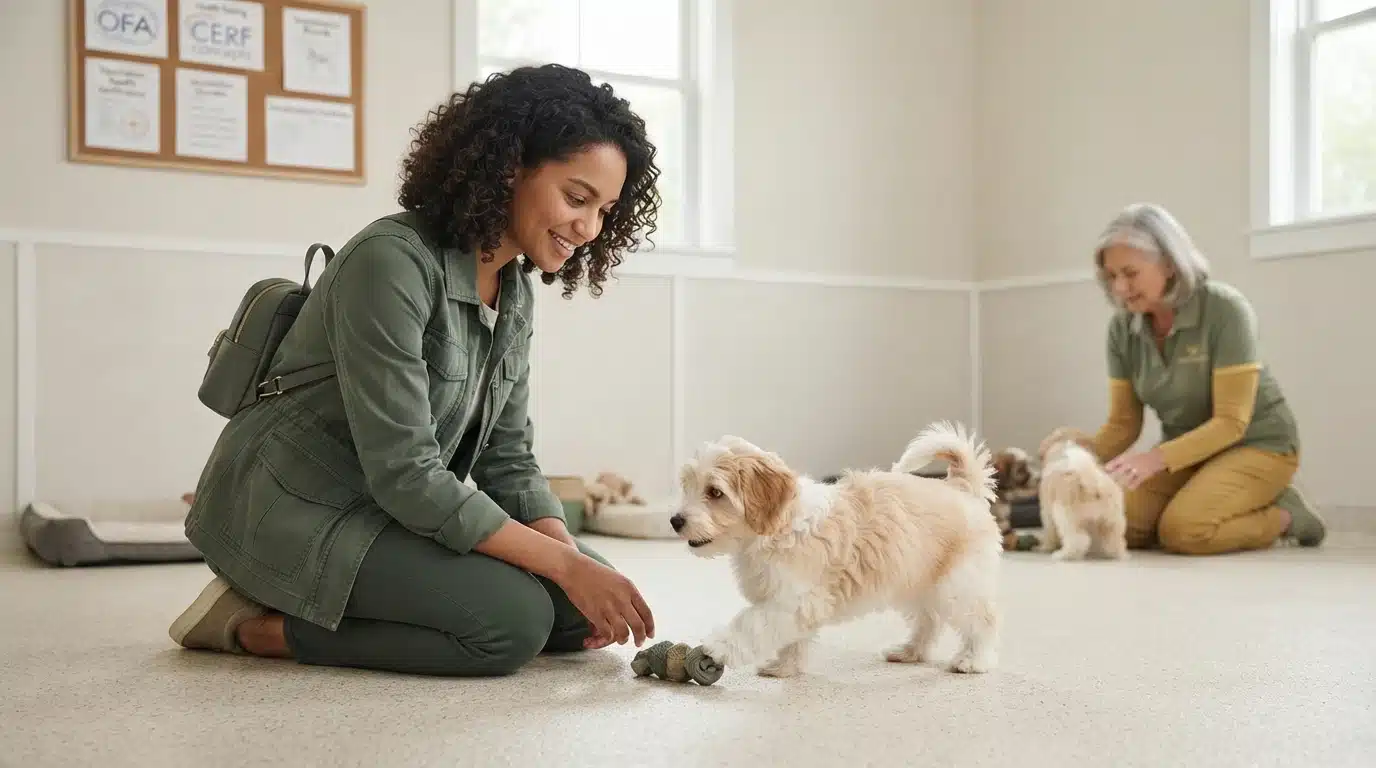
Ask for a live video call, not pre-recorded clips, and request a timestamp showing today’s date. Watch the puppy move, eat, and interact with its littermates or mother. Ask the breeder to flip the puppy over, show its teeth, and let you hear it breathe. Note the eyes, coat, and energy level. A trustworthy breeder welcomes questions about parents’ temperament and health testing. If a seller refuses live video, claims “delivery only,” or pushes urgency, treat those as puppy scam warning signs and walk away. Local Utah buyers can often visit in person, which removes most doubt.
The final check before you send money
Confirm the deposit is tied to a specific puppy with a stated birth date, and that the puppy purchase contract terms cover refunds, transfers, and what happens if the puppy gets sick. Request breeder health records and vaccination history in writing before payment, not after. Verify the seller’s name matches the payment account. Small programs often do this differently; Sage Puppies, for example, reserves puppies through an application rather than a first-come payment. Never send a deposit on pressure alone, and never before you have seen the puppy alive, moving, and matched to the paperwork you requested.
Step 7: What a Transparent Utah Puppy Program Looks Like
What Sage Puppies publishes before you reserve
Transparency is easy to check. Before you send any money, a program should show its prices, deposit terms, and how matching works, all in writing. Sage Puppies, a small South Jordan program offering Havanese, Havapoo, and Cavapoo only, keeps its costs and reservation steps on a public pricing and reservation page so you can compare numbers before contacting anyone. Look for the same signals elsewhere: a real address, named ownership, health testing information, and current litters described honestly rather than with countdown pressure. If pricing is hidden until you call, treat that as a warning sign.
Applying when you are ready
A sound reservation process starts with an application, not an invoice. You describe your home, timeline, and preferences; the breeder confirms a fit; then deposit terms and contract details arrive in writing before payment. Sage Puppies follows this order with an application form and owner-managed matching, and reputable programs use a similar sequence. Whichever breeder you choose, ask the same three questions first: what the deposit covers, when it is refundable, and how pickup or delivery is arranged.

Ready to skip the guesswork? Sage Puppies runs the same transparent process this checklist describes: publish pricing, an application, and owner-managed matching for Havanese, Havapoo, and Cavapoo puppies. Start your application today, ask every question from the list, and bring your new puppy home with confidence instead of regret. Wisely Bred. Beautifully Loved.
Frequently Asked Questions
Q1: What should I check before buying a puppy from a Utah breeder?
Verify the breeder’s history, confirm the litter exists with a live video call, request a visit, and read the contract fully. Reverse image search puppy photos and ask for the dam’s health testing results before money moves.
Q2: What documents should I ask a Utah puppy breeder for before paying a deposit?
Ask for a dated vet exam record, vaccination and deworming history, microchip details, parent health testing, proof the breeder owns the mother, and the full written contract with health guarantee terms.
Q3: How do I know a Utah puppy breeder is legitimate and not a scam?
Look for live video with today’s date, real records produced on request, published pricing, and payment options you can reverse. Refusal of video plus wire-only payment are classic puppy scam warning signs.
Q4: What is the safest way to pay a puppy deposit?
A credit card, backed by Fair Credit Billing Act dispute rights, followed by PayPal Goods and Services. Avoid Zelle, wire transfers, gift cards, and crypto, since none can be reversed.
Q5: Does Utah have a puppy lemon law?
No. Utah lacks a pet purchaser protection law, so your written contract and health guarantee carry the weight. Escalate problems to the Utah Division of Consumer Protection and your card issuer.
Conclusion
A safe deposit comes down to verification, paperwork, and payment choice. Confirm the breeder is real, request vet records and health testing in writing, read every contract clause, and pay with a method you can reverse, like a credit card or PayPal Goods and Services. Because Utah has no puppy lemon law, your written puppy purchase contract terms carry the weight, so never send money on urgency alone. Transparent programs make this easy: published pricing, an application before an invoice, and answers you can check against the checklist above. Work through it before any deposit moves, and the breeder’s responses will tell you most of what you need to know.