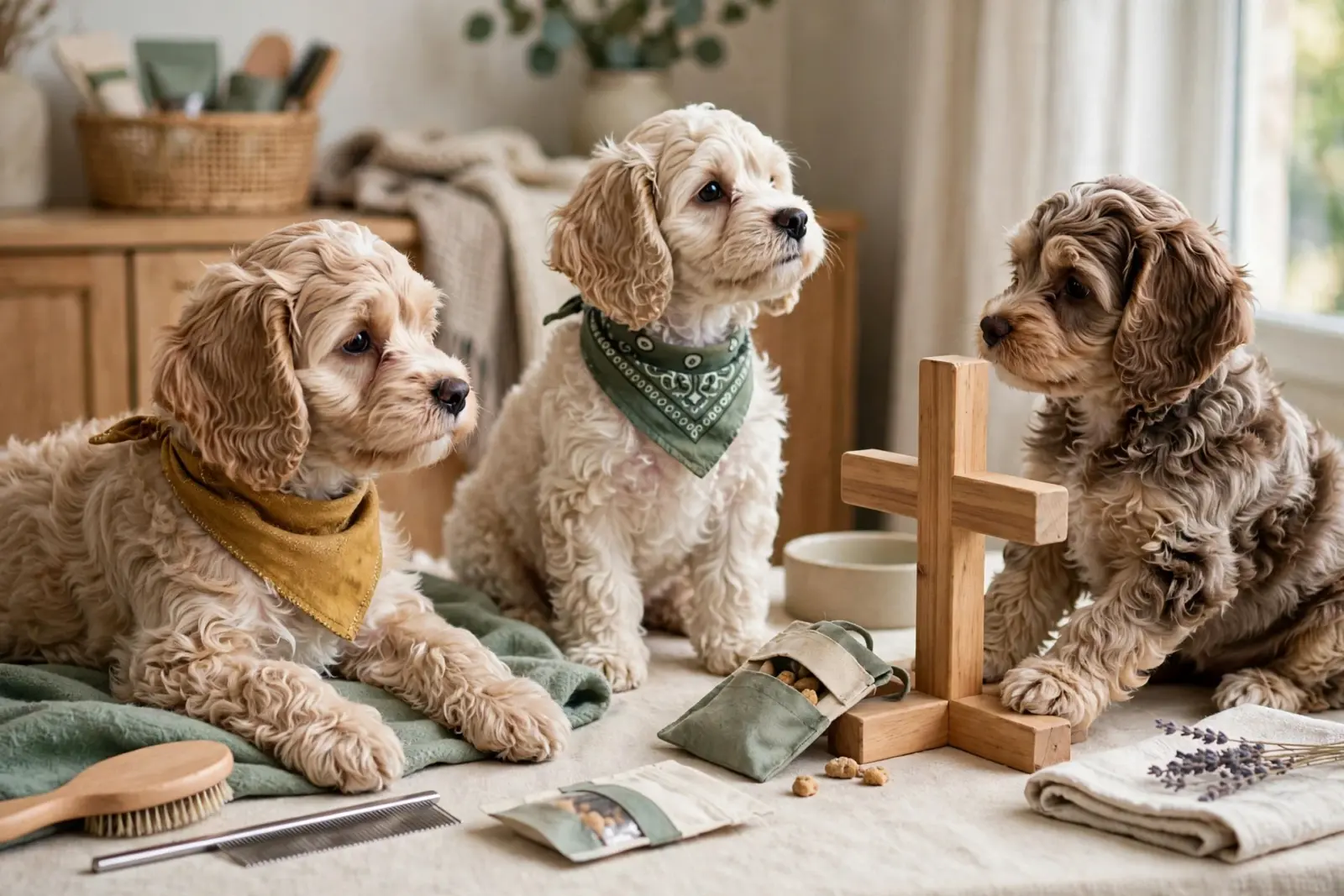
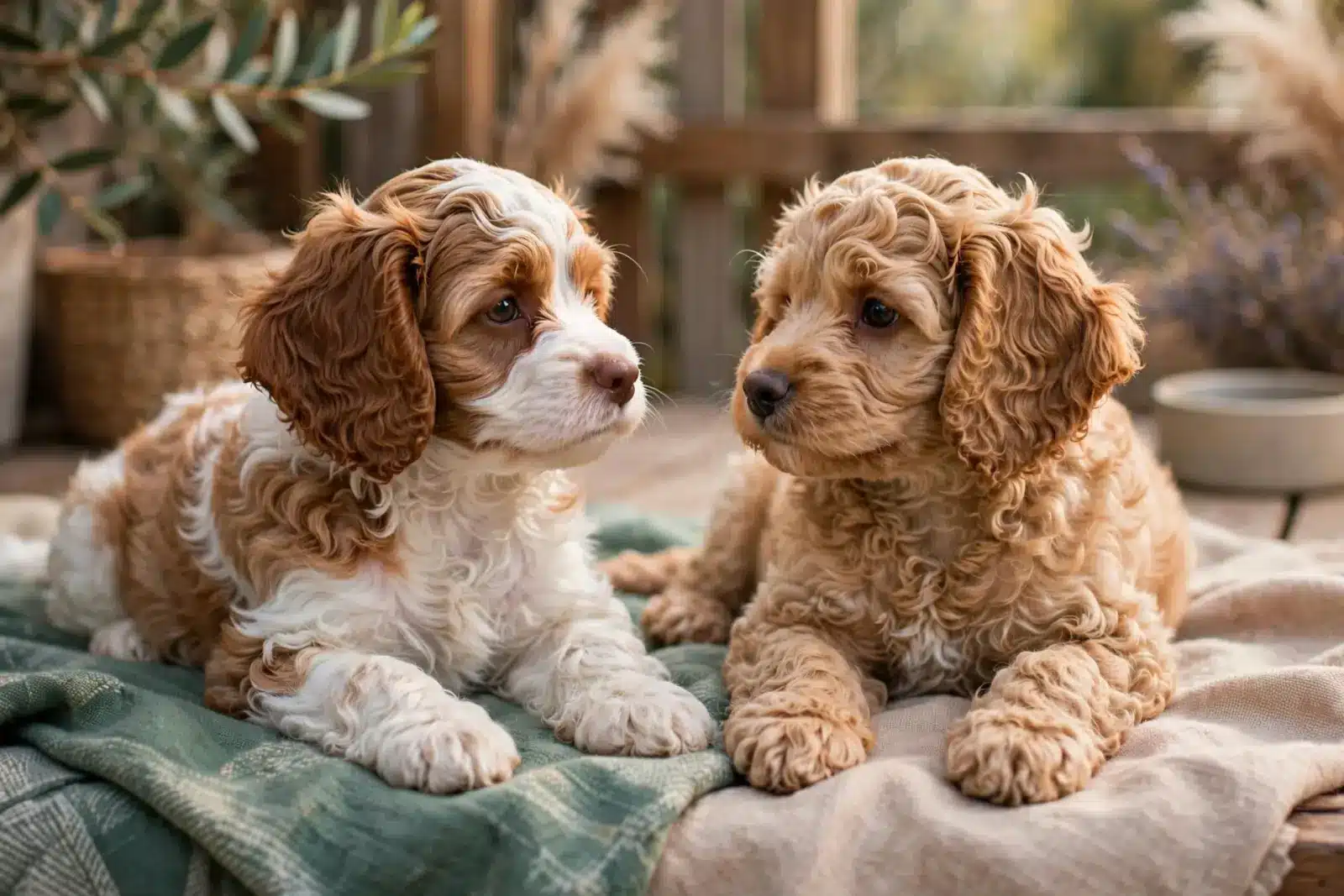
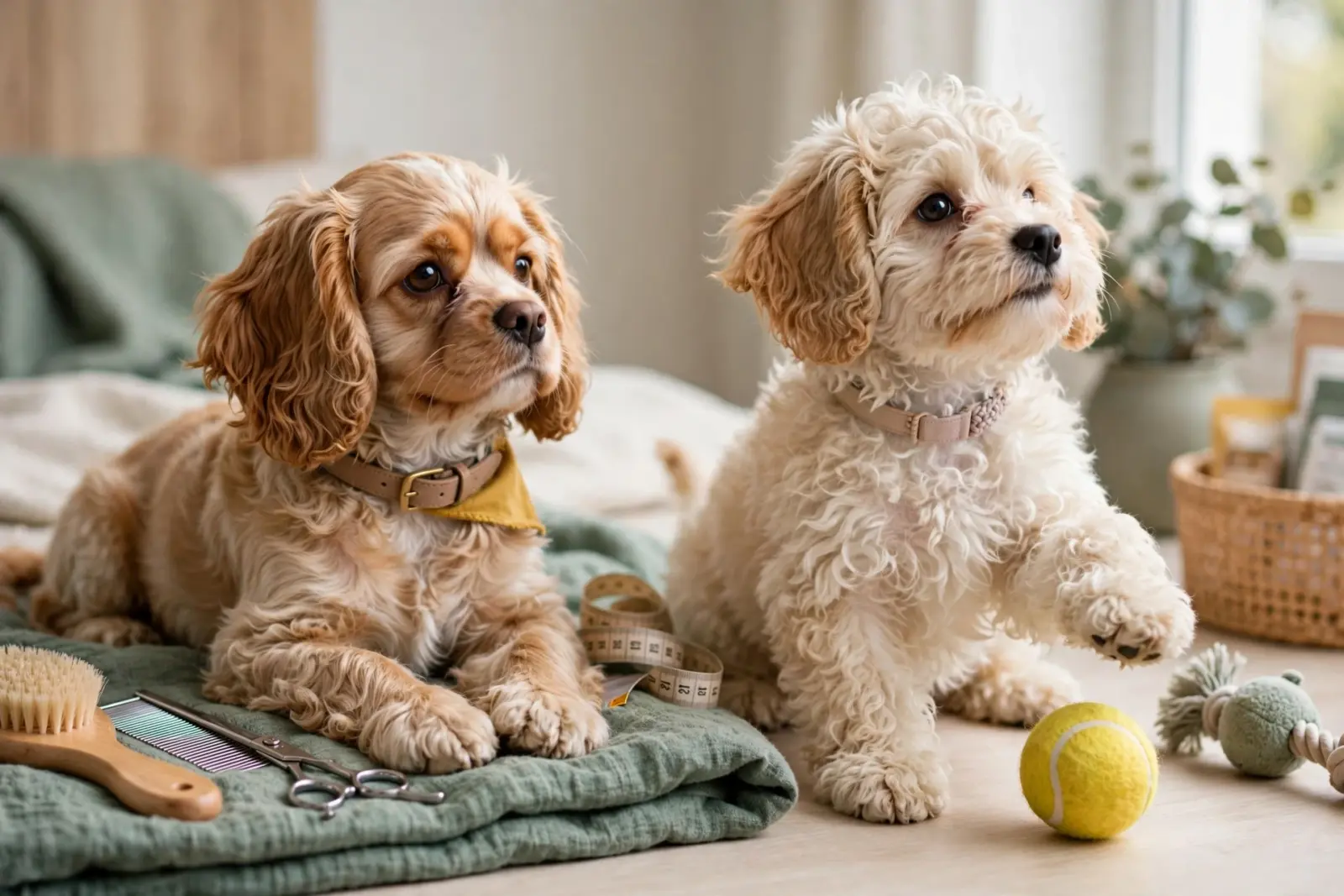
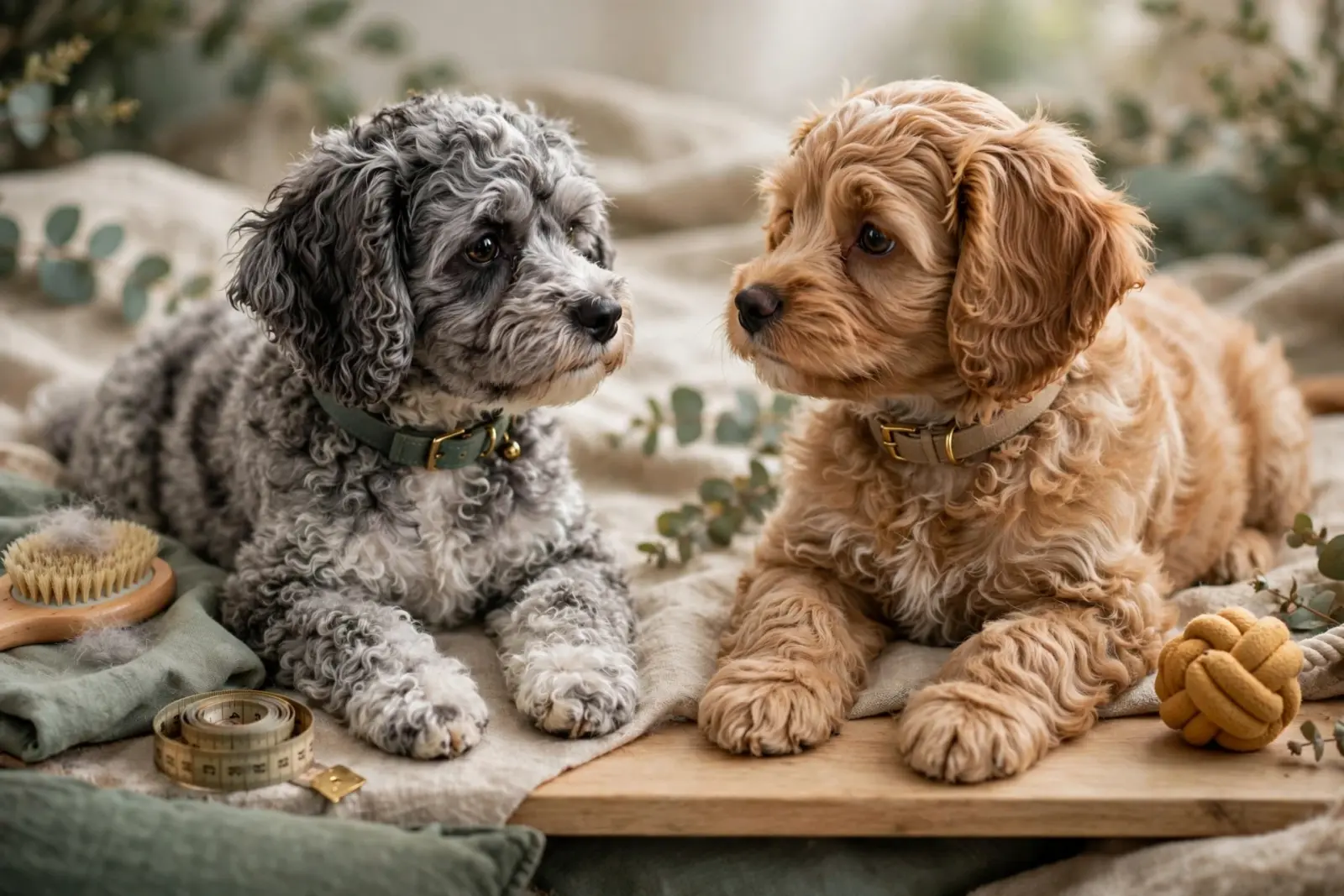
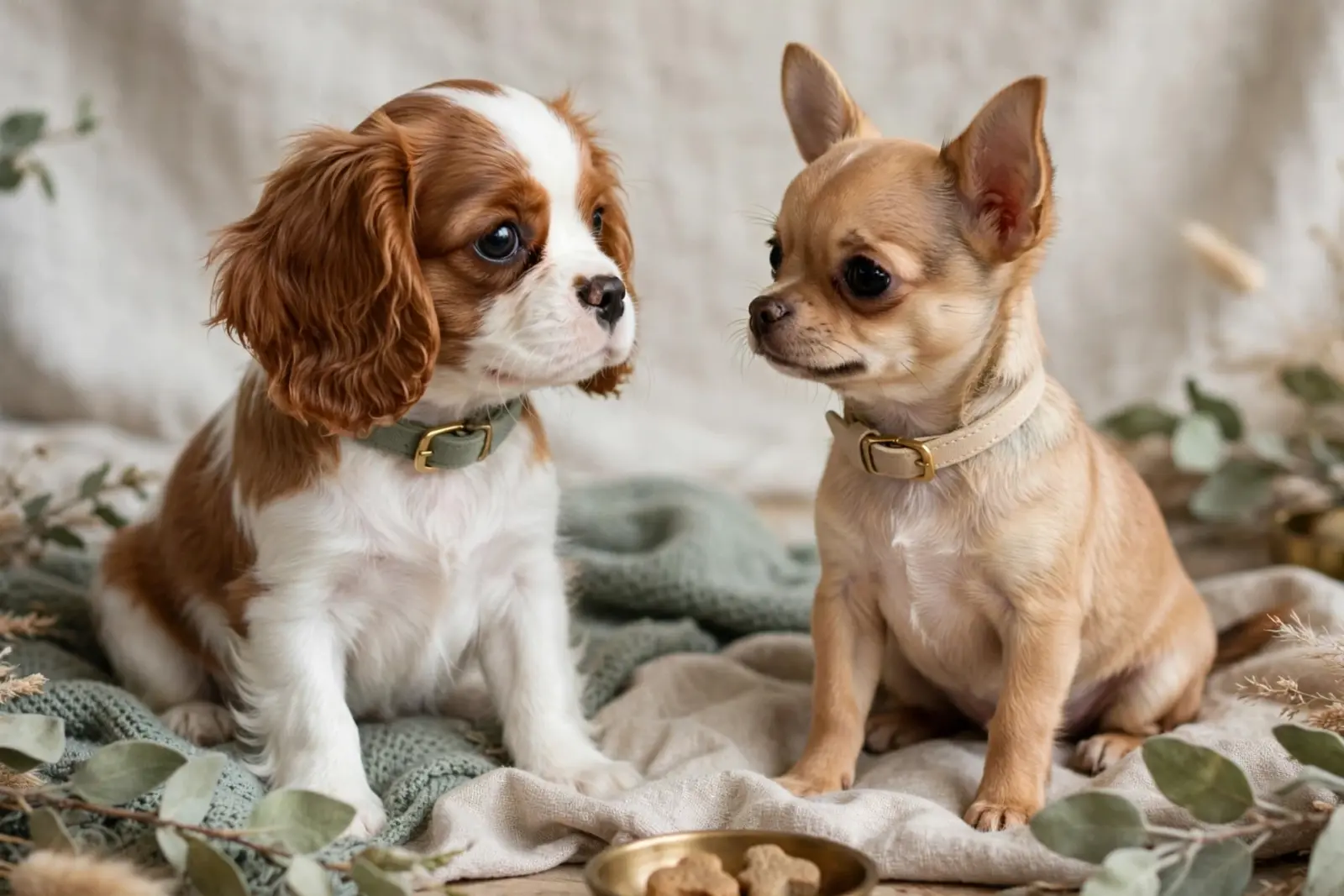
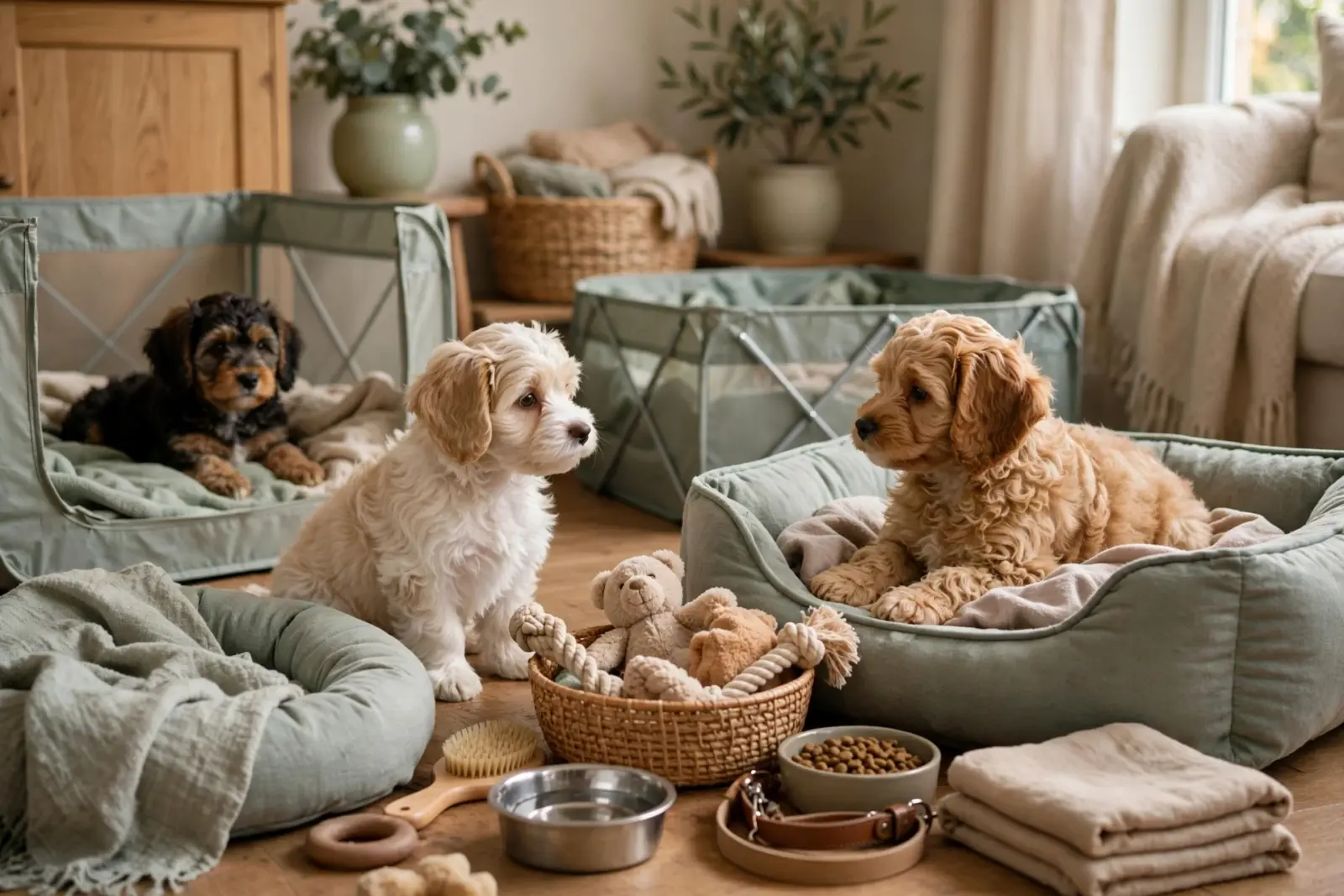
Quick Summary: Havanese puppies are usually the easiest to train among Havanese, Havapoo and Cavapoo, but a puppy’s personality matters more than its breed. Look for pups that approach people, watch your face, recover quickly from surprises, persist after mistakes and settle calmly when held. Use short, playful reward-based sessions, a consistent potty schedule and gentle socialization, because harsh punishment can slow progress and small breeds often need several months to become reliably house trained.
Two Havapoo puppies from the same litter can look identical and still learn at completely different speeds. That surprises first-time owners most. The breed tells you where trainability starts, not where it ends, and the gap shows up in the first week at home.
So which breed actually gives you the best head start? This guide answers that with a method, not a popularity list. We compare documented traits of the Havanese, Havapoo and Cavapoo, then cover the individual puppy signs that predict trainability better than any breed chart. You also get a reward-based training plan built for small breeds, plus a dedicated section on house training, where small pups often struggle most.
Sage Puppies breeds and raises Havanese, Havapoo and Cavapoo puppies in South Jordan, Utah, so every example here comes from those three breeds specifically. By the end, you will know how to pick the easiest small breed puppy to train for your household, and how to start teaching it the day it comes home.
What Actually Makes a Small Breed Puppy Easy to Train
People searching for the easiest small breed puppy to train usually want a name. Havanese, Havapoo or Cavapoo, pick one and go. But breed alone answers only half the question.
Breed History Is a Starting Point, Not a Guarantee
All three breeds trace back to companion dogs. Havanese entertained families in Cuba, and some even performed in circuses, so learning tricks runs deep in their history. Cavapoos and Havapoos carry that same people-focused streak through their parent breeds.
History tells you what a puppy can learn. It cannot tell you how a specific eight-week-old puppy will respond to you. Litters vary. Individual temperament, early socialization and your consistency matter as much as pedigree. The American Veterinary Society of Animal Behavior also points out that reward-based training works better than punishment for every breed, so method matters too.
The Five Signs of a Puppy Who Will Learn Quickly
When you meet a litter, watch for these markers instead of asking “which breed is smartest?”:
- Comes toward people instead of hanging back
- Watches your face when you speak
- Recovers fast after a startling noise
- Tries again after a failed attempt at a treat puzzle
- Settles quickly when held
Puppies showing these signs are the easiest small breed puppy to train for your family, regardless of pedigree. Preparing your home before pickup day makes those traits easier to build on.
The Direct Answer: Havanese, Havapoo and Cavapoo Compared
Havanese usually take the top spot for trainability among the three, and that reputation is grounded in their history and temperament rather than marketing.
The Most Documented Case for Easy Training
Havanese were bred in Cuba as companion dogs, and being close to people is the core of what they are. That history shows up in training. They watch you closely, they want to please, and they stay engaged with their person longer than many small breeds do. As a result, first-time owners often find Havanese puppies quick to learn names, routines and house rules. The catch is that their drive to please works best with short, upbeat sessions. If training turns dull or repetitive, a Havanese will simply wander off, so your own energy is part of the method.
Pairing Havanese Focus With Poodle Problem-Solving
Havapoos cross the Havanese with a Poodle, usually a Miniature or Toy. You get the people-focused Havanese temperament plus a dose of Poodle working brain, which many owners read as a puppy that both wants to learn and figures things out fast. That combination cuts both ways: a smart pup learns good habits quickly, and it learns bad ones just as fast. Have a plan ready before your Havapoo comes home, because consistency in the first weeks shapes everything that follows.
Affectionate, Willing, and Motivation Dependent
Cavapoos come from the Cavalier King Charles Spaniel and the Poodle. Cavaliers are famously soft, affectionate dogs, and that gentleness carries into Cavapoo training. They respond beautifully to treats, praise and play. The flip side is sensitivity. A harsh correction can shut a Cavapoo down, so reward-based methods are not optional with this mix, they are essential. If you bribe with food and keep sessions kind, a Cavapoo is often the most cooperative puppy in the room.
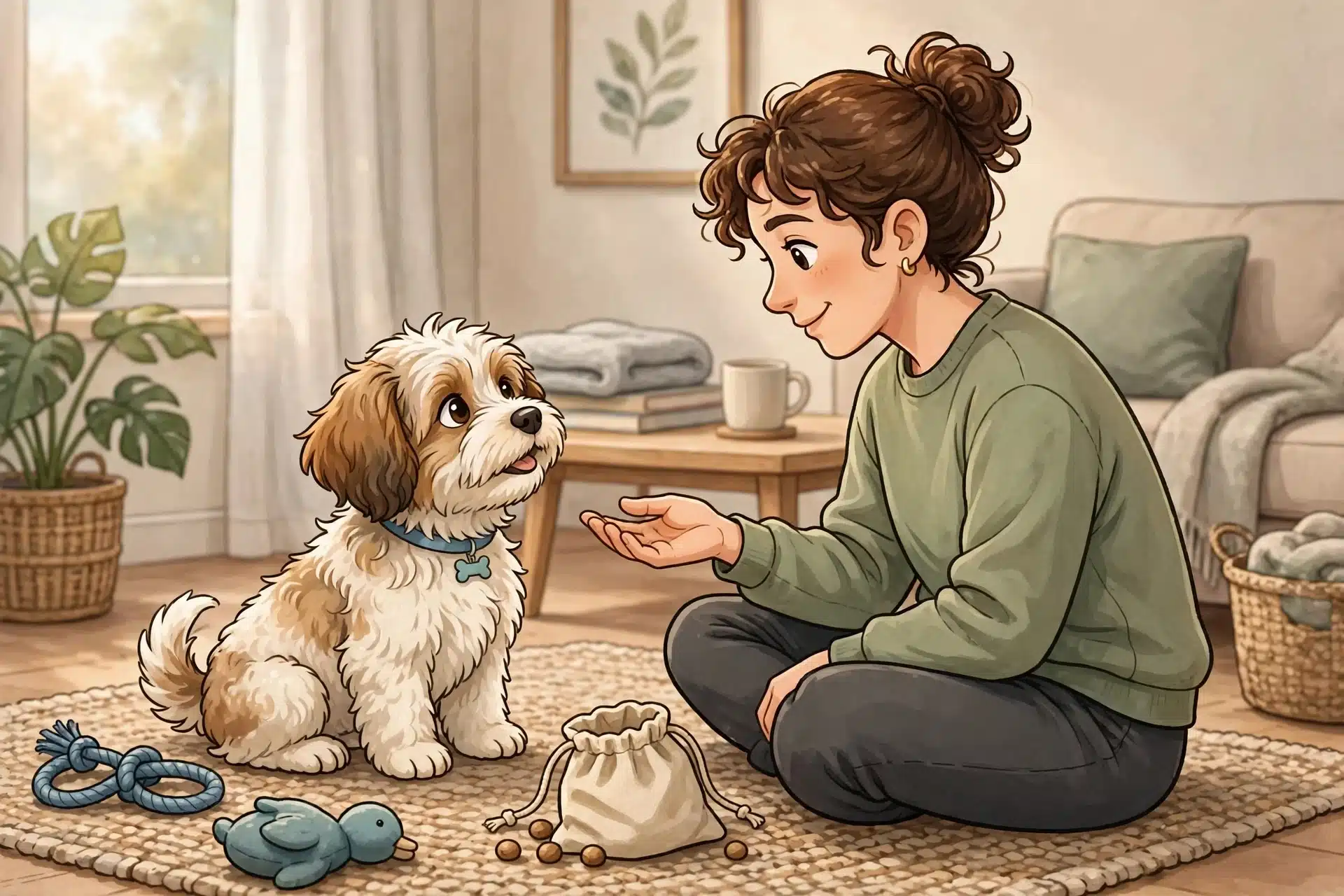
One honest note before you choose: these are breed tendencies, not guarantees. Individual puppies vary, and the training signals that matter most show up in each pup, not in a breed chart. That is why a matching process like the one Sage Puppies uses focuses on the individual puppy, pairing families with a pup whose personality fits their household rather than promising a breed label will do the work.
Other Small Breeds and Where the Training Work Goes
Havanese, Havapoos and Cavapoos are not the only small breeds out there, and some popular picks ask for a different kind of work. Knowing where each breed’s effort goes helps you match a puppy to your real life, not just its photo.
Breeds With Scents, Digging and Prey Drive
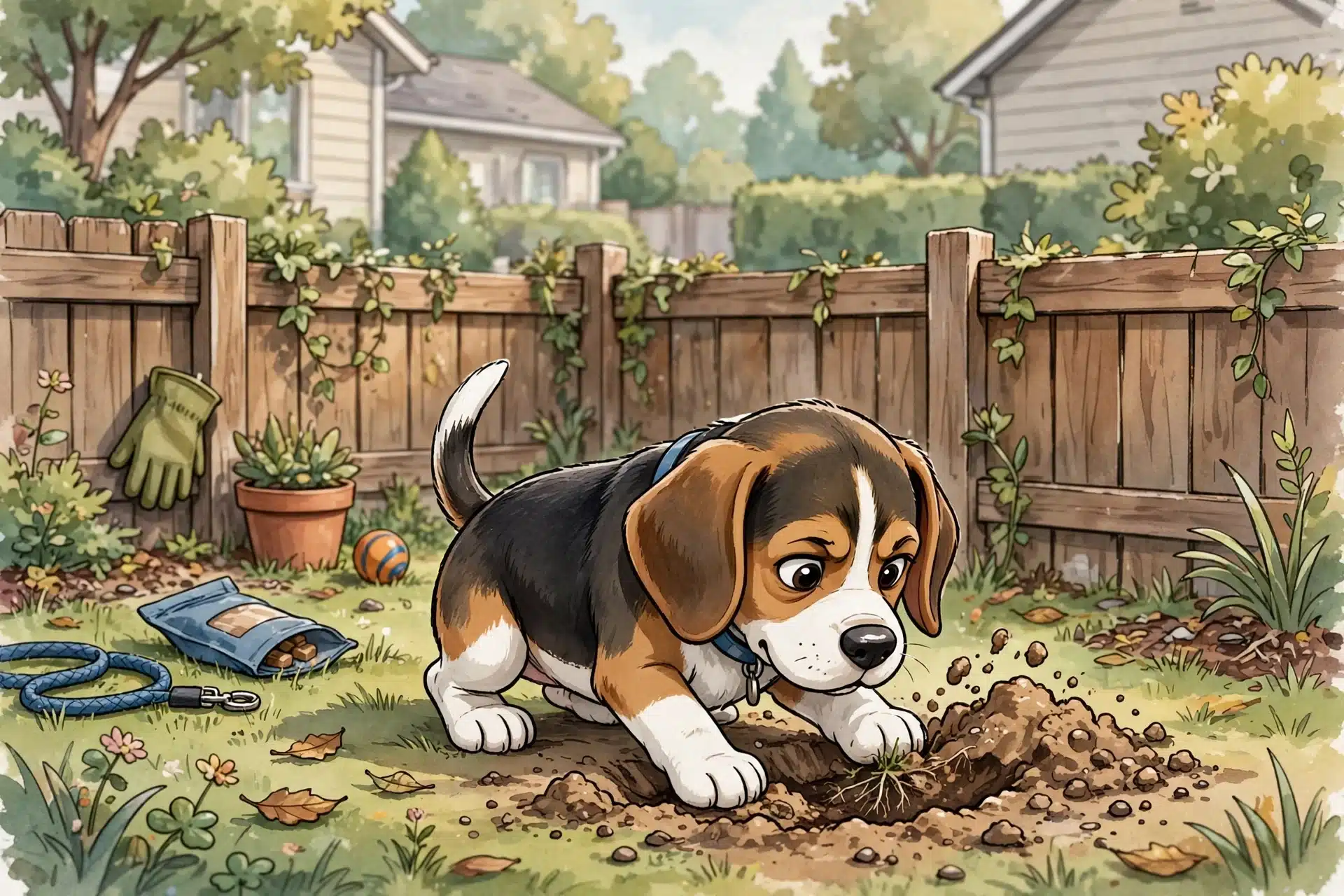
Beagles, Dachshunds and most terriers were bred to work without human direction. A Beagle follows its nose, so recall training competes with every interesting smell. Dachshunds combine sharp scenting ability with a love of digging, and terriers chase anything that moves. The AKC notes these instincts can be channeled with outlets like a designated digging pit or scent games, but the drive itself stays (How to Channel & Control Your Dog’s Prey Drive on Walks). That is not a flaw. It just means more of your training time goes toward managing instincts that a companion breed, like the Havanese, simply does not bring into your living room.
Breeds That Pick Up Cues Fast
Other small breeds learn quickly because they were shaped to watch people. Toy Poodles, Papillons and Miniature Schnauzers rank among the quickest studies, and the Havanese has a long history as a lap and companion dog that reads human cues well. Fast learners cut both ways, though. They pick up bad habits as easily as good ones, so short, consistent sessions matter more than long ones. Before any puppy comes home, it helps to think through the routine you will train into, from potty spots to play areas, and the guide to preparing your home for a small breed puppy walks through that setup.
How to Train a Small Breed Puppy, Step by Step
Small puppies learn fastest when training feels like a game, not a drill. The AVSAB position statement on humane dog training recommends reward-based methods for all dogs, and that matters even more for tiny breeds, where harsh corrections can frighten rather than teach. Here is the simple four-step plan.
Step 1: Set Up a Predictable Daily Routine
Puppies learn patterns before they learn words. Feed, potty, play and rest at roughly the same times each day, so your puppy can predict what comes next. Take her out after waking, eating and playing. When the schedule stays steady, house training, naps and calm evenings all fall into place faster. A predictable day also prevents the overtired zoomies that look like bad behavior but are really just exhaustion.
Step 2: Reward the Behavior You Want, on a Clear Signal
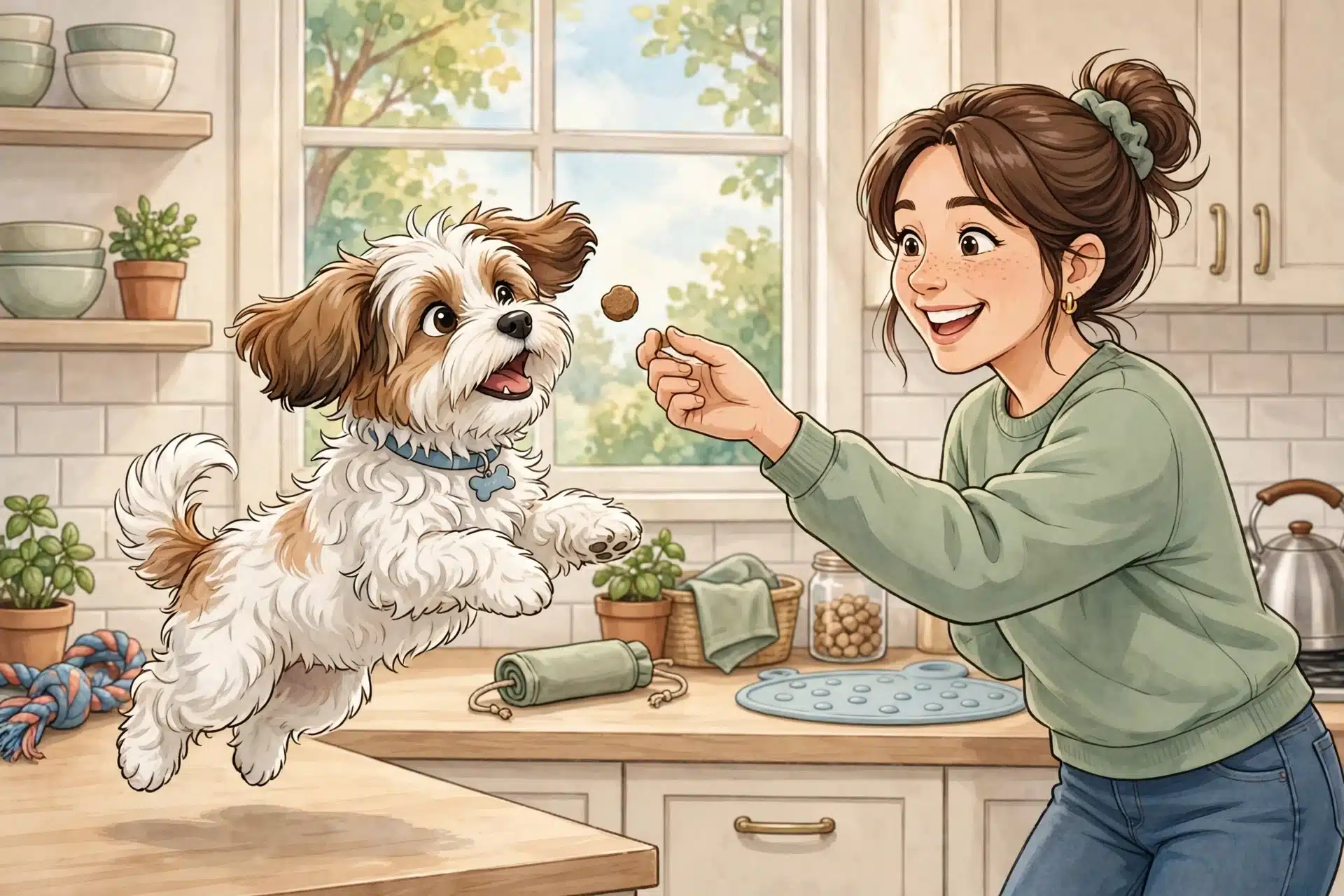
Pick one marker word, such as “yes,” and say it the instant your puppy does something right. Then pay with a tiny treat, a toy or a scratch behind the ears. Marking the exact moment tells your puppy which action earned the reward. Reward sits, loose leashes and quiet moments instead of waiting to correct mistakes. Behaviors that get paid get repeated.
Step 3: Keep Sessions Short, Varied and Playful
A small puppy’s attention span runs one to three minutes, so train in tiny bursts. Practice a sit during breakfast, a recall in the hallway, a wait at the door. Two or three mini sessions a day beat one long class. Always end on a win, even an easy one, so your puppy stays eager next time. If she seems bored or confused, make the task easier or quit while you are both having fun. For breed-specific command work, see our Havanese puppy training guide.
Step 4: Socialize and Desensitize Early and Gently
The first months shape how your puppy handles the world for life. Introduce new sounds, surfaces, people and handling in small, happy doses. Let her investigate a vacuum from across the room, then reward calm curiosity. Keep every exposure positive and brief; if she hides, increase the distance rather than pushing forward. Pair new experiences with treats so novelty predicts good things. Puppy classes, car rides and gentle handling by strangers all build the confident, easygoing companion you were hoping for.
House Training: Where Small Breed Owners Hit a Wall
Why Small Breeds Take Longer on Surface Area
A Havanese puppy’s bladder is tiny, so it fills fast. Small dogs also have a higher metabolism, which means they need to relieve themselves more often than a larger breed. That alone explains most of the frustration first-time owners feel.
There’s a second factor: a small accident is easy to miss. A few drops behind the couch go unnoticed, so the puppy learns that indoor spots are fair game. A survey found small dogs are less likely to be fully house trained, partly because owners miss opportunities to reward success. Research summarized in Companion Animal Psychology makes that point clearly.
A Routine That Works
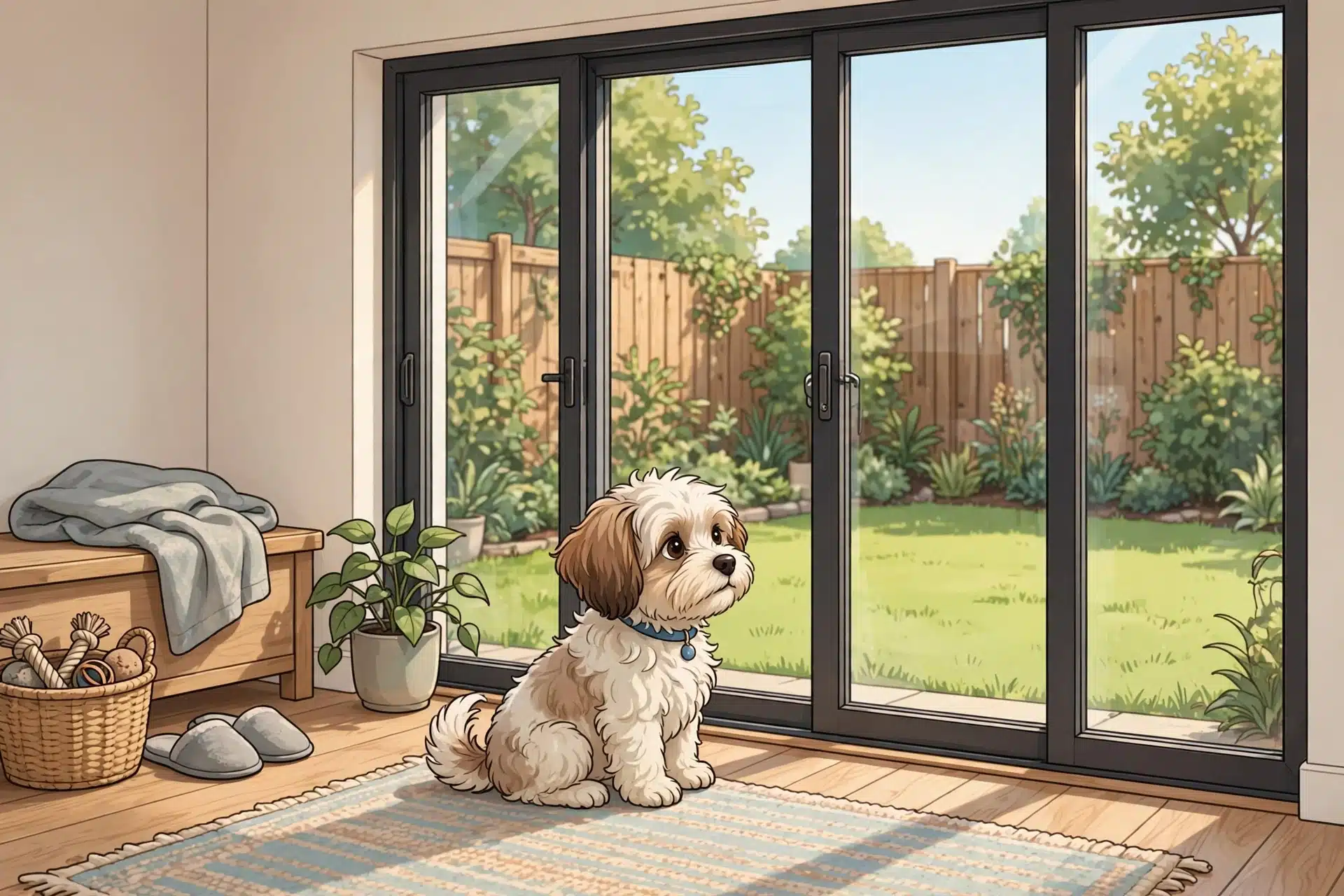
Take your puppy out on a fixed rhythm: after waking, after eating, after play, and every hour or two in between. Reward the moment they finish outside, not ten minutes later. The AVSAB housetraining tips stress praising and rewarding right after elimination, and never punishing accidents, because punishment teaches puppies to hide instead of learn.
Confine your puppy to a small area or crate when you can’t watch. Ohio State’s Indoor Pet Initiative warns that dogs forced to eliminate where they eat and sleep adapt to it, which makes training harder.
A written potty schedule by age takes the guesswork out of timing.
When Progress Seems to Stall
If accidents continue past five or six months, look for causes before blaming the puppy. Water access, missed signals, an inconsistent routine, or a urinary infection all stall progress. Tighten the schedule, clean accidents with an enzymatic cleaner, and check with your vet if nothing changes. Most small breeds get there with patience.
Matching a Small Breed Puppy to Your Schedule
Breed traits set the range, but your week sets the fit. A Havanese, Havapoo or Cavapoo can thrive in a busy household, yet some puppies in any litter handle alone time and new routines better than others. Look past the breed and judge the individual.
Questions to Ask About a Specific Puppy
Breeders watch litters daily, so ask direct questions. Which puppy recovers quickly after a startling noise? Which one follows you around and which one settles on his own? A puppy that amuses himself for ten minutes usually adapts faster to a workday schedule.
Also ask about each puppy’s experience so far: time in a crate, exposure to children, and how he handles being picked up. When a program uses an owner-managed matching process, the answers come from someone who has actually raised the litter, not a listing sheet.
Time, Budget and the First Year
Plan for time before money. The first four months need short training sessions, several potty breaks a day, and supervised play, so most families do best when someone can come home midday at first.
Then build the budget. Small breed puppies from quality breeders commonly run $3,500 to $4,500, and Sage’s current pricing and reservation page reflects its range. Add vaccines, spay or neuter, food, gear and a trainer. Budgeting for both time and cost now prevents hard choices later.
Mistakes That Make Small Breed Training Harder
Rewarding the Wrong Thing and Using Punishment
Small puppies learn from what happens right after they act, so attention can reward the very behavior you want to stop. Jumping up, barking for treats, and begging all grow when they earn a reaction. Scolding works no better. The AVSAB’s humane training position recommends reward-based methods only, because punishment can create fear without teaching an alternative. Instead, ignore the unwanted act, then reward the calm behavior you do want, like four paws on the floor or a quiet sit.
Expecting Perfect Puppies and Skipping the Daily Practice
A ten-week-old Havapoo or Cavapoo has the focus of a toddler, so expecting long sits or a fully house-trained pup in a week sets you both up to fail. Progress comes from short, steady sessions: two to five minutes, a few times a day. Miss a week and the skill fades, especially with house training. Keep cues consistent across the family, end each session on a win, and judge progress by the month, not the day.

The puppy you pick shapes how easy training feels, so choose one with the traits that matter. Browse Sage Puppies’ current Havanese, Havapoo and Cavapoo litters on the available puppies page, then check the pricing and reservation page to take the next step.
Frequently Asked Questions
Q1: Which small breed puppy has the best trainability?
Havanese usually lead. They were bred to watch and please people, so they stay engaged longer than most small breeds. Havapoos add Poodle problem-solving, and Cavapoos respond beautifully to kind, reward-based sessions.
Q2: How long does house training a small breed take?
Most small breeds reach reliability by five or six months with a fixed potty routine. Tiny bladders and easily missed accidents slow progress, so reward outdoor success immediately and confine your pup when you cannot watch.
Q3: How long should training sessions be?
One to three minutes works for a young puppy. Aim for two or three short sessions a day, each ending on an easy win so your puppy stays eager.
Q4: Are Havapoos harder to train because they are so smart?
No, but their brains cut both ways. They learn good habits fast and bad ones just as fast, so have rules and a consistent plan ready before pickup day.
Q5: Can punishment speed up training?
No. The AVSAB recommends reward-based methods only. Harsh corrections frighten sensitive pups, especially Cavapoos, and teach hiding rather than the behavior you want.
Q6: What should I ask a breeder about trainability?
Ask which puppy recovers quickly after startling noises, which one follows people, and how each handles crate time, children and being picked up.
Conclusion
No breed name alone picks your puppy for you. Havanese bring the strongest documented history of people-focused learning, Havapoos add Poodle problem-solving, and Cavapoos thrive with gentle, reward-based sessions. But the five litter signs, coming toward people, watching your face, quick recovery, persistence and settling calmly, predict trainability better than any chart.
Your method matters just as much. Keep sessions to a few minutes, reward the exact moment of success, run a steady potty routine and socialize early. Skip punishment entirely; it slows small breeds down.
Start by judging individual puppies against those signs, then match one to your real schedule and budget. Do that, and any of these three companion breeds gives you a dog that genuinely enjoys learning from you.