Quick Summary: For most Iowa families, ground transport is the calmer choice for a puppy, offering fewer handoffs, direct care, and door-to-door delivery, though it takes longer. Air travel works when speed matters, but only with a verified in-cabin flight nanny, direct routes, and strict attention to USDA rules, weather, and paperwork. The safer option depends on your puppy’s needs and how many unknowns you can eliminate, so always confirm who handles the puppy, the backup plan, and the delivery window. Iowa requires a Certificate of Veterinary Inspection for every dog entering the state, valid for 30 days.
Your puppy’s trip from South Jordan to Iowa is part of their care, not a last-minute add-on. For many families, puppy transport Iowa works best through a professional driver-nanny service. Ground transport puppies can receive regular comfort breaks, meals, cleaning, and a calm handoff at your door.
Air travel can make sense when time matters most and the puppy travels in an appropriate, closely supervised setup. Still, puppy transport Iowa involves more than choosing the fastest route.
Compare puppy comfort, weather, documents, airport steps, backup plans, and puppy shipping cost. This guide helps Iowa families review puppy transport Iowa plans with the same care they use when choosing a Havanese, Havapoo, or Cavapoo breeder.
Puppy Ground Transport vs Air Travel to Iowa: At a Glance
| Professional ground transport | Air travel | |
|---|---|---|
| Typical travel experience | Road journey with planned stops, feeding, water, and rest | Fast flight with airport check-in, handling, and possible transfers |
| Speed | Usually slower, often measured in days for long routes | Usually same-day or next-day once the arrangement is confirmed |
| Supervision and handoffs | Can be door-to-door with a driver or nanny; confirm relays | Varies greatly between in-cabin escort, cargo, and airport handoffs |
| Cost factors | Distance, route, service model, timing, overnight care, and puppy needs | Airfare, pet fee, carrier or crate, escort, airport transfers, paperwork, and season |
| Best fit | Young puppies, door-to-door delivery, flexible timelines, and families avoiding airport handling | Time-sensitive routes and puppies able to travel under a suitable supervised flight plan |
| Main questions to verify | Who drives, where the puppy rests, stop schedule, updates, paperwork, and final handoff | Cabin or cargo, airline rules, weather limits, direct route, handler, and airport pickup |
How Professional ground transport and Air travel Compare
Professional ground transport
A road-based service brings a puppy to an Iowa home or planned handoff. It suits families who want direct care, scheduled stops, and a slower arrival plan.
Air travel
Air travel can use an in-cabin escort, cargo, or airport pickup. It fits time-sensitive plans, but families should confirm the exact handler, route, weather rules, and pickup details. Commercial animal carriers must meet USDA transport standards.
Which Option Is Safer for a Puppy Traveling to Iowa?
Ground transport is often the calmer choice for a young puppy, but only when the driver, route, and care plan are clear. Air travel can work well too, especially with a trusted flight nanny. The safer option is the one with fewer unknowns for your puppy.
What Makes Ground Transport Reassuring for Young Puppies
A dedicated ground trip gives the puppy a more steady setting. The caregiver can watch for stress, offer planned breaks, and adjust for Iowa weather or road delays.
Ask for these details before you agree:
- Who stays with the puppy for the full trip
- How often the driver checks water, comfort, and cleanliness
- Whether other dogs travel in the vehicle
- How the family receives updates and the final handoff
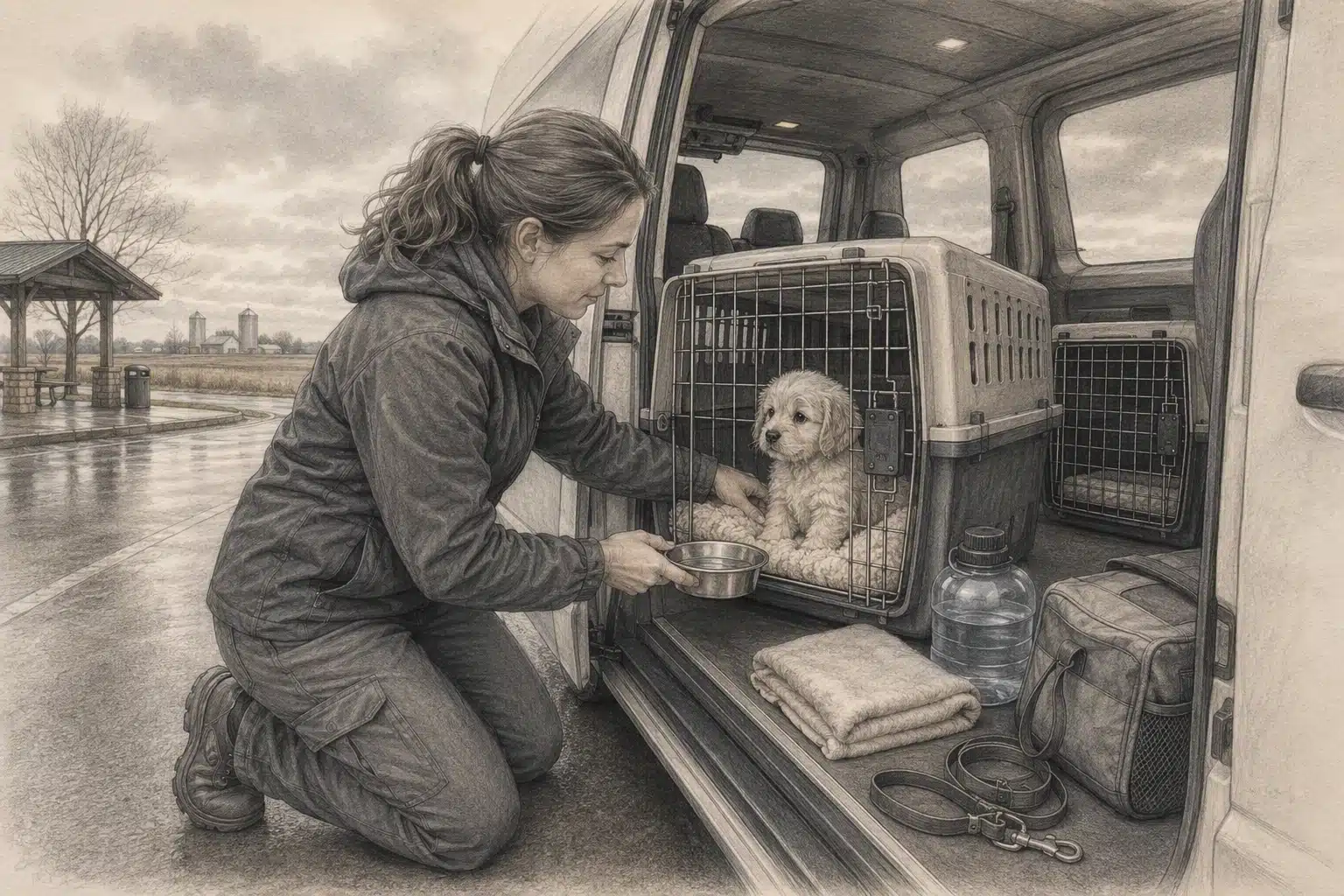
Choose a route with direct communication, a firm delivery window, and a named caregiver. “Shipping arranged” is not enough.
For many families, the main benefit is simple: the puppy has one consistent person nearby rather than several handoffs.
Why Air Travel Requires More Detailed Verification
Cabin travel with a flight nanny may shorten the trip, yet you should verify every step. Ask whether the puppy rides in the cabin, not as cargo, and who meets you at the Iowa airport.
USDA notes that airline travel needs a suitable kennel, proof of readiness, and a health certificate signed by a licensed veterinarian within 10 days of travel in applicable cases. Review the USDA air-travel guidance before booking.
| Verify | Why it matters |
|---|---|
| Cabin versus cargo | Cabin travel keeps the puppy with the caregiver |
| Direct flight | Fewer transfers reduce disruption |
| Weather plan | Delays can affect safe timing |
| Pickup contact | You avoid a confusing airport handoff |
A safe plan always includes a backup for delays, missed connections, and extreme temperatures.
Also Read: 10 Adorable Havapoo Colors You Need to See (2026)
Ground Transport Puppies to Iowa: Benefits, Trade-Offs, and Questions
Advantages of a Road-Based Handoff
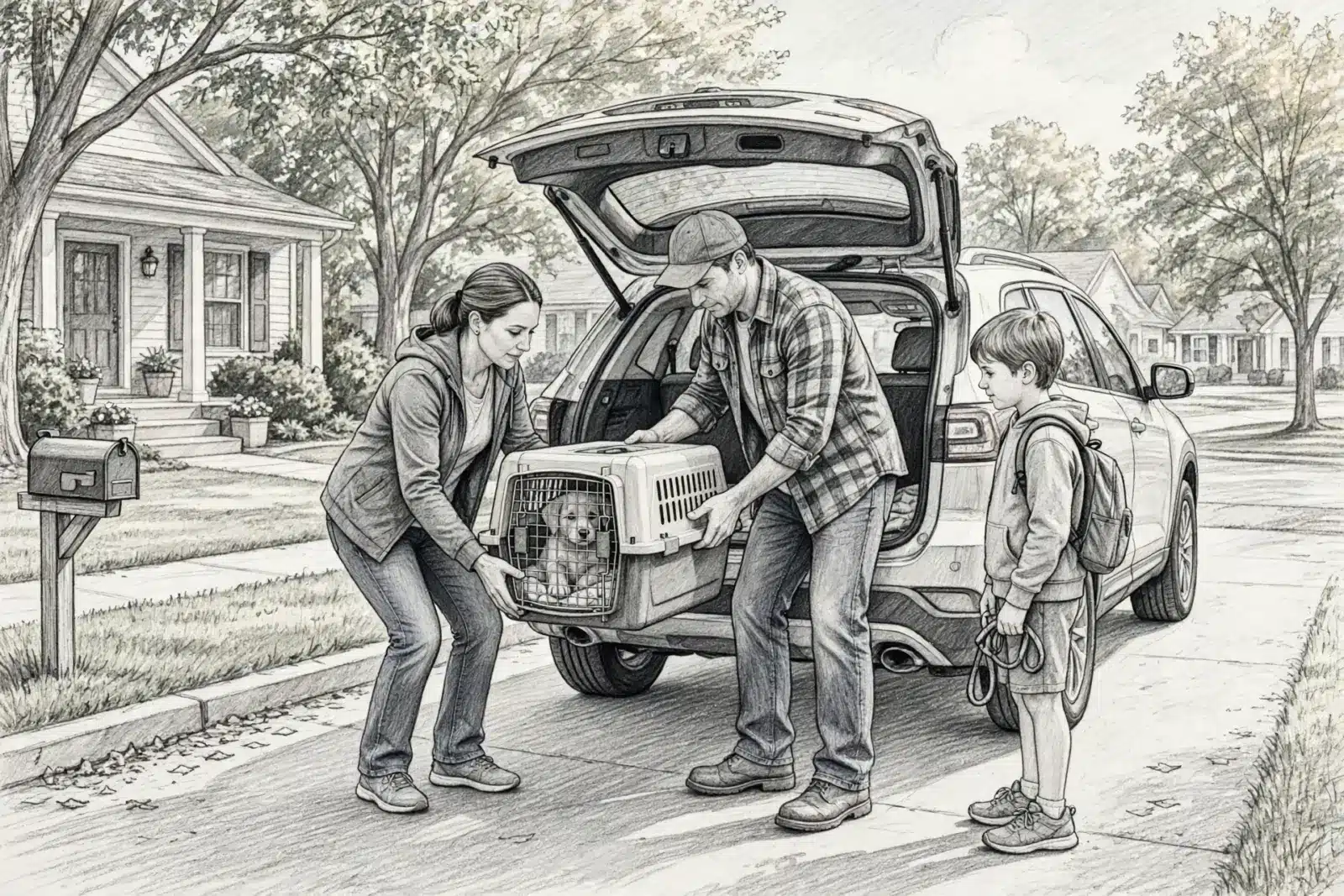
Road delivery can give a young Havanese, Havapoo, or Cavapoo a calmer, more direct handoff than a busy airport. Families can meet the driver, ask last-minute care questions, and bring their puppy straight home.
A careful ground plan should include:
- A climate-controlled vehicle and secure crate
- Planned rest, water, and cleaning breaks
- Direct updates on timing and location
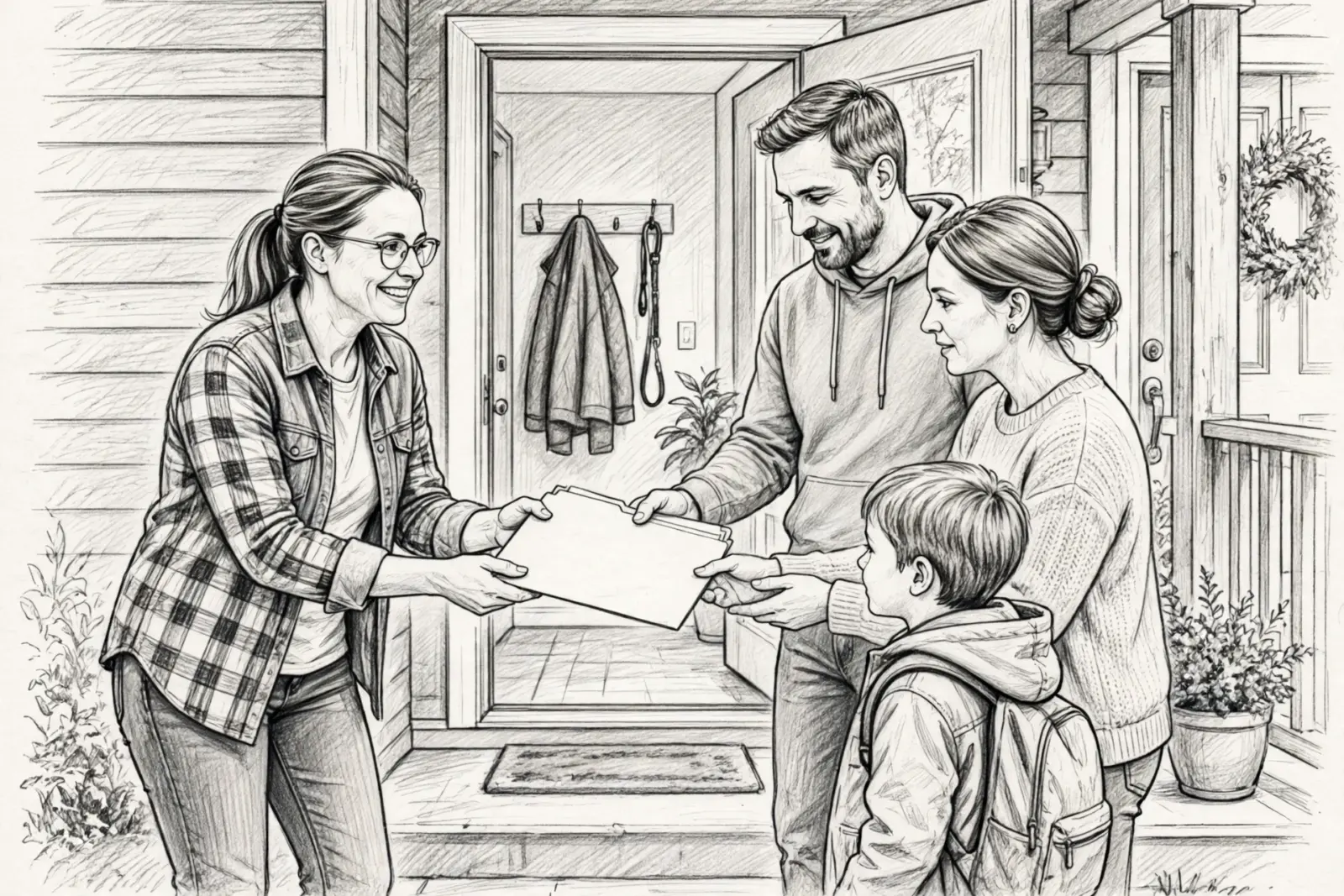
- Your puppy’s health records and feeding routine at handoff
Commercial drivers who transport puppies for hire fall under USDA transport rules, including humane-care standards, as explained by USDA APHIS.
Ask who stays responsible for your puppy at every point of the trip. A clear answer matters more than a vague promise of “door-to-door” service.
The Trade-Offs Iowa Families Should Plan For
A Utah-to-Iowa road trip takes longer than a flight. Weather, traffic, and required care stops can shift the arrival window. Plan a quiet first evening, not a packed welcome party.
| Question to Ask | Why It Matters |
|---|---|
| What is the estimated delivery window? | You need an adult ready for handoff. |
| How are heat and cold managed? | Iowa weather can change fast. |
| What documents come with my puppy? | You need a clean health and care record. |
| What happens if travel is delayed? | You need a backup contact and plan. |
Puppies transported in commerce must be at least 8 weeks old and weaned, according to USDA age rules. Confirm the plan early with Sage Puppies, then have water, the same food, and a small safe space ready.
Also Read: Sage Puppies vs Happytail: Which Iowa Breeder Serves Families Better?
Air Travel to Iowa: When the Faster Option Makes Sense
In-Cabin Travel Versus Cargo or Unaccompanied Flight
Air travel can fit Iowa families who want the shortest travel day and a clear handoff. In-cabin travel with a trained flight nanny is usually the calmer choice for a small Havanese, Havapoo, or Cavapoo. The puppy stays in an airline-approved carrier under the seat and has a person nearby throughout the trip.
Cargo or unaccompanied flight has more handoffs and less direct oversight. USDA notes that safe air travel depends on a sound kennel, the puppy’s health, and readiness to fly. Puppies must be at least 8 weeks old and fully weaned for air transport under USDA rules. See USDA air-travel guidance.
| Travel type | Best fit | Main tradeoff |
|---|---|---|
| In-cabin with flight nanny | Small puppy and families wanting direct care | Limited airline space |
| Cargo or unaccompanied | Rare cases with no cabin option | More handling and weather risk |
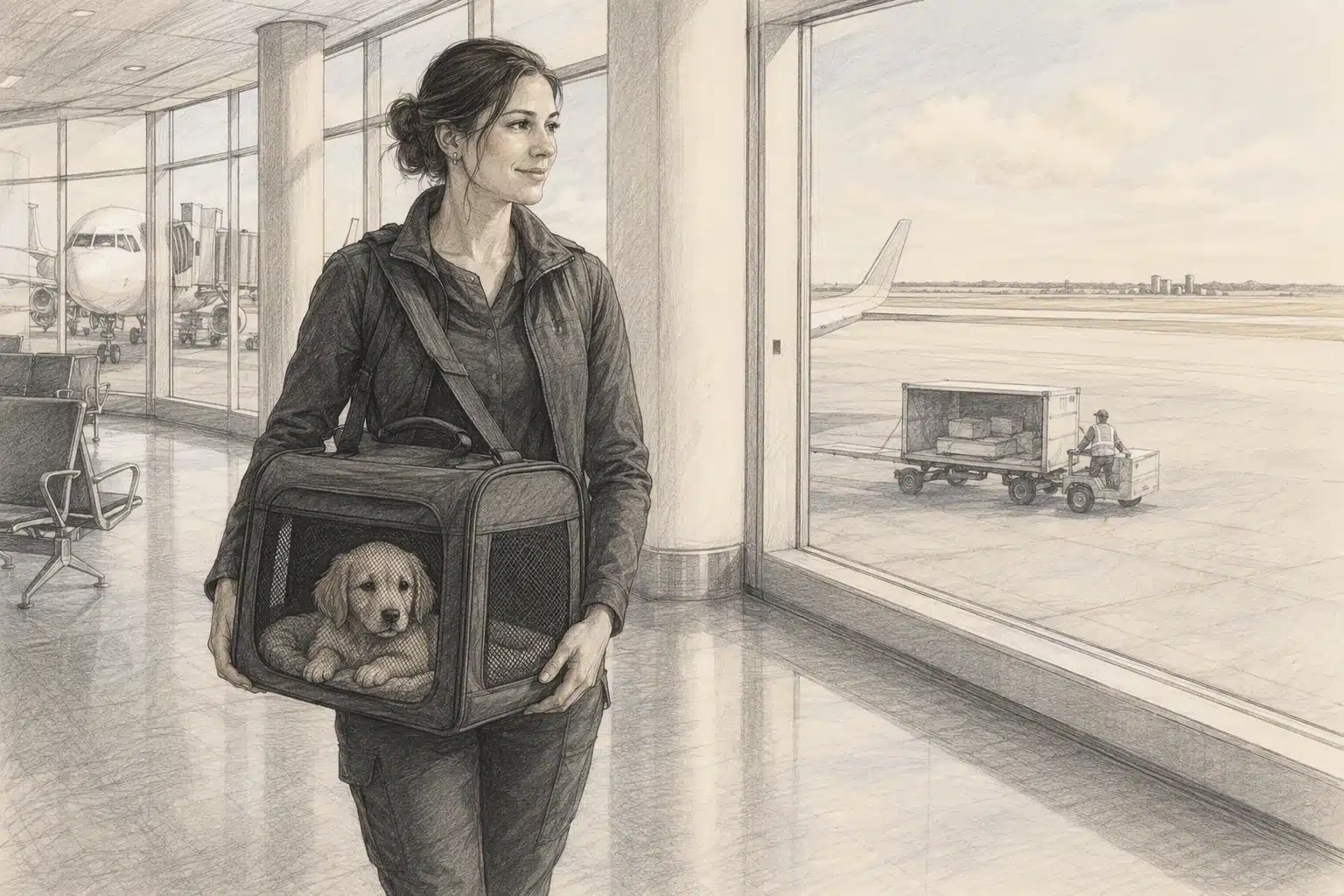
Ask who stays with your puppy from breeder pickup through your Iowa airport handoff.
Air Travel Limitations That Matter in Iowa
A fast flight can still become a long day if weather, flight changes, or a connection disrupts the plan. Iowa winters and summer heat make scheduling important, especially for any travel involving tarmac time.
Confirm these details before choosing air travel:
- A nonstop route, or the fewest possible connections.
- The airline’s current pet, carrier, age, and paperwork rules.
- A backup plan if a flight cancels.
- Your pickup time and airport location.
USDA warns that pets can be injured or die during air travel, even though most arrive safely. Temperature limits and careful handling matter most when a puppy is not traveling in the cabin.
Puppy Shipping Cost to Iowa: What Families Are Really Paying For
Ground Transport Cost Drivers
Ground delivery is priced around distance, route timing, and hands-on care, not just miles from Utah to Iowa. A shared route may cost less, but it can mean more stops and a wider delivery window. Private or fewer-stop service costs more because the driver can focus on your puppy’s needs.
| Cost driver | Why it changes the quote |
|---|---|
| Door-to-door distance | Fuel, driver hours, and overnight planning rise with mileage |
| Route type | Shared routes often cost less than dedicated trips |
| Weather and season | Winter road conditions can add time and route changes |
| Care plan | Potty breaks, cleaning, updates, and safe rest stops require labor |
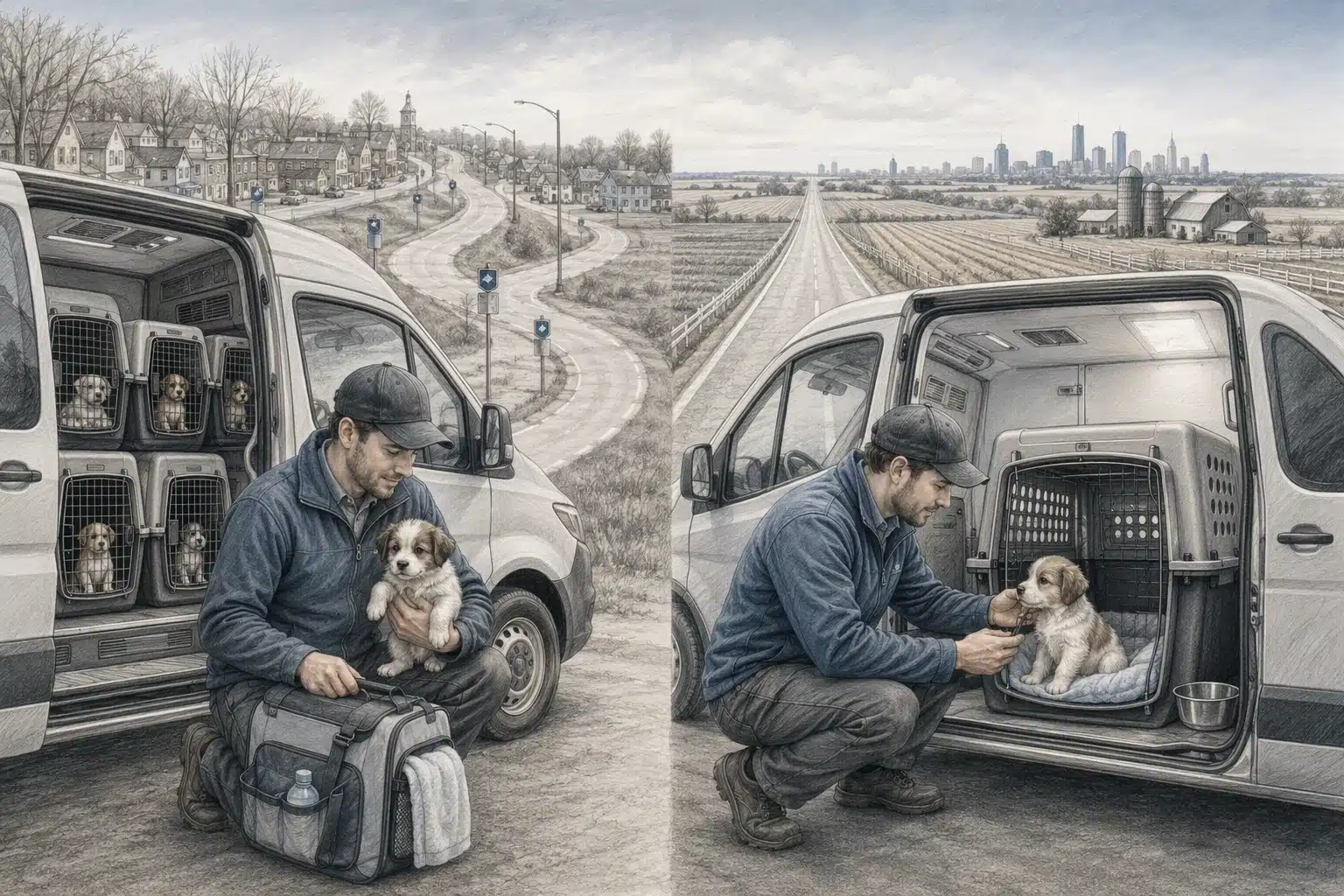
Ask whether the quote includes a travel crate, pickup coordination, delivery updates, and a clear handoff plan.
A low quote is not a bargain if it leaves you guessing who is driving, where your puppy rests, or when arrival will happen.
Air Travel Cost Drivers
Air travel costs can include the flight, an in-cabin travel companion, approved carrier, airport transfer, and paperwork. Airline rules can differ from destination rules, so confirm the exact plan before booking, as USDA APHIS advises.
| Cost driver | What to confirm |
|---|---|
| Flight route | Direct flights reduce handoffs and delay risk |
| Travel companion | Ask who stays with the puppy throughout the trip |
| Carrier and airport fees | Confirm whether they are included |
| Health paperwork | Verify what the airline requires before travel |
Sage Puppies should provide the written total and explain each included service. Keep first-day pickup supplies ready, especially water, a leash, and a quiet space.
Also Read: 10 Signs a California Puppy Listing Is a Scam – Sage Puppies
Paperwork, Puppy Age, and Iowa Delivery Planning
What to Confirm Before the Puppy Leaves Utah
Ask for the puppy’s Certificate of Veterinary Inspection (CVI), health record, feeding routine, and microchip details if used. Iowa requires every dog entering the state to have a CVI showing no sign of contagious disease. The certificate remains valid for 30 days, according to the Iowa Department of Agriculture.
Confirm the exact handoff date, route, and who will contact you during travel. A well-planned trip gives you time to set up a quiet sleep area, food, water, and a first veterinary visit.

Keep digital and paper copies of every record. Your local vet will want the vaccine and exam history.
Iowa-Specific Questions to Ask
Use this short check before agreeing to delivery:
- Is the CVI dated close enough to the Iowa arrival date?
- What time and location will the puppy arrive?
- Who is the direct travel contact if weather delays the trip?
- What food did the puppy eat in Utah, and how much?
- Has the puppy reached the age for rabies vaccination? Iowa requires a current rabies vaccine only for dogs over four months old.
| Item | Why it matters |
|---|---|
| CVI | Meets Iowa entry rules |
| Arrival plan | Prevents rushed handoffs |
| Feeding notes | Helps avoid stomach upset |
Also Read: Oregon Puppies: Choosing Between Pickup and Home Delivery
How to Choose the Right Method for Your Iowa Family
Choose the option that gives your puppy the calmest, clearest trip and gives your family a realistic arrival plan.
Ground Is Usually the Better Fit When
Ground transport often suits Iowa families who want fewer handoffs and a more personal update process.
Choose it if you:
- Prefer door-to-door delivery or an easy meeting point.
- Want your puppy to have planned comfort breaks during a long route.
- Have a flexible arrival day, since road and weather can shift timing.
- Feel better speaking directly with the person handling the puppy.
- Live far from a major airport or cannot manage an airport pickup.
For a small Havanese, Havapoo, or Cavapoo, ask how often the driver checks the puppy, where they rest, and who contacts you if travel changes.
Ask for the pickup window, delivery window, driver contact plan, and the puppy’s care routine before you reserve transport.
Air May Be the Better Fit When
Air travel can work well if your family needs the fastest route and can meet the puppy promptly at an Iowa airport.
Choose it if you:
- Can handle a firm airport pickup time.
- Have a direct flight option or minimal connections.
- Can confirm the airline’s crate and document rules in writing.
- Have a quiet home ready for a low-key first night.
USDA guidance notes that air travel requires a safe, correctly sized kennel and a puppy that is healthy and ready to travel. Puppies must be at least eight weeks old and fully weaned for air transport. USDA APHIS air travel guidance
Do not choose air only because it looks faster. Confirm weather plans, flight details, and who stays responsible until your puppy is safely with you.
What to Ask a Breeder Before Booking Puppy Transport
Questions About the Puppy and Preparation
Ask for clear details before you commit:
- What is my puppy’s current weight, feeding routine, and sleep schedule?
- Has the puppy had a recent vet check, and what records come home?
- How has the puppy handled a crate, car rides, and new people?
- What familiar food, blanket, or toy will travel with them?
- Who should I call if the puppy seems unwell after arrival?
Iowa may have its own entry rules. The USDA interstate travel guide says destination states can require health certificates, vaccines, tests, or treatments.
Ask for copies of all records before travel day, not after your puppy arrives.
Questions About Delivery and Reservation Terms
Get the transport plan in writing. Ask:
- Is ground transport private, shared, or airline-based?
- Who handles the puppy during each handoff?
- What is the pickup window, and what happens if weather delays travel?
- Is transport cost separate from the reservation fee?
- What are the cancellation, delay, and refund terms?
Confirm who provides the health certificate and its date. When required, a Certificate of Veterinary Inspection must travel with the shipment, according to APHIS guidance.
Choose a breeder who answers these questions calmly and directly.
Also Read: Puppy Care Blog & Resources | Sage Puppies
Which Should You Choose for a Puppy Coming to Iowa?
Choose ground transport if you want a calmer handoff, live updates, and fewer airport steps. It often fits families in smaller Iowa towns, where an airport pickup adds a long drive after a flight.
Choose air travel if speed matters and you can meet the puppy promptly at the arrival airport. USDA guidance notes that air travel needs the right kennel, health readiness, and travel papers, including a health certificate signed close to departure. Review the USDA air-travel checklist before you commit.
| Your priority | Better fit |
|---|---|
| Door-to-door simplicity | Ground transport |
| Fastest travel day | Air travel |
| Less handling and fewer transfers | Ground transport |
| You can meet at a major airport | Air travel |
Ask who stays with the puppy, how often you will receive updates, and the backup plan for weather delays.
For a Sage Puppies Havanese, Havapoo, or Cavapoo, choose the route that gives your family the calmest first reunion.

Choose a travel plan that puts your puppy’s comfort first. Sage Puppies helps Iowa families understand pickup and nationwide delivery options for home-raised Havanese, Havapoo, and Cavapoo companions. View available puppies, then start with a thoughtful application.
Frequently Asked Questions
Q1: What are the pros and cons of ground vs air pet transport?
Ground travel offers more direct care and fewer handoffs, but it takes longer. Air travel is faster for long routes, yet weather, schedules, and airport handling can add stress.
Q2: Which is safer for pets: air travel or ground transport?
Neither is always safer. A well-planned ground trip often suits young puppies because someone can monitor them closely. Air travel can work when temperatures, airline rules, and timing are favorable.
Q3: How much does it cost to transport a dog across the country?
Costs vary by distance, route, carrier, and service level. Expect ground delivery to rise with mileage. Air travel may add airline, crate, airport, and pickup fees.
Q4: Should my puppy eat before traveling to Iowa?
Offer a small, familiar meal several hours before departure. Avoid a large meal right before travel, and ask the breeder about the puppy’s normal feeding schedule.
Q5: What should I have ready before my puppy arrives?
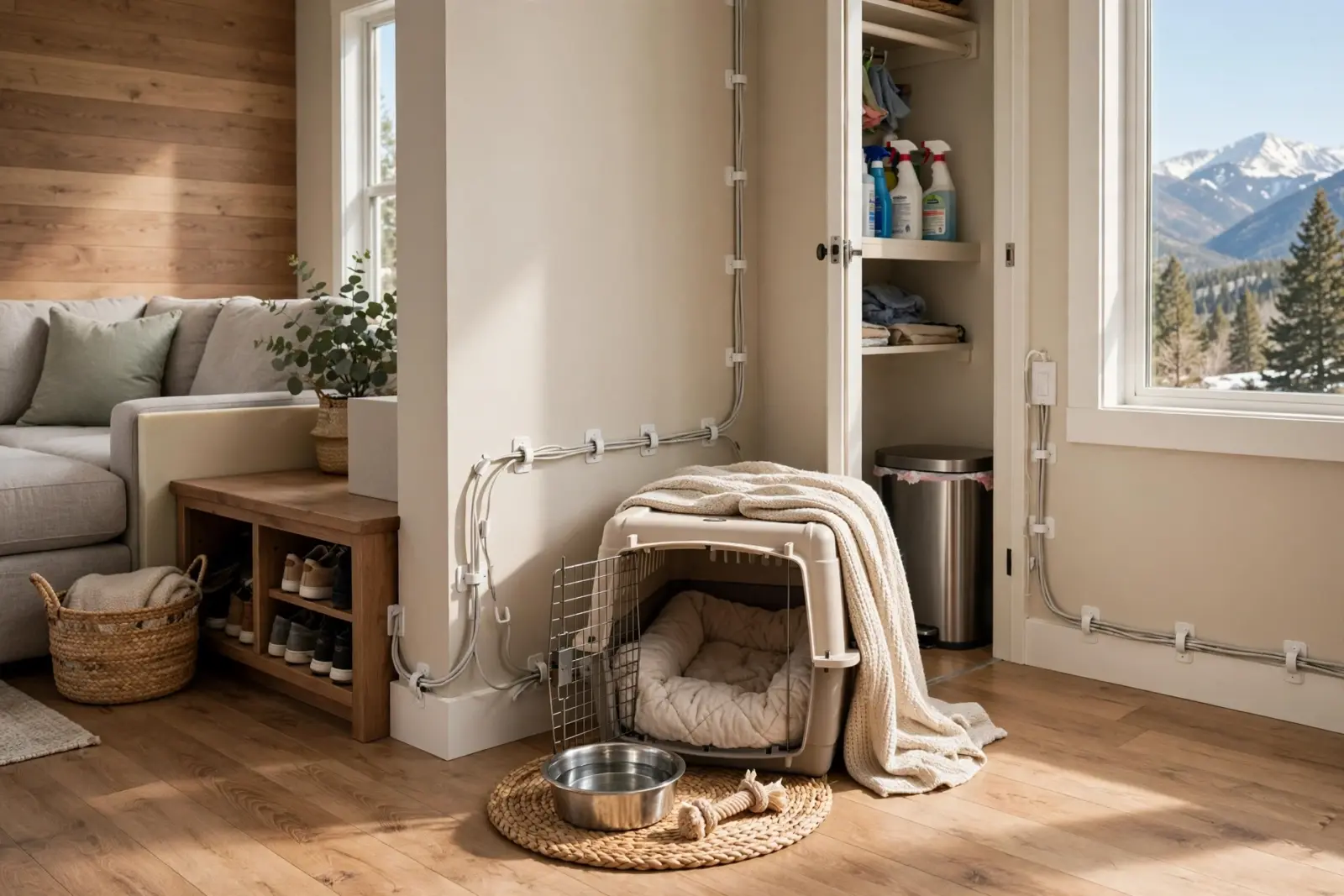
Prepare a crate, water, food, collar, leash, puppy-safe space, and your vet’s contact details. Keep the first day quiet so your puppy can rest and settle.
Conclusion
For most Iowa families, ground transport offers the calmer choice when distance, weather, and timing allow. It gives a young Havanese, Havapoo, or Cavapoo fewer handoffs and a more personal arrival. Air travel can make sense for a long route or a tight schedule, but it needs firm planning around airline rules, weather, kennel fit, and pickup.
Choose the option that protects the puppy’s comfort, not just your calendar. The USDA notes that safe air travel depends on the puppy’s health, readiness, and a suitable kennel, with required documents in order before the flight.