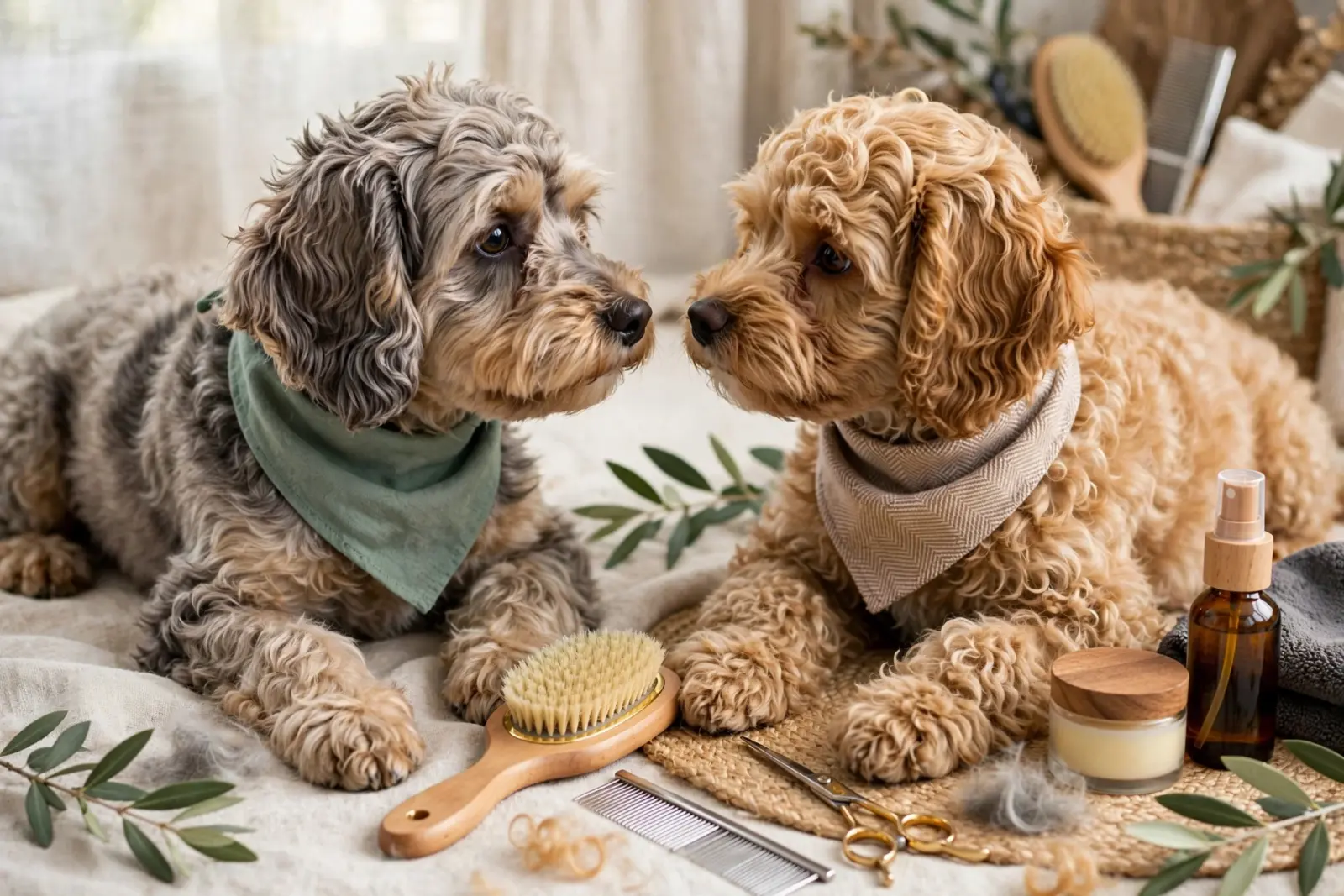
Build winter paw care around three things: a cleared route, cleanup on returning indoors and the individual puppy’s comfort. Snow, icy surfaces and de-icers require different decisions. A fluffy coat or a bag marked “pet friendly” does not remove the need to check the path and watch the puppy.
Sage Puppies is Cassie Milar’s South Jordan, Utah program offering Havanese, Havapoo and Cavapoo. If you are still choosing a puppy for a Minnesota home, start with the Minnesota buyer guide. Plan daily care with your veterinarian; this routine is preparation guidance, not a treatment plan for an injured paw.
Sage’s general puppy purchase range is $3,500–$4,500. Confirm the individual puppy’s exact price with Cassie. Travel, ongoing care and guardian arrangements are separate. Read Pricing & Reservation and How It Works before making a commitment.

Reduce salt exposure on the path you control
Minnesota’s Pollution Control Agency advises removing snow and ice mechanically to reduce de-icer use, and sweeping leftover salt from dry surfaces. It also warns that “pet friendly” labeling does not prove a product harmless. Keep de-icer packages inaccessible to the puppy and follow the actual product instructions; do not choose a product on the label claim alone.
At a shared entrance, ask the property manager which area is treated and who maintains the route to your allowed toilet spot. At a house, choose an accessible patch and check the gates after clearing snow. Look at the surface again when it changes. This is a household planning example; no article can certify a building’s pavement as safe.
Keep the doorway ready for a return
- Set out clean towels, a damp cloth and a stable place to support the puppy while you check its feet.
- ASPCA ice-melt guidance recommends cleaning paws on coming inside and limiting licking until the residue is removed. Check between toes and dry the feet; also clean affected leg or belly fur.
- Keep the clean resting area separate from wet boots and outdoor supplies. Put materials back so the next caregiver can repeat the same routine.
For a small puppy, handling is part of the routine. Support it comfortably, work gently and pause when it becomes worried. Ask your veterinarian or a qualified groomer for help if packed fur, nails or sore skin make the check difficult. Avoid turning a painful foot into a grooming exercise.
Treat boots as a fitted, learned skill
Cornell’s winter-safety guidance includes well-fitting booties as an option for paw protection. Ask about fit for the actual puppy, then introduce handling and the footwear calmly indoors. Check that it can move comfortably and that straps do not rub. Stop and reassess if a boot causes distress or changes the puppy’s movement.
A boot, coat or balm should not be used to extend an uncomfortable outing. Plan an alternative exit or shorter return when conditions change. Discuss paw products with your veterinarian rather than applying human creams or treating the words on a package as medical advice.
End outdoor time at signs of discomfort
Cornell explains that cold tolerance varies with age, size, health and coat, and that puppies and small dogs need particular attention. Shivering, repeatedly lifting feet, reluctance to walk or a hunched posture are reasons to move to a warm, dry area. Adjust the outing to the puppy and conditions rather than using a universal minute or temperature limit.
Keep a simple indoor alternative ready: calm handling practice, a suitable chew or a short supervised activity your puppy already understands. Ask the veterinarian about an appropriate toilet plan when outdoor conditions prevent the usual routine. Avoid frozen ponds and lakes, and never leave the puppy alone in a cold vehicle.
Know when a veterinarian should take over
Contact your veterinarian about painful pads, bleeding, a continuing limp or a foot the puppy will not use. Cornell recommends immediate veterinary attention for suspected frostbite or hypothermia. Routine wiping and footwear are not substitutes for assessment when a puppy appears injured or unwell.
ASPCA’s poison-control guidance calls for immediate veterinary or poison-control contact when ice-melt exposure or ingestion is suspected. Keep the product packaging available to describe it, prevent further access and follow professional instructions. Do not wait for a household cleanup routine to solve a possible poisoning.
Carry the plan into ordinary household life
Name the adult who will check the exit, supervise the toilet break and clean the paws, plus someone who can cover a disrupted commute. Keep the same supplies and instructions available to both. Ask about the puppy’s familiar food and age-appropriate indoor routine before arrival; winter preparation includes people as well as equipment.
For a new arrival, connect this plan to Bringing a Sage Puppy to Minnesota: Records and Homecoming. If you are considering Sage, review the current profiles below and discuss the individual puppy and your household with Cassie. Availability is live and can change; it does not establish a Minnesota location or transport booking.

Big Fudge
Big Fudge is a cuddle bug! This puppy is a happy tail wagging ball of fluffy minky soft fur. Big Fudge is pee pad…

Chai
Chai is a tiny boy, he will be small boy closer to 6-8lbs. He is very playful and just a mega sweetheart.
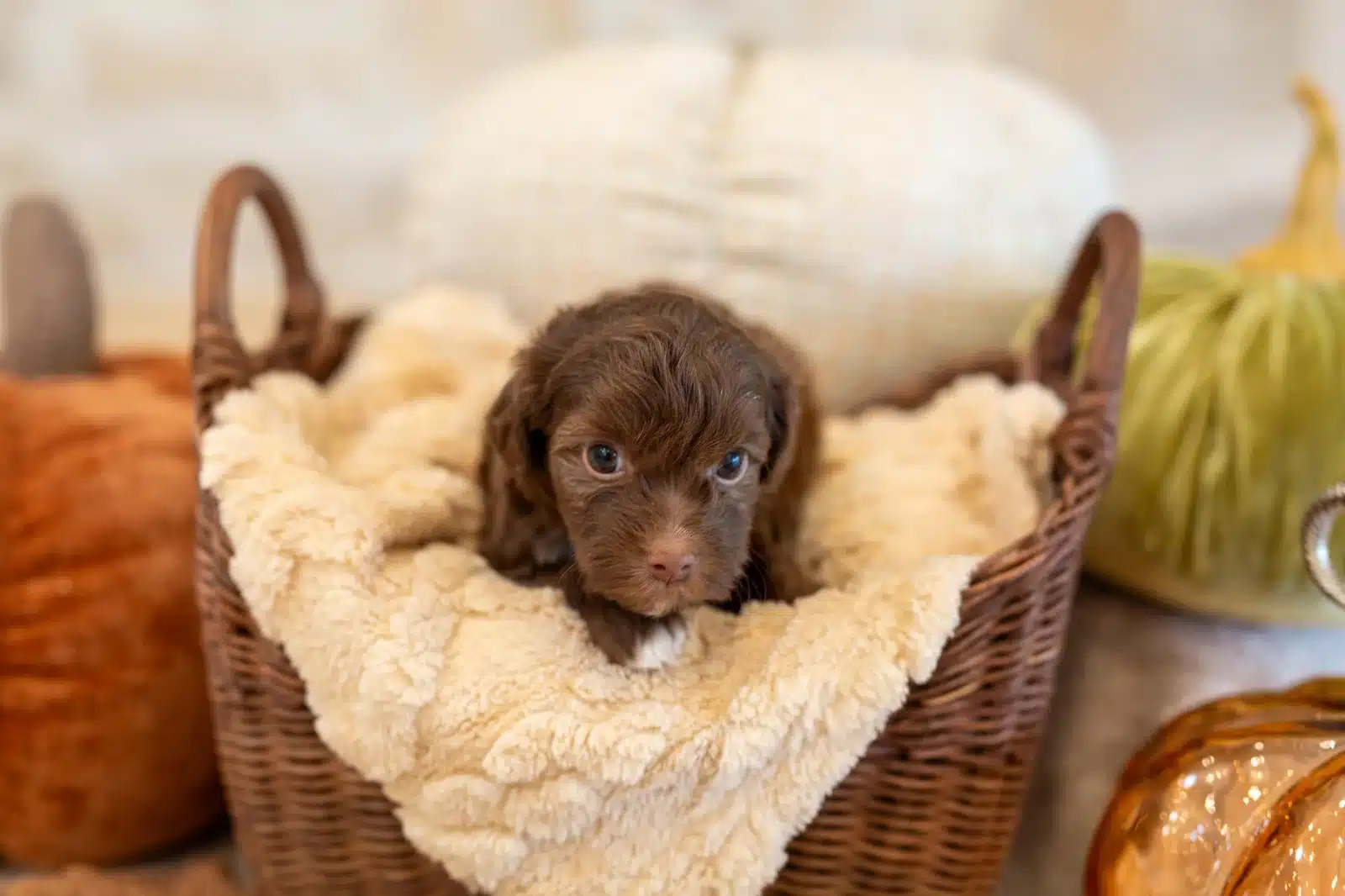
Rolo
This sweet boy is a beautiful milk chocolate coat and so much love to give. He loves to chase a ball and explore new…
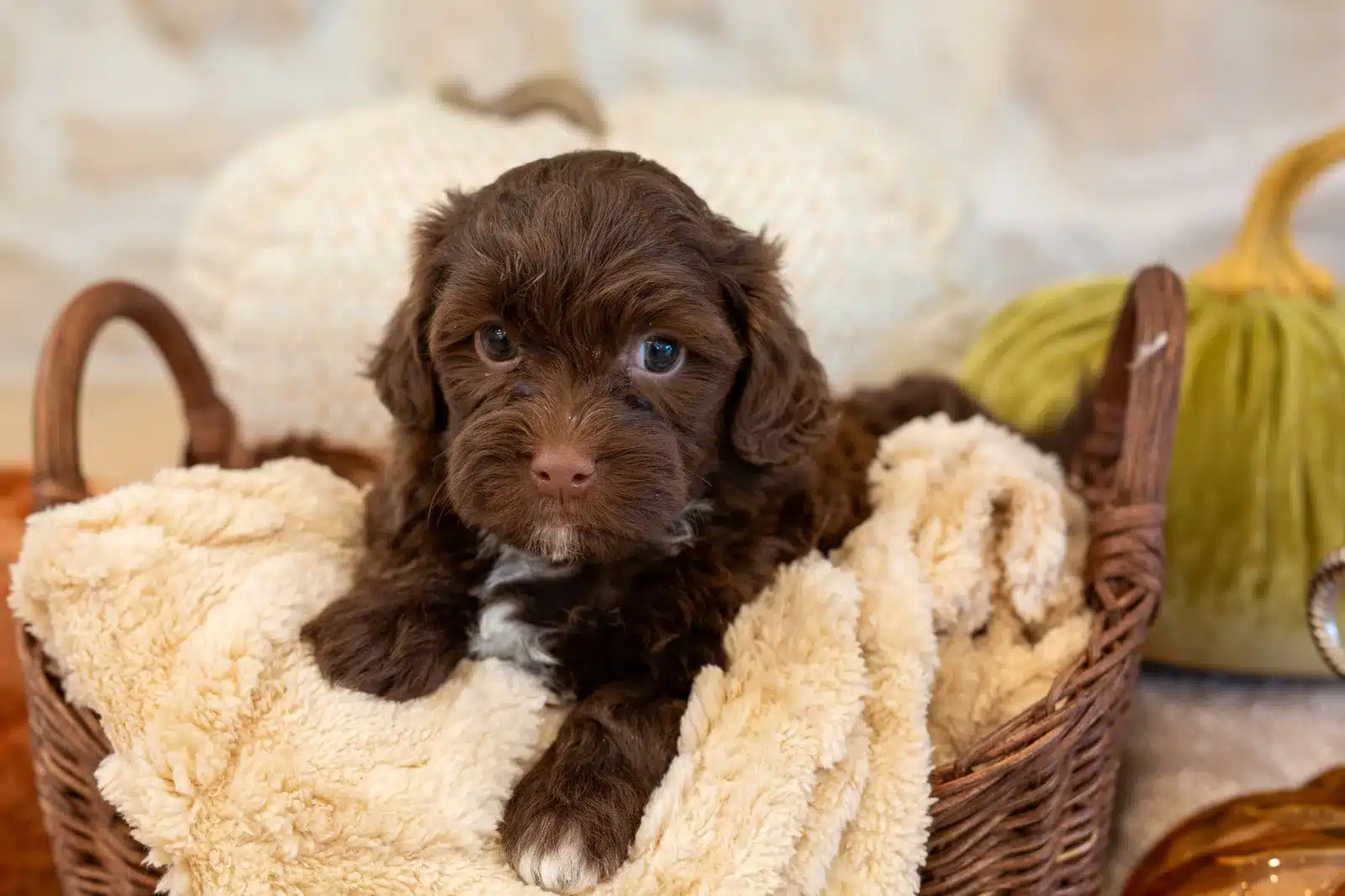
Mocha
Mocha is a beautiful deep brown coat, has the perfect chocolate nose! She is bigger than the other pups and definitely a chill girl.…

Rocky
Rocky is a rockstar! This boy is very affectionate, playful and curious. He loves to smell new places and things. He’s got tail that…

Ralphy
This boy is lighted hearted, snuggly and very smart! Per pad trained, kennel exposure. Passed all his temperament evaluations with high records.

Sugar
Sugar lives up to her name: a sweet little sprinkle of playful charm, dressed in a red-sable tuxedo and always happy for affection.