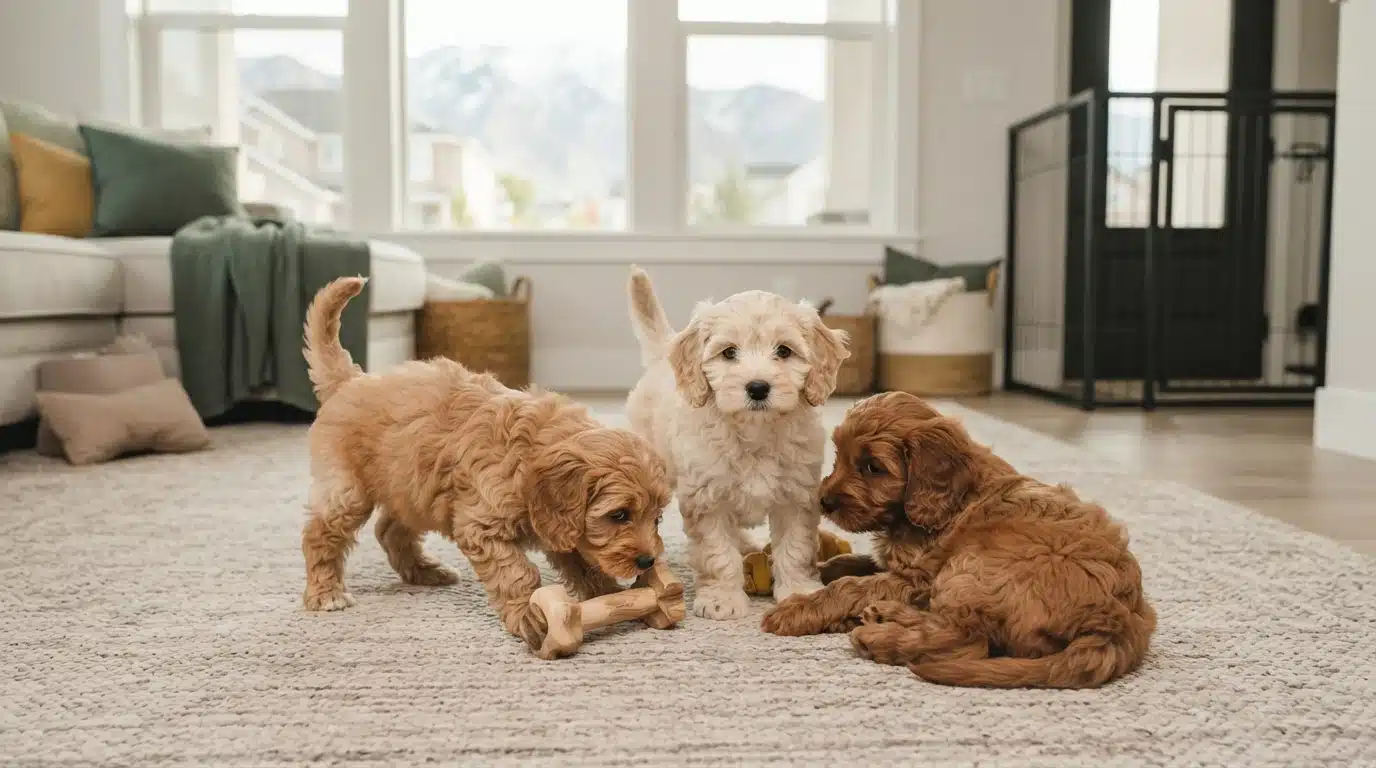
Quick Summary: Preparing a Utah home for a small-breed puppy like a Havanese or Cavapoo means adjusting for the state’s dry air, summer heat above 95 degrees, and toxic landscaping plants like sago palms and oleander. Start with one calm safe room kept between 68 and 74 degrees, then sweep the rest of the house at puppy level for cords, chemicals, and gaps a six-pound dog can slip through. Outside, walk the fence line, pull dangerous plants, wipe up antifreeze, and add shade plus water for hot afternoons. Stock the same food the breeder used, file health records, and book a vet visit within 72 hours, then keep the first 48 hours quiet with a steady feeding and potty schedule.
Preparing a Utah home for a puppy looks different than most national checklists suggest. The Wasatch Front brings dry air that splits hardwood and skin, long summer afternoons above 95 degrees, and crisp mornings that call for paw checks after frosty walks. Many yards here also grow plants a curious Havanese or Cavapoo should never taste, so the usual “watch for chocolate” list barely scratches the surface.
This guide walks through the hazards that actually matter in Utah homes, room by room and out in the yard, then hands off to a full supply checklist for homecoming day.
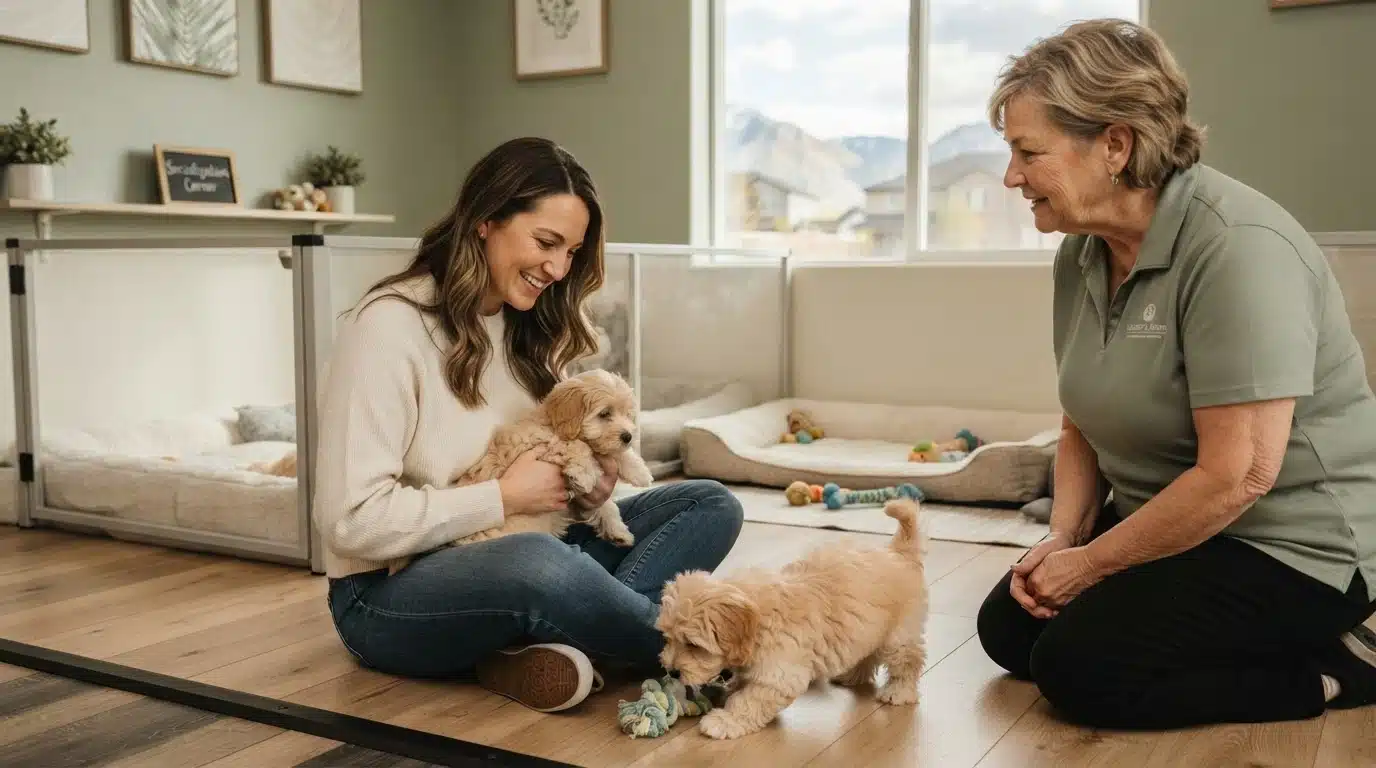
At Sage Puppies in South Jordan, Cassie Milar raises Havanese, Havapoo, and Cavapoo puppies, and the advice below comes from years of watching small breeds settle into Utah family homes. Tiny bodies feel heat, cold, and toxins faster than big dogs do, so small-breed proofing runs a step stricter.
Step 1: Build One Puppy-Ready Safe Room as Home Base
Preparing a Utah home for a puppy goes faster when you start with one room. A small Havanese or Cavapoo arriving in a whole house gets overwhelmed fast, so give them a single space that feels safe from hour one.
Pick the right room for a Utah home
Choose a room you use often, like a corner of the family room or a home office. Puppies want company, and isolation in a far bedroom makes the first nights harder. Skip laundry rooms and garages, where a dryer, chemicals, or a garage fridge create risks a curious eight-week-old will find.
In Utah homes, tile and hardwood are common, and they stay cold on winter mornings. Lay a washable rug or foam mats so the floor feels warm and gives little legs grip. If the room gets strong afternoon sun through west-facing windows, add a shade so the space never turns into an oven while you are out.
Furnish the room for calm, not cuteness
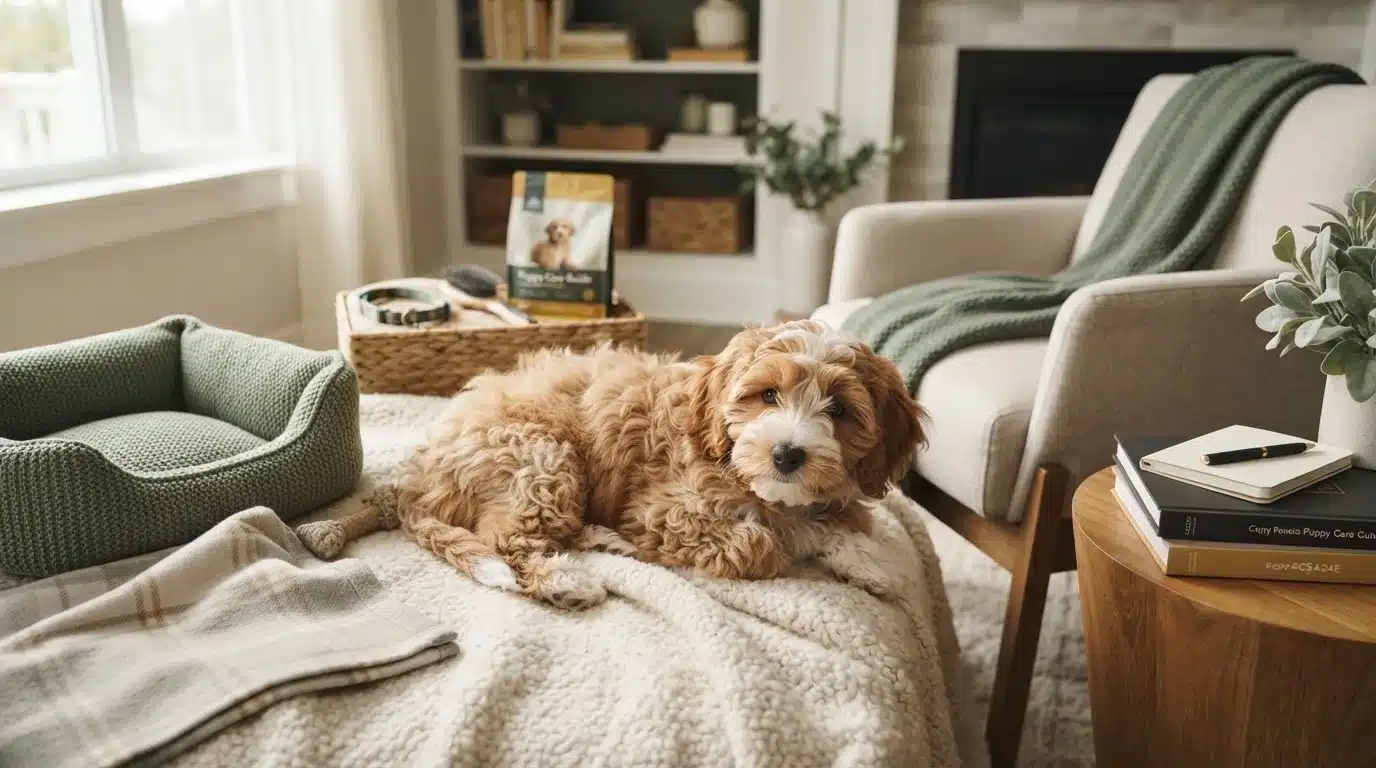
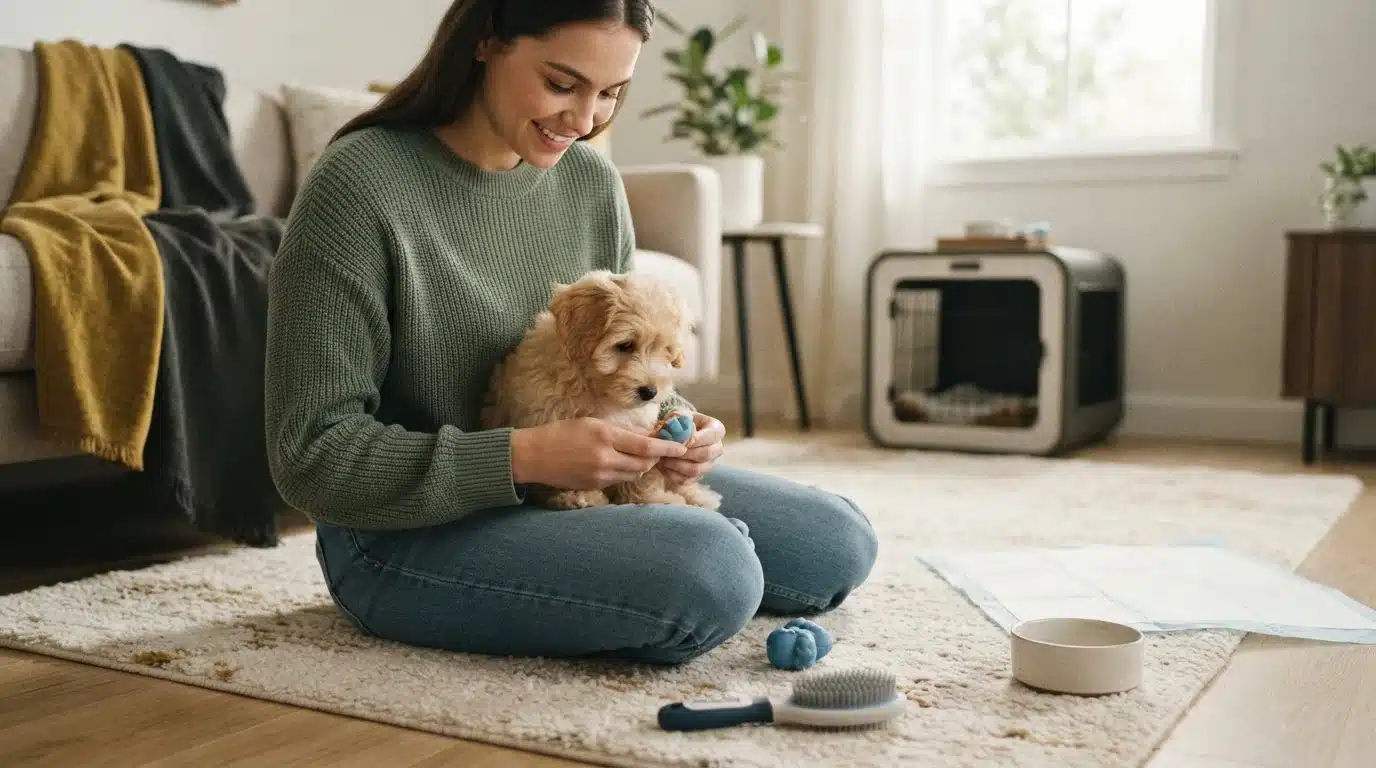
You need five things: a crate with the door open, a soft bed, water, a few toys, and puppy pads near the door. That is it. Baskets of stuffed animals look sweet in photos, but too many choices overstimulate a young puppy and make cleanup endless.
Sweep the floor first, then get down on your hands and knees. Anything at puppy eye level, from stray cords to a dropped earring, needs to move. Tape cords along the wall or tuck them behind furniture. Move houseplants out; many common ones upset a puppy’s stomach if chewed. When Cassie’s families in South Jordan ask what matters most, she tells them the boring answer: fewer items, all safe.
Set the climate and air the right way
Utah’s dry air affects puppies too. Keep the room between 68 and 74 degrees, and run a humidifier in winter so skin and noses stay comfortable. Close the door to drafts, but make sure air still moves, especially on hot days when afternoons climb above 95 degrees.
Step 2: Puppy-Proof the Rest of the House, Room by Room
A big part of preparing a Utah home for a puppy is simply seeing each room through a puppy’s eyes. Get down on your hands and knees at puppy level. Anything dangling, crumb-covered, or chewable becomes fair game, and a tiny Havanese or Cavapoo can fit into gaps you would never think twice about. Walk each room before homecoming day and fix what you find.
Kitchen and dining area
Kitchens hold the most temptations, so start here. Secure the trash can with a lid or tuck it inside a cabinet, because chicken bones and corn cobs are serious hazards. Move human foods off low counters; grapes, chocolate, and onions are toxic to dogs, and the ASPCA warns that cabinets often hide dangers puppies will chew (read their prep tips). Add childproof latches to lower cabinets that hold cleaners. Sweep under the table after every meal, since one dropped grape can cause a real emergency. If you feed other pets in the kitchen, plan to feed your puppy separately at first.
Living room and family room
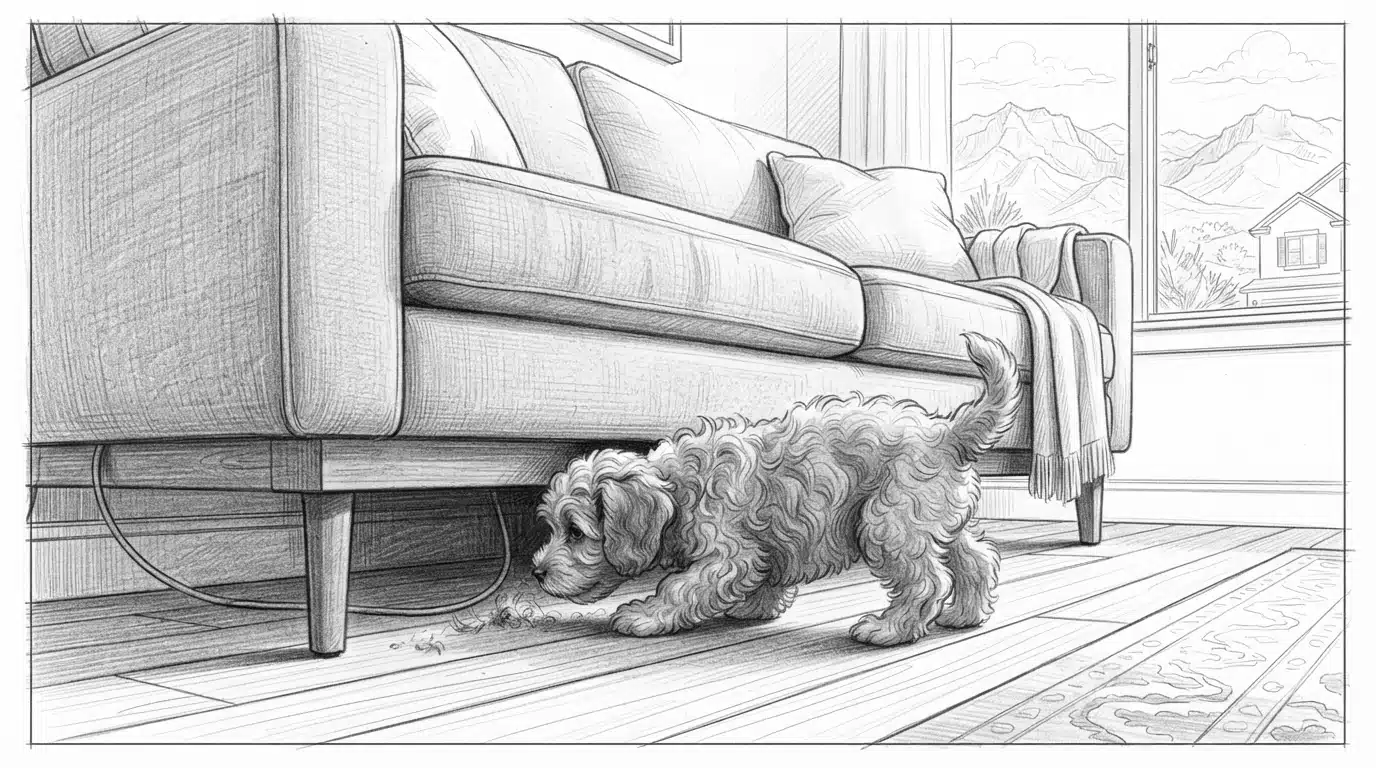
Your puppy will spend most of her day here, so it deserves the closest look. Tuck electrical cords behind furniture or run them through cord covers; loose cords invite chewing and electric shock. Move houseplants out of reach, since many common varieties are toxic. Secure heavy decor and remove small items like coins, batteries, and kids’ toys from low shelves. Check under the couch for socks and crumbs, then block gaps large enough for a puppy to wedge into.
Bathrooms, laundry, and garage
These rooms hold the harshest chemicals. Keep toilet lids closed, especially if you use drop-in cleaner tablets. Store medications, razors, and dental floss up high, because floss can cause serious intestinal damage if swallowed. In the laundry room, keep dryer sheets and detergent pods behind closed doors; the Animal Humane Society notes both are toxic (see their puppy-proofing tips). In the garage, wipe up antifreeze immediately, since one taste can be lethal. Close each door after use until the chewing phase passes.
With these rooms handled, the hardest part of preparing your Utah home for a puppy is done.
Step 3: Prepare the Yard and Garage for Utah Conditions
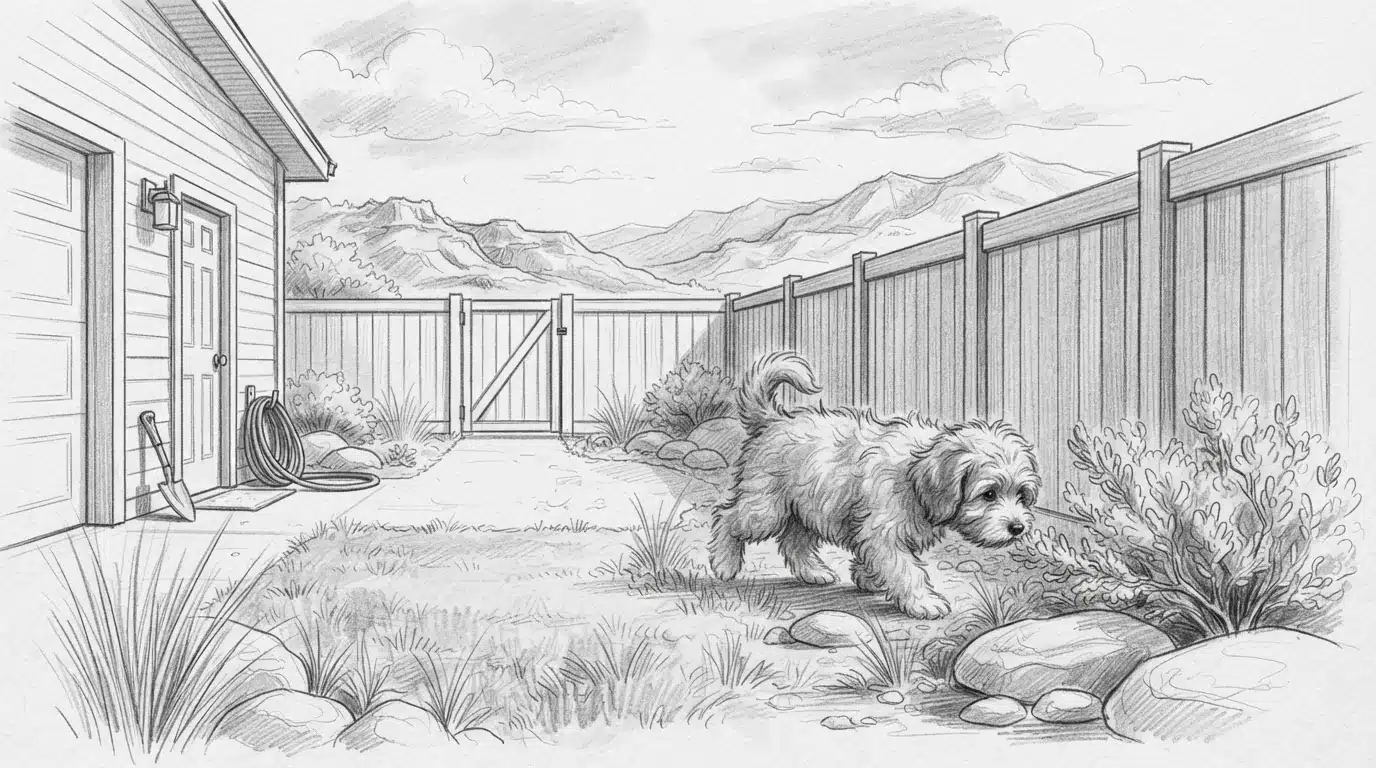
An indoor puppy-proofing plan only covers half the house. Any family preparing a Utah home for a puppy also has to look at the yard, because that’s where a small Havanese or Cavapoo will spend most of its outside time. Walk the fence line, then treat the yard like one more room to puppy-proof.
Plants to Remove or Fence Off
Some common Utah landscaping plants are genuinely dangerous to dogs. Sago palms are toxic in every part, and even a swallowed seed can cause liver failure. Oleander, azalea, foxglove, yew, and lily of the valley also make the ASPCA’s toxic plant list for dogs, so check it before your puppy’s first trip outside. Gravel mulch is popular along the Wasatch Front, but cocoa shell mulch smells like chocolate and draws curious noses. Pull what you can, and fence off raised beds you can’t clear. Small breeds reach less, but puppies dig.
Wasatch Front Yard Hazards You Might Miss
Utah yards hide a few things other states don’t. Check fence bottoms for gaps widened by frost heave, and look for fertilizer or ice-melt bags stored at nose height. Antifreeze in the garage tastes sweet and is deadly in small amounts, so wipe drips and seal the container. Snail bait, rodent bait, and sharp rock edges under new sod also deserve a pass while you’re preparing a Utah home for puppy arrival.
Wildlife and Weather Safety Basics
Raccoons, hawks, and neighborhood dogs all pass through Utah yards, so supervise puppies under ten pounds and never leave them out alone after dark. Cover window wells and secure the garage door. In summer, shade and water go outside too, since afternoons climb above 95 degrees.
The yard checklist pairs well with our puppy preparation guide for Utah buyers.
Step 4: Stock the Puppy Pantry and Vet-Ready Kit
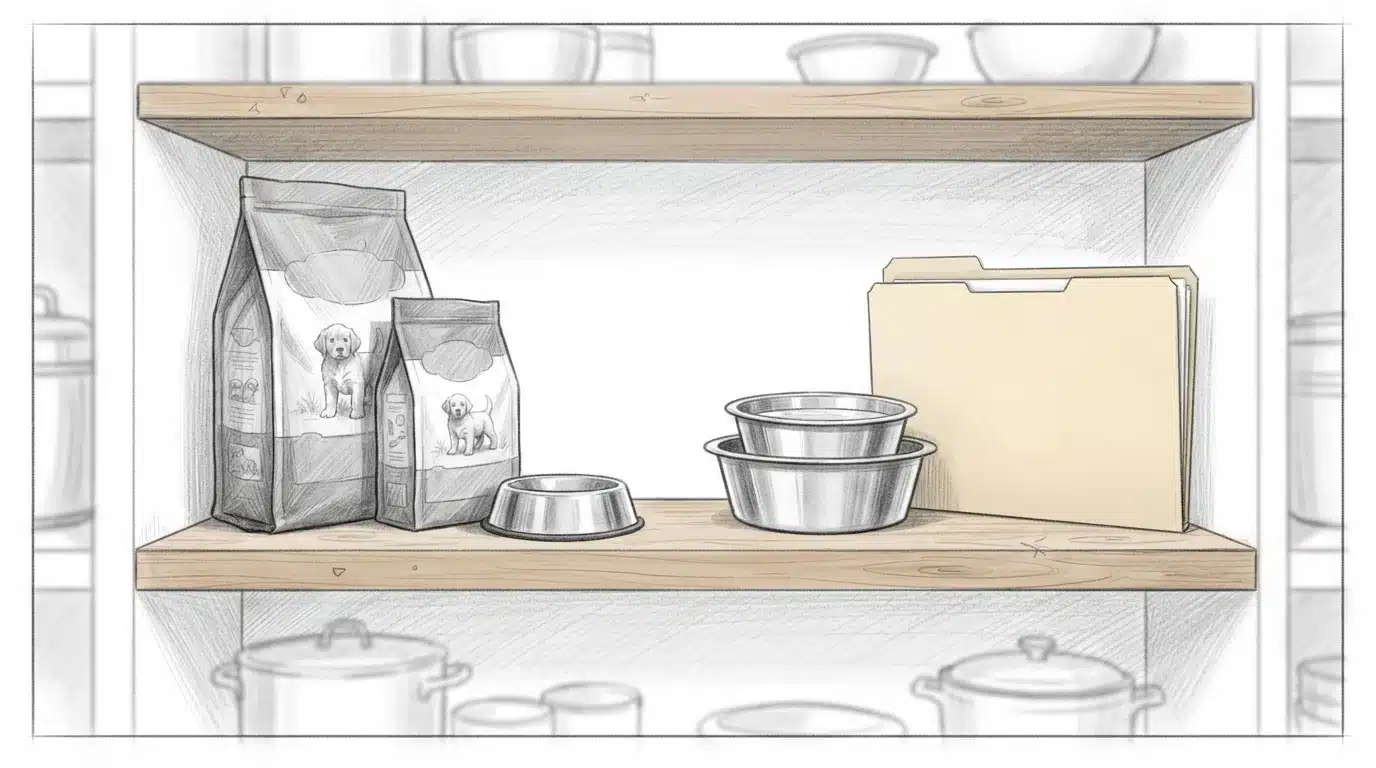
Part of preparing a Utah home for a puppy is having food, water, and records ready before pickup day. Small breeds burn through energy fast, and a skipped meal matters more at seven pounds than at seventy.
Food, treats, and water setup
Ask the breeder which food your puppy has been eating, then buy the same brand before homecoming. Switch gradually over seven to ten days if you plan to change foods, since sudden swaps upset small stomachs. Use shallow, non-slip stainless or ceramic bowls sized for a tiny muzzle. Set water where your puppy can reach it without climbing, and keep a second bowl in the yard during summer afternoons above 95 degrees.
Records, ID, and the vet-ready folder
Put a simple folder together before pickup day. Add vaccination records, the deworming schedule, feeding instructions, and your vet’s contact card. Every puppy sold by Sage Puppies goes home with health paperwork, so file it the day you arrive home instead of losing it in a drawer. Book the first vet visit within 72 hours, and carry the folder to every appointment.
Small-breed first-aid basics
Keep one kit in the house. Stock gauze, self-adhesive vet wrap, tweezers, digital thermometer, styptic powder for clipped nails, and oral syringe. Add your vet’s after-hours number plus the nearest animal emergency clinic in Utah. Hypoglycemia hits tiny breeds fast, so ask your vet to show you how to apply Karo syrup to the gums if your puppy seems wobbly or weak.
Step 5: Plan the First 48 Hours at Home
A puppy’s first two days set the tone for everything that follows. Keep the plan simple, quiet, and predictable.
The car ride and front-door arrival
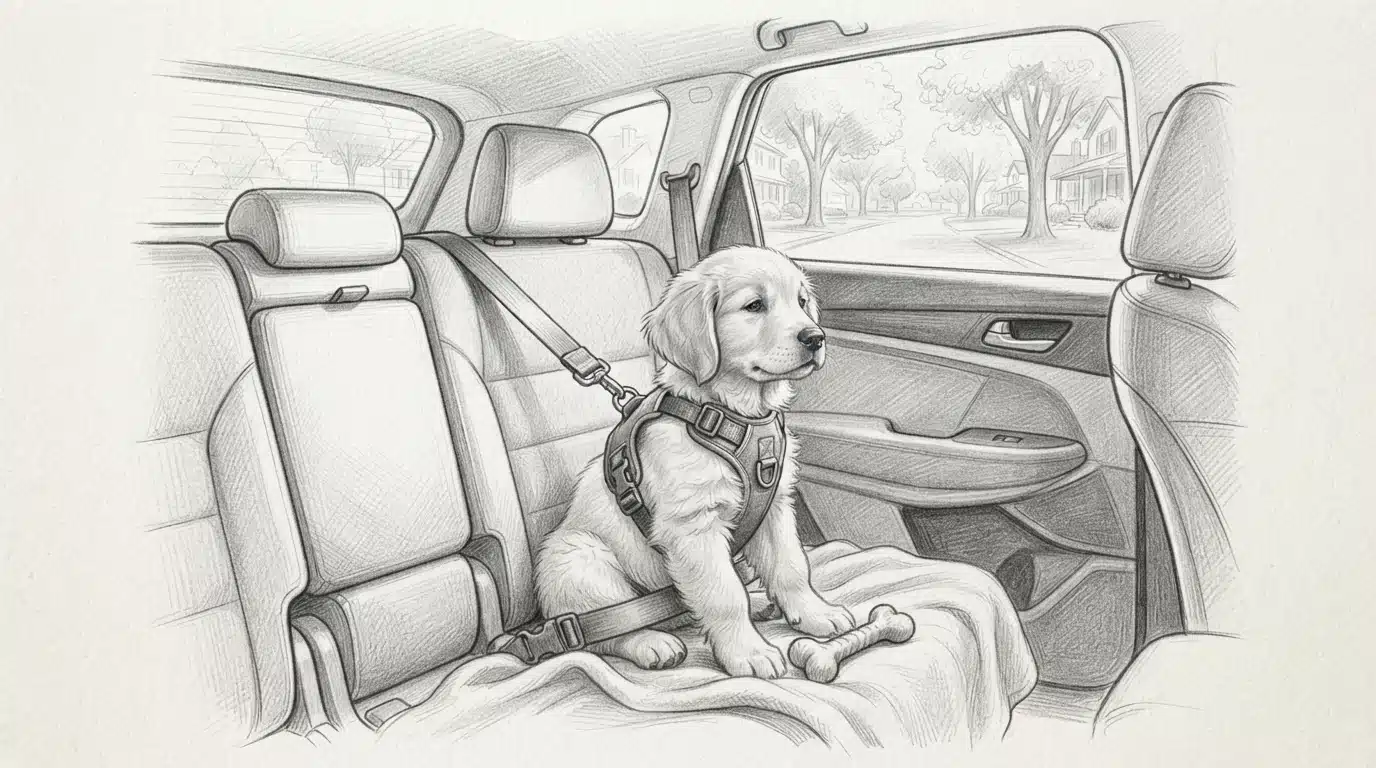
Line the crate with a towel that smells like the breeder’s home. Ask whoever rides along to sit near your puppy, calm and quiet, without letting it crawl into laps. If the drive runs long, stop for water but skip food; motion upset stomachs are common. When you pull into the driveway, carry your puppy straight to the potty spot before anyone says hello.
First meal, first potty, first crate nap
Feed the same food the breeder used, in the exact spot you chose while preparing your Utah home for the puppy. Sudden food switches cause loose stools, so any brand change comes later, mixed slowly over a week. After the meal, head outside again within ten minutes. Praise softly when it goes. Then let the crate nap happen. Tired puppies get bitey and wild, so protect sleep like it’s medicine.
First night expectations
Expect whining the first night. Place the crate near your bed, so your voice settles your puppy without a full rescue mission. One mid-night potty trip is normal. Your puppy may cry for twenty to thirty minutes, then sleep. If you kept your room between 68 and 74 degrees, warmth will not be the problem. By morning, your preparation starts paying off.
Step 6: Set Up the First-Week Routine Before Pickup Day
Puppies calm down fast when life follows a pattern. Deciding your schedule now, before your puppy comes home, is a big part of preparing a Utah home for puppy arrival.
Daily feeding and potty schedule
Small breeds like the Havanese, Havapoo, and Cavapoo do best on three small meals a day, usually morning, midday, and early evening. Feed the last meal well before bedtime. Take your puppy outside to the same potty spot after every meal, nap, and play session, plus first thing in the morning and last thing at night. A predictable pattern is the fastest route to house training, so write the times down and tape them to the fridge.
Play, socialization, and rest balance
Plan short bursts of play followed by naps in the crate. A good rhythm is 20 minutes of activity, then an hour of rest, repeated through the day. Tired puppies bite harder and potty indoors more, so rest is not optional. During quiet weeks, practice gentle handling of paws and ears, which sets you up for grooming later.
First vet visit and grooming intro
Book the first vet visit within 72 hours of pickup. Puppies start core vaccinations around 6 to 8 weeks old, then boosters every few weeks, as the AVMA explains. Ask your vet to show you nail trims early. That first calm visit makes every later one easier while you finish preparing your Utah home for puppy life.
Common Mistakes to Avoid When Preparing a Utah Home
Families preparing a Utah home for puppy day usually trip on the same two things: the climate and the puppy’s size. Both are easy to fix once you know what to look for.
Skipping the climate check
Utah’s dry air is hard on a young dog. Cracked noses, itchy skin, and static shocks all spike in winter, especially along the Wasatch Front. Many families buy a crate, toys, and food, then forget a humidifier entirely. Others assume a garage or mudroom will work, but those spaces swing from hot to cold fast. If your puppy’s space sits over a vent or beside a sunny window, plan for it. Adjusting for Utah’s dry climate before homecoming day beats treating sore paws after.
Skipping the small-breed size check
Havanese, Havapoos, and Cavapoos stay small, which changes the whole walkthrough. What looks harmless to a lab puppy can trap a six-pound one. Check gaps behind the washer, open stair rails, and recliner mechanisms. Floor-level vents, loose cords, and uncovered floor drains matter too. Crawl the house at puppy height and block whatever fits a tennis ball. Small dogs also feel cold sooner, so skip drafty sleeping spots. A tight checklist beats a big shopping budget every time.

You’ve handled the checklist, so preparing a Utah home for puppy is nearly done. The last step is choosing the right companion to bring into it. Sage Puppies raises Havanese, Havapoo, and Cavapoo puppies in South Jordan with a clear, owner-run matching process. Start your application today, and your puppy-proofed home will be ready just in time.
Frequently Asked Questions
Q1: prepare home for puppy in utah?
Start with one safe room, then crawl the house at puppy level. Add humidifiers for dry air, and check the yard for toxic plants and fence gaps.
Q2: How warm should my puppy’s room stay?
Keep it between 68 and 74 degrees. Utah winters get cold, and small breeds chill faster than big dogs.
Q3: Which Utah yard plants should I remove?
Pull sago palms, oleander, foxglove, and azaleas. Cocoa shell mulch smells like chocolate, so swap it out too.
Q4: Do I really need a humidifier?
Yes. Dry Wasatch Front air causes cracked noses and itchy skin, so run one near your puppy’s bed all winter.
Q5: How soon should we see a vet?
Book the first visit within 72 hours of pickup, and bring vaccination records plus your feeding notes.
Q6: What do I feed the first week?
Use the breeder’s same food. Any brand change waits a week, then mixes in slowly over seven to ten days.
Conclusion
Preparing a Utah home for puppy arrival comes down to three things. First, build one calm safe room, then crawl the whole house at puppy level and fix what you find. Second, walk the yard and pull toxic plants, seal fence gaps, and lock away antifreeze. Third, plan for Utah’s dry air and heat, from a humidifier to shade and water outside.
Small breeds feel every hazard sooner, so check gaps, cords, and cold floors before homecoming day. When preparing a Utah home for puppy life, a quiet first 48 hours and a set routine matter more than any shopping trip. Keep the checklist handy, and preparing a Utah home for puppy becomes a weekend project instead of a scramble.