Quick Summary: Choose a Utah puppy breeder by proof, not promises: verify each parent’s OFA or CHIC health records, meet the mother, and visit the puppies before paying a deposit. A good breeder provides breed-specific testing, vaccination and deworming records, and a written contract with clear health coverage and a return clause. Refusal to answer questions, secrecy about where puppies live, or pressure to pay quickly are strong reasons to walk away.
Two breeders can both show you a healthy, socialized Havapoo puppy on video. Only one can hand you a documented hip evaluation, a current eye exam, and a contract with a return clause before you pay a deposit. That difference is easy to miss and expensive to learn later.
The problem is that most buying advice is generic. Utah families need breeder screening questions matched to the breeds they actually want: Havanese, Havapoo, and Cavapoo.
This guide gives you 12 questions to ask before paying a puppy deposit, a visit checklist, breed-specific health testing for the parents, and the contract terms worth reading twice. It draws on primary sources like AKC, OFA, and the Havanese Club of America.
We raise these breeds in South Jordan, so we know what meeting puppy breeders should look and sound like. Use these breeder contract questions as your filter, and the right program stands out fast.
Before You Start: Building Your Utah Breeder Search
Where Utah Buyers Actually Find Small-Breed Puppies
Most Utah families start with an online search, then narrow the list through breeder screening questions and a visit. Referrals from local vets, trainers, and breed clubs help too, because small Havanese and doodle litters rarely appear in pet stores. Watch for out-of-state puppy resellers who ship sight unseen; a real breeder will show you where puppies live. Utah programs like Sage Puppies publish their current litters, so you can browse available puppies before you ever pick up the phone.

What Utah Law Does and Does Not Cover
Do Utah puppy breeders need a license? Utah has no statewide license for small hobby breeders; a 2023 law created state oversight only for large commercial dog breeders, and some cities, like Salt Lake City, require a local breeder license. Federal USDA rules apply mainly to high-volume sellers. So a small breeder’s clean record depends on health testing and transparency, not a permit, which is why your questions matter more than paperwork.
The 12 Breeder Screening Questions, and How to Verify the Answers
The best questions to ask before paying a puppy deposit are about the breeder’s experience, the parents’ health testing, and the contract’s long-term terms. A responsible breeder answers them plainly and offers proof, so treat any vague or defensive reply as information too.
Questions 1 to 3: The Breeder’s Experience and Program
Start with the program itself. Ask how long they have bred this breed, how many litters they raise per year, and where the dogs live. A small, home-based program can be excellent, but a breeder who cannot say who cares for the dogs daily is a warning sign.
Questions 4 to 6: Health Testing and Parent History
Then dig into the parents. Ask which health tests each parent has, request the OFA or CHIC registration numbers, and ask about the family health history. Havanese parents, for example, should have eye, hip, patella and cardiac screening. Numbers you can verify online beat verbal promises every time.
Questions 7 to 9: The Puppies Themselves
Now focus on the litter. Ask how the puppies are socialized, which vaccines and dewormings they have had, and when they can go home. Well-run programs expose puppies to household sights, sounds and handling from the first weeks, and they keep puppies with the mother until 8 weeks or later.
Questions 10 to 12: Support, Contract and Long-Term Accountability
Finally, ask about the future. Ask whether the contract includes a return-to-breeder clause, what health guarantee applies and for how long, and whether the breeder offers lifetime support. A breeder who insists on taking a dog back at any age is showing you where the puppies’ welfare truly sits.
Meeting Puppy Breeders: What to Look For In Person or on Video
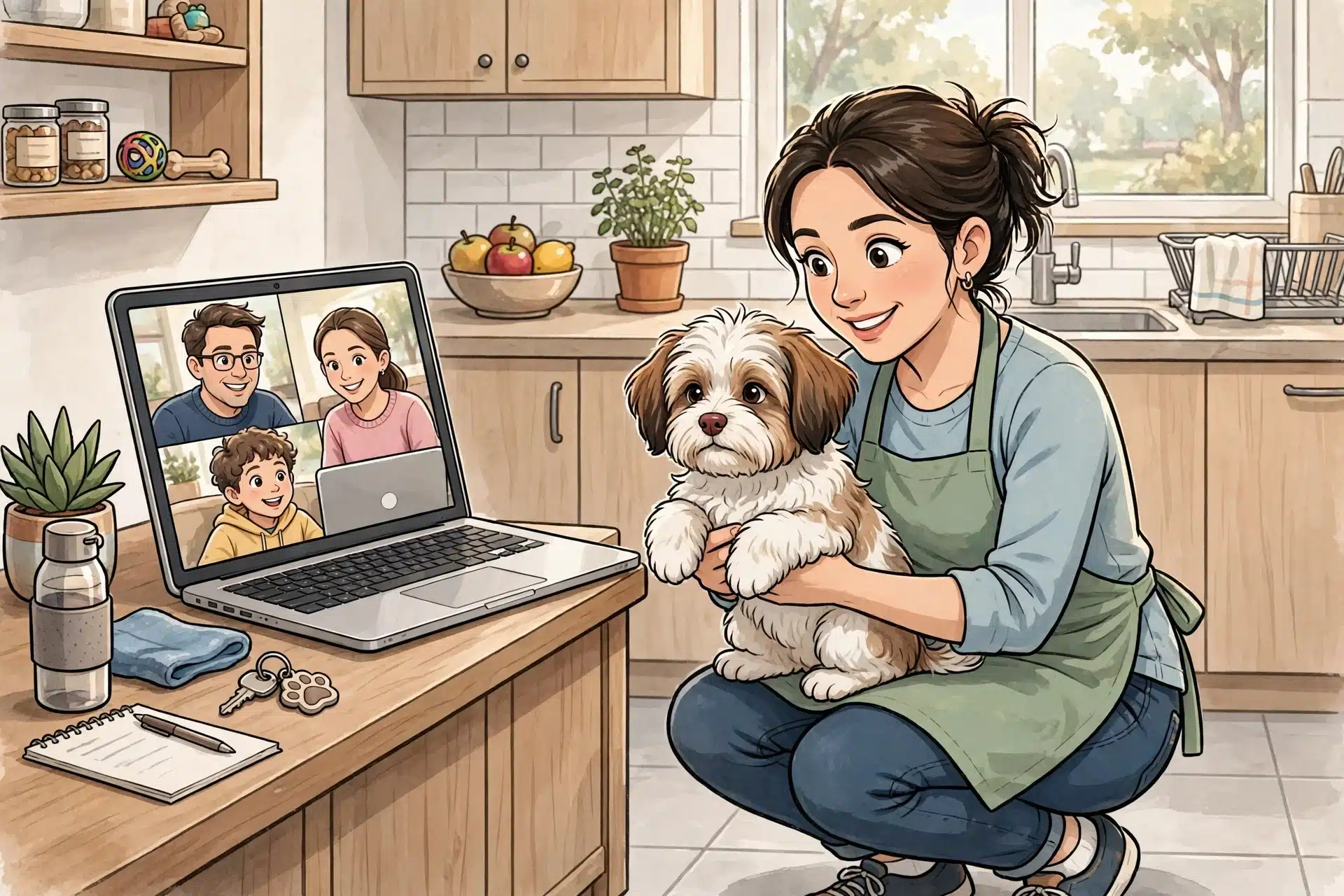
Photos and phone calls can hide a lot. A visit, in person or on video, shows you the breeder’s real conditions, so watch closely and take notes.
The Environment Checklist
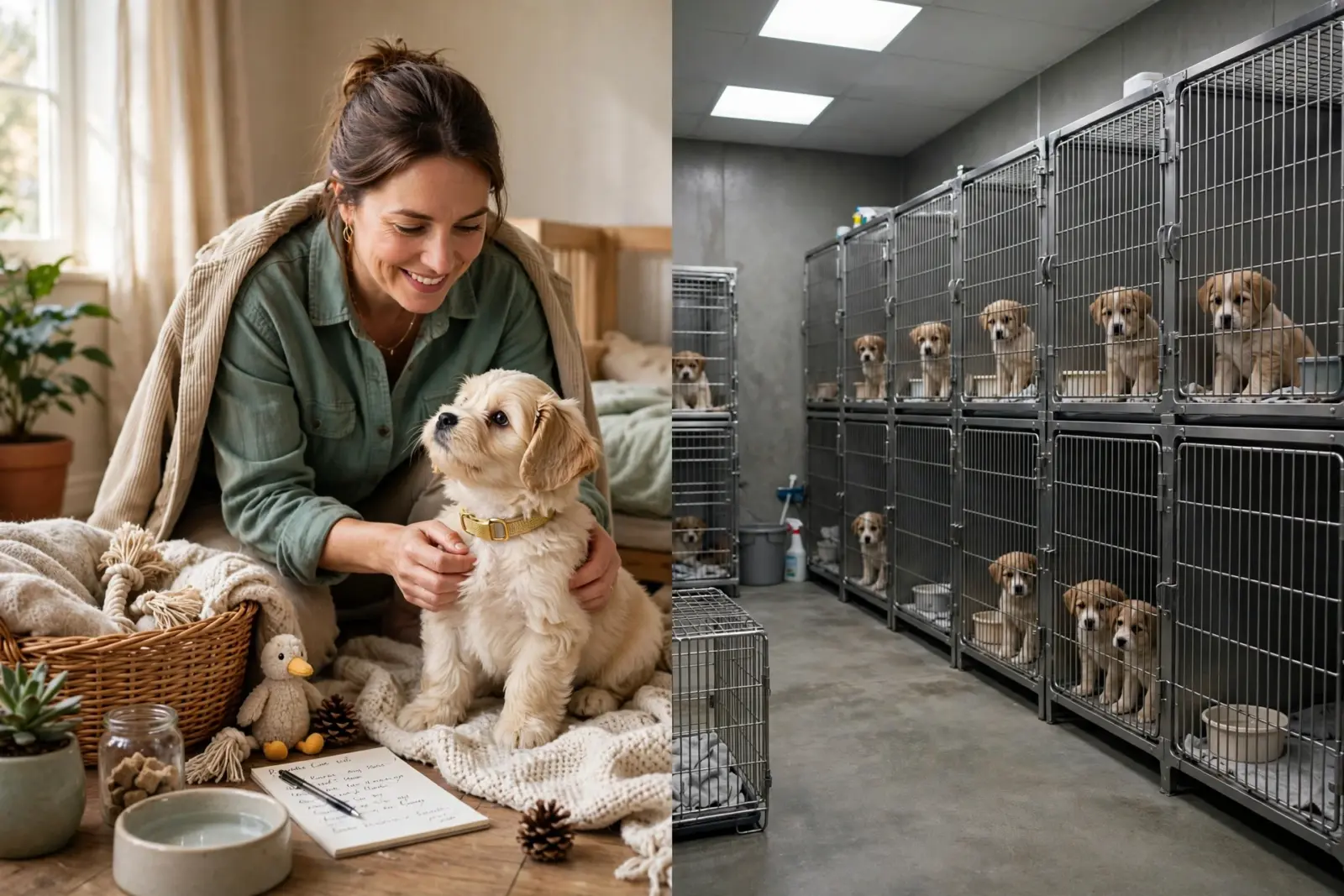
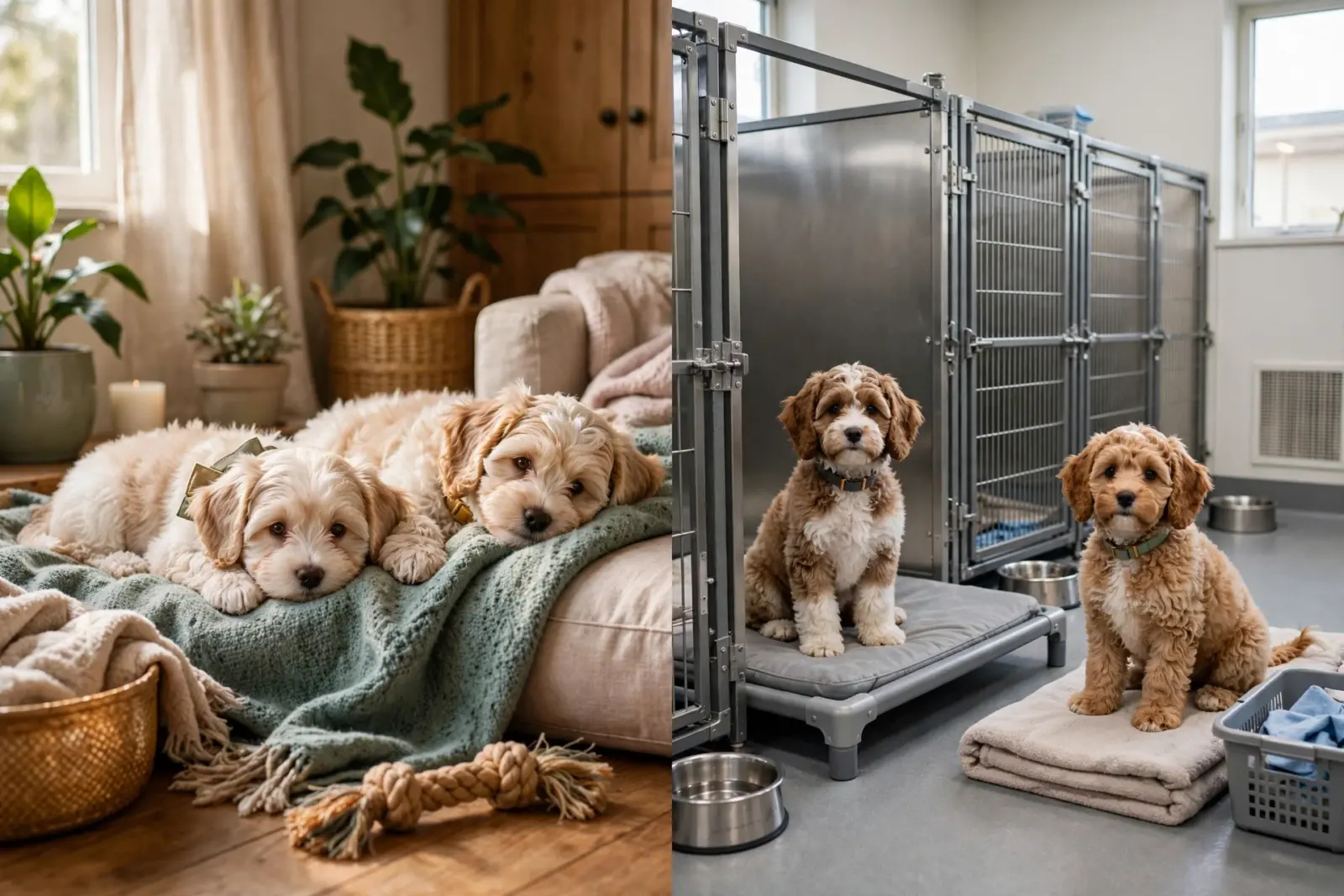
Look for a clean, safe home setting where puppies live with people, not in cages or kennel runs. Floors and bedding should be dry, food and water fresh, and the space free of strong ammonia smells. Puppies should seem curious and comfortable with visitors. A breeder who refuses any visit or video call is a serious warning sign.
The Dam, the Sire and the Litter
Ask to see the mother first. Her coat, weight and mood tell you a lot about her care. If the father lives elsewhere, ask for photos and his health test results. Check that the litter looks even in size, with no puppy lagging behind. Count them, and compare against the litter record.
What to Ask to See During or Right After the Visit
Request the paperwork in person: the parents’ OFA and CHIC health testing records, vaccination and deworming dates, and the vet exam notes for the litter. Ask to watch a feeding. A responsible breeder will hand these over gladly, so hesitation deserves a follow-up question. When you’re ready to move ahead, Sage Puppies’ team walks you through exactly this process.
Health Testing Questions for Havanese, Havapoo and Cavapoo Parents
Ask each breeder for three things: the parent’s OFA or CHIC number, the specific tests behind it, and permission to look the results up yourself. OFA’s public database lets you verify every claim in minutes, so a breeder who won’t share numbers has told you something important.
Keep Three Layers of Health Evidence Separate
DNA tests, physical screenings, and verifiable registry results are not the same thing. A “genetically clear” parent may never have had hips, knees or eyes examined. A good answer covers all three: breed-appropriate DNA panels, hands-on vet exams, and results you can confirm online. Ask which tests each parent passed and when.
Havanese and Havapoo Health Questions
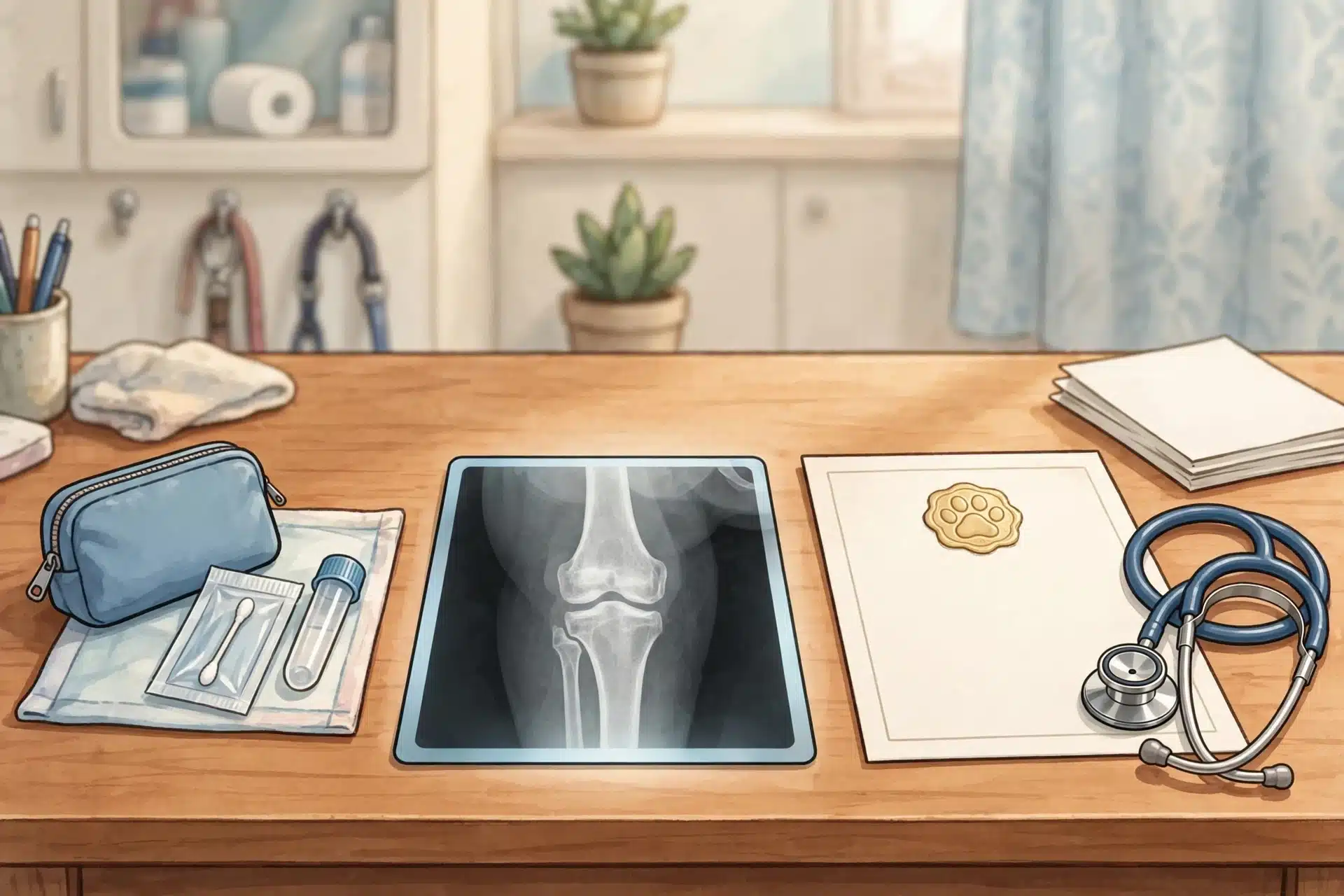
For a Havanese parent, ask about the three CHIC requirements: CAER eye exams, hip and patella evaluation. Eyes need repeating yearly, so ask for the date of the last exam. For Havapoos, expect the Havanese side covered plus poodle-side screening. Question four for both: did either parent’s exam flag anything? Honest breeders explain results; vague ones hide them.
Cavapoo Health Questions and Red-Flagged Marketing Terms
Cavalier parents need heart and neurological attention: ask about cardiac exams for mitral valve disease and imaging or screening for syringomyelia, plus eye and patella checks. Treat “health tested” with no specifics, “vet checked” offered instead of parent testing, and “guaranteed healthy” replacing documentation as red flags. If you want a deeper list, our guide to questions about health-tested puppy parents walks through it step by step.
Breeder Contract Questions: What a Good Agreement Should Cover
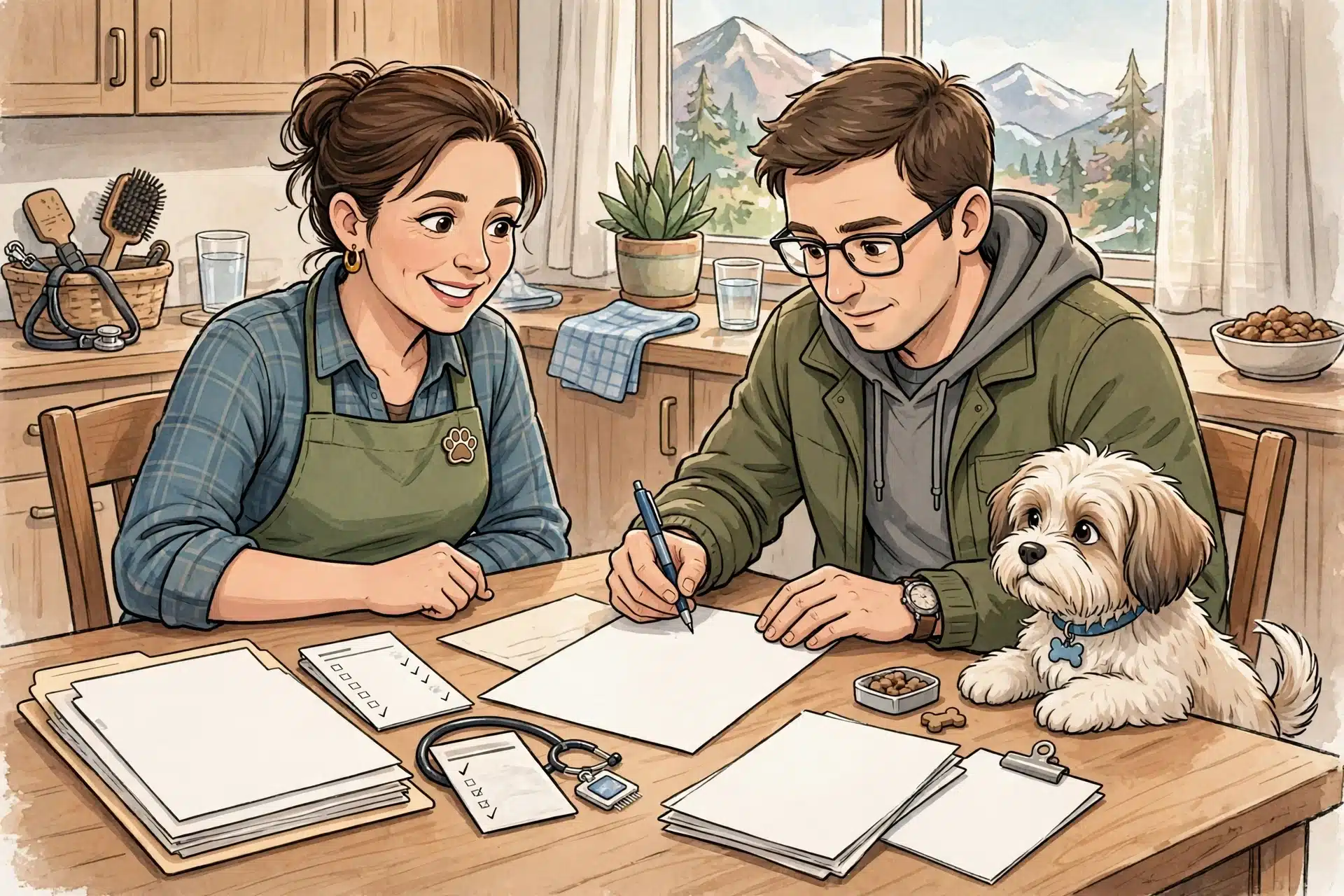
A good breeder contract and health guarantee include the puppy’s identifying details and price, a written health guarantee with clear scope, and a return-to-breeder clause. Ask for the agreement before you pay a deposit. A breeder who resists putting terms in writing is telling you something.
Identity, Price and Paperwork
Start with the basics. The contract should name you and the breeder, state the full price, and list the puppy’s breed, sex, color, microchip number and date of birth. Look for what comes with the puppy, such as vaccination and deworming records, a vet exam date, registration papers where they apply, and a feeding schedule. Keep a signed copy. If terms live only in a text thread, you have no protection.
Health Guarantee Scope and Exclusions
Health guarantees vary a lot, so read the scope before you trust it. A solid guarantee states how long it covers genetic conditions, which tests back it, and whether it covers vet exam costs in the first few days. Ask what voids the coverage, because missed vet visits or late spay dates often do. Watch for breeders who promise the puppy will “never get sick.” That is not a guarantee; it is marketing.
Return Clause, Spay or Neuter and Support
The most important clause is often the least noticed. A responsible breeder will take the dog back at any age, no questions asked, rather than let it end up in a shelter. Check when spay or neuter is required, and ask whether the breeder offers lifetime support. A good contract answers all three before you sign.
Responsible Breeder or Puppy Mill: the Signals That Matter
The difference comes down to how the breeder treats the dogs, not how nice the website looks. A responsible dog breeder’s signs are mostly about openness and health work, while puppy mill warning signs are mostly about secrecy and volume. Watch for these patterns on both sides.
What Responsible Breeding Behavior Looks Like
A good breeder invites you in or on a video call, lets you meet the mother, and explains health testing like OFA and CHIC results in plain terms. They ask you questions too, because matching a puppy to your home matters more than speed. Puppies grow up in the house, not a kennel run, and they stay with mom until 8 weeks or later.
What Puppy Mill Behavior Looks Like
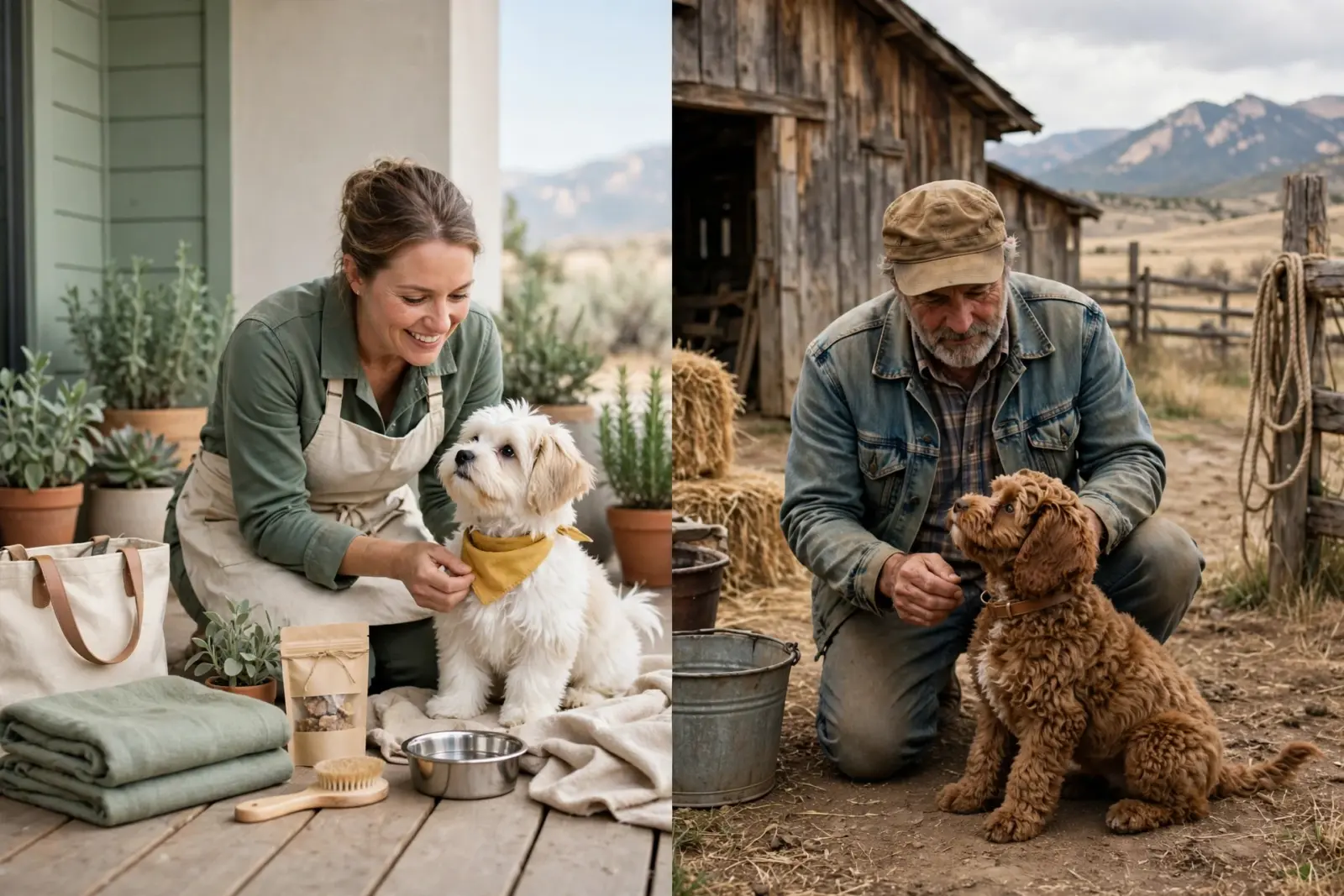
Watch for sellers who always have “new litters ready now,” refuse visits, or meet you in a parking lot. Red flags include no health testing records, multiple breeds sold constantly, and puppies kept in barns or basements you never see. Pressure to pay a deposit fast, no questions about your home, and no return-to-breeder clause are all signs the puppy’s welfare isn’t the priority.
How to Act When Something Looks Wrong
Trust your gut. If something feels off, walk away, even if you’ve already fallen for a puppy’s face. Ask for records in writing and see how the seller responds. A defensive or vague answer tells you everything. Programs like Sage Puppies in South Jordan welcome questions and visits, and a serious breeder anywhere will do the same. Report suspected mill operations to local animal control.
Common Mistakes to Avoid During the Search
Paying a Deposit Before Seeing Records
Never send money before you see proof. Ask for the parents’ health test results in writing, then verify them yourself on the OFA database. A breeder who stalls, sends photos instead of certificates, or pressures you to “hold” a puppy today is telling you something. Deposits are easy to send and hard to recover, so treat records as your first checkpoint. Any breeder worth your deposit will share results happily.
Reading Promises Instead of Records
Words like “champion lines” and “vet checked” sound reassuring, but they prove little. “Vet checked” means one exam, not genetic screening. “Champion lines” says nothing about the puppy’s parents. Instead, read the actual documents: OFA or CERF results, the health guarantee terms, and the contract’s return clause. If a breeder can back every claim with paperwork, the promise part takes care of itself. This habit filters out most puppy mill warning signs before you fall in love with a face.
Local Pickup or National Delivery: Questions to Ask Either Way
Whether you drive or ship, ask who travels with the puppy, how the schedule is set, and what happens if a flight or trip falls through. Good breeders answer these before you pay anything.
If You Are Picking Up in Utah
Confirm the exact pickup location and time, and ask to meet the mother and see where the litter was raised. Agree on what to bring: a harness, water, and someone to hold the puppy on the ride home. Ask how the breeder handles a puppy who seems stressed or car-sick, and whether they’ll send food and scent items from home.
If You Are Outside Utah
Ask who handles the flight or ground transport, what airline or service is used, and who holds health paperwork during the trip. Get the total delivered price in writing, plus the plan for weather delays or cancellations. Reputable programs use in-cabin or ground transport, never cargo-only routes, and confirm pickup details before the deposit clears. For a fuller comparison of routes and carriers, see puppy delivery vs pickup transport options.

Now you have the questions, put them to work. Compare every breeder against them, and see who answers freely. At Sage Puppies, Cassie welcomes these questions about her Havanese, Havapoo and Cavapoo puppies, because a breeder with nothing to hide is the whole point. Start your application today.
Frequently Asked Questions
Q1: How can I tell a responsible dog breeder from a puppy mill?
Ask to visit, meet the mother, and see OFA or CHIC records. Responsible breeders welcome questions and invite you in; puppy mills refuse visits, always have new litters, and pressure you to pay a deposit fast.
Q2: What health tests should I ask a Havanese, Havapoo or Cavapoo breeder about?
- Ask for each parent’s OFA or CHIC number. 2. Request the specific tests behind it. 3. Verify results yourself on OFA’s database. Havanese parents need CAER eye exams plus hip and patella checks; Cavalier parents need cardiac exams.
Q3: What does a good breeder contract and health guarantee include?
- Puppy’s identifying details and full price
- Written health guarantee with scope and length
- Return-to-breeder clause at any age
- Spay or neuter timing
- Vaccination, deworming and vet records
Q4: How long should a puppy stay with its mother?
At least 8 weeks, sometimes longer for small breeds. Breeders sending puppies home earlier skip important socialization with the litter.
Q5: Should I pay a deposit before visiting?
No. See health records and the puppy’s environment first, then deposit. Verification costs nothing and protects your money.
Q6: Can I get a puppy delivered if I live outside Utah?
Yes. Ask who transports, whether travel is in-cabin or ground only, and get the total delivered price and delay plan in writing first.
Conclusion
Choosing a Utah puppy breeder comes down to proof, not promises. Ask the 12 questions before paying a puppy deposit, verify the parents’ OFA and CHIC results yourself, and read the contract for a return-to-breeder clause. Meet the mother in person or on video, and treat secrecy or pressure as puppy mill warning signs. Match health testing to the breed: eye, hip and patella screening for Havanese and Havapoo parents, cardiac exams for Cavaliers. Breeders who answer freely, put terms in writing, and offer a clear puppy health guarantee are the ones worth your deposit.