Quick Summary: Picking a family puppy breeder in Utah comes down to documents, not photos. Check that the parents’ health tests show up in the OFA database, ask for a live video tour of where puppies live, and insist on a written contract with matching process and refund terms before any deposit. Focused owner-managed programs like Sage Puppies in South Jordan handle Havanese, Havapoo, and Cavapoo lines and usually answer health, socialization, and visit questions faster than breeders with long breed lists. Skip any breeder who pressures you to pay upfront, always has puppies available, or dodges hard questions about health screening.
You have spent weeks scrolling through Havanese, Cavapoo, and Havapoo photos. Every Utah breeder website starts to look the same, with cute galleries and warm promises. Then you ask for the parents’ health records, and the silence tells you everything.
That gap between a polished website and real proof is the problem this guide solves. Choosing a Havanese breeder in Utah should rest on documents, not photos: health testing you can verify, clean home conditions you can see, and an owner who answers hard questions without flinching. The same standards apply whether you are talking to a Cavapoo breeder in Utah or a Havapoo breeder in Utah.
We draw on the daily work of running a small South Jordan program for these three breeds, so each step here comes with the exact questions, records, and red flags to check before you place a deposit.
Step 1: Define What ‘Family-Raised’ Should Actually Mean in Utah
“Family-raised” tells you where a puppy grows up, not how well it was bred. A puppy can be raised on a kitchen floor and still come from parents no one health tested. So treat the phrase as a starting point, then look for evidence: documented health testing of the parents, a written contract, and a breeder who lets you see where the dogs live. Responsible breeders prioritize health over looks and screen for inherited conditions, as Cornell’s canine health center explains.
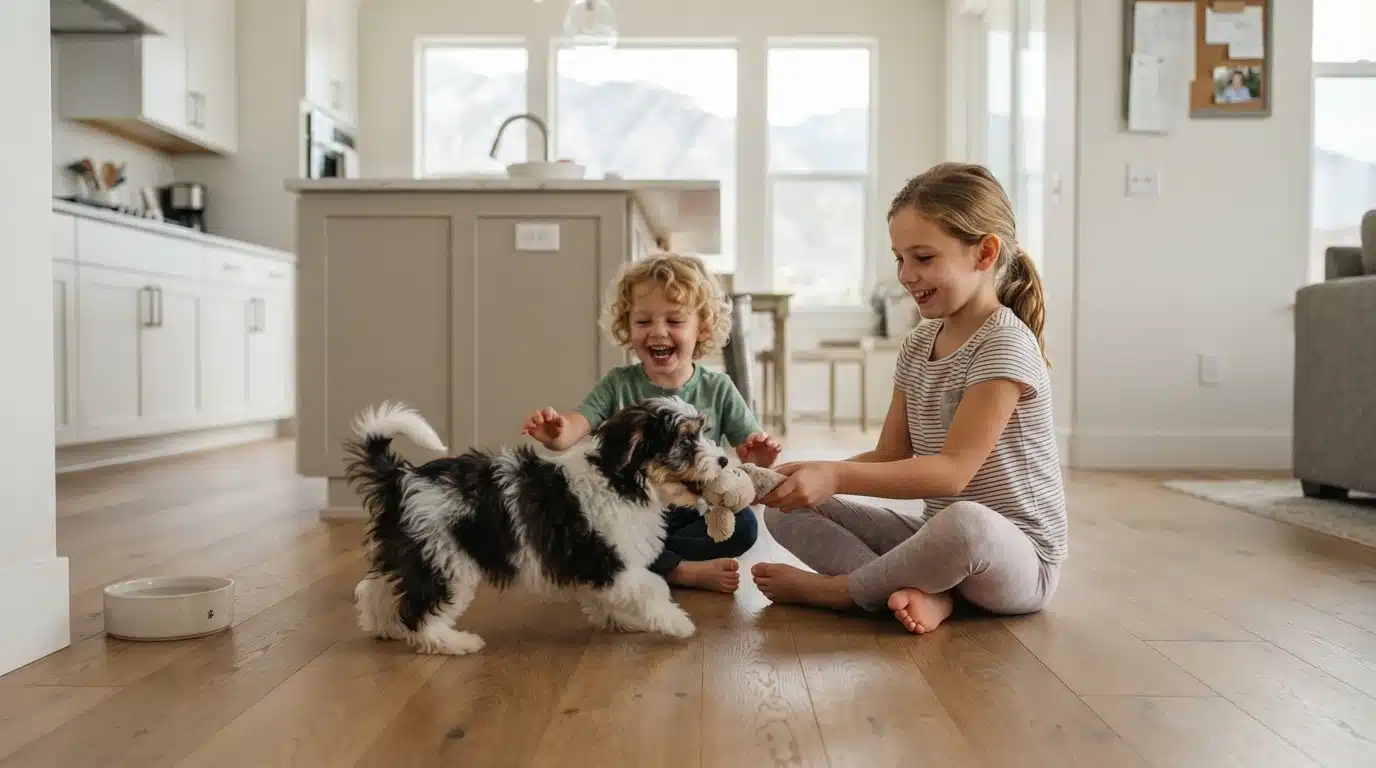
It should also imply daily handling, early exposure to household noise, and a breeder who asks you questions back. It should not imply a guarantee of temperament, a hypoallergenic coat, or a dog that needs no training.
Why Utah families often benefit from one or two focused breeds
Breeders who focus on one or two breeds know their lines deeply. They can tell you why they paired two specific dogs and what they bred for. When you compare a Havanese breeder in Utah against a Havapoo breeder in Utah and a Cavapoo breeder in Utah, depth beats variety. A focused small program, like Sage Puppies with its Havanese, Havapoo, and Cavapoo lines, can give you real answers about each pairing instead of a long breed list. For a broader look at the options, this guide to choosing a puppy in Utah walks through the three breeds.
Set your minimum standards before you contact anyone
Decide now what you will not compromise on: proof of parent health testing, a clean home environment you can visit or view on video, vaccination and vet records, and a written purchase contract. Write these down before your first call, and ask every breeder the same questions. Consistency makes comparisons honest.
Step 2: Verify Health Testing on the Actual Parents
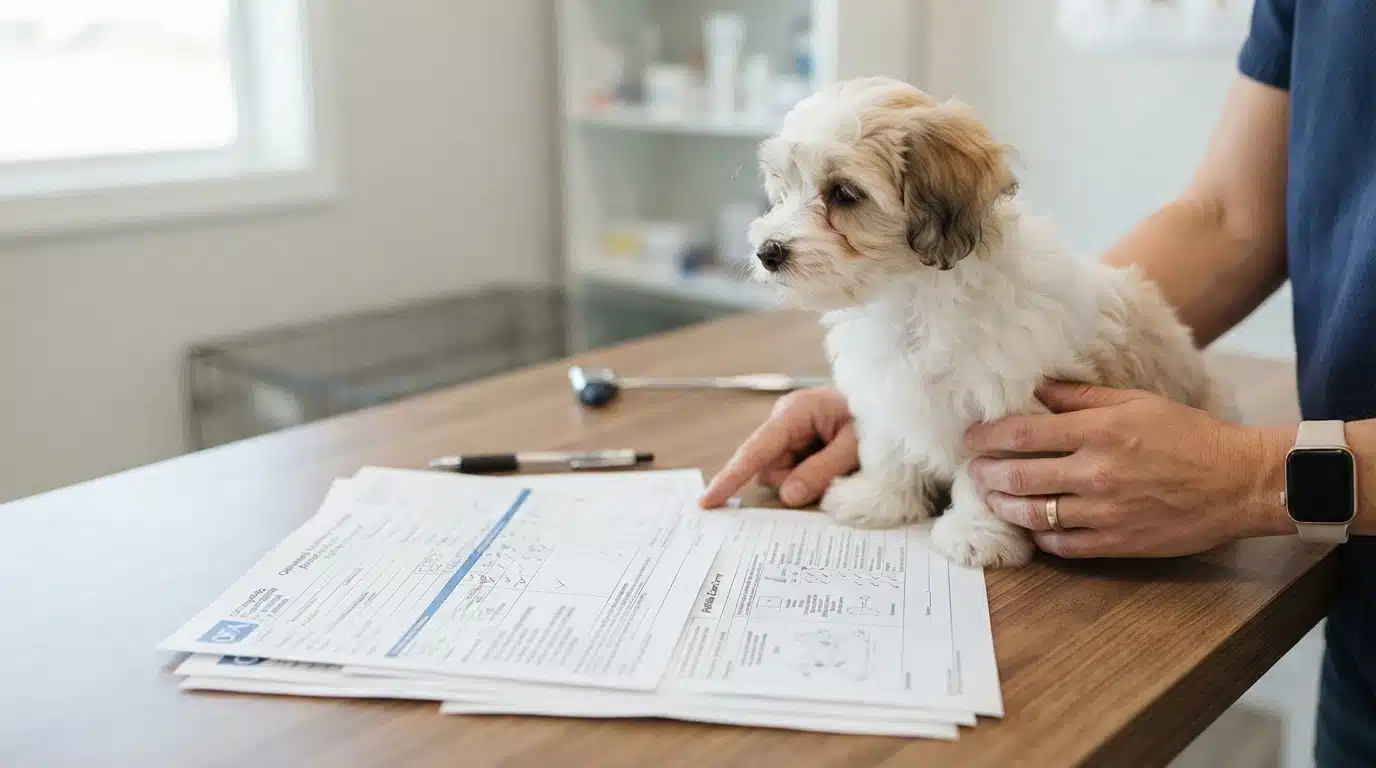
Health testing means the breeder screened the parent dogs for inherited problems before breeding them, and the results are on record. Paperwork matters less than what the tests actually show. Ask for each parent’s registered name so you can look them up yourself.
What breeders should test for by breed
Each breed carries its own risks, so the test list differs. A Havanese breeder Utah families work with should show OFA hips, patellas, cardiac exams, and eye checks. For Havanese CHIC certification, the club requires OFA hips, patellas, and annual eye exams. Cavalier parents need heart and eye screening, plus patella checks for a Cavapoo breeder Utah buyers consider. Poodle lines add hips. Any Havapoo breeder Utah families evaluate should cover the risks on both sides. At minimum, expect patellas and cardiac on every small-breed parent, since both problems are common in these mixes.
How to read the OFA database and CHIC numbers
The Orthopedic Foundation for Animals keeps public records, and dogs must be at least 24 months old for OFA hip certification, or 12 months for cardiac and patellas. Type each parent’s registered name into the search at ofa.org. The CHIC report lists every test performed, the dog’s age at testing, and the result in one place. A CHIC number shows the tests were done and shared publicly, not that every result was normal. Read the actual results, especially heart clearances for Cavaliers.
Separate evidence from assumptions about guarantees
A health guarantee is a contract about what happens if a puppy gets sick. It is not proof the parents were tested. Verify test records in the OFA database yourself, then read the guarantee’s terms, deadlines, and exclusions carefully. Teams like Cassie’s at Sage Puppies document parent testing per litter, which makes this verification quick.
Step 3: Read the Breeder’s Application, Waitlist, and Puppy-Matching Process
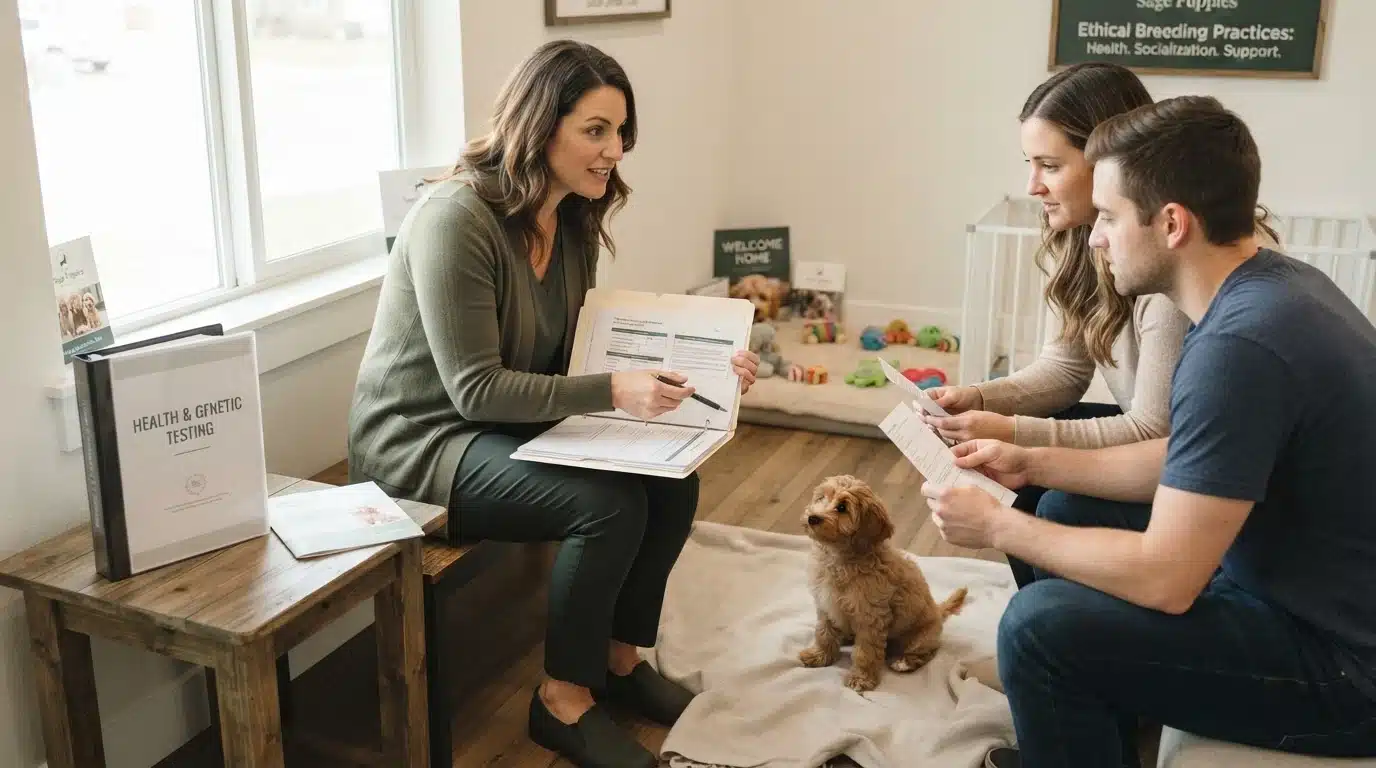
A serious Havanese breeder in Utah will screen you as carefully as you screen them. The application, waitlist, and matching process tell you more about a program than its puppy photos ever will.
What a real application is designed to do
A real application protects the puppy, not the sale. Expect questions about your home, work schedule, kids, other pets, and experience with small breeds. Breeders use these answers to spot good fits and rule out homes that cannot meet a Havanese, Havapoo, or Cavapoo’s needs. Vague one-page forms, or none at all, are a warning sign. Sage Puppies, for example, uses a written puppy application before any reservation is confirmed.

Waitlists, deposits, and how selection usually works
Most small-breed programs keep a waitlist because litters are small and planned months ahead. Ask three things: when the deposit is due, whether it is refundable, and how puppies are matched. Good programs often pick in deposit-order once they know each family, but many reserve the right to place a puppy where it fits best. Both approaches are fair. What matters is that the breeder explains the rules in writing before you pay anything.
When to walk away
Walk away if the breeder pressures you to send a deposit before you have asked questions, refuses to explain the matching process, or promises a specific puppy on demand. Other red flags: “puppies available now” year-round, no waitlist at all, and full litters for sale with no screening. A patient breeder with a waiting list is usually doing something right.
Step 4: Tour, Visit, or Video-Walk the Where Puppies Are Raised
Seeing where puppies live tells you more than any website. A trustworthy Havanese breeder in Utah will welcome an in-person visit or a live video walk-through without hesitation, because the setup is part of their reputation.
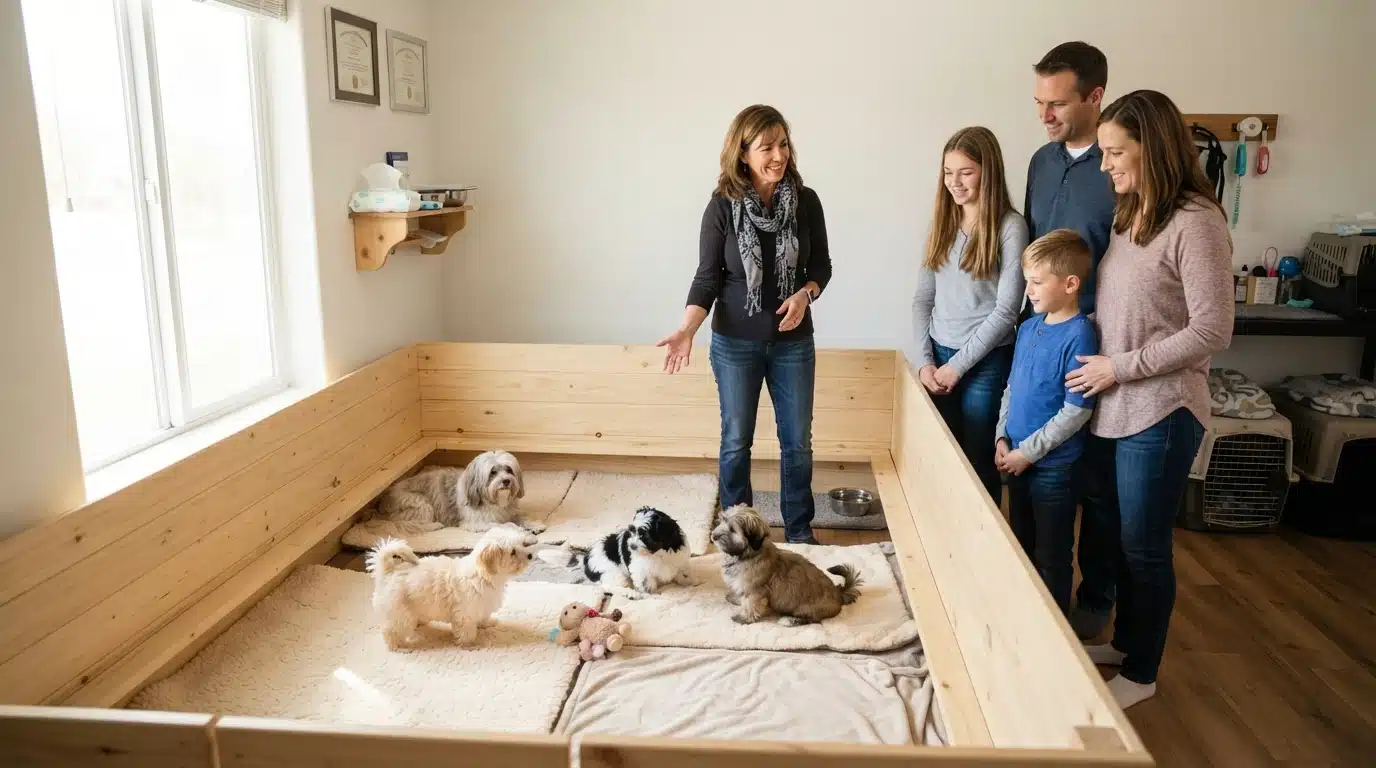
What a clean, low-stress setup looks like
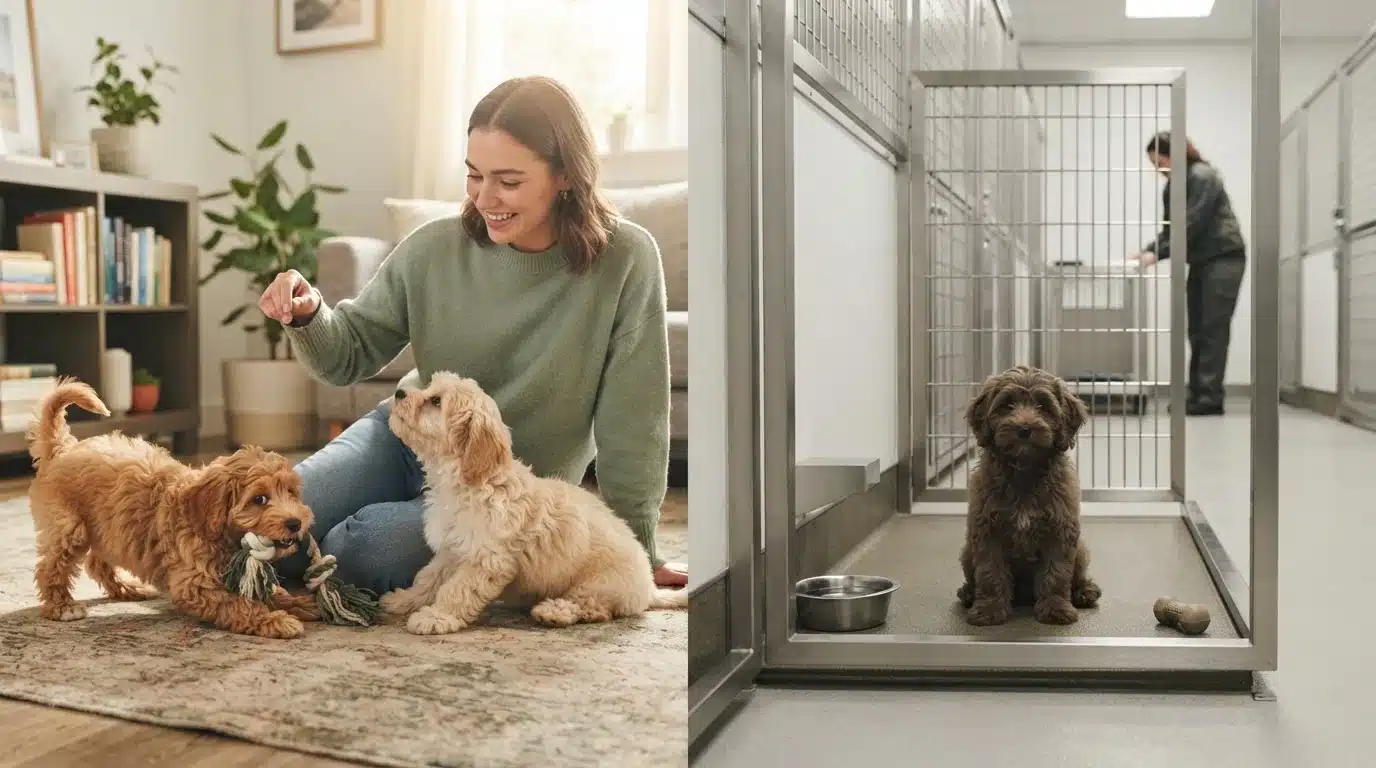
Look for three things: sanitation, space, and calm. Floors and whelping boxes should be clean and easy to wash, with fresh bedding and no strong odor. Puppies need room to move, toys, and safe exposure to household sounds like a vacuum or doorbell. Adult dogs should look relaxed, friendly, and well groomed, not kenneled behind barriers. Ask where puppies sleep, eat, and play, and how often they are handled. A home-based program usually raises litters in the middle of family life, which builds early social skills.
If you cannot visit, what a credible video call shows
A live call should follow the breeder’s camera through the actual puppy area, not a scripted highlight reel. Ask them to show the whelping space, the puppies moving and playing, and the mother interacting with the litter. Real-time video lets you request angles, so ask for a view of food, water, and bedding up close. Frozen photos or recycled clips are a yellow flag; a confident breeder offers the live version.
Questions to ask the breeder live
Bring a short list and take notes. Ask:
- How many litters do you raise each year?
- Where do the puppies sleep, and who handles them daily?
- What early training or socialization have they already started?
- How do you match puppies to families?
If you want to see an owner-managed home setting firsthand, a local visit such as a Utah pickup lets you meet the whole program in one trip.
Step 5: Confirm Socialization, Temperament Work, and Age-Appropriate Development
A great Havanese breeder in Utah raises puppies, not just litters. Ask what each puppy experiences week by week, because the first three months shape adult behavior more than anything you do later. The AVSAB position statement identifies the first three months as the window when sociability outweighs fear, which is why a breeder’s daily handling matters so much.
A simple timeline: birth to go-home day
Expect a rough pattern like this:
- Weeks 1-2: quiet nesting, weight checks, gentle handling.
- Weeks 3-4: eyes and ears open; puppies start noticing people, sounds, and textures.
- Weeks 5-7: play with littermates, new surfaces, crates introduced, short car rides.
- Week 8 and beyond: individual personalities become clear, and matching to families gets serious.
Ask the breeder to walk you through this out loud. Vague answers deserve follow-up questions.
Early Neurological Stimulation and other named protocols
Many small-breed programs use Early Neurological Stimulation (ENS) and Early Scent Introduction (ESI) during days 3-16. These are short, structured exercises, not magic. What matters is consistency and honest reporting. A breeder doing real ENS will describe the five holds and the daily routine without hesitation.
What your family should keep doing after pickup
Socialization does not stop at go-home day, and the window stays open until about 14 weeks. Plan safe outings, car rides, and calm handling of new sights and sounds right away. Any Havanese breeder in Utah worth shortlisting will send you home with a continuation plan, so ask for one before you commit. The UC Davis puppy socialization guide is a solid reference for that first month.
Step 6: Read the Contract, Health Terms, and Pickup or Delivery Plan
A serious breeder puts everything in writing before money changes hands. If a program resists that, keep looking.
What should be in writing before you send a deposit
Expect a signed contract that names both parties, the puppy, and the total price. The AKC’s breeder contract guide notes that written terms usually cover health guarantees, spay or neuter expectations, and a return clause if the home ever fails. Ask how the guarantee is backed: parent health testing, a vet exam before go-home, and a fair window for your own vet visit. A trustworthy Havanese breeder in Utah will hand you these documents before you pay, not after.
Pickup in Utah vs delivered: what changes
Local pickup lets you meet the breeder, see where the puppy was raised, and ask questions in person. Delivery trades that visit for convenience, so the paperwork matters more. Confirm who transports the puppy, what travel costs, and what happens if a flight is delayed. Either way, get the go-home date and refund terms in writing. We cover both paths on our pricing and reservation page.
Pricing context without invented market averages
Sage Puppies prices its Havanese, Havapoo, and Cavapoo puppies between $3,500 and $4,500, and every program sets its own range. Compare total value instead of one number: health testing, support after go-home, and clear terms. That is how to judge any Havanese breeder in Utah fairly.
Common Mistakes to Avoid When Choosing a Utah Family Puppy Breeder
Most bad breeder experiences start with one shortcut. Skip these three and you avoid the majority of them.
Trusting a website or license number alone
A polished site and a license number prove very little. USDA licensing mainly covers breeders who sell wholesale or sight-unseen, so many small home programs operate without one, and a printed number on a homepage tells you nothing about how puppies are raised. Verify any claim through the USDA Animal Care search tool, then judge the program on health testing and transparency. Any Havanese breeder in Utah worth your deposit will welcome those questions.
Choosing a puppy by photo or “first pick” fee
Cute photos hide temperament, structure, and health. A “first pick” fee rewards whoever pays most, not the family the puppy actually fits. Good breeders match personality to your household after watching the litter develop, which takes about eight weeks.
Skipping the contract or relying on handshake terms
A written contract protects both sides: health records, return terms, and spay or neuter expectations. If a breeder resists putting terms in writing, walk away. Owner-managed programs like Sage Puppies build matching and written terms into one application from the start.

You came here to find a Havanese breeder Utah families can actually trust, and that same checklist applies to us. See how Sage Puppies answers every question above, then start the application and ask us anything. Whether you want a Havanese breeder Utah based or one that delivers, we are ready.
Frequently Asked Questions
Q1: How do I pick a good family puppy breeder in Utah?
Start with documents, not photos. Verify parent health testing in the OFA database, request a live video walk-through of the puppy area, and get the contract, matching process, and refund terms in writing before any deposit.
Q2: What questions should I ask a family puppy breeder before buying?
Ask how many litters they raise yearly, where puppies sleep, what health tests each parent passed, how puppies are matched to families, when the deposit is due, and whether it is refundable. Take notes and compare answers.
Q3: What are the signs of a responsible family puppy breeder?
Look for verified parent testing, a real application that screens your home, a waitlist, openness to visits or video calls, written contracts, and daily handling. Pressure tactics and puppies-available-now listings are red flags.
Q4: How much should a Havanese, Havapoo, or Cavapoo puppy cost in Utah?
Prices vary by program. Sage Puppies, for example, prices its three breeds between $3,500 and $4,500. Compare total value, including health testing, contract terms, and go-home support, rather than one number.
Q5: Can I get a Utah puppy delivered if I live out of state?
Yes, most small programs offer delivery. Confirm in writing who transports the puppy, what travel costs, and what happens if a flight is delayed, then rely on the paperwork more heavily since you skip the in-person visit.
Conclusion
Choosing a breeder comes down to evidence. Verify parent health testing in the OFA database yourself, ask for a live tour or video walk-through, and expect a real application, a waitlist, and a written contract before any deposit. Read the health terms carefully, and treat pressure tactics or puppies-always-available listings as reasons to walk away.
The same checklist works for a Havanese, Havapoo, or Cavapoo, whether you pick up in Utah or have your puppy delivered out of state. Focused, owner-managed programs tend to answer these questions fastest because they know every pairing. Compare total value, not just price, and trust the breeder who welcomes your hardest questions.