
Quick Summary: Adopting a Delaware shelter puppy requires preparation: call ahead to confirm availability and rules, bring a photo ID, proof of address, and landlord approval if renting, and budget $150 to $500 for fees that typically cover spay/neuter, vaccines, and microchipping. Review all health records and the adoption contract before leaving, and plan a calm, crate-secured ride home. If you want a puppy with a known health history and predictable size, consider an ethical breeder like Sage Puppies, which offers health-tested Havanese, Havapoo, and Cavapoo puppies with transparent records and nationwide delivery.
You have found one of the Delaware shelter puppies that seems like a perfect fit. Before you drive to meet it, get ready. Many Delaware animal shelters ask for proof of homeownership or pet-friendly housing, a photo ID, and sometimes vet references. Fees and meeting rules also vary by location, so confirm both by phone or the shelter’s website first.
This guide walks you through each step. You will learn what documents to bring, what adoption typically costs in the state, and how to review a puppy’s health records. We also cover how Delaware dog rescues differ from municipal shelters, so you know which rules apply to you.
Our team has spent years matching families with home-raised, health-tested puppies. We know the questions worth asking and the red flags to catch. Use this plan to adopt with confidence.
Step 1: Check the Shelter’s Puppy Adoption Process Before You Visit
Every shelter runs its own process. Calling ahead saves you a wasted trip and tells you whether Delaware shelter puppies are even available when you plan to visit.
Confirm the puppy and meeting arrangements
Start with a phone call or the shelter’s website. Ask three things: which puppies are currently adoptable, whether walk-ins are welcome or you need an appointment, and who needs to come along. Most Delaware shelters encourage the whole family to meet a puppy before committing, and some want resident dogs to meet too.
Also ask about the stray holding period. Delaware requires shelters to hold strays so an owner can reclaim them. A puppy you see online may not be available for several more days.
Tip: If a specific puppy is listed, ask the staff to note your interest. Popular puppies can have more than one family asking.
One more thing worth deciding early: whether adoption or a breeder fits your family better. We wrote a full comparison of puppies for sale in Delaware and how to compare breeders, because the questions you ask differ between the two.
Know what is statewide and what is shelter-specific
Delaware sets a baseline that every shelter must meet. The state’s Office of Animal Welfare inspects shelters on veterinary care, intake exams within 72 hours, vaccinations, and records, as you can see in a public shelter inspection report.
But each shelter adds its own rules. Fees, application questions, age minimums for adopters, and same-day take-home policies vary by location. Brandywine Valley SPCA, which handles animals for Delaware Animal Services, uses walk-in visits, a short questionnaire, and an adoption counselor, and charges different fees for puppies than for adult dogs. Ask your shelter for its exact fee sheet and required documents before you drive over.
Step 2: Gather the Documents and Household Details the Shelter May Request
Most Delaware shelters ask for more than a completed application. They want proof that you are who you say you are, that your housing allows pets, and that your home is set up for a puppy. Pulling these items together before you apply saves days of back-and-forth, which matters when several families may want the same litter.
Bring identification and housing confirmation
Start with the basics every rescue checks first:
- A government-issued photo ID with your current address
- Proof of address if your ID is outdated, such as a utility bill or lease
- Your landlord’s contact information and written pet approval, if you rent
- Homeowner’s association rules, if they restrict pet breeds or sizes
Many shelters call landlords directly, so ask yours for a short signed letter. If you own your home, have a mortgage statement or tax bill handy as a backup to your ID. Delaware shelter puppies move fast, and a missing landlord letter can cost you the puppy you fell for. When you adopt through a private program instead, the paperwork shifts toward health records and parent testing, which you can compare in our guide to puppies for sale in Delaware.
Prepare household and pet information
The second half of the application is about your household. Expect questions like these:
- Names and ages of everyone living in your home
- Current pets: names, ages, breeds, and vaccination status
- Whether your pets are spayed or neutered
- Your veterinarian’s name and phone number
- Daily hours the puppy will be alone
- Who handles potty breaks, feeding, and training
Call your vet before you apply and ask them to note that you’re a client in good standing. Some shelters also do a home visit or video walkthrough, so have your yard fence, dog crate, and sleeping area sorted ahead of time.
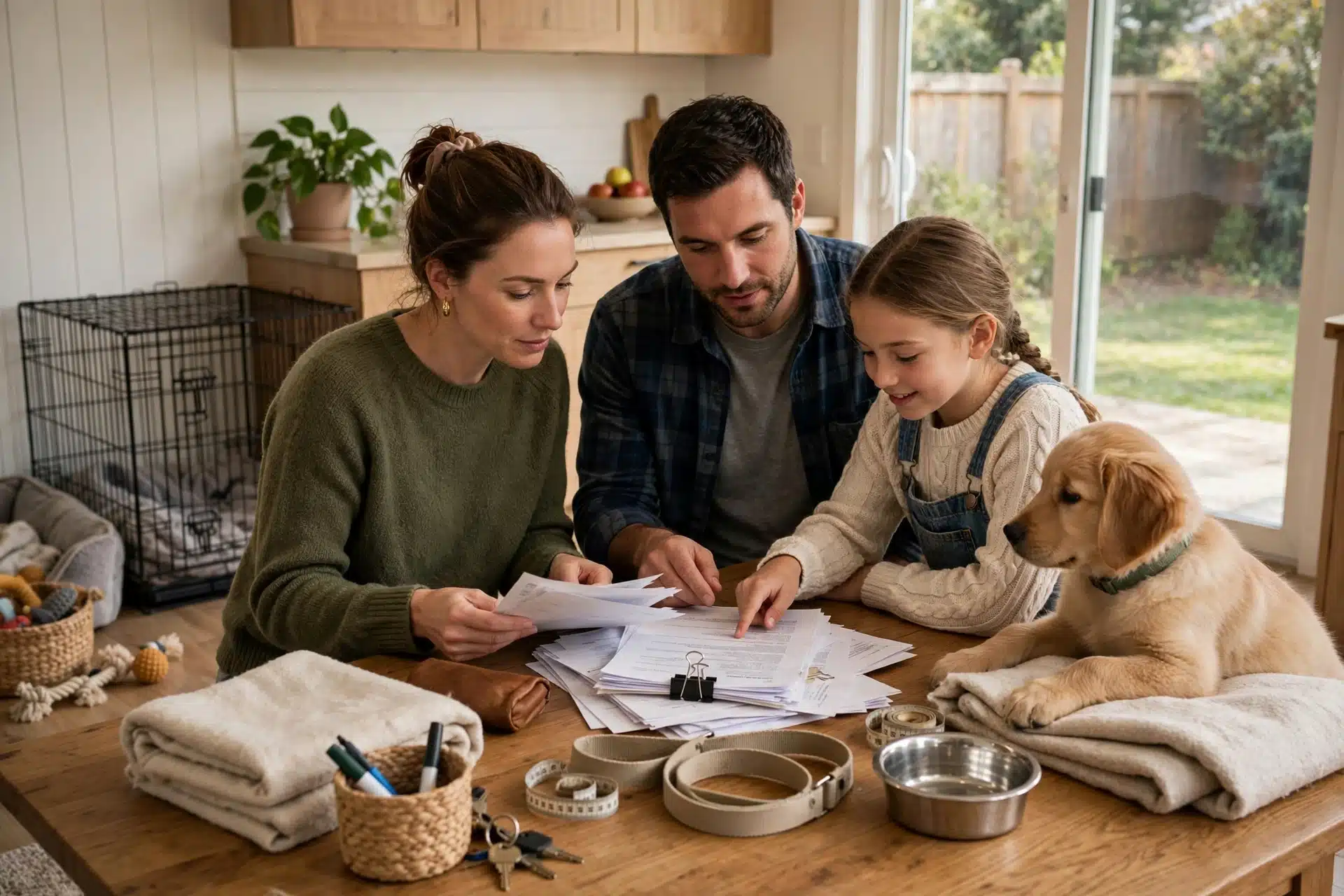
Tip: Keep a single folder, paper or digital, with ID, pet records, and vet info. Families who respond to a shelter’s questions within an hour often beat applicants who take a day.
Once this file is ready, you can apply the same day a Delaware shelter puppies litter hits the website, and most programs review complete applications first.
Step 3: Confirm the Total Adoption Cost and What the Fee Covers
Adoption fees in Delaware vary a lot between shelters. Puppies cost more than adult dogs, and popular breeds can carry a premium. Before you commit, get the exact number in writing and ask what it includes.
Ask for the puppy’s current fee and included services
Call or email the shelter and ask one direct question: “What does this puppy’s adoption fee include today?” Fees change, and a website price may be out of date.
Delaware law sets some of what you should expect. State rules require shelters to vaccinate dogs against distemper, parvo, and bordetella, and to give a rabies vaccine before adoption once the puppy is old enough. See Delaware’s animal welfare code for the full requirements.
Most Delaware shelters also bundle in real value. The state’s own adoption office notes that fees typically cover spay or neuter surgery, worming, vaccinations, and often microchipping and a free health exam voucher. For a concrete example, Humane Animal Partners lists puppy fees at $475 and estimates the included services are worth $550 or more.
| Ask About | Why It Matters |
|---|---|
| Exact fee for this puppy | Fees vary by age, breed, and length of stay |
| Spay or neuter included | Ask the age it will happen and any deposit rules |
| Vaccines and microchip | Confirm dates and get records at pickup |
| Health exam voucher | Some shelters include a free follow-up visit |
Budget for costs beyond the adoption fee
The fee is only the start. Set aside money for:
- First-year vet visits not covered by the shelter, such as booster shots and a full checkup
- Supplies: crate, leash, food, bowls, and toys
- Delaware dog license, required for dogs six months and older
- Training classes, which pay off fast with a young puppy
- Pet insurance or a savings cushion for surprises
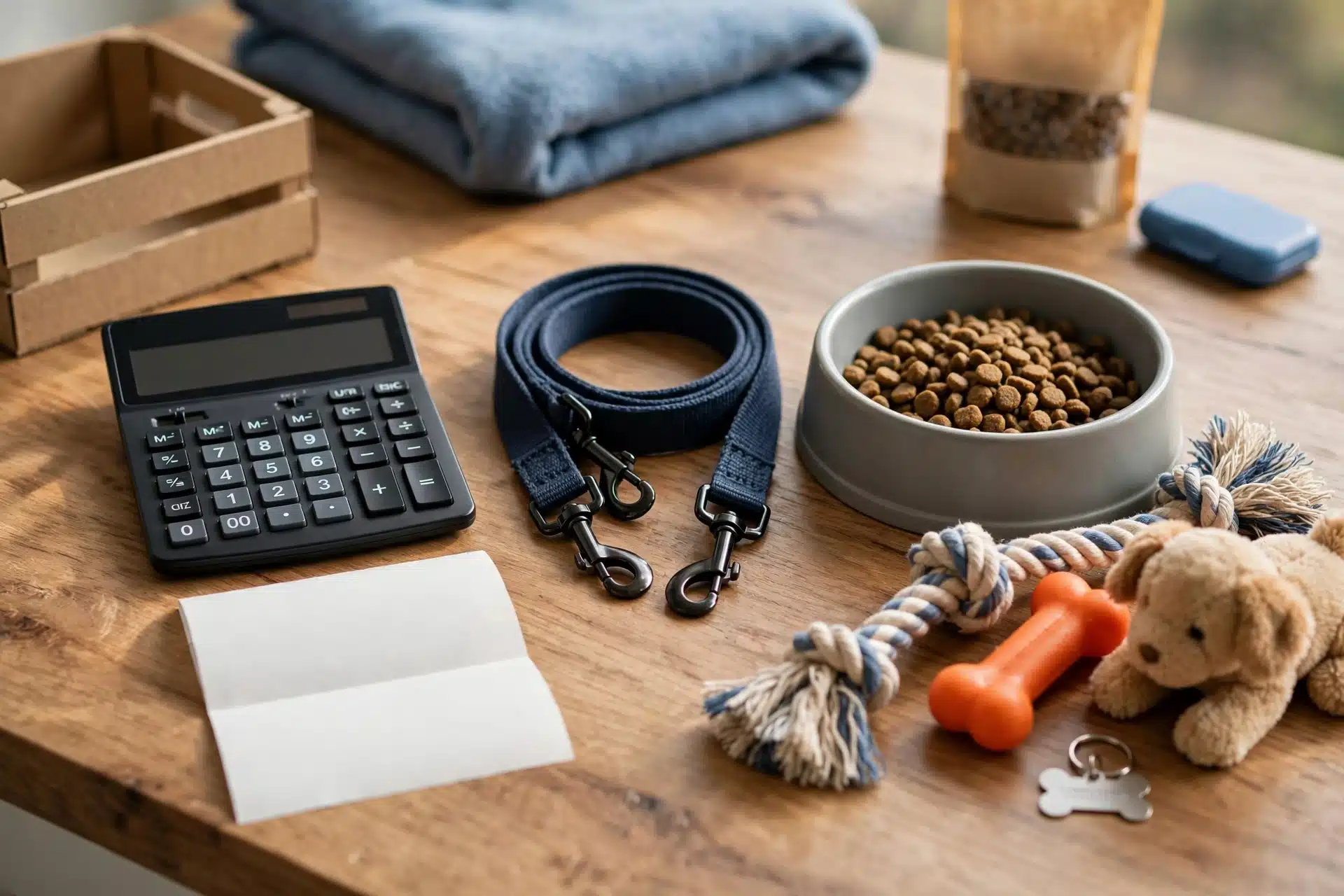
If you’re weighing a shelter puppy against a breeder, compare total costs, not sticker price. A well-planned budget makes either path easier, and our puppy cost and care guide breaks down what first-year spending really looks like.
Step 4: Meet the Puppy and Review Its Care Information
Now comes the best part: meeting the puppy. Whether you visit in person or the shelter brings the puppy out for a greeting, stay calm and observe. Ask questions as you go, and ask to see paperwork before you fall in love completely.
Ask about health records and next steps
Good shelters and rescues hand over records without hesitation. Before you leave, ask for:
- Vaccination history, including which shots were given and when
- Deworming dates and any parasite treatment the puppy received
- Vet exam results, plus any known conditions or past injuries
- Spay or neuter status and whether it is included in the fee
- Microchip number and registration instructions
Also ask what happens next. Some shelters require a follow-up vet visit within a set window. Others include a short return policy if the puppy gets sick right after adoption. Get these details in writing, not just in conversation.
Ask to see where the puppy lives before you decide. Clean kennels, fresh water, and staff who know each puppy by name tell you more than any brochure.
Responsible breeders follow the same logic. At Sage Puppies, for example, families see health testing on the puppy’s parents and the puppy’s early care records before they commit. If a shelter or breeder shrugs when you ask for paperwork, treat that as a red flag and keep looking.
Consider temperament, routine, and fit
Paperwork tells you about the past. Temperament tells you about your future together. Watch how the puppy responds to you, to noise, and to handling. A confident puppy recovers quickly from a startle. A shy puppy needs a quieter home and more patience.
Ask the staff about daily habits:
- Is the puppy crate trained or paper trained?
- How does it act around other dogs or children?
- When does it eat, sleep, and play?
Match those answers to your household. A high-energy puppy in a small apartment is a hard pairing. An easygoing pup may suit a family with young kids better.
Trust what you feel here. The right puppy usually makes itself obvious within a few minutes.

Step 5: Complete the Adoption and Bring Your Puppy Home Prepared
You found a healthy puppy, asked the right questions, and passed the screening. Now comes the easy part: signing, paying, and heading home. Here’s how to finish strong.
Review the paperwork before leaving
Never drive off without the records in hand. Ask the shelter or rescue for:
- Adoption contract with the puppy’s description, fee, and your name
- Vaccination record listing dates and vaccine types given so far
- Deworming history, since most puppies need several rounds
- Spay or neuter details, including any required future date or deposit
- Microchip number, if the puppy has one
- Any medical notes, such as a minor issue the staff is treating
Read the contract before you sign. Some groups include a clause requiring you to return the puppy to them if things don’t work out. Others require a home check or follow-up call. Know what you’re agreeing to.
Double-check that the vaccine record matches the puppy’s tag or folder. If anything is missing, ask for it now. Shelters are busy, and it’s much harder to get records after you leave.
Tip: Photograph every page with your phone before you leave the building. Backups save headaches.
Make the first trip home safe and calm
Plan the ride before pickup day. A puppy loose in a car is a safety risk, so bring a crate or a soft carrier lined with a towel. Have a second person ride along to sit with the puppy and offer quiet comfort.
Keep the car at a steady, mild temperature. Skip loud music. Expect a little crying on the way home; that’s normal.
At your pickup or delivery appointment, ask about the puppy’s current food. Abrupt food changes upset young stomachs, so keep the same brand for a week or two.
Then go straight home. Skip the pet store and the coffee run. Your puppy has just left everything familiar, and a quiet first night sets the tone.

When a Shelter Puppy Is Not the Right Match, Consider Your Other Options
Shelter adoption is a wonderful path, but it is not the only one. Some families want a puppy with a known health history, predictable adult size, or a specific temperament for young kids. Shelters rarely have documented puppy records, and breed backgrounds stay unclear.
An ethical breeder fills that gap. A small program like our step-by-step adoption process shows you the parents, the health testing, and the early socialization behind each puppy. At Sage Puppies, Havanese, Havapoo, and Cavapoo puppies are raised in our South Jordan, Utah home, then picked up locally or delivered to families nationwide.
Responsible breeders are not the opposite of shelters. Both want puppies in prepared, permanent homes. The difference is transparency: you know the lineage, the vet care, and the temperament work from day one.
Ask yourself a few honest questions before you decide:
- Do you need a known adult size or coat type for allergies?
- Does your schedule allow the patience an unknown history sometimes requires?
- Do you want breeder support after go-home day?
If the answers point toward predictability, a well-matched puppy from a health-tested program may serve your family better than a waiting-list gamble. Either way, choosing thoughtfully is what matters.

Ready to meet a health-tested, family-raised puppy without the shelter paperwork guesswork? Sage Puppies offers well-started Havanese, Havapoo, and Cavapoo puppies with transparent records, early socialization, and nationwide delivery. Browse our Available Puppies or start your application today, and bring home a confident companion your family will love.
Frequently Asked Questions
Q1: What documents do I need to adopt a puppy from a Delaware shelter?
Bring a government-issued photo ID and proof of address, like a utility bill. If you rent, add your landlord’s pet policy or written approval. Some shelters also ask for vet references if you own other pets.
Q2: How much does it cost to adopt a puppy in Delaware?
Expect $150 to $500, depending on the shelter and the puppy’s age and breed. Most fees include spay or neuter surgery, first vaccines, deworming, and a microchip, which saves you several hundred dollars upfront.
Q3: What are the adoption requirements for Delaware shelters?
You must be 18 or older with valid ID, and many shelters require all household members to meet the puppy. Renters need landlord approval, and some rescues ask about yard fencing or workday plans for the puppy.
Q4: How long does Delaware puppy adoption take?
Same-day approvals happen often, but rescues with applications and home checks usually take three to seven days. Ask each shelter about its timeline before you fall in love with a specific puppy.
Q5: Are Delaware shelter puppies health-checked before adoption?
Shelters provide vaccine records, deworming dates, and vet notes, but puppies often need follow-up shots after adoption. Schedule a vet visit within a few days so your puppy starts fresh with your own veterinarian.
Q6: Can I adopt from Delaware if I live in another state?
Yes, many rescues adopt out of state with approved applications and transport. Confirm transport fees, health certificate rules, and return policies first. Families wanting health-tested, home-raised puppies often compare programs like Sage Puppies, which offers nationwide delivery.
A Prepared Adoption Starts With the Right Questions
Adopting a puppy in Delaware comes down to asking clear questions before you fall in love. Know the difference between state shelter standards and each shelter’s own rules. Bring the right documents, budget for the full cost, and review every health record the shelter hands you. Watch how a puppy reacts to your family, not just how it looks in the kennel.
Preparation protects both you and the puppy. The same questions that serve shelter adopters, like health testing, socialization, and transparency, also matter when comparing breeders. Families weighing all their options can start with our guide to puppies for sale in Delaware.





