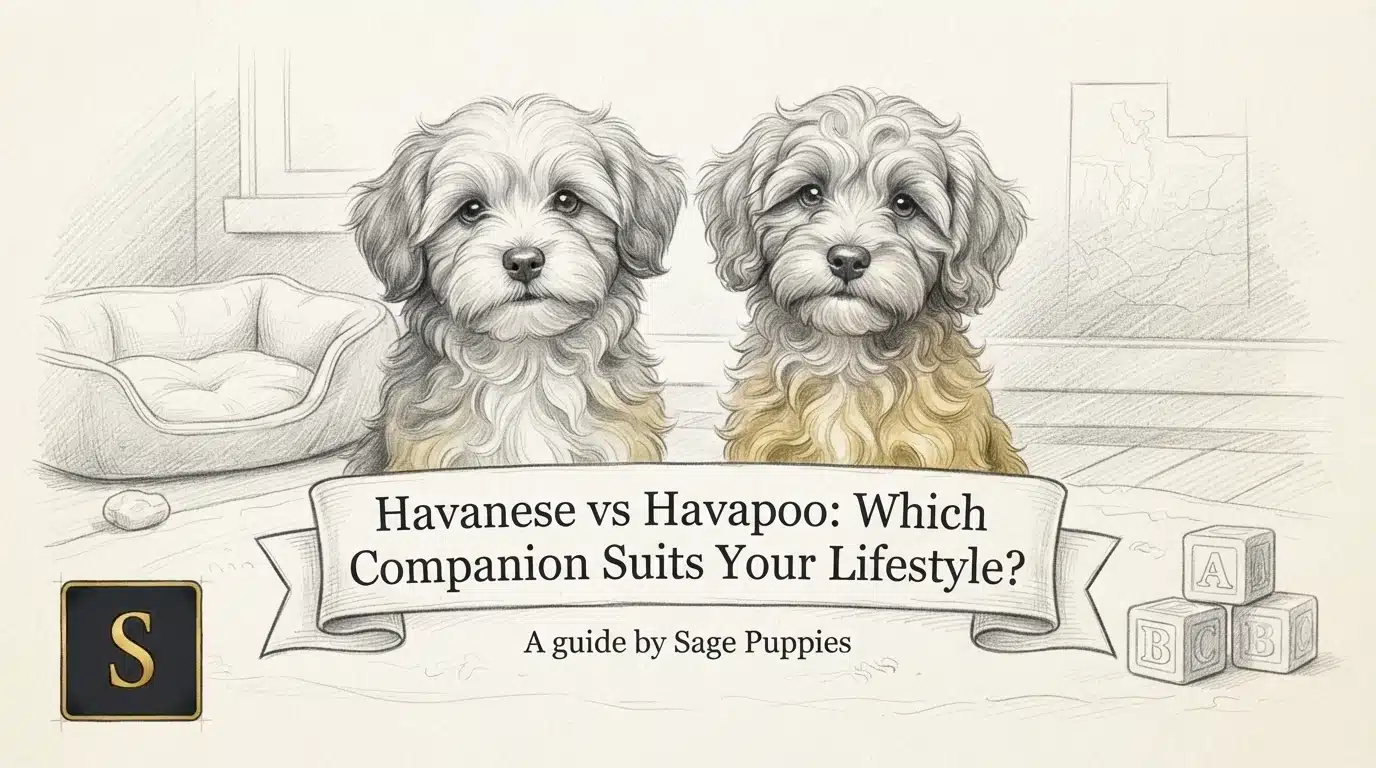
Quick Summary: Havanese dogs are typically calmer, more predictable, and better suited for first-time owners and families with young children. Havapoos tend to be more energetic, playful, and varied in temperament, making them ideal for active families willing to handle more grooming and training. Both breeds are affectionate and people-focused, but Havanese are generally easier to read and manage daily routines. Choosing between them depends on your home’s activity level, grooming willingness, and preference for consistency.
Most families choosing between these two want a simple answer fast. If you want the sweeter, more steady lap-dog feel, Havanese Temperament usually fits best. If you want a bit more training drive, plus a coat mix that may appeal to low-shedding homes, a Havapoo may suit you better.
That choice matters because small companion puppies live close to your daily life. Families often want to know which dog is easier at home, softer with kids, and less stressful for first-time owners. Havanese Temperament is often praised for being social, gentle, and easy to live with, while Havapoo Family Traits can bring more variation from puppy to puppy.
This guide compares Havanese Temperament, Havanese Family Compatibility, child-friendliness, allergy concerns, and daily care. We focus on real home life, not just breed labels. Our team works with family-raised Havanese and Havapoo puppies, so this comparison stays practical, calm, and honest.
Havapoo vs Havanese at a Glance
| Havapoo | Havanese | |
|---|---|---|
| Temperament | Affectionate, playful, intelligent | Cheerful, social, companion-focused |
| Family fit | Good for active companion homes | Strong fit for close family life |
| Child compatibility | Usually good with supervision | Usually very good with gentle kids |
| Training response | Typically eager and responsive | Bright and trainable with consistency |
| Grooming commitment | Regular brushing and professional grooming | Regular brushing and grooming |
| Allergy friendliness | Often lower-shedding, not guaranteed hypoallergenic | Can be manageable, not allergy-proof |
How Havapoo and Havanese Compare
Havapoo
A Havapoo is a Havanese-Poodle mix, often chosen for a bright, affectionate, family-friendly nature. It fits homes that want a playful small companion with a more flexible, often lower-shedding coat, though no dog is fully hypoallergenic.

Key strengths
- Affectionate and playful
- Usually eager to train
- Good for active companion homes
Havanese
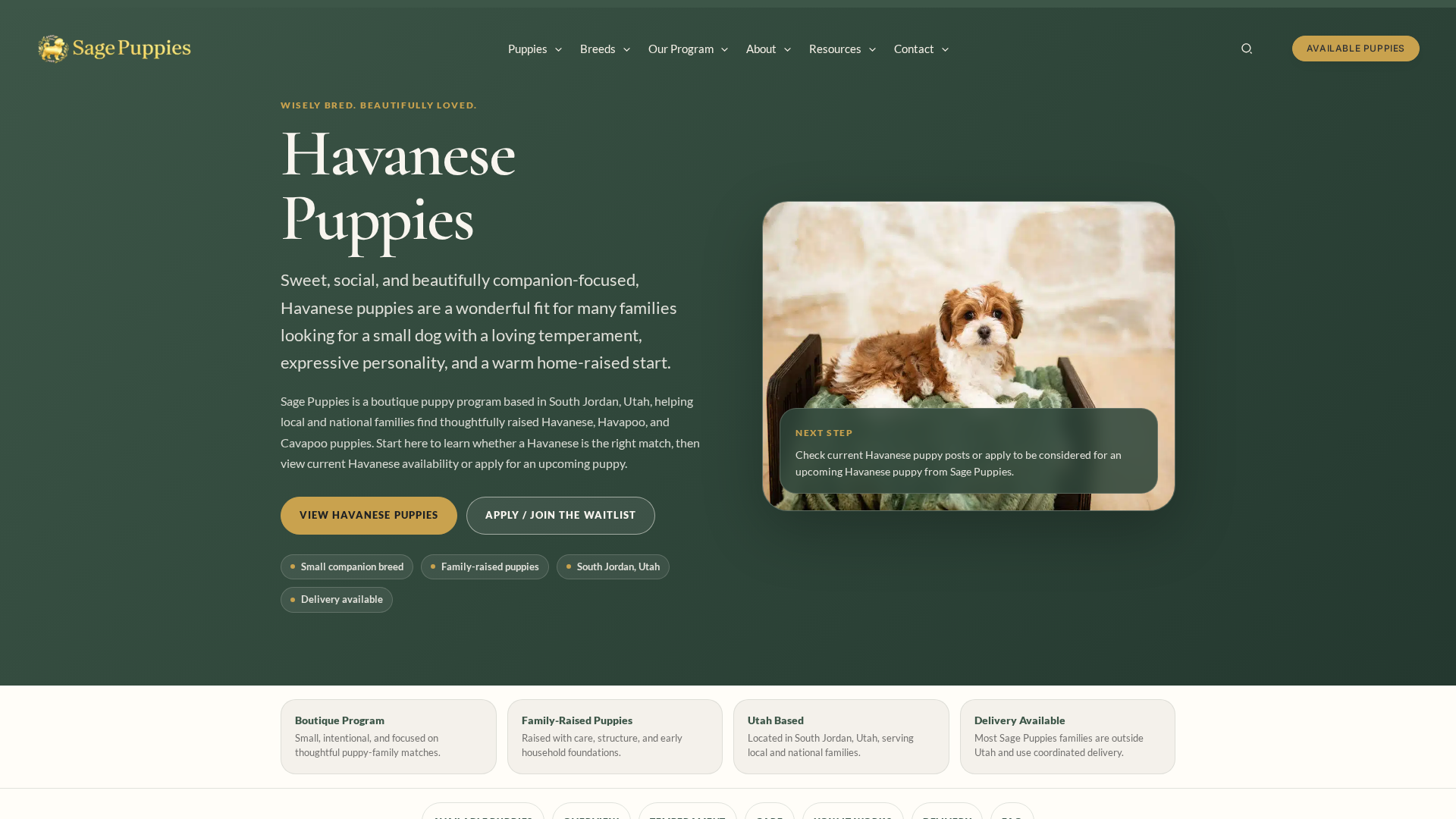
The Havanese is a purebred companion dog known for staying close to its people. It suits families who want a cheerful, social lap-and-play dog, and the AKC describes the breed as bright, loving, and adaptable.
Key strengths
- Cheerful and companion-focused
- Strong fit for close family life
- Usually very good with gentle kids
Temperament and Household Energy
Both breeds usually feel warm, people-first, and easy to love. The Havanese was bred as a companion dog, and the AKC describes it as cheerful, bright, and social, with a strong need for human company in daily life according to the AKC. A well-bred Havapoo often gives a similar vibe because both parent lines tend to bond closely with their families.
- Expect both to want to be near you
- Expect both to notice your mood and routine
- Expect both to do best with kind, steady handling
If your home feels quiet, close-knit, and someone is around often, either breed can fit well.
Where the Havapoo may feel different is consistency. A mixed breed can inherit more of the Havanese side, more of the Poodle side, or a blend that shifts from puppy to puppy. One Havapoo may be calm and cuddly. Another may be busier, quicker, and more alert.
- Some Havapoos settle fast after play
- Some stay more mentally active through the day
- Some react more to noise, guests, or changes in routine
That does not make the Havapoo a poor choice. It just means breeder selection, early social time, and honest puppy matching matter more.
| Trait area | Havanese | Havapoo |
|---|---|---|
| People focus | Very high | Usually high |
| Energy pattern | Moderate and steady | Moderate but more variable |
| Predictability | Stronger | Depends more on the puppy |
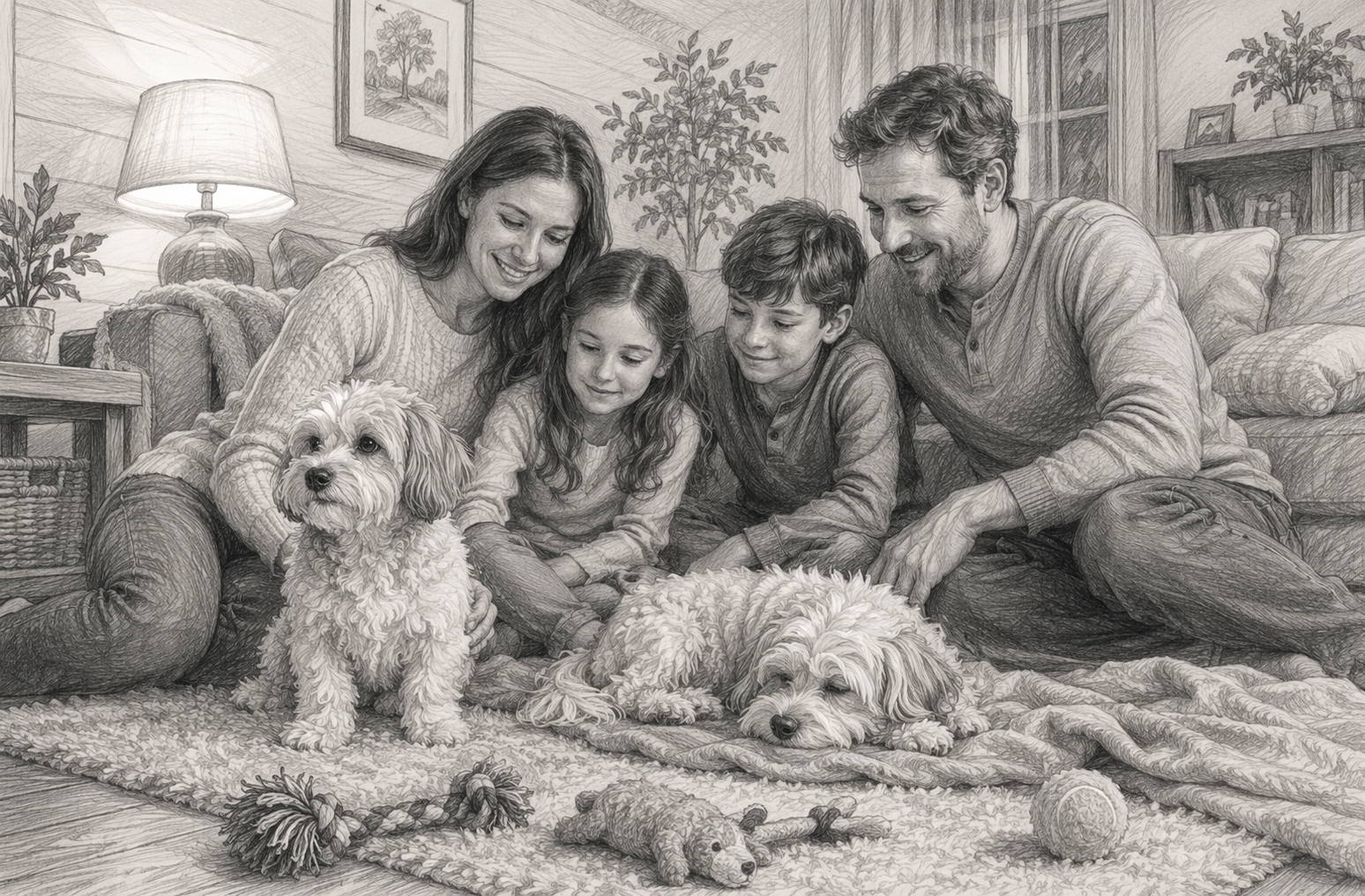
The Havanese is often the steadier pick for families who want fewer surprises in day-to-day energy. The breed standard calls for a sweet, non-quarrelsome disposition, and that lines up with why many first-time owners find them easier to read in the AKC breed standard.
- They often adapt well to kids, adults, and slower homes
- They usually need play and walks, but not constant action
- They tend to fit calmer companion lifestyles better
If your top goal is a predictable, gentle household rhythm, the Havanese usually has the edge.
Also Read: Cavapoo vs Havanese: Which Breed Is Best for Families?
Which Breed Fits Families with Children Better?
For most homes with kids, Havanese is the safer pick if you want steady, gentle energy. Havapoos often fit better if your family wants more play, motion, and daily activity. Breed alone does not prevent problems, though. The CDC says to always supervise young children around dogs, even trusted family pets, and notes that children are more likely than adults to be bitten by dogs according to the CDC.
Best match for gentle, supervised homes with younger children
Havanese usually suit calmer homes better. They tend to be soft, social, and easier to read in the house.
- Often happy with short play sessions
- Usually less bouncy than many Poodle mixes
- Small size makes them easy to manage for first-time owners
A Havanese can be a great match if your home looks like this:
- You have toddlers or early grade-school kids.
- Adults stay close during dog-child play.
- You want a cuddle-first companion, not a mini athlete.
Younger kids can be rough without meaning to be. The American Academy of Pediatrics says children under about 5 or 6 often struggle to handle pets gently and should never be left alone with a dog.
Best match for busy families who want a playful companion
Havapoos often bring more bounce, curiosity, and game-ready energy. That can be a win for active families with older kids who want a dog that joins in.
- Better fit for fetch, short walks, and training games
- Often more animated and fast-moving indoors
- May need more help settling when kids get loud
Choose a Havapoo if your family can offer:
- Daily play with structure
- Clear rules for kids
- Time for training and rest breaks
A playful dog is not always the best dog for toddlers. Fast movement can lead to chasing, jumping, and overstimulation.
What first-time parents should think about
The real question is not just which breed likes children. It is which puppy matches your home’s pace.
| Family need | Better fit |
|---|---|
| Calm, gentle, predictable home | Havanese |
| Busy home with active older kids | Havapoo |
| Lowest learning curve for first-time owners | Havanese |
| More playful daily interaction | Havapoo |
Ask any breeder these questions:
- How are the puppies socialized around people and household noise?
- Which puppy is calmest after play?
- Which puppy recovers fastest after excitement?
At Sage Puppies, that temperament-first matching process matters more than labels alone.
Also Read: 10 Small Breed Puppies That Stay Friendly and Easygoing
Training, Sensitivity, and Day-to-Day Manageability
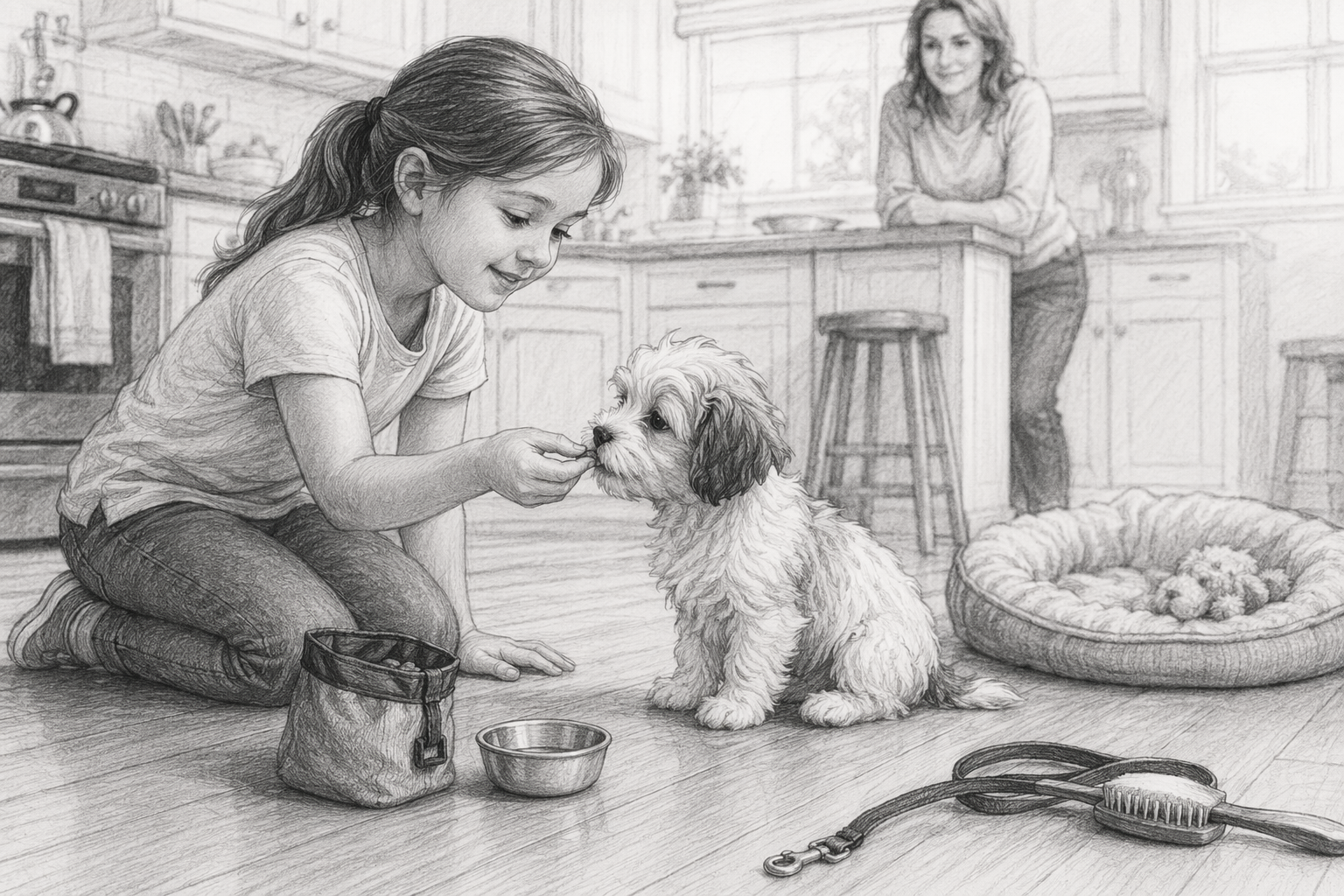
Both breeds do best with gentle, reward-based training. That is not just a style choice. The AVSAB humane dog training statement says reward-based methods are safer and more effective than aversive methods. For Havanese and Havapoos, that matters because both can be social, people-focused, and emotionally sensitive.
Use a simple routine:
- Keep sessions short
- Reward fast
- Repeat cues the same way
- Stop before the puppy gets tired
If a puppy shuts down, gets clingy, or seems worried, make training easier right away.
A daily checklist helps:
- potty trips on a schedule
- 5 to 10 minute training bursts
- calm handling for grooming
- quiet rest time alone
Poodle influence can make a Havapoo feel a bit different day to day. You may get a puppy that learns cues very fast, but also notices change fast. That can mean more problem-solving, more bounce, or more sensitivity to noise, missed naps, and inconsistent rules. Some Havapoos are easygoing. Others need more mental work to stay settled.
Watch for these patterns in a Havapoo:
- quick learning but quicker boredom
- higher alertness
- more need for structure
- stronger reaction to busy homes
That does not make Havapoos hard. It just makes them a little less predictable as a mix.
The Havanese side often feels easier to read because the breed was shaped as a companion dog for family life. The American College of Veterinary Behaviorists also stresses training that supports welfare and lowers fear, which fits this breed well. Many families find Havanese easier to manage because their rhythm is steady:
- they like closeness
- they usually respond well to routines
- their family temperament is often more consistent across puppies
If you want the safest bet for a first-time home, Havanese usually offers the more predictable daily experience.
Grooming, Allergies, and What Families Often Overlook
Lower shedding is not the same as allergy-safe. That is the key point many families miss. Dog allergies come from proteins in saliva, dander, and skin oils, not just loose hair. Research on homes with so-called hypoallergenic dogs found no significant difference in dog allergen levels compared with other dogs, according to this peer-reviewed study. The AAAAI also says no dog is truly allergen-free. A Havapoo or Havanese may be easier for some people, but neither is a safe promise for allergy-sensitive homes.
If allergies matter in your home, spend real time with the exact puppy line you are considering before you commit.
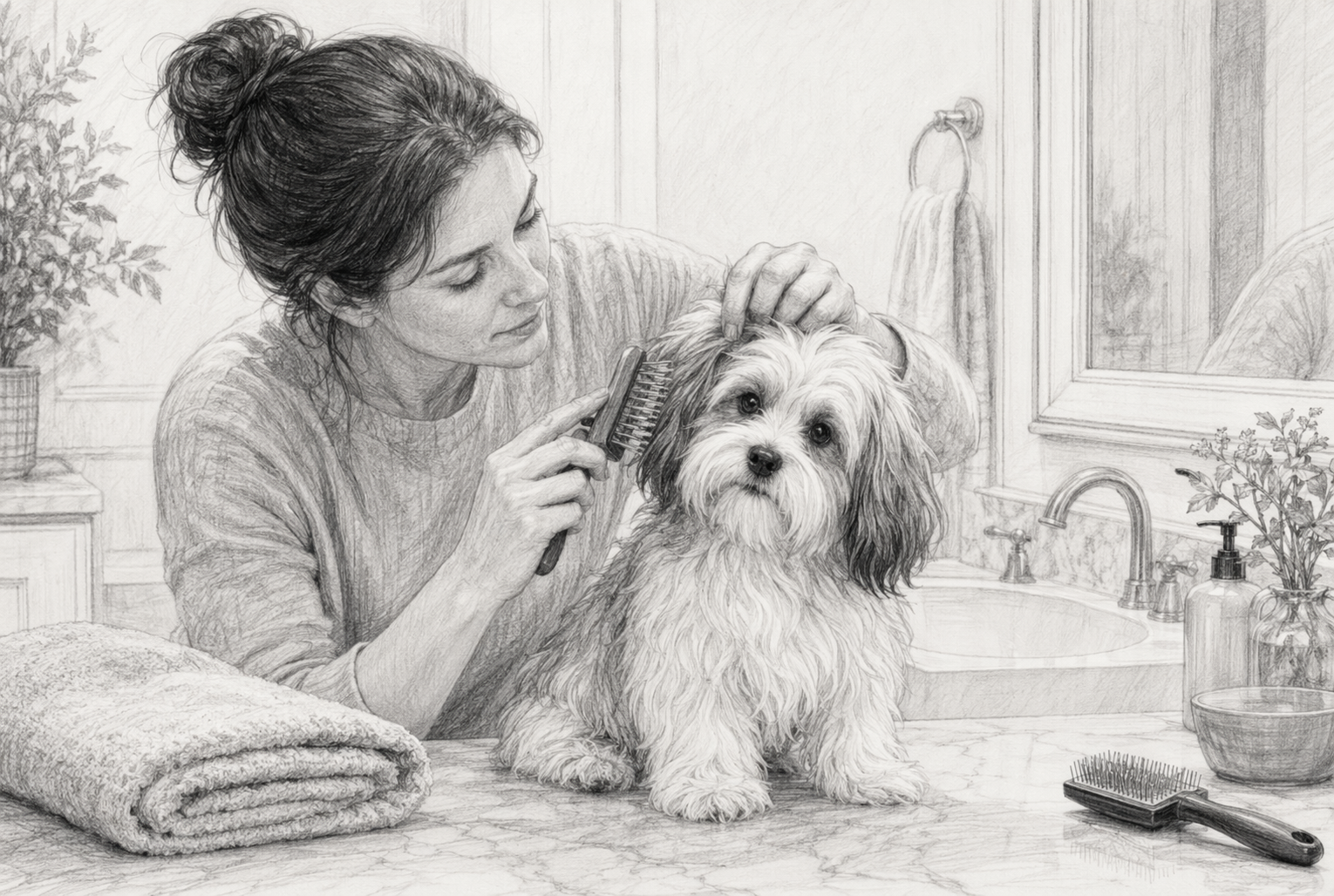
How grooming affects everyday family life is just as important as shedding. Low-shed coats often mean more hands-on care, not less. That applies to both breeds.
- Expect brushing several times a week
- Plan for regular face cleaning around the eyes and mouth
- Book pro grooming if you want a shorter, easier coat
- Check for mats behind ears, under legs, and around the collar
| Grooming factor | Havapoo | Havanese |
|---|---|---|
| Coat change risk | Higher – can vary by litter | Lower – more predictable |
| Matting risk | Moderate to high | High if coat is kept long |
| Best for busy homes | Short puppy cut helps | Shorter trim often helps |
When Havanese can still be the better fit: if you want a more predictable coat type, a smaller grooming routine rhythm, and less coat surprise as the puppy grows. Some Havapoos stay easy; others inherit a curlier, denser coat that needs more frequent combing. For first-time owners, that predictability can matter.
- Choose based on tolerance for grooming
- Ask breeders about adult coat texture in the parent dogs
- Be honest about whether you will brush at home
Also Read: 12 Small Breed Puppies That Are Perfect for Kids (2026)
Which Should Your Family Choose?
Choose Havanese if you want steady companion energy
Pick a Havanese if your home wants a dog that stays close, reads the room well, and does not need constant action. The AKC describes the Havanese as friendly, playful, alert, and intelligent, with a sweet disposition in the breed standard. That matches many first-time families well.
This breed often fits best if you want:
- a calmer daily rhythm
- a dog that enjoys cuddling and short play sessions
- a good match for kids who can handle a small dog gently
- a companion for parents, retirees, or work-from-home homes
If your family wants a small dog that feels emotionally steady more than sporty, Havanese is usually the safer pick.

Choose Havapoo if you want a lively, trainable mix
Pick a Havapoo if you want more bounce, more play drive, and a puppy that may lean more into the Poodle side of the mix. Since Havapoos are a cross, results vary more from litter to litter than with a purebred Havanese. That is the trade-off.
A Havapoo often makes sense if you want:
- a brighter, busier puppy personality
- more interest in games and short training sessions
- a dog for active older kids
- a mix that may feel a bit more animated day to day
Havapoo can be a great family fit, but only if you are ready for more variation in coat, energy, and maturity pace.
| Family priority | Better fit |
|---|---|
| Calm companionship | Havanese |
| More playful energy | Havapoo |
| More predictable temperament | Havanese |
| More mix-breed spontaneity | Havapoo |
The best next step for qualified families
The right choice comes from meeting real puppies, asking about parent temperament, and being honest about your home. The AKC notes Havanese are social, adaptable, and do best with positive training and early social time with people and situations. Use that same standard for any Havapoo litter too.
Before you commit:
- Ask how the puppies are raised.
- Ask about health-tested parents.
- Ask which puppy is calmest, busiest, or most people-focused.
- Choose a breeder who helps match, not just sell.
For families comparing both, Sage Puppies is strongest when you want that guided, temperament-first process.
Also Read: Cavapoo vs Havapoo vs Havanese: Which Small Breed Is Best?

Still deciding between a Havapoo and Havanese? Sage Puppies helps families compare real temperament, energy, and family fit with a transparent, family-first process. You can review available puppies, learn how adoption works, and ask which puppy best matches your home, kids, and daily routine before you make a commitment.
Frequently Asked Questions
Q1: What are the main differences between Havapoo and Havanese in appearance and size?
A Havanese has a more consistent look: silky coat, longer body, and usually 7 to 13 pounds. A Havapoo can vary more because of its Poodle mix. Some look rounder, leggier, curlier, or slightly larger, often around 8 to 20 pounds.
Q2: Which breed, Havapoo or Havanese, is better suited for allergy-prone families?
Neither breed is truly hypoallergenic, but both are often easier for allergy-sensitive homes than heavy shedders. A Havapoo may shed less if it has a curlier Poodle-like coat. A Havanese can also work well, but coat type and your own reaction matter most.
Q3: How does the temperament of Havapoo compare to Havanese for families with children?
Both are people-focused and affectionate. Havanese tend to be steadier and a bit easier to read with young kids. Havapoos are often playful and smart, but some have higher energy. Supervised play, gentle handling, and early social time matter more than label alone.
Q4: Which is easier for first-time dog owners?
A Havanese is often the simpler pick for first-time owners because temperament is more predictable. A Havapoo can be very trainable, but energy level and coat type may vary more. Families wanting fewer surprises usually prefer a well-raised Havanese.
Q5: Do Havapoos or Havanese bark a lot?
Both can alert bark, especially if bored or left alone too long. Havanese often bark less when their routine is steady. Havapoos may be more reactive in busy homes. Early training, enough exercise, and calm crate practice help keep barking manageable.
Conclusion
Both dogs can be wonderful family companions. The better choice depends on your home, not which puppy looks cuter.
The Havanese is usually the safer pick if you want a more predictable size, coat, and temperament. The AKC describes the breed as friendly, playful, alert, and intelligent, which fits many first-time owners well in its Havanese breed guide. The Havapoo often suits families who want that same people-first nature with a lower-shedding, more Poodle-influenced mix, but coat, size, and energy can vary more because it is not a standardized breed, as noted in this Havapoo overview.
The short version: choose Havanese for consistency and calm charm. Choose Havapoo if you are comfortable with more variation and want a playful hybrid companion.
The best family fit comes from honest breeder screening, early socialization, and matching the puppy to your real daily life.