Quick Summary: Puppy-proof your home at least 14 days before a Havapoo arrives by creating a gated safe room and addressing 12 common hazards, including toxic foods and plants, medications, cords, choking objects, escape gaps, unsafe travel, and unsupervised time. Keep permanent fixes such as locked cabinets, cord covers, lidded trash cans, and repaired fences, while using baby gates and counter rules during the chewing and jumping stages. Sage Puppies recommends checking every fix at puppy eye level, testing it from a puppy’s perspective, and repeating the walkthrough monthly as your puppy grows.
A Havapoo will investigate your home the way a field biologist studies new habitat: nose down, mouth first, no surface off limits. That instinct is charming until it meets an extension cord or a dropped pill. Most Havapoo puppy hazards come from the same gap between a full-grown dog’s world and an eight-week-old puppy’s reach, which sits far lower and closer than you expect.
This guide gives you a numbered list of 12 puppy proofing hazards to fix before pickup day. Each entry explains why it matters for a small breed, how to fix it, and whether the fix is permanent or temporary. It comes from the daily hands-on work of raising Havapoo litters at Sage Puppies in South Jordan, Utah, so the checklist reflects what puppies actually test first.
How to Puppy-Proof Your Home Before Your Havapoo Arrives
Havapoo puppy proofing works best as a short, ordered project: start two to three weeks out, build one safe room first, then fix the twelve hazards in this guide. Work through the steps below before pickup day so your puppy lands in a ready home.
Starting Your Proofing Two to Three Weeks Before Pickup
Begin at least 14 days ahead. That gives you time to order supplies, make permanent fixes, and do a second walkthrough at puppy eye level a few days before pickup. Day 14: order gates, cords covers, and locks. Day 7: remove toxic plants and secure cabinets. Day 2: crawl the floors and clear small items. Day 1: set up the safe room. If you already know your budget, this timeline pairs well with planning what to spend on a Havapoo puppy.
Building the Safe Room and Puppy Zone First
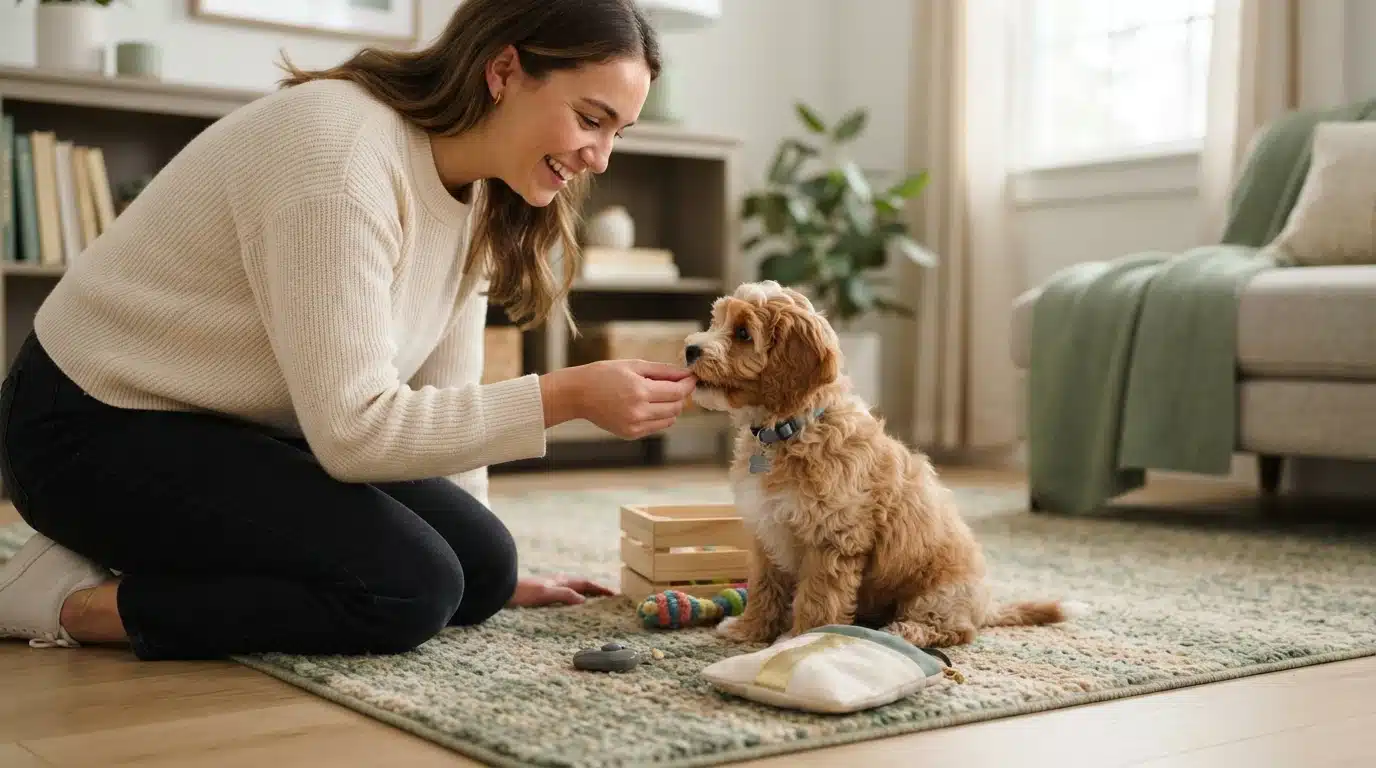
Pick one small room, ideally where you spend most of your day. Block outlets, cover cords, remove everything within your puppy’s reach, and gate the doorway. A Havapoo puppy explores by mouth, so the floor is the hazard zone. This room becomes home base for naps, meals, and the first house training routine.
Gathering Proofing Supplies Before the First Walkthrough
Buy supplies before your first walkthrough so you can install as you find problems. You will need baby gates, cord covers, cabinet locks, a playpen, and chew-safe toys. Because Havapoos are small, check gate gaps and toy sizes carefully; a small breed puppy squeezes through spaces a larger dog cannot.
Walk the room twice: once standing, once on your knees. Anything at knee height or lower is fair game for a curious puppy.
Hazards 1 to 4: Ingestion and Toxin Exposures
The first four Havapoo puppy hazards all come down to one thing: what a puppy can swallow. Havapoos are small, curious, and low to the ground, so anything at floor or coffee-table level is fair game. Fix these before pickup day, not after the first scare.
Hazard 1: Cleaning Products, Detergent, and Human Medication
Move all cleaners, laundry pods, and pills into high cabinets or locked low ones. A single dropped ibuprofen tablet can harm a small puppy, and detergent pods look like toys. Sweep under the couch and bed for stray pills, and keep the toilet lid closed if you use drop-in bowl cleaners. Never improvise an antidote; call a vet or poison hotline first.
Hazard 2: Common Toxic Foods in the Kitchen and Around Guests
Chocolate, grapes, raisins, onions, garlic, alcohol, and anything sweetened with xylitol are dangerous to dogs. A NIH review of toxic household foods found chocolate, xylitol products, onions and garlic, and grapes among the most common culprits. Xylitol hides in sugar-free gum, candy, and even some peanut butters, which the FDA warns about. Tell guests the rule: no table scraps, and purses stay zipped and off the floor.
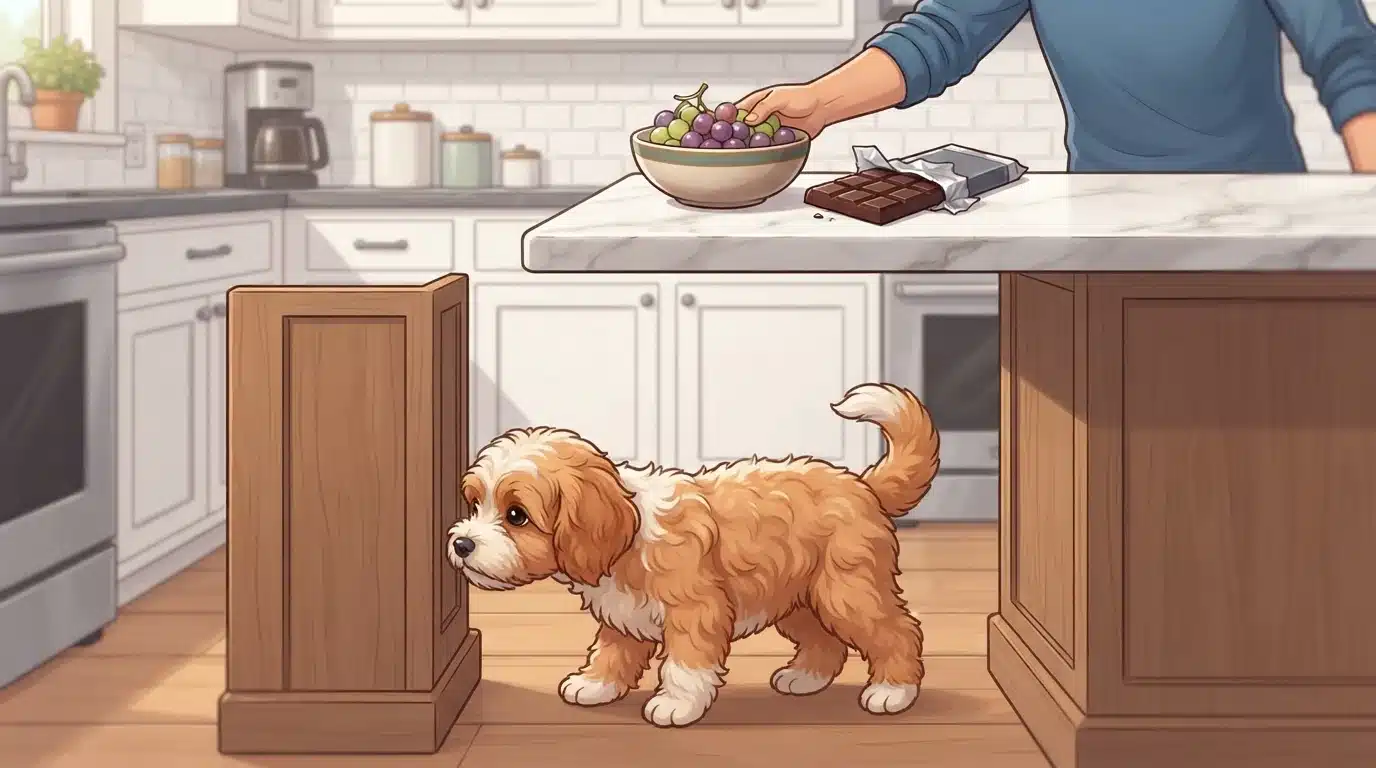
Hazard 3: Houseplants and Yard Plants
Check every plant against a toxic plants for dogs list before the puppy comes home. Sago palm, lilies, pothos, philodendron, aloe, and tulip bulbs all cause problems, and a Havapoo can reach a low planter easily. Rehome toxic plants or hang them well out of reach. Outdoors, fence off garden beds and store bulbs and fertilizers in a shed.
Hazard 4: Trash Cans, Countertops, and Food Waste
A Havapoo can tip an open bin long before it looks big enough to. Use a lidded or pedal can, or stash it in a pantry. Scrape plates right away, wipe counters after cooking, and never leave coffee grounds, bones, or corn cobs in an open bag. Keep the ASPCA Poison Control number, (888) 426-4435, saved in your phone before day one.
Hazards 5 to 8: Electrical, Chewing, and Structural Risks
The next four Havapoo puppy hazards are the ones a quick tidy-up misses. They hide behind furniture and along baseboards, so fix them during your Day 2 crawl, not after your puppy finds them first.
Hazard 5: Chewed Electrical Cords and Unprotected Outlets
A Havapoo’s soft, low-to-the-floor coat puts his mouth right at cord height. Chewing a live cord can burn the mouth or cause shock, which vets treat as an emergency. Run cords through hard plastic covers, unplug idle chargers, and swap any frayed cable now. Outlet caps help for licks, but the cord is the real target.
Hazard 6: Small Objects and Choking Hazards
Small breed puppies find coins, hair ties, kids’ LEGO bricks, and dropped pills before you do. Anything that fits behind a canine tooth can lodge in a throat or gut, so crawl the floors room by room and clear items smaller than a ping pong ball. Keep trash cans lidded and elevate junk drawers. If you plan your small breed puppy adoption checklist before pickup, add a blocked-off zone for children’s toys, since kids’ rooms are the densest choking zone in the house.
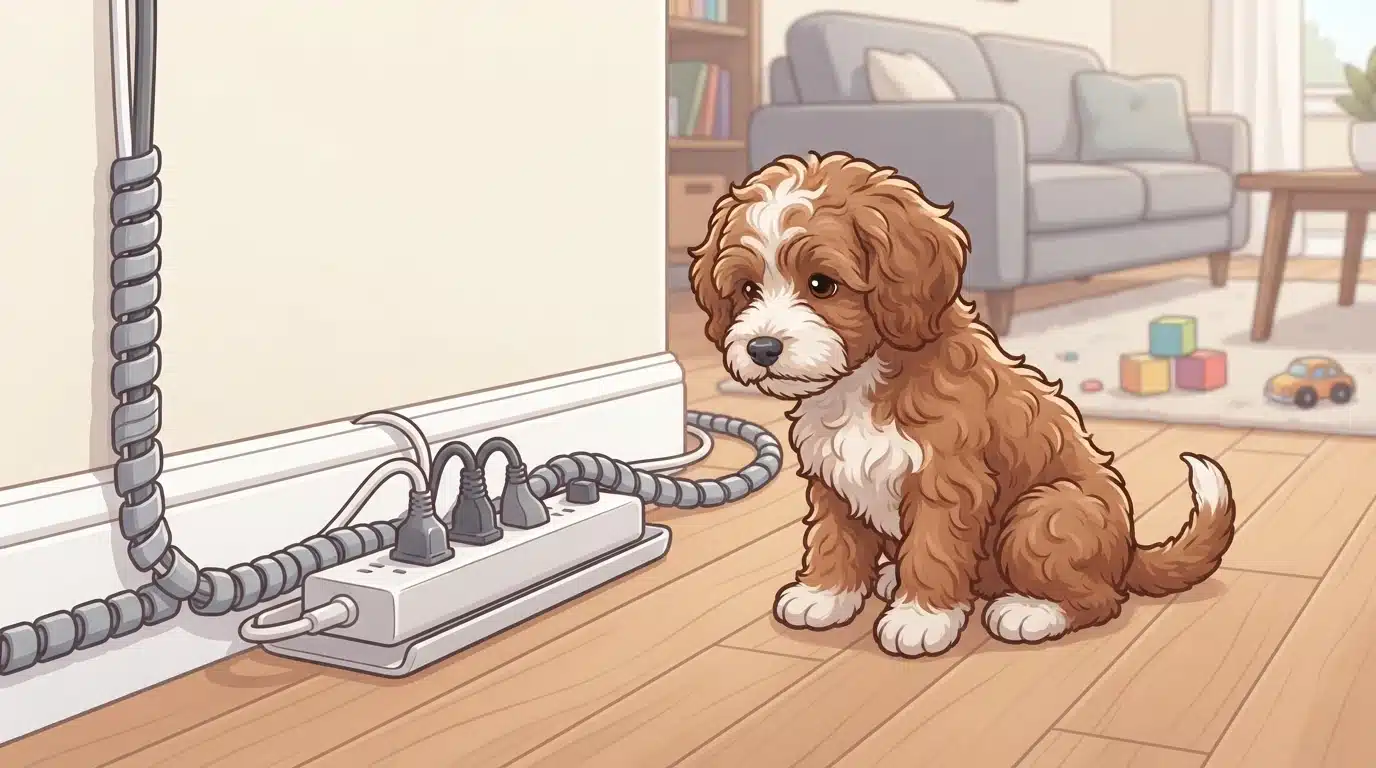
Hazard 7: Entanglement Risks in Cords, Tethers, and Furniture
Blind cords, charging cables, and blanket fringe loop around a scrambling puppy in seconds. A tether left clipped to a harness can tangle around a leg or neck while you are out of the room. Tie blind cords up high, shorten drape ties, and never leave a puppy tethered unsupervised. Trim loose threads on furniture and skip collar and harness time in the crate, where hooks catch.
Hazard 8: Windows, Balconies, Railings, and Escape Gaps
Havapoos are jumpers for their size, and a railing gap wider than his skull is an escape route. Screen windows securely, block balcony rails with mesh or plexiglass, and walk every exterior door and fence line measuring gaps over two inches. A loose screen is temporary fix territory; a fence gap is permanent. Make both lists before day one, not during the first escape attempt.
Hazards 9 to 12: Outdoors, Travel, People, and Unsupervised Time
The last four Havapoo puppy hazards live outside your living room. They involve the yard, the car, other people, and the minutes you cannot watch your puppy at all.
Hazard 9: The Yard, Porch, and Outdoor Space
Walk your fence line before pickup day. Look for gaps wider than two inches, loose boards, and gaps under gates where a small puppy can squeeze through. Block them with hardware cloth or landscape edging, not chicken wire. Move fertilizers, mulch bags, and any toxic plants for dogs out of reach. Cover pool edges and porch rails so a Havapoo cannot slip through or under. If your yard needs serious work, do it on Day 14, alongside your order of gates and cord covers.
Hazard 10: Cars, Carriers, and Travel Setups
A loose puppy in a car is a distraction and a risk. The ASPCA recommends a crate or travel carrier as the ideal way for a dog to ride, secured in the back seat away from airbags (ASPCA Pet Insurance). Buy a ventilated, crash-tested carrier sized for an adult Havapoo so it lasts. Skip improvised restraints like loose leashes or harness clips not made for cars. If your puppy is arriving by delivery, confirm the transporter uses a secured carrier before you agree to the trip.
Hazard 11: Children, Visitors, and Resident Pets
Puppy proofing with children means teaching rules, not just moving objects. Show kids how to hold the puppy low, support the chest, and never carry it around. Set a rule that the puppy’s crate and safe room are off limits. Brief visitors at the door: no grabbing, no feeding table scraps. For resident pets, feed them separately and swap bedding before they meet, so the scent is familiar first.
Hazard 12: Unsupervised Time, Heat, and Cold Exposure
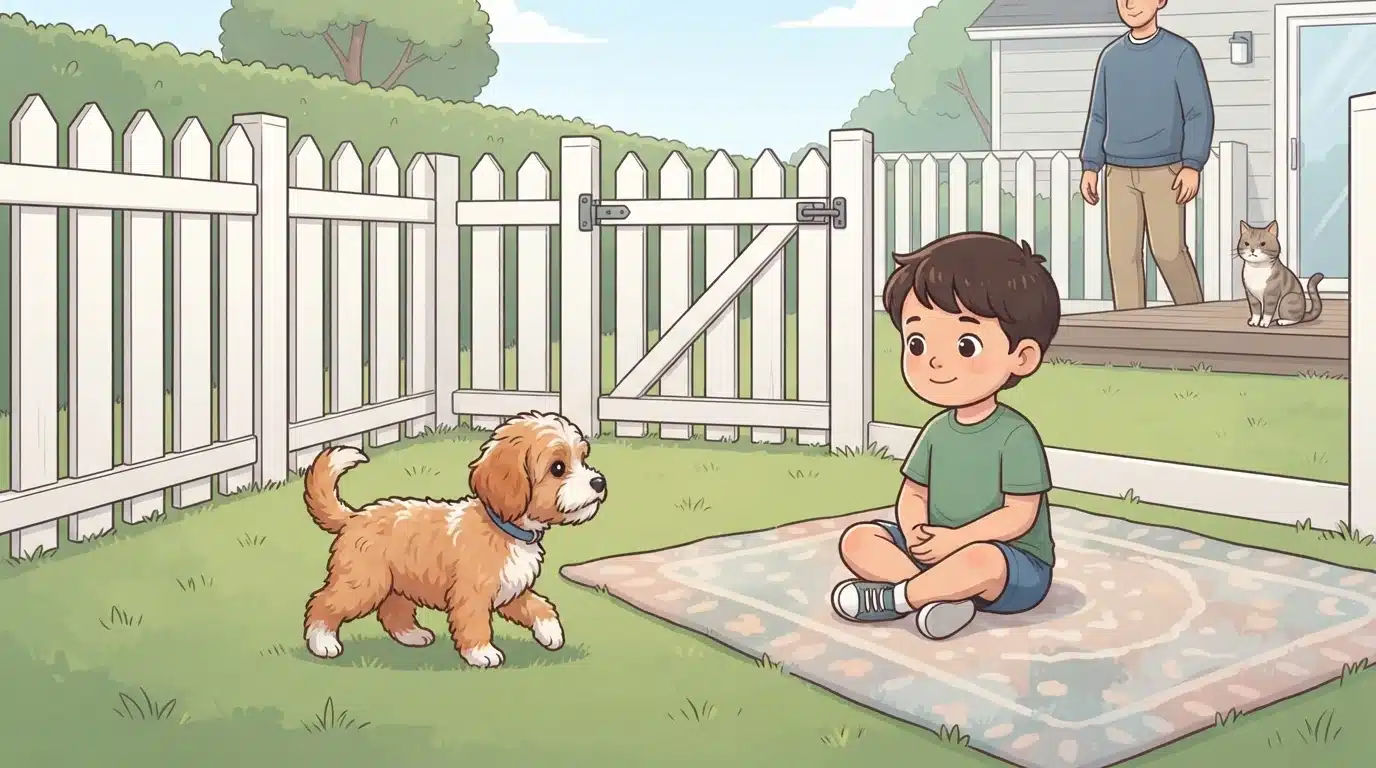
Every Havapoo needs a safe space for the hours you cannot watch. Use a crate or gated puppy safe room setup whenever you leave the room, and you prevent most chewing and swallowing emergencies in one habit. Small breeds also lose heat fast, so keep outdoor sessions short in cold Utah winters and shade your summer potty breaks. In the first week with a puppy, unsupervised freedom is earned room by room, never granted all at once.
When Proofing Ends and Supervision Takes Over
So how long does your house stay puppy-proofed? Most Havapoo puppy proofing measures matter most in the first four to six months, then some become habits rather than gear. Sort your 12 fixes into two groups so you know what to keep and what can go.
Which Proofing Fixes Are Permanent and Which Are Temporary
| Permanent Fix | Temporary Measure |
|---|---|
| Locked medication and cleaning cabinets | Baby gates across hallways and doorways |
| Cord covers on reachable wires | Small-item sweeps of floors and low shelves |
| Trash cans with secure lids | Food kept off counters during meals |
| Fence gap repairs and secure latches | Boot trays moved out of reach |
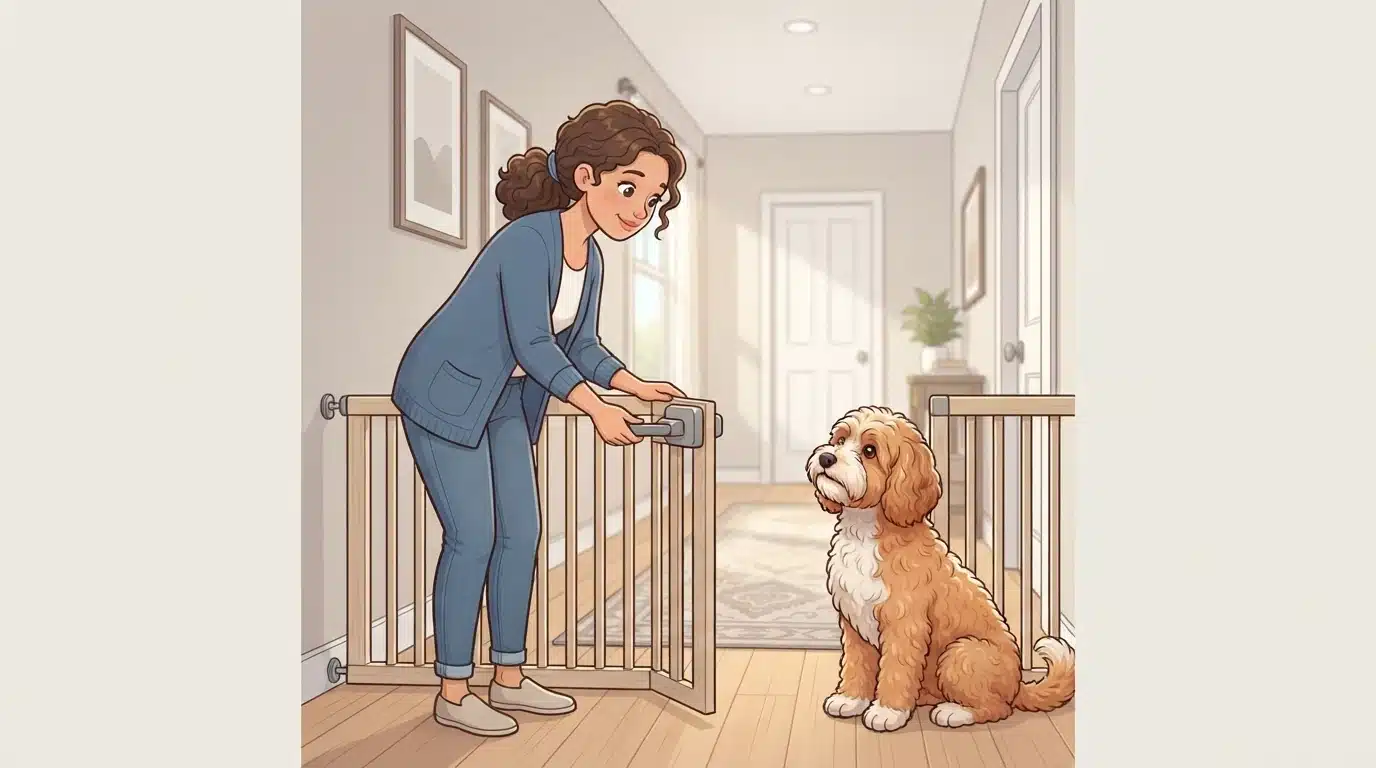
Some fixes protect your puppy for life. Gates and counter rules mostly cover the chewing-and-jumping stage, which fades as your Havapoo matures.
Re-Proofing as Your Havapoo Grows and Your Home Changes
Growth changes the map. A puppy who couldn’t reach the coffee table at ten pounds can at fifteen, and a climbing dog finds new targets. Re-check heights after each growth spurt, and proof again whenever you move, rearrange furniture, or add holiday plants and decorations.
A Thirty-Minute Walkthrough You Can Repeat Monthly
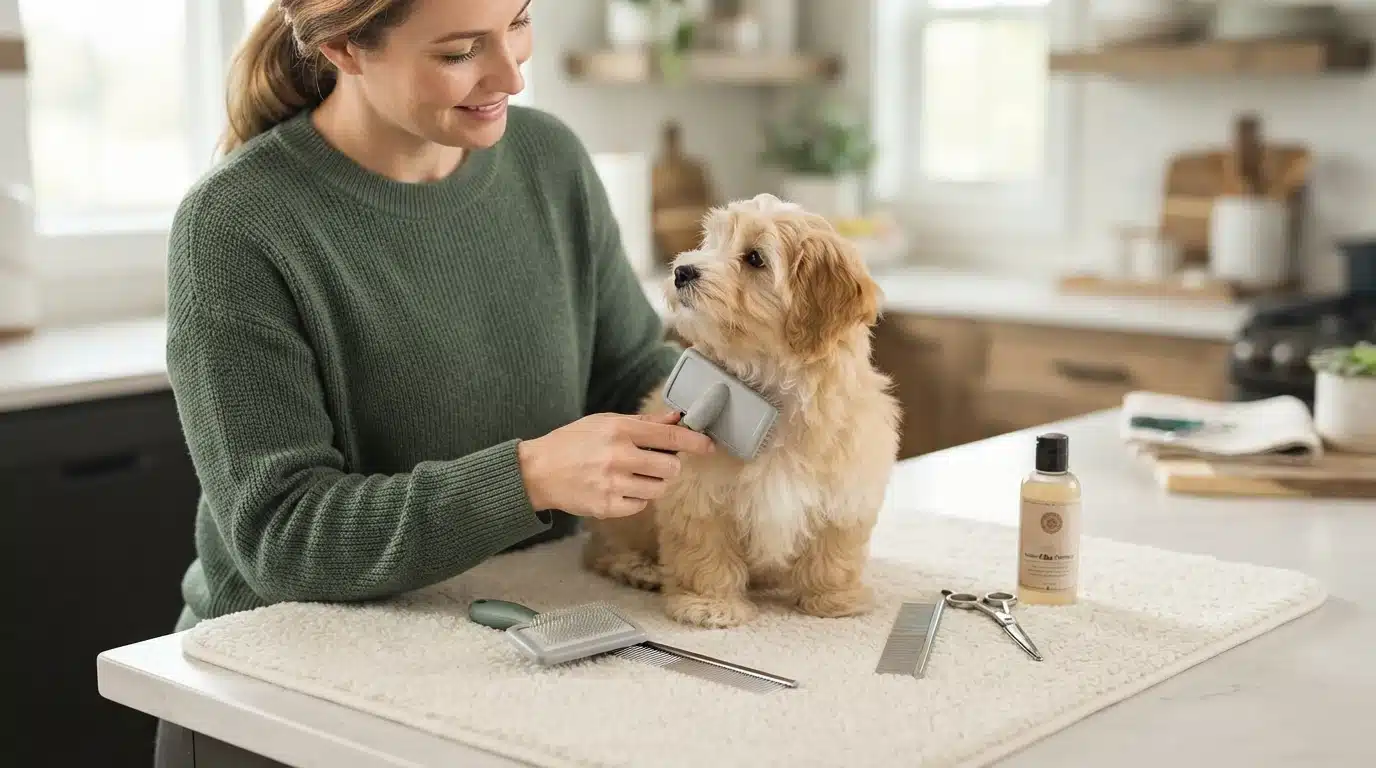
Once a month, crawl your floors at puppy eye level. Check gates, latches, cords, trash lids, and low cabinets. If you’re still deciding what supplies are worth keeping, Cassie’s product guides cover gear that survives the puppy stage. Fix anything loose the same day you find it.
Common Proofing Mistakes to Avoid
Proofing Failures That Look Safe but Are Not
The biggest trap is a half-done fix. A gate that latches but wobbles, a trash can with a loose lid, or a cord cover that stops a foot short all read as “finished” while staying open to a curious nose. Havapoos are small enough to slip under furniture and persistent enough to work a latch for days. Test each fix the way a puppy would: push it, pull it, and check the gaps. Close the lid from your knees, not standing. Anything you would nudge back into place yourself is not done yet.
Over-Proofing, Fear, and Missed Social Experience
Proofing too hard has its own cost. Wrapping the whole house in padding blocks the safe exploration a puppy needs during the socialization window, and it can teach your Havapoo to fear stairs, slick floors, or new rooms. Aim for a lived-in home, not a bubble. Keep one supervised exploration route open each day, and pair new surfaces with treats and calm praise. For pacing that first month, the first weeks with a small breed puppy guide walks through balancing safety with new experiences.
Sources and Verification Notes
The safety advice in this guide draws on the ASPCA Animal Poison Control Center, which staffs veterinary toxicology experts around the clock at (888) 426-4435, plus standard veterinary new-puppy checklists. Toxic-plant guidance follows the ASPCA’s published toxic and non-toxic plant lists. Consult fees may apply, so we flag that alongside the number.
We separated evidence from judgment throughout: fixes backed by veterinary sources appear as facts, while timing choices like the 14-day countdown reflect breeder experience. For routines after setup, our weekly Havapoo puppy care guide picks up where proofing ends.

A safe home turns pickup day into a calm one. If you’re still choosing your puppy, Sage Puppies can help – we breed Havapoos in South Jordan, Utah, and guide every family through prep like this 12-hazard plan. Start your countdown, then browse our available Havapoo puppies and apply when you’re ready.
Frequently Asked Questions
Q1: How do I puppy-proof my home before my Havapoo arrives?
Start two to three weeks out, build one gated safe room first, then work through the 12 hazards. Order gates, cord covers, and cabinet locks on Day 14, and crawl the floors on Day 2.
Q2: What household hazards are dangerous to Havapoo puppies?
The biggest risks are medications, xylitol and toxic foods, poisonous plants, open trash, electrical cords, small choking objects, blind cords, railing gaps, and unsupervised access to stairs or pools.
Q3: When should I start puppy-proofing before bringing a puppy home?
At least 14 days before pickup. That window lets supplies arrive, permanent fixes get finished, and a final puppy-eye-level walkthrough happen calmly rather than in a panic.
Q4: Which puppy proofing fixes are permanent?
Locked medication cabinets, cord covers, lidded trash cans, and fence gap repairs stay for good. Baby gates and counter rules usually fade once the chewing stage passes.
Q5: How do I puppy-proof with children in the house?
Set clear rules: hold the puppy low, support the chest, and keep the crate off limits. Block children’s rooms, since small toys are the densest choking zone.
Q6: What should I do if my Havapoo eats something dangerous?
Call your vet or the ASPCA Poison Control line at (888) 426-4435 immediately. Never improvise an antidote at home.
Conclusion
Puppy proofing a home for a Havapoo comes down to three habits: start 14 days early, fix all 12 hazards before pickup day, and test every fix the way a puppy would. Move toxins and medications up high, cover cords, block small objects and escape gaps, and give your puppy a gated safe room for unsupervised time.
Sort your work into permanent fixes, like locked cabinets and fence repairs, and temporary ones, like gates and counter rules that fade with maturity. Then re-check monthly as your puppy grows, since reach changes fast. Do the walkthrough standing and on your knees, and your Havapoo starts life in a home that already passed the test.