Quick Summary: Havapoo puppies grow fastest through four months, then fill out more slowly and reach their adult weight, often between 7 and 25 pounds, at 10 to 16 months. Track weight, teeth, appetite, energy, and behavior each week rather than relying on a fixed chart, since littermates can mature weeks apart. Training readiness also follows behavior, not size, especially during fear periods from roughly 6 to 14 months, when gentle, positive exposure matters more than forcing contact.
The eight-week-old Havapoo asleep on your kitchen floor might weigh about as much as a bag of flour. Within two months, she could double that, and you will not see a single centimeter of it happen. Havapoo puppy growth stages are as invisible as they are fast, which is why so many owners feel surprised at every vet visit.
Most guides flatten this into one growth chart. That hides what actually matters: each stage brings a different household decision, from harness sizing to feeding shifts to the fear period that can reshape a confident pup. This guide walks through Havapoo puppy growth stages month by month, pairing each phase with what to do about it, and it stays honest that individual puppies vary widely. At Sage Puppies, Cassie Milar raises Havanese and Havapoo litters in South Jordan, Utah, so the timelines here come from documented experience with small breed development rather than averages copied off a chart.
How Havapoo Growth Actually Unfolds
Havapoo puppies grow in three broad phases: rapid infant growth from birth to four months, steady filling out through the teething and socialization months, then a long finish that wraps up between 10 and 16 months. Most adults land between 7 and 25 pounds and 8 to 15 inches tall, depending on whether the poodle parent was toy or miniature.
- Months 0-4: fast weight gain and the closing socialization window
- Months 5-9: teething, adolescence, and slowing height growth
- Months 10-16: adult coat, final weight, emotional maturity
Why a Havapoo’s Timeline Looks Different From a Purebred Havanese’s
A purebred Havanese follows a fairly predictable curve; most reach adult size by six to eight months. A Havapoo inherits poodle genes that stretch the timeline and widen the size range. Two littermates from the same parents can mature weeks apart, so treat any chart as a rough guide rather than a promise.
The Three Things Worth Tracking in Every Stage
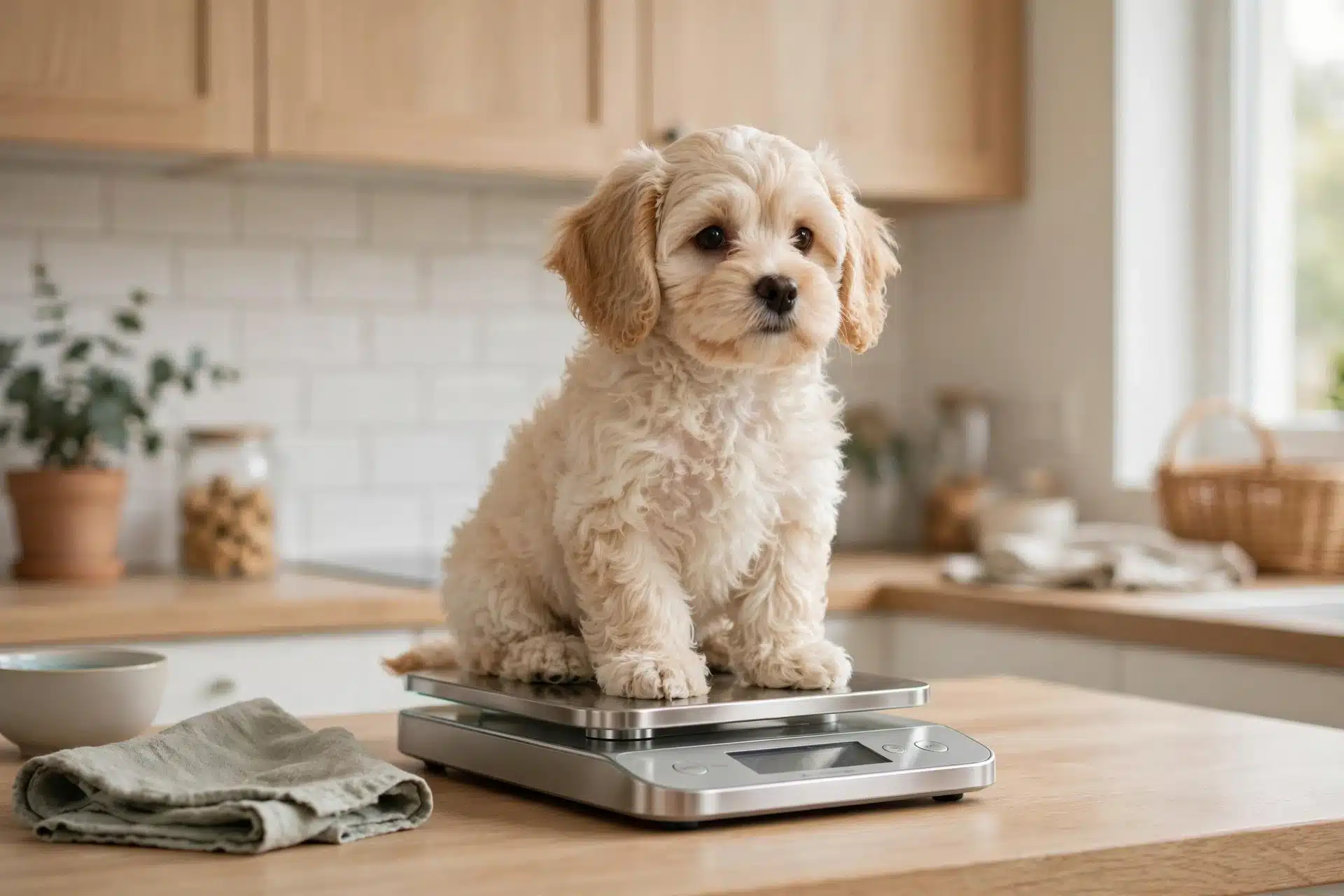
Skip complicated formulas and watch three simple signals. Weekly weight shows whether growth is steady; a kitchen scale works fine for small breeds. Teeth tell you age more honestly than size, since teething follows a tight schedule. Appetite and energy flag problems early. Note them in a notebook or phone each week.
Growth Stages Versus Training Readiness
Physical size and mental readiness are not the same clock. A three-month-old Havapoo may look nearly grown while still deep in a fear period, and an adult-sized eight-month-old is often mid-adolescence. Judge training by behavior, not by weight, and match expectations to the month instead of the body. If you are still choosing a puppy, our Havapoo temperament and care basics cover what each age feels like at home.
Months 1 to 3: Litter Life to Settling Into Your Home
Weeks 1 to 8: What Is Happening With the Litter
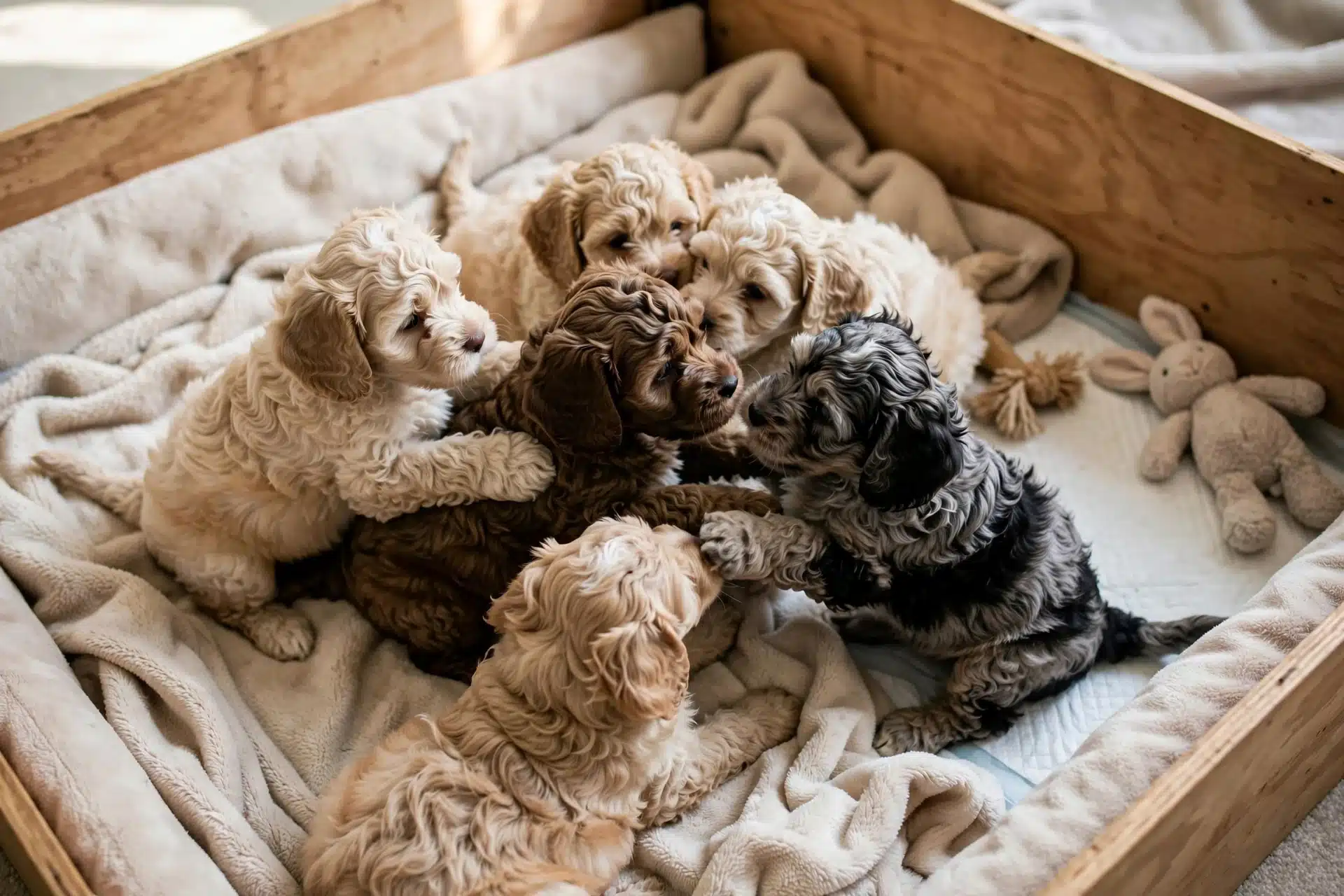
The first eight months of a Havapoo’s life happen almost entirely with the breeder. Puppies open their eyes around two weeks, start walking by three, and learn bite control and manners from their littermates. A good breeder handles them daily and starts gentle house training groundwork before they leave.
Your First Week Home
Weeks 9 to 12 are when your puppy joins your family, and the first week sets the tone. Expect accidents, whining at night, and lots of sleeping. Keep the world small: one room, short potty trips, calm handling. Crate training and a predictable feeding schedule help a small puppy feel safe fast.
The Socialisation Window You Are Working Inside
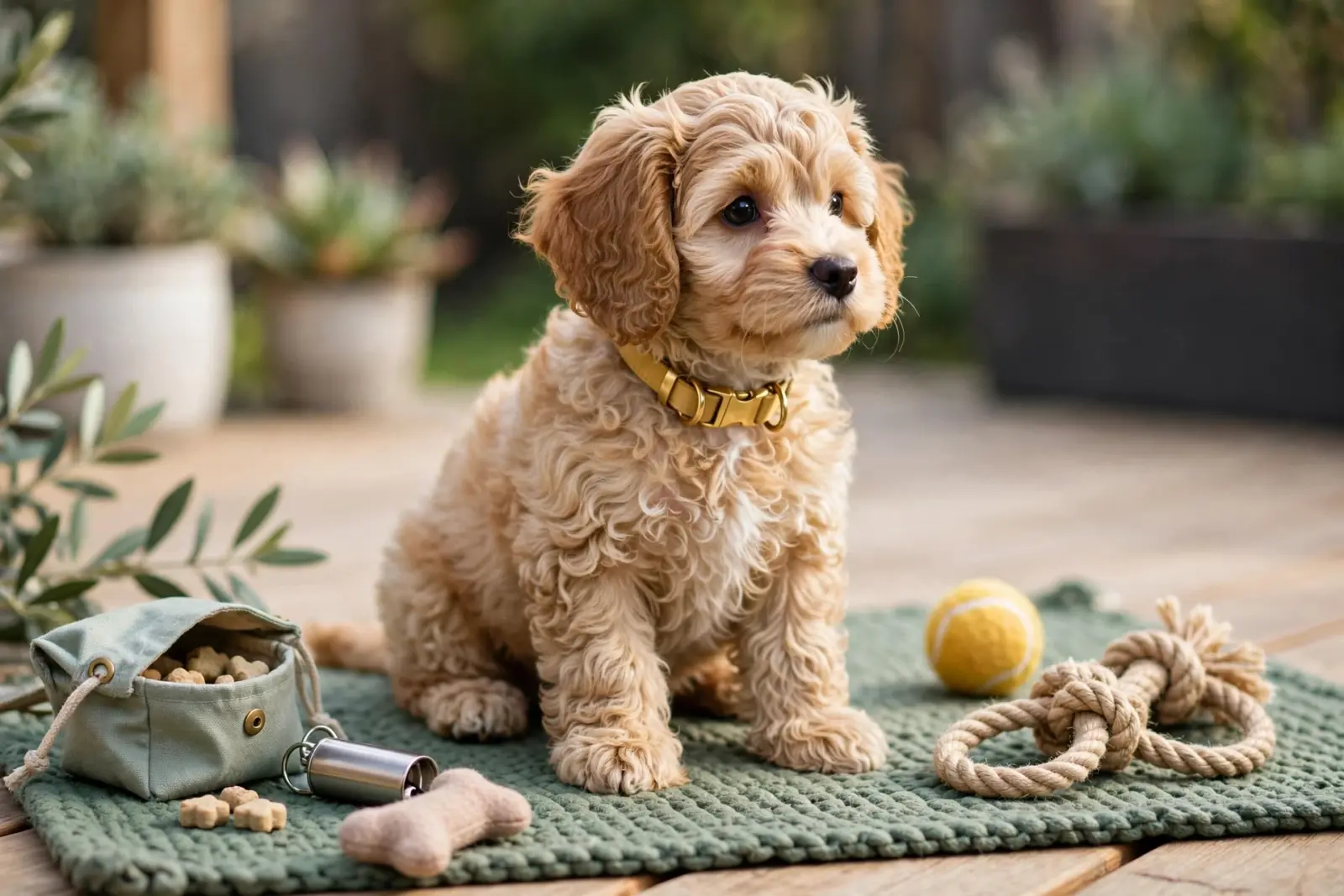
Between roughly 3 and 14 weeks, your puppy’s brain is primed to accept new people, sounds, and surfaces. Miss this window and you spend months undoing fear later. Carry your puppy everywhere before vaccinations finish, and pair every new experience with treats. This is also when the first fear period can appear, so keep new things positive and brief.
Month 3 Checkpoint: Your Puppy in a Nutshell
By twelve weeks, most Havapoos weigh 3 to 5 pounds, sleep 18 hours a day, and know their name. They should be eating three meals, sleeping through most nights, and showing real curiosity. If your puppy seems fearful or stuck, talk to your breeder early rather than waiting it out.
Months 3 to 6: Teething, Growth Spurt and Exploration
Between three and six months, your Havapoo teeters between baby and adolescent. Teeth come in and fall out, appetite swings, and confidence climbs fast.
Why Appetite Seems to Change Overnight
Puppies often eat ravenously at 12 weeks, then pick at food a month later. Growth slows from a sprint to a steady pace, so caloric needs dip. Teething gums also make dry kibble feel uncomfortable. Keep meals on a schedule and judge by body condition, not by whether the bowl is emptied.
What to Expect and What to Provide
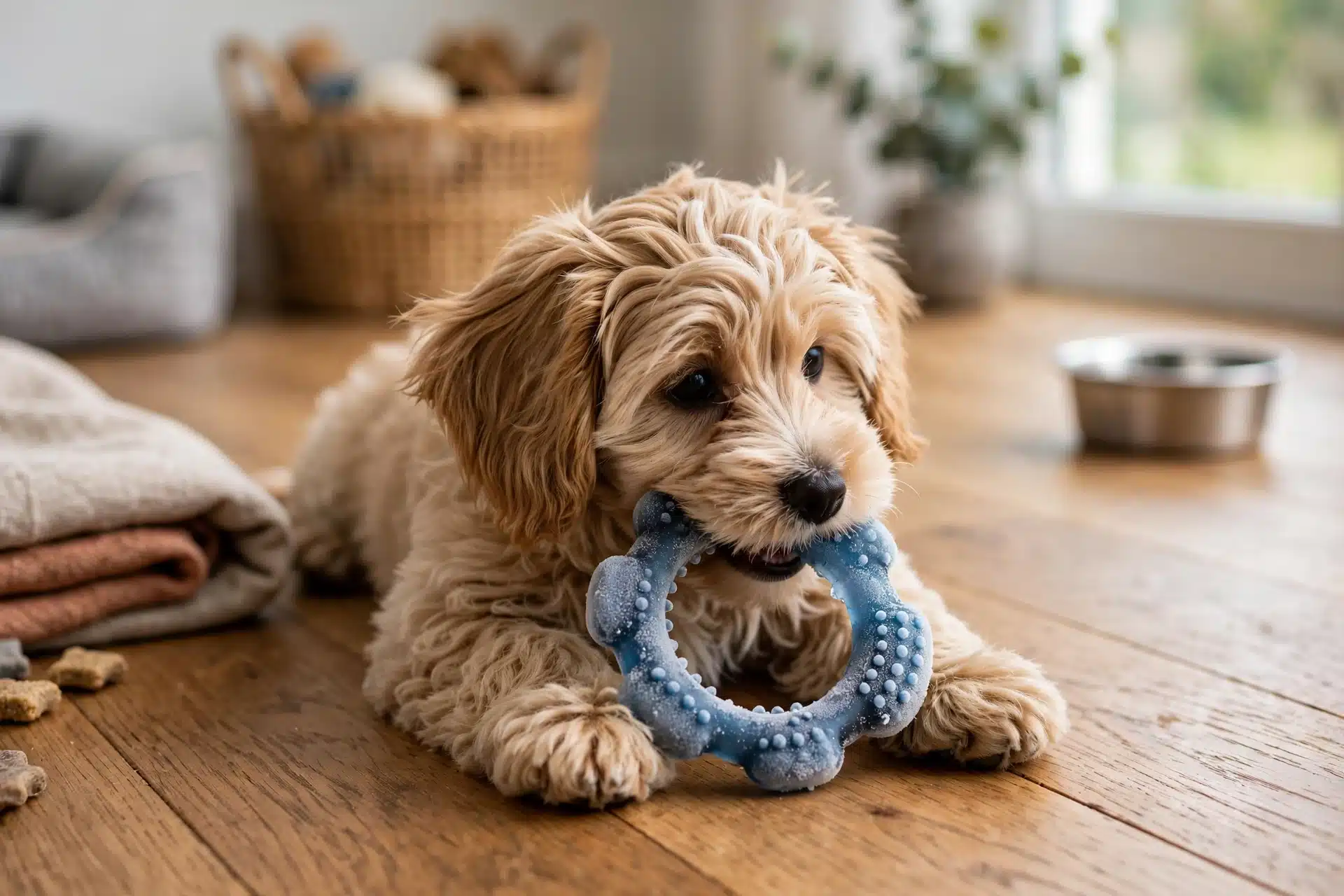
Havapoo teething stages follow a predictable rhythm, even though the adult weight curve stays wide for this mix.
| Age | What Happens | What to Do |
|---|---|---|
| Months 3-4 | Milk teeth loosen and adult incisors push through | Offer chilled rubber chews and soft toys |
| Months 4-5 | Canines and premolars erupt; chewing peaks | Rotate several safe chews; check for retained baby teeth |
| Months 5-6 | Most adult teeth are set; chewing eases | Book a vet check if any baby tooth is still in place |
Biting, Chewing and the First Real Boundary Tests
This is when your puppy tests limits, not out of defiance but because teething gums ache and exploration pays off. Yelps from littermates once taught bite inhibition, so now you take over. When teeth touch skin, end play for a few seconds. Redirect to a chew, and praise calm mouthing. Short, consistent responses work better than scolding.
Coat Changes and Low-Shedding Expectations
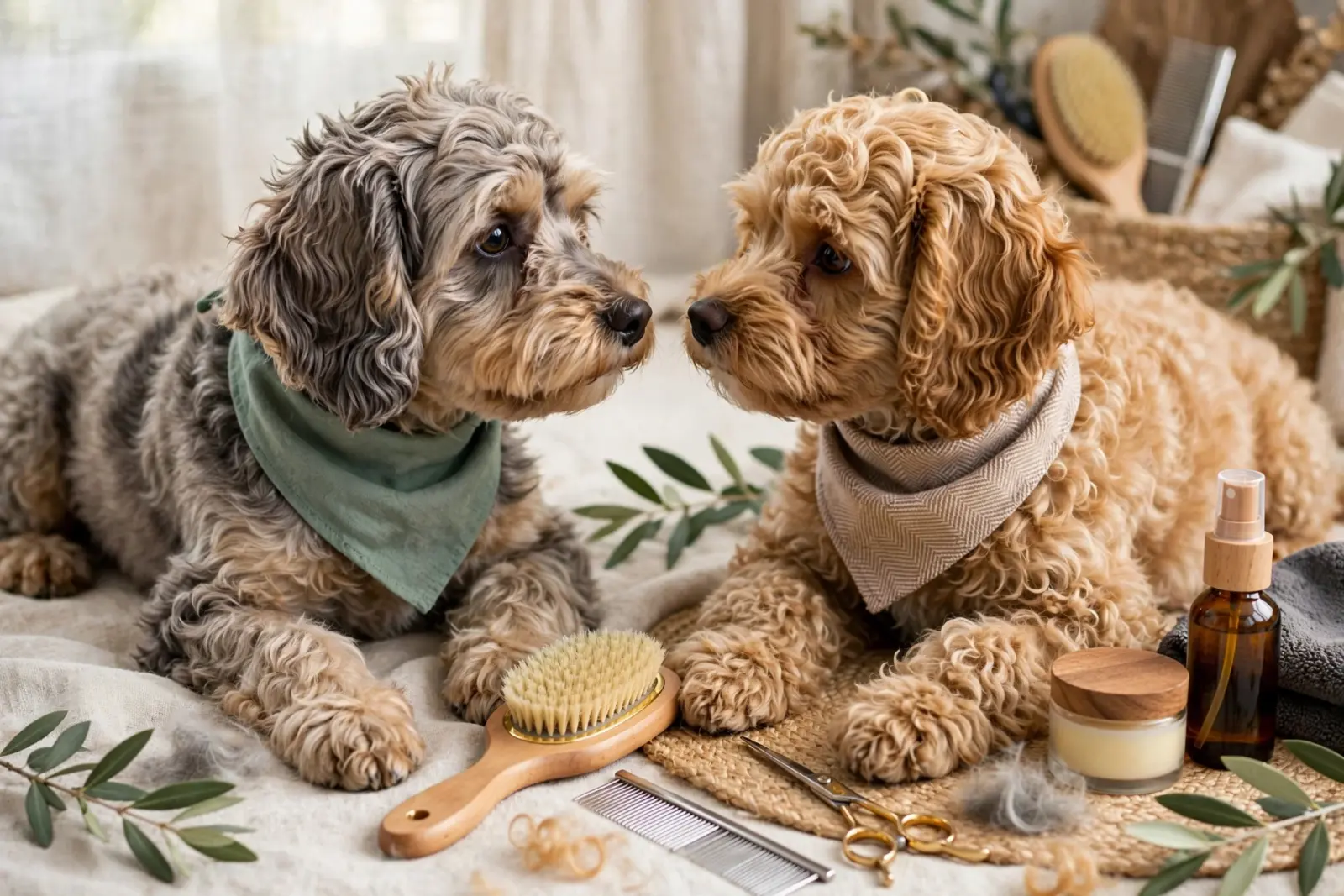
The soft puppy coat starts giving way to the adult coat around five or six months. You may see wispy patches behind the ears where the denser texture arrives first. Brushing two or three times a week prevents mats as the coat thickens. Havapoos are typically low-shedding, but loose puppy hair still shows up on your clothes during this transition.
Months 6 to 9: Adolescence and the Second Fear Period
Somewhere in these months, the sweet puppy who obeyed every cue starts acting like she lost her training overnight. She has not. Research on adolescent dogs shows real behavioral shifts between 6 and 12 months, so what looks like defiance is often brain development in progress. Pair each stage below with the household decision it calls for, not a harder training schedule.
When Commands Suddenly Stop Landing
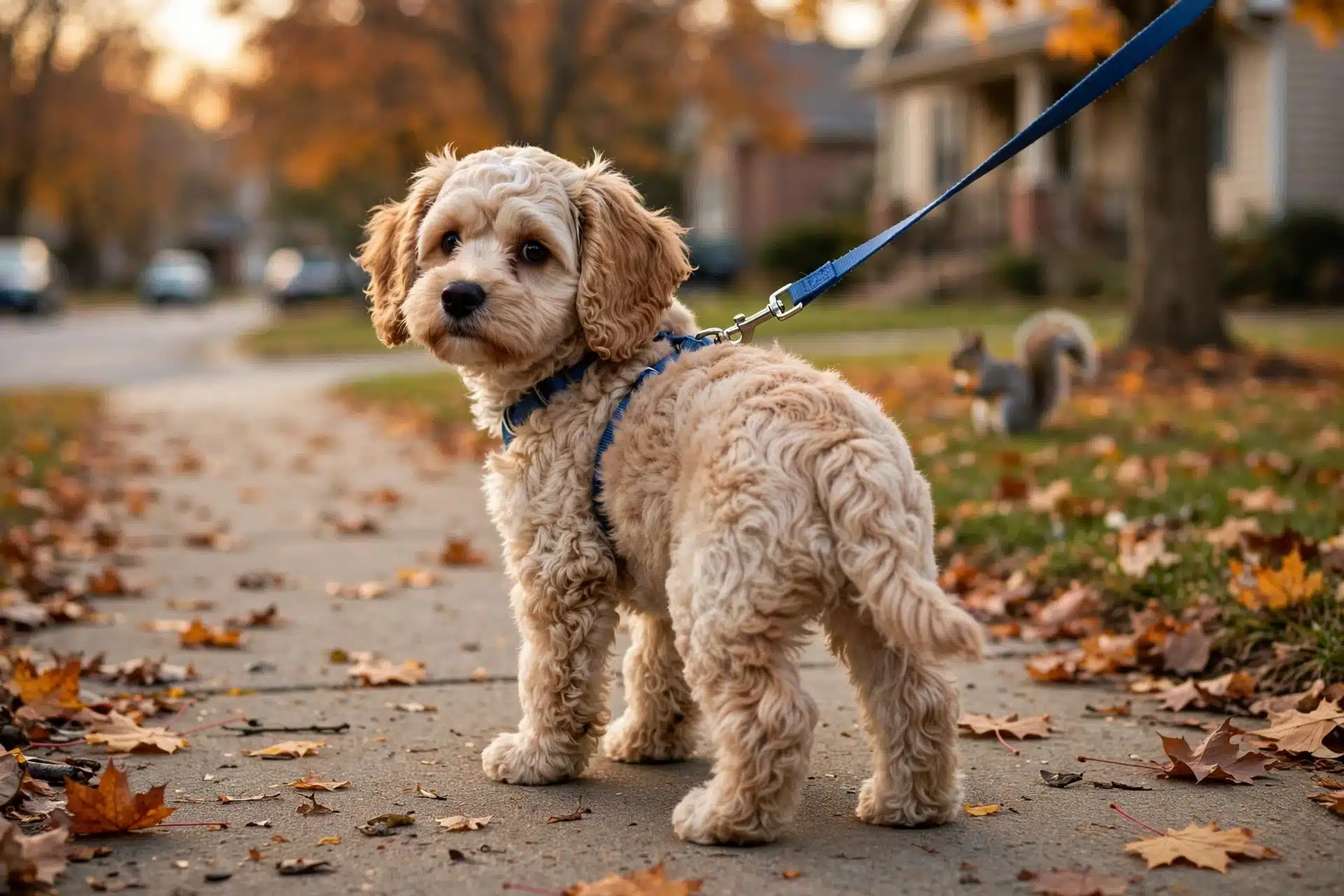
Recall that worked at four months falls apart now. Squirrels, smells, and people matter more than you do, and distraction tolerance has not caught up yet. Keep sessions short, raise the value of your rewards, and practice in boring places before testing skills on walks.
Fear, Startle and Sudden Suspicion
Many dogs hit a second fear period somewhere between 6 and 14 months, and a once-friendly puppy may now bark at the trash can. A peer-reviewed study on adolescent dog behavior found clear maturational changes across these months. Do not force her toward scary things; let her observe, reward calm looks, and keep new experiences brief. Our everyday training routines for small breed puppies lean on this same gentle pace.
Managing Independence Without a Fight
Expect selective hearing, testing, and moments of preference for one family member. Hold boundaries kindly: same rules, same routines. Off-leash freedom waits until recall is solid again.
Keeping Adult Teeth and Coat on Track
Adult teeth are set by six months, so chewing should ease. Brush weekly, book a grooming intro, and switch to adult food near her first birthday if your vet agrees.
Months 9 to 12: Filling Out and Approaching Adult Size
By nine months, most of the growing is behind your Havapoo. What happens now is finishing, not building, so the questions shift from “how big will she get?” to “is she developing well?”
Growth Slows, Shape Changes
Height mostly settles first. Small breeds usually reach their adult frame somewhere between 6 and 12 months, according to the AKC’s puppy growth guide, and Havapoos fit that window. The chest deepens, the fluffy puppy coat gives way to the adult coat, and weight gain slows to a gradual fill-out rather than weekly jumps.
Predicting Adult Weight Honestly
Track weight weekly and compare it to the parents if you know them. A puppy weighing 8 pounds at six months will likely land somewhere near her parents’ adult range, but not exactly on it. Toy-parent Havapoos may finish at 7 to 12 pounds; miniature-parent dogs often reach 15 to 25. Honestly, the mix resists precise charts.
Gear That Has to Change Now
The collar and harness you bought at 8 weeks almost certainly no longer fit. Check the two-finger rule monthly, because a snug harness on a filling-out chest can rub. Measured sizing matters for harness and carrier sizing in small breeds, so measure the girth and weight before replacing anything.
Swap the puppy crate divider out once she can turn around without bumping. Then adjust food portions toward adult amounts, since a nearly grown Havapoo needs fewer calories per pound than she did at three months.
Months 12 to 18: Settling Toward Adult Behavior
When Does a Havapoo Settle Down
Most Havapoos calm down noticeably between 12 and 18 months, when emotional maturity catches up with their finished growth. The pace depends on a few things:
- Sex and individual temperament – some dogs settle at a year, others closer to two
- Daily exercise – a tired Havapoo matures faster than a bored one
- Consistent routines – predictability teaches self-control
Adult weight is usually set by now, but behavior keeps developing well past the first birthday.
Maintenance Training After the First Birthday
Think of this stage as upkeep, not new teaching. Practice the basics in short sessions a few times a week, and hold firm on rules your puppy once tested, like jumping on guests or begging at the table. Skills that go unused fade, so keep recall and loose-leash walking in rotation. A dog who learned polite greetings as a puppy can slip back into bad habits if no one expects better. Keep standards steady and your Havapoo will too.
What Changes at the One Year Veterinary Visit
Your vet will likely shift from puppy visits to an annual wellness exam. Expect a full physical, a weight and dental check, and a conversation about adult food portions, since growth-formula feeding usually ends around now. This is also the visit to discuss spaying or neutering if you have not already, and to confirm parasite prevention for the year ahead. Our Havapoo puppy health checklist covers what each visit should include.
A Month by Month Checklist for Your Own Notes
Tracking puppy weight weekly works better than any online growth chart, because your own dog’s numbers tell the real story. Here is how to track your Havapoo puppy’s growth at home:
- Weight, measured the same day and same scale each week.
- Teeth, noting which baby teeth loosen or adult teeth arrive.
- Appetite and sleep, since sudden changes often explain weight jumps.
- Height at the shoulder, measured against a wall monthly.
- Behavior, one line on confidence, chewing, or new fears.
Turning Your Notes Into Next Month’s Plan
A note is only useful when it changes what you do next. If weight gain slowed, check portion sizes with your vet before guessing. If chewing peaked, rotate chews before shoes suffer. If your puppy startled at a garbage truck, plan gentle, positive exposures for the coming weeks. Ten minutes of review each month turns scattered facts into a plan that fits the stage your puppy is actually in, not the one the calendar says.
Asking a Breeder for Growth Information
Good breeders keep records you cannot recreate at home: parents’ adult weights, past litter size curves, and the puppy’s own growth to date. Ask what her parents weigh, whether previous littermates finished larger or smaller, and how her weight at eight weeks compared with littermates. Anyone raising Havanese, Havapoo, or Cavapoo puppies with documented litter records should answer easily, and those answers sharpen your weight predictions more than any chart.
Common Mistakes to Avoid
Treating a Chart as a Promise
A growth chart gives you a range, not a due date. Two puppies from the same litter can differ by several pounds at six months and still finish healthy. Weigh weekly, watch body condition, and let your vet judge the trend rather than a single number.
Calling a Fear Period a Behavior Problem
When a friendly puppy suddenly barks at the trash can, she is not spoiled or broken. Fear periods are temporary brain development, usually between 6 and 14 months. Stay calm, skip forced introductions, and keep experiences short and positive so confidence rebuilds on its own.

Every month brings a new size, a new quirk, and a new decision. If you would rather raise your Havapoo with a breeder who knows each stage firsthand, visit Sage Puppies. Review the available puppies, then start your application and ask Cassie your growth questions directly.
Frequently Asked Questions
Q1: How do Havanese and Havapoo puppies grow each month?
Purebred Havanese puppies follow a predictable curve, reaching adult size by six to eight months. Havapoos inherit poodle genes that stretch the timeline, so they gain weight fast until four months, fill out through nine, and finish between 10 and 16 months.
Q2: When do Havapoo puppies stop growing?
Height usually settles between 6 and 12 months. Adult weight follows later, most often between 10 and 16 months, though individual puppies vary widely.
Q3: How much should a Havapoo weigh at each stage?
Expect 3 to 5 pounds at twelve weeks, with adults landing between 7 and 25 pounds. Weekly weights matter more than any single number.
Q4: What happens during the puppy fear period?
Between 6 and 14 months, a friendly puppy may suddenly startle at normal things. Keep exposures brief and positive, and never force her toward what scares her.
Q5: When should I switch my Havapoo to adult food?
Near her first birthday, with your vet’s approval, since growth slows and she needs fewer calories per pound.
Q6: Why does my teething puppy chew everything?
Chewing peaks between 4 and 5 months as adult teeth erupt. Rotate safe chews and check for retained baby teeth at your vet visit.
Wrapping Up Your First Year
Havapoo puppy growth stages move fast, but they follow a pattern you can plan around. Expect rapid weight gain through four months, teething and boundary testing through six, a second fear period and selective hearing in adolescence, and a long finish that lands adult size between 10 and 16 months.
Two habits carry you through all of it. Track puppy weight weekly on the same scale, and judge training by behavior rather than body size, since a nearly grown pup can still be months from emotional maturity.
And stay flexible. Charts describe averages, not your dog. Weekly notes, honest vet conversations, and patience with the fear periods will tell you far more than any fixed curve ever could.