Quick Summary: A predictable Havapoo puppy routine built around wake, potty, eat, play, potty, and nap helps new owners manage the first weeks with less chaos. Keep four small meals, 18 to 20 hours of sleep, event-based potty breaks, short reward-based training, regular grooming, and AVMA-based vaccine care consistent from week to week. Sage Puppies gives South Jordan families this written pickup routine, and a five-minute Sunday review helps owners make one practical adjustment at a time.
The first morning with a new Havapoo is usually chaos in miniature: a small blur of paws at 6 a.m., a half-eaten breakfast on the rug, and a puppy who has no idea which room is the bathroom. The fix is not a cleverer puppy. It is a boring, repeatable week. A predictable Havapoo puppy care routine does more in seven days than a month of guessing, because these people-oriented little dogs settle fastest when feeding, potty and sleep happen on the same rhythm every day.
This guide gives you one copyable weekly template: a day-in-the-life schedule covering meals, naps, potty breaks and short reward-based puppy training blocks, plus a week-by-week plan for that tricky first week with a new puppy. It follows core puppy vaccine timing from AVMA guidance, so you know what is safe now and what waits.
At Sage Puppies in South Jordan, Utah, we have matched Havapoo puppies with first-time owners since 2025, and this is the routine we hand every family at pickup.
Step 1: Build the Baseline Day Your Week Will Copy
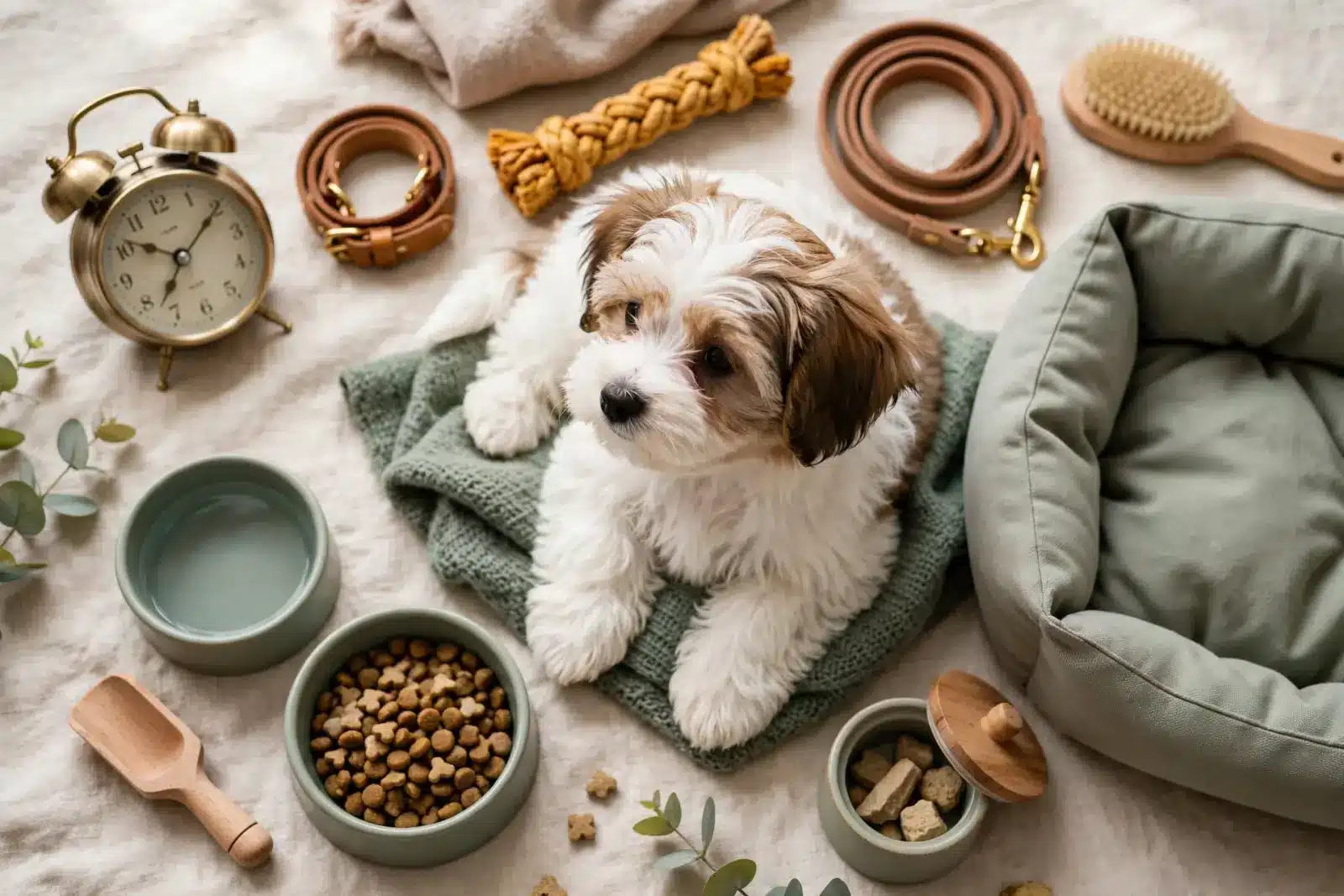
A good havapoo puppy care routine is one loop repeated all day: wake, potty, eat, play, potty, nap. Get that loop right and your havapoo puppy potty schedule, sleep schedule, and training blocks fall into place without much effort. Here’s how to build the baseline day your whole week will copy.
Pick Your Anchor Times First
Anchor times are the fixed points nothing else moves: first potty break, three or four meals, and bedtime. An 8-week-old puppy eats four small meals a day, so anchor breakfast, lunch, dinner, and a bedtime snack, then hold those times steady. AKC’s puppy schedule guide suggests leaving food down no more than 15 minutes, which keeps appetite predictable. Pick times your family can repeat on a workday, not an ideal Saturday. Consistency matters more than the exact clock times you choose.
The Block Structure of a Havapoo Day
Between anchors, your day runs in short blocks. Young puppies sleep 18 to 20 hours daily, so plan roughly one hour awake followed by a nap.
A sample block pattern:
- Wake up, straight outside to potty
- Meal, then another potty trip in 10 minutes
- Short play or reward-based training block, 5 to 10 minutes
- Nap in the crate or playpen, 1 to 2 hours
- Repeat until evening
Havapoos are people-oriented, so make one block each day social: handling practice, gentle brushing, or a short game with a family member.
Writing the Baseline on Paper
Write the day out with real clock times on one page: anchors, then blocks. Tape it to the fridge where everyone feeding or letting the puppy out can see it. Expect the first week with a new puppy to run late sometimes. That’s fine. The written baseline tells you what normal looks like, so you can spot when something is actually off, and adjust one block at a time rather than starting over.
Step 2: Lock In the Feeding and Water Rhythm
A solid Havapoo puppy care routine runs on food and water more than anything else. Feeding at set times makes potty times predictable, and steady water habits prevent the crash-and-burn evenings every new owner dreads. Here’s how to set both up in the first week.
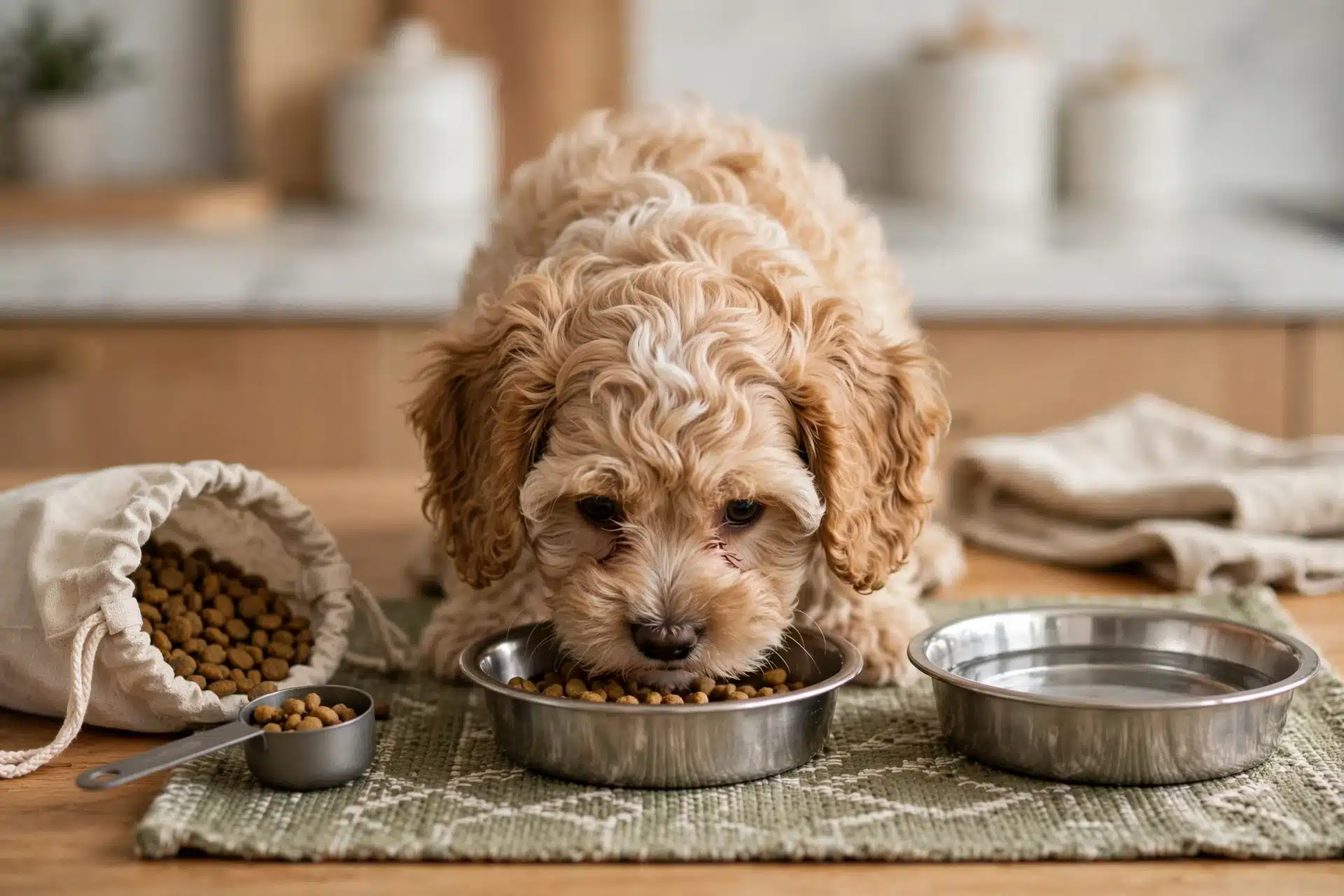
A Havapoo puppy under 12 weeks eats four meals a day, spaced about four hours apart. Drop to three meals between 3 and 6 months, then two after 6 months. The AKC’s puppy feeding fundamentals lays out this same age-by-age timeline.
| Age | Meals per day | Example times |
|---|---|---|
| 6 to 12 weeks | 4 | 7 a.m., 11 a.m., 3 p.m., 6 p.m. |
| 3 to 6 months | 3 | 7 a.m., noon, 5 p.m. |
| 6 months and up | 2 | 7 a.m., 5 p.m. |
Havapoos are small, so use the food your breeder sent home with the puppy and switch brands slowly over a week. Breed-size feeding charts give a starting point, but your vet adjusts for body condition. If your puppy leaves food behind at one meal, don’t free-feed to compensate. A skipped meal here and there is normal.
Keeping Water Simple and Available
Leave fresh water down all day while the puppy is awake. Small breeds dehydrate faster than big ones, and a Havapoo playing hard can empty a bowl in minutes. Refill at each meal, and wipe the bowl area since long hair around the mouth dribbles.
Lift the bowl about two hours before bedtime. That gives the last potty trip a fair chance to work. During the day, don’t ration water to control potty accidents. It backfires and risks dehydration. A healthy puppy drinks when thirsty and pees on schedule.
Mealtime Manners for a People-Loving Breed
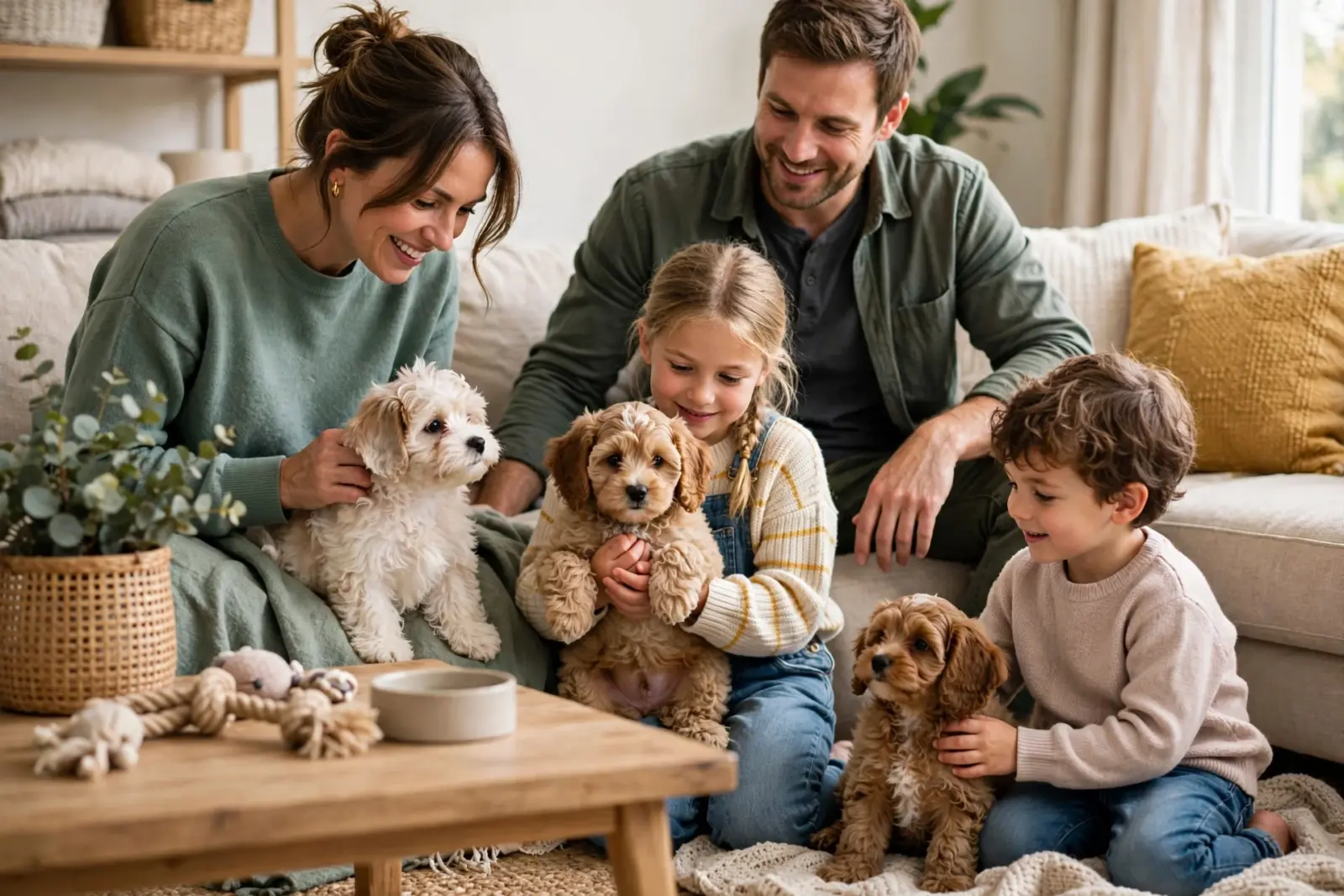
Havapoos bond hard with their humans, which makes mealtime a teaching window. Sit nearby while your puppy eats. Once a week, add a few pieces of kibble by hand mid-meal. This builds a calm association with people near the bowl, and it matters for families with kids.
Keep it reward-based. Never take the bowl away as a “test,” which can teach guarding instead of trust. Instead, drop something better into the bowl while your puppy watches. Within a week, most Havapoos will pause mid-meal to check your hand for extras, which is exactly the habit you want.
Step 3: Fit Potty Breaks, Sleep and Play Together
Potty breaks, naps, and play all feed each other. A Havapoo who sleeps well wakes up calm, and a calm puppy learns the potty routine faster. Your havapoo puppy potty schedule and havapoo puppy sleep schedule should share one loop: wake, potty, eat or play, potty again, nap. Run that loop all day and your puppy will start predicting what comes next.
Potty Breaks That Follow Wake, Meals and Naps
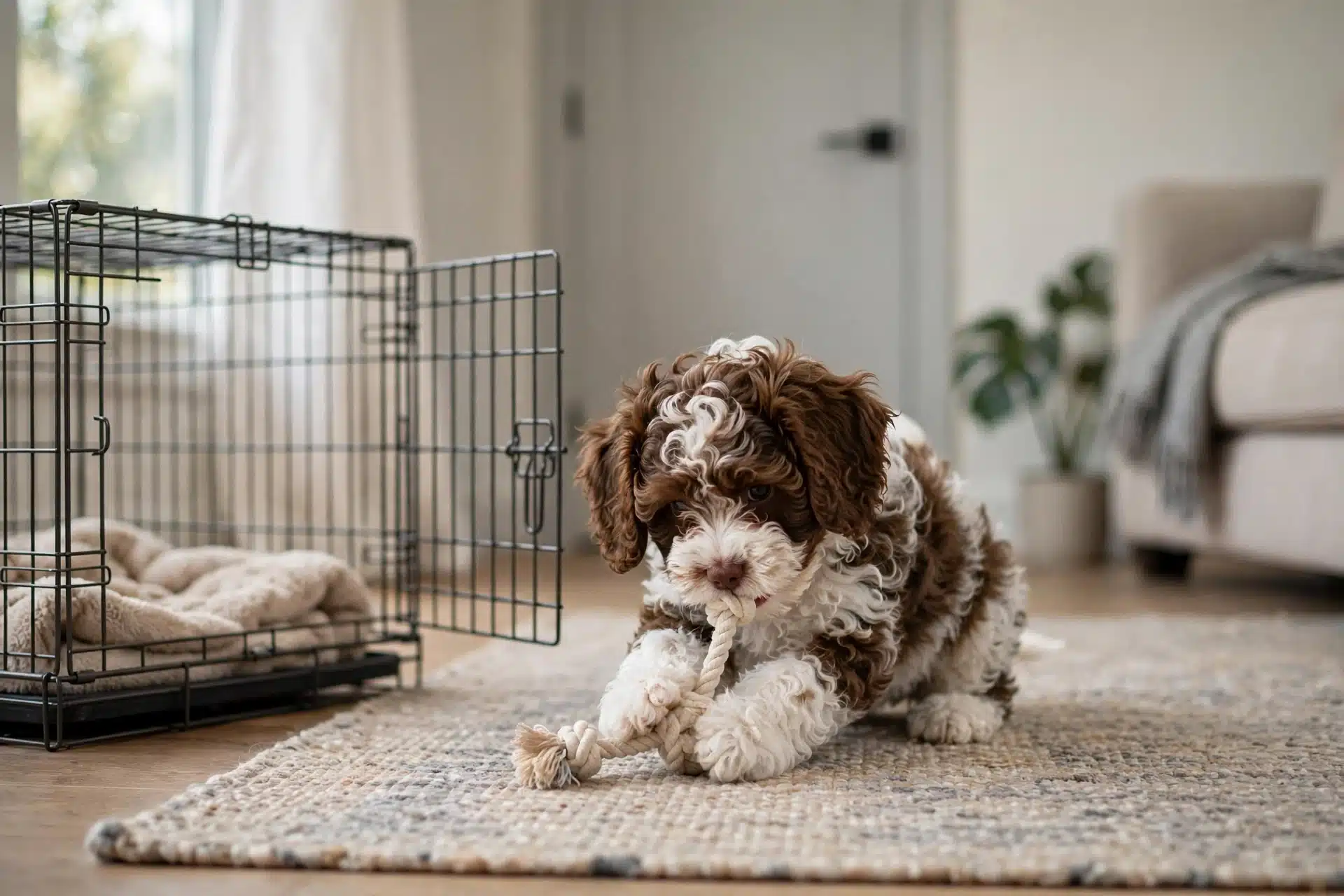
Tie every potty trip to an event, not to the clock alone. Take your puppy out the moment she wakes up, within 10 minutes of every meal, right after play, and again before the crate door closes for a nap. The AKC potty training guide recommends building the routine around sleeping, eating, and playing so the pattern sticks. Praise and treat the second she finishes outside, not after you get back in.
Sleep and Nap Rhythm
So how much sleep does a Havapoo puppy need? An 8-week-old needs 18 to 20 hours of sleep every day, which means about one hour awake for every one to two hours of napping. Plan the day around three or four long naps in the crate or playpen, plus a full night with one or two potty trips. Most first-week accidents happen because an overtired puppy was kept awake. Watch for yawning, slowing down, or cranky nipping, then settle her in the crate right away.
Play That Matches Havapoo Energy
Havapoos are people-oriented and playful, but they are still small puppies. Keep each play block to 5 to 10 minutes: fetch down a hallway, a sniffing walk in the yard, or short reward-based training sessions. Skip long walks and stairs until her joints mature. Their friendly, social temperament makes games with you more rewarding than toys alone, so join in rather than watching from the couch.
Step 4: Work the Training Blocks You Can Repeat Daily
A Havapoo learns fast, but only in small doses. Training works best when it rides the rhythm you already built: a short block after a potty trip, another after a meal, one more before the evening nap.
Two or Three Short Sessions a Day
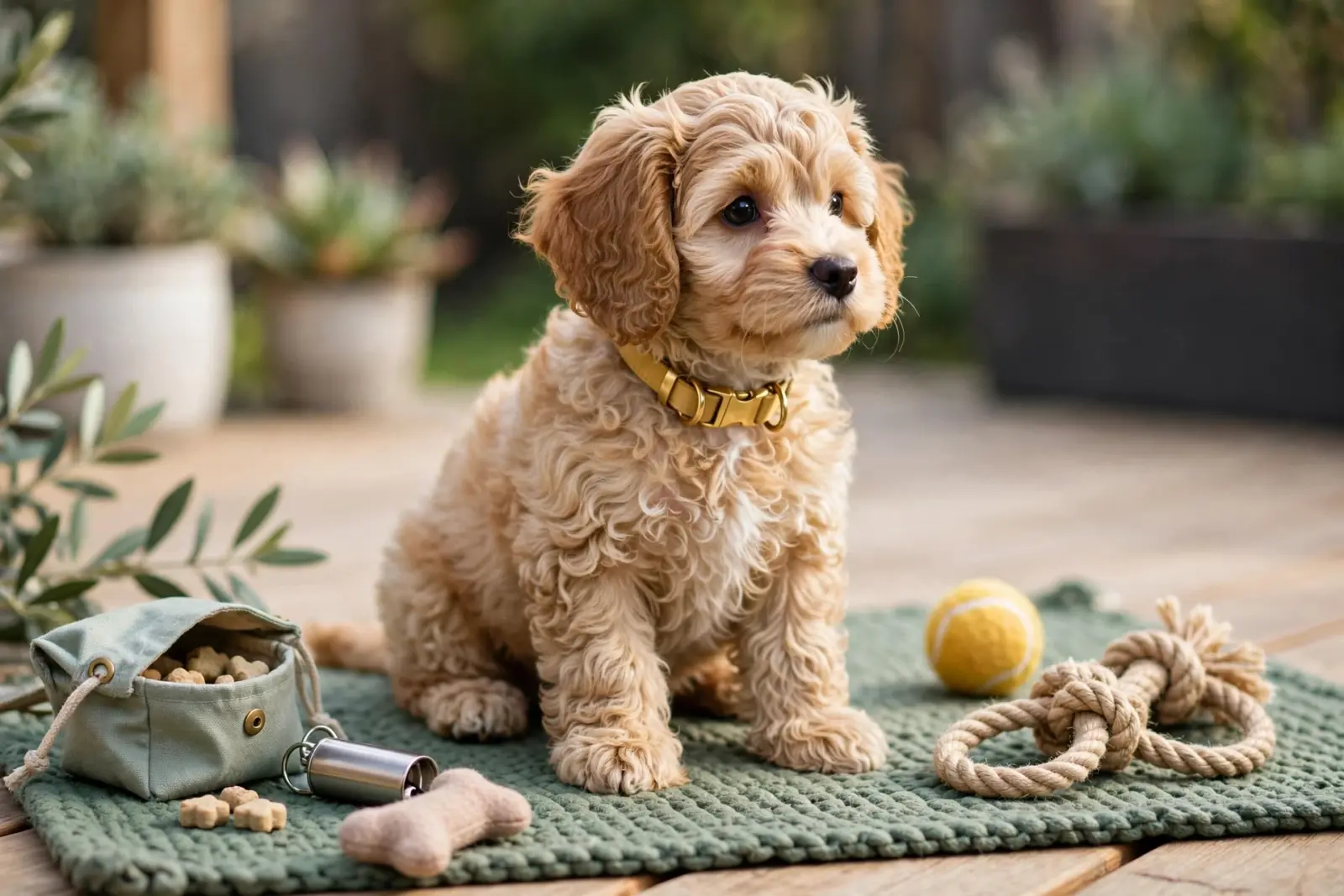
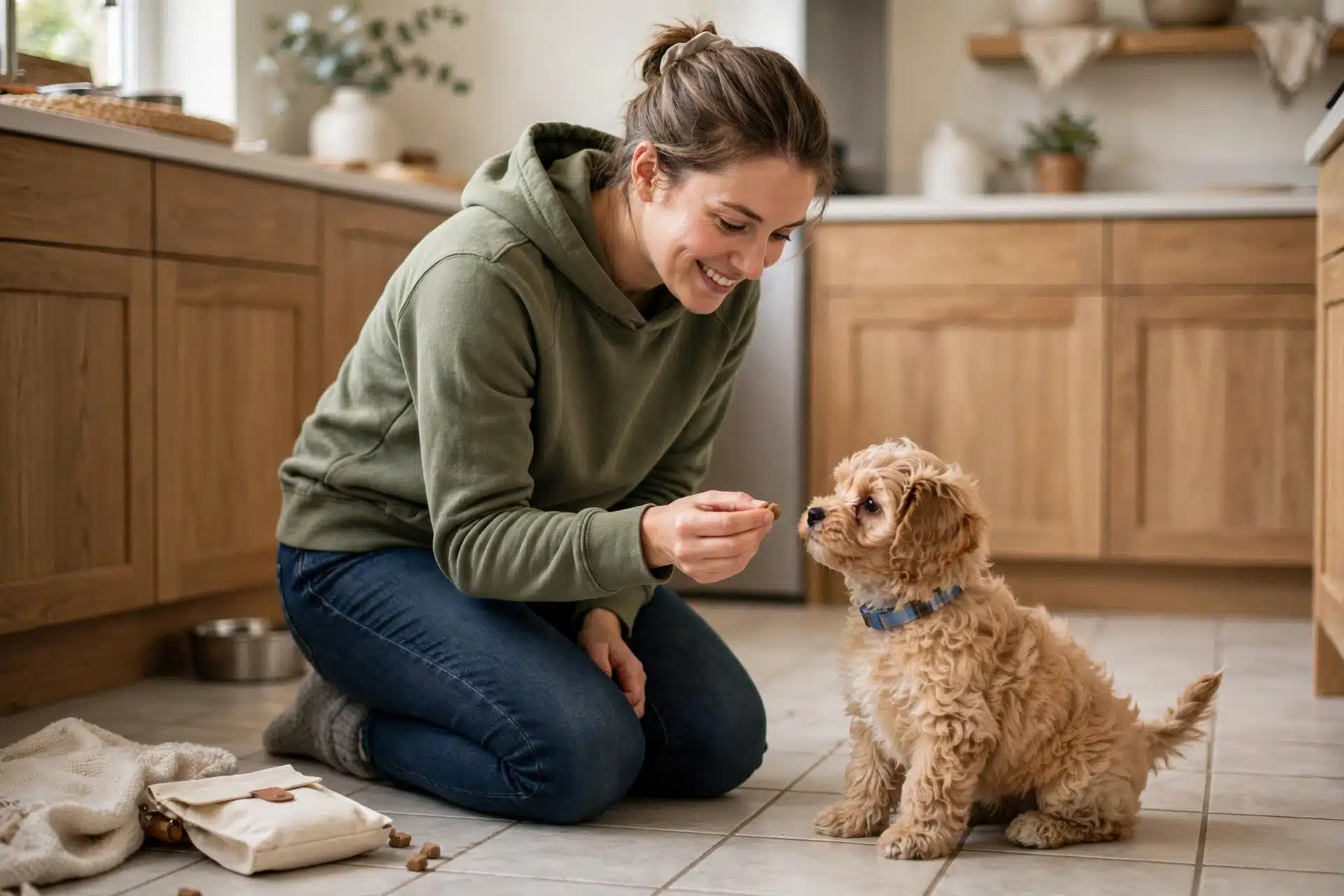
Keep each session to 5 minutes or less. Puppies have short attention spans, so trainers advise brief, frequent practices instead of one long drill, and the AVMA’s puppy guidance says the same: keep sessions short and reward good behavior right away with treats, petting, or praise. Pick the same times each day, like after breakfast and before dinner, so your puppy starts to expect them. End every session on a win, even a simple sit, and quit while she still wants more. Short and happy beats long and frustrating every time.
The Weekly Skill List
Give each week one focus so you are not teaching five things at once. A simple progression looks like this:
| Week | Main skill | Everyday practice |
|---|---|---|
| Week 1 | Name recognition | Say her name, reward the head turn |
| Week 2 | Sit and potty routine | Ask for a sit before meals and door openings |
| Week 3 | Crate and settle | Reward calm moments inside the crate |
| Week 4 | Recall indoors | Call across one room, pay big when she comes |
| Week 5 | Handling and grooming | Touch paws, ears, and coat, then treat |
There’s more depth on small breed puppy training skills worth teaching early if you want the full list. Review old skills for a minute at the start of each session so nothing slips.
Reward-Only Handling, No Punishment
Stick to rewards. The American Veterinary Society of Animal Behavior recommends only reward-based training methods for all dogs, including problem behavior. Scolding or pushing a Havapoo’s nose at an accident just teaches her to hide from you. Instead, reward the behavior you want within one second, and manage the rest with your crate and playpen routine so mistakes stay rare.
If a session goes sideways, end it calmly and try again after her next nap. Tired puppies cannot learn, and neither can frustrated owners.
Step 5: Add Grooming, Handling and Vet Care to the Week
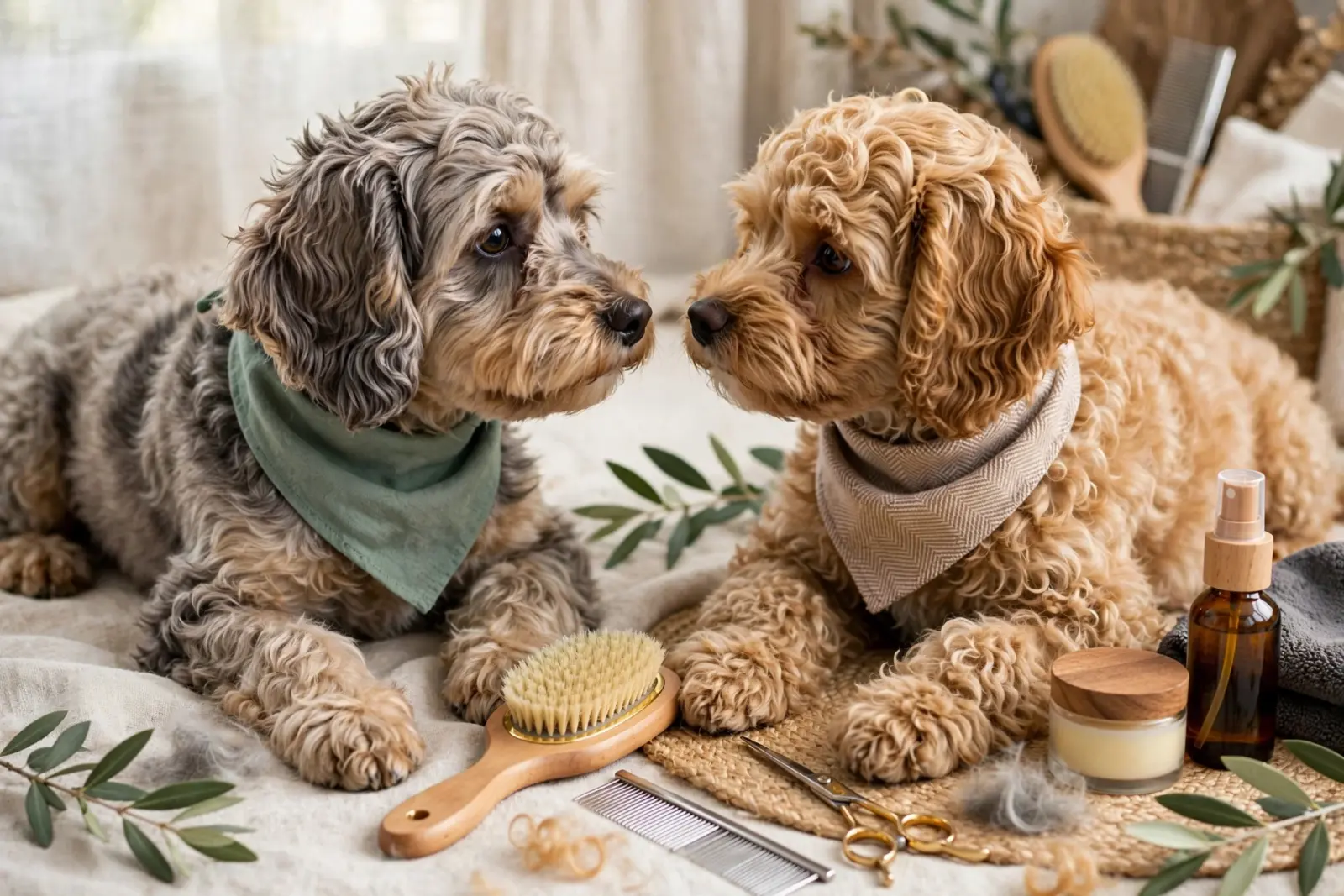
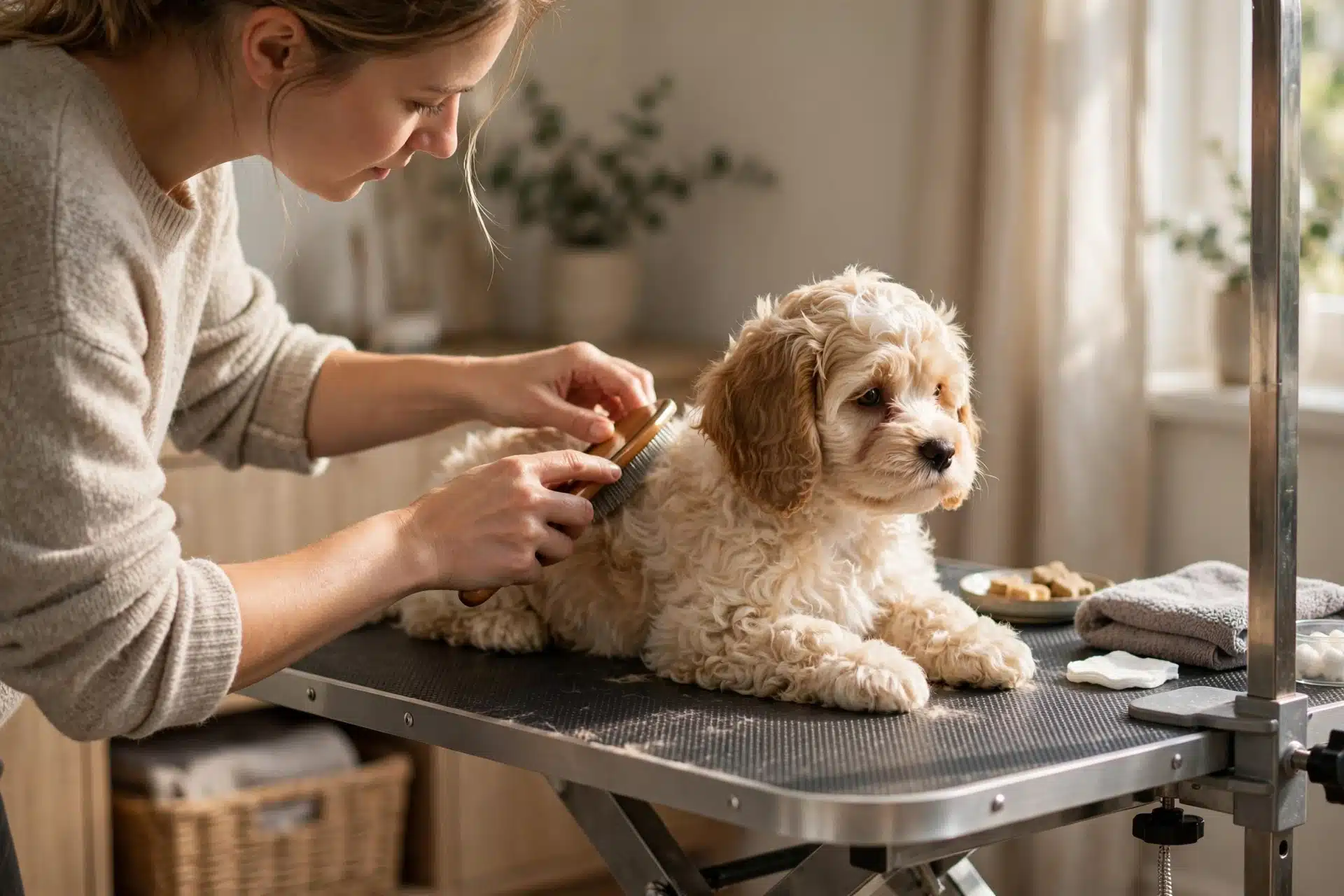
A Havapoo’s soft, wavy coat mats fast, so grooming belongs on the weekly schedule, not on the “someday” list. Pick one set day and time, like Sunday after the afternoon nap, and keep it short. Five minutes of brushing with a slicker brush, a quick check of ears and eyes, and a treat at the end beats a marathon session she learns to dread. Before her first professional groom, work up to it in small steps.
A Weekly Grooming Slot
Brush two to three times a week at minimum; daily is better during coat changes. Comb behind the ears, under the legs, and along the belly, where mats form first. Wipe tear stains with a damp cloth and check ears for redness or odor. Bathing every three to four weeks is plenty. Our Havapoo coat care guide for Havanese coats covers the same brushing and mat-prevention basics, and the routine transfers directly to a Havapoo puppy.
Nails, Teeth and Handling Practice
Trim nails every two to three weeks, or just file the sharp tips when you hear clicking on hard floors. Once a day, touch a paw, lift an ear, or run a finger along her gums, then pay with a treat. Two minutes of handling practice now makes nail trims, vet exams, and grooming tables easy for life.
Vet Visits and the Vaccine Series
Book a wellness exam within a few days of bringing her home. Vaccine milestones look like this:
- 6 to 8 weeks: first core (DAPP) shot, often done by the breeder
- Every 3 to 4 weeks after: repeat boosters
- 16 weeks or older: final dose, plus rabies
- By 4 to 6 months: spay or neuter discussion
The AVMA notes the final puppy vaccine usually lands at 16 weeks, and your vet may adjust timing. Until then, avoid dog parks and keep walks to your own yard.
Step 6: Review the Week and Adjust the Next One
A routine that worked on Monday often needs small tweaks by Friday. Spend five minutes each Sunday comparing what happened to what you planned, then carry the fixes into next week.
The Five-Minute Sunday Review
Sit down with a note app or a kitchen notepad and answer four questions. How many accidents happened, and at what time of day? Did she settle in the crate, or fight every nap? Which potty trips worked on the havapoo puppy potty schedule, and which slipped? What did she learn this week, and what stalled?
Write one change, not five. If accidents cluster at 4 p.m., add a trip there. If naps run long, shorten the play block before them. This review is also a good place to note grooming wins, because a young pup who tolerates a quick brush on Sunday makes the full havapoo puppy grooming routine far easier by 6 months. When a question stumps you, the first 30 days guide covers most week-by-week bumps.
Signs Worth a Call to the Vet
Adjust the schedule freely, but never adjust away symptoms. Puppies dehydrate fast, so call your vet the same day for repeated vomiting or diarrhea, a bloated or painful belly, pale gums, labored breathing, or a seizure, as outlined in this overview of common puppy emergencies. Lethargy paired with vomiting or refusing food also warrants a prompt call. Skipping meals once is common; skipping two meals plus low energy is not.
What Changes as the Puppy Grows
Meals shift from four to three around 3 months, then to two near 6 months. Stretch play blocks a few minutes. Keep sleep and potty anchors steady while coat care sessions lengthen slowly with each grooming win.

A steady routine turns those first chaotic weeks into calm ones, and it starts before your puppy comes home. If you want a Havapoo raised with structure and care, Sage Puppies matches families with well-bred puppies and walks you through preparation. Visit Sage Puppies to start your application and bring your routine to life.
Frequently Asked Questions
Q1: What is a good Havapoo puppy care routine for beginners?
Start with one loop: wake, potty, eat, play, potty, nap. Anchor three or four meals, tie potty trips to events, and repeat the same times daily. Beginners succeed with a written schedule taped where the whole family can see it.
Q2: How long can an 8-week-old Havapoo puppy hold its bladder at night?
Usually about three to four hours. Plan one or two overnight potty trips, take her out right before bed, and expect longer stretches as she nears 12 weeks.
Q3: When can my Havapoo puppy walk outside safely?
Your yard is fine from day one. Keep her off sidewalks, parks, and shared grass until the final core vaccine lands at 16 weeks or older, per AVMA timing.
Q4: How much exercise does a Havapoo puppy need?
Short blocks only: five to ten minutes of play or training, one hour awake, then a nap. Skip long walks and stairs while her joints mature.
Q5: What should I do the first week with a new puppy?
Hold anchors steady, keep naps frequent, and skip busy outings. Work on name recognition, and review accidents and crate nights each Sunday to make one small change.
Conclusion
A Havapoo puppy care routine comes down to one repeated loop: wake, potty, eat, play, potty, nap. Anchor the meal times, tie potty trips to events instead of the clock, and protect the 18 to 20 hours of sleep an 8-week-old needs each day. Add two or three short reward-based training blocks, a Sunday grooming slot, and a five-minute weekly review where you change one thing, not five. Vaccine timing from the AVMA tells you what is safe now and what waits until the final dose at 16 weeks. Keep the plan boring and consistent, and the first week with a new puppy stops feeling like chaos and starts feeling like a rhythm your whole family can keep.