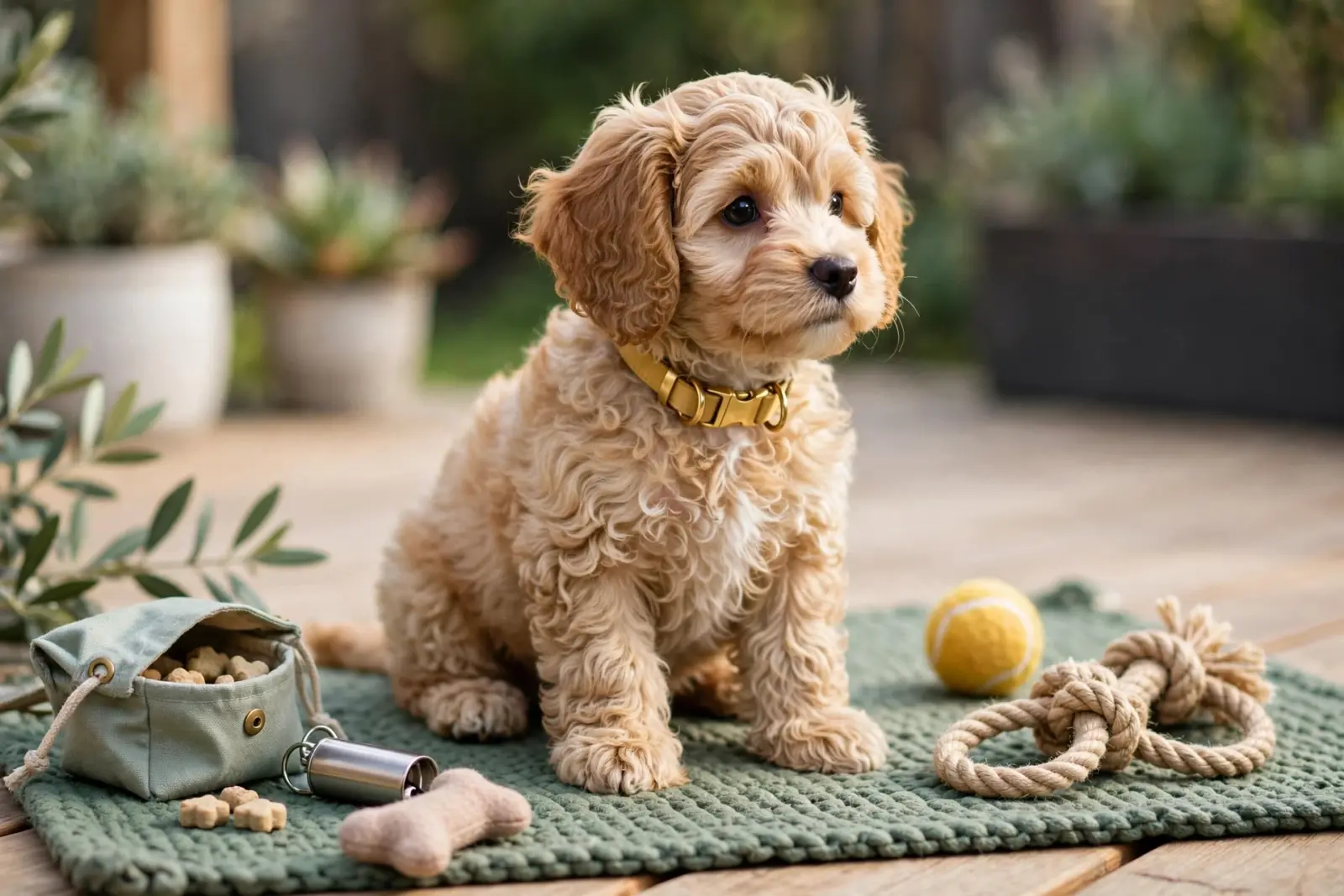
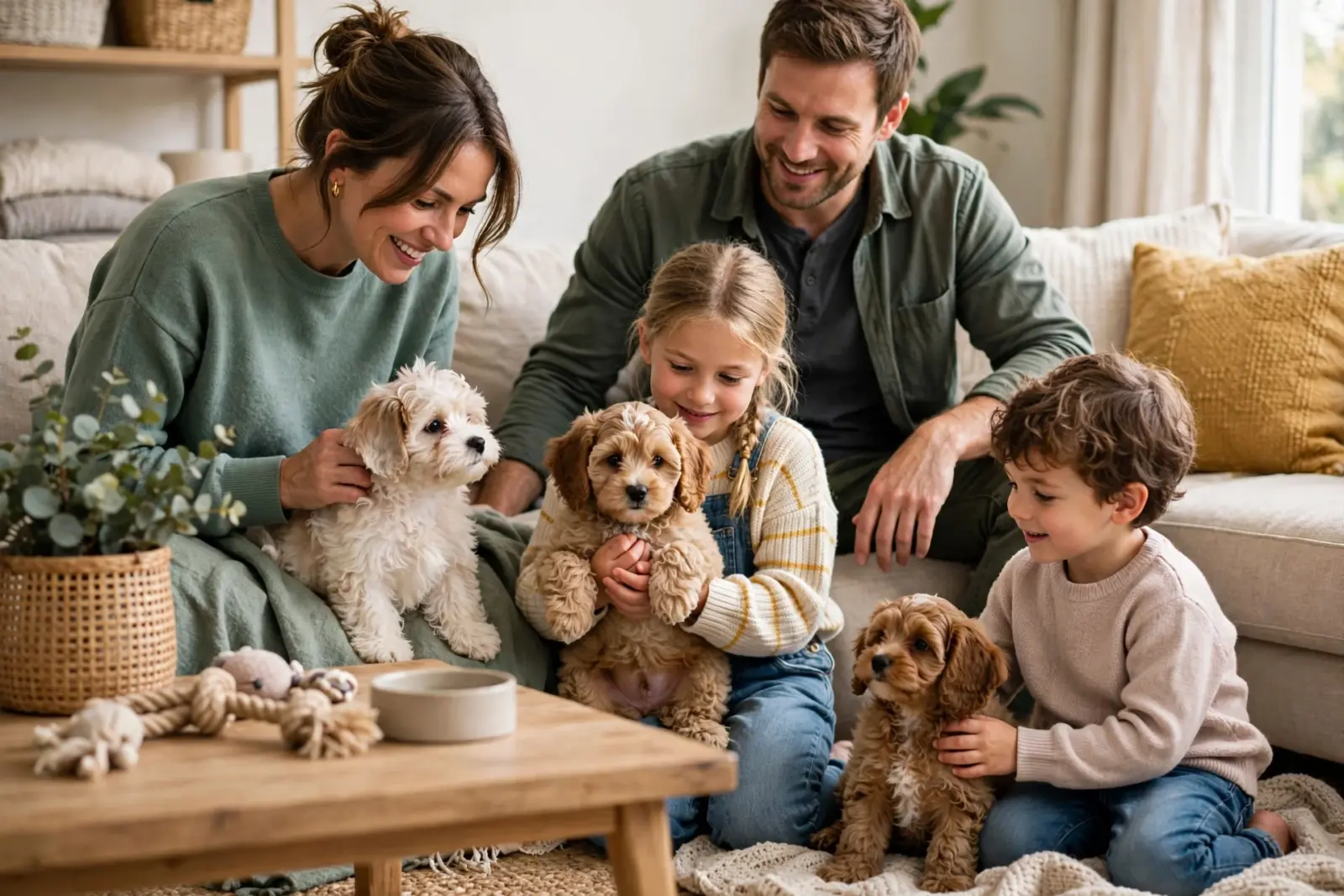
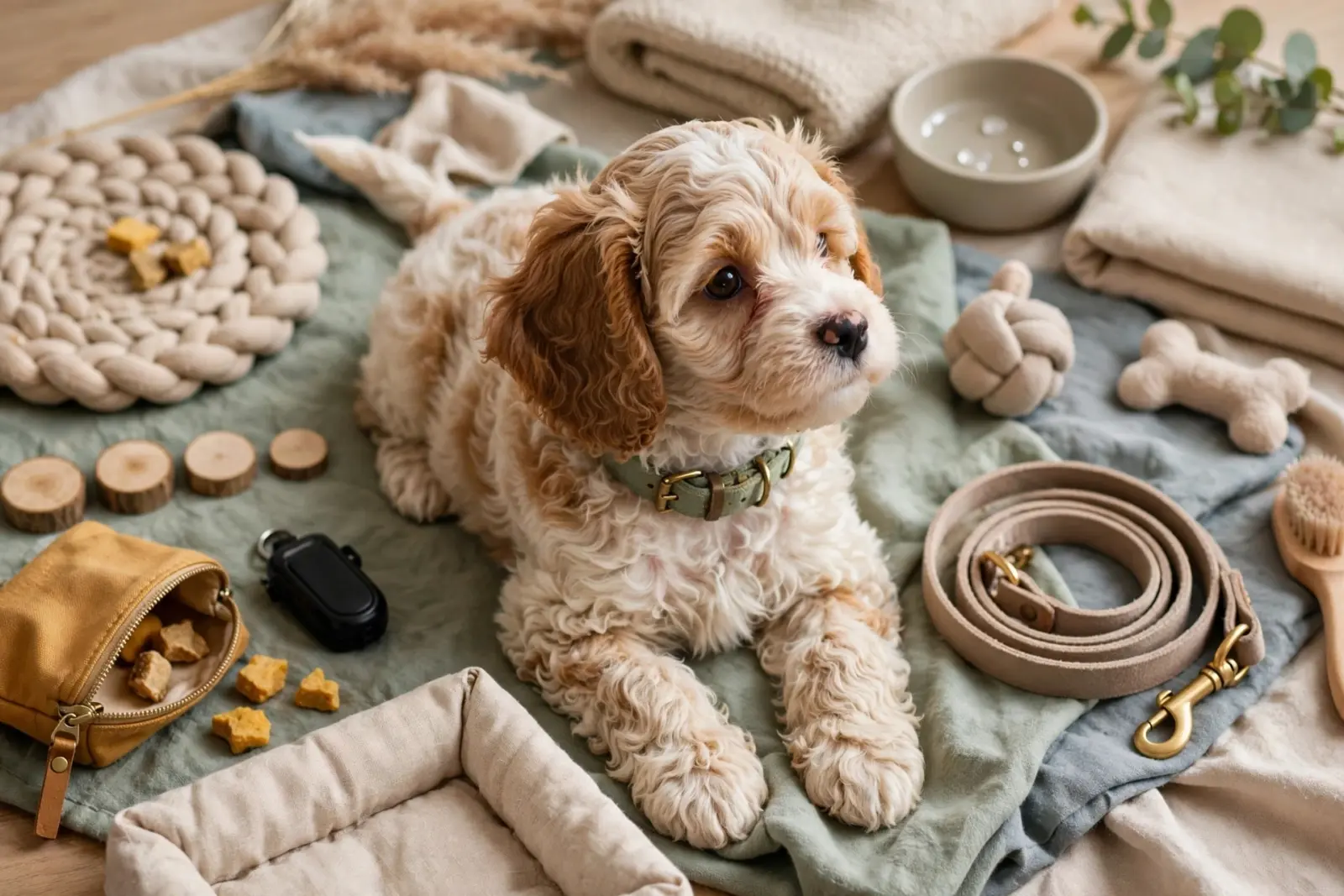
Quick Summary: Socialize Havapoo puppies early with short, low-pressure exposure, starting with a calm home routine and introducing one person or place at a time. Match puppy play with calm, similarly sized dogs, watch for stress signals such as hiding, stiff bodies, and sharp mouthing, and use calm interruptions and rewards rather than punishment. Sage Puppies advises checking vaccination and deworming requirements before public outings or puppy classes, then repeating two or three brief exposures daily to build confidence.
The first time a Havapoo puppy meets a neighbor, a guest, or an older dog, the outcome depends less on the puppy’s boldness than on what the people around the puppy did in the ten seconds before. Havapoo puppy socialization works that way. Good experiences build a confident companion, and a rough first meeting can shape months of worry.
So how do I socialize a Havapoo puppy? Start early, keep it safe, and follow three steps: introduce new people and places during the puppy socialization period, match play with the right partners, and reward calm behavior every time. This guide covers each one, plus stress signals, safe puppy play with adult dogs, and when a puppy class makes sense.
We breed Havapoos at Sage Puppies in South Jordan, Utah, and we attach conditions to every timing tip, because a puppy’s health comes before any checklist. The result is a socialization plan built around how Havanese mixes actually play.
Step 1: Set Up a Safe Base in the First Days Home
Every good Havapoo puppy socialization plan starts at home, not in a park. Before you introduce the world, your puppy needs a calm, predictable base where sleep, food, and potty breaks happen on a steady rhythm. That base is what makes later outings feel safe instead of scary.
Give the First Three Days Room to Settle
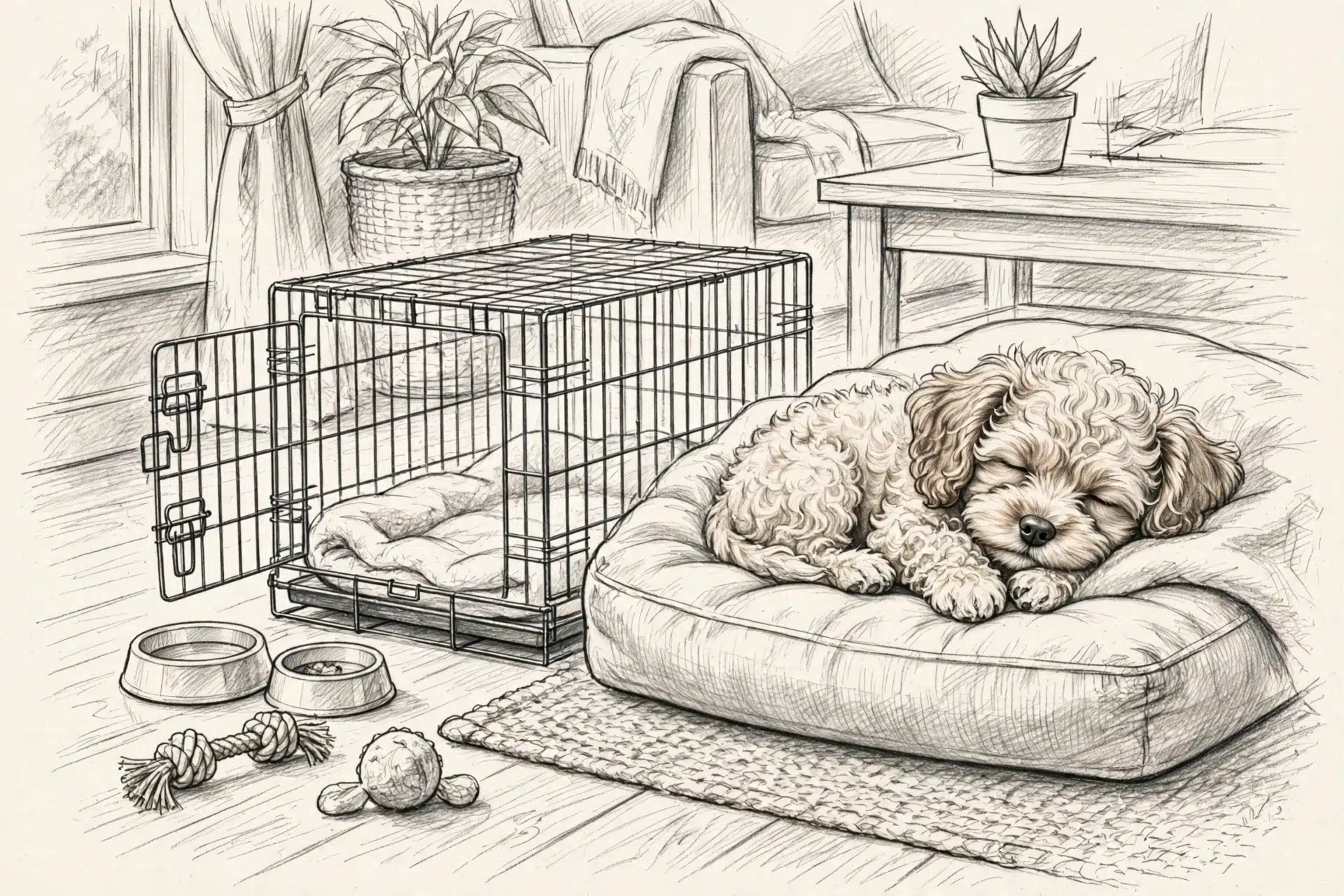
The ride home, new smells, and new faces are a lot for an eight-week-old puppy. Plan a quiet first week: short handling sessions, gentle chewing, and naps in a crate or playpen. Keep visitors few, and let the puppy come to people instead of being passed around. This settling window sets the tone for the whole puppy socialization schedule. Resist the urge to schedule outings during these first days; rest comes first. Our care guide covers how this base supports early Havapoo puppy temperament and care.
Build a Small, Predictable Routine
Puppies relax when they can predict the day. Keep it simple: potty after waking and eating, meals at the same times, a short play block, then a nap. Most young puppies sleep 18 or more hours a day, so protect naps even when the puppy seems keen to play. Feed the last meal a couple of hours before bedtime to help overnight sleep. A steady routine also makes potty training faster, because you learn the timing that fits your puppy.
Check Vaccination and Deworming Before Any Public Outing
Before sidewalks, pet stores, or puppy classes, confirm which vaccines and deworming your puppy has had and what comes next. The American Veterinary Society of Animal Behavior notes that socialization can begin before a puppy is fully vaccinated, but behavioral benefits must be balanced against disease risk. Ask your vet which places are safe at each stage, and carry your puppy in areas where unknown dogs roam.
Step 2: Introduce People One at a Time
A core part of Havapoo puppy socialization is teaching your pup that new people are safe and boring in the best way. Work through it as a numbered sequence: one person, one calm arrival, one positive outcome. Repeat that loop before adding anyone new.
Set the Visitor Up for Success
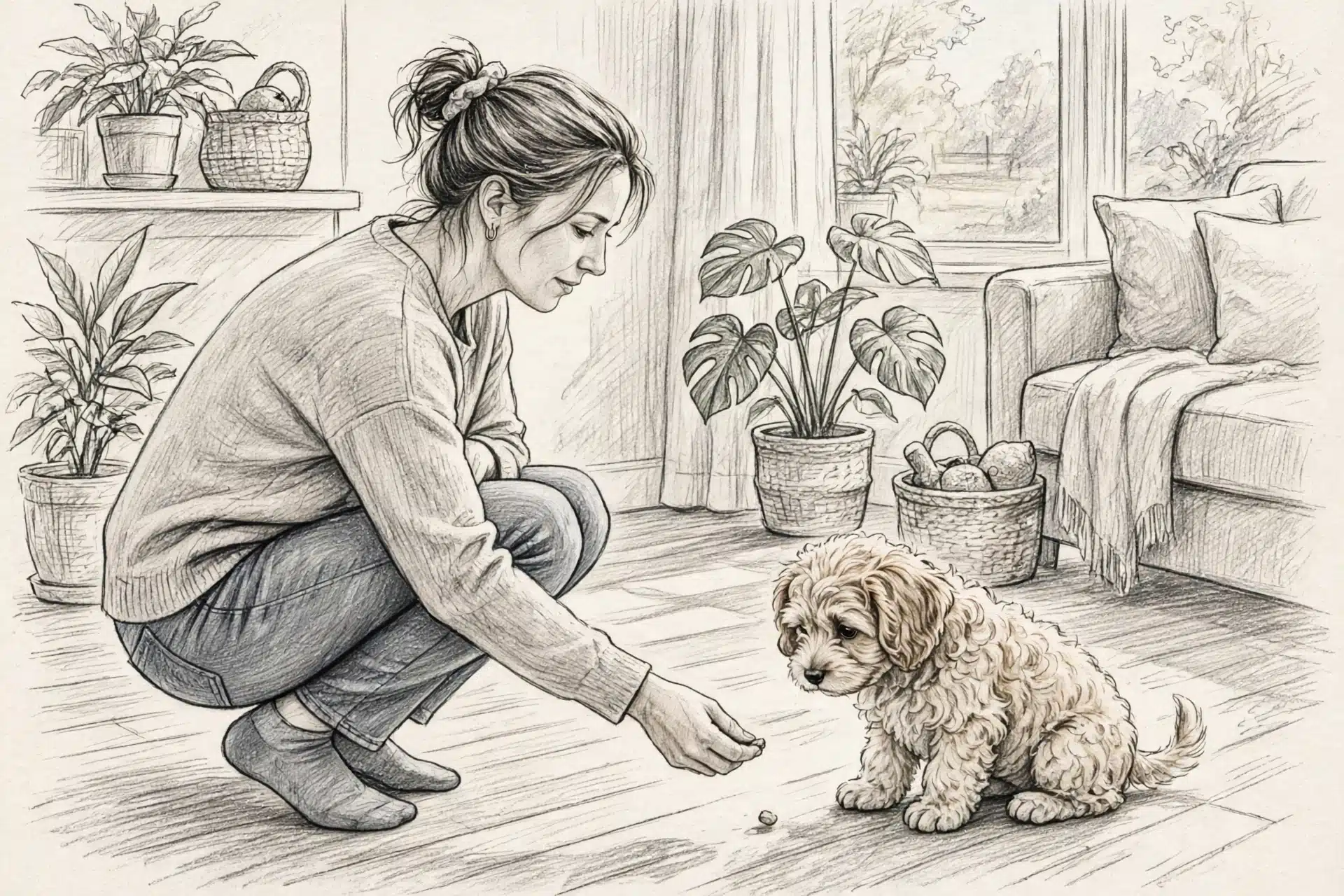
Brief every guest before they walk in. Ask them to enter quietly, ignore the puppy at first, and avoid reaching over the head. Crouch sideways, let the puppy approach, and offer treats tossed low to the ground. Skip loud greetings, fast hands, and picking up. A calm visitor teaches more in five minutes than an excited one does in an hour, so choose easy guests for early practice.
Let the Puppy Set the Distance
Your puppy decides how close to get. If they wander over, sniff, and stay relaxed, the visitor can offer a scratch under the chin. If they hang back, that is information, not failure. Step further away and let them observe. Rewarding calm looking from a distance builds confidence faster than coaxing the puppy forward ever will.
Watch the Havapoo-Specific Handling Risk
Havapoos are small, soft-coated companion dogs, and most people want to scoop them up. That habit can create two problems: a puppy who squirms when held, and later, one who guards against hands. Ask guests to touch feet, ears, and the collar briefly instead, always paired with treats. This kind of small breed puppy handling builds tolerance without overwhelm.
Keep Sessions Short and End Well
Two or three visitor meetings a week is plenty during the first month home. End each one before your puppy tires out, since young puppies need 18 or more hours of sleep a day. Finish on a success, then let the puppy settle in their crate. Short, calm wins stack up quickly.
Step 3: Set Up Safe Puppy Play
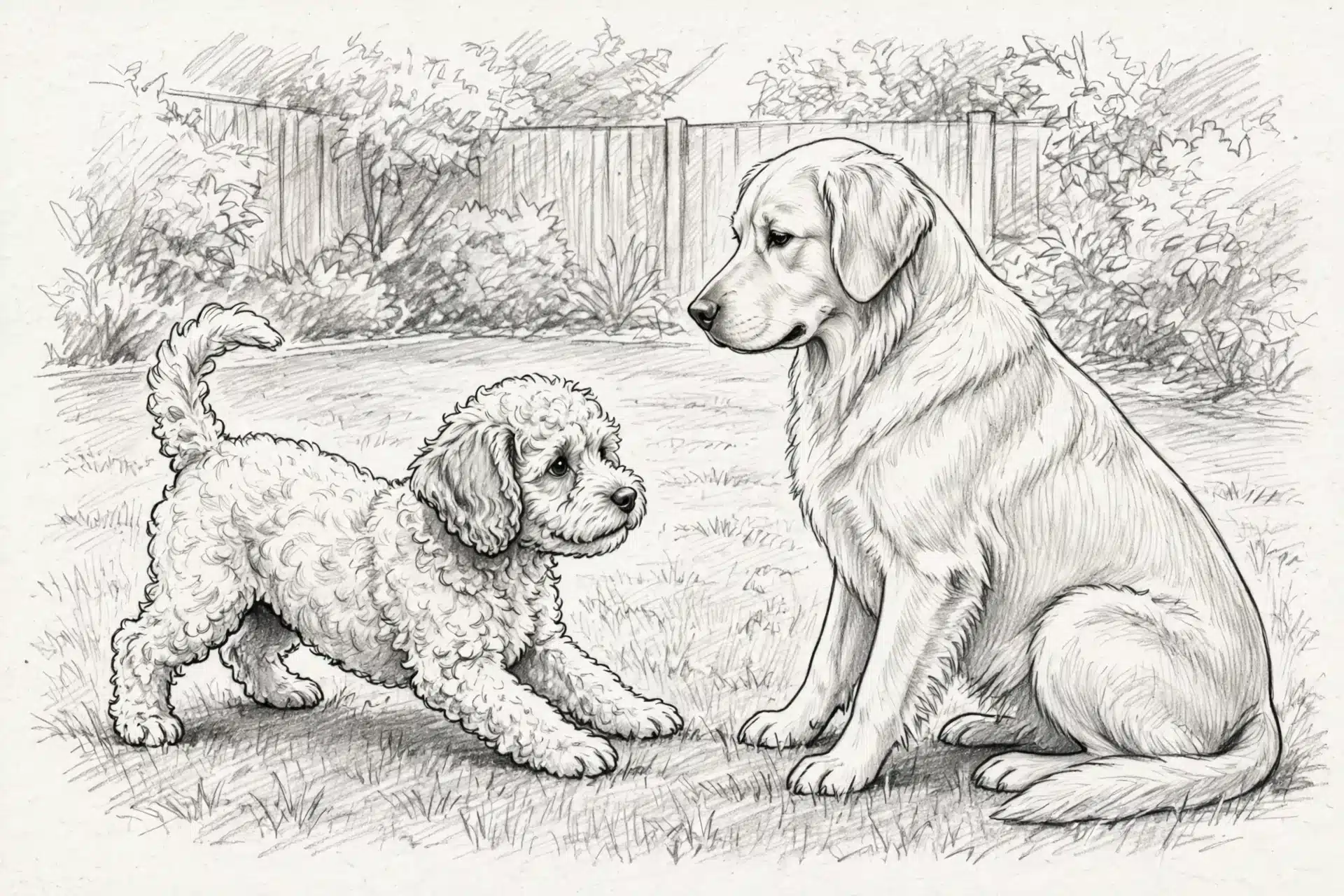
Healthy Havapoo puppy play has a recognizable rhythm. You will see a play bow (front end down, rear up), loose bouncy bodies, and dogs taking turns chasing and being chased. Pauses happen every few seconds, and both pups return willingly. According to the AKC’s guide to dog play, a play bow is one of the clearest signals that everyone wants the game to continue. Watch for these signs every single session:
- Role reversals: each dog wins sometimes
- Self-handicapping: the bigger or older dog holds back
- Frequent pauses: brief breaks, then both re-engage
- Soft mouths: nips, never hard bites
Read Healthy Play: Bows, Turn-Taking and Pauses
If the signals above keep appearing, let play run. Worry when bodies stiffen, one puppy hides or mounts constantly, or the chasing turns one-directional. Snapping, pinning without release, and a silent partner are stop signs too. Trust your gut: if you cannot tell whether it’s play, end the session and let everyone reset.
Match Play Partners by Size and Temperament
A Havapoo usually tops out under 15 pounds, so a romp with a bouncy Lab can go wrong fast. Choose calm adult dogs you know, or littermates and similar-sized puppies. One well-socialized adult who corrects gently teaches mouth inhibition better than ten chaotic puppy dates. Keep the first meeting short and on neutral ground.
Choose Safe Toys and Surfaces
Pick soft rubber toys sized for tiny mouths, and skip anything with loose strings or small parts that can be swallowed. Play on grass, rubber mats, or carpet rather than slick tile, since small breeds are prone to knee injuries during hard turns. Keep sessions short, five to ten minutes, and end while your puppy still has energy.
Interrupt and Reset, Never Punish
When play tips over, stop the game calmly. Separate the dogs for a short pause, then invite a restart if both are willing. Yelling or scolding teaches your puppy that hard play brings attention, so it can make things worse. Calm interruption, a treat, and a fresh start protect the fun without fear. This is the heart of reward-based puppy training, and it works the same way in a supervised Havapoo puppy play session as anywhere else.
Step 4: Read Stress Signals and Adjust
Play teaches, but only when the puppy stays comfortable. A Havapoo that feels pushed starts collecting bad memories instead of good ones, so your real job during puppy socialization is watching body language and stepping in early.
What are the signs a Havapoo puppy is overwhelmed during play?
- Lip licking, yawning, or a sudden shake-off when nothing is wet or tiring
- Turning the head or body away from a person or dog
- A tucked tail, flattened ears, or slow, careful movement
- Scratching or sniffing the ground out of nowhere
- Freezing, hiding behind your legs, or dropping flat
The Subtle Signs Havapoo Owners Miss
Havapoos are bidders for approval. Many will keep playing while quietly stressed, so the loudest warning is often a change in style rather than a stop. Watch for play that turns one-sided, mouthiness that gets sharper, or a puppy who keeps re-approaching after retreating. That last one can look like enthusiasm when it is really conflict. Reward-based puppy training helps here: mark and treat calm pauses so your puppy learns that checking in with you pays.
The Ladder of Difficulty
Treat every new experience like a rung on a ladder. Start with the easy version: a calm adult dog seen from across the yard, a vacuum in another room, one quiet child at a distance. If your puppy stays loose and curious, move one rung closer next session. If you see stress signals, step back down. Progress should feel boring. Sessions that stay under threshold build far more confidence than a bold one that tips your puppy over.
Recovering After a Scare
When something goes wrong, end the session on an easy win. Move away from the trigger, hand-feed a few treats, and let your puppy shake it off. A sniff-and-stroll on a familiar route resets most puppies in minutes. Then lower the intensity next time and rebuild.
Why One Bad Session Is Not a Deadline
Puppies have short memories when you respond well. One rough moment does not erase weeks of work, so skip fixed rules about how fast socialization must go. Adjust, go slower, and keep the experience ledger positive overall.
Step 5: Turn It Into a Weekly Routine You Can Keep
Socialization only works if it keeps happening. A puppy socialization checklist tells you what to cover; a routine makes sure you actually cover it. Your Havapoo puppy needs a puppy socialization schedule built from small, repeatable pieces, not long weekend marathons.
A Sample Week With Short Daily Pieces
Pick two or three exposures a day, five to ten minutes each. Monday might be a stroller ride past a school. Tuesday, brushing practice plus a new floor texture. Wednesday, a calm friend visits and hand-feeds treats. Pair each session with play so your puppy learns that novelty predicts fun. Keep a simple note on your phone: what you did, and how your puppy reacted.
The Everyday Exposures Worth Repeating
The ordinary stuff matters most. Practice handling ears, paws and mouth daily, since grooming and vet exams depend on it. Rotate surfaces (grass, gravel, tile, a wobbly cushion), sounds (dishwasher, traffic, kids playing), and people (hats, beards, umbrellas, different ages). Reward calm behavior after each new thing so the habit becomes “new is fine.”
Puppy Class: What Has to Be True First
A Havapoo puppy can generally start a puppy socialization class at 7 to 8 weeks old, with conditions. The AVSAB position statement calls for at least one set of vaccines given at least seven days before the first class, a first deworming, and ongoing vaccine boosters. The class itself must screen health, require vaccines for all attendees, and use reward-based methods. Skip any class that lets sick puppies attend or leans on corrections.
Veterinary, Groomer and Car Practice
Book a “happy visit” at your vet: weigh-in, treats, leave. Ask a groomer for a short intro session. Take short car rides that end somewhere good. Each trip builds a pattern your small-breed puppy will thank you for later.
Common Mistakes to Avoid
Overcorrecting and Using Force
Puppies test the world with their teeth, and new owners often respond with scruff shakes, alpha rolls, or loud scolding. These tactics teach a Havapoo that hands bring trouble, which can seed fear-based reactivity later. Skip the corrections and redirect instead: swap your sleeve for a chew toy, then reward calm mouthing choices. If nipping escalates, end the play session quietly and try again in a few minutes. Consistent, reward-based puppy training builds a dog that checks in with you rather than one that braces for punishment. The same applies to overloading: three new experiences a day beats ten crammed into a weekend.
Misreading Progress
Socialization is not a straight line. A puppy who handled the vacuum last week may bark at it today, and that regression is normal during fear periods. Owners often assume one good outing “finished” the job, then stop exposures entirely. Keep going, but slow down when your puppy hesitates; let them watch from a distance and eat treats before moving closer. Reading puppy body language matters more than checking boxes off a list. Whales eyes, tucked tails, and lip licking mean you pushed too fast. Track what each session covered so you can repeat wins instead of guessing. If play becomes too rowdy with a bigger dog, step in early rather than waiting for a bad experience to teach your puppy for you.

Good socialization starts before pickup day. At Sage Puppies, Cassie matches each Havapoo puppy to your family and shares how early play and handling were built into those first weeks. Apply today to reserve a well-started puppy, or reach out with questions about bringing your puppy home to Utah or anywhere nationwide.
Frequently Asked Questions
Q1: How do I start socializing a Havapoo puppy?
Begin during the puppy socialization period, once your vet clears short outings. Keep sessions to five or ten minutes, one new person or place at a time, and reward calm behavior after each exposure. Build from easy versions first.
Q2: When can my Havapoo start puppy class?
Generally at 7 to 8 weeks, with conditions: at least one vaccine set given seven days prior, a first deworming, and a class that screens health and uses reward-based methods.
Q3: Can my Havapoo play with bigger dogs?
Only calm, gentle adults you know, on leash and neutral ground. A Havapoo under 15 pounds can get hurt in rough games, so watch for self-handicapping and frequent pauses.
Q4: How do I know if play has gone too far?
Watch for stiff bodies, one-sided chasing, hiding, or sharper mouthing. Calmly separate, pause, then restart only if both dogs re-engage willingly.
Q5: How many socialization sessions does a puppy need each week?
Aim for two or three short exposures daily. Steady, boring wins beat weekend marathons, and brief notes help you track what worked.
Q6: What if a bad experience sets my puppy back?
End on an easy win, hand-feed treats, and lower the intensity next time. One rough session does not erase steady progress when you respond calmly.
Conclusion
Raising a well-adjusted Havapoo comes down to steady, low-pressure habits. Set up a calm first-week routine before any outings, introduce people one at a time, and match puppy play with partners who pause, take turns, and hold back. Learn your puppy’s stress signals early, since a Havapoo will often keep playing while quietly overwhelmed. Work up the ladder of difficulty slowly, and let a setback be information rather than failure. Keep sessions short, reward calm behavior, and repeat the small exposures daily instead of relying on one big weekend. When class time comes, check the vaccine conditions first. Do that, and the same pup who met a neighbor nervously at eight weeks will greet the world as a confident, bouncy companion by six months.