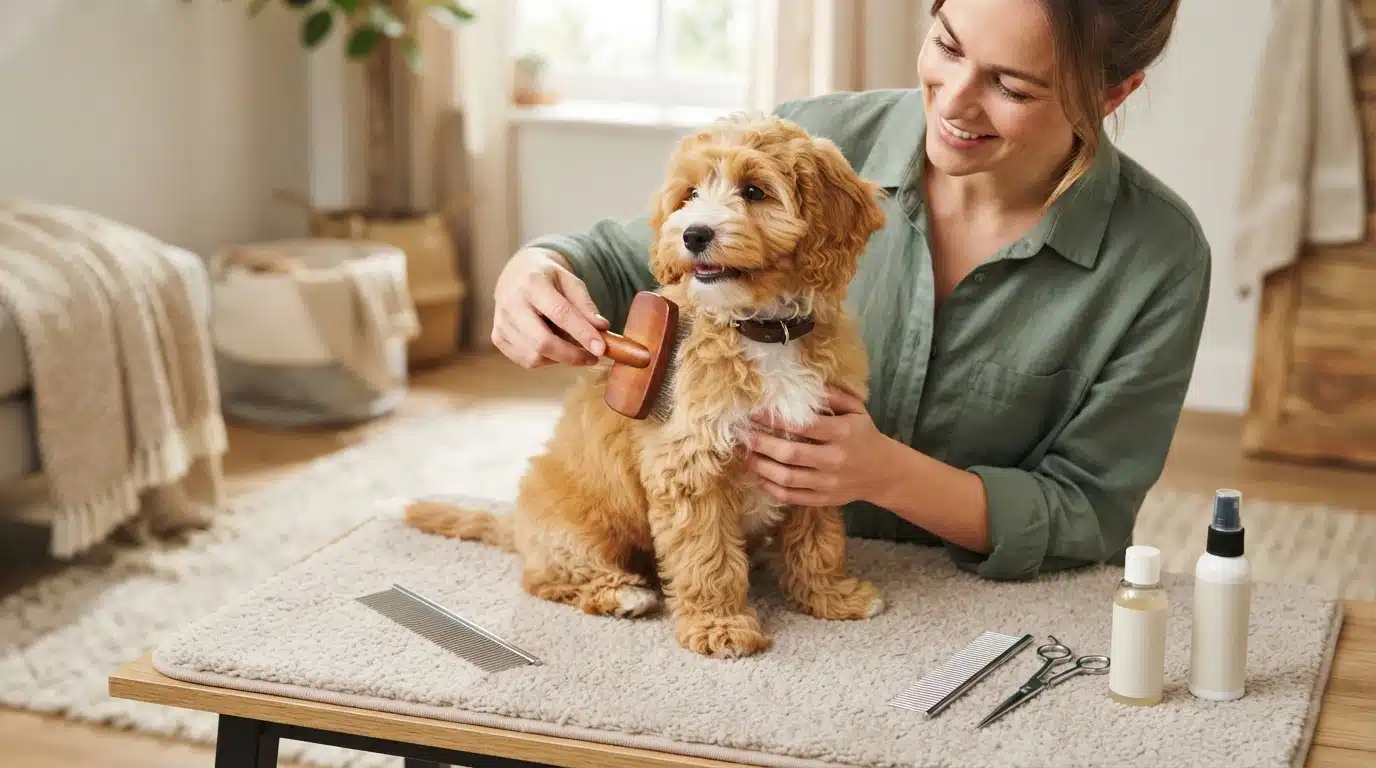
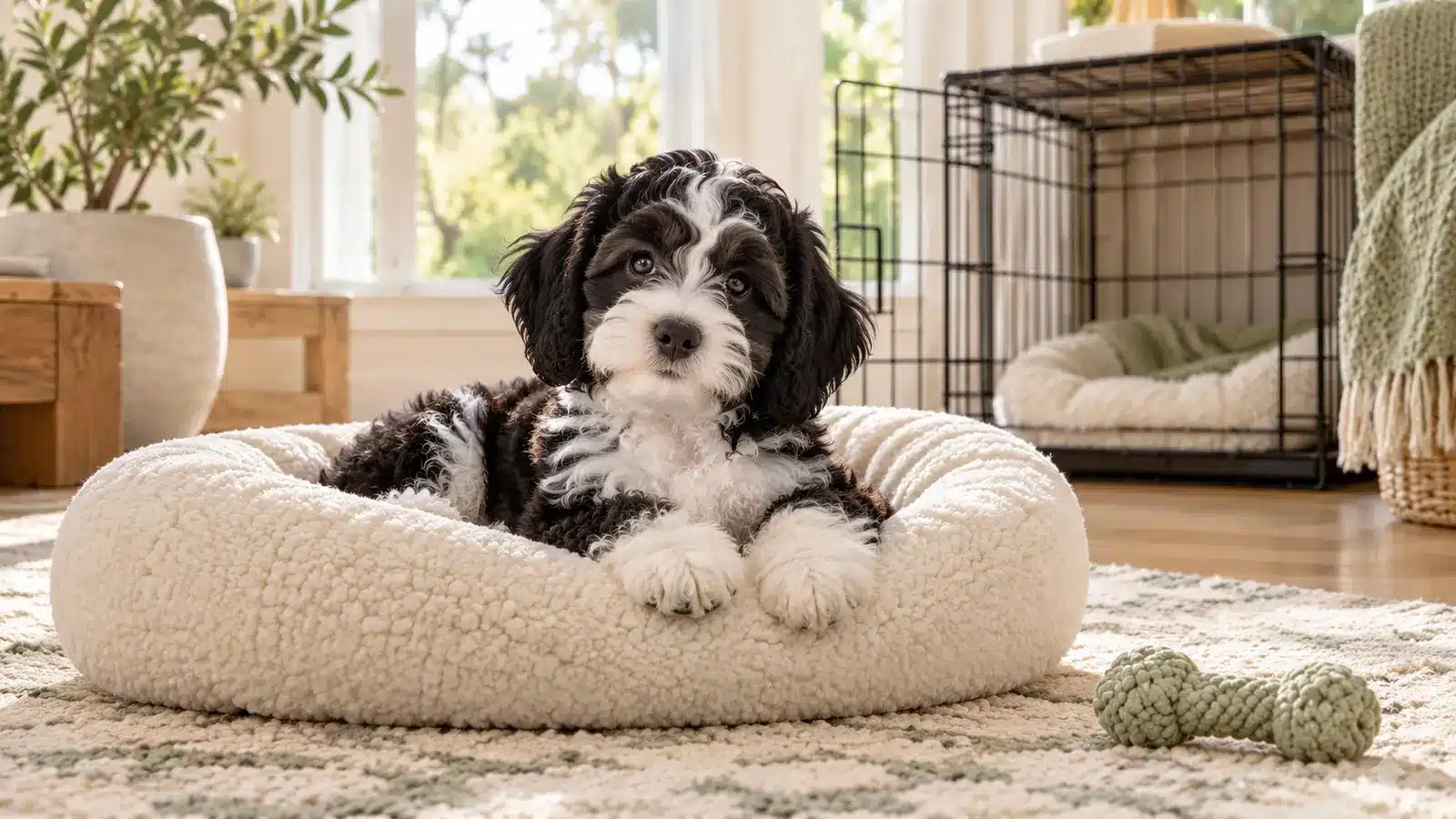
Quick Summary: Havapoos are small, friendly dogs that often fit well into family life, especially with proper early socialization and training. Their coat type varies and requires regular grooming, and costs depend on breeder quality, health testing, and raising practices. Choosing the right breeder and matching the puppy’s temperament to your home are key for a successful family pet.
A Havapoo puppy can look like a little teddy bear. What families really need to know is whether that same puppy fits busy school mornings, coat care, weekend fun, and quiet nights at home. That is where many buyers get stuck. Cute is easy to spot. The right match is harder.
This guide helps you judge the full picture. You will see what a Havapoo family dog usually costs, how coat type changes grooming needs, and why a Havapoo family dog often works well for first-time owners. You will also learn where expectations should be realistic, because not every Havapoo family dog is the same.
At Sage Puppies, we focus on thoughtfully raised companion puppies for real homes, with a calm, boutique approach that puts fit, trust, and family life first.
What Makes a Havapoo a Family Dog
A companion that wants to be near its people
A Havapoo usually feels happiest close to its family. That makes sense when you look at the Havanese side of the mix. The AKC describes the Havanese as a cheerful, sociable companion dog, and the FCI breed standard says the breed is affectionate, playful, and loves children according to the AKC and the FCI standard. In real life, that often means a puppy who follows you from room to room, settles near your feet, and wants in on daily routines.
That people-first nature is a big reason families choose a Havapoo. Many want:
- a dog that enjoys cuddles
- a small companion that fits apartment or house living
- a puppy that bonds closely with adults and kids alike
A close-bonding puppy can be wonderful for family life, but it also means early training matters. A Havapoo should learn how to rest, self-settle, and handle short periods alone.
How Havapoos typically fit into homes with children and other pets
Havapoos often do well in busy homes because they are small, social, and usually eager to please. With good early social time, many adjust well to respectful children and can live nicely with other dogs and even cats.
A good family match usually looks like this:
- Kids know how to hold and pet a small dog gently.
- Adults supervise play, especially with young children.
- The puppy gets calm, steady introductions to other pets.
| Home factor | Why it matters | Best approach |
|---|---|---|
| Young kids | Small dogs can get hurt by rough handling | Teach gentle touch and supervised play |
| Other dogs | Temperament matters more than size alone | Use slow introductions |
| Cats | Many Havapoos can adapt well | Give each pet space at first |
At Sage Puppies, this is why temperament and early raising matter so much, not just looks.
Also Read: 10 Adorable Havapoo Colors You Need to See (2026)
Havapoo Puppy Cost and What Affects Price
A Havapoo puppy can cost more or less based on how the puppy was bred, raised, and prepared for family life. The lowest price is not always the best value if it skips health testing, early care, or clear paperwork.
Why one Havapoo puppy may cost more than another
Price often reflects the work behind the puppy, not just the puppy itself. A well-bred Havapoo may cost more because the breeder invests in health-tested parents, careful matching, early social time, clean home raising, and honest support after pickup.
According to the AKC’s guide to responsible breeders, good breeders should welcome questions, show how puppies are raised, and focus on health and stable behavior, not fast deposits.
| Price factor | Why it matters | What families should look for |
|---|---|---|
| Parent health testing | Lowers avoidable risk | Proof of testing and open answers |
| Home raising | Shapes confidence and habits | Clean setting, daily handling |
| Early socialization | Helps family fit | Exposure to people and normal sounds |
| Breeder support | Makes the process smoother | Contract, timeline, pickup details |

A higher price should come with clear value, not vague promises.
What to ask before you pay a deposit
Ask direct questions before sending money. You want to know who bred the puppy, how it was raised, what records you will receive, and what happens next.
The ASPCA warns about online puppy sellers because buyers often cannot verify where puppies were bred or see the real conditions in person.
Use this short checklist:
- Can I see the puppy with the mother?
- What health testing was done on the parents?
- What social steps have started already?
- What records come home with the puppy?
- Is the deposit refundable or transferable?
- How do pickup or delivery work?
At Sage Puppies, those questions should feel normal, not awkward. A careful breeder expects them.
Also Read: Havapoo Puppy Size Guide: Growth, Weight, and Care Tips
Havapoo Coat Type: What Families Should Expect
A Havapoo coat can be soft, wavy, curly, or closer to a straighter drop coat. That range is normal in a crossbreed, so littermates can look different as they mature.
- Some puppies lean more Poodle-like, with a curlier coat that keeps growing.
- Others lean more Havanese-like, with a silkier or looser wave.
- Many land in the middle, which is often the easiest look for families to picture.
The main thing to know is this: coat texture is not fully clear at eight weeks. According to AKC on dog coat type genetics, just a few genes drive length, curl, and furnishings, which helps explain why mixed-breed coats can vary so much.
Ask for recent photos and video in natural light, not just newborn pictures.
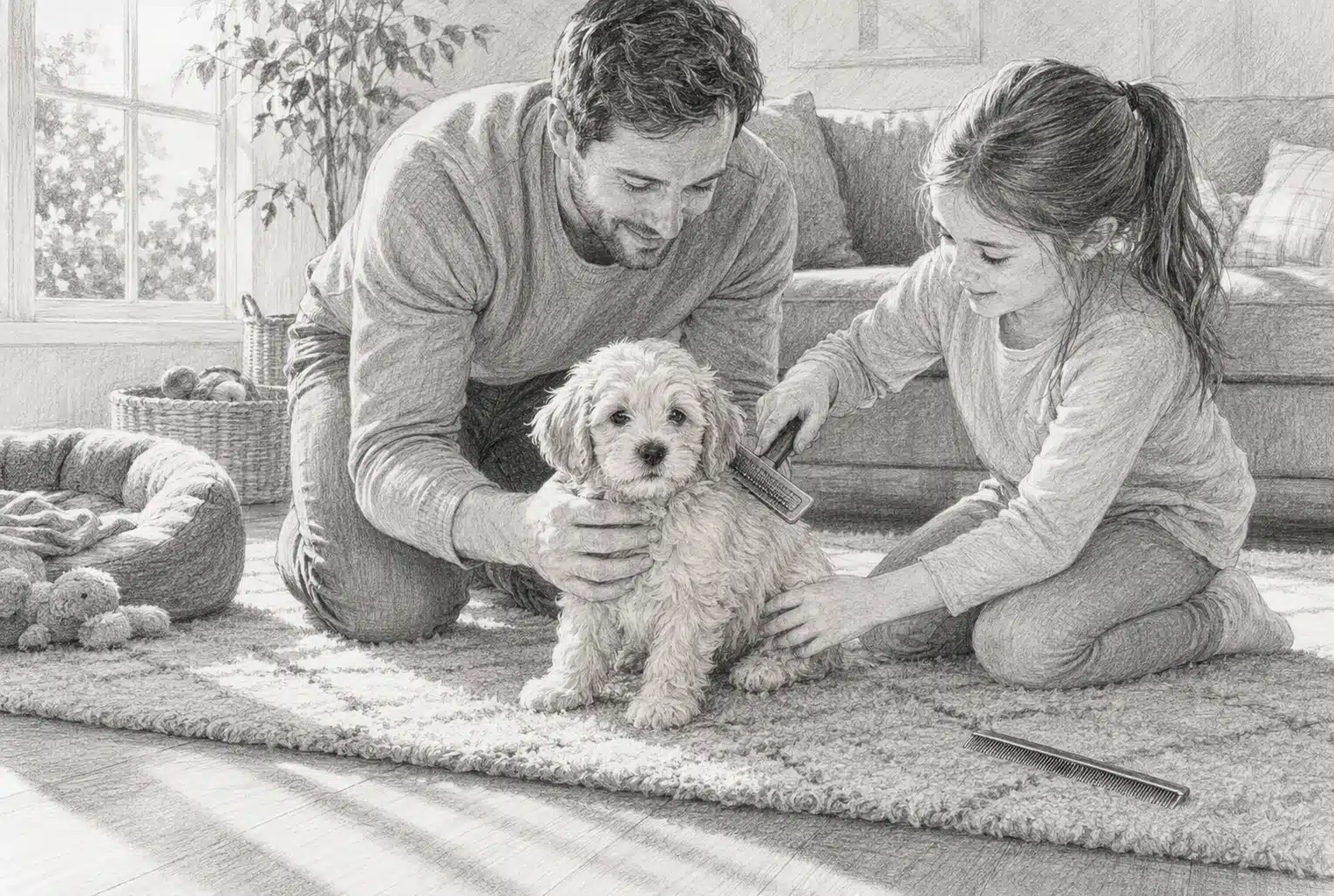
Low-shedding is one reason families love Havapoos, but low-shedding does not mean low-care. AKC notes there is no truly hypoallergenic dog, only dogs that may be less allergenic for some people because they shed less dander-linked hair, as explained in AKC’s hypoallergenic dogs guide.
That means coat care still matters a lot. A soft, growing coat can tangle fast, especially:
- Behind the ears
- Under the collar or harness
- In the armpits and legs
- Around the tail and chest
A realistic family plan includes:
- brushing several times a week, often more for curlier coats
- regular baths and full drying
- scheduled grooming trims
- teaching your puppy early that combing is calm and routine
If you want a longer, fluffier look, expect more brushing, not less.
Also Read: Puppy Care Blog & Resources | Sage Puppies
Daily Grooming, Training, and Exercise
A manageable grooming rhythm for busy families
A Havapoo coat stays cutest when you keep up with it in small pieces. PetMD notes that Havapoos often need daily coat care to help prevent mats, especially around the ears, legs, collar area, and tail according to PetMD.
A simple routine works best:
- Brush for 5 to 10 minutes each day.
- Wipe the face after meals.
- Check ears, paws, and eyes a few times a week.
- Book pro grooming every 6 to 8 weeks if you prefer a shorter trim.
Shorter puppy cuts are easier for most families than long, fluffy styles.
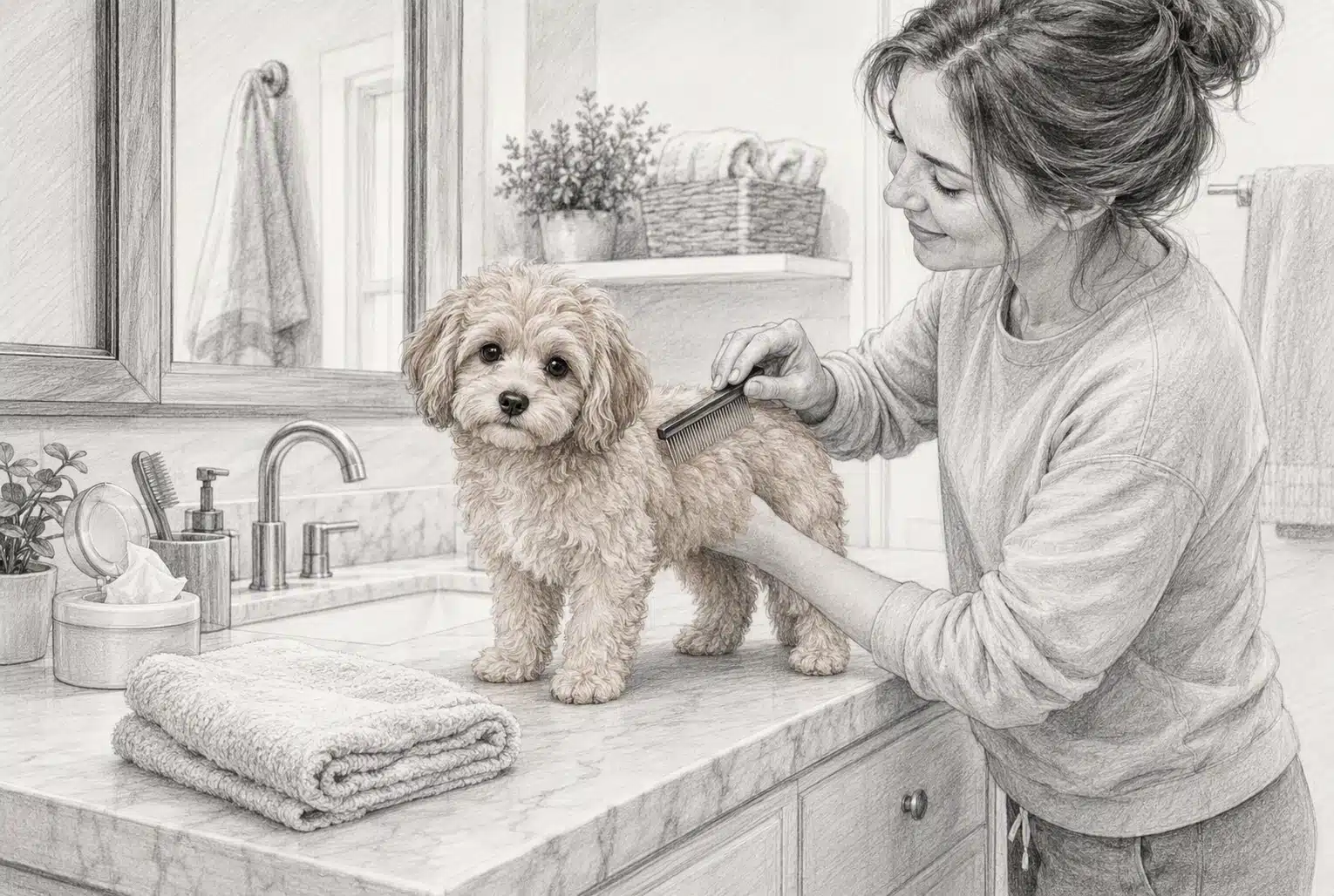
If you want a smoother start, ask your breeder what handling and grooming prep was started before go-home day.
Training that works best with a sensitive, smart puppy
Havapoos usually learn fast, but they do not respond well to harsh correction. The best plan is short, calm, reward-based training. The AKC recommends starting key life skills right away, including potty routine, crate comfort, alone-time practice, gentle chewing habits, and socialization in this puppy training guide.
Keep sessions simple:
- Aim for 3 to 5 minutes
- Use treats, praise, and repetition
- End before your puppy gets tired
- Practice the same cues in the same spots at first
Good early goals include:
- Name response
- Come
- Sit
- Calm handling
- Leash and harness comfort
Sensitive puppies often shut down when voices get sharp. Calm consistency works better.
Exercise and enrichment without overdoing it
A Havapoo needs moderate daily activity, not marathon workouts. Think play, short walks, sniffing, and training games. Too much forced exercise can backfire in a young puppy.
A balanced day often includes:
- 2 short walks
- Indoor play bursts
- Puzzle toys or food games
- Sniff time outside
- Rest between activities
Try this mix for family life:
- Morning potty walk
- Midday toss-and-return game
- Evening sniff walk
- Quiet chew or lick mat
If your puppy gets wild, mouthy, or zoomy, they may be overtired, not under-exercised.
Health Testing and Why Breeder Quality Matters
A good breeder does more than produce cute puppies. They lower risk, explain their choices, and help you start with a healthier, steadier dog.
What responsible health conversations should include
Ask direct questions. You want clear answers, not vague promises. According to Cornell’s breeder guidance, responsible breeders test for conditions recommended for their breed and provide lifelong support if problems come up.
Good health talks should cover:
- Parent testing, including breed-relevant screening
- What the results mean for this pairing
- Family history, not just one DNA panel
- Vet care before go-home day
- What support looks like after pickup
The AKC notes that breed health testing should follow parent club recommendations, not random one-size-fits-all testing breed health testing requirements.

A breeder should be able to show you what was tested, why it matters, and how they raise puppies day to day.
That matters for Havapoos too. Even in a cross, breeder quality still drives a lot of your outcome.
Why early handling and socialization influence temperament
Temperament starts early. Genetics matter, but so do daily experiences in the first weeks.
Look for breeders who:
- Raise puppies inside the home
- Handle them gently every day
- Expose them to normal sounds, surfaces, and people
- Watch confidence levels and match puppies with the right family
Early socialization does not create a perfect dog. It does help build better recovery, curiosity, and trust. For first-time families, that can mean an easier transition, smoother training, and fewer surprises.
Sage Puppies’ focus on health-tested parents and early family-raised care fits what careful buyers should be asking for.
Also Read: 10 Signs a California Puppy Listing Is a Scam – Sage Puppies
How to Choose the Right Havapoo Puppy
Pick the puppy that fits your daily life. A cute face is not enough. The best match usually comes from temperament, energy level, and how well the breeder has prepared that puppy for family life.
Match the puppy to your home, not just your wishlist. Ask how each puppy handles noise, kids, new rooms, and short time alone. Early social work matters. The AVMA notes puppies are most open to learning about people and new settings between 3 and 14 weeks, and good early exposure helps lower future fear and stress, according to AVMA socialization guidance.
Use a simple checklist:
- Home pace – calm home or busy house?
- Kid experience – gentle older kids or active young children?
- Coat care – ready for brushing and grooming?
- Energy level – playful all day or more easygoing?
- Confidence – curious, clingy, or cautious?
A good breeder should help you compare littermates, not push the flashiest puppy.
| What to assess | Why it matters | Good question to ask |
|---|---|---|
| Temperament | Shapes daily family fit | Which puppy recovers fastest from new things? |
| Handling comfort | Helps with grooming and vet visits | How do they respond to touch and being held? |
| Social exposure | Builds confidence | What have they seen before going home? |
A well-matched puppy often feels easier in week one, not just more exciting on pickup day.
When Utah pickup or national delivery matters. If you are local to South Jordan, pickup gives you a clear handoff and a chance to ask final care questions in person. If you live out of state, ask exactly how delivery works, who handles the puppy, and what support you get before travel day.
For interstate or air travel, planning matters. CDC rules for dogs entering or returning to the U.S. can include age, microchip, and travel paperwork requirements in some situations, so families should review current CDC dog travel rules before making plans that cross borders.
Sage Puppies stands out here when families want a calm, transparent process with either Utah pickup or nationwide delivery.
Also Read: Havapoo Puppies Review: Health, Lifespan, and Common Issues
Frequently Asked Questions About Havapoo Puppies
Are Havapoos good family dogs?
Yes, often they are. Havapoos are usually affectionate, social, and small enough for many homes. They tend to do best with families who want a true companion dog, not a very independent pet. Sage Puppies notes that Havapoos often fit homes wanting a playful, people-focused small dog in its Havapoo breed guide.
Do Havapoos shed a lot?
Usually not, but there is no zero-shed promise. Coat type can be wavy, curly, soft, or mixed, so shedding can vary from puppy to puppy. Low shedding also does not mean allergy-proof.
A realistic breeder should never promise a fully hypoallergenic dog.
How much grooming do they need?
More than many first-time owners expect. Plan for regular brushing, routine nail and ear care, and professional grooming on a steady schedule. If the coat is curlier or fuller, mats can build fast. A Havapoo is a good fit for families ready to keep up with coat care, not for those wanting a wash-and-go dog.
Can families outside Utah get a Havapoo from Sage Puppies?
Yes. Sage Puppies is based in South Jordan, Utah, but works with many out-of-state families. According to its reservation and delivery FAQ, about 85% of placements are served through coordinated delivery, while about 15% are local Utah pickups. That gives families a clear path whether they live nearby or across the country.

If you want a Havapoo with the right temperament, clear pricing, and honest breeder guidance, start with Sage Puppies. Their South Jordan, Utah program focuses on health-tested parents, home-raised care, and a simple family-first process with pickup or nationwide delivery. Browse available puppies, review pricing, and submit an application when you feel ready.
Frequently Asked Questions
Q1: Best Havapoo breeders in the United States?
Look for breeders who health test parent dogs, raise puppies in the home, share clear pricing, and screen families carefully. Sage Puppies stands out for boutique care, family-raised puppies, and clear pickup or delivery options from South Jordan, Utah.
Q2: How much should I expect to pay for a Havapoo puppy?
Most families should expect a premium price for a well-bred Havapoo from health-tested parents. Ask what is included, such as early socialization, vet records, and support. Low prices can signal shortcuts in breeding, care, or puppy placement.
Q3: Are Havapoos good with kids?
Yes, many Havapoos do very well with children because they are small, social, and eager to stay close to people. Supervision still matters. Teach kids gentle handling, quiet play, and when to give the puppy space.
Q4: Do Havapoos shed a lot?
Most Havapoos are low-shedding, but coat type can vary by puppy. Some coats need more brushing than others. Ask the breeder what coat patterns they see in the litter so you can prepare for real grooming needs.
Q5: Is a Havapoo easy for first-time owners?
Usually, yes. Havapoos are smart, people-focused, and small enough to manage easily. They still need training, routine, and grooming. First-time owners often do best when they choose a breeder who offers clear guidance before and after pickup.
Conclusion
A Havapoo can be a strong fit for families who want a small, loving dog and are ready for grooming, training, and steady daily attention. This mix is usually bred from a Havanese and a Toy or Miniature Poodle, with a small size and coat that may be curly, wavy, or silky, according to Wikipedia’s Havapoo overview. The big takeaway is simple:
- Expect coat care
- Plan for real costs
- Choose a breeder with clear health testing and honest support
- Match the puppy’s temperament to your home
The Havanese side is known for being cheerful and sociable, which helps explain why many Havapoos do well in family life, as noted by the AKC Havanese breed profile.