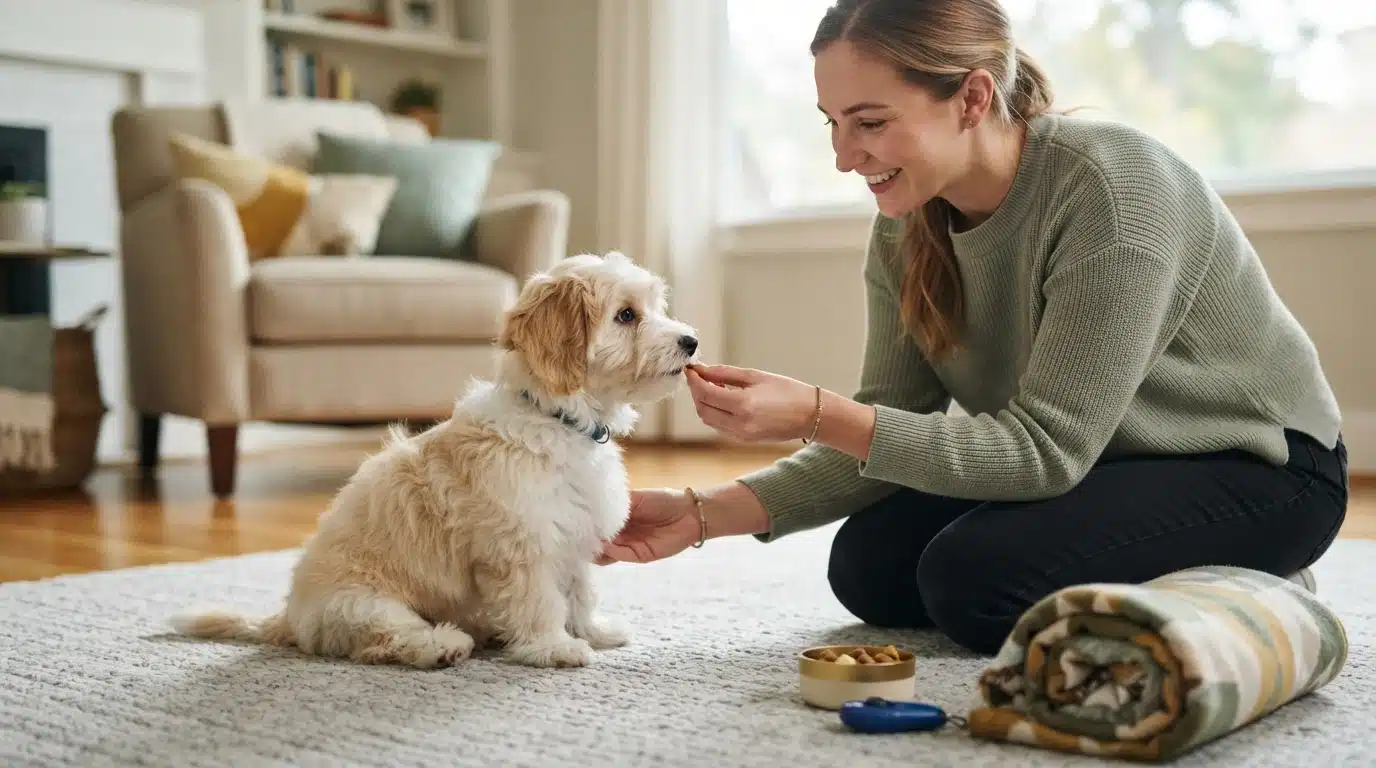
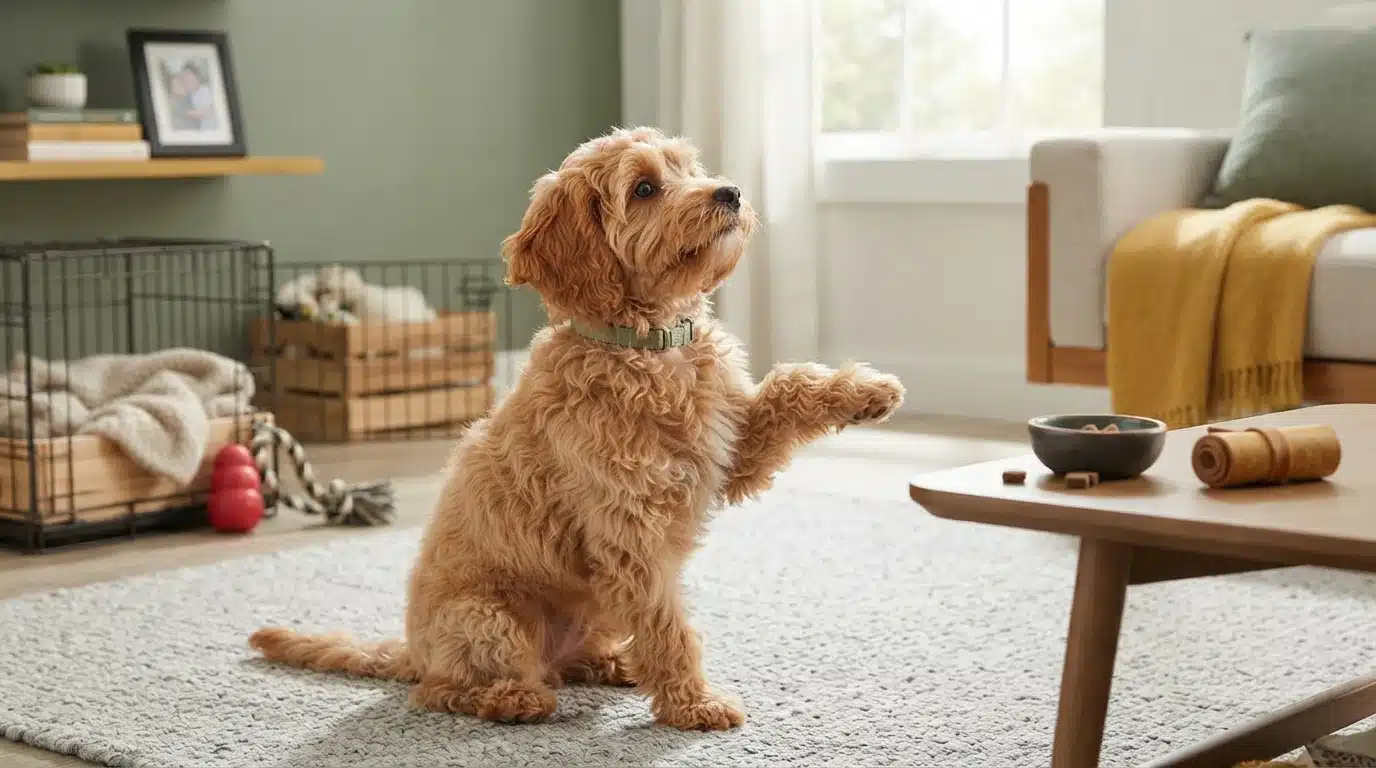
Quick Summary: Start training and safe socialization as soon as your Havanese puppy comes home, using short, reward-based sessions and controlled exposure to people, sounds, surfaces, handling, and grooming. Keep training calm during fear periods, house-train around naps, meals, and play, and never punish fear or accidents. Before vaccines are complete, carry your puppy in public, use clean home or patio areas, and avoid parks, shared grass, and unknown dogs.
The first week your Havanese is home, your puppy will meet your floors, your sounds, your shoes and your expectations, and everything happens at once. That week is where a good Havanese puppy training plan either works for you or leaves you guessing.
The challenge is timing. Your puppy’s most important learning window closes early, and the first fear period overlaps it. Miss that overlap, and small wobbles can turn into lasting worries.
This guide gives you a week-by-week Havanese puppy plan that fits real life: socialization you can do safely before vaccines finish, reward-based training steps, and calm routines for crate, toilet and handling.
It draws on veterinary guidance on early puppy development, the Havanese breed standard, and the day-to-day experience of raising Havanese, Havapoo and Cavapoo puppies at Sage Puppies in South Jordan, Utah.
Step 1: Set Up Your Home and Routine in the First 48 Hours
Build a Base Camp and Protect the First Few Days
Pick one quiet room and set it up as your puppy’s base camp. A crate for sleeping, a playpen, water, and a mat are enough. Havanese puppies are small and curious, so sweep for cords, socks, and anything chew-sized. Keep visitors low for the first three days. Your puppy just left its littermates, and calm hours help it settle. House training starts here too, so take your puppy out after every nap, meal, and play session, and reward potties outside right away.
Start the Name Response and Marker Word on Day One
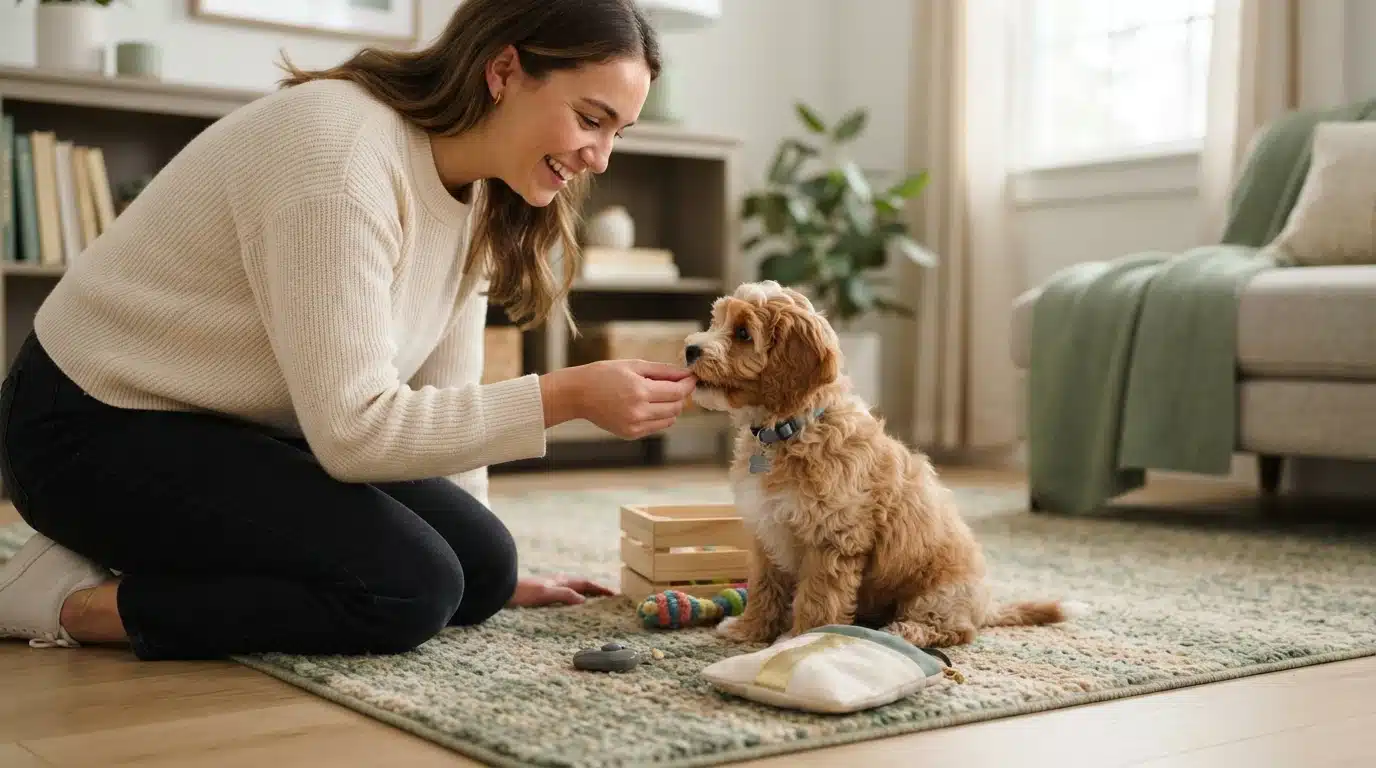
Choose one marker word, such as “yes,” and one reward, like tiny soft treats. Say the marker the instant your puppy does something right, then treat. Within a day, most puppies connect the two. Practice the name the same way: say it once, and mark the moment your puppy looks at you. Keep sessions under two minutes. Reward-based training works well during the puppy sensitive period for socialization, because the brain is primed to remember good experiences right now.
Book the Vet Visit and Ask About Vaccinations and Safe Exposure
Call a vet within 48 hours of bringing your puppy home. Ask when the vaccine series finishes and which visits are due. Until then, follow unvaccinated puppy parvo precautions: no dog parks, no shared grass, and carried potty breaks in public spots. Safe socializing still happens at home, on your own patio, and at a friend’s clean house. For a full checklist, see Sage Puppies’ vet visit prep page, which walks through what to bring and what to ask.
Step 2: Teach the Five Core Skills First
A Havanese puppy learns fastest in short, happy bursts. Train for 2 to 3 minutes, four to six times a day, and keep every session on the reward-based training methods below.
Use Reward-Based Methods Only
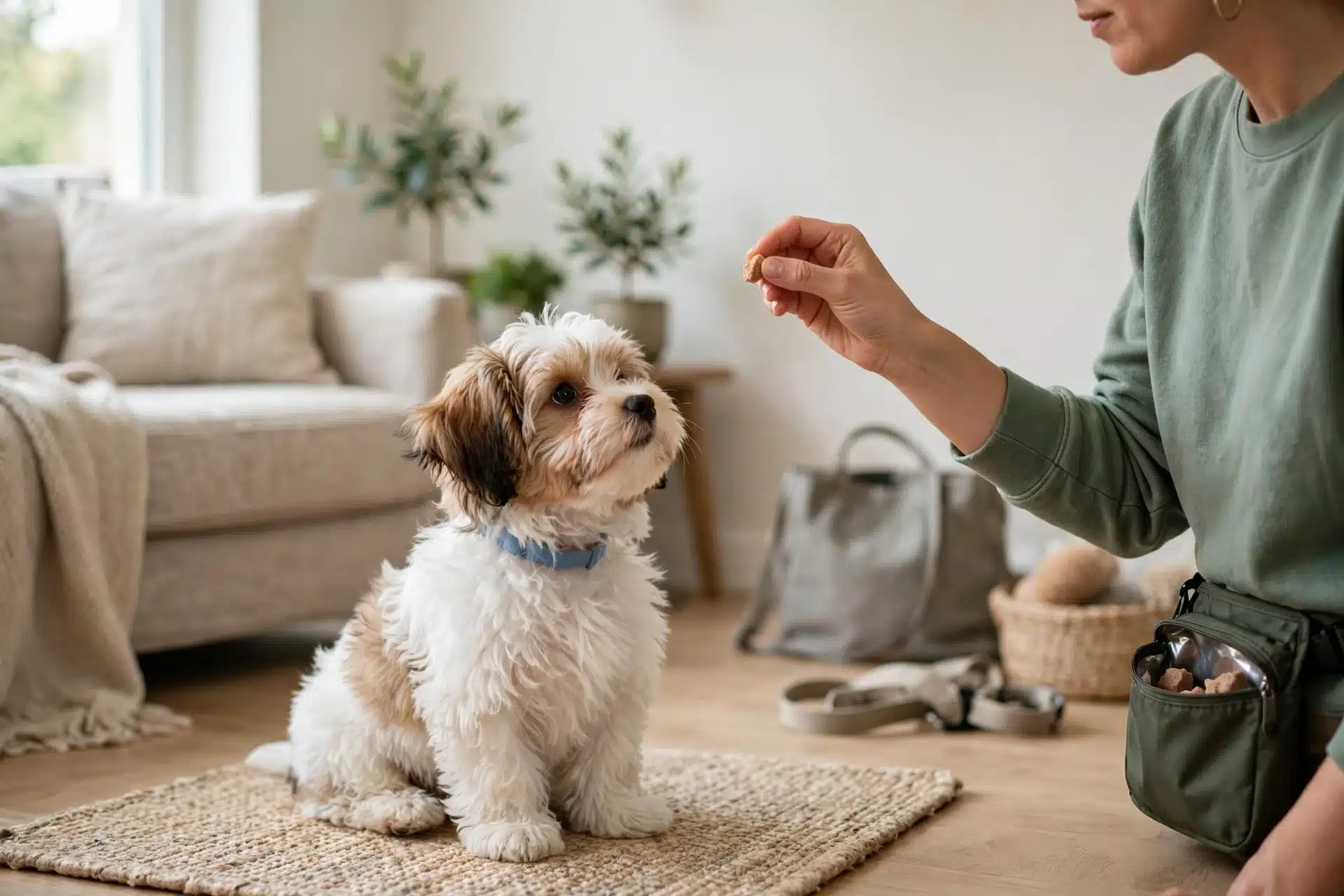
Use treats, praise and play to teach new skills. Havanese are sensitive, so harsh corrections shut them down instead of speeding them up. Mark the right behavior the instant it happens, then pay the puppy within one second. Set aside part of the daily kibble for training so treats stay small. Most families see solid progress within a week of this routine. Clear rewards, not pressure, build the trust this breed works best on.
Sit, Settle and Hand Target
Start with sit, the easiest win. Hold a treat over the puppy’s nose, move it back slowly, and reward the moment the bottom touches the floor. Next teach settle on a mat, which gives you a calm dog at meals, vet visits and grooming time. Then add a hand target: the puppy taps your open palm with its nose. It becomes your steering tool for walks, doorways and the car. Two to three short reps per session are plenty.
Come and Recall With a Happy Voice
Name response and recall come next. Say the name once, cheer “come” in a bright, happy voice, and reward generously when the puppy reaches you. Never call the puppy to punish, bathe or end the fun, because one bad memory weakens recall for months. Practice indoors with a helper, then in a fenced yard. Until recall is reliable, keep the puppy on a long line outside, since an untrained dog can wander fast.
Leave It, Drop It and Settle at the Door
Finish with leave it, drop it and calm door behavior. Trade forbidden items for treats so the puppy learns giving things back pays well. Ask for a sit before every door opens to stop bolting. These safety skills matter most for small breeds, whose curious noses get them into trouble quickly.
Step 3: Socialization Plan for the 3- to 14-Week Window
Your Havanese puppy socialization plan covers every safe way you can teach your puppy that new people, places, sounds and surfaces are normal. Start the day your puppy comes home, even before vaccines are finished, because the puppy sensitive period for socialization closes between roughly 3 and 14 weeks of age, according to guidance summarized by the American Veterinary Society of Animal Behavior. Keep each exposure short, calm and paired with treats.
What a Havanese Puppy Socialization Plan Actually Includes
It is a short daily checklist, not a class. Each day, aim for a few new sights, sounds, people and textures:
- Different people: men, children, people in hats, people using canes.
- Surfaces: grass, carpet, tile, a towel laid over the couch.
- Sounds: the vacuum, the doorbell, traffic, recorded storms at low volume.
- Handling: paws, ears, mouth and belly touched gently every day.
Week by Week: 8 Weeks to 14 Weeks
Most Havanese and Havapoo puppies come home around 8 weeks, so your Havanese puppy socialization schedule usually looks like this:
| Week | Focus |
|---|---|
| 8 to 9 | House rules, name response, short car rides, new surfaces at home |
| 9 to 10 | Carry your puppy to safe outdoor spots; watch people, dogs and traffic |
| 10 to 11 | First fear period 8 to 11 weeks peaks; keep new things calm and easy |
| 12 to 13 | Join a puppy class once your vet clears it; add short, happy car trips |
| 14 | Keep revisiting familiar places so lessons stick |
How to Socialize a Puppy Who Is Not Fully Vaccinated
Yes, you can, and you should. The AVSAB recommends starting before shots are complete, because behavior problems cause more deaths than parvovirus in dogs.
Do:
- Carry your puppy in your arms or a sling in public places.
- Let your puppy walk on your own patio, deck or driveway.
- Take puppy classes that require vaccines and disinfect with dilute bleach.
Do not:
- Walk your puppy in parks, sidewalks or pet-store floors before your vet clears it.
- Let your puppy meet unvaccinated or unknown dogs nose to nose.
- Skip socialization entirely until the shot series ends.
Watch for parvo precautions in your own area, and keep any yard your puppy uses clean and dog-free. Your vet can tell you which local risks matter most.
Handling, Grooming and Coat Comfort
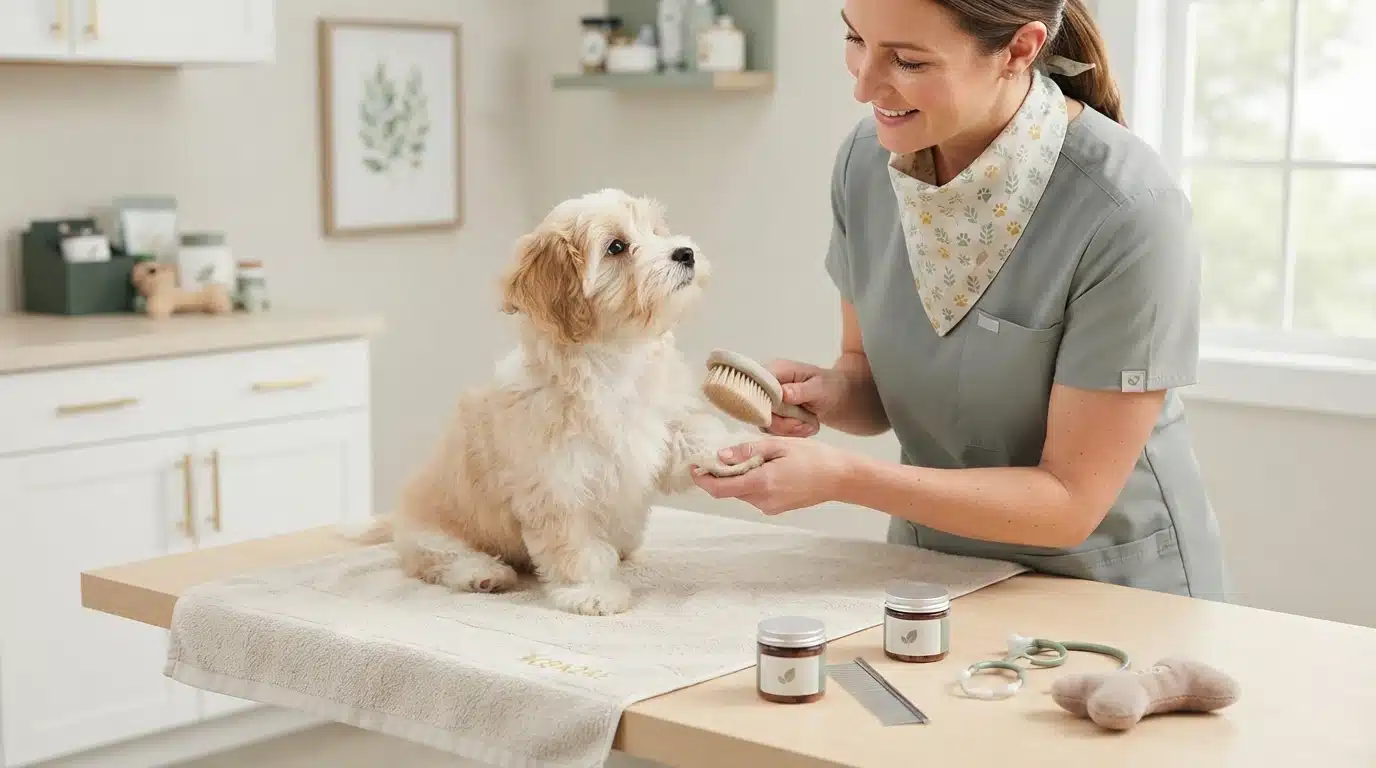
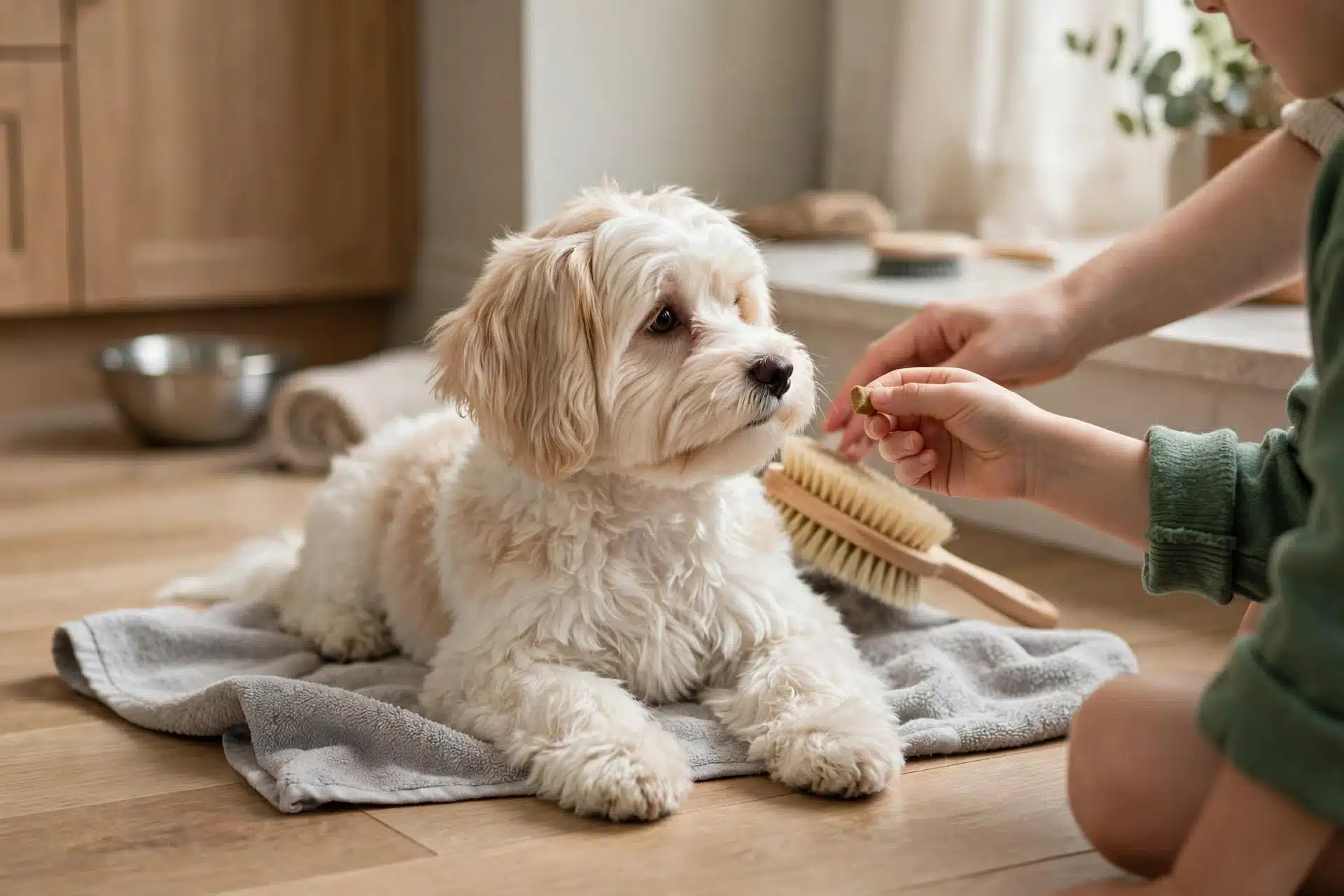
Havanese coats need brushing, trims and baths for life, so start now. Every day, touch the paws, hold a paw for one second, then reward. Let your puppy hear clippers, sniff a brush and feel a towel. Keep sessions to two or three minutes so they stay fun. This early coating and grooming habituation saves you years of wrestling later.
When Your Puppy Says No
Watch your puppy’s body language. If your puppy backs up, hides behind your legs, freezes, licks lips fast or refuses food, that is a real answer. Move farther away from the new thing and let your puppy watch from a safe distance. Never push your puppy into a scary spot to “prove” it is fine. A puppy who chooses to approach learns more than one who is forced to stay.
If your puppy seems scared of many everyday things, ask your vet early. Some puppies who skip a healthy early start, or come from litters raised alone in a kennel, may struggle more; this is one reason a breeder’s early socialization matters, and our healthy Havanese puppy vet checklist covers questions to ask any breeder before you buy.
Step 4: House Training and the Daily Rhythm That Supports It
House training a Havanese puppy works best when toilet trips follow a set rhythm instead of guesswork. Small breeds have tiny bladders, so expect frequent breaks, especially before 12 weeks.
Tie Toilet Trips to Wake, Meals and Naps
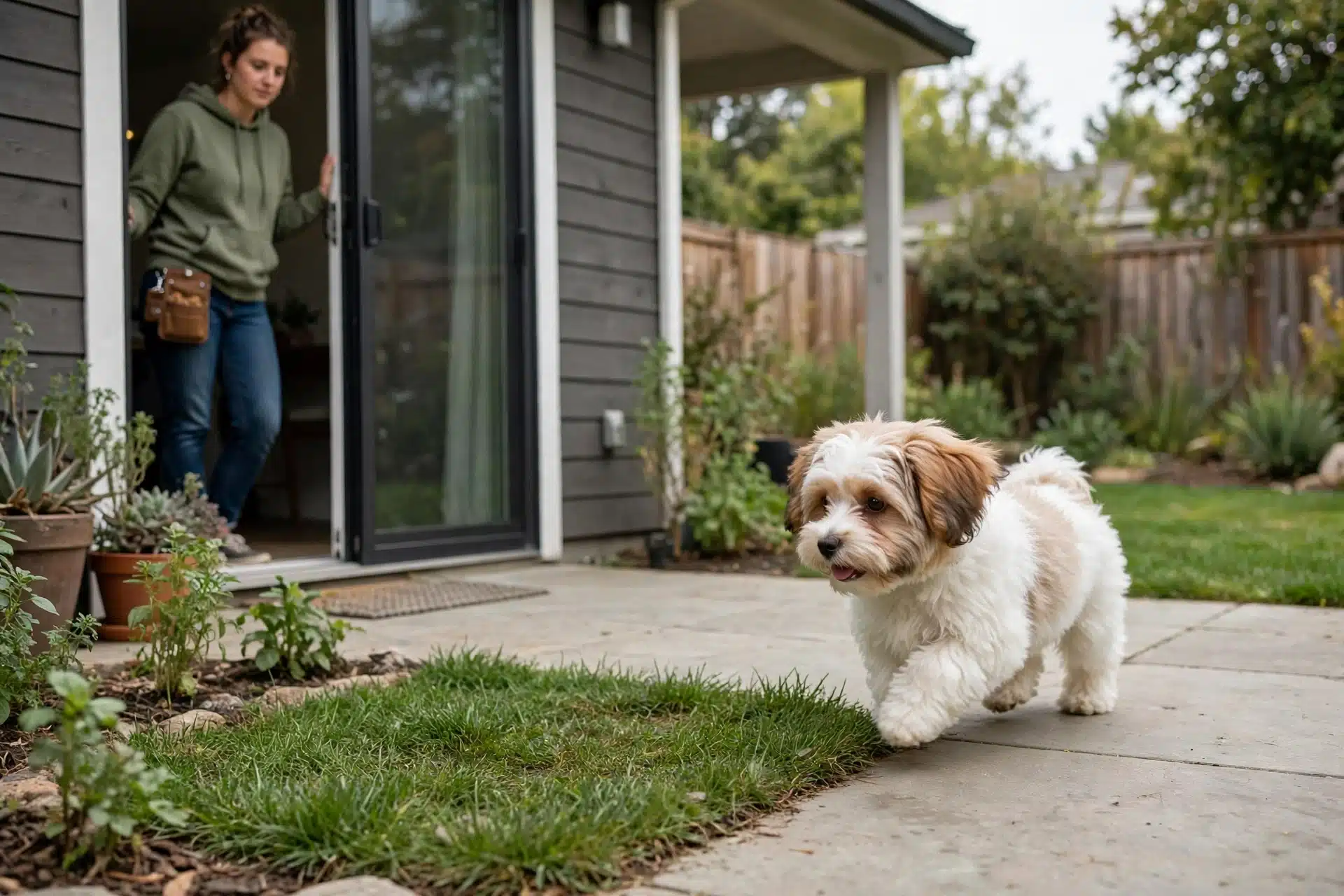
Take your puppy out the moment she wakes up, within 10 to 15 minutes after every meal, and right after play or a nap ends. Pick one door and one spot, and carry her there if the yard is big. Say a short cue like “go potty,” then reward with a treat the second she finishes, not back inside. Watch for sniffing, circling or wandering off, and scoop her up mid-action if you catch her starting indoors. If you want times mapped by age, the Havanese puppy potty training schedule by age breaks it down week by week.
Handle Accidents Without Scolding
Accidents are part of the plan, not a failure. If you find a puddle after the fact, stay quiet, clean it with an enzymatic cleaner, and move on. Scolding teaches a puppy to hide her toilet trips, which makes training slower. Interrupt calmly if you catch her mid-stream, carry her outside, and reward her there. Punishment has no place in reward-based training, and timing praise correctly does more than any correction.
Nighttime Sleep and Crate or Mat Setup
Set up a crate or mat beside your bed for the first few weeks. A tired puppy can usually hold it about one hour per month of age, so an 8-week-old needs a potty break once or twice a night. Take her out quietly, no play, then back to bed. Keep last water earlier in the evening to help her stretch longer as she grows.
Step 5: Carry the Plan Through Fear Periods and Adolescence
Your puppy will hit shaky stretches even after a great start. A Havanese puppy fear period can make a confident pup suddenly refuse the stairs she climbed yesterday. Knowing the timeline keeps you calm and keeps the plan moving.
The First Fear Period at 8 to 11 Weeks
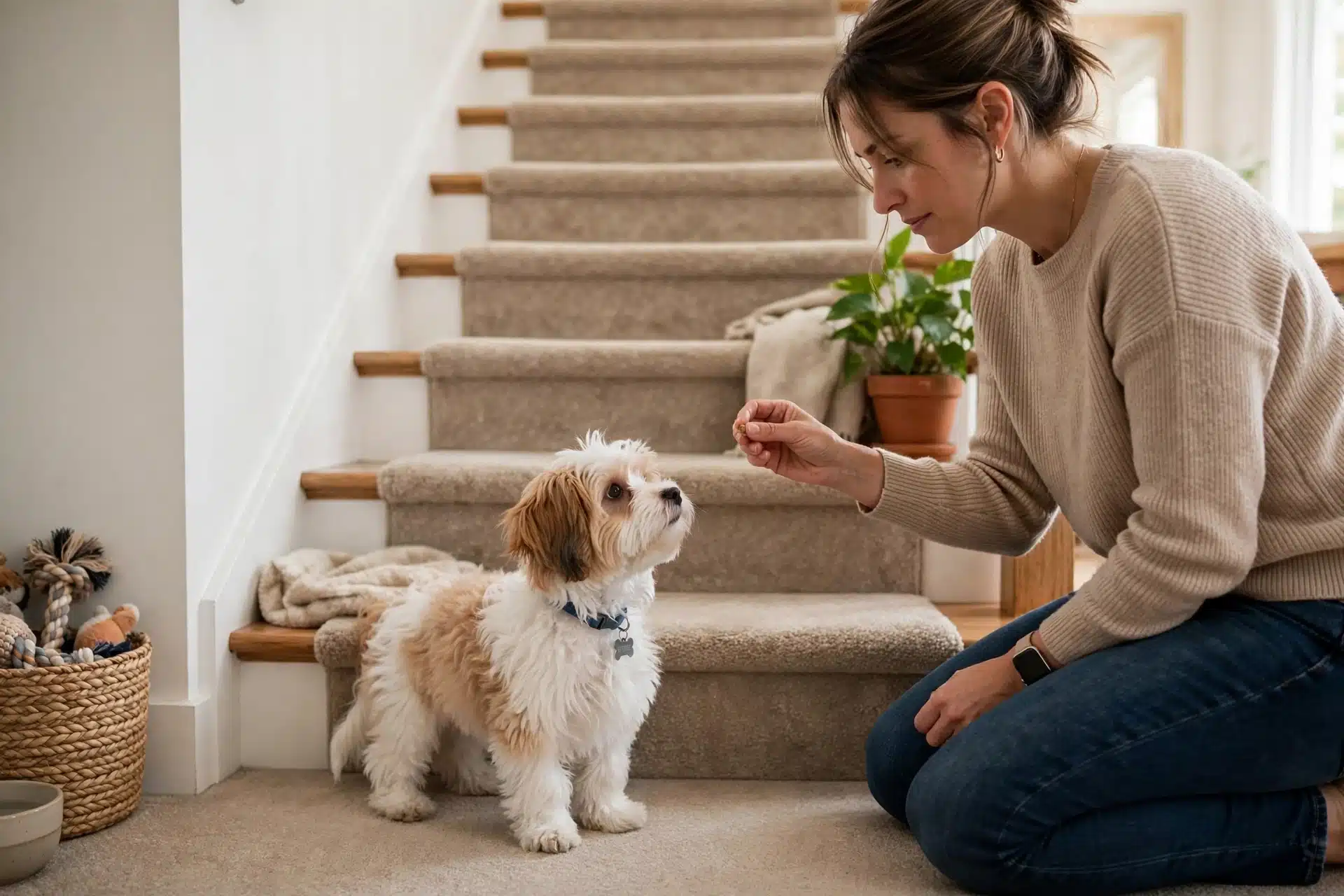
Short answer: your puppy is suddenly afraid of familiar things because her brain is wiring in caution, and the phase passes on its own. The AKC places this window at 8 to 11 weeks, right when most Havanese come home. Do not force her toward anything scary. Let her watch from a distance, pair the trigger with treats, and keep every new encounter short and upbeat.
The Second Fear Period and Small Breed Timing
A second fear period usually lands between 6 and 14 months, during adolescence. In small breeds like the Havanese it often shows up early, and it may last just a couple of weeks. Signs include barking at objects that never bothered her or hesitating on usual routes. Keep exposures gentle, skip crowded places for a bit, and never punish the fear. Punishment deepens it.
Adolescent Regression and Building on the Foundation
Around 6 to 18 months, many dogs act like they forgot everything. Recall gets shaky, house training slips, and leash pulling returns. This is normal, not failure. Drop back to easier versions of old exercises, shorten sessions, and pay generously for wins. The Havapoo training milestones by month page shows which skills to expect and when. Consistency now builds the adult dog you want.
When to Bring In Qualified Help
Call a certified trainer if fear lasts more than a few weeks, grows worse, or turns into growling and snapping. Look for reward-based credentials such as CPDT-KA or IAABC membership. Your vet can also rule out pain, which often mimics behavior problems. Early help is cheaper than undoing bad habits later.
Common Mistakes to Avoid in Your Havanese Puppy Training Plan
Flooding a Nervous Puppy
Forcing a worried puppy to face her fear all at once, called flooding, usually backfires. If she freezes or backs away from a vacuum, a stairway or a stranger, do not push her closer. Let her watch from a distance and reward calm behavior, then shrink the gap over several days. Small, winsome exposures build trust; big ones teach her the world is scary.
Waiting on Training Because the Puppy Seems Sweet
Havanese puppies charm people into skipping rules, and that costs you later. Jumping, mouthing and barking that look tiny at 8 pounds become annoying at full size. Start name response, house rules and short sessions the day she comes home. Two to three minutes, four to six times a day, is enough. Reward-based training works even better with a soft, food-motivated breed like this one.
Chasing a Guaranteed Timeline
No week-by-week havanese puppy plan comes with fixed results, and anyone promising one is guessing. Some puppies nap happily in a crate by week two; others need a month. The first fear period 8 to 11 weeks can slow progress you thought was done, and a second fear period 6 to 14 months may bring back jitters. Treat setbacks as normal, adjust the pace, and keep sessions short and happy.

Your puppy’s socialization window is open now, and it will not wait. If you are ready for a well-matched Havanese, Havapoo or Cavapoo companion, explore current availability and pricing at Sage Puppies, then complete the application to start your week-by-week plan with a wisely bred, beautifully loved puppy.
Frequently Asked Questions
Q1: What is a Havanese puppy training and socialization plan?
It is a week-by-week schedule of short, reward-based sessions plus safe exposures that fit inside the 3 to 14 week sensitive period.
Q2: Can I socialize my puppy before vaccinations finish?
Yes. Carry your puppy in public, use your own patio, and join vaccine-required classes. Avoid parks and unknown dogs.
Q3: How long should training sessions be?
Two to three minutes, four to six times daily. Short, happy bursts work best for this sensitive breed.
Q4: What is the first fear period?
A window at 8 to 11 weeks when familiar things suddenly seem scary. Keep encounters calm, and never force contact.
Q5: When should my puppy start house training?
The day she comes home. Take her out after every nap, meal and play session, then reward outdoors.
Q6: What if my puppy seems scared of everything?
Move farther away, let her watch, and reward calm behavior. Ask your vet if fear lasts or worsens.
Conclusion
A solid Havanese puppy training plan comes down to timing and tone. Start socialization the day your puppy comes home, keep exposures safe before vaccines finish, and build the five core skills in two-minute reward-based sessions. Expect the first fear period at 8 to 11 weeks and the second one during adolescence, and treat both as pauses, not failures. House training follows a rhythm tied to naps, meals and play, and mistakes get cleaned up without scolding. Progress varies by puppy, so adjust the pace instead of chasing a fixed deadline. If you want the fuller context behind each step, the Havanese puppy care guide covers feeding, grooming and training basics.