Quick Summary: Finding a good Havanese breeder requires checking for transparent health testing, such as OFA or CHIC records for parents, not just promises. Responsible breeders ask about your family and home, raise puppies in a social, family environment, and provide clear contracts with detailed health and pickup policies. Beware of quick sales, vague documentation, and vague claims; trust breeders who share records, answer tough questions, and prioritize puppy well-being.
Searching for havanese breeders near me gets confusing fast. The hard part is not finding puppies online. The hard part is telling a careful, health-focused breeder from a quick seller with cute photos, vague promises, and weak standards.
That is the real problem this guide solves. Many families search havanese breeders near me, compare a few listings, and still miss the signs that matter most. Health testing, parent records, socialization, contracts, pickup or delivery details, and breeder support all tell you far more than polished puppy pictures.
This article gives you a simple way to judge what you are seeing. You will learn how to screen havanese breeders near me, what documents to ask for, which red flags should stop you, and how to compare local Utah options with breeders who offer safe pickup or delivery.
We work from a trust-first, family-buyer view, with a strong focus on ethical Havanese breeding, clear breeder standards, and the real questions qualified families should ask before they bring home a puppy.
1. Confirm the breeder can prove health testing, not just mention it
A good breeder will not ask you to trust a vague sentence like “our dogs are health tested.” They should show you records, explain what they mean, and point you to the public database. For Havanese, the Havanese Club of America says CHIC screening is built around eyes, hips, and patellas, with results made public through OFA’s system through the CHIC program and HCA guidance for Havanese health testing.
What health tests should be on the parents
Ask about the sire and dam, not just the puppies. Most puppies are too young for many screening tests.
You should expect to see these on the parents:
- CAER eye exam – current, because eye exams are repeated yearly
- Patella certification – checks kneecaps for luxation
- Hip evaluation – OFA or PennHIP, depending on the breeder’s program
- Optional extra testing that some careful breeders also do:
- cardiac
- Legg-Calve-Perthes
- thyroid
- BAER on younger dogs, even though it is no longer a core Havanese CHIC requirement
| Test | Why it matters | What to ask |
|---|---|---|
| CAER eyes | Screens for inherited eye issues | “Is the eye exam current this year?” |
| Patellas | Small breeds can have kneecap problems | “What was the final result?” |
| Hips | Helps assess orthopedic risk | “Was it OFA or PennHIP?” |
| Cardiac or other extras | Shows the breeder goes beyond the minimum | “Which extra tests did you choose, and why?” |
What proof you should be able to see before paying anything
Before you send a deposit, ask for real documents, not screenshots with cropped names.
Your checklist:
- Registered names of both parents
- Copies of testing records for both parents
- OFA or CHIC lookup details so you can verify results yourself
- Dates of each test, especially the annual eye exam
- A sample contract before money changes hands
If a breeder says “we have the paperwork somewhere” but will not send it, slow down.
The best breeders make this easy. They do not act annoyed when you ask. If you are buying from out of state or arranging delivery, this matters even more because you cannot assess everything in person.
How to tell the difference between tested and truly transparent
“Tested” can mean almost anything. Transparent means the breeder shows the records, explains the weak spots, and answers follow-up questions.
Look for these green flags:
- They give you the parents’ full registered names
- They explain which tests are current and which are one-time
- They tell you if a dog has a result that needs context
- They talk about pedigree health, not only one dog
- They never use health testing as a promise that a puppy can never have problems
Watch for red flags too:
- “Our vet checked them, so that counts”
- “The line has never had issues”
- “We do genetic testing” with no mention of OFA, eyes, hips, or patellas
- Refusal to share records until after a deposit
Sage Puppies buyers in Utah or nationwide should expect this level of clarity. Ethical breeders know trust is built with documents, not claims.
Also Read: 10 Signs a California Puppy Listing Is a Scam – Sage Puppies
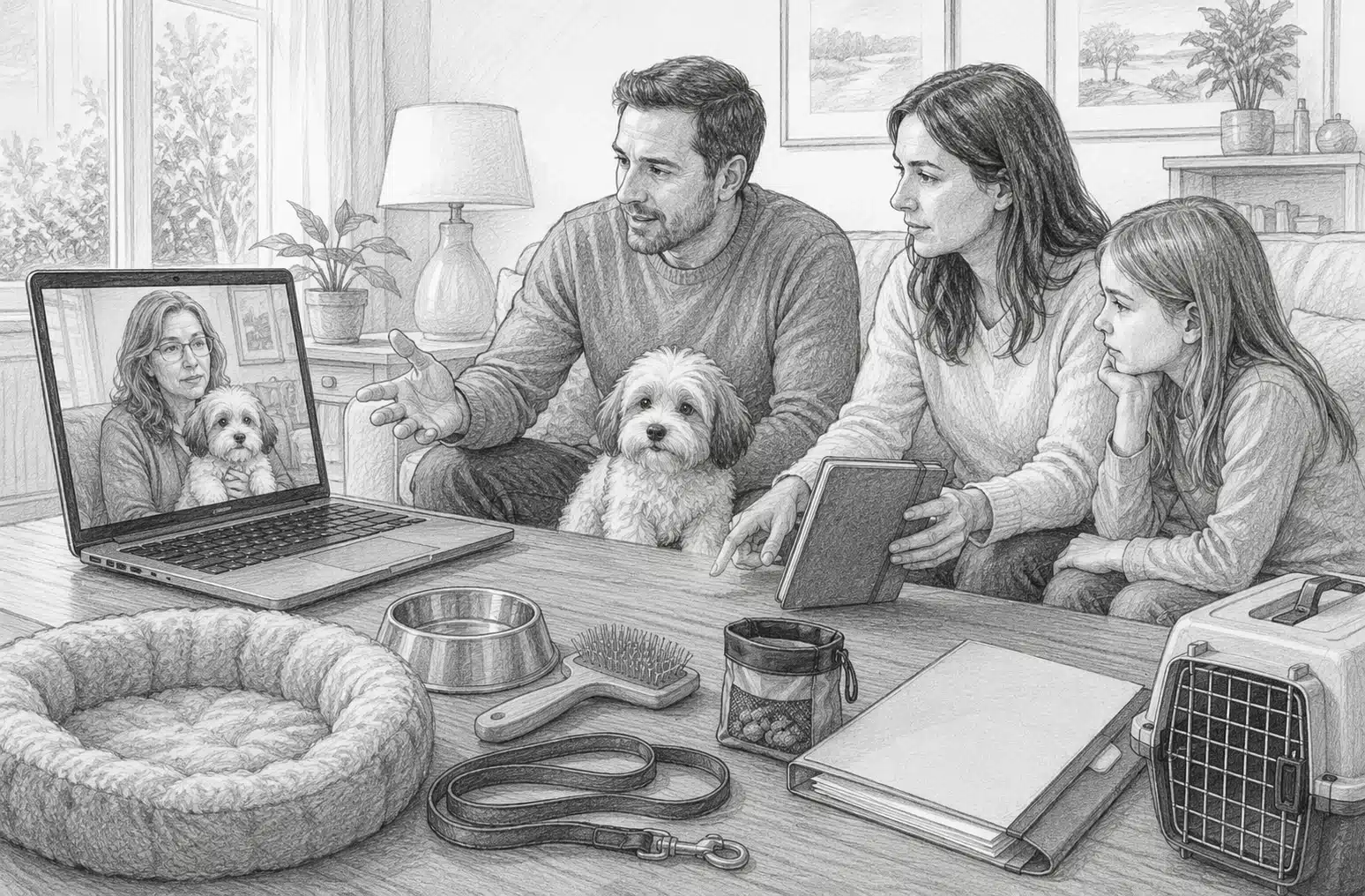
2. Ask questions that show whether the breeder screens buyers as carefully as you screen them
A good breeder does not just answer your questions. They ask plenty of their own. The AKC notes that responsible breeders should interview buyers about lifestyle, schedule, home setup, and past dog experience, not just collect a deposit AKC guidance on screening puppy buyers. If a breeder seems ready to sell a Havanese puppy to anyone with cash, slow down.
Questions a serious breeder should ask you
You want to hear questions that test fit, not pressure.
- Why do you want a Havanese?
- Who will be home during the day?
- How long will the puppy be alone?
- Do you have young kids or other pets?
- What is your plan for training, grooming, and vet care?
- Do you rent or own?
- What happens if life changes and you cannot keep the dog?
A breeder who asks hard questions is protecting the puppy, not making your life harder.
If you are local to Utah, the same rule applies. If you are buying with delivery, it matters even more. Distance should never lower the screening bar.
Questions you should ask before you reserve
Use your questions to test whether the breeder has standards.
- How do you decide which homes are a fit for each puppy?
- Do you ever turn families away?
- What buyer information do you require before a reservation?
- Will you review my home, schedule, and breed experience?
- What support do you give after pickup or delivery?
- If my situation changes later, what is your return policy?
- How do you match temperament, not just color or sex?
| Ask this | Good sign | Red flag |
|---|---|---|
| How do you screen buyers? | Application, call, follow-up questions | “First paid, first served” |
| How do you match puppies? | Temperament and home fit | Buyer picks by photo only |
| What if I cannot keep the dog? | Clear take-back plan | No answer or vague answer |
The OFA says a responsible breeder should screen you just as much as you screen them and should be ready to explain contract terms and take-back expectations OFA interview guide.
What a confident, ethical answer sounds like
Look for calm, clear answers like these:
- “We place puppies based on temperament and family fit.”
- “We ask about kids, work hours, and past dog experience.”
- “We may say no if the match is wrong.”
- “We stay available after pickup.”
- “If you cannot keep the puppy, contact us first.”
That is the tone you want from a breeder like Sage Puppies or any careful program. Clear standards usually mean fewer surprises later.
If the breeder avoids buyer-screening questions, they may be telling you their real priority.
Also Read: 10 Must-Ask Questions Before Buying a Puppy Locally
3. Evaluate the living conditions and early socialization behind the puppy
A clean home is not enough. You want proof that the puppy is being raised for real family life, not just kept alive until pickup. For context, the best socialization window starts very early, with puppies especially open to learning from about 3 to 14 weeks, according to the AVMA.
What family-raised care should include
Family-raised care should look active, not staged. Ask whether puppies spend daily time around normal home sights, sounds, and people.
Look for basics like:
- clean bedding and fresh water
- safe play space with room to move
- gentle handling by adults and, when appropriate, calm children
- regular exposure to household noise like vacuums, doors, and kitchen sounds
- short crate, grooming, and car ride practice
A good breeder should also keep puppies with their mother and litter through weaning and at least 8 weeks unless a vet says otherwise.
| Good sign | Why it matters |
|---|---|
| Puppies live in the home | Helps them adjust to family routines |
| Daily handling | Builds comfort with people |
| Varied surfaces and toys | Improves confidence and body awareness |
| Calm rest periods | Prevents stress and overhandling |

What you should look for on video or during a visit
Use your eyes. A polished website means nothing if the live view feels off.
Check for:
- Bright, curious puppies who recover fast after a new sound
- Clean coats, eyes, and rear ends
- Enough space to sleep away from potty areas
- Relaxed interaction with the breeder
- Normal home setup, not a hidden back room or isolated shed
If the breeder avoids live video, limits what you can see, or only shows close-up puppy clips, treat that as a warning.
Why socialization affects the puppy you bring home
Early socialization shapes how your puppy handles strangers, grooming, travel, noise, and change. Poor early exposure often shows up later as fear, shutdown, or reactivity. The AVMA literature review notes that dogs with more early social contact or puppy classes before 12 weeks were less likely to show fearful or aggressive behavior.
That is why breeders like Sage Puppies should be able to explain:
- what the puppy has already experienced
- how they introduce new things
- what you should keep doing after pickup or delivery
Ask for the puppy’s current routine. Good breeders know it well.
4. Read the contract before you read the puppy photos
Cute photos sell emotion. The contract shows whether the breeder is running a careful program or just moving puppies. Read it first.
What should be clear in the contract
A solid puppy contract should answer basic questions fast. If key terms feel vague, pause.
Look for these items in writing:
- Puppy identity – breed, sex, color, birth date, and litter details
- Price and deposit terms – total cost, what holds your spot, and when payments are due
- Health records – vaccines, deworming, exam dates, and what paperwork you get at pickup
- Health guarantee – what is covered, for how long, and what steps you must follow
- Pickup or delivery terms – who arranges travel, when final payment is due, and what happens if plans shift
- Return policy – whether the breeder requires the dog to come back to them if you cannot keep it
The legal side matters too. The Animal Legal and Historical Center notes that many states have pet purchaser protection laws and that contract terms often shape your remedies first state pet purchaser protections.
| Contract area | Green flag | Red flag |
|---|---|---|
| Puppy details | Specific and dated | Generic or missing |
| Health terms | Clear steps and deadlines | Broad promises only |
| Refunds | Written conditions | “Case by case” only |
| Delivery | Explained in plain English | No written terms |

Why reservation and pricing transparency matter
Money confusion is where many puppy deals go bad. A breeder should tell you:
- Deposit amount
- Whether it is refundable
- What happens if the breeder cannot provide the puppy
- When the balance is due
- Any delivery or pickup fees
If a seller pushes for fast payment before you see clear terms, treat that as a warning.
The FTC warns that pet scammers often pressure buyers to pay upfront and act fast before the puppy is “gone” FTC pet scam advice. Good breeders do not need pressure tactics.
For families comparing Utah pickup with nationwide delivery, this matters even more. You need to know the full cost before you commit, not after you fall for one photo.
What responsible next steps look like
Once the contract looks clear, do three things:
- Ask questions before sending money
- Save every message, invoice, and record
- Have your vet visit planned before pickup or delivery
Bring a short checklist to your call or visit:
- What exact records come home with the puppy?
- What voids the health guarantee?
- What happens if travel is delayed?
- Is the reservation transferable to another litter?
At Sage Puppies or any breeder you trust, the process should feel calm, documented, and easy to follow. You should never feel rushed to reserve before you understand the agreement.
The best contract does not just protect the breeder. It protects your family and the puppy too.
Also Read: Havanese Puppies for Sale Near Me: Local Search Tips
5. Watch for the red flags that should make you pause
Some breeder concerns are minor. Others should stop the process cold. If you feel rushed, confused, or pushed past basic questions, pause.
Marketing that moves too fast
Fast sales talk is a warning sign. A good breeder screens you too. The AKC notes that breeders who care most about your deposit, not your fit, show you their real priorities in this guide.
Watch for patterns like these:
- “Send money today or lose your puppy”
- constant countdown language
- off-site meetups only
- instant yes without asking about your home, kids, or schedule
- offers to place a puppy before trust is built
If the breeder never slows down to learn about your family, they may be selling inventory, not placing puppies with care.
Documentation that stays vague
Ethical breeders can name tests, show records, and explain what each document means. Cornell points out that responsible breeders test for conditions recommended by their breed club and provide real proof, not broad claims on its breeder guide.

Red flags include:
- “Vet checked” used instead of specific parent health testing
- no parent names on records
- screenshots with no registry or clinic details
- promises to send papers later
- missing contract terms on returns, pickup, or delivery
| Vague answer | Better answer |
|---|---|
| “Our dogs are healthy” | “Here are the parent test results and exam dates” |
| “Papers are coming” | “Here is the contract and current record packet” |
| “Trust us” | “Please verify these results yourself” |
Promises that sound polished but lack specifics
Pretty websites can still hide weak practices. Be careful with phrases that sound safe but say very little.
- “Top quality”
- “Best bloodlines”
- “Raised with love”
- “Health guaranteed”
Those claims only matter if the breeder explains:
- Which tests were done
- What support is included
- How pickup or delivery works
- What happens if your family cannot keep the puppy
Clear breeders welcome specific questions. Vague breeders try to make good feelings do the work of real answers.

If you want a breeder that clears the checks in this guide, start with Sage Puppies. Their home-raised Havanese program focuses on health-tested parents, early socialization, clear next steps, and pickup or nationwide delivery. Review available puppies, read how it works, then submit an application if the fit feels right.
Frequently Asked Questions
Q1: where to buy Havanese puppies near me
Start with breeders who show health testing, clear parent info, home-raised care, and a simple process for pickup or delivery. Ask for records before you place a deposit. If you are in Utah, local visits may help. If not, delivery details matter just as much.
Q2: How can I tell if a Havanese breeder is reputable?
Look for proof, not promises. A good breeder shares health records, answers hard questions, explains temperament goals, and stays involved after placement. They do not rush you. They also ask about your home, schedule, and plans for training and care.
Q3: Should I avoid breeders who offer shipping or delivery?
Not always. Delivery can be fine if the breeder explains timing, transport, safety steps, and handoff details. The red flag is poor communication. Ask who handles the puppy, what paperwork comes with them, and how support works once your puppy arrives.
Q4: What documents should I ask for before reserving a puppy?
Ask for health testing details on the parents, vaccine and deworming records, a written purchase agreement, and clear pricing terms. You should also get basic feeding guidance and pickup or delivery info. If anything sounds vague, slow down and keep asking.
Q5: Is it better to buy local or from an out-of-state breeder?
Local can make meeting easier, but distance alone does not decide quality. A strong breeder with clear records and safe delivery may be a better choice than a nearby one with weak standards. Focus on health, temperament, transparency, and support first.
Conclusion
A good Havanese breeder should make your choice easier, not harder. The big signs are simple: clear parent health records, honest answers, a clean home setting, fair contracts, and steady communication before and after pickup or delivery.
The strongest shortcut is to verify the parents, not just trust sales talk. The Havanese Club of America says current Havanese CHIC testing includes eyes, hips, and patellas for breeding dogs in its health guide, and OFA explains that CHIC works best when those results are publicly available through its program database.
If a breeder dodges proof, rushes payment, or avoids your questions, move on. If they welcome scrutiny, share records, and care where their puppies go, you are likely in the right place.