Quick Summary: Havanese dogs aren’t truly hypoallergenic-their low shedding just traps allergens like dander and saliva in their coat. Regular brushing (3–4 times a week), bathing (every 3–4 weeks), and keeping them out of allergy-sensitive bedrooms are critical to reducing exposure, but no routine eliminates allergies entirely. Sage Puppies emphasizes starting grooming early and choosing a puppy with a manageable coat type to ease care. Always test reactions before committing, as individual dogs vary widely in allergen levels.
A Havanese may leave little loose hair on a South Jordan sofa, yet allergens can still cling to its coat, skin, saliva, and outdoor debris. That is the hard truth behind the phrase Havanese hypoallergenic coat.
No dog is allergy-free. Still, smart coat care can lower the allergens that build up in your home and on your dog. This guide explains what a Havanese hypoallergenic coat does and does not mean, plus the bathing, brushing, cleaning, and home routines that matter most.
Sage Puppies raises Havanese in a home setting, so we know new families need a plan they can keep up with. A well-kept Havanese hypoallergenic coat starts with steady care, not promises.
What the Havanese Hypoallergenic Coat Really Means
Low Shedding Is Not Allergy-Free
A Havanese may shed less visibly than many breeds, but no dog is allergy-free. Dog allergy is usually a response to proteins in dander, saliva, urine, and blood, not the hair itself. Fur can simply carry those allergens through the home.
The National Institute of Environmental Health Sciences notes that every breed, including hairless dogs, may trigger symptoms in sensitive people. Pet allergen guidance supports a careful, realistic plan.
Treat “hypoallergenic” as lower-shedding potential, not a medical promise.
How the Coat Holds Loose Hair and Dander
The Havanese has a long, soft coat that can trap loose hair and skin flakes instead of dropping them across floors. That can make cleanup feel easier, especially with steady brushing.
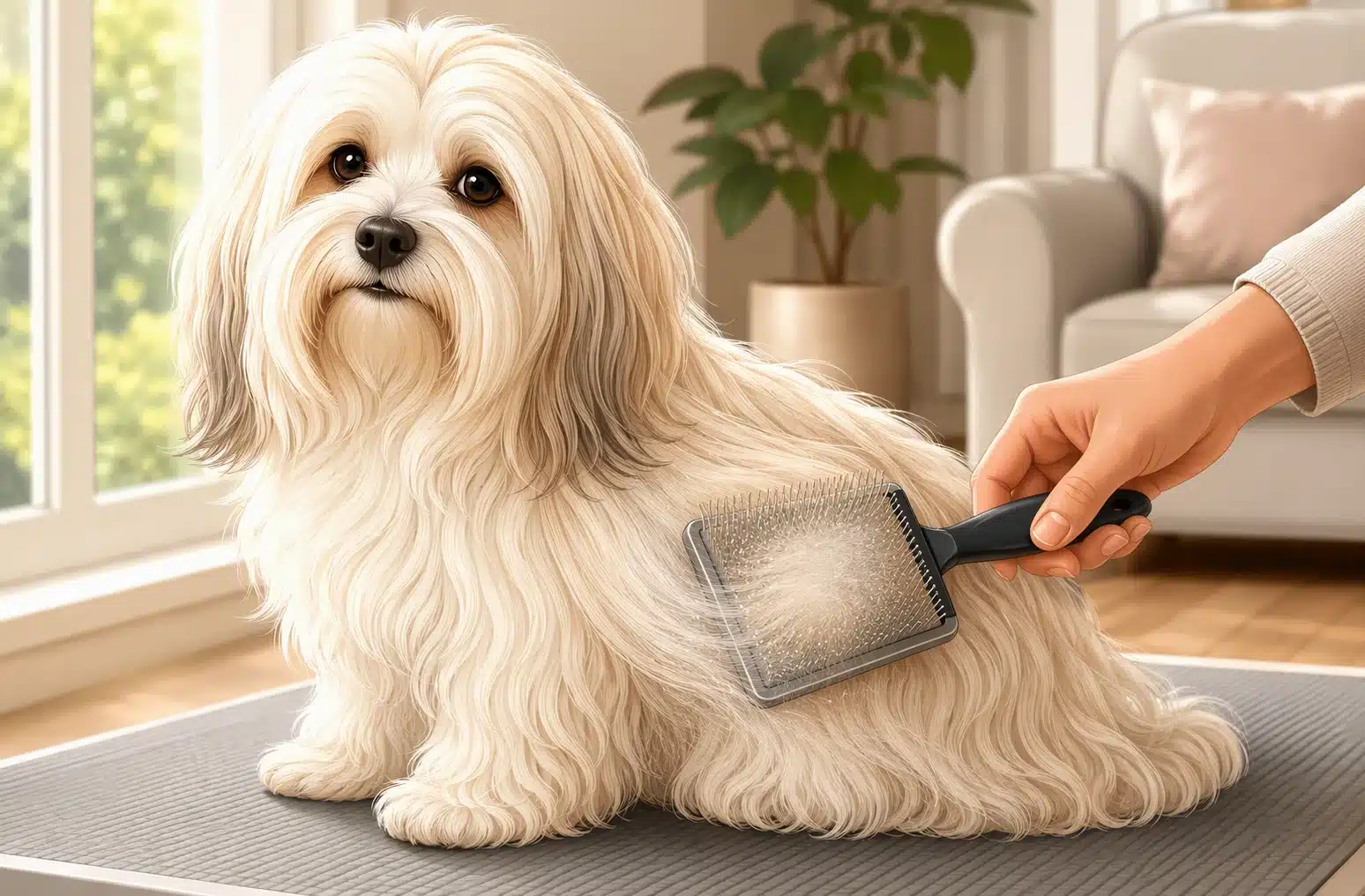
| Coat trait | What it may help with | What it still requires |
|---|---|---|
| Low visible shedding | Less hair on furniture | Frequent brushing |
| Long, silky hair | Holds loose hair and dander | Thorough bathing and drying |
| Small size | Less total surface area | Consistent home cleaning |
Brush before mats form, wipe paws after outdoor time, and keep the dog out of the allergic person’s bedroom. Saliva also carries dog allergens, so face licking is best avoided. Research on dog saliva allergens explains why coat care alone cannot control exposure.
Why the Individual Dog Still Matters
Allergen levels vary from dog to dog. Your own sensitivity, grooming routine, home layout, and asthma history matter too.
Before bringing home a puppy:
- Spend time near the specific dog if possible.
- Talk with an allergist if symptoms are strong.
- Set home rules before pickup or delivery.
- Plan grooming as a family habit, not a quick fix.
A well-cared-for Havanese can be a better fit for some allergy-aware homes, but only a thoughtful trial can show whether it is right for yours.
Also Read: 10 Signs a California Puppy Listing Is a Scam – Sage Puppies
How Coat Care Changes Allergy Exposure at Home
Brushing Removes What the Coat Retains
A Havanese coat can hold dust, pollen, dried saliva, and loose skin flakes. The hair itself is not the allergen. Dog allergens come from dander, saliva, urine, and blood, and fur can carry them through the home, according to the National Institute of Environmental Health Sciences.
Brush outdoors or in an easy-to-clean spot three to four times each week. Work in small sections, down to the skin, with a pin brush and metal comb.
- Brush before allergens build up in mats.
- Wipe the face and paws after outdoor play.
- Empty the brush outside, then wash your hands.
Have the family member without allergies handle brushing when possible.
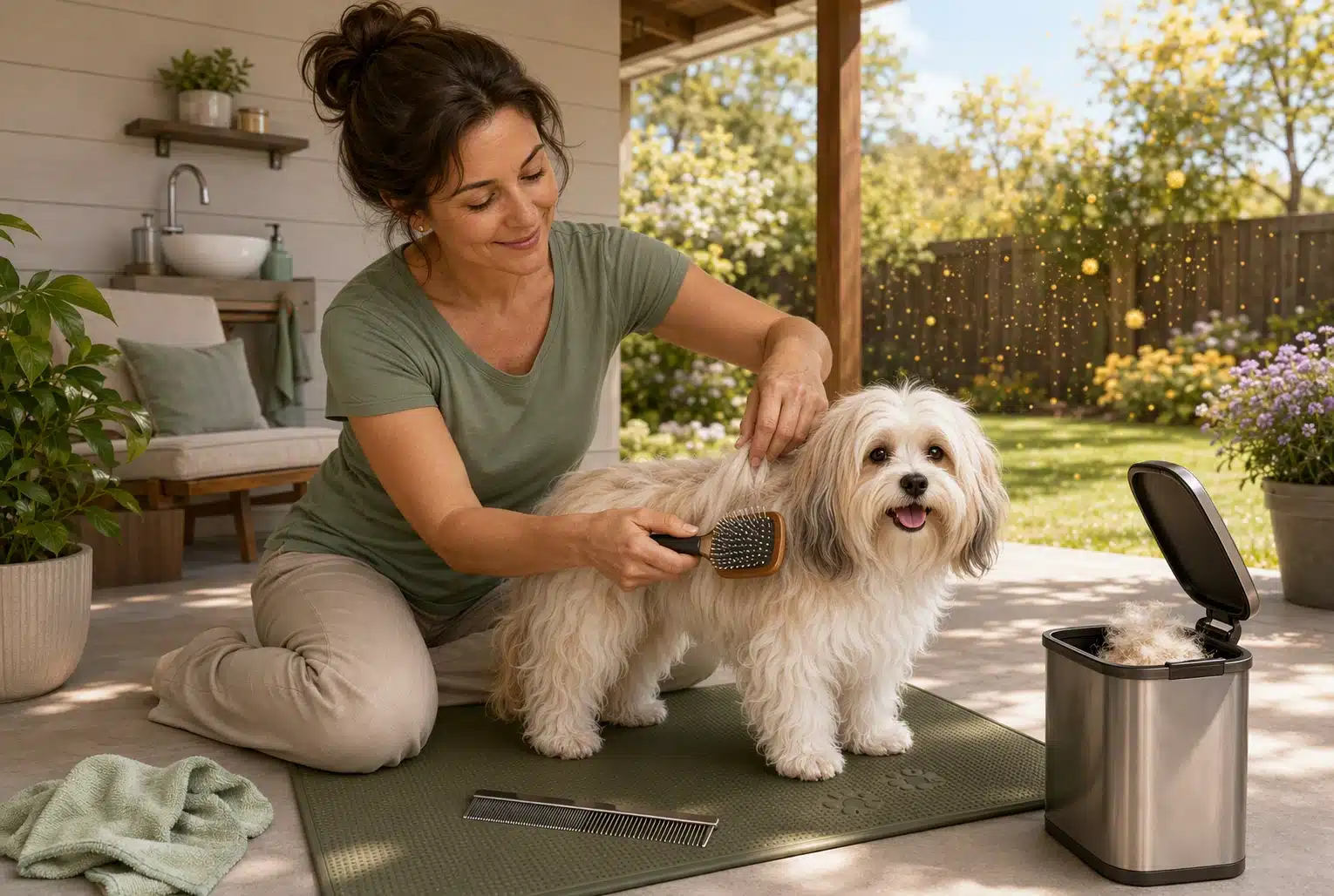
| Coat-care task | What it helps remove | Best place to do it |
|---|---|---|
| Line brushing | Loose hair, dander, trapped debris | Patio or tiled room |
| Paw wipe | Pollen and outdoor dirt | Entryway |
| Comb check | Early mats near ears and legs | Bright indoor area |
Bathing Helps, but Skin Health Comes First
Bathing can lower allergen levels, but it is not a cure for dog allergies. The NIEHS notes that bathing dogs at least twice weekly may decrease allergens. Use a mild dog shampoo, rinse very well, and ask your vet before frequent baths if your puppy has dry or itchy skin.
Avoid human shampoo, strong scents, and harsh scrubbing. Dry, irritated skin can shed more flakes.
- Brush out tangles first.
- Use lukewarm water.
- Rinse until the coat no longer feels slick.
- Towel blot before drying.
If anyone has wheezing, hives, or ongoing symptoms, seek advice from an allergy clinician rather than relying on grooming alone.
Drying Prevents New Mats and Damp-Coat Problems
Do not leave a dense Havanese coat damp after a bath or wet walk. Moisture can tighten small tangles, especially behind the ears, under the collar, in the armpits, and around the legs.
Towel blot first. Then use a dog-safe dryer on low or cool while you gently brush in sections. Check that the skin and roots feel dry, not just the outer coat.
- Keep the dryer moving.
- Stop if your puppy seems stressed or hot.
- Clean bedding, throws, and favorite resting spots on a steady schedule.
Also Read: Havanese Dog Breed: Complete Care Guide for First-Time Owners
Build a Manageable Havanese Coat-Care Routine
A routine beats occasional marathon grooming. Havanese coats are long, soft, and prone to tangles, especially behind the ears, under the collar, and where legs meet the body. Choose a shorter pet trim if that fits your family life. It does not make the dog allergy-free, but it can make coat care far easier.
A Short Daily Check
Spend two calm minutes checking the high-friction spots. Use your fingers first, then a metal comb if you feel a snag.
- Behind and under each ear
- Under the collar, harness, and front legs
- Belly, tail base, and paws
- Eye corners for dampness or debris
Tip: Make this a treat-based habit. Gentle daily handling helps a puppy accept brushing, foot checks, and future groomer visits.
Several Thorough Brushing Sessions Each Week
Plan three full sessions each week. Work in small sections, brushing from the skin outward with a pin brush or soft slicker. Follow each area with a metal comb. If the comb catches, do not pull. Hold the hair near the skin and loosen the tangle a little at a time.
The AKC notes that regular brushing helps prevent mats and calls out behind the ears and under the legs as common trouble spots. Read its home grooming advice
| Coat area | Check frequency | Best approach |
|---|---|---|
| Ears and collar line | Daily | Finger check and comb |
| Body and legs | Three times weekly | Pin brush, then comb |
| Paws and tail | After outdoor play | Remove debris gently |
Bath, Dry, and Professional Grooming Planning
Bathe only when your Havanese is dirty, smells off, or needs a reset. Use a mild dog shampoo, rinse very well, and dry the coat fully before brushing. Bathing a tangled coat can tighten mats.
Book a groomer on a steady schedule that suits your chosen coat length. Ask for a practical pet trim, nail care, and a clean face and paw area. The AKC cautions against bathing too often, since it can dry the skin and coat.
Warning: Do not try to cut tight mats with scissors. They can hide close to the skin. Ask a professional groomer for help instead.
Navigate the Havanese Puppy-to-Adult Coat Change
What Changes During the Transition
Your Havanese may look fluffy one month and tangled the next. That is normal. The soft puppy coat gives way to a longer, silkier adult coat, and both textures can catch together near the skin. The AKC Havanese standard notes that puppy hair is often shorter and softer than adult hair.
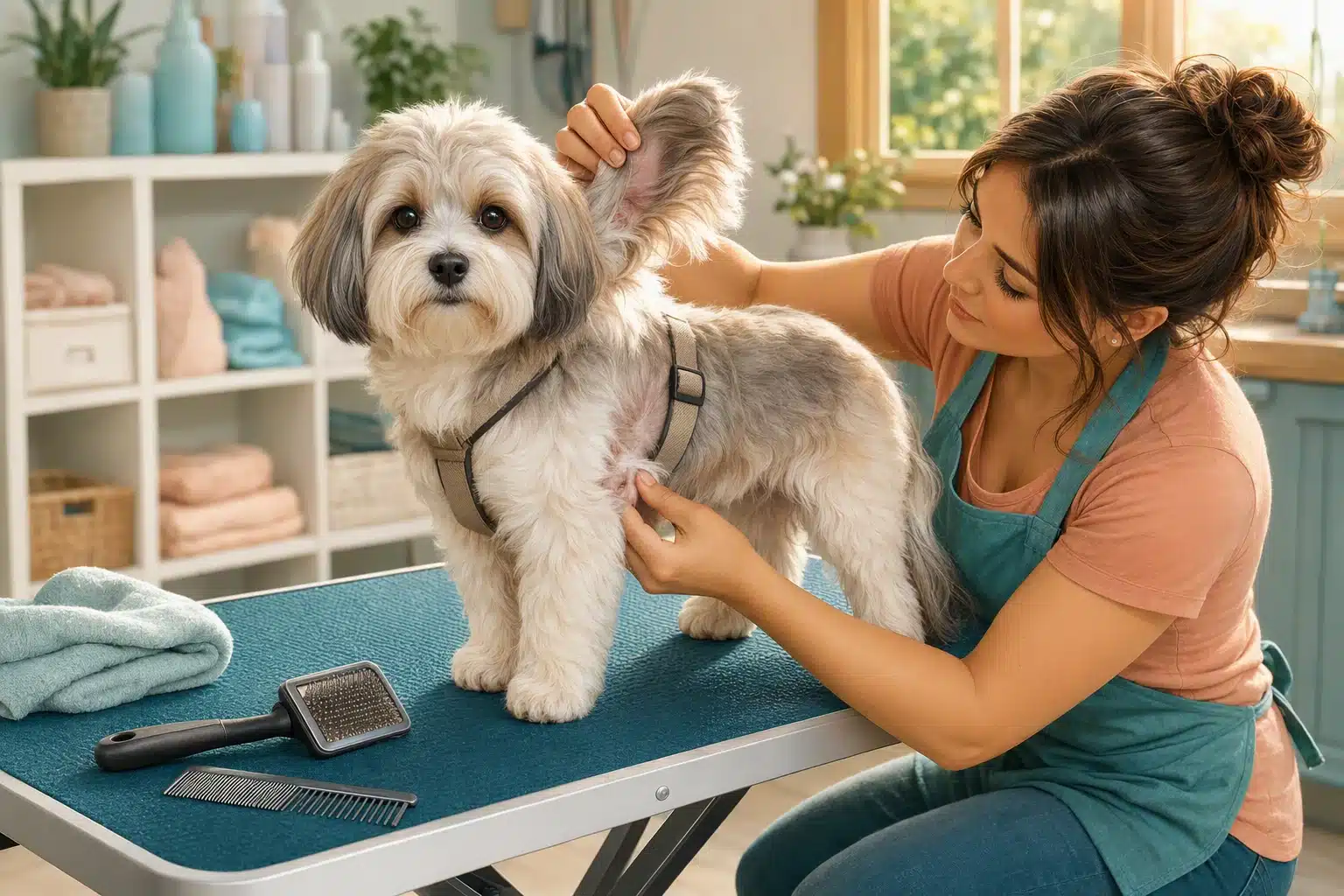
Check the friction spots first:
- Behind the ears
- Under the collar or harness
- Armpits, belly, and leg joints
A knot that reaches the skin can pull and hurt. Do not try to brush through it fast.
How to Increase Care Without Creating Stress
Add care in small steps. Short, calm sessions teach your puppy that handling is safe.
- Let your puppy sniff the comb.
- Comb one small section, then give a treat.
- Work from hair ends toward the skin.
- Stop before your puppy gets restless.
Use a pin brush for light brushing, then confirm each area with a steel comb. During coat change, daily comb checks are often easier than saving everything for one long session. Regular gentle grooming also helps puppies accept body handling, as AKC guidance on changing puppy coats explains.
When a Shorter Trim Is the Kinder Choice
A shorter pet trim is not a failure. It can be the best choice for busy families, active children, or a puppy that is starting to fear grooming.
Choose it if:
- Mats return quickly despite steady care.
- Your puppy avoids the brush or pulls away.
- Your household cannot maintain frequent comb checks.
Ask a groomer to keep enough length for a soft look while clearing the eyes, feet, and sanitary areas. Avoid shaving down tight mats at home. A groomer can assess the coat and protect tender skin.
Comfort comes before a long coat. A well-kept short trim supports a happier Havanese and a more sustainable routine.
Also Read: Havanese, Havapoo & Cavapoo Puppy Care Blog
Manage the Home Around an Allergy-Sensitive Havanese Family
Create Easy-to-Clean Resting Areas
Give your Havanese one main bed with a washable cover, placed on hard flooring when possible. Skip fluffy throws, heavy rugs, and shared bedroom beds if someone reacts to pet allergens.
The EPA advises keeping pets out of sleeping areas and cleaning fabric surfaces often to reduce exposure to dander and hair. Its home air guide also recommends regular vacuuming and dusting.
- Wash the dog bed cover weekly.
- Use a washable blanket for sofa visits.
- Wipe paws at the door.
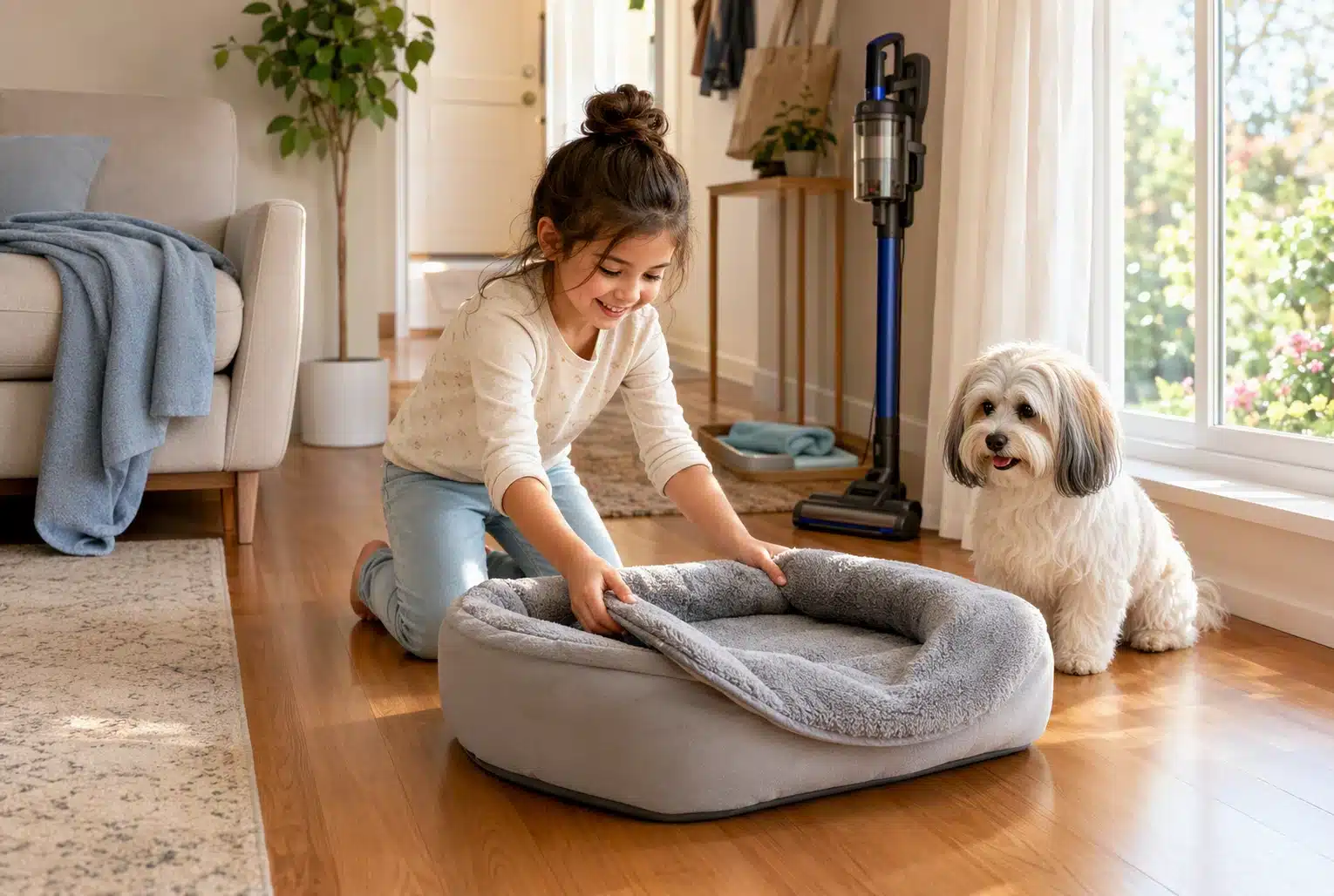
Tip: A defined resting spot makes cleaning simple. It also gives your puppy a calm place to settle.
Reduce Outdoor Allergens on the Coat
Pollen, dust, and smoke particles can ride indoors on your puppy’s feet and coat. After walks, wipe paws, legs, and belly with a clean damp cloth. During high-pollen days, keep windows closed and choose shorter outings.
The EPA notes that outdoor particles and pollen enter homes through doors and windows. Their guidance supports closing windows when pollen is high.
- Keep a towel by the entry.
- Brush outdoors when weather allows.
- Change clothes after yard play if symptoms flare.
Pair Grooming With Sensible Cleaning
Grooming helps, but it is not a cure for dog allergies. Build a steady routine instead of deep-cleaning only after symptoms start.
- Brush on a set schedule.
- Vacuum rugs and upholstery weekly with a HEPA-filter vacuum.
- Damp-dust hard surfaces.
- Wash hands after close play.
Ask an allergist for a plan if anyone has wheezing, asthma, or strong reactions.
Also Read: 10 Adorable Havapoo Colors You Need to See (2026)
Choose a Havanese Puppy With Allergy-Sensitive Living in Mind
Test Your Family’s Response Before Reserving
Spend unhurried time with adult Havanese before you reserve. Let the sensitive person pet the dog, sit nearby, and then note symptoms later that day.
Havanese are not allergy-free. Dog allergens occur in dander, saliva, and other body sources, and every breed can trigger symptoms, according to the National Institute of Environmental Health Sciences.
If anyone has asthma or strong reactions, speak with an allergist before bringing home a puppy.
Ask About Coat Care, Health, and Early Handling
Ask direct questions before choosing a puppy:
- How often should this coat be brushed and bathed?
- What handling has the puppy had for brushing, paws, ears, and face care?
- What health testing was completed for the parents?
- What grooming routine should continue at home?
A low-shed coat still needs steady care. Early, calm handling helps a puppy accept grooming, which makes your allergy plan easier to keep.
| Question | Why it matters |
|---|---|
| Coat routine | Helps reduce loose hair and tracked-in debris |
| Parent health testing | Supports a thoughtful breeding decision |
| Early handling | Builds comfort with lifelong grooming |
Plan Pickup or Delivery Before Puppy Day
Set up the puppy’s first day before travel begins. Choose a clean crate, fresh bedding, and a quiet area away from bedrooms if allergies are a concern.
For South Jordan families, confirm local pickup timing with Sage Puppies. Families farther away should review delivery details early and plan a calm arrival day.
- Wash hands after close play.
- Keep furniture rules consistent.
- Schedule the first grooming session before the coat becomes tangled.
Common Mistakes to Avoid With a Havanese Hypoallergenic Coat
Mistaking Low Shedding for No Allergens
A Havanese may shed less, but no dog is allergen-free. Proteins in dander, saliva, and urine can cause symptoms, as the NIEHS explains. Meet the individual dog before committing.
Brushing Only the Visible Top Layer
A smooth outer coat can hide tight mats near the skin. Part the hair in small sections, then brush from the roots outward. Check behind ears, under the collar, armpits, and inner legs.
Bathing a Tangled Coat or Leaving It Damp
Water can tighten mats. Remove tangles before bathing. Then towel dry, blow dry on low heat, and brush as the coat dries. Damp hair near the skin can lead to odor and irritation.
Waiting Until Grooming Is Urgent
Small knots become painful mats fast. Set a simple routine:
- Brush several times each week.
- Check problem spots daily.
- Book regular professional grooming.
Consistent care is easier on your dog and far kinder than a last-minute shave.
A Simple Coat-Care Plan for Your First Month
Week One: Make Handling Positive
Keep sessions under two minutes. Touch paws, lift ears, and run a soft brush over the coat. Give a small treat and stop while your puppy is calm. Starting gentle grooming early helps puppies accept handling, according to the AKC’s brush guide.
- Brush lightly once a day.
- Check behind ears and under the front legs.
- Never pull at a tangle.
Tip: A calm exit matters more than a perfect brush-out.
Weeks Two and Three: Establish the Routine
Set one daily grooming time, such as after dinner. Use a pin brush, then check that a metal comb moves through the coat. Work in small sections from the skin outward.
| Task | Frequency | Focus |
|---|---|---|
| Gentle brush | Daily | Whole coat |
| Comb check | Every 2-3 days | Ears, chest, legs |
| Eye-area wipe | Daily | Damp cloth only |
Week Four: Review What Is Working
Your Havanese should now expect grooming without worry. Keep the routine short, but make the comb check more thorough. Havanese coats need regular brushing to prevent mats, notes the American Kennel Club.
- Note where tangles form.
- Book grooming help for tight mats.
- Keep rewards handy for nail and face handling.
Warning: Do not cut mats near the skin with scissors.

Ready for a Havanese with a well-started coat care routine? Sage Puppies raises home-loved puppies from health-tested parents, with guidance for your first grooming steps. Explore available puppies, apply online, and choose South Jordan pickup or nationwide delivery.
Frequently Asked Questions
Q1: How does the Havanese coat affect allergy-sensitive families?
Havanese shed very little, but dander and saliva can still trigger allergies. Regular brushing, bathing, and cleaning soft surfaces can lower allergens. Spend time with a Havanese before committing.
Q2: How often should I brush a Havanese?
Brush a longer coat daily or every other day. A short puppy cut needs brushing two to three times weekly. Check behind ears, under legs, and around the collar.
Q3: Can I keep a Havanese coat short?
Yes. A professional trim every six to eight weeks makes coat care easier. Short hair still needs brushing because fine strands can knot close to the skin.
Q4: What causes Havanese mats?
Moisture, friction, and missed brushing cause most mats. Remove harnesses after walks, dry the coat fully, and comb small sections to catch knots early.
Q5: Should allergy-sensitive families bathe their Havanese more often?
Bathing every three to four weeks often helps manage dander. Use a gentle dog shampoo, rinse well, and dry completely to avoid skin irritation.
Conclusion
A Havanese may shed less visibly, but no dog is allergy-free. Allergens come from dander, saliva, and other sources, not fur alone, as the National Institute of Environmental Health Sciences explains. Success depends on a realistic match, steady coat care, regular cleaning, and clear bedroom rules.
Keep brushing gentle and consistent. Prevent mats before they tighten. Bathe only on a sensible schedule, then dry the coat fully. If anyone has known symptoms, speak with an allergist before bringing home a puppy. A well-kept Havanese can fit many homes, but honest planning protects both your family and your dog.