Quick Summary: Havanese puppies come in over a dozen AKC-recognized colors and patterns, all judged equally under the breed standard, so a single litter can hold cream, black, chocolate, and parti pups at once. The catch is that most puppies clear or fade as they grow, with sable, red, gold, and black often lightening to silver, blue, or cream by age two, while chocolate holds its shade best. Grooming needs stay the same across colors, though light coats show tear stains and dirt more visibly, so daily eye wiping helps. Pick based on health, temperament, and adult photos from past litters rather than the eight-week puppy color, and avoid any breeder who prices purely by shade.
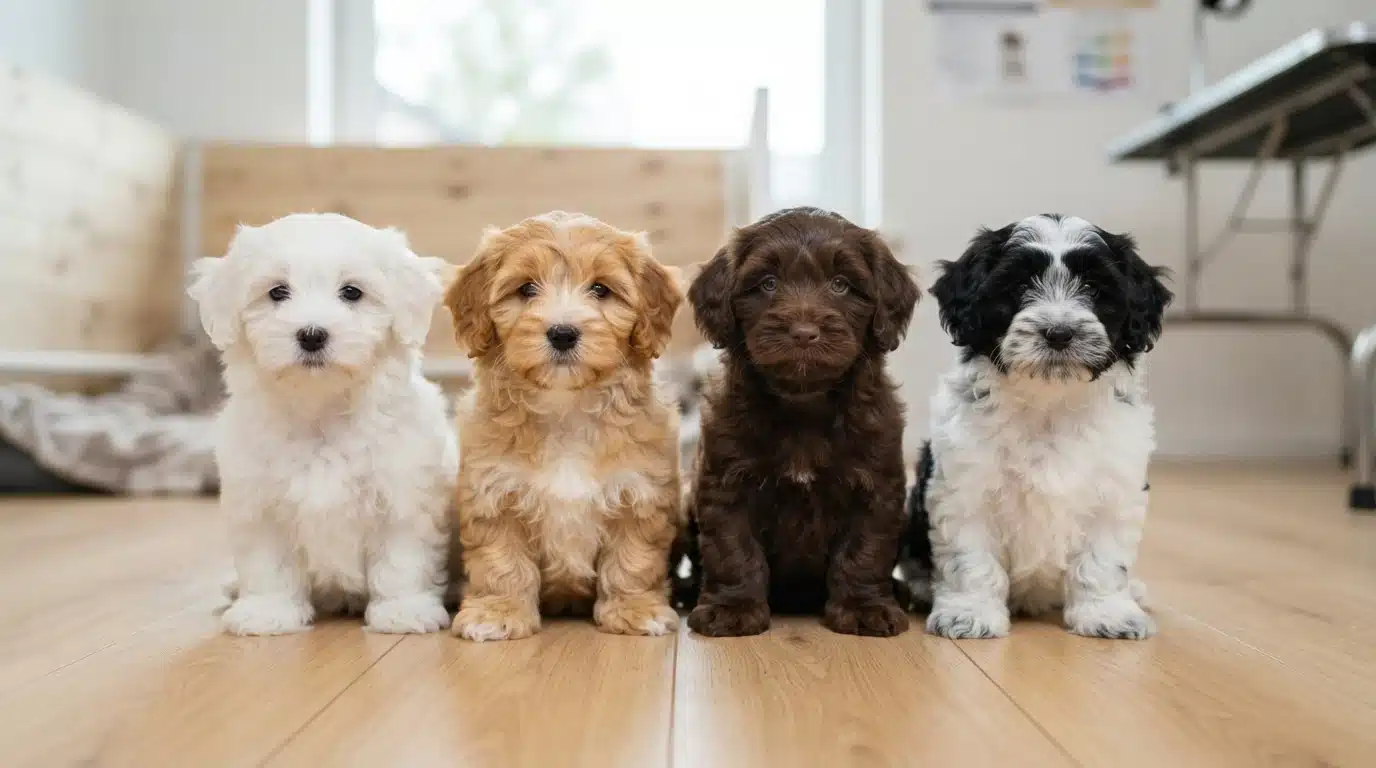
Step into a litter of eight-week-old Havanese puppies and you will find cream, deep red, inky black, chocolate, silver, and a dozen mixes in between, all sharing one cozy whelping box. That variety is the joy and the puzzle of Havanese coat colors, because many puppies change shade as they grow. A dark pup can fade to silver within two years. This guide walks you through every AKC-recognized color and pattern, explains how adult coats develop, and shows what to ask a breeder before you choose. It draws on Cassie Milar’s experience raising Havanese litters at Sage Puppies in South Jordan, Utah, so you can pick a color with realistic expectations instead of surprises.
How Many Havanese Colors Are There, and Why Is the Range So Wide?
More than a dozen. The AKC lists standard colors including white, black, blue, chocolate, cream, fawn, gold, red, silver, and sable, plus brindle versions of several of them. Combine any of those with white markings and the practical list stretches far beyond what most breeders advertise.
Why so wide? Because the breed standard says so. The official Havanese standard states that all colors and marking patterns are permissible and of equal merit. Few breeds give breeders that much freedom, so Havanese litters can hold a chocolate puppy, a gold one, and a black-and-white parti from the same parents.
Why the AKC Accepts Every Color in the Book
The Havanese developed in Cuba as a companion dog, not a working one, so no job ever demanded a specific coat color. That history carried into the modern standard, which gives color no weight in judging. In the show ring, a cream dog and a chocolate dog compete on equal footing. You can browse the full AKC color list for the registered options. The upside for families is simple: pick the color you love, because none of them affects health or temperament. Our breed standards overview covers how the standard applies to real litters.
Colors Versus Patterns, and Why the Distinction Matters
Breeders track two things separately: color (black, gold, chocolate) and pattern (how that color sits on the body). Parti means white with patches of another color. Tricolor mixes three. Sable means dark-tipped hairs over a lighter base, and brindle adds striped banding. One dog can be “chocolate parti” or “gold sable,” which is why listings get wordy. Knowing the difference helps you ask sharper questions, because a breeder describing a pattern may name a different base color than the AKC paperwork shows later.
The Core Solid Colors You Will See in Havanese Puppies
The American Kennel Club accepts a wide range of Havanese colors, and the standard registration list includes white, black, blue, chocolate, and cream among its solid options, per the AKC breed profile. Here is what each core color actually looks like on a puppy, and how it may change as your dog grows.
White and Cream Havanese
White is one of the most recognized Havanese shades, and the breed’s Cuban heritage shows here. Many whites carry faint cream or biscuit shading on the ears, back, or tail, especially in puppyhood. Cream sits one step warmer, a soft ivory rather than bright white. Neither color affects temperament or coat texture, and both look stunning in a full show-style coat.
Black and Silver Havanese
A true black Havanese is solid jet from nose to nail, with dark pigment on the eye rims, lips, and pads. Black often fades less than lighter shades, so many adults keep their rich color. Silver usually starts as black puppy coat that lightens over the first two or three years, ending in a smoky pewter shade. The Havanese Club of America’s breed standard calls for solid black rims and nose on all colors except chocolate.
Red, Gold, and Champagne Havanese
These warm shades come from the same fading genes, so expect movement. Deep red puppies often soften to gold or apricot by adulthood, and gold may settle into pale champagne. Ask your breeder to show you adult photos of past litters, because a color chart cannot predict how far the lightening will go. Color does not change the dog underneath.
Chocolate and Brown-Pigmented Havanese
Chocolate is the exception to black pigment. A chocolate Havanese has a liver-colored nose, brown eye rims, and often green or amber eyes, points the UKC breed standard notes are unique to true brown-coated dogs. Coats range from milk-chocolate to deep mahogany, and brown puppies frequently lighten with age. If you want a color that stays exactly as advertised, chocolate keeps its identity even when the shade shifts.
Blue Havanese: The Color That Surprises New Owners
Blue Havanese are born black or charcoal and dilute to a steel-gray blue over two or more years. Owners often have no idea their black puppy carries the gene. New coats also change most in the first year, a pattern we watch closely in our Havanese litters before matching families. To see how color fits into the bigger grooming picture, our Havanese care guide for first-time owners walks through what each coat type needs.
Patterns and Markings That Show Up in Havanese Coats
Color tells only half the story. The Havanese also comes in a handful of distinct patterns, and the AKC standard accepts all colors and markings with equal merit, so no pattern scores points over another. Knowing the names helps you describe what you want when you talk with a breeder.
Parti-Color, Irish Pied, and Extreme Piebald
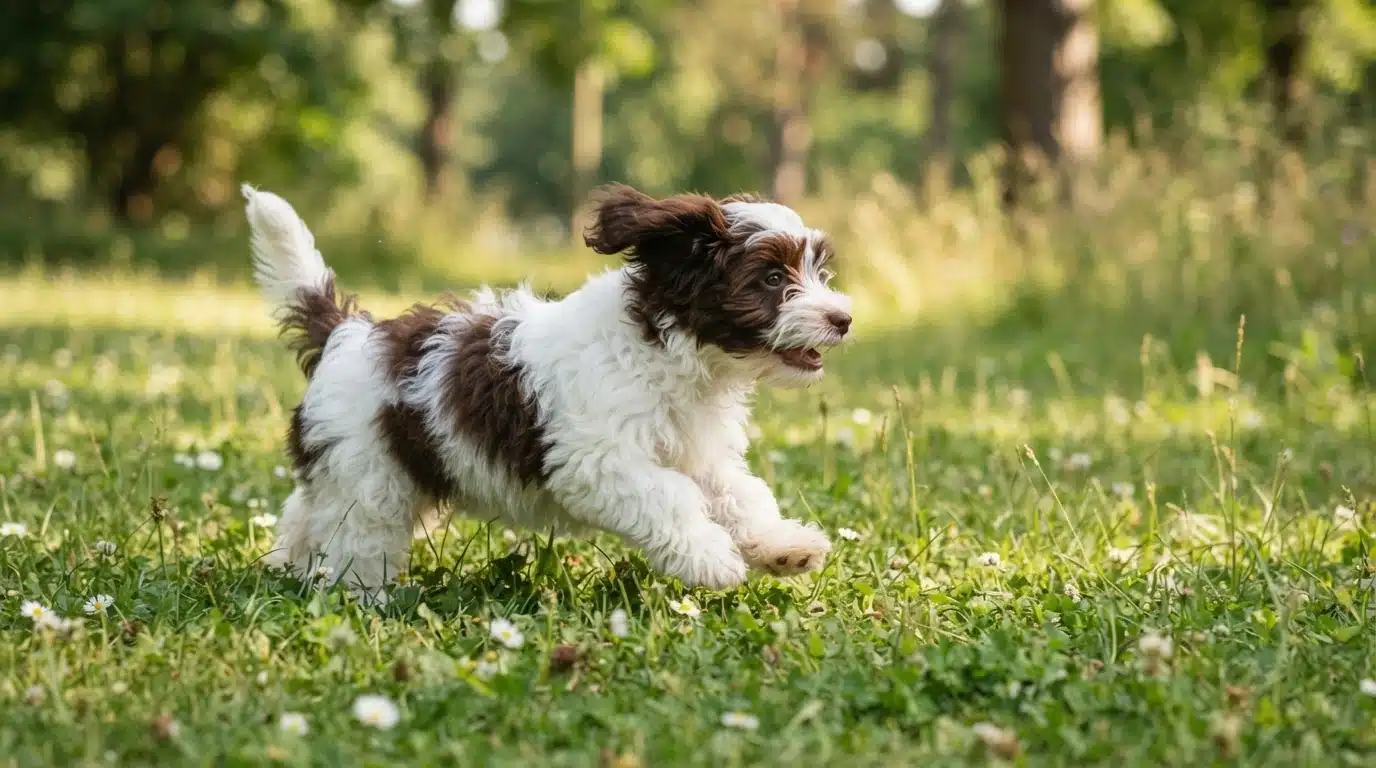
These three terms all describe white-and-color coats. A parti-color Havanese has two colors split roughly evenly, in no set layout. Irish pied means a colored body with white on the chest, feet, neck, and sometimes the face. Extreme piebald is the reverse: mostly white with patches of color. The Havanese Club of America’s breed standard lists each of these as acceptable marking patterns.
Sable Havanese: The Shaded Look
Sable is a pattern, not a color. Each hair is tipped with black over a lighter base like gold or fawn, which gives the coat a shaded, smoky depth. Look at the roots to find the true base color. Sable often fades or lightens as the puppy matures, so an adult may look softer than it did at eight weeks.
Brindle Havanese: Tiger-Like Stripes
Brindle shows up as dark stripes over a lighter base, a bit like a tiger’s coat. It is rarer in Havanese than sable or parti, and the stripes can blend as the long coat grows out, especially without regular brushing. The pattern varies a lot between dogs, so two brindle puppies from the same litter rarely look identical.
Tricolor, Tan Points, and Other Markings
A tricolor Havanese carries three colors, often white, black, and tan. Tan points mean tan patches above the eyes, on the muzzle, chest, and legs, over a black or chocolate base. You may also see a mask (darker shading on the face) or freckled skin where the coat is white. Ask a breeder which of these a puppy carries; because the Havanese coat changes with age, photos of past litters help.
A Striking Pattern Worth a Closer Look
Patterns and colors combine freely, so a chocolate sable parti is a real possibility, and the full range appears in AKC breed information. One thing is certain with this breed: whatever pattern you bring home at eight weeks will soften, fade, or shift by its first birthday. When we place Havanese puppies at Sage Puppies, we show families how the parents look as adults, since that is the most honest preview of what a pup may grow into.
Why Your Havanese Puppy’s Coat Color Will Change
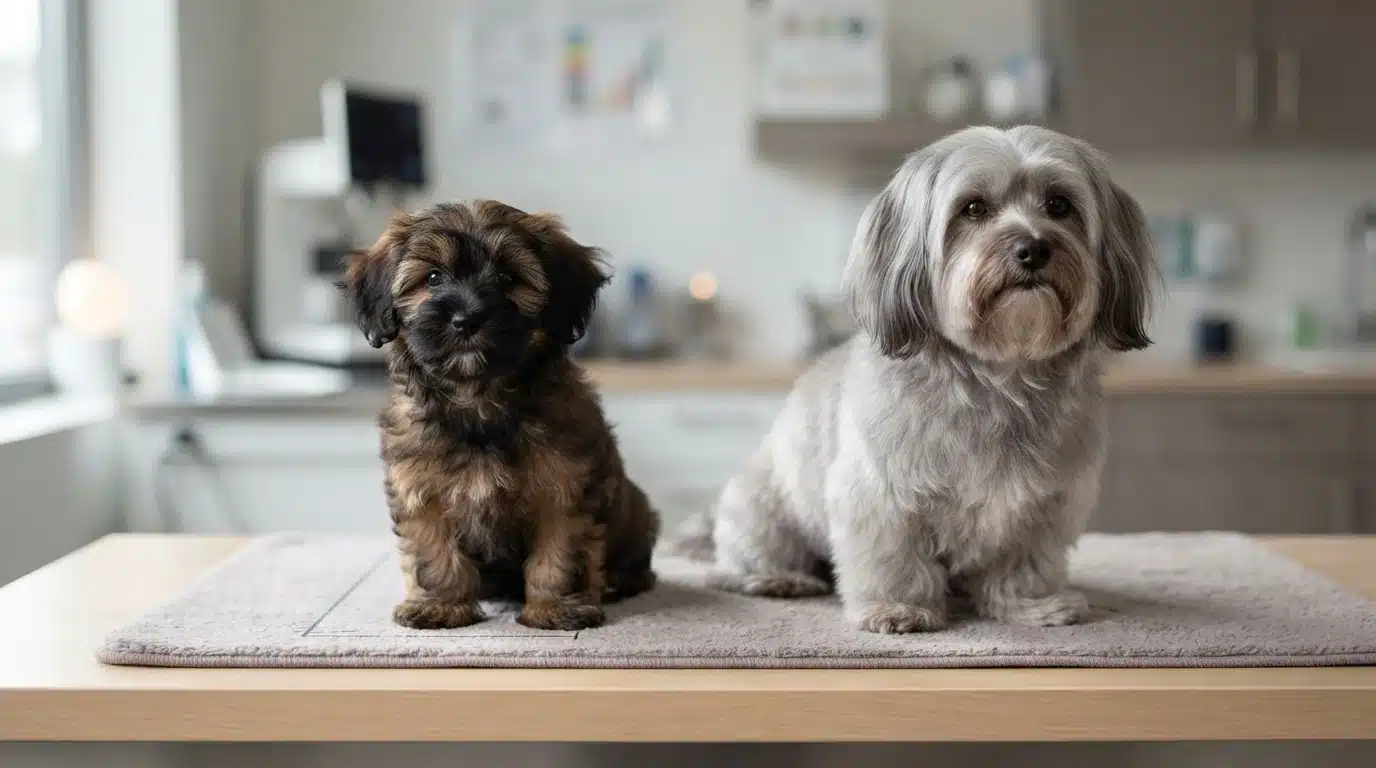
Most Havanese puppies do not keep the color they go home with. A dark sable pup can turn silver by its second birthday, and a rich red can soften to cream. This is normal for the breed, not a sign of poor health. Many Havanese carry a fading gene that starts working as young as six months, and the shift can continue for up to two years, according to Island Havanese.
What “Clearing” Means in a Havanese Coat
Breeders use the word clearing to describe this lightening. The coat does not change color overnight. Instead, darker pigment fades from the tips of the fur inward, so the same dog that looked chocolate or deep gold at eight weeks can end up a soft cream, silver or pale gold.
Some coats darken instead, especially chocolate-based dogs, though lightening is far more common. Both directions are genetic, so nothing you feed or groom into the coat will hold the puppy color in place. The adult color is usually settled somewhere between one and two years of age.
Which Colors Tend to Change the Most
- Sable puppies: born dark-tipped, often clear to cream, silver or gold.
- Reds and golds: frequently fade to lighter shades of the same tone.
- Blacks: some stay black, but many lighten to blue or silver.
- Chocolates: usually hold their color best, sometimes deepening with age.
- Parti and white: the white stays put; the patches may fade.
As one Havanese breeder puts it, clear reds, red sables and brown-based dogs each follow their own path, so the puppy photo is only a starting hint, per HavanaRouge.
Asking a Breeder About Adult Coat Expectations
A good breeder has watched past litters from the same parents grow up. Ask which adult colors earlier puppies from this pairing developed, and how long their coats took to settle. Cassie answers these questions for every Sage Puppies family, so you can pick a puppy with realistic expectations instead of a guess.
Do Coat Color and Pattern Affect Care and Grooming?
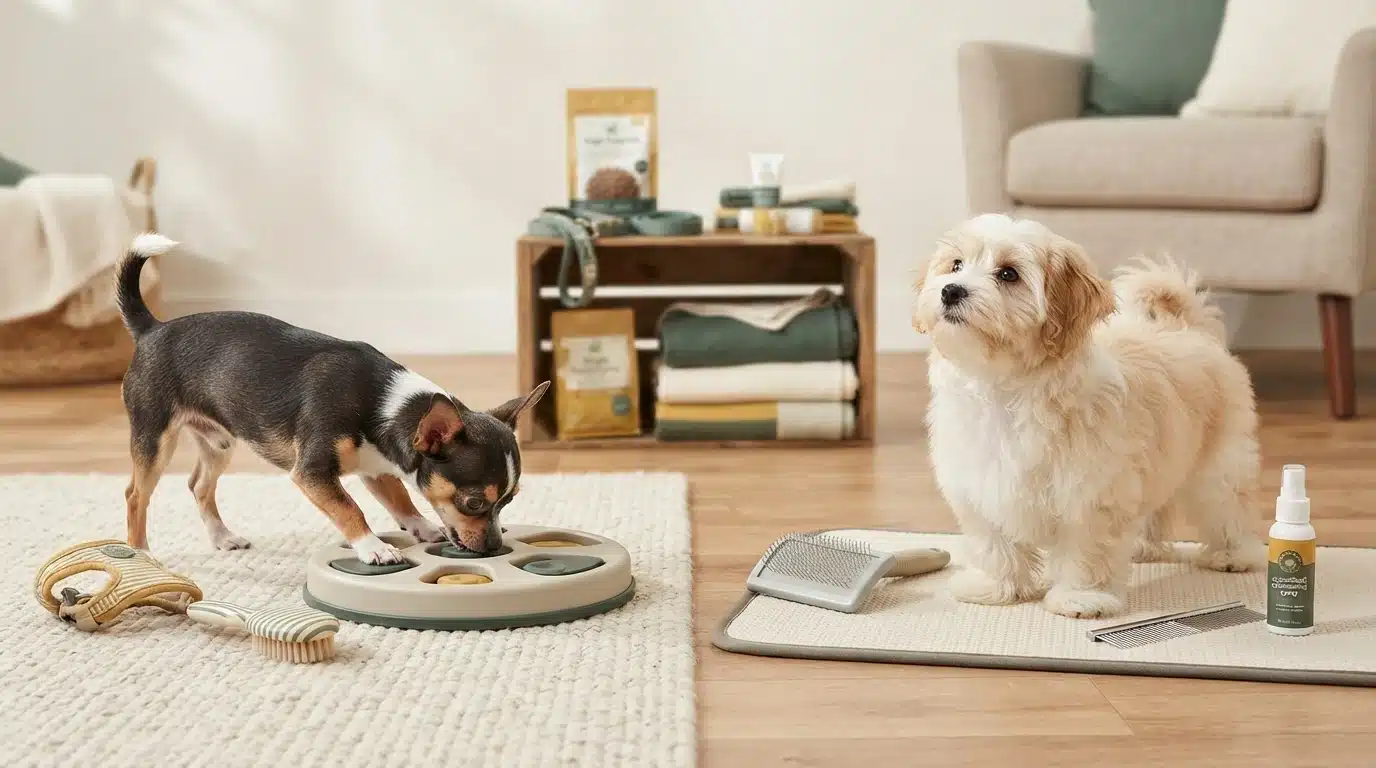
Short answer: the grooming routine stays the same, but color changes what you notice and how often. A Havanese coat needs brushing several times a week, regular trims, and eye care no matter the shade. White and light coats simply show more.
Tear Stains and Light-Colored Coats
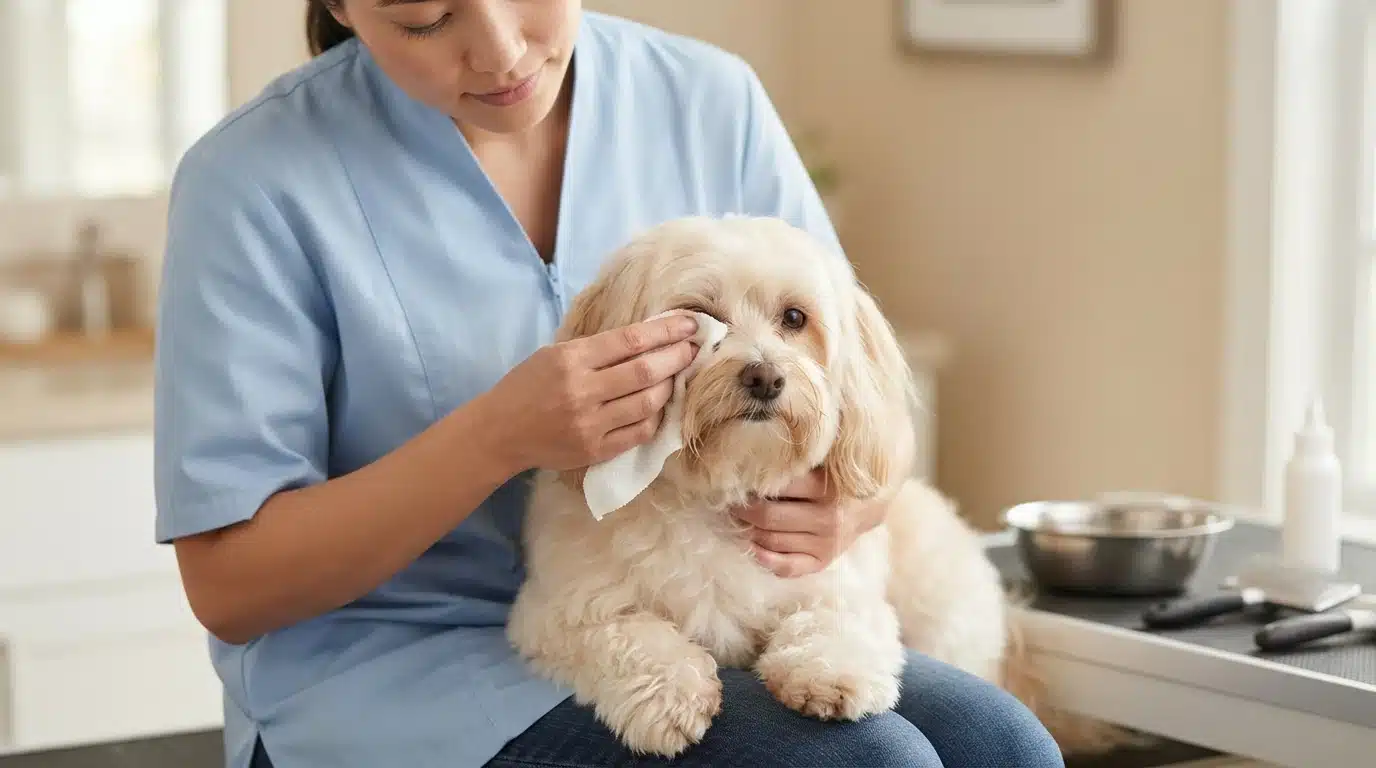
Tear staining shows up on every color, but reddish-brown marks stand out sharply on white, cream, and silver coats. The stains come from porphyrins in tears that oxidize on the fur, not from dirty hair. Keep the area dry and wipe below each eye daily with a damp cloth or fragrance-free wipe, working outward from the inner corner. Trimming the hair near the eye corner short, ideally with blunt-tipped scissors, helps tears drain onto skin instead of soaking into fur. A steady routine matters more than any product; daily care in about 90 seconds keeps fresh discharge from setting in. For the full grooming schedule that pairs with this, see daily care for first-time Havanese owners.
Sun, Water, and How Environment Affects Coat Color
Environment can soften or darken a coat over time. Strong sun tends to bleach reds and golds, while hard water and certain shampoos can dull light coats. Wet fur also darkens temporarily, so a freshly bathed puppy often looks richer until it dries. None of this harms the hair. If you want sharper contrast on a light coat, a UV-limiting routine helps.
How to Choose a Havanese Puppy by Color Without Regret
Color is fun to think about, but it should never be your only filter. The happiest matches happen when families pick a puppy they love and confirm health and temperament come first.
Matching Color to Your Home and Routine
Think about your floors, furniture, and grooming habits before you fall for a shade. Dark coats show less dirt; white coats show every grass stain. Light coats also tear-stain faster, so plan on wiping around the eyes daily; about 90 seconds a day keeps discharge from setting in. A busy household may suit a gold or sable puppy better than a snowy white one.
Putting Health and Temperament First
A puppy’s coat color says nothing about how healthy or even-tempered it will be. Both come from breeding choices and early care, not pigment. Ask any breeder for parent health testing, vaccination records, and how puppies are socialized. Meet the puppy in person or on video if you can. Watch how it handles noise, handling, and new people. Ask what happens if the puppy’s coat fades or changes as an adult, because with Havanese, it usually will. If a breeder prices puppies purely by color, treat that as a warning sign, not a selling point.
What to Expect From Sage Puppies
At Sage Puppies, matching comes before color preference. Families review health records, meet puppies, and talk through coat changes honestly. Learn more about availability on the available puppies page or review costs and deposits at pricing and reservation.

Wondering which Havanese color fits your family? Cassie matches puppies with new owners personally, so you can ask about coat changes before you commit. Meet the current litter at Sage Puppies and apply when a puppy feels right.
Frequently Asked Questions About Havanese Coat Colors and Patterns
Q1: havanese coat colors and patterns
The AKC lists ten standard colors, including white, black, chocolate, red, gold, cream, fawn, silver, blue, and sable, plus patterns like parti, brindle, and tricolor. All are acceptable, and all puppies may change shade as they mature.
Q2: Will my Havanese puppy keep its color?
Usually not. Most puppies lighten, or “clear,” between six months and two years. Chocolate tends to hold its shade best.
Q3: Do Havanese colors affect price?
They shouldn’t. A breeder who charges extra purely for color is a warning sign, since the standard gives every shade equal merit.
Q4: Which Havanese color fades the most?
Sable, red, and gold fade most often. Blacks may lighten to blue or silver, while chocolates usually deepen.
Q5: Does coat color change grooming needs?
No. Every Havanese needs the same brushing schedule. Light coats just show tear stains and dirt more, so daily eye wiping helps.
Q6: How can I predict my puppy’s adult color?
Ask the breeder for photos of adult dogs from past litters with the same parents. That preview beats any color chart.
Wrapping Up the Havanese Color Rainbow
A Havanese can come in almost any shade, and the AKC standard gives every color and pattern equal merit. What makes this breed different is how much those coats move: most puppies clear to a lighter shade by age two, while chocolates hold their color best. The pattern matters as much as the base, so learn terms like parti, sable, and brindle before you shop. Above all, treat color as a preference, not a promise. Ask for photos of adult dogs from past litters, keep health and temperament first, and pick the puppy whose personality fits your home, whatever shade it grows into.