Best Hypoallergenic Dog Breeds: Low-Shedding Family Dogs
Best hypoallergenic dog breeds can make thoughtful family companions for households managing pet allergies, although no dog is completely allergen-free. Low-shedding coats may release less pet hair into living spaces, while regular dog grooming can help control dander, allergens, and accumulated debris. Families should compare exercise needs, dog temperament, grooming costs, health screening, and compatibility with children before choosing a canine companion. Practical steps such as vacuuming with a high-efficiency filter, lint-rolling furniture, washing bedding weekly, and keeping the dog out of allergy-sensitive bedrooms can further reduce exposure. Meet several dogs before adoption because allergic reactions vary between individuals and may be triggered by saliva or skin flakes rather than hair alone. Purina, a Nestlé company, likewise emphasizes matching nutrition, lifestyle, and preventive care to each dog’s needs.
Why low-shedding dog breeds Are Game-Changing family dogs for Allergy-Prone Households [2026 Guide]
Why low-shedding dog breeds can help allergy-prone households begins with understanding exposure, not expecting a cure. Dogs that retain loose hair in a curly or wiry coat may distribute less visible hair around floors and furniture, but dander and allergens remain present. Families should spend at least 30 minutes with a prospective dog indoors, then monitor allergy symptoms for several hours before making a commitment. A weekly cleaning routine should include washable throws, a HEPA-filter air purifier, and frequent laundering of dog bedding. A professional groomer can recommend coat-specific trimming and bathing intervals, while owners should avoid overbathing because irritated skin may increase flaking. These measures can reduce exposure but cannot guarantee that pet allergies or dog allergies will disappear.
What Makes low-shedding dog breeds Different? Essential breed characteristics Explained
What makes low-shedding dog breeds different is the way their coat grows, sheds, and retains loose fibers. Poodle-type curls, Bichon Frise texture, and Schnauzer furnishings often hold shed hairs until brushing removes them, creating less visible dog hair shedding than many double-coated breeds. However, coat density can also encourage mats, so owners need consistent brushing down to the skin and scheduled professional trimming. Common examples include the Poodle, Yorkshire Terrier, Shih Tzu, Portuguese Water Dog, and American Hairless Terrier, each with distinct activity and care requirements. Allergens may still come from saliva, urine, or dander, meaning a non-shedding coat is not proof of reduced sensitivity for every person. Families should evaluate dog temperament, exercise demands, grooming expenses, and breed diseases alongside allergy considerations.
Goldendoodle Puppy Energy vs Portuguese Water Dog Stamina: A Family-Focused breed comparison
Goldendoodle puppy energy often appears as short bursts of play, while Portuguese Water Dog stamina reflects a working heritage that can require sustained daily activity. Both may suit active families, but neither is automatically easy because low-shedding coats demand regular brushing and professional care. A Goldendoodle may need structured retrieves, training games, and calm-settling practice, whereas a Portuguese Water Dog commonly thrives with swimming, hiking, agility, or advanced obedience. Families should plan two or more purposeful activity periods daily, adjusted for age and veterinary guidance. Early socialization helps prevent overexcitement around children, guests, and other animals. Observe an individual puppy’s recovery after stimulation rather than choosing solely by breed label, because inherited traits and upbringing vary considerably.
Labradoodle Coat Types Compared to Bichon Frise Curls: Insights from Chewy Editors
Labradoodle Coat Types Compared to Bichon Frise Curls: Insights from Chewy Editors reveals how much texture matters for allergy sufferers. The Bichon Frise is prized for its tightly curled, double-layered non-shedding coat that traps loose hair and minimizes pet hair around the home, while the Labradoodle can present three distinct variations — fleece, wool, and hair — depending on its Poodle inheritance. Chewy editors note that fleece and wool Labradoodle coats most closely mimic the Poodle and Bichon Frise curl pattern, effectively holding dander close to the skin instead of dispersing allergens into the air. In contrast, flat or straight hair coats shed more and offer less protection against dog dander. Both dog breeds require consistent dog grooming to prevent matting, but the Bichon Frise demands more frequent professional trimming to maintain its signature curls. Understanding these coat differences helps families choose low shedding breeds that balance allergy management with grooming commitment.
7 Proven Traits That Define Truly hypoallergenic dog breeds for Sensitive Homes
7 Proven Traits That Define Truly hypoallergenic dog breeds for Sensitive Homes starts with understanding that no dog is completely allergen-free dogs, but certain traits significantly reduce allergic reactions. First, a true low-shedding dogs profile with a non-shedding coat or hair that grows continuously traps pet dander rather than releasing it. Second, minimal dog hair shedding lowers airborne allergens and allergy symptoms. Third, tight curls or corded coats, as seen in the Poodle and Portuguese Water Dog, hold dander close to the skin. Fourth, low saliva production reduces additional allergens. Fifth, predictable coats in purebred hypoallergenic dogs provide more consistency than many mixed-breeds. Sixth, manageable grooming needs allow regular bathing and brushing to remove loose dander. Seventh, a temperament suited to frequent cleaning routines makes maintenance easier. These traits define low shedding dog breeds that help ease pet allergies while remaining wonderful family pets and loyal canine companions for sensitive households.
Labradoodle Coat Types Compared to Bichon Frise Curls: Insights from Chewy Editors
Why Standard Poodle Hair Grows Like Human Hair: A Guide by Dr. Teresa Manucy explains the unique biology behind this iconic breed. Unlike most dog breeds that shed seasonally, the Standard Poodle has a single coat of hair that grows continuously in a cycle similar to human hair, rather than reaching a set length and falling out. Dr. Teresa Manucy notes this growth pattern means less dog dander is released into the environment, which is why hypoallergenic dog breeds like the Poodle are often recommended for allergy sufferers. Instead of shedding, loose hairs stay trapped within the dense, curly coat, reducing pet hair on furniture and limiting airborne allergens. However, this benefit requires commitment: without regular clipping, the coat will mat and trap dander remover needs increase. Routine dog grooming every four to six weeks, plus daily brushing, is essential to keep the coat healthy and to control dander. This makes the Poodle a classic example of low-shedding dogs that need grooming, not vacuuming and lint-rolling.
Sorting hypoallergenic breeds by Size and Temperament: Practical dog categories for First-Time Owners
Sorting hypoallergenic breeds by Size and Temperament: Practical dog categories for First-Time Owners helps match lifestyle to the right companion. For small spaces, the Yorkshire Terrier, Shih Tzu, Miniature Schnauzer and Chinese Crested offer compact, low shedding breeds with affectionate personalities ideal for apartments. Medium options like the Schnauzer and Portuguese Water Dog balance moderate energy with trainability, while large hypoallergenic dog breeds such as the Afghan Hound and Standard Poodle suit active homes wanting an elegant, intelligent breeds partner. Beyond size, dog temperament is critical: high-energy dogs like the Australian Cobberdog and Cavoodle thrive with daily exercise, whereas calmer family companion dogs are better for first-time owners seeking a relaxed household. Purina and its parent company Nestlé suggest using a reliable Breed Selector tool to evaluate energy, sociability, and breed diseases risk before choosing. Whether you want playful, protective, or gentle non-shedding dogs, categorizing by size and temperament ensures your new canine companion fits both your allergy needs and family dynamics.
Best hypoallergenic dog breeds: 12 Adored dog breeds That Barely Shed
Meet the ultimate hypoallergenic dogs by comparing realistic care needs rather than relying on marketing claims. Frequently considered options include Poodle varieties, Bichon Frise, Shih Tzu, Yorkshire Terrier, Schnauzer varieties, Portuguese Water Dog, Afghan Hound, Chinese Crested, American Hairless Terrier, Australian Cobberdog, Cavoodle, and other carefully evaluated mixed-breeds. Their coats range from tightly curled to silky, wiry, or nearly hairless, so grooming schedules differ substantially. The Afghan Hound may shed less visibly but needs extensive coat maintenance, while a Miniature Schnauzer offers a practical wiry coat yet still requires clipping and hand-stripping decisions. A Breed Selector can organize choices by size, exercise, trainability, and family fit, but direct meetings remain essential for allergy sufferers. No breed eliminates dog dander or guarantees freedom from allergic reactions.
Are doodle breeds Truly hypoallergenic? Unpacking hypoallergenic breeds Myths
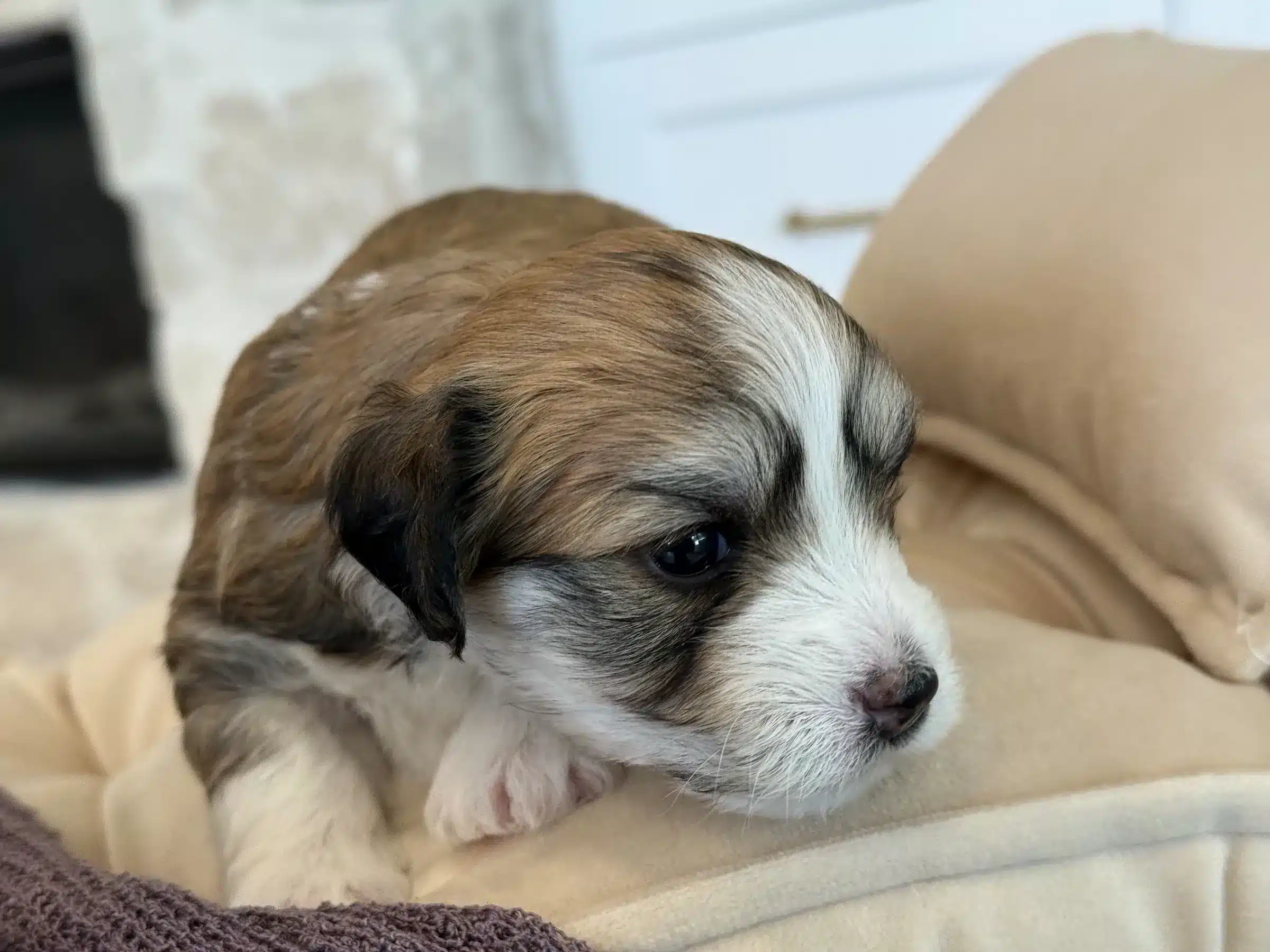
Are doodle breeds Truly hypoallergenic? Unpacking hypoallergenic breeds Myths requires a clear look at genetics. Doodle crosses are often marketed as allergen-free dogs, but no crossbreed can guarantee zero allergens. Because doodle breeds inherit genes from both a Poodle and a shedding parent like a Labrador or Golden Retriever, their coats vary widely even within one litter. Some puppies inherit the coveted non-shedding coat that traps pet dander and reduces pet allergies, while others inherit a shedding coat that releases significant allergens and dog hair shedding. Unlike established hypoallergenic dogs with predictable coats, mixed-breeds such as Labradoodles and Goldendoodles offer no certainty without genetic testing and coat evaluation as adults. For allergy sufferers, this unpredictability means allergic reactions are still possible. Experts recommend spending time with the individual dog, using an air purifier, applying an AllerPet dander remover, and consulting a groomer before committing, rather than assuming any doodle is automatically hypoallergenic.
Labradoodle Coat Types Compared to Bichon Frise Curls: Insights from Chewy Editors
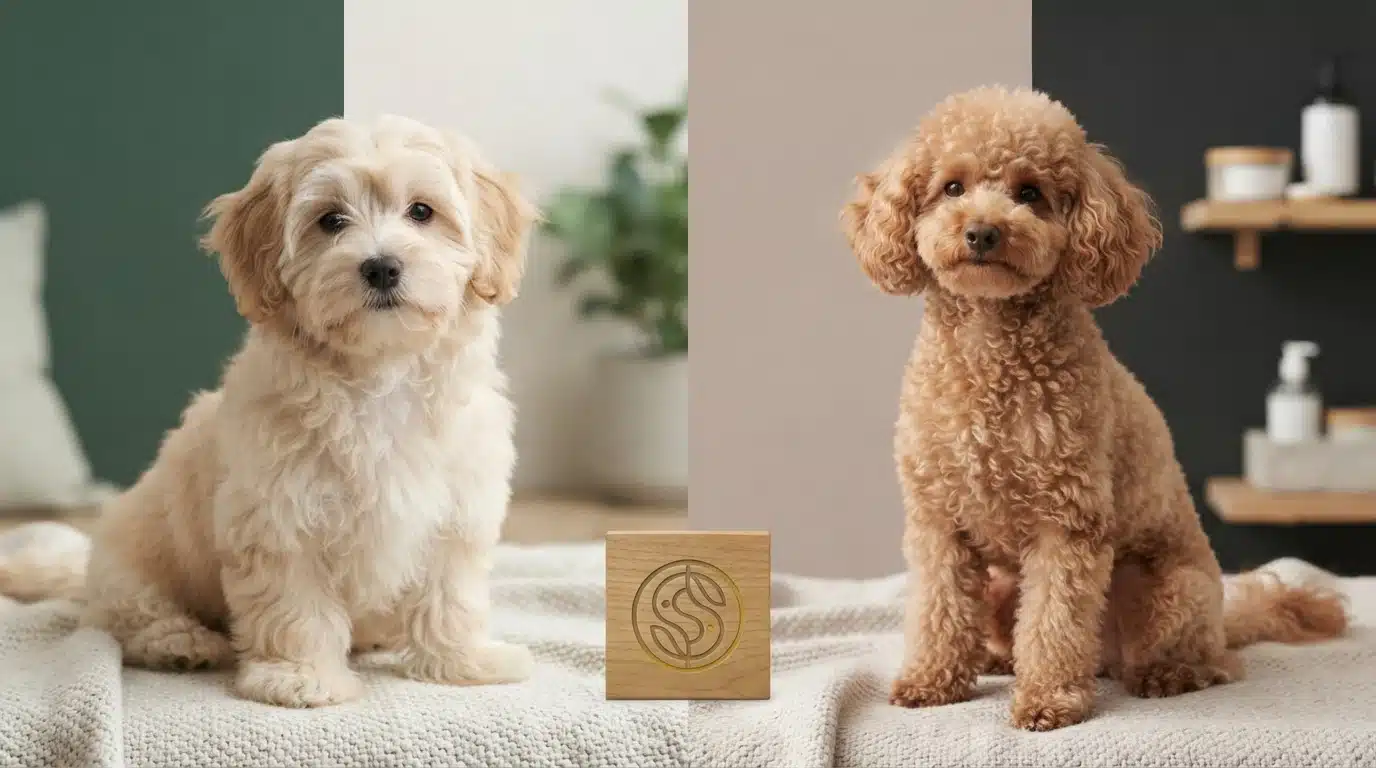
Labradoodle vs Goldendoodle: Which Cross Retains More poodle Allergy Advantages? breed comparison comes down to coat inheritance and parental shedding levels. Both crosses share a Poodle parent, giving them potential for low-shedding dogs traits, but the non-Poodle parent influences the outcome. Labrador Retrievers shed heavily year-round, while Golden Retrievers also shed but often with a slightly softer undercoat, so neither cross is automatically low shedding dog breeds. In practice, Labradoodles bred from later generations with more Poodle influence tend to retain tighter curls and better allergy advantages, while Goldendoodles may inherit a wavier, longer coat that can still shed moderately. This breed comparison shows that generation matters more than the name: F1B crosses backcrossed to a Poodle are more likely to produce a non-shedding coat than first-generation F1 litters. Families sensitive to dog dander should evaluate each puppy's coat texture, meet the parents, and prioritize low shedding breeds characteristics over marketing labels when seeking dog breeds that minimize dog allergies.
How doodle breeds Inherit Coat Texture: What Chewy Editors Found in Real Homes
How doodle breeds Inherit Coat Texture: What Chewy Editors Found in Real Homes highlights the real-world unpredictability of coat genetics. Chewy editors followed multiple families and observed that even within a single litter, puppies displayed fleece, woolly, and straight hair coats with vastly different shedding levels. Those with curly, Poodle-like wool coats shed minimally and trapped dander near the skin, easing allergy symptoms, while littermates with straighter hair coats shed noticeably and increased pet hair and dander on sofas. Unlike the consistent non-shedding dogs profile of a purebred Bichon Frise or American Hairless Terrier, doodle breeds showed no guarantee of hypoallergenic performance until their adult coat developed around eight to twelve months. The findings stress that dog grooming needs also varied dramatically — curly-coated doodles required professional groomer visits every six weeks, while straighter coats matted less but shed more. For prospective owners, this means assessing the individual adult coat, not just the puppy fluff, is essential.
Goldendoodle and Labradoodle Essentials: 5 Things Every Future Owner Must Know
Goldendoodle and Labradoodle Essentials: 5 Things Every Future Owner Must Know covers health, coat, and care beyond the hypoallergenic promise. First, neither is among officially recognized low shedding breeds, so allergy sufferers should test exposure before buying. Second, both need intensive dog grooming to prevent mats in their dense, curly coats, far more than simple vacuuming and lint-rolling. Third, consider dog temperament: these intelligent breeds are high-energy dogs that need daily exercise and mental stimulation to avoid destructive behavior. Fourth, use tools like the Breed Selector and research breed diseases common to Poodle crosses, including hip dysplasia and eye issues. Fifth, long-term care costs matter — regular groomer appointments, quality nutrition inspired by Purina guidelines, and investments like an air purifier or AllerPet dander remover add up. For families wanting family pets that are affectionate and trainable, these family companion dogs can be wonderful, but they are not low-maintenance alternatives to traditional non-shedding dogs.
Is a Goldendoodle Right for Your Lifestyle? Matching puppy journey Expectations to Reality
Is a Goldendoodle Right for Your Lifestyle? Matching puppy journey Expectations to Reality means aligning dreams with daily demands. Goldendoodles are celebrated as cheerful family companion dogs with a friendly dog temperament, but the puppy journey involves significant grooming, training, and energy management. Unlike the calm Yorkshire Terrier or independent Afghan Hound, Goldendoodles are high-energy dogs that need one to two hours of exercise, plus brushing several times a week to control matting and reduce pet hair. If you expect an effortless, allergy-free experience, reality may disappoint, as coat changes during adolescence can increase shedding and dander. Allergy sufferers often underestimate the need for consistent dog grooming, air purifier use, and cleaning routines. Yet for active families who enjoy training intelligent breeds and want an affectionate, social canine companion, the Goldendoodle thrives. Evaluating your time, budget for a groomer, and tolerance for potential dog allergies will determine if this cross fits your home better than established hypoallergenic dog breeds.
Why Standard Poodle Hair Grows Like Human Hair: A Guide by Dr. Teresa Manucy
Labradoodle Temperament and Trainability: Why Dr. Teresa Manucy Recommends Them for Active Families focuses on personality strengths. Dr. Teresa Manucy highlights that the Labradoodle combines the Labrador's outgoing, people-oriented nature with the Poodle's exceptional intelligence, creating one of the most trainable low shedding breeds available. Their dog temperament is typically friendly, eager to please, and highly social, making them excellent family pets and family companion dogs for households with children. Because they are intelligent breeds, they respond quickly to positive reinforcement and excel in obedience, agility, and service work. Dr. Manucy notes that their energetic, playful disposition suits active families who can provide daily walks, games, and mental enrichment. While they require regular dog grooming to manage their fleecy coat and minimize dander, their adaptable, affectionate nature often outweighs the upkeep. For owners seeking a loyal canine companion that blends low shedding dog breeds advantages with outstanding trainability, the Labradoodle remains a top recommendation.
7 Proven Traits That Define Truly hypoallergenic dog breeds for Sensitive Homes
Portuguese Water Dog Spotlight: The Athletic, Affectionate Alternative to poodle Mixes highlights why this historic working breed deserves attention among hypoallergenic dogs. Unlike many popular Poodle crosses and mixed-breeds such as the Cavoodle or Australian Cobberdog, the purebred Portuguese Water Dog offers a predictable non-shedding coat with tightly curled, low-shedding hair that traps dander rather than releasing it into your home. These intelligent breeds are high-energy dogs originally bred to herd fish and retrieve nets, making them exceptionally trainable, loyal, and affectionate family companion dogs. While allergy sufferers often assume allergen-free dogs exist, no dog is completely hypoallergenic, but this breed significantly reduces pet hair and pet dander in the environment. Their friendly dog temperament suits active families who want a canine companion that loves swimming, hiking, and obedience work without the excessive dog hair shedding common in other dog breeds. If you seek low shedding breeds with stamina and heart, this athletic alternative delivers.
Why Standard Poodle Hair Grows Like Human Hair: A Guide by Dr. Teresa Manucy
Portuguese Water Dog History as a Working Companion: Insights from Dr. Teresa Manucy traces this rare breed’s journey from the coast of Portugal to modern homes seeking hypoallergenic dog breeds. Dr. Manucy explains that these dogs were indispensable to fishermen, working as couriers between boats, guarding catches, and diving to retrieve lost gear, which shaped their robust, water-resistant non-shedding coat and webbed feet. Unlike many modern low shedding dog breeds developed primarily for companionship, the Portuguese Water Dog was selected for endurance, intelligence, and a cooperative dog temperament that thrives on human partnership. Understanding breed diseases and historical purpose helps future owners appreciate why these family pets need consistent mental stimulation and purpose-driven tasks today. Dr. Manucy notes that while they produce less dog dander than heavy shedders, regular dog grooming remains essential to prevent matting and minimize allergens. For families researching dog breeds, learning this working heritage clarifies why the Portuguese Water Dog excels as both a diligent helper and an affectionate family companion dogs choice.
Sorting hypoallergenic breeds by Size and Temperament: Practical dog categories for First-Time Owners
How Portuguese Water Dog Exercise Needs Compare to Other dog categories for Apartment Living reveals important considerations for urban owners. Compared to low-shedding dogs like the Shih Tzu, Yorkshire Terrier, or Miniature Schnauzer that adapt well to compact spaces with short walks, the Portuguese Water Dog is a high-energy dogs breed demanding 60 to 90 minutes of daily vigorous activity, swimming, and interactive play. In contrast to the calm Afghan Hound or the adaptable Bichon Frise, this athletic breed struggles without a job or extensive exercise, which can lead to restlessness in apartments if needs are unmet. Among intelligent breeds and family companion dogs, the Portuguese Water Dog ranks closer to the Standard Poodle and Schnauzer in stamina and training requirements, far exceeding the lower exercise demands of the Chinese Crested or American Hairless Terrier. Potential owners should use a Breed Selector tool to honestly assess lifestyle compatibility, as insufficient activity can increase anxiety and even dog hair shedding due to stress. Apartment living is possible only with dedicated outdoor time, dog parks, and enrichment.
Handling dog hair the Smart Way: Definitive grooming and care tips for non-shedding dogs
Handling dog hair smartly requires a routine that removes trapped coat material before it becomes matting or household debris. Brush curly coats in small sections, use a metal comb to check the skin, and inspect friction zones behind ears, beneath legs, and around collars. Bathe only with a veterinarian-approved shampoo when the coat is dirty or the skin needs treatment; excessive washing can damage the barrier and increase dryness. Schedule trims according to growth rate, commonly every four to eight weeks, and clean grooming tools after each session. At home, vacuum floors and upholstery with a sealed HEPA machine, wash dog bedding weekly, and use a dander remover only as directed. These habits reduce pet hair and loose flakes but do not make a dog allergen-free.
How to Master handling dog hair Without Daily Vacuuming [Grooming Calendar]
How to Master handling dog hair Without Daily Vacuuming [Grooming Calendar] focuses on smart routines that keep non-shedding dogs tidy without constant vacuuming and lint-rolling. Even low-shedding dogs and non-shedding dogs with a non-shedding coat trap allergens and loose hair within their curls, so proactive dog grooming prevents buildup of dander and pet dander that triggers allergic reactions. Establish a weekly calendar: brush curly and wavy coats two to three times per week, bathe every three to four weeks with a gentle shampoo, and schedule a professional groomer visit every six to eight weeks for clipping and thorough de-shedding. Between grooms, use a dander remover like AllerPet on the coat and run an air purifier to capture airborne allergens and reduce allergy symptoms. This approach, recommended in guides inspired by Purina and Nestlé Purina research, drastically cuts pet hair on furniture and floors. By following a consistent schedule, you minimize dog dander accumulation and maintain a cleaner home for those with pet allergies and dog allergies, all without needing to vacuum every day.
How Often Should You Brush a Bichon Frise? Curated puppy journey Schedule from Chewy Editors
How Often Should You Brush a Bichon Frise? Curated puppy journey Schedule from Chewy Editors provides a clear timeline for keeping this cheerful powder-puff coat healthy. Chewy Editors recommend brushing your Bichon Frise puppy daily during the first eight to twelve months as the soft puppy coat transitions to the denser adult double coat, using a slicker brush and metal comb to prevent mats that trap dander and allergens. For adult Bichon Frise, a hypoallergenic dogs favorite, brushing three to four times per week is ideal to maintain its non-shedding coat and reduce pet hair around the home. This frequency helps distribute natural oils, prevents tangles, and limits loose hair that can exacerbate allergy symptoms. Pair brushing with monthly baths and regular visits to a groomer every four to six weeks for a trim, a routine that Chewy Editors emphasize in their puppy journey series. Consistent care not only supports the breed’s signature look but also minimizes dog dander and keeps your Bichon comfortable, ensuring this affectionate family pets choice remains a joy for allergy sufferers seeking low shedding breeds.
Why Standard Poodle Hair Grows Like Human Hair: A Guide by Dr. Teresa Manucy
Goldendoodle Grooming Mistakes That Increase Shedding: Advice from Dr. Teresa Manucy addresses common errors that cause this popular Poodle mix to shed more than expected. Dr. Manucy warns that many owners mistakenly treat the Goldendoodle like a wash-and-wear breed, skipping brushing for days and then infrequently shaving the coat too short, which damages the curl pattern and increases dog hair shedding and release of allergens. As one of the most sought-after hypoallergenic dogs, the Goldendoodle inherits a variable coat that can range from wavy to very curly; without proper dog grooming every two to three days, undercoat mats trap moisture, dander, and pet hair, leading to skin irritation and more shedding. Another mistake is over-bathing without conditioning or neglecting professional groomer appointments, which dries the skin and elevates dog dander production. Dr. Manucy advises using the right slicker and comb technique, never brushing a dry coat, and maintaining a six-week clipping schedule to preserve the low-shedding dogs advantage. Understanding these pitfalls helps family pets owners keep allergen-free dogs aspirations realistic while controlling pet allergies.
7 Proven Traits That Define Truly hypoallergenic dog breeds for Sensitive Homes
Essential grooming and care tips for low shedding dogs With Curly and Wavy Coats are vital for maintaining healthy, hypoallergenic coats that reduce pet hair in your home. Breeds like the Poodle, Portuguese Water Dog, and various low shedding breeds with curls require diligent dog grooming to prevent mats that trap dander and allergens close to the skin, which can worsen allergic reactions. Brush curly and wavy coats at least three times weekly with a slicker brush followed by a greyhound comb to ensure you reach the undercoat, and always lightly mist with a detangling spray to avoid breakage that increases dog hair shedding. Bathe monthly using a moisturizing, hypoallergenic shampoo, and thoroughly dry the coat to prevent mildew and skin issues. Regular professional groomer trims every six weeks keep the non-shedding coat at a manageable length and support the promise of hypoallergenic dog breeds for allergy sufferers. Incorporating guidance from Purina experts on coat care and nutrition also strengthens hair health from within, ensuring your low shedding dog breeds remain comfortable, mat-free, and family-friendly canine companions.
Why Standard Poodle Hair Grows Like Human Hair: A Guide by Dr. Teresa Manucy
Standard Poodle Clips That Minimize Matting: A Visual breed comparison for New Owners explores practical trim options for this iconic low-shedding dogs legend. The Standard Poodle, a cornerstone among hypoallergenic dogs and parent to many mixed-breeds, boasts a dense, curly non-shedding coat that continuously grows and requires strategic clipping to avoid painful mats that trap dog dander and allergens. For new owners, a visual breed comparison shows three low-maintenance choices: the Kennel or Sporting Clip keeps hair uniformly short at one-half to one inch, ideal for active families; the Miami or Bikini Clip leaves slightly longer hair on legs with closely trimmed body, balancing style and ease; and the Lamb Clip offers a slightly longer, elegant but still manageable finish compared to the high-maintenance Show Continental. All three clips reduce daily brushing time versus elaborate show styles and help control pet hair and dander remover needs. Consulting a professional groomer ensures the clip suits your lifestyle, keeps the Standard Poodle comfortable, and supports dander control for households managing pet allergies and dog allergies.
Sorting hypoallergenic breeds by Size and Temperament: Practical dog categories for First-Time Owners
Labradoodle Brushing Tools That Prevent Tangles: Top Picks by Chewy Editors highlights the essential kit for maintaining this beloved Poodle cross. Chewy Editors caution that Labradoodle coats, which blend Labrador and Poodle textures, are prone to dense tangles that trap dog dander, pet hair, and allergens if not brushed correctly. Their top picks start with a high-quality slicker brush with flexible pins to gently work through the outer curls without scratching skin, followed by a stainless steel greyhound comb to detect hidden mats near the base of the non-shedding coat. For deeper de-tangling, a dematting comb with rotating teeth safely splits stubborn knots, while a detangling spray conditions and reduces static that contributes to dog hair shedding. Chewy Editors recommend line-brushing in sections two to three times weekly and scheduling a groomer every six to eight weeks to maintain coat health. Using these tools consistently supports the low shedding dogs reputation of Labradoodles, minimizes vacuuming and lint-rolling, and helps allergy sufferers enjoy more time with their canine companion without excessive dander buildup.
Proven grooming and care tips to Keep hypoallergenic dog Coats Healthy and Dander-Free
Proven grooming and care tips to Keep hypoallergenic dog Coats Healthy and Dander-Free combine daily habits and expert strategies to support both coat health and allergy relief. While no dog is truly allergen-free dogs, consistent care for hypoallergenic dog breeds significantly lowers pet dander and allergens that cause allergy symptoms. Brush thoroughly several times a week to remove trapped hair before it mats, bathe with a hypoallergenic shampoo every three to four weeks, and thoroughly dry the coat to prevent skin irritation that increases dog dander. Regular visits to a groomer for clipping, ear cleaning, and nail care prevent secondary issues that can affect dog temperament and overall wellness. Complement grooming with environmental controls like an air purifier, frequent washing of bedding, and use of a dander remover such as AllerPet to neutralize allergens on the coat. Guidance inspired by Nestlé and Purina emphasizes nutrition rich in omega fatty acids to strengthen the non-shedding coat from within. Tools like the Breed Selector help match families with suitable non-shedding dogs, ensuring your canine companion stays healthy, comfortable, and as dander-free as possible for allergy sufferers.
Sorting hypoallergenic breeds by Size and Temperament: Practical dog categories for First-Time Owners
Bichon Frise Skin Care Secrets to Reduce Flare-Ups start with understanding why this fluffy white breed is prone to sensitive skin despite its non-shedding coat. Dr. Teresa Manucy emphasizes that while the Bichon Frise is celebrated among hypoallergenic dog breeds for trapping pet dander in its curly double coat, that same coat can trap moisture, allergens, and irritants against the skin if not properly maintained. She recommends a consistent dog grooming routine that includes gentle, hypoallergenic shampoos, thorough rinsing, and complete drying to prevent yeast buildup and hot spots that trigger flare-ups. Regular brushing every other day prevents matting that pulls on delicate skin, while monthly visits to a professional groomer ensure the coat stays trimmed and clean without over-stripping natural oils. Pairing topical care with vet-approved omega fatty acid supplements and routine vacuuming of bedding helps minimize environmental triggers. For allergy sufferers living with this cheerful canine companion, these targeted steps keep both skin and household more comfortable.
Why handling dog hair Starts With Bathing Frequency: Building dog categories Based Routines
Why handling dog hair Starts With Bathing Frequency is a question of tailoring care to your dog's coat type rather than following a one-size-fits-all schedule. Building dog categories based routines means recognizing that low shedding breeds like the Standard Poodle, Portuguese Water Dog, and Chinese Crested each have vastly different needs for managing dog hair shedding and pet hair accumulation. Dogs with continuously growing, hair-like coats benefit from baths every three to four weeks to remove trapped dander and loose debris, while American Hairless Terrier types need weekly gentle wipes and moisturizing baths to control skin oils that hold allergens. Over-bathing strips protective oils and can actually increase flaking, so using lukewarm water and a moisturizing, fragrance-free formula is essential. Between baths, daily brushing and weekly lint-rolling of furniture help capture stray fibers before they spread. This category-driven approach to handling dog hair keeps non-shedding dogs comfortable, reduces airborne particles, and makes overall home maintenance far more effective for families.
The Truth About dog allergies and hypoallergenic dogs: Can the Right Puppy Change Everything?
The truth about dog allergies and hypoallergenic dogs is that individual sensitivity matters more than a simple breed promise. Most reactions involve proteins found in dander, saliva, and urine, while shedding influences how those particles travel through a home. A low-shedding dog may be easier for one person to tolerate, yet another person may react strongly to that same animal. Before adoption, allergy sufferers should consult a clinician, arrange repeated visits with the specific dog, and consider a foster-to-adopt agreement. Keep bedrooms dog-free, wash hands after handling, groom outdoors when possible, and use an air purifier in high-traffic rooms. Track sneezing, itchy eyes, coughing, or skin symptoms during the first month. Medical advice remains important, particularly for asthma or severe allergy symptoms.
7 Proven Traits That Define Truly hypoallergenic dog breeds for Sensitive Homes
Can hypoallergenic dogs Really Ease dog allergies is a nuanced question, and science shows the answer depends more on dander than on fur alone. All hypoallergenic dogs still produce the proteins found in saliva, urine, and dog dander that trigger allergic reactions, but low-shedding dogs release significantly less of that material into the environment because their hair grows continuously and sheds minimally. Research indicates that pet dander, not the hair itself, is the primary source of allergens, with tiny skin flakes becoming airborne and settling on surfaces throughout the home. While no breed can be truly allergen-free dogs, studies show that families living with hypoallergenic dogs often report milder allergy symptoms, especially when combined with environmental controls. The Poodle and its mixed-breeds like the Cavoodle and Australian Cobberdog are frequently cited because their tightly curled coats trap dander close to the skin until it is removed through brushing and bathing. Understanding this mechanism helps set realistic expectations about pet allergies and breed selection.
Why Standard Poodle Hair Grows Like Human Hair: A Guide by Dr. Teresa Manucy
Do Air Purifiers Help Alongside hypoallergenic breeds is a common concern for households trying to minimize airborne irritants, and Dr. Teresa Manucy confirms they are a valuable complement, not a replacement, for choosing the right breed. She explains that even non-shedding dogs continuously shed microscopic skin cells and proteins that become part of household dust, so an air purifier with a true HEPA filter can capture pet dander and other allergens that grooming alone cannot eliminate. For maximum benefit, she advises running the unit continuously in the main living area and bedroom where your canine companion spends the most time, and replacing filters on schedule to maintain efficiency. This strategy is especially helpful for low shedding dog breeds that still produce dander, like the Miniature Schnauzer and Yorkshire Terrier. Dr. Manucy notes that combining HEPA filtration with frequent vacuuming, hard-floor cleaning, and washing dog bedding in hot water creates a layered defense that significantly lowers allergen load and helps reduce sneezing and itchy eyes for sensitive owners.
Sorting hypoallergenic breeds by Size and Temperament: Practical dog categories for First-Time Owners
Labradoodle Ownership With Kids Who Sneeze is a real puppy journey story shared by Chewy Editors that illustrates the practical realities of bringing a hypoallergenic cross into an allergy-sensitive home. The family had two children with pet allergies who longed for family pets but reacted strongly to heavy-shedding neighbors' dogs with constant sneezing and watery eyes. After researching dog breeds and using the Purina Breed Selector tool, they chose a Labradoodle, a popular Poodle mix known for its low-shedding, wavy coat and friendly dog temperament suited to active households. Editors noted the first few weeks required careful management, including establishing dog-free zones in bedrooms, daily brushing to prevent matting, and using an AllerPet dander remover solution recommended by their veterinarian. Within a month, the parents observed that regular grooming and consistent cleaning kept allergy symptoms remarkably low, allowing the children to cuddle and play without the usual flare-ups. Their experience highlights how thoughtful preparation and ongoing care make mixed-breeds a viable option for families navigating allergies.
Living With a hypoallergenic dog When You Have dog allergies: 5 Game-Changing Strategies
Living With a hypoallergenic dog When You Have dog allergies requires more than simply choosing low shedding breeds; it demands five game-changing strategies that address allergens at every level of your home. First, establish a strict dog grooming schedule that includes brushing outside and bathing every three to four weeks to remove trapped dander before it becomes airborne. Second, invest in high-efficiency vacuuming with a HEPA-filter vacuum and wash all bedding weekly in hot water to eliminate accumulated pet dander. Third, create designated allergy-free zones, particularly bedrooms, using hard flooring and washable covers. Fourth, keep your dog's skin healthy through quality nutrition, as suggested by experts at Nestlé Purina, since healthy skin sheds less dander and reduces dog dander circulation. Fifth, consider regular use of a dander remover or grooming spray between baths and consult your allergist about medication options. These combined steps allow many allergy sufferers to enjoy the companionship of intelligent breeds like the Schnauzer and Shih Tzu while keeping allergic reactions and daily discomfort to a minimum.
Sorting hypoallergenic breeds by Size and Temperament: Practical dog categories for First-Time Owners
Goldendoodle Allergy Diary: Tracking Reactions During Your First 30-Day puppy journey is an essential tool for determining whether this popular doodle truly fits your sensitivity level. During week one, owners should log baseline allergy symptoms such as sneezing, congestion, and skin irritation after handling the puppy, noting proximity and duration of contact. In week two, introduce structured cleaning habits including daily vacuuming and post-play hand washing to see if symptoms improve, while maintaining consistent brushing to control loose hair around the non-shedding coat. Week three is ideal for evaluating environmental factors, monitoring how often you need lint-rolling on clothing and whether pet hair accumulates on furniture despite regular grooming. By week four, review your notes for patterns, considering the puppy's diet, bathing schedule, and time spent indoors versus outside, and share the diary with your allergist or veterinarian to assess breed diseases or coat changes. Many families find that low-shedding dogs like the Goldendoodle cause fewer issues than expected, but tracking provides objective insight into whether this family companion dogs choice is sustainable long-term.
Is the Bichon Frise the Best hypoallergenic dog for Severe Sensitivities? breed comparison
Is the Bichon Frise the Best hypoallergenic dog for Severe Sensitivities requires a careful breed comparison across hypoallergenic dog breeds that vary in coat, size, and dander output. The Bichon Frise is often top-ranked for severe sensitivities because its tightly curled, double coat effectively traps dander and loose hair until removed by brushing, releasing less into the air than many other low-shedding dogs. Compared to the Afghan Hound, which has a long, silky non-shedding coat that demands intensive grooming to prevent dander buildup, the Bichon is lower maintenance for allergy control. The Miniature Schnauzer and Yorkshire Terrier also rank well, though their wiry coats may hold different levels of allergens, while larger intelligent breeds like the Standard Poodle offer similar hypoallergenic benefits but with higher energy needs. For individuals with severe reactions, the Bichon’s small size means less overall skin surface and dander production, plus its cheerful disposition makes it ideal among family companion dogs. However, no single breed guarantees zero symptoms, so personal exposure testing remains crucial.
Do low-shedding dog breeds Guarantee No Sneezing? Debunking Common hypoallergenic breeds Assumptions
Do low-shedding dog breeds Guarantee No Sneezing is a myth that needs debunking, as many people assume hypoallergenic breeds are completely allergen-free dogs. The reality is that all dog breeds produce the proteins that cause dog allergies, found in saliva, urine, and dander, regardless of how much they shed. Low shedding breeds like the Portuguese Water Dog and Chinese Crested simply release fewer airborne particles because their hair stays trapped rather than falling around the home, but they still generate allergens through normal skin turnover. High-energy dogs that drool or lick frequently may actually spread more allergens despite minimal shedding, while some non-shedding dogs with dense coats can harbor significant dander if not bathed regularly. Allergy sufferers often expect immediate relief, but without consistent grooming, air filtration, and cleaning, even low-shedding dogs can trigger sneezing and congestion. Understanding that hypoallergenic means allergy-friendly, not allergy-proof, helps families set realistic expectations and invest in comprehensive management rather than relying on coat type alone.
Finding the Right Low Shedding Breed for Your Allergies
Finding the Right Low Shedding Breed for Your Allergies means looking beyond marketing labels and matching a dog's characteristics to your lifestyle and sensitivity level. Start by evaluating dog breeds through tools like the Breed Selector to compare coat type, grooming needs, size, and dog temperament, since low shedding dog breeds range from the playful Shih Tzu to the athletic Portuguese Water Dog and the elegant Afghan Hound. Consider whether you prefer true non-shedding dogs with hair that requires regular clipping, or low-shedding dogs with seasonal but minimal fallout, and factor in time for dog grooming and willingness to schedule professional care. Family companion dogs that are also intelligent breeds and high-energy dogs may need more exercise and mental stimulation, which affects how much time they spend indoors shedding allergens. Visiting breeders or shelters for extended interaction, checking for breed diseases, and consulting an allergist for testing can clarify which canine companion best aligns with your allergy threshold and family dynamics.
Portuguese Water Dog vs Standard Poodle: Which Triggers Fewer dog allergies in Family Tests?
Portuguese Water Dog vs Standard Poodle: Which Triggers Fewer dog allergies in Family Tests? directly compares two popular hypoallergenic dog breeds often recommended for allergy sufferers, and neither guarantees an allergen-free home. Both breeds have a curly, non-shedding coat that traps pet dander and loose pet hair close to the skin instead of releasing it into the environment, which can help reduce airborne allergens compared to heavy shedders. In informal family tests, the Standard Poodle often scores slightly better because its dense, tightly curled coat holds dander even more effectively, while the Portuguese Water Dog, though also low shedding, has a slightly wavier coat that may release more particles if not maintained. However, individual allergic reactions vary greatly, and allergy symptoms depend more on a dog's saliva, skin proteins, and grooming routine than breed alone. No canine companion is completely allergen-free dogs in the true sense, so families should spend time with both breeds, practice consistent vacuuming and use an air purifier before deciding.
Purina-Inspired Nutrition: Choosing the Right pet food and dog food for hypoallergenic dog breeds
Purina-inspired nutrition begins with selecting a complete and balanced dog food suited to age, size, activity, and medical needs. A shiny coat depends on adequate protein, essential fatty acids, vitamins, minerals, and appropriate calorie control, but food alone cannot prevent normal shedding or eliminate allergens. Read the nutritional adequacy statement, identify the life stage, and discuss novel-protein or hydrolyzed formulas with a veterinarian when food sensitivity is suspected. Puppies require growth-formulated diets, while adults need maintenance nutrition; sudden changes can cause digestive upset and should be introduced gradually over seven to ten days. Store food in a sealed container, wash bowls regularly, and avoid using cat food as a routine substitute. Nestlé-owned Purina offers multiple formulas, but the best choice depends on the individual dog and professional guidance.
Choosing the Best dog food for low shedding dogs and Sensitive Skin [Vet-Approved]
Choosing the Best dog food for low shedding dogs and Sensitive Skin [Vet-Approved] means looking beyond marketing claims and focusing on nutrition that supports skin barrier health and minimizes dog hair shedding. Vet-approved formulas for low shedding breeds and low-shedding dogs typically feature high-quality animal protein as the first ingredient, plus omega-3 and omega-6 fatty acids from fish oil or flaxseed to nourish the skin and promote a shiny, resilient non-shedding coat. Dogs with sensitive skin also benefit from limited-ingredient diets free from common irritants, with added zinc, vitamin E, and biotin to reduce itching and flaking that can increase dander. For families exploring hypoallergenic dog breeds, consulting your veterinarian and using tools like the Breed Selector can help match dog temperament and breed diseases risk to dietary needs. Purina, as part of Nestlé, offers science-backed options that balance complete nutrition with skin support, ensuring your family pets get targeted care without compromising taste or digestibility.
Sorting hypoallergenic breeds by Size and Temperament: Practical dog categories for First-Time Owners
How to Read dog food Labels for Skin-Supporting Omega Fatty Acids: puppy journey Checklist starts with understanding where coat health begins on the ingredient panel. First, look for a named animal protein like salmon, chicken, or lamb as the first ingredient, followed by specific fat sources such as salmon oil, fish oil, or chicken fat, which indicate natural omega-3 and omega-6 content. Check the guaranteed analysis for EPA and DHA levels and the inclusion of linoleic acid, alpha-linolenic acid, and added vitamin E and zinc that work synergistically to strengthen the skin barrier. Avoid vague terms like animal fat or poultry by-product meal if you want consistent quality for intelligent breeds and high-energy dogs. For puppy journey planning, ensure the label states complete and balanced for growth, as puppies need precise ratios to build healthy skin and coats early. Proper dog grooming, including regular brushing and visits to a professional groomer, complements nutrition, but the right fatty acid balance from day one lays the foundation for less irritation and a healthier coat.
Why the Right pet food Reduces Shedding in non shedding dog breeds
Why the Right pet food Reduces Shedding in non shedding dog breeds comes down to nourishing the skin from the inside out, even when a dog is already considered non-shedding dogs or low shedding dog breeds. While breeds like the Bichon Frise, Yorkshire Terrier, and Shih Tzu naturally shed less, poor nutrition can still weaken hair follicles, cause dryness, and increase loose hair and dog dander. A diet rich in highly digestible proteins provides the amino acids needed for strong keratin production, while balanced omega fatty acids maintain skin hydration and elasticity, reducing breakage and excessive turnover. Antioxidants and vitamins help combat inflammation that often worsens pet allergies and pet dander in the home. Even the elegant Afghan Hound, American Hairless Terrier, and Chinese Crested benefit from targeted nutrition that supports their unique coat or skin needs. When combined with routine brushing, gentle dander remover products like AllerPet, and regular lint-rolling of fabrics, the right pet food helps keep coats intact, minimizes airborne particles, and keeps your home cleaner.
Purina Nutrition Secrets: How the Right pet food Supports Shiny Coats in hypoallergenic dogs
Purina Nutrition Secrets: How the Right pet food Supports Shiny Coats in hypoallergenic dogs focuses on science-backed formulas that target skin and coat health at the cellular level. Inspired by decades of research, Purina diets for hypoallergenic dogs combine high-quality proteins for keratin strength with precise levels of omega-6 fatty acids for skin barrier function and omega-3s from fish oil to soothe sensitive skin and reduce inflammation. Added nutrients like zinc, vitamin A, and biotin promote cell renewal, helping to lock in moisture and give that signature shine to curls and wavy coats found in many hypoallergenic dogs and mixed-breeds such as the Australian Cobberdog and Cavoodle. These family companion dogs often have hair-like coats that require consistent nutrition to stay soft and tangle-free. Unlike generic pet food, Purina formulas are tailored to life stage and activity level, ensuring low shedding breeds get the energy they need without excess that can affect skin health. The result is a more resilient coat that holds up better between grooming sessions and sheds less around the house.
Can Sharing cat food and dog food Bowls Cause Allergies? What Dr. Teresa Manucy Warns
Can Sharing cat food and dog food Bowls Cause Allergies? What Dr. Teresa Manucy Warns addresses a common multi-pet household mistake that can indirectly worsen allergy symptoms. Dr. Manucy notes that while sharing bowls does not create allergens out of thin air, it can trigger digestive upset, nutritional imbalances, and skin inflammation that increase shedding and allergen spread. Cat food is typically higher in protein, fat, and taurine, formulated for feline metabolism, and is too rich for most dogs, especially small family pets with sensitive systems. When dogs regularly eat cat food, they may develop gastrointestinal issues or nutrient excesses that compromise skin health, leading to more flaking and pet hair in the environment. Cross-contamination of bowls also transfers saliva proteins, a major source of allergens that drive allergic reactions. Her advice is to feed pets separately, wash bowls daily with hot water, store foods in sealed containers, and maintain separate feeding stations to reduce cross-contact and keep both the dog's coat and the home's allergen load under better control.
Purina ONE vs Pro Plan for puppy breeds With Delicate Coats: Nutritional breed comparison
Purina ONE vs Pro Plan for puppy breeds With Delicate Coats: Nutritional breed comparison helps owners choose between two leading lines for developing coats. Purina ONE SmartBlend offers accessible, high-quality nutrition with real meat first, added omega fatty acids, and antioxidants to support skin health and immune development in everyday puppy breeds, making it a strong choice for families seeking balanced care for low shedding breeds. Pro Plan, particularly the Development and Sensitive Skin formulas, steps up with more targeted science, featuring guaranteed live probiotics for digestive health, higher levels of EPA and DHA from omega-rich fish oil, and specialized protein sources like salmon for puppies prone to sensitivity. For delicate coats seen in the Schnauzer, Miniature Schnauzer, and Poodle, Pro Plan's precise nutrient ratios may provide an extra edge in reducing dryness and supporting a dense, soft texture. Both lines are complete and balanced, but Pro Plan offers more specialized options for breed-specific needs, while Purina ONE delivers proven everyday protection. Consulting your veterinarian ensures the best fit for your puppy's growth and coat goals.
What Should puppy breeds Eat? Tailoring dog food and cat food Storage in Multi-Pet Homes
What Should puppy breeds Eat? Tailoring dog food and cat food Storage in Multi-Pet Homes requires careful planning to meet growth needs while preventing cross-feeding that can affect coat and health. Puppy breeds need calorie-dense dog food formulated for growth, with higher protein, balanced calcium and phosphorus for bone development, and DHA for brain and vision support, which standard adult formulas and certainly cat food cannot provide. In homes with both cats and dogs, store dog food and cat food in separate, airtight, labeled containers in cool, dry places to preserve freshness and avoid mix-ups that could lead to nutrient deficiencies or digestive issues. Keep feeding stations separate and pick up uneaten food after 15 minutes to discourage curious pets from sampling each other's bowls. This organization also helps manage dog breeds of all sizes, ensuring each canine companion gets the correct portion. Proper storage prevents fat oxidation that dulls coats, while consistent feeding routines support steady growth and help maintain the healthy skin that keeps shedding and household allergens to a minimum.
Why puppy breeds Need Different dog food Formulas Than Adult non-shedding dogs
Why puppy breeds Need Different dog food Formulas Than Adult non-shedding dogs centers on growth, development, and coat formation. Puppies, even those destined to be non shedding dog breeds with a non-shedding coat, have significantly higher energy, protein, and mineral requirements than adults to support rapid bone growth, muscle development, and the establishment of healthy skin and hair follicles. Adult formulas are designed for maintenance and may lack the precise DHA, higher protein content, and balanced calcium-to-phosphorus ratios puppies need, potentially leading to developmental issues or a duller coat later. For intelligent breeds and high-energy dogs like the Standard Poodle, early nutrition shapes temperament, trainability, and long-term joint health. Puppy-specific diets also include optimized omega fatty acids to build the skin barrier from an early age, reducing future sensitivity. Feeding adult non-shedding dogs food to a puppy can result in undernutrition or excess calories, affecting growth rate and coat quality, so always choose a life-stage appropriate formula until your veterinarian advises the transition to adult maintenance.
Labradoodle vs Goldendoodle: Which Cross Retains More poodle Allergy Advantages? breed comparison
Is cat food Ever Safe for Curious poodle Puppies? Household Safety Tips from Chewy Editors clarifies that an occasional small bite of cat food is unlikely to harm a healthy Poodle puppy, but it should never become a habit. Chewy editors emphasize that cat food is formulated for obligate carnivores with higher protein, fat, taurine, and vitamin A levels that exceed what a growing Poodle needs and can cause digestive upset, pancreatitis, or imbalanced growth if eaten regularly. Curious poodle puppies are especially prone to counter-surfing and bowl-raiding due to their intelligence and food motivation. To keep them safe, use elevated or microchip-activated cat feeders, store cat food in sealed bins out of reach, and establish consistent mealtimes with supervised feeding. Ensure your puppy has its own complete puppy food available so it is not tempted to seek alternatives. If your puppy does sneak cat food, monitor for vomiting or diarrhea and contact your veterinarian if symptoms persist, but focus on prevention through smart household management.
Protecting Your New Best Friend: puppy pet insurance and Pet Talk newsletter Must-Haves for family dogs
Protecting your new best friend involves planning for preventive care, unexpected illness, and the practical demands of puppy ownership. Puppy pet insurance may help manage eligible accident and illness costs, but policies differ in deductibles, reimbursement limits, waiting periods, exclusions, and coverage for hereditary conditions. Enroll early because pre-existing conditions are commonly excluded, and compare wellness add-ons separately from major medical coverage. Schedule vaccinations, parasite prevention, microchipping, dental checks, and breed-appropriate health screenings with a veterinarian. A Pet Talk newsletter can provide reminders for training, grooming, nutrition, and seasonal safety, but it should complement—not replace—professional advice. Families should also budget for grooming, training classes, emergency savings, quality food, and routine examinations before bringing home a puppy.
Why puppy pet insurance Is Essential for New Owners of low-shedding dog breeds
Why puppy pet insurance is essential for new owners of low-shedding dog breeds comes down to balancing allergy-friendly benefits with unexpected veterinary costs. While low-shedding dogs like the Poodle and other hypoallergenic dog breeds produce less pet hair and dander, they still require extensive preventive care and are prone to breed-specific conditions that can be expensive without coverage. Puppies are naturally curious and accident-prone, and even non-shedding dogs face risks like gastrointestinal issues from chewing, skin allergies, and early-onset breed diseases that require diagnostics and treatment. Enrolling early ensures pre-existing condition exclusions do not limit future claims and locks in lower premiums while your dog is young and healthy. For families managing pet allergies, insurance provides financial peace of mind so you can prioritize regular vet visits, vaccinations, and dog grooming without worrying about the budget. It also helps cover emergencies and illnesses that statistics show affect one in three puppies in their first year, making responsible ownership more sustainable from day one.
When to Enroll Frenchton and Other puppy breeds in Wellness Plans: dog categories Timeline
When to enroll Frenchton and other puppy breeds in wellness plans depends on understanding dog categories timeline and acting quickly after you bring your canine companion home. The ideal window is between 8 and 16 weeks, when puppies need their first series of vaccinations, deworming, microchipping, and wellness exams, and wellness add-ons can help cover these predictable costs. Frenchtons, as popular mixed-breeds between French Bulldogs and Boston Terriers, fall into the small-breed companion category with specific needs for respiratory checks, skin fold care, and early joint evaluation, similar to other low shedding breeds. Enrolling before your first vet visit ensures that preventive care is eligible and that any minor symptoms noted in the medical record do not become excluded pre-existing conditions. Many providers require enrollment before six months for full puppy wellness benefits, so delaying can mean paying out-of-pocket for essential puppy care. Early enrollment also supports budgeting for spaying or neutering and baseline bloodwork.
How pet insurance Eases Emergency Costs for Curious Standard Poodle Puppies
How pet insurance eases emergency costs for curious Standard Poodle puppies is a critical consideration for owners of these intelligent breeds. Standard Poodle puppies are highly intelligent, athletic, and inquisitive, traits that make them wonderful family pets but also increase their risk for emergencies like swallowing foreign objects, ligament injuries from jumping, and gastric dilatation-volvulus. Even with diligent supervision, a single after-hours emergency visit can cost $2,000 to $5,000 for imaging, surgery, and hospitalization, which can strain any household budget. Pet insurance reimburses a significant portion of covered emergency expenses, allowing you to approve life-saving treatment without hesitation or financial guilt. Since the Standard Poodle is also predisposed to conditions like hip dysplasia and Addison's disease, having coverage early protects against both sudden accidents and emerging illnesses. With a policy in place, you can focus on your puppy's recovery rather than negotiating payment plans during a stressful crisis.
How pet insurance Protects Your Budget While Caring for hypoallergenic dogs
How pet insurance protects your budget while caring for hypoallergenic dogs is about managing the hidden costs behind allergen-free dogs. While hypoallergenic dogs are marketed as low-maintenance for allergy sufferers, they often require professional dog grooming every 4 to 6 weeks to maintain their non-shedding coat and prevent matting, plus regular groomer visits for ear cleaning and skin checks that add up quickly. Breeds like the Miniature Schnauzer, Shih Tzu, and Yorkshire Terrier are prone to dental disease, allergies, and pancreatitis, while larger hypoallergenic dog breeds may develop joint issues, all requiring costly veterinary intervention. Pet insurance helps offset expenses for accidents, illnesses, diagnostic tests, and prescription medications, turning unpredictable four-figure bills into manageable monthly premiums and deductibles. This financial safety net ensures you can afford recommended treatments for dog allergies in your pet itself, routine bloodwork, and specialist referrals without depleting savings. Ultimately, coverage lets you provide consistent, high-quality care for your hypoallergenic dogs throughout their lives.
Standard Poodle Health Screenings to Schedule Early: Preventive puppy journey Tips
Standard Poodle health screenings to schedule early are vital preventive puppy journey tips that every owner of this elegant Poodle should follow. Despite their reputation as healthy, low shedding dog breeds, Standard Poodles benefit from baseline screenings starting at 8 to 12 weeks, including hip and elbow evaluations, ophthalmologic exams for progressive retinal atrophy, and thyroid function tests as they mature. Your veterinarian will also recommend cardiac auscultation, patella checks, and genetic screening for von Willebrand's disease and sebaceous adenitis, which are known concerns in the breed. Scheduling these early creates a health baseline that makes future changes easier to detect and often satisfies pet insurance requirements for preventive care documentation. Pair screenings with consistent vacuuming of sleeping areas and using an air purifier to reduce environmental allergens that can irritate sensitive Poodles with skin allergies. Early detection not only improves outcomes but also helps you plan long-term care costs before minor issues become major medical expenses.
Labradoodle vs Goldendoodle: Which Cross Retains More poodle Allergy Advantages? breed comparison
Is pet insurance worth it for Bichon Frise dental care? When you do a cost breed comparison, the answer is clearly yes for this charming breed. The Bichon Frise is beloved among family companion dogs for its cheerful dog temperament and fluffy non-shedding dogs coat, but the breed is notoriously prone to periodontal disease, with up to 80 percent developing dental issues by age three. A professional cleaning under anesthesia can cost $500 to $1,200, while extractions, X-rays, and treatment for advanced disease can exceed $3,000, far more than routine care for many other dog breeds. Compared to the Afghan Hound or Chinese Crested, which have different breed diseases profiles, Bichons require more frequent dental interventions. Many comprehensive pet insurance plans cover periodontal disease when it is not pre-existing and after a waiting period, reimbursing exam fees, anesthesia, and extractions. Given the breed's long lifespan, investing in coverage early can save thousands and ensures you never delay essential dental care due to cost.
Are doodle breeds Truly hypoallergenic? Unpacking hypoallergenic breeds Myths
Stay ahead with the Pet Talk newsletter: weekly tips for your hypoallergenic dog breeds journey deliver curated, expert-backed guidance right to your inbox. This free resource, inspired by insights from Purina and developed by Nestlé pet care specialists, helps owners navigate the unique needs of low shedding breeds without feeling overwhelmed. Each weekly edition covers seasonal allergy symptoms, effective strategies for reducing pet dander and dog dander in the home, and reminders for preventive care that keep your dog healthy and your household comfortable. You will receive practical advice on managing allergens through proper bathing techniques, the benefits of an AllerPet dander remover, and simple habits like lint-rolling furniture and regular dog hair shedding control. The newsletter also features a Breed Selector spotlight, training tips for high-energy dogs, and product recommendations tailored to your dog's life stage. Subscribing ensures you never miss important wellness deadlines while celebrating the joys of life with hypoallergenic dogs.
Labradoodle vs Goldendoodle: Which Cross Retains More poodle Allergy Advantages? breed comparison
Bichon Frise wellness checklist: how the Pet Talk newsletter tracks seasonal needs provides targeted support for this affectionate breed throughout the year. Bichon Frise owners know that spring pollen can worsen allergic reactions and allergy symptoms for both humans and pets, while winter dryness increases dander and skin flaking that triggers dog allergies in sensitive households. The newsletter breaks down seasonal tasks month by month, reminding you to schedule professional grooming to prevent matting, update flea prevention, and monitor for tear staining that is common in Bichons. It also alerts you to seasonal risks like heatstroke for this double-coated breed and the need for increased pet hair control during coat transitions, even with minimal shedding. Each checklist includes vet-approved tips for brushing, dental hygiene, and monitoring for Schnauzer-like skin issues that can also appear in Bichons. By following these timely prompts, you can proactively manage pet allergies at home and keep your Bichon comfortable, healthy, and looking its best in every season.
How doodle breeds Inherit Coat Texture: What Chewy Editors Found in Real Homes
Portuguese Water Dog puppy milestones: get weekly puppy pet insurance reminders via Pet Talk newsletter helps you stay organized during your puppy's fast-paced first year. The Portuguese Water Dog is an energetic, water-loving breed that hits key developmental markers quickly, from 8-week socialization and first vaccines to 16-week leash training and 6-month adolescence, each with associated veterinary costs. The newsletter sends timely reminders to review your policy, submit wellness claims, and adjust coverage as your puppy grows, ensuring you maximize benefits for exams, neutering, and hip evaluations. You will also receive milestone-specific advice on crate training, nutrition for active puppies, and introducing grooming for their curly, low-shedding coat. These weekly updates complement your insurance by helping you avoid missed deadlines for enrollment or preventive care reimbursements. With structured guidance, you can confidently support your Portuguese Water Dog through teething, training, and socialization while keeping your budget and health coverage aligned with each new stage.
Finding Your Forever Companion: How to Choose Among low shedding dogs and non shedding dog breeds for Modern family dogs
Finding your forever companion starts by matching a dog’s daily needs with the household’s actual schedule. Compare low shedding dogs and non shedding dog breeds by adult size, exercise requirements, grooming frequency, trainability, noise level, and likely health costs rather than coat appearance alone. Families with toddlers may prioritize patient handling and predictable recovery, while active owners may prefer high-energy dogs such as a Portuguese Water Dog or Standard Poodle. Apartment residents should assess indoor enrichment and barking tendencies, not simply square footage. Meet adult dogs when possible because puppy coats and behavior can change substantially during maturity. Ask breeders or rescues for veterinary records, health testing, socialization details, and realistic grooming expectations. Allergy testing with the individual dog remains essential because no breed is guaranteed to prevent symptoms.
Top 5 non-shedding dogs for Busy Households: Finding Calm, Cuddly family dogs
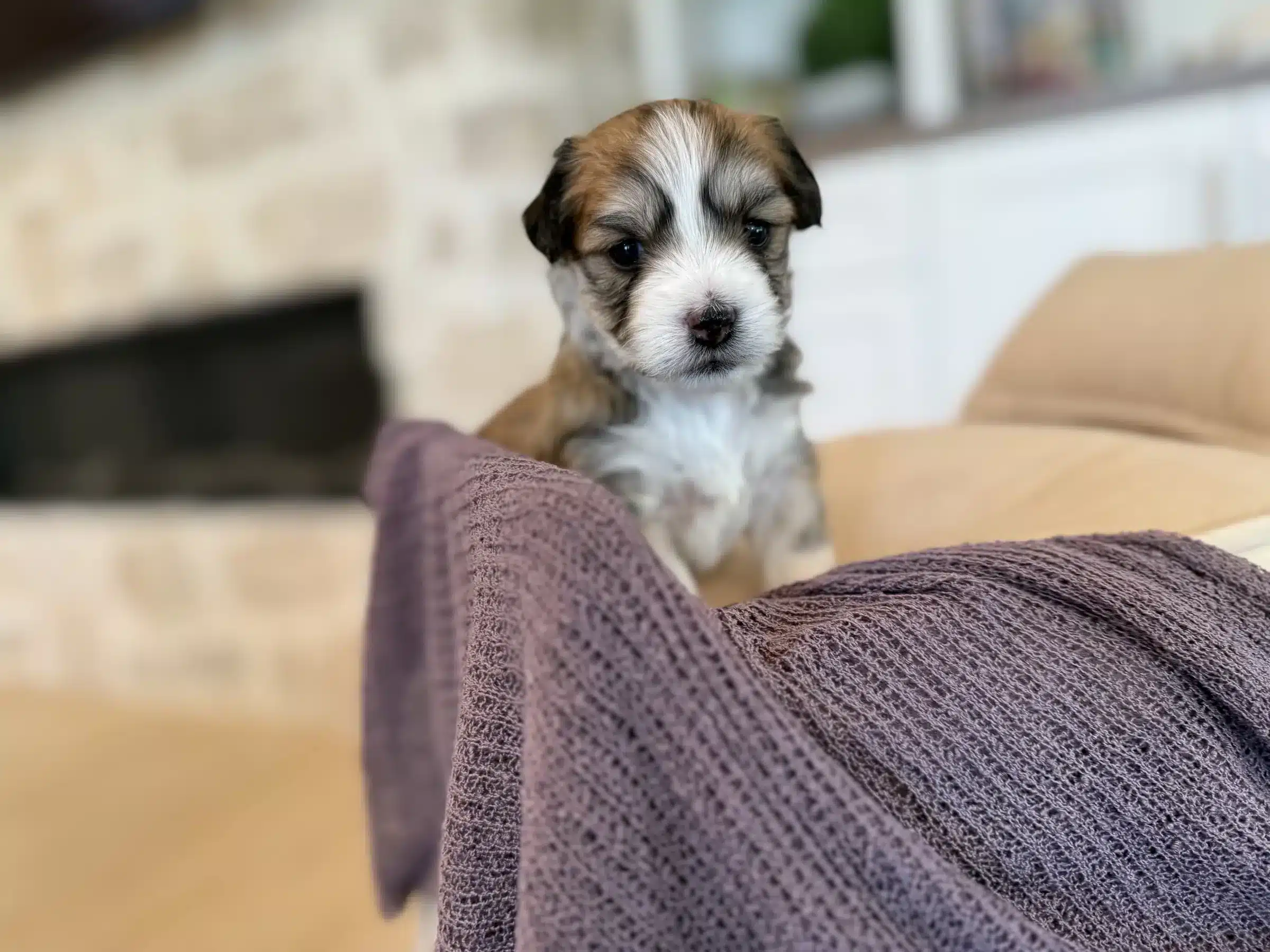
Top 5 non-shedding dogs for busy households: finding calm, cuddly family dogs focuses on breeds that offer companionship without constant shedding or intensive exercise demands. For families seeking calm yet affectionate options among low shedding dog breeds, consider the Shih Tzu, American Hairless Terrier, Yorkshire Terrier, Australian Cobberdog, and the popular Cavoodle, all known for adaptable temperaments and minimal dog hair shedding. These family dogs thrive with moderate walks and indoor play, unlike high-energy dogs that require hours of activity, making them ideal for apartments or homes with limited time for vacuuming. Their coats, from the silky non-shedding coat of the Cavoodle to the hairless skin of the American Hairless Terrier, significantly reduce loose fur while still requiring regular care to control allergens and pet dander. Using the Breed Selector tool can help match your lifestyle to the right canine companion, ensuring you choose allergen-free dogs that fit your schedule. Each of these breeds offers a loving, low-maintenance presence that brings joy without overwhelming busy owners.
Which non shedding dog breeds Thrive With Toddlers? Chewy Editors' Family breed comparison
Which non shedding dog breeds thrive with toddlers is a question Chewy Editors answer by comparing temperament, size, and coat maintenance for busy families. In their family breed comparison, calm and sturdy non-shedding dogs consistently rank higher than high-energy dogs that may overwhelm small children, and they emphasize that low shedding breeds with a predictable non-shedding coat are easier to keep clean during playtime and mealtimes. The Bichon Frise is frequently highlighted for its cheerful, patient nature and low dog hair shedding, while the Portuguese Water Dog earns praise for being affectionate and watchful around toddlers. Editors also note that the Yorkshire Terrier, though small, can be sensitive to rough handling, so supervision is essential. Their analysis reminds parents that even allergen-free dogs are not truly free of allergens, so managing pet dander with regular vacuuming and an air purifier helps reduce pet allergies in homes with crawling toddlers.
Labradoodle vs Goldendoodle: Which Cross Retains More poodle Allergy Advantages? breed comparison
Goldendoodle gentleness with kids shines through in real stories from the puppy journey archives, where families describe how these affectionate mixed-breeds adapt quickly to household chaos and cuddle time alike. One archive entry follows a Standard Poodle parent cross that became a gentle guardian for two preschoolers, learning to lie calmly during story time and to nudge toys back without mouthing hands. Another story features a Cavoodle and an Australian Cobberdog, both celebrated as family companion dogs that intuitively mirror a child's energy level. Contributors often mention that despite their soft coats, regular dog grooming and occasional visits to a professional groomer keep tangles low and help minimize pet hair on furniture, reducing the need for constant lint-rolling. These narratives show that dog temperament matters more than size alone, and that consistent training helps this canine companion build trust, offering allergy sufferers a joyful, low-shedding addition to the family without extra mess.
Are doodle breeds Truly hypoallergenic? Unpacking hypoallergenic breeds Myths
How to pick the perfect non shedding dog breeds for your lifestyle becomes simple with our interactive quiz designed to match your daily routine to the right companion. The quiz asks about activity level, living space, time for dog grooming, and sensitivity to allergens, then recommends tailored results from our Breed Selector tool. For example, if you want a jogging partner with minimal shedding, it may suggest the high-energy Standard Poodle or the athletic Schnauzer, while apartment dwellers seeking calm family pets may see the Shih Tzu or gentle Chinese Crested. It also flags considerations like breed diseases and grooming needs, so you understand that even low-shedding dogs require brushing to prevent mats that trap dander. Inspired by expert guidance from Purina and Nestlé research on pet allergies, the quiz explains that no dog is completely hypoallergenic, but managing dog dander with an air purifier and regular brushing helps reduce allergy symptoms. Explore low shedding dog breeds now and find your ideal match.
Labradoodle vs Goldendoodle: Which Cross Retains More poodle Allergy Advantages? breed comparison
Why low shedding dogs like the Standard Poodle excel at obedience is explained by Dr. Teresa Manucy, who links their success to intelligence, eagerness to please, and strong human bonding. As one of the most intelligent breeds, the Poodle learns commands quickly and retains them with fewer repetitions, making training sessions efficient for busy owners. Dr. Manucy notes that low shedding breeds often stay more focused because they are not distracted by discomfort from heavy shedding or skin irritation, and their alert nature makes them responsive to positive reinforcement. She also observes that the Miniature Schnauzer and Portuguese Water Dog share similar trainability, thriving when mental enrichment is paired with consistent routines. For allergy sufferers concerned about dog allergies, she recommends pairing obedience work with coat care using a dander remover like AllerPet to limit allergic reactions during close training. With patient guidance, these hypoallergenic dogs become reliable family pets that master sit, stay, and recall while keeping pet hair to a minimum.
How doodle breeds Inherit Coat Texture: What Chewy Editors Found in Real Homes
Labradoodle vs Portuguese Water Dog for first-time owners comes down to personality dog categories that highlight energy, sociability, and grooming commitment. The Labradoodle, a popular member of low-shedding dogs and adaptable mixed-breeds, is typically outgoing, friendly, and forgiving of novice mistakes, making it a natural fit for families seeking playful non-shedding dogs. In contrast, the Portuguese Water Dog is more task-oriented and thrives when given jobs, swimming games, or structured walks that channel its working heritage. Both breeds share a wavy, low-shedding coat that needs regular brushing to prevent mats that hold allergens, and new owners should budget for routine dog grooming to manage dog breeds of this type. When considering hypoallergenic dog breeds for first homes, think about time for exercise and vacuuming pet hair, as both dogs still produce some pet dander. If you prefer a slightly calmer learner, the Poodle lineage in the Labradoodle may be ideal, while the Portuguese Water Dog suits active owners ready for adventure.
What Makes the Best family dogs Among hypoallergenic dog breeds? 7 Vet-Backed Signs
What makes the best family dogs among hypoallergenic dog breeds is defined by seven vet-backed signs that go beyond a cute coat. Veterinarians look for stable dog temperament, including gentle mouthing, tolerance for handling, and quick recovery after startling noises, which signal a good fit for homes with children. They also assess sociability with people, trainability, and moderate energy that aligns with family routines, noting that hypoallergenic dogs like the Bichon Frise and Schnauzer often score high for friendliness while keeping shedding low. Another key sign is predictable health, where vets review breed diseases prevalence and recommend screening for joint or eye issues common in some family companion dogs. While no breed is truly allergen-free dogs, vets note that low shedding dog breeds with consistent grooming produce fewer airborne allergens and less dog hair shedding around the home. Finally, adaptability to grooming, crate training, and household sounds ensures your chosen canine companion remains calm, healthy, and loving for years.
How doodle breeds Inherit Coat Texture: What Chewy Editors Found in Real Homes
Are hypoallergenic dogs good with other pets is a common concern for multi-dog categories households, and the answer depends on early socialization and breed tendencies. Many hypoallergenic dogs, such as the Miniature Schnauzer and the gentle Shih Tzu, adapt well to living with cats or other dogs when introduced gradually and given separate resources like beds and feeding stations. Experts explain that low shedding breeds are not automatically more territorial; instead, individual personality and positive experiences shape harmony. The American Hairless Terrier, for example, is often playful with other small pets but benefits from supervised play due to its delicate skin, while the Afghan Hound may be more independent and prefer calm companions. To keep peace and minimize pet allergies, maintain regular vacuuming, use lint-rolling on bedding, and wash shared blankets to reduce allergens that accumulate in multi-pet homes. With patience and consistent training, these family pets can coexist happily, and allergy sufferers often find that structured introductions lower stress and related allergy symptoms for everyone.
Bichon Frise Playtime Ideas That Keep family dogs Happy Without Mess
Bichon Frise playtime ideas that keep family dogs happy without mess focus on low-shedding fun that protects your floors and your Bichon Frise signature fluffy coat. This cheerful member of hypoallergenic dog breeds loves indoor puzzle feeders, soft fetch with plush toys, and hide-and-seek games that burn energy without scattering pet hair. Because the breed has a dense, non-shedding coat that traps loose hair, your dog grooming routine should include daily brushing and monthly grooming to prevent tangles that collect dander and allergens. Try hallway bowling with lightweight pins or scent games using treats hidden in muffin tins, which engage intelligent breeds without outdoor mud. Pair play with quick cleanup habits like vacuuming play areas and using a lint-rolling brush on cushions to keep surfaces fresh for guests sensitive to dog allergies. With creative, mess-free activities, your canine companion stays stimulated, your home stays tidy, and pet dander stays controlled, proving that small dogs can deliver big joy without extra shedding.