Havanese vs Havapoo: Lifespan & Teacup Havanese Guide
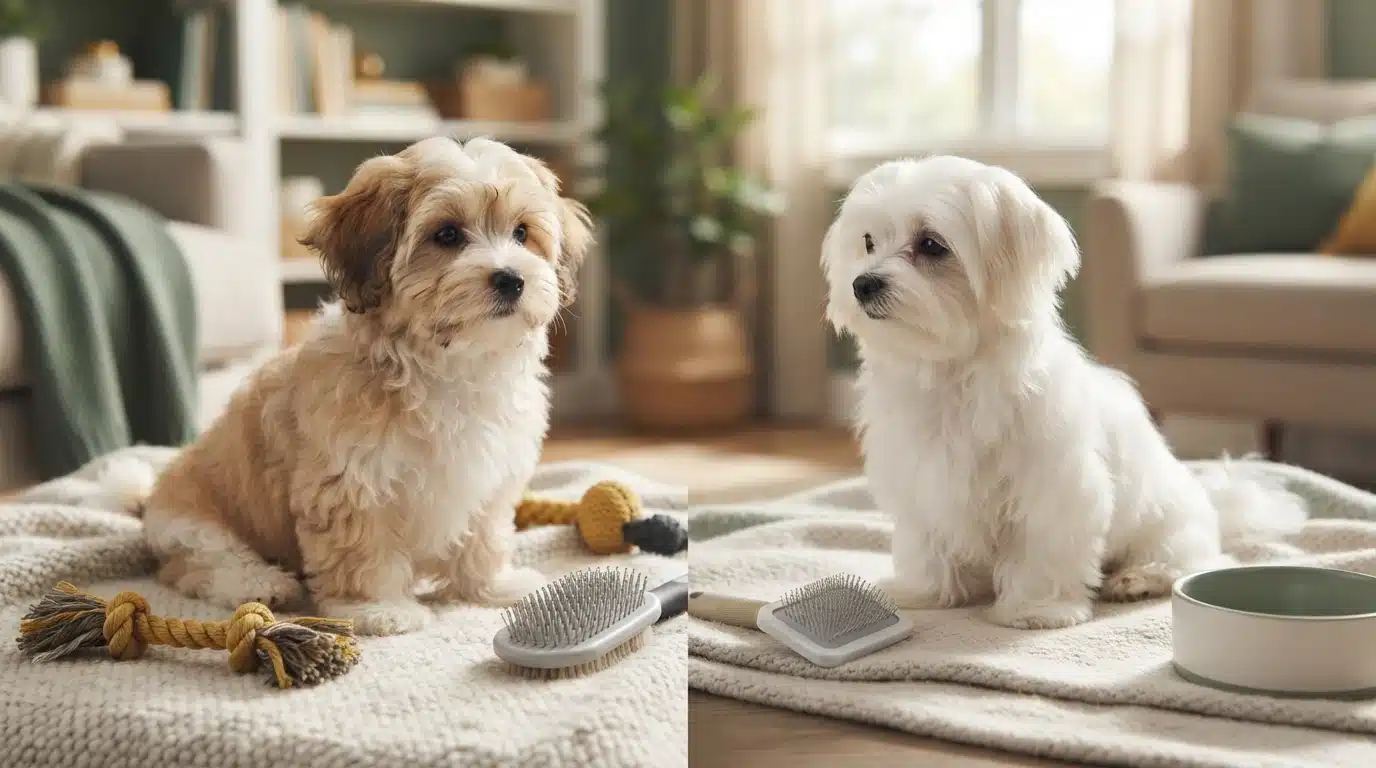
Havanese vs Havapoo comparisons help families evaluate ancestry, temperament, size, grooming, exercise, health, and expected lifespan before choosing a companion. The Havanese is a purebred toy breed from Havana Cuba, also known as the Havana Silk Dog and recognized by the American Kennel Club in the Toy Group. The Havapoo is a crossbreed combining Havanese traits with a poodle parent, commonly a Miniature Poodle or Toy Poodle. Both are affectionate small companion breeds, but coat texture, trainability, energy, and social needs can differ considerably. Teacup labels require particular caution because unusually small dogs may face greater health risks. Prospective owners should assess veterinary records, breeder practices, daily schedules, grooming tolerance, and family lifestyle fit rather than relying on appearance alone.
Havanese vs Havapoo Unveiled: Must-Know Insights Before You Adopt [2026 Edition]
Havanese vs Havapoo decisions become clearer when families compare predictable breed standards with crossbreed variation. Adult Havanese commonly weigh about 7 to 13 pounds, while Havapoo size depends on the Havanese parent and whether the other parent is a Toy Poodle or Miniature Poodle. Both dogs generally need daily companionship, positive training, routine brushing, dental care, and regular veterinary examinations. A Havanese often offers more predictable appearance and ancestry; a Havapoo may show a broader mix of coat textures, energy levels, and behavior. Neither breed is automatically hypoallergenic, and no dog is completely allergy-free. Buyers should request documented health testing, vaccination records, socialization details, and a written contract. Meet the puppy’s parents when possible, observe recovery from handling, and budget for grooming every four to eight weeks.
Havanese Roots Revealed: What Makes the Havana Silk Dog So Beloved?
Havanese roots explain the breed’s enduring appeal as a cheerful companion. Developed in Cuba, the Havanese became associated with Havana Cuba and is often called the Havana Silk Dog because of its long, soft, flowing coat. Its history as a household companion encouraged sociability, attentiveness, and close attachment to people. Modern Havanese typically display lively but manageable energy, respond well to reward-based training, and enjoy interactive games more than prolonged independent work. Their coat can be wavy or slightly curly and comes in many colors, but its attractive appearance requires consistent coat care. Owners should introduce brushing gradually, use a pin brush and metal comb, and inspect ears, paws, and eye corners several times weekly. The breed’s affectionate behavior makes it appealing to families, retirees, and apartment residents, although early socialization remains essential for confidence.
Why Havanese vs Havapoo Matters for First-Time Families in 2026 [Havana Silk Dog Roots]
Why Havanese vs Havapoo matters for first-time families is simple: predictable needs can make daily care easier. Havanese usually provide a consistent breed profile, while Havapoo puppies may inherit different proportions of Havanese and Poodle traits. Families with young children should teach gentle handling, provide a quiet retreat, and supervise every interaction. Both dogs can develop separation-related distress if left alone abruptly, so owners should build independence through brief departures, enrichment toys, and calm returns. Their exercise requirements are moderate, commonly involving short walks plus indoor play and training. A written schedule for feeding, toileting, grooming, and rest prevents preventable problems during the first months. Families should also confirm that every adult agrees on rules, veterinary budgeting, and responsibilities.
Decoding the Havapoo Mix: Miniature Poodle Meets Toy Poodle Magic
Decoding the Havapoo Mix: Miniature Poodle Meets Toy Poodle Magic reveals why this delightful crossbreed captivates so many families. The Havapoo, also known as the Havadoodle, blends the affectionate Havanese with the intelligence of the poodle lineage, specifically inheriting traits from both the Miniature Poodle and Toy Poodle parents. This unique ancestry creates a small companion breeds favorite that often exhibits a low-shedding, wavy to curly coat and an endlessly playful behavior. Unlike the purebred Havanese, the Havapoo is not recognized as a distinct dog breed by the American Kennel Club, yet its hybrid breed charm lies in its adaptability and cleverness. The Poodle influence enhances trainability and adds a touch of elegant appearance, while the Havanese side contributes its famous cuddly nature and social size. Whether you prefer the slightly sturdier build from the Miniature Poodle or the petite delicacy of the Toy Poodle, the resulting Havapoo offers a joyful, loyal companion perfectly suited for modern family life.
Havapoo Origins Unpacked: The Ultimate Hybrid Vigor Story
Havapoo Origins Unpacked: The Ultimate Hybrid Vigor Story starts with a deliberate pairing designed to enhance health and temperament. As a relatively new hybrid breed, the Havapoo combines the storied history of the Havanese, the national dog of Cuba with roots in Havana Cuba as the beloved Havana Silk Dog, with the celebrated intellect of the Poodle. This crossbreed was developed to capture hybrid vigor, potentially extending lifespan and reducing inherited health issues common in some purebred lines. While the Havanese holds a prestigious place in the Toy Group, the Havapoo benefits from the diverse genetics of its poodle parent, creating a resilient and spirited toy breed companion. Enthusiasts often note that Havapoo puppies display a wonderful balance of the Havanese affection and Poodle alertness, making this hybrid breed an excellent choice for first-time owners seeking a robust, loving pet with a bright future.
Decoding the Havapoo Mix: Miniature Poodle Meets Toy Poodle Magic
Cavapoo Havapoo Havanese Energy Profiles: 5 Proven Playtime Differences help you match exercise requirements to your family lifestyle fit. The Havanese typically enjoys moderate, bouncy play sessions followed by long cuddle naps, reflecting its adaptable toy breed nature. The Havapoo, energized by its poodle genetics, often shows higher stamina and a love for puzzle games and fetch, needing slightly more daily activity than the Havanese. The Cavapoo, a Cavalier King Charles Spaniel Poodle mix, tends to be the most laid-back of the trio, content with gentle walks and affection. When comparing Cavapoo Havapoo Havanese energy levels, consider that the Cavapoo craves calm companionship, the Havanese thrives on interactive family games, and the Havapoo excels at agility and learning tricks. Understanding these distinctions ensures your chosen small companion breeds companion aligns with your schedule, whether you prefer a jogging buddy or a cozy lap warmer for apartment living.
Teacup Havanese Charm vs Standard Havanese Poise: A Delightful Comparison
Teacup Havanese Charm vs Standard Havanese Poise: A Delightful Comparison highlights how size influences care and lifestyle. The standard Havanese stands as a sturdy yet elegant purebred, typically weighing 7 to 13 pounds with a silky, flowing coat that requires consistent coat care. The Teacup Havanese, bred to be significantly smaller at under 7 pounds, offers ultra-portable charm for those seeking a petite companion, while the equally tiny Teacup Havapoo provides a similar miniature appeal with a curlier, often lower-shedding coat. While both share the same affectionate Havanese heart, the Teacup Havanese demands extra attention to feeding, fragile bones, and temperature sensitivity. Standard Havanese dogs generally enjoy a bit more durability for active households and children, whereas Teacup varieties excel in homes that can provide gentle handling and constant companionship. Your choice depends on whether you prioritize compact convenience or classic resilience.
Your Definitive breed comparison at a glance for Busy Households [Updated for 2026]
Your Definitive breed comparison at a glance for Busy Households [Updated for 2026] directly addresses how to choose between these beloved companions when time is limited. This dog breed overview evaluates grooming tolerance, exercise requirements, and family lifestyle fit in one clear snapshot. The Havanese offers a silky coat that needs regular brushing but rewards you with a calm, adaptable temperament perfect for apartments. The Havapoo brings a curlier coat that often needs professional coat care yet sheds less, paired with high trainability ideal for busy families who value quick learning. Both excel as small companion breeds, but the Havanese may need slightly less daily mental stimulation than the clever Havapoo. For households juggling work and kids, understanding grooming tolerance and daily exercise needs is essential before adopting from Premier Pups or elsewhere, ensuring your new friend thrives without overwhelming your routine.
Cavapoo vs Havapoo vs Havanese Visual Snapshot: 7 Game-Changing Identification Tricks
Cavapoo vs Havapoo vs Havanese Visual Snapshot: 7 Game-Changing Identification Tricks makes distinguishing these fluffy companions effortless. The Havanese showcases a long, silky, straight to wavy coat, expressive dark eyes, and a distinctive tail carried over the back, creating a soft, elegant appearance. The Havapoo often displays a curlier, teddy-bear coat inherited from its Poodle ancestry with a rounder face and slightly longer muzzle. The Cavapoo typically features floppy ears, a wavy fleece coat, and the gentle expression of its Cavalier King Charles Spaniel Poodle mix heritage. To tell them apart, check coat texture, ear set, eye shape, muzzle length, tail carriage, overall size, and color patterns. While the Havanese appears more traditionally silky and the Havapoo looks more doodle-like, the Cavapoo often has richer chestnut and white markings that immediately set it apart visually.
Cavapoo Havapoo Havanese Energy Profiles: 5 Proven Playtime Differences
breed comparison at a glance: How to Choose Between Cuddle Factor and Trainability directly tackles the core decision for many owners. If your priority is an affectionate lap dog that lives to snuggle, the Havanese leads with its famously gentle, people-oriented temperament and exceptional grooming tolerance during brushing sessions. If you crave a sharp, eager-to-please student, the Havapoo often edges ahead thanks to its poodle intelligence that makes obedience training feel like a game. This breed comparison at a glance considers that Havanese dogs offer unwavering loyalty and calm adaptability, while the Havapoo brings an energetic, witty spark and slightly higher exercise needs. Families seeking a low-maintenance cuddle companion may lean Havanese, whereas those wanting a playful trick-learner may prefer the Havapoo. Evaluate your daily time for training versus cuddling to make the most rewarding choice for your home.
Temperament Truths: Which Personality Wins Your Heart? [ ownership cost grooming temperament ]
Temperament comparisons reveal that both breeds are affectionate, intelligent, and people-oriented, yet individual behavior depends on genetics, socialization, training, and environment. Havanese often combine playful confidence with a sensitive, observant nature. Havapoo dogs may be especially eager to learn because of Poodle influence, though some are more active or vocal. Owners should evaluate how each puppy responds to novel sounds, handling, food rewards, and brief separation rather than choosing solely by color or size. Grooming tolerance also matters because daily coat care and professional trimming are routine responsibilities. Ownership cost includes food, preventive medicine, training, grooming, dental care, and emergency savings; a lower purchase price does not guarantee lower lifetime expense. The best choice is the dog whose needs match the household’s schedule, patience, activity level, and ability to provide companionship.
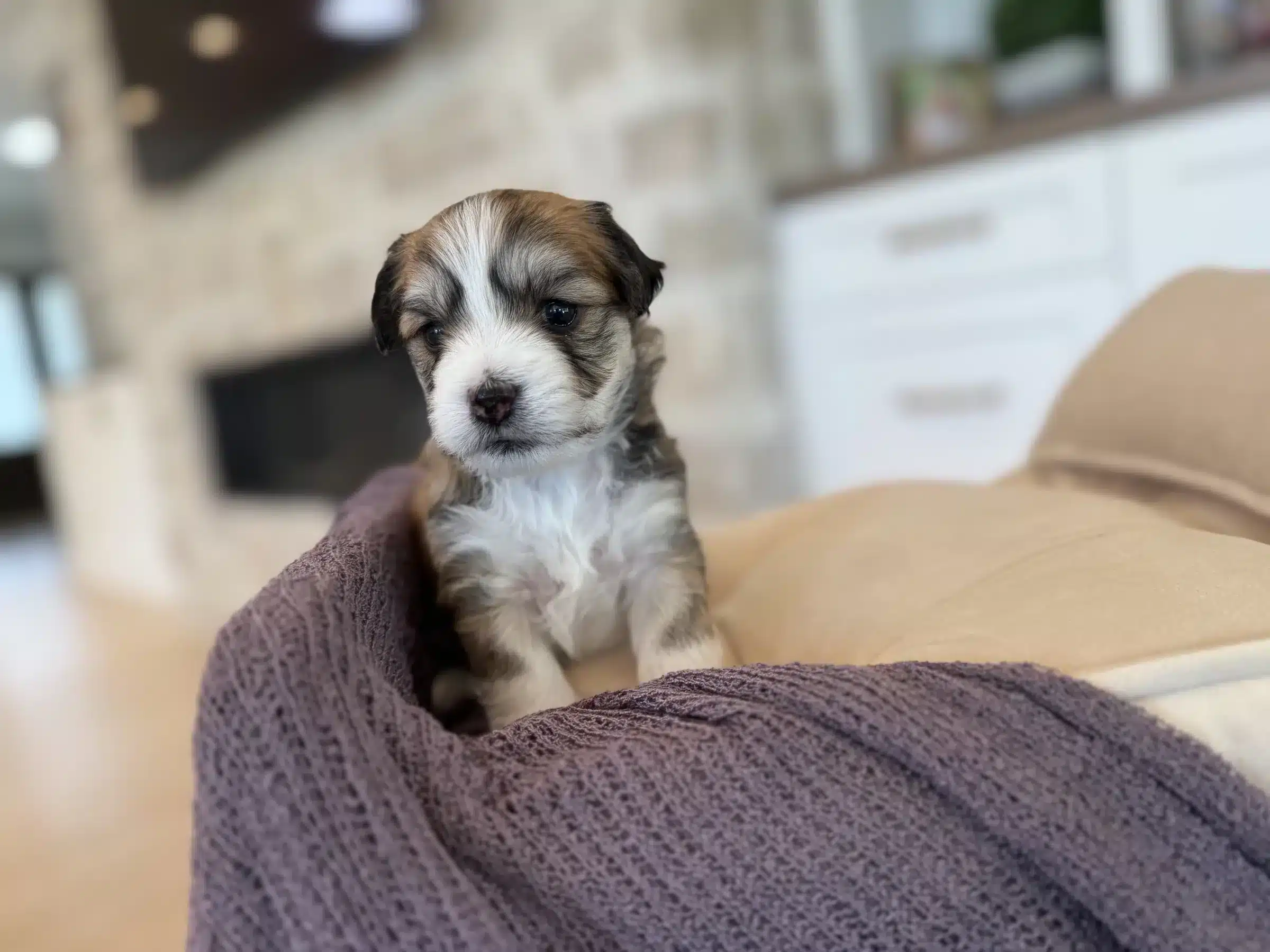
Havanese Temperament Deep Dive: Gentle Havana-Bred Companionship
Havanese Temperament Deep Dive: Gentle Havana-Bred Companionship explores why this breed is treasured as the ultimate family friend. Bred in Cuba as a companion for aristocratic families, the Havanese exhibits a cheerful, outgoing temperament that thrives on human connection and rarely shows aggression. Their behavior is characterized by playful clownishness balanced with intuitive sensitivity to their owner's moods, making them excellent therapy and companion dogs. Unlike more independent toy breed dogs, the Havanese forms deep attachments and follows its people from room to room, earning its reputation as a velcro dog without excessive neediness. Their gentle nature, combined with moderate barking and excellent sociability with other pets, makes them ideal for apartments and larger homes alike. With consistent socialization, the Havanese remains confident, affectionate, and delightfully entertaining throughout its long, joyful lifespan.
Decoding the Havapoo Mix: Miniature Poodle Meets Toy Poodle Magic
Havapoo Velcro Dog Traits: Why Cavapoo Havapoo Havanese Families Rate Them Highest focuses on the unmatched loyalty these hybrids provide. The Havapoo inherits the classic velcro tendency of the Havanese but amplifies it with Poodle attentiveness, resulting in a dog that shadow-follows its family, offers constant eye contact, and excels at reading emotions. Families comparing Cavapoo Havapoo Havanese companions often rate the Havapoo highest for responsiveness because it combines cuddly devotion with bright problem-solving skills, eagerly participating in every household activity. This temperament makes the Havapoo an exceptional choice for those working from home or with children who want an involved playmate. While the Havanese is sweetly affectionate, the Havapoo adds an extra layer of alert, trainable devotion, ensuring you never feel alone and always have a cheerful partner ready for walks, games, or quiet evening snuggles.
Are Havanese Good with Kids? 5 Heartwarming Case Studies from Premier Pups Homes
Are Havanese Good with Kids? 5 Heartwarming Case Studies from Premier Pups Homes answers with a resounding yes, supported by real family stories. Case one features a Havanese gently comforting a toddler during story time, showcasing its patient temperament. Case two highlights a Havapoo learning to play gentle fetch with a school-age child, proving its adaptable energy. Case three shows a Havanese participating in a family with two kids, thriving despite bustling activity due to its sturdy yet soft nature. Case four demonstrates a Havapoo mastering kid-friendly tricks for a young owner’s confidence. Case five reveals a Havanese acting as a calm companion for a sensitive child, offering reassuring cuddles. Across these Premier Pups homes, the Havanese consistently demonstrates gentle play, tolerance for handling, and joyful companionship that makes it a beloved, trustworthy addition to families with children of all ages.
Havapoo Temperament Exposed: The Playful Poodle Influence
Havapoo Temperament Exposed: The Playful Poodle Influence reveals how this hybrid breed blends the best of both parents into a joyful companion. As a crossbreed between the Havanese and the Poodle, the Havapoo also known as Havadoodle inherits the affectionate, people-oriented nature of the Havanese with the remarkable intelligence and spirited playfulness of the Miniature Poodle or Toy Poodle. This Poodle influence makes the Havapoo highly trainable, eager to please, and quick to learn tricks, while adding an extra spark of energy and curiosity to its behavior. Their temperament is outgoing, social, and clownish, thriving on interaction and family lifestyle fit that includes plenty of play and mental stimulation. Compared to the purebred Havanese, the Havapoo tends to be slightly more active and alert, making excellent watchdogs without excessive barking. Their ancestry gives them strong grooming tolerance and adaptability as small companion breeds, making them ideal for first-time owners seeking a loving, low-shedding toy breed with endless charm.
Calm or Spirited Comparing Daily Energy and Play Needs
Calm or Spirited Comparing Daily Energy and Play Needs helps you understand the subtle differences in exercise requirements between these small companion breeds. The Havanese is known for a balanced temperament, happy with short walks, indoor play, and cuddling on the couch, reflecting its history as the Havana Silk Dog bred for companionship in Havana Cuba. In contrast, the Havapoo leans more spirited thanks to its poodle lineage, needing more daily mental enrichment, fetch sessions, and puzzle toys to stay satisfied. While both dogs are adaptable, the Havanese will be content with 30 minutes of moderate activity, whereas the Havapoo often craves 45 to 60 minutes split between walks and interactive training. Their behavior shows the Havapoo is more likely to initiate play and demand attention, while the Havanese is calmly affectionate. For busy families, understanding this difference in family lifestyle fit and appearance versus energy is crucial to prevent boredom and ensure a harmonious home with your chosen dog breed.
Cavapoo Havapoo Havanese Energy Profiles: 5 Proven Playtime Differences
Teacup Havapoo Temperament Secrets: Tiny Size, Massive Personality? proves that shrinking the size does not shrink the spirit. The Teacup Havapoo, a smaller version of the standard Havapoo, retains the same affectionate, intelligent, and highly social traits but in an ultra-compact toy breed package often weighing under 7 pounds. Despite their tiny appearance, these dogs display massive confidence, playfulness, and devotion, bonding intensely with their owners and following them from room to room. Their behavior is typically bold and curious, with the cleverness of the Poodle shining through in quick learning and occasional mischief. However, their small size makes them more sensitive to rough handling and they can develop separation anxiety if not socialized early to handle alone time. Like the larger Havapoo, they need gentle training, consistent routine, and moderate exercise requirements adapted to their delicate frames. For apartment dwellers seeking a portable yet spirited hybrid breed, the Teacup Havapoo offers enormous personality and charm in a petite form.
Havapoo Origins Unpacked: The Ultimate Hybrid Vigor Story
Cavapoo vs Havapoo vs Havanese Temperament Showdown: 3-Way Comparison breaks down how these beloved small companion breeds differ in personality to guide your decision. The purebred Havanese, recognized by the American Kennel Club in the Toy Group, is famously gentle, affectionate, and highly adaptable, with a calm temperament that makes it an excellent therapy dog. The Havapoo, as a Havanese Poodle mix, adds Poodle intelligence and a more playful, energetic edge, making it slightly more trainable and alert. The Cavapoo, a Cavalier King Charles Spaniel Poodle mix, brings the sweet, sensitive nature of the Cavalier combined with poodle smarts, often resulting in an extremely cuddly and empathetic dog breed that is slightly more sensitive than the other two. In terms of behavior, Havanese are velcro companions, Havapoo are spirited entertainers, and Cavapoo are soft-hearted cuddlers. All three share strong family lifestyle fit and good grooming tolerance, but your choice depends on whether you prefer the steady charm of the Havanese, the clever spark of the Havapoo, or the gentle soul of the Cavapoo.
Cavapoo Havapoo Havanese Energy Profiles: 5 Proven Playtime Differences
Cavapoo vs Havapoo vs Havanese Social Needs: Which Handles Alone Time Best? is a critical question for busy families and professionals. All three are companion-focused dogs that crave human contact, but their tolerance for alone time varies slightly. The Havanese, historically bred as the companion dog of Cuba for aristocracy, is notoriously people-oriented and can develop anxiety if left alone for long hours, preferring households where someone is often home. The Havapoo inherits similar attachment from the Havanese side, but the independent problem-solving nature of the poodle can give it a slightly better ability to self-entertain with toys for short periods, though it still dislikes isolation. The Cavapoo is often the most sensitive of the trio, forming deep emotional bonds and struggling most with extended solitude due to the Cavalier influence. None of these hybrid breed or purebred options are suited to being left alone for 8+ hours daily. For best temperament and behavior, all need early training, crate conditioning, and gradual desensitization to alone time to ensure a well-adjusted toy breed.
Teacup Havanese Charm vs Standard Havanese Poise: A Delightful Comparison
ownership cost grooming temperament Reality Check: Which Dog Fits Apartment Living? examines how practical factors align with city life. All three dogs excel in apartments due to their small size and moderate exercise requirements, but there are nuances. The Havanese is arguably the top apartment dog among small companion breeds, being quiet, adaptable, and content with indoor play, plus its purebred status offers predictable lifespan and behavior. The Havapoo is also excellent for apartments but needs more daily mental stimulation to prevent barking or restlessness, though its low-shedding coat is a bonus for small spaces. Ownership cost is similar, with regular coat care, vet care, and quality food being primary expenses, while grooming tolerance varies. Temperament wise, both Havanese and Havapoo are friendly with neighbors and do well with apartment noise if socialized. For owners prioritizing low maintenance and calm demeanor, the Havanese may edge ahead, while active owners who enjoy training will love the Havapoo. Both adapt beautifully to apartment living with proper routine and attention.
Havapoo Grooming & Everyday Care: Stunning Coats Without the Hassle [puppy pricing grooming routine]
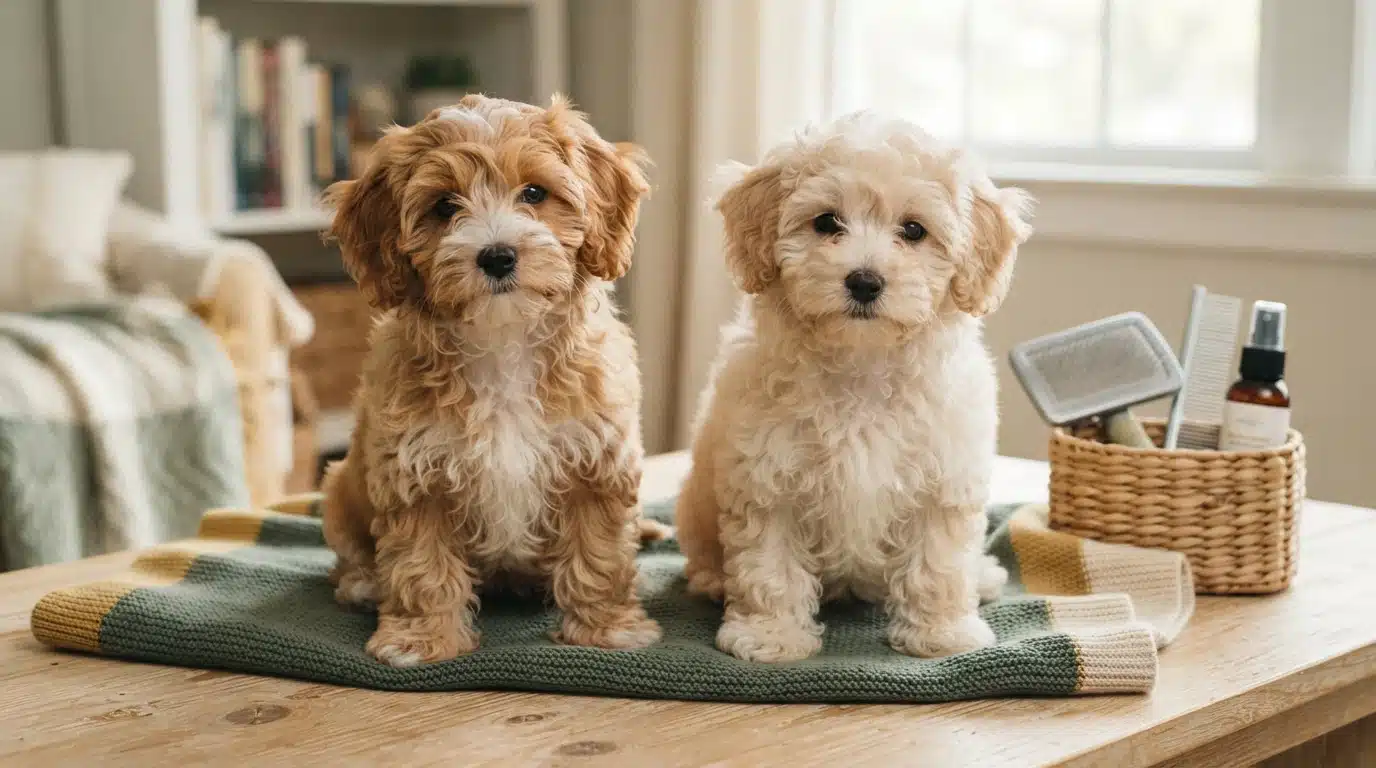
Havapoo grooming becomes manageable when owners establish a puppy pricing grooming routine before mats develop. Brush the coat several times weekly, work in small sections, and follow with a metal comb to reach the skin. Curly or fleece coats may tangle rapidly around the ears, collar, legs, and tail, so these areas deserve daily inspection. Schedule professional grooming approximately every four to eight weeks, depending on coat length and household preference. Havanese coats also require regular brushing, although texture and matting patterns differ between individuals. Introduce clippers, dryers, nail handling, and paw touching with treats rather than force. Daily care should include measured meals, fresh water, tooth brushing, safe exercise, and enrichment suited to a small dog. Owners should monitor weight carefully because even modest excess weight can strain joints and complicate heat tolerance.
Havanese Grooming Essentials: Keeping That Silky Havana Coat Flawless
Havanese Grooming Essentials: Keeping That Silky Havana Coat Flawless focuses on maintaining the signature double coat that made the Havana Silk Dog famous. Originating from Havana Cuba, the Havanese boasts a long, silky, flowing coat that is soft to the touch and surprisingly low-shedding, though it requires dedicated coat care to prevent mats and tangles. Unlike many toy breed coats, the Havanese hair grows continuously and should be brushed several times a week with a slicker brush and comb to keep its appearance pristine. Many pet owners opt for a shorter puppy cut to simplify grooming while still showcasing the breed's elegant size and charm. Regular baths every 2-3 weeks, gentle detangling sprays, and professional grooming every 6-8 weeks help preserve grooming tolerance and skin health. Pay special attention to ears, eyes, and paws where tangles form quickly. With consistent care, the Havanese coat remains a stunning hallmark of this American Kennel Club recognized purebred, reflecting its ancestry and beloved status at Premier Pups.
How to Build a Low-Shedding puppy pricing grooming routine for Sensitive Owners
How to Build a Low-Shedding puppy pricing grooming routine for Sensitive Owners is essential for allergy-sensitive families considering a Havanese or Havapoo. Both dogs are celebrated as low-shedding small companion breeds, but maintaining that benefit requires a consistent grooming routine that also factors into overall puppy pricing and long-term care costs. Start with daily or every-other-day brushing using a de-matting comb to prevent tangles that trap dander, followed by a bath every three weeks with a hypoallergenic shampoo to reduce allergens. Invest in quality tools like a slicker brush and stainless steel comb, and schedule professional grooming every 6 weeks to keep the coat at a manageable length. This routine enhances grooming tolerance from a young age and keeps coat care stress-free. While the initial puppy pricing at Premier Pups reflects health testing and quality breeding for lifespan and temperament, the ongoing grooming investment ensures your home stays cleaner and more comfortable. A structured routine makes ownership enjoyable for sensitive owners without sacrificing the beauty of your dog breed.
Cavapoo Havapoo Havanese Energy Profiles: 5 Proven Playtime Differences
breed comparison at a glance: Brushing Frequency for Havanese Silky Coats highlights the commitment needed to keep this purebred looking its best. Compared to other small companion breeds, the Havanese demands more frequent brushing due to its long, silky, non-shedding hair that tangles easily if neglected. For a full-length show coat, daily brushing is recommended to prevent mats behind the ears, under the legs, and along the belly where friction occurs. For pet owners who keep their Havanese in a practical puppy cut, brushing 3 to 4 times per week is usually sufficient to maintain a neat appearance and support healthy coat care. In contrast, the Havapoo with its curlier Poodle-influenced coat may need similar frequency but different tools to manage curls. The Havanese ancestry as the Havana Silk Dog means its coat is finer and more prone to tangling than a typical crossbreed. Establishing early grooming tolerance with short, positive sessions ensures the dog enjoys the process, making regular brushing a bonding experience rather than a chore for this affectionate toy breed.
Havapoo Origins Unpacked: The Ultimate Hybrid Vigor Story
Havapoo Coat Care Made Simple: Curl Management Without Stress shows how to keep this hybrid breed looking adorable with minimal hassle. The Havapoo inherits a soft, wavy to curly coat from its Miniature Poodle and Havanese parents, which is low-shedding but prone to matting if not maintained. Unlike the straight silky coat of the purebred Havanese, the Havapoo curls require a slightly different approach: use a slicker brush followed by a steel comb 3 to 4 times weekly to gently work through tangles from the skin outward. Regular trimming every 6 to 8 weeks prevents overgrowth and keeps the size neat and manageable, while also supporting good grooming tolerance. Bathing every 3 to 4 weeks with a moisturizing, detangling shampoo keeps curls soft and prevents dryness. Many owners also consider the Teacup Havanese and Teacup Havapoo variations, which need even gentler handling due to their delicate frames. With consistent coat care, the Havapoo remains a stunning, family-friendly dog breed that combines poodle elegance with Havanese charm.
Cavapoo Havapoo Havanese Energy Profiles: 5 Proven Playtime Differences
Havapoo Hypoallergenic Advantage: Smart puppy pricing grooming routine for Doodle Lovers is exactly what makes this hybrid breed so appealing to families seeking low-shedding charm. The Havapoo, also known as the Havadoodle, is a crossbreed of the Havanese and Poodle, typically a Miniature Poodle or Toy Poodle, which gives it a soft, curly to wavy coat with impressive grooming tolerance and reduced shedding. While no dog breed is 100% hypoallergenic, the Poodle ancestry contributes to coat care that traps dander and makes daily life easier for allergy-sensitive owners. Your puppy pricing grooming routine should factor in brushing 3-4 times weekly to prevent mats, plus professional grooming every 6-8 weeks to keep curls manageable. This small companion breeds favorite needs gentle detangling sprays and slicker brush work, not heavy shedding control. Compared to the purebred Havanese, the Havapoo often requires slightly more curl management but offers that signature doodle appeal and adaptable behavior for modern family lifestyle fit.
Teacup Havanese Charm vs Standard Havanese Poise: A Delightful Comparison
Teacup Havanese Mini Makeovers: 5 Essential Tools for Tiny Coats focuses on the delicate coat care this tiny toy breed demands. The Teacup Havanese may be small in size but its silky, long double coat needs consistent attention to maintain appearance and grooming tolerance. First, a high-quality slicker brush for daily gentle detangling. Second, a steel comb to find hidden mats behind ears and legs. Third, rounded-tip scissors for safe trimming around eyes and paws. Fourth, a mild, hydrating shampoo and conditioner to protect sensitive skin and keep the Havana Silk Dog shine. Fifth, a petite de-matting spray to ease brushing without pulling. Even though the Havanese is known for a softer temperament, Teacup varieties require extra patience due to their fragile build and lower exercise requirements. Brushing every other day, rather than waiting for tangles, preserves coat health and reduces stress. This routine ensures your Teacup Havanese stays comfortable, photogenic, and ready for cuddles without overwhelming your schedule.
Teacup Havapoo vs Teacup Havanese Grooming Demands Compared
Teacup Havapoo vs Teacup Havanese Grooming Demands Compared reveals key differences every owner should understand before choosing. The Teacup Havanese features a long, silky, straight to slightly wavy coat inherited from its purebred ancestry in Havana Cuba, requiring frequent brushing to prevent tangles but relatively straightforward coat care. In contrast, the Teacup Havapoo blends Havanese softness with Poodle curls, creating a denser, curly coat that mats faster if neglected. Both are toy breed companions with similar size, but the Havapoo often needs more frequent professional grooming every 4-6 weeks versus 6-8 weeks for the Teacup Havanese. Grooming tolerance varies too; Havanese dogs typically enjoy pampering, while Havapoo pups inherit the intelligent, trainable Poodle behavior that makes them cooperative with consistent positive handling. Exercise requirements remain low for both, yet grooming time should be part of your family lifestyle fit calculation, balancing cuddle time with maintenance to keep these adorable small companion breeds looking their best.
Teacup Havanese Charm vs Standard Havanese Poise: A Delightful Comparison
Teacup Havapoo Spa Days: Game-Changing Tips for Toy-Sized Tangles will transform your grooming routine into a calm, bonding experience for this delicate hybrid breed. The Teacup Havapoo inherits a soft, curly coat from its Miniature Poodle and Havanese parents, which tangles easily due to its tiny size and dense texture. Start with a pre-brush spritz of detangling conditioner to enhance grooming tolerance and prevent breakage. Use a mini slicker brush and work in small sections, gently lifting curls rather than dragging through them. Keep sessions short, 10-15 minutes, to match the toy breed attention span and reinforce positive behavior with treats. Bathe only every 3-4 weeks with a gentle, poodle-friendly shampoo to preserve natural oils, and always thoroughly dry and comb curls to avoid matting at the roots. Regular eye and ear checks are essential, as facial hair can trap moisture. With patient coat care and consistent handling, even the most tangle-prone Teacup Havapoo will learn to love spa days and look stunning without stress.
ownership cost grooming temperament Crossroads: Grooming Bills vs Cuddle Time
ownership cost grooming temperament Crossroads: Grooming Bills vs Cuddle Time is where many families weigh practical realities against affection. Both the Havanese and Havapoo are celebrated small companion breeds with affectionate temperament and strong family lifestyle fit, but their ownership cost profiles differ. Grooming bills for either dog breed include brushing tools, shampoos, and professional grooming every 6-8 weeks, typically $60-$100 per visit, with the Havapoo sometimes costing slightly more due to curlier coat care. However, what you gain in cuddle time is exceptional; the Havanese offers a calm, people-oriented behavior ideal for relaxed households, while the Havapoo brings playful, Poodle-inspired intelligence and adaptability. Exercise requirements are modest for both, so your daily investment is more about brushing and bonding than long walks. When you calculate ownership cost, consider grooming tolerance and how much hands-on maintenance you enjoy versus preferring extra play and training. Choosing based on temperament and coat care balance ensures your budget supports both a beautiful coat and abundant affection.
cost lifespan care differences Decoded: Budgeting for Your New Best Friend
Cost lifespan care differences are best understood as a long-term budget rather than a puppy-price comparison. Families should estimate food, wellness examinations, vaccinations, parasite prevention, dental care, grooming, training classes, supplies, insurance, and emergency treatment. Havanese commonly live into their early to mid-teens when responsibly bred and carefully managed, while Havapoo lifespan varies with parental health, size, and inherited conditions. Small dogs may need frequent dental attention, and tiny puppies can be vulnerable to low blood sugar, injury, and anesthesia complications. Request health-clearance documentation for relevant orthopedic, eye, cardiac, and genetic concerns, and ask how records are supported by veterinary examinations. Set aside an emergency fund before adoption and identify a local clinic experienced with small companion breeds. A realistic plan protects both the dog’s welfare and the family’s finances.
Havapoo Origins Unpacked: The Ultimate Hybrid Vigor Story
Havanese Price Tag Unlocked: What Drives Purebred Value? comes down to heritage, health, and recognition. As a purebred dog breed with ancestry tracing to Havana Cuba and celebrated as the Havana Silk Dog, the Havanese carries centuries of history and is proudly recognized by the American Kennel Club in the Toy Group, which elevates its value compared to a crossbreed. Reputable breeders invest heavily in health testing, pedigree documentation, early socialization for stable temperament, and careful selection for size and appearance that meets breed standards. Lifespan also plays a role; with 14-16 years of companionship, the initial investment reflects long-term quality. Unlike the Havapoo hybrid breed or the Cavalier King Charles Spaniel Poodle mix known as Cavapoo, the purebred Havanese offers predictability in behavior, coat, and family lifestyle fit. At Premier Pups, pricing reflects veterinary care, vaccinations, and grooming foundations already started. Understanding these drivers helps buyers see why the Havanese commands a premium as a cherished toy breed with proven lineage from Cuba.
Cavapoo Havapoo Havanese Energy Profiles: 5 Proven Playtime Differences
How Much Does a Havanese Puppy Cost in 2026? [Premier Pups Pricing Breakdown] gives you a clear snapshot of current market expectations for this beloved purebred. At Premier Pups, Havanese puppies typically range from $1,800 to $3,500 in 2026, depending on coat color, size, pedigree, and ancestry details. This price includes comprehensive veterinary checks, vaccinations, microchipping, and health guarantees that support the breed's impressive lifespan. Compared to the Havapoo crossbreed, the Havanese often starts at a slightly higher price due to its American Kennel Club Toy Group status and purebred lineage as the Havana Silk Dog from Havana Cuba. Teacup Havanese may be priced higher due to their extra-small size and specialized care. Budget-conscious buyers sometimes compare the Havanese to the Cavapoo or Havapoo to assess value, but remember that purebred consistency in temperament and appearance often justifies the investment. Premier Pups also offers guidance on coat care, grooming tolerance, and exercise requirements, ensuring your budget covers not just purchase price but lifelong wellness for your new toy breed companion.
Teacup Havanese Charm vs Standard Havanese Poise: A Delightful Comparison
Havanese Lifespan Secrets: 14-16 Years of Proven Health Tips show why this toy breed is among the longest-lived small companion breeds. The Havanese lifespan of 14-16 years is supported by robust genetics from its purebred ancestry, but daily care makes all the difference. Prioritize annual veterinary exams, dental cleanings, and weight management, as even small gains in size affect joint health. A balanced diet tailored to toy breed needs, plus moderate exercise requirements like 30 minutes of walks and play, keeps behavior calm and body fit without overexertion. Consistent coat care and grooming tolerance routines also prevent skin infections that can impact overall health. Early socialization nurtures stable temperament and reduces stress-related issues. Unlike some hybrid breed options such as Havapoo or Cavapoo, the Havanese benefits from generations of health screening for patellar luxation and eye conditions recognized by the American Kennel Club. With attentive care, proper grooming, and love, your Havanese from Cuba heritage, affectionately called the Havana Silk Dog, can thrive well into its late teens as a joyful family member.
Havapoo Ownership Bills: Food, Vet and Training ROI
Havapoo Ownership Bills: Food, Vet and Training ROI help you plan for the true cost of this charming crossbreed beyond the initial puppy price. The Havapoo, a popular hybrid breed combining Havanese and Poodle, typically eats premium small-breed kibble costing $30-$50 monthly due to its petite size, keeping food bills manageable. Veterinary care includes annual exams, vaccinations, and dental care, averaging $300-$600 per year, similar to Havanese and other small companion breeds, though mixed vigor may support a healthy lifespan. Training offers excellent ROI because the Poodle intelligence blended with Havanese temperament makes the Havapoo highly trainable, responsive, and eager to please, reducing long-term behavior costs. Grooming adds $70-$100 every 6 weeks for coat care to maintain curls and grooming tolerance. Exercise requirements are modest, so you save on extensive activity gear. Compared to a purebred or even the Cavalier King Charles Spaniel Poodle mix, the Havapoo delivers strong value through adaptable family lifestyle fit, affectionate behavior, and lower health risks when sourced responsibly.
Teacup Havanese Charm vs Standard Havanese Poise: A Delightful Comparison
Is the Havapoo Cheaper? cost lifespan care differences Every Buyer Should Know addresses the common question for budget-focused families comparing these small companion breeds. Generally, the Havapoo crossbreed is slightly less expensive upfront than the purebred Havanese, with Havapoo puppies often priced $1,500-$2,800 compared to $1,800-$3,500 for Havanese, reflecting purebred pedigree and American Kennel Club Toy Group recognition of the Havana Silk Dog. However, lifespan is comparable, both offering 12-16 years, so long-term vet costs are similar. Care differences emerge in coat care; the Havapoo inherits Poodle curls needing more frequent grooming, while the Havanese has silky hair that still demands regular brushing but slightly less curl management. Temperament in both supports excellent family lifestyle fit, with Havanese known for gentle behavior and Havapoo for intelligent, playful hybrid vigor. Food and exercise requirements remain low for both toy breed options. Ultimately, neither the Cavapoo nor Havapoo is dramatically cheaper over a lifetime, so choose based on appearance, grooming tolerance, and whether you prefer purebred predictability or hybrid charm for your home.
Teacup Havapoo Price Premiums: Why Tiny Costs More
Teacup Havapoo Price Premiums reflect exactly why tiny costs more, and it comes down to specialized breeding program demands and intensive care. This hybrid breed combines the Havanese with Toy Poodle or Miniature Poodle ancestry, but producing a true Teacup Havapoo under 7 pounds requires careful selection for size, health screening, and smaller litter sizes, often just one or two puppies per litter. Breeders must invest in more frequent veterinary monitoring, advanced health testing for both parent breeds, and round-the-clock neonatal support to ensure fragile pups thrive. The crossbreed appeal of a Havapoo, sometimes called Havadoodle, also drives market demand, as buyers seek the low-shedding coat and adaptable temperament in an extra-small package. Beyond rarity, the higher price often includes early vaccinations, microchipping, and socialization, so when you compare Havapoo ownership bills, that initial premium pays for the expertise needed to ethically produce a healthy, pocket-sized companion.
Cavapoo vs Havapoo vs Havanese Cost Lifespan Care Differences at a Glance
Cavapoo vs Havapoo vs Havanese Cost Lifespan Care Differences at a Glance gives you a quick snapshot to compare these three popular small companion breeds side by side. The purebred Havanese, the Havana Silk Dog from Havana Cuba recognized by the American Kennel Club in the Toy Group, typically lives 14-16 years with moderate grooming tolerance needs and a silky coat that requires regular coat care. The Havapoo, a crossbreed of Havanese and Poodle, often shares a similar lifespan of 12-15 years but may inherit the Poodle influence for a curlier, lower-shedding coat that slightly eases grooming. The Cavapoo, a Cavalier King Charles Spaniel Poodle mix, is another hybrid breed with a lifespan around 12-15 years and known for its affectionate behavior. In terms of family lifestyle fit, all three score high for temperament and adaptability, but the Havanese is a classic toy breed with consistent appearance, while Havapoo and Cavapoo offer hybrid vigor and varied size. Understanding ancestry helps predict exercise requirements and overall dog breed care costs.
Teacup Havanese Investment Guide: 5 Hidden Fees Beyond the Puppy Price
Teacup Havanese Investment Guide uncovers 5 hidden fees beyond the puppy price that every prospective owner should budget for before bringing home this tiny purebred. First, the Teacup Havanese often needs specialized veterinary care, including more frequent dental cleanings and wellness exams due to its small size and delicate frame. Second, grooming tolerance and coat care become a recurring expense, as the Havanese has a long, silky double coat that requires professional grooming every 4-6 weeks to prevent matting. Third, premium nutrition and supplements tailored for a toy breed metabolism add monthly costs. Fourth, exercise requirements may be low, but you will need indoor play solutions, pet insurance for small companion breeds, and potential emergency funds for hypoglycemia or patellar issues common in miniature dogs. Fifth, training and socialization classes are essential to shape balanced temperament and behavior, ensuring your Teacup Havanese thrives in your family lifestyle fit. At Premier Pups, we encourage buyers to plan for lifespan costs, not just the initial purchase.
Cavapoo vs Havapoo vs Havanese Visual Snapshot: 7 Game-Changing Identification Tricks
Cavapoo Havapoo Havanese Budget Planner is designed to help you cut ownership cost related to grooming and temperament without cutting corners on quality care. Whether you choose a Havanese, Havapoo, or Cavapoo, smart planning reduces long-term expenses while preserving health and happiness. For coat care, invest in at-home brushing tools and learn basic grooming tolerance techniques to extend time between professional grooms, saving hundreds annually across any of these small companion breeds. For temperament, early training at home using consistent positive reinforcement reduces the need for expensive behavioral correction later, and supports good behavior in this affectionate dog breed group. Buying high-quality food in bulk and scheduling preventative vet visits helps avoid costly emergency bills and supports a longer lifespan. Consider pet insurance early to lock in lower rates. The Havanese as a purebred and the Havapoo and Cavapoo as crossbreed options all have similar exercise requirements, so budget-friendly indoor enrichment can satisfy their needs without pricey doggy daycare. This balanced approach keeps your companion healthy and your budget intact.
Teacup Havanese vs Teacup Havapoo: Tiny Paws, Big Decisions [Havanese vs Havapoo Comparison]
Teacup Havanese and Teacup Havapoo labels describe unusually small dogs rather than universally recognized official varieties. Extremely small size can increase risks involving fragile bones, dental crowding, hypoglycemia, temperature regulation, and difficult pregnancies. Responsible breeders should prioritize health, stable development, and sound structure instead of marketing the smallest possible puppy. Ask for birth weight, growth records, veterinary examinations, vaccination history, and an explanation of the parents’ adult size. Never assume a tiny dog is easier to care for: fragile puppies may require careful feeding schedules, protected flooring, controlled play, and prompt veterinary attention when appetite or energy changes. Families should compare a healthy, well-socialized puppy with their practical ability to supervise and protect a very small companion.
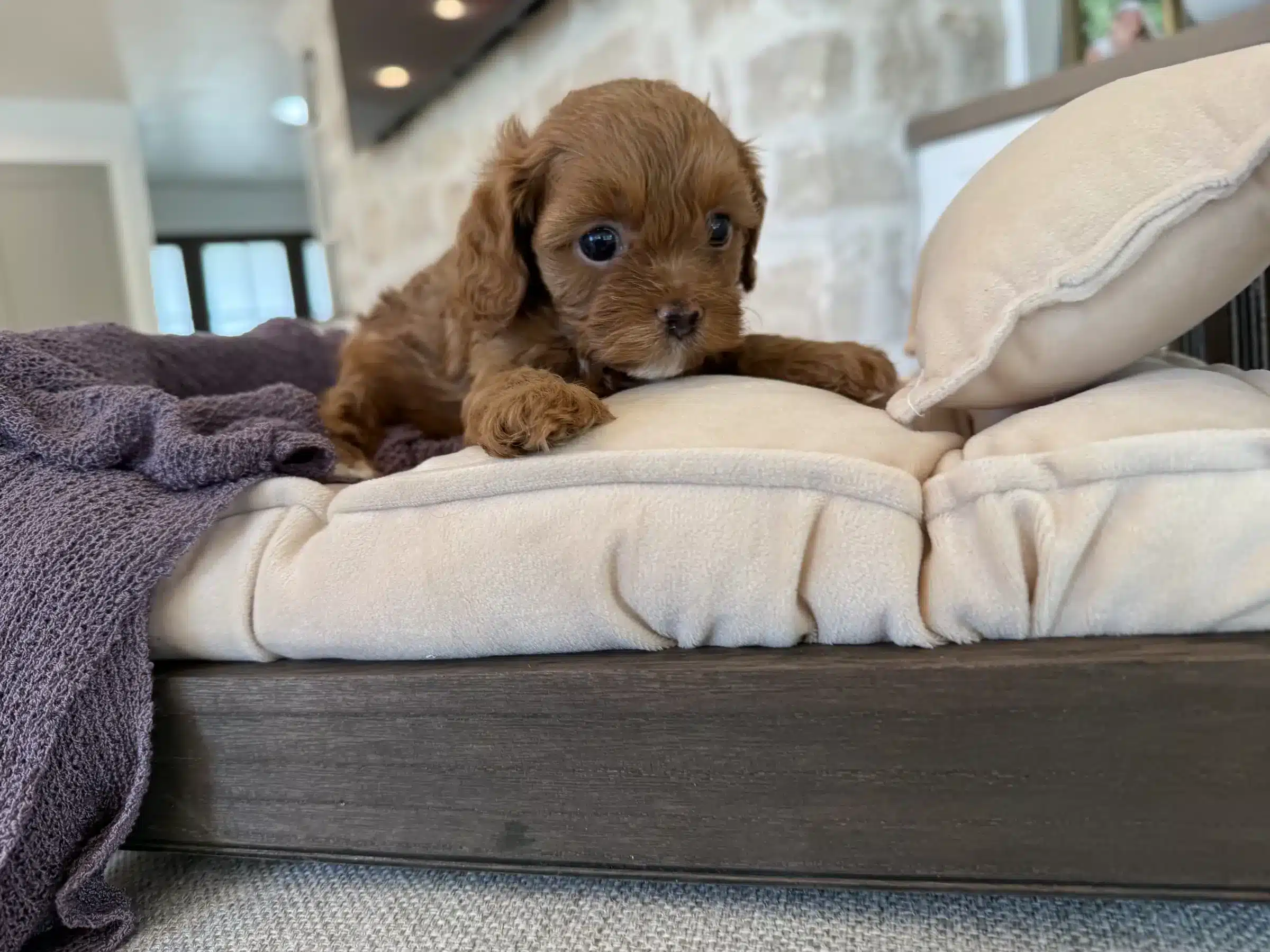
Teacup Havanese Allure: Ultimate Mini Companion or Risky Trend?
Teacup Havanese Allure asks whether this ultimate mini companion is a dream come true or a risky trend, and the answer lies in understanding what makes this dog so captivating. The Teacup Havanese is not a separate dog breed but a smaller-than-standard purebred Havanese, bred to weigh under 7 pounds while retaining the classic Havanese temperament that made the Havana Silk Dog from Cuba famous. Originating in Havana Cuba and celebrated by the American Kennel Club in the Toy Group, the standard Havanese is already a beloved toy breed known for its silky coat, expressive eyes, and adaptable size and appearance. The teacup version amplifies that charm into an ultra-portable package ideal for apartment living and close family lifestyle fit, with low exercise requirements and high grooming tolerance. However, extreme miniaturization can bring health vulnerabilities if not done responsibly. When sourced from a responsible breeding program that prioritizes health over mere size, the Teacup Havanese can be a joyful, long-lived companion rather than a fragile fad, blending historic ancestry with modern appeal.
Teacup Havanese Charm vs Standard Havanese Poise: A Delightful Comparison
Are Teacup Havanese Ethical? What Responsible breeding program Standards Require directly addresses concerns about breeding for tiny size and outlines how ethics should guide every decision. A truly responsible breeding program never sacrifices health for a smaller size or appearance, and instead selects Havanese parents that are already on the lower end of the standard, fully health-tested for patellar luxation, heart, and eye conditions. Ethical breeders avoid repeated breeding of runts or using underage dams, limit litter frequency, and provide comprehensive veterinary oversight from prenatal care to early puppy exams to support lifespan and vitality. They also prioritize temperament and behavior, ensuring puppies are well-socialized and exhibit the friendly, outgoing nature expected of the Havanese toy breed. Transparency is key, with breeders openly sharing ancestry, health clearances, and realistic expectations about Teacup Havanese size and care needs, including coat care and grooming tolerance. Rather than marketing a risky trend, ethical programs educate families on exercise requirements and family lifestyle fit, ensuring each small companion breeds placement supports long-term wellbeing for both dog and owner.
Teacup Havanese Health Watch: 5 Veterinarian-Backed Longevity Hacks
Teacup Havanese Health Watch provides 5 veterinarian-backed longevity hacks to help your tiny purebred live a longer, healthier lifespan. First, prioritize preventative veterinary care with twice-yearly exams, dental cleanings, and early screening for toy breed issues like luxating patella and heart murmurs, which directly impact the Havanese lifespan of 14-16 years. Second, maintain ideal weight through portion-controlled, nutrient-dense food tailored for small companion breeds, as even a half-pound gain stresses tiny joints. Third, establish a consistent coat care routine that builds grooming tolerance through daily gentle brushing, preventing skin infections and matting that can hide health problems. Fourth, meet exercise requirements with short, daily walks and indoor play that supports behavior and temperament without overexertion, as balanced activity improves circulation and joint health. Fifth, focus on family lifestyle fit by reducing stress through stable routines, safe socialization, and avoiding rough handling. With ancestry rooted in Cuba as the Havana Silk Dog, the Havanese thrives when owners combine attentive daily care with proactive medical support.
Teacup Havapoo Spotlight: Pocket-Sized Havapoo Joy Explained
Teacup Havapoo Spotlight explains why pocket-sized Havapoo joy has captured so many hearts among small companion breeds enthusiasts. The Teacup Havapoo, also affectionately called Havadoodle, is a hybrid breed that blends the affectionate Havanese with the intelligent Poodle, specifically Toy Poodle or Miniature Poodle lineage, to create an extra-small companion typically under 8 pounds. This crossbreed inherits the best of both worlds: the Havanese temperament known for being social, playful, and highly trainable, and the Poodle influence that often contributes to a soft, wavy to curly coat with lower shedding and good grooming tolerance. Its tiny size and adaptable appearance make it ideal for apartments and travel, while moderate exercise requirements and eager-to-please behavior ensure it fits varied family lifestyle fit needs. Compared to the purebred Havanese from Havana Cuba, the Teacup Havapoo offers slightly more coat variety and hybrid vigor, yet retains that signature toy breed charm. For families seeking a dog breed that is both cuddly and clever in a truly portable frame, this tiny Havapoo delivers big personality.
Teacup Havapoo Reality Check: How breeding program Practices Shape Tiny Pups
Teacup Havapoo Reality Check examines how breeding program practices directly shape the health and temperament of these tiny pups. Creating a healthy Teacup Havapoo requires more than simply crossing a small Havanese with a Toy Poodle; it demands deliberate selection for sound ancestry, comprehensive health testing for both parent breeds, and a commitment to avoiding extreme miniaturization at the expense of wellbeing. Responsible breeders prioritize stable temperament and robust behavior over achieving the absolute smallest size, selecting parents with proven gentle dispositions and good grooming tolerance to pass on. They also monitor litter size, provide intensive neonatal care, and allow proper recovery time between litters to protect maternal health. Poor practices that chase appearance alone can lead to fragile hybrid breed puppies with increased risk for joint, cardiac, and hypoglycemia issues, shortening lifespan and raising ownership cost. In contrast, an ethical crossbreed program that values Poodle intelligence and Havanese sociability produces Teacup Havapoo puppies that are resilient, well-socialized, and better suited for long-term family lifestyle fit, proving that quality breeding defines quality companions.
Cavapoo vs Havapoo vs Havanese Visual Snapshot: 7 Game-Changing Identification Tricks
Havanese vs Havapoo Longevity Face-Off asks which tiny dog lives longer, and the answer reveals subtle differences between purebred and hybrid breed vitality. The purebred Havanese, the Havana Silk Dog originating from Cuba and recognized by the American Kennel Club in the Toy Group, boasts an impressive lifespan of 14-16 years thanks to centuries of stable ancestry and careful selection for health within this toy breed. The Havapoo, a crossbreed of Havanese and Poodle, including Miniature Poodle and Toy Poodle lines, typically lives 12-15 years, benefiting from hybrid vigor that can reduce certain inherited risks while introducing variability depending on the Poodle parent's size and health. Both share similar exercise requirements and need consistent coat care, but factors like size, genetics, diet, and family lifestyle fit heavily influence longevity. Teacup Havanese and Teacup Havapoo versions may have slightly shorter lifespans if bred without prioritizing health, as extreme small size can predispose them to additional challenges. Ultimately, with responsible breeding program standards, excellent veterinary care, and attentive grooming tolerance and behavior support, both Havanese and Havapoo can be exceptionally long-lived small companion breeds.
Your Definitive breed comparison at a glance for Busy Households [Updated for 2026]
Havanese vs Havapoo Size & Health Comparison for Condo Dwellers is essential if you live in a compact space and want a happy, healthy companion. The purebred Havanese typically stands 8.5 to 11.5 inches tall and weighs 7 to 13 pounds, making this toy breed ideal for apartments, while the Havapoo, a popular crossbreed and hybrid breed often called the Havadoodle, varies more depending on whether the Poodle parent was a Miniature Poodle or Toy Poodle, usually ranging from 8 to 15 pounds. For condo life, size and appearance matter, but so does exercise requirements; both small companion breeds need daily walks and play but adapt well indoors. Health-wise, the Havanese lifespan is often 14 to 16 years, while the Havapoo lifespan is similar at 12 to 15 years, with hybrid vigor sometimes reducing inherited issues. Both need attention to coat care and grooming tolerance to prevent matting in small spaces where shedding is a concern.
Cavapoo vs Havapoo vs Havanese Visual Snapshot: 7 Game-Changing Identification Tricks
Do Teacup Varieties Suffer More Health Issues? A Balanced Comparison requires an honest look at Teacup Havanese and Teacup Havapoo health beyond their adorable size. A standard Havanese or Havapoo is already a small dog breed, but teacup versions are intentionally bred to be under 7 pounds, often 5 to 6 pounds, which inherently increases vulnerability. While their temperament remains affectionate and playful, their tiny frames are more prone to hypoglycemia, luxating patellas, heart defects, and fragile bones compared to standard-sized parents. The Havapoo cross may benefit from poodle ancestry adding some genetic diversity, but being a crossbreed does not eliminate teacup-related risks. Likewise, the purebred Havanese has well-documented health testing protocols, yet shrinking size amplifies dental crowding and liver shunts. Neither Teacup Havanese nor Teacup Havapoo is inherently unhealthy if bred responsibly, but both demand vigilant veterinary care, careful handling, and realistic expectations that a smaller size often means higher lifetime medical attention and a potentially shorter lifespan.
breed comparison at a glance: How to Choose Between Cuddle Factor and Trainability
How to Verify Health Clearances Before You Buy Any Teacup Puppy is the most important step to protect your investment and your future companion’s well-being. Whether you are considering a Teacup Havanese or a Teacup Havapoo, request documented health clearances for both parents, not just a vet check for the puppy. For the Havanese side, responsible breeders test for patellar luxation, hip dysplasia, eye diseases, heart murmurs, and deafness, while the poodle side should include OFA or PennHIP results plus eye and patella certifications. Ask to see the actual OFA certificates or searchable database numbers, and verify them independently. A reputable seller should also provide a recent veterinary exam, vaccination records, and a health guarantee that covers genetic conditions. Be wary of anyone marketing extreme micro size without proof of parental screening. Tour the facility virtually or in person, observe grooming tolerance and behavior in the litter, and confirm that puppies are raised with proper socialization. Verifying clearances ensures your tiny companion starts life with the best possible foundation.
Finding Your Perfect Companion: Breeder Wisdom & Trusted Support [Premier Pups]
Finding your perfect companion requires transparent breeder communication and continuing support after adoption. Ask for verifiable parent health records, clear contractual terms, vaccination documentation, socialization practices, return policies, and guidance about feeding and grooming. A reputable organization such as Premier Pups should be evaluated through specific evidence rather than advertising language alone. Buyers should receive time to review records, ask questions, and discuss whether Havanese or Havapoo needs suit their household. Confirm the puppy’s identification, veterinary examination, parasite-prevention plan, and microchip information where applicable. After bringing the dog home, schedule a veterinary visit promptly, maintain the original diet temporarily, and introduce changes gradually. A qualified trainer and experienced groomer can help prevent handling resistance, matting, fear, and avoidable behavior problems. Support is strongest when it remains practical, documented, and focused on the dog’s lifelong welfare.
How to Vet a Havanese breeding program Like a Pro [2026 Checklist]
How to Vet a Havanese breeding program Like a Pro [2026 Checklist] starts with understanding what separates a preservation breeder from a profit-driven operation. A true Havanese breeding program prioritizes the purebred standard established for the Havana Silk Dog from Havana Cuba, focusing on stable temperament, correct coat care, and long lifespan rather than just producing puppies. In 2026, your checklist should include: proof of comprehensive health testing for both sire and dam, transparent ancestry records spanning multiple generations, early neurological stimulation and socialization protocols, and clear guidance on family lifestyle fit. Evaluate how the program educates buyers about grooming tolerance, exercise requirements, and behavior expectations for this affectionate toy breed. A professional program will interview you, ask about your living situation, and remain a resource for the dog’s lifetime. They will not rush a sale or offer multiple small companion breeds without expertise. Instead, they demonstrate deep knowledge of the Havanese dog breed, its history in Cuba, and its recognition by the American Kennel Club.
Spotting Ethical Breeders: 7 Proven breeding program Green Flags at Premier Pups
Spotting Ethical Breeders: 7 Proven breeding program Green Flags at Premier Pups helps you identify a trustworthy partner when searching for your Havanese or Havapoo. First, Premier Pups provides verified health-tested parents with documented clearances for the Havanese and for the Poodle lineage in any Havapoo or Havadoodle cross. Second, they offer transparent ancestry and lineage information so you know exactly what you are bringing home. Third, puppies are raised in nurturing, clean environments that support positive temperament and early socialization. Fourth, they provide detailed guidance on coat care, grooming tolerance, and exercise requirements tailored to small companion breeds. Fifth, their team discusses family lifestyle fit honestly, helping you choose between a purebred Havanese and a hybrid breed like the Havapoo or even a Cavalier King Charles Spaniel Poodle mix such as the Cavapoo. Sixth, they share veterinary records and health guarantees upfront. Seventh, Premier Pups offers lifetime support, proving their commitment continues long after adoption, which is the ultimate mark of an ethical breeding program.
Cavapoo vs Havapoo vs Havanese Visual Snapshot: 7 Game-Changing Identification Tricks
Questions to Ask About Havanese Lineage and American Kennel Club Toy Group Papers will ensure you understand the ancestry and authenticity behind your puppy. Since the Havanese is a purebred in the American Kennel Club Toy Group, descended from the Havana Silk Dog of Havana Cuba, you should ask for the registered names and numbers of both parents and verify them on the American Kennel Club database. Request to see the pedigree to confirm purebred status and learn about behavior and appearance traits passed through the line. Ask whether the parents are titled or have champion ancestry, and how that influences temperament and size. Clarify what Toy Group papers actually guarantee — they confirm registration, not quality or health — so also ask about health clearances beyond registration. For comparison, if you are considering a Havapoo, understand that this crossbreed cannot have American Kennel Club papers because it is a Poodle mix, though reputable breeders still document Poodle lineage. Finally, ask how the breeder selects for grooming tolerance, longevity, and family-friendly temperament within their Havanese line.
Your Definitive breed comparison at a glance for Busy Households [Updated for 2026]
Mink and fisher cat facts matter here only because outdoor wildlife can threaten small dogs. Mink are semi-aquatic mustelids, while fisher cats are large members of the weasel family; neither should be approached, fed, or treated as a domestic animal. A tiny Havanese or Havapoo may be vulnerable in an unsecured yard, particularly at dawn, dusk, or near water and wooded habitat. Use solid fencing, supervise outdoor time, remove food sources, secure trash, and keep vaccination and identification records current. Motion lighting and prompt removal of fallen fruit or spilled pet food can reduce wildlife interest. If a dog encounters wildlife, call it indoors without grabbing at the animal, then contact a veterinarian if any bite or scratch is possible. Prevention is safer than relying on a small dog’s confidence or apparent size.
Cavapoo vs Havapoo vs Havanese Visual Snapshot: 7 Game-Changing Identification Tricks
Mink Coat Care vs Havanese Fur: Surprising Grooming Parallels [Expert Insight] reveals why luxury fur knowledge can actually make you a better Havanese owner. A mink coat and the silky, double coat of the Havanese both demand gentle, consistent coat care to remain soft, tangle-free, and lustrous. Like high-quality mink, Havanese fur is fine and prone to matting if neglected, requiring daily brushing with a soft pin brush, proper conditioning, and protection from harsh humidity. Experts note that grooming tolerance must be built early — just as furriers store mink in cool, controlled climates, you should keep your Havanese coat clean, dry, and regularly trimmed to prevent breakage. Both benefit from avoiding excessive heat and harsh chemicals. The Havapoo, with its poodle-influenced curls, adds another texture to consider, sometimes needing more frequent clipping than the purebred Havanese. Learning these parallels emphasizes that consistent grooming is not vanity; it supports skin health, comfort, and that signature flowing appearance that makes the Havanese and Havapoo so beloved among small companion breeds.
breed comparison at a glance: How to Choose Between Cuddle Factor and Trainability
Fisher Cat Myths Debunked: What Wildlife Has to Do With Puppy Safety at Home is surprisingly relevant for owners of a Havanese or Havapoo. The fisher cat, despite its name, is not a cat but a large member of the weasel family, and myths about it screaming or hunting small dogs have been exaggerated. However, the underlying lesson for puppy safety is real: small companion breeds, especially a Teacup Havanese or Teacup Havapoo weighing under 8 pounds, are vulnerable to wildlife predators, including fishers, coyotes, and birds of prey. Understanding this helps you secure your yard, supervise outdoor exercise requirements, and avoid leaving your toy breed unattended on a balcony or patio. It also reinforces the importance of training a reliable recall and maintaining good behavior on walks. While your Havapoo or Havanese is safe indoors, responsible ownership means recognizing that their small size and curious temperament make them targets outdoors. Debunking fisher cat myths helps you prepare with facts, not fear, while keeping your hybrid breed or purebred companion secure at home.
Your Next Step: resources contact and Premier Pups Support Hub
Your next step is to organize reliable resources contact details before bringing home a puppy. Save the numbers for a primary veterinarian, emergency clinic, poison-control service, trainer, groomer, and microchip registry. Prepare a quiet sleeping area, appropriately sized harness, secure carrier, food and water bowls, puppy-safe enrichment, enzymatic cleaner, grooming tools, and a written medication record. Discuss the puppy’s current diet and routine with the breeder or adoption provider, then arrange a wellness examination soon after arrival. Ask professionals how to recognize dehydration, low blood sugar, heat stress, dental problems, ear irritation, and sudden behavior changes in a small dog. Whether the choice is Havanese or Havapoo, informed preparation supports safer transitions and more confident ownership.
breed comparison at a glance: How to Choose Between Cuddle Factor and Trainability
Essential resources contact planning gives new puppy parents a practical safety net. Select a veterinarian who regularly treats toy-sized dogs and can explain vaccination, parasite prevention, dental care, nutrition, and spay or neuter timing. Identify the nearest emergency hospital and learn its after-hours procedure before a crisis occurs. Choose a force-free trainer experienced with sensitive companion breeds, and interview groomers about brushing, drying, nail care, sanitary trims, and handling breaks. Keep written records of appointments, weights, medications, allergies, feeding amounts, and questions for the next visit. Havanese and Havapoo puppies benefit from gradual socialization, positive handling, predictable rest, and safe exposure to household sounds. Reliable professionals should welcome questions, explain recommendations clearly, and avoid promising impossible outcomes such as guaranteed allergy-free coats or risk-free miniature size.
Mink-Quality Resources? How Premier Pups Connects You to Trusted Support
Mink-Quality Resources? How Premier Pups Connects You to Trusted Support means you receive a level of care and guidance as premium and carefully maintained as a luxury coat. When you bring home a Havanese or Havapoo from Premier Pups, you are not just getting a puppy; you gain access to a comprehensive support hub designed for long-term success. Their team provides detailed resources on temperament, grooming tolerance, coat care, and exercise requirements for both the purebred Havanese and the Havapoo cross, including Havadoodle traits influenced by Miniature Poodle and Toy Poodle ancestry. You will find veterinarian-approved feeding guides, training tips tailored to small companion breeds, and advice on family lifestyle fit to help your new companion thrive. Whether you chose a standard or Teacup Havapoo, or are comparing the Havanese dog breed to a Cavapoo, the Cavalier King Charles Spaniel Poodle mix, Premier Pups ensures your questions are answered with expert insight. This mink-quality commitment reflects their dedication to matching every family with a healthy, well-socialized puppy and lifetime resources contact.
Staying Safe & Supported: Fisher Cat Awareness Meets Lifetime resources contact
Staying Safe & Supported: Fisher Cat Awareness Meets Lifetime resources contact brings together wildlife awareness and ongoing breeder support for complete peace of mind. While fisher cats are shy and rarely seen, knowing they inhabit wooded suburban edges reminds owners of a Havanese or Havapoo to practice safe outdoor habits — leashed walks, fenced yards, and supervised playtime — especially for petite Teacup Havanese and Teacup Havapoo puppies. This awareness is part of responsible ownership that protects the lifespan and health of your toy breed. Beyond outdoor safety, Premier Pups provides lifetime resources contact so you never navigate challenges alone. Whether you need advice on Havanese ancestry, Havapoo temperament, poodle coat care, or understanding behavior in this adaptable crossbreed and purebred, their support team remains available. This dual approach — staying informed about environmental risks like fisher cats while having trusted, continuous guidance — ensures your hybrid breed or purebred companion enjoys a safe home, proper grooming tolerance training, and a healthy, happy life with your family for years to come.
Fisher Cat Encounters and Small Dog Safety: 5 Proven Backyard Precautions
Fisher Cat Encounters and Small Dog Safety: 5 Proven Backyard Precautions directly addresses a serious risk for owners of any toy breed, including the Havanese and Havapoo. While these small companion breeds are beloved for their affectionate temperament and family lifestyle fit, their small size makes them vulnerable to predators like the fisher cat, a member of the weasel family found in wooded areas of the Northeastern United States. To keep your purebred Havanese or Havapoo crossbreed safe, implement five proven measures. First, never leave your dog unsupervised outdoors, especially at dawn and dusk when fishers are most active. Second, install secure fencing and eliminate brush piles that provide cover. Third, keep your yard well-lit with motion-activated lights. Fourth, keep your Havanese on a leash during walks and maintain solid recall behavior. Fifth, secure trash and pet food to avoid attracting wildlife. These precautions ensure your companion can enjoy the outdoors safely throughout its lifespan.
Final resources contact Guide: How to Reach Premier Pups Today for Your Dream Puppy
Final resources contact preparation should focus on verification, fit, and responsible follow-through. Before contacting Premier Pups or another provider, write down household details, preferred adult size, grooming capacity, activity level, children’s ages, time available for companionship, and veterinary budget. Ask direct questions about health examinations, parent information, socialization, current feeding, contract protections, and post-adoption support. Compare answers with independent veterinary advice, and avoid rushing because a puppy’s appearance creates emotional pressure. A Havanese may suit families seeking predictable purebred traits, while a Havapoo may appeal to owners who enjoy crossbreed variation and Poodle-influenced trainability. Teacup marketing deserves additional scrutiny because health and structure should outweigh extreme smallness. The right companion is not simply the cutest puppy; it is the dog whose needs your household can meet consistently for many years.