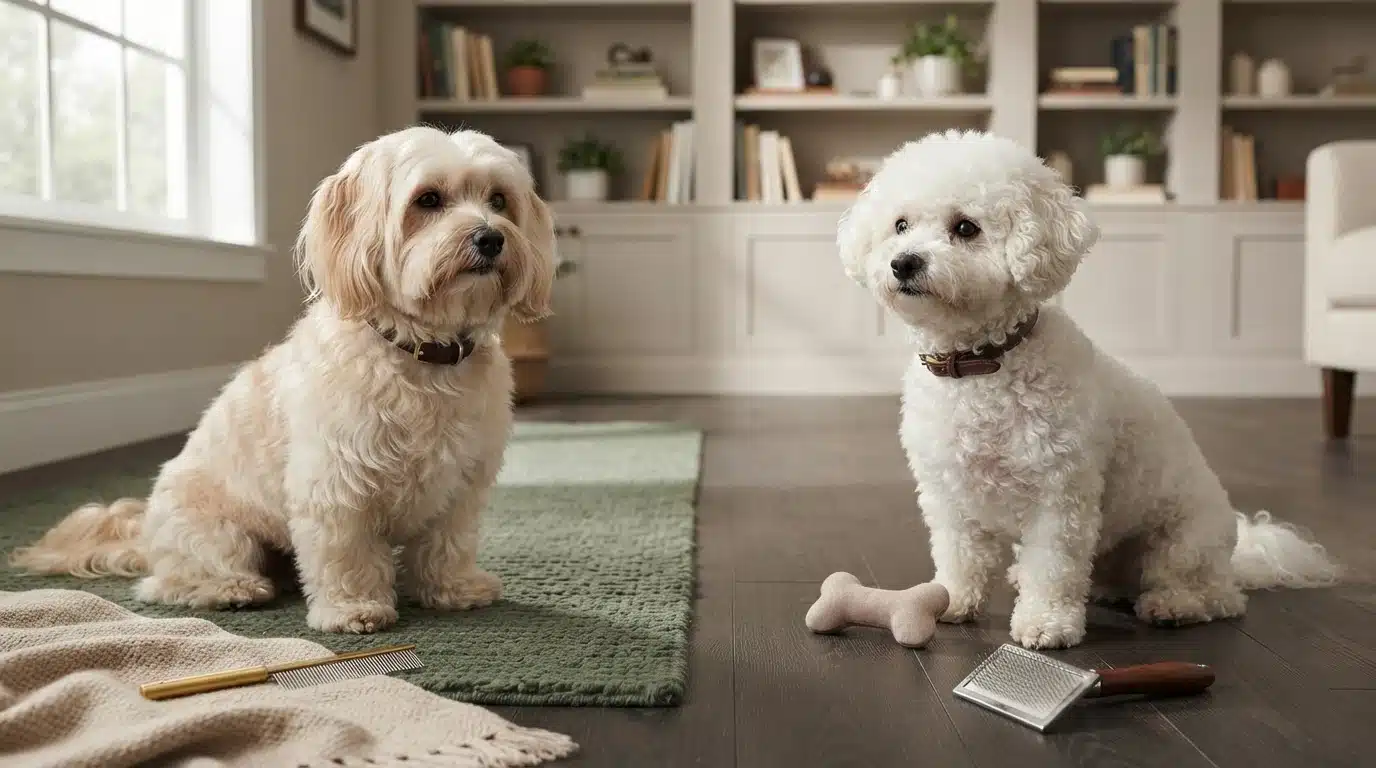
Quick Summary: Choosing a small breed puppy for a family depends on matching temperament, grooming needs, and energy to your household, not just size or looks. The article ranks seven breeds, with Havanese, Cavapoo, and Havapoo topping the list for their affectionate, people-focused natures, while noting all require training, grooming, and supervision with kids. Sage Puppies is highlighted as a strong option for families seeking these top three breeds, thanks to its health-tested parents and early socialization.
The right puppy can become part of daily family life with ease. Still, the best fit is not always the smallest dog or the cutest face. Families need small breed puppies whose temperament, energy, grooming needs, and patience suit the people caring for them.
Many breed lists make all small dogs sound simple. Real life is different. Even friendly, social small breed puppies need training, grooming, close supervision with young children, and people who can give them steady company.
This guide ranks seven small breed puppies that can thrive as family dog breeds. You will see who each breed may suit, what tradeoffs to expect, and what to consider before applying, reserving, or bringing a puppy home. Havanese, Havapoo, and Cavapoo puppies get added attention as Sage Puppies’ focused companion breeds.
We weighed temperament, trainability, home fit, size, exercise, grooming, and early socialization. The best family dogs also depend on the individual puppy, breeder records, your children’s ages, and your home’s daily routine.
Small Family Dog Comparison
| Breed | Best for | Temperament | Grooming commitment | Activity level |
|---|---|---|---|---|
| Havanese | Families wanting an affectionate, people-focused companion | Cheerful, playful, bright, social, and devoted | Regular brushing, grooming, ear care, nail care, and dental care | Moderate; daily play, short walks, and interaction |
| Cavapoo | Families wanting a cuddly, social small companion | Affectionate, gentle, playful, and people-oriented | Regular brushing and professional grooming; coat varies | Moderate; play, walks, training, and family interaction |
| Havapoo | Families wanting a playful, affectionate Poodle-influenced companion | Bright, social, loving, playful, and connected | Moderate to high; coat texture varies and needs regular care | Moderate; play, training, walks, and household involvement |
| Bichon Frise | Cheerful families prepared for regular grooming | Playful, affectionate, bright, and social | High; frequent brushing and professional grooming | Moderate; play, training, and short daily activity |
| Cavalier King Charles Spaniel | Families wanting a gentle companion with moderate activity needs | Gentle, affectionate, friendly, and eager to please | Moderate; brushing, ear checks, baths, and nail care | Moderate; walks, play, and relaxed family time |
| Miniature Poodle | Active families who enjoy training and enrichment | Bright, responsive, active, and people-aware | High; regular brushing and professional grooming | Moderate to high; exercise and mental stimulation |
| Shih Tzu | Calmer homes with respectful children and indoor routines | Affectionate, gentle, companionable, and sometimes independent | Moderate to high; regular brushing and professional grooming | Low to moderate; short walks, play, and companionship |
What to know about small breed puppies
A small puppy can be a loving, adaptable family dog, but size alone does not make life easier. Every puppy needs kind training, daily play, routine vet care, and close supervision around young children.
The best fit depends on your real household rhythm. Think about your children’s ages and handling skills, how long the puppy may be alone, and whether your family can keep up with brushing, bathing, and regular grooming.
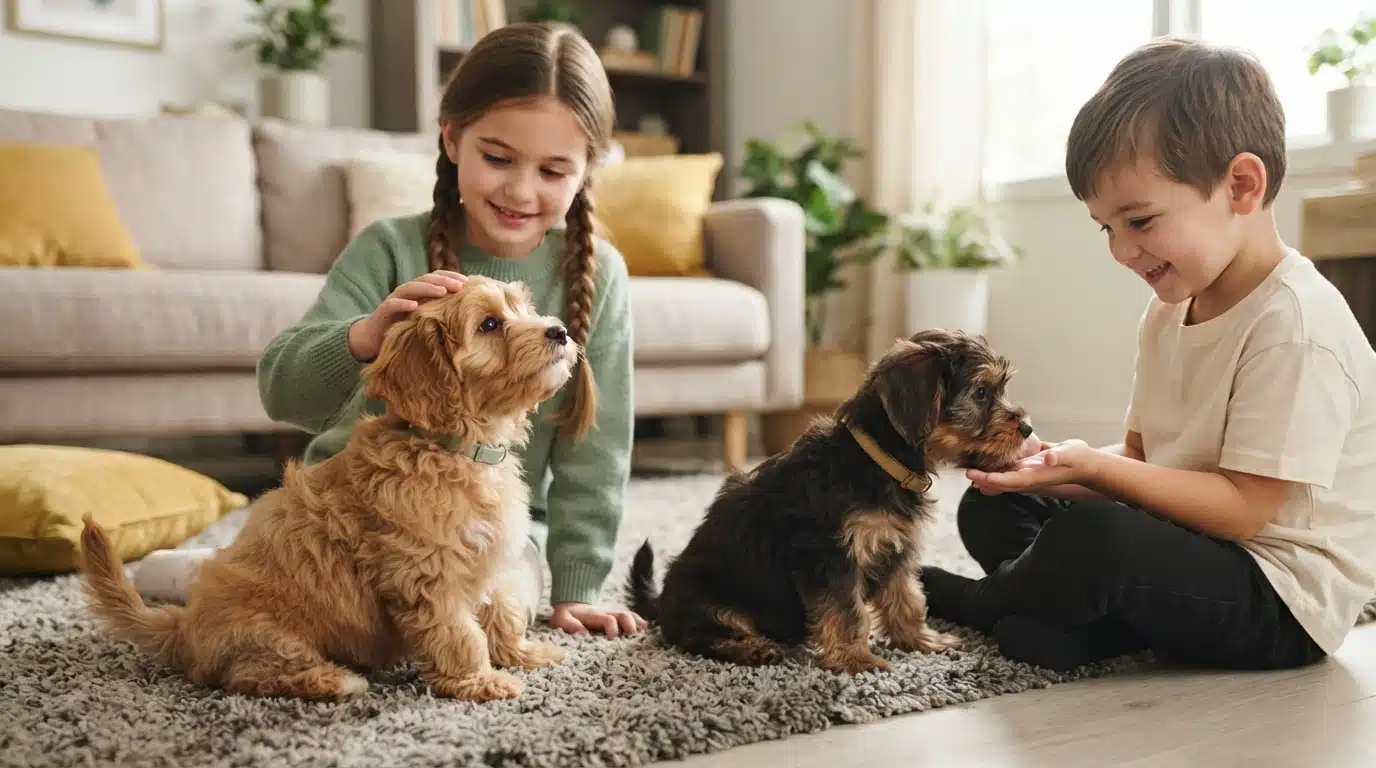
Small dogs can be hurt by rough play. Teach children to sit on the floor, use gentle hands, and let the puppy rest undisturbed.
A responsible breeder should help you look past a cute face. Ask about each puppy’s temperament, parent health testing, early social time, and fit for your family.
1. Havanese
A Havanese is a cheerful, affectionate small companion with a strong people focus. For families asking are Havanese good family dogs, the breed often fits homes that want a playful dog involved in daily life.

Highlights
- Friendly, bright, and playful, with a sweet, non-quarrelsome nature described in the Havanese breed standard.
- Moderate activity needs suit daily play, short walks, and family interaction.
- Small but sturdy compared with some delicate toy breeds.
Specs
- Best for: Families wanting an affectionate, people-focused companion
- Temperament: Cheerful, social, devoted, and responsive to kind training
- Grooming commitment: Regular brushing, grooming, ear care, nail care, and dental care
- Activity level: Moderate
Pros
- Adaptable in urban or suburban homes
- Often responds well to positive reinforcement
- Strong fit for families seeking Havanese puppies good with children
Cons
- The long coat needs steady care to prevent tangles.
- Long periods alone can be hard for this people-oriented breed.
- Children need close supervision and gentle-handling rules. The AKC notes that Havanese thrive on companionship and need regular grooming.
Havanese ranks first for its social, adaptable nature, provided your family can offer coat care, company, and calm guidance.
Last updated: September 8, 2026
Also Read: Resources
2. Cavapoo
Cavapoo puppies for families blend Cavalier warmth with Poodle brightness. They are often affectionate, playful, and happiest close to their people.

Highlights
- Gentle, social companions that enjoy play and quiet family time
- Often eager to learn with kind, reward-based training
- Coat texture, shedding, and adult size can differ by puppy
Specs
- Best for: Families wanting a cuddly, social small companion
- Temperament: Affectionate, gentle, playful, and people-oriented
- Grooming commitment: Regular brushing and professional grooming; coat varies
- Activity level: Moderate – walks, play, training, and family interaction
Pros
- Often engaged and loving with family members
- Can adapt well to different household routines
- Poodle influence can make training feel rewarding
Cons
- Daily companionship matters, and early alone-time practice helps prevent distress, as PetMD notes.
- Coats need steady care to avoid mats. Regular brushing and groomer visits are part of the commitment.
- Ask detailed questions about health testing for both Cavalier and Poodle parents.
Teach children to pet gently, never carry a puppy, and let the dog rest undisturbed.
Cavapoos rank highly for their gentle family appeal, but they need grooming, training, and attentive daily care.
Last updated: September 8, 2026
Also Read: 7 Family-Friendly Small Dog Breeds for First-Time Owners
3. Havapoo
A Havapoo blends Havanese sweetness with Poodle-influenced brightness and play. These small breed puppies often enjoy being part of daily family life.

Highlights
- Affectionate, social, and eager to join family activities
- Often bright and responsive to kind, steady training
- Coat can range from soft waves to tighter curls
- Poodle traits may appeal to families seeking less shedding, but no dog or mix is allergy-free
Specs
- Best for: Families wanting a playful, loving Poodle-influenced companion
- Temperament: Bright, connected, social, and playful
- Grooming commitment: Moderate to high, with regular brushing and grooming
- Activity level: Moderate, with walks, games, training, and together time
Pros
- Often affectionate and highly engaged with people
- A lively fit for homes that enjoy training and play
- Small size can work well in many home settings
Cons
- Adult size, coat, and temperament can vary between puppies
- Regular grooming and companionship are non-negotiable
- Children should learn gentle handling and give the puppy quiet breaks
Ask about each puppy’s parents, coat care, and early social experiences. Poodles need consistent, positive training and regular coat care, too, according to the American Kennel Club.
Havapoo ranks third for its warm companion nature and playful intelligence, with realistic expectations needed around variation.
Last updated: September 8, 2026
Also Read: 10 Red Flags To Avoid When Visiting A Local Puppy Breeder
4. Bichon Frise
Bichon Frise puppies bring cheerful energy and real affection to family life. They are bright, playful small dogs that enjoy being part of daily routines.

Highlights
- Playful, social nature suits engaged families and other pets with early socialization.
- These small dogs good with children often enjoy tricks, short play sessions, and positive-reward training.
- Their low-shedding coat may appeal to some homes, though no breed is fully allergy-proof.
Specs
- Best for: Cheerful families ready for frequent grooming
- Temperament: Playful, affectionate, bright, and social
- Grooming commitment: High – frequent brushing and professional grooming
- Activity level: Moderate – play, training, and short daily activity
Pros
- Happy, engaging family companion
- Often adapts well to many home types
Cons
- Mats can form without consistent coat care
- May struggle if left alone too long
- Young children need close supervision
Teach children not to carry, chase, corner, or disturb a puppy while eating or resting.
Bichon Frise ranks fourth because the family-friendly personality is appealing, but daily coat care and close companionship are a real commitment.
Last updated: September 8, 2026
5. Cavalier King Charles Spaniel
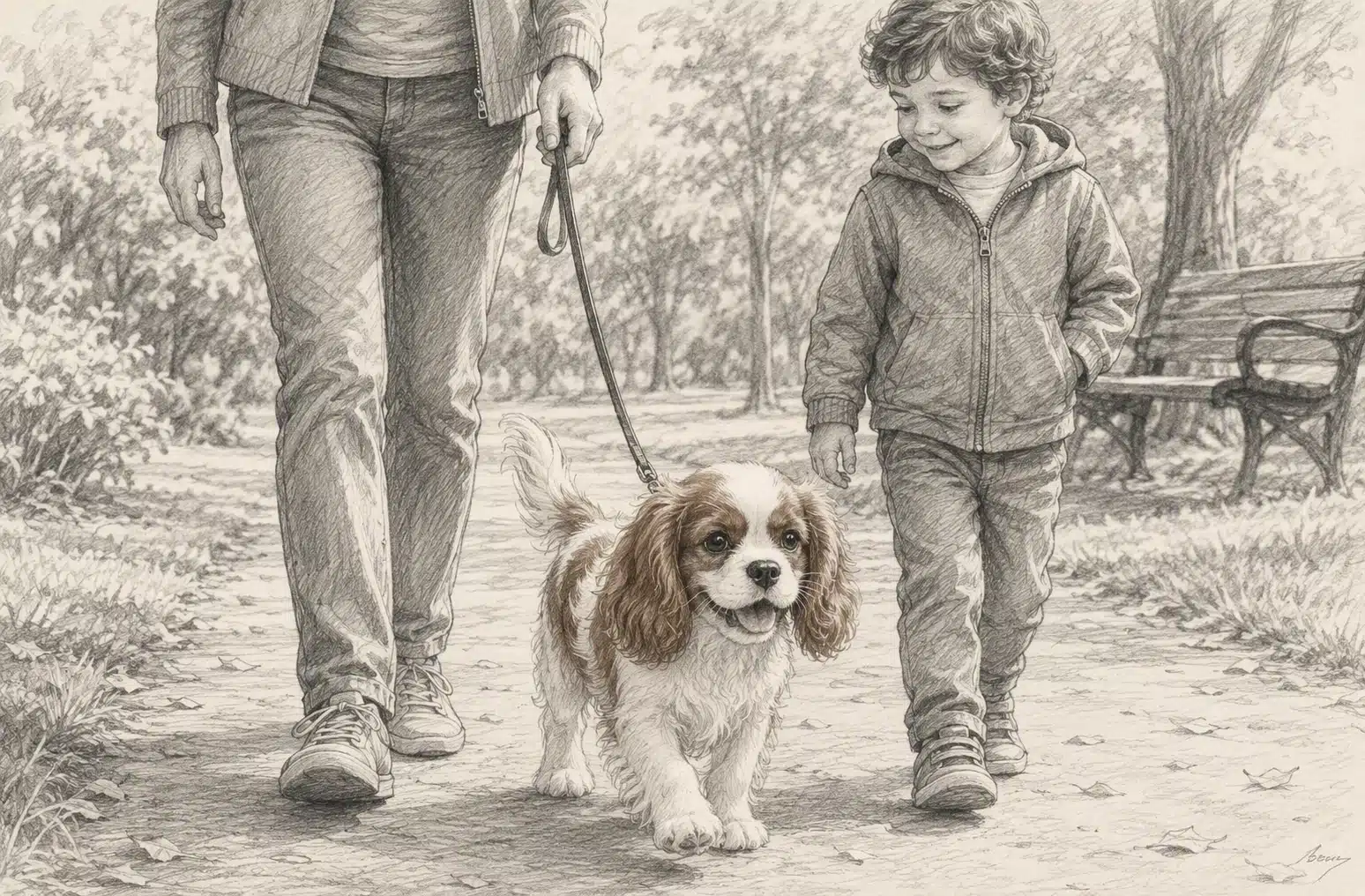
A gentle, adaptable small spaniel, the Cavalier can join a family walk, then settle close on the couch. Their affectionate, eager-to-please nature suits many family rhythms.
Highlights
- Gentle, friendly, and often responsive to positive training
- Enjoys play, walks, and calm time with its people
- Commonly viewed as one of the small dog breeds good with children
Specs
- Best for: Families wanting a gentle companion with moderate activity needs
- Grooming: Moderate – brushing, ear checks, baths, and nail care
- Activity: Moderate – walks, play, and relaxed family time
Pros
- Adapts well to active or quieter homes
- Often affectionate with children when well socialized
- Enjoys both outdoor activity and quiet companionship
Cons
- May struggle with long periods alone
- Needs secure fencing or a leash around distractions
- Ask for health records. The breed club recommends heart, eye, patella, and hip testing before breeding Cavaliers.
Teach children to let a resting Cavalier rest. Supervise all play, since even gentle small dogs need space and careful handling.
Cavaliers rank fifth because their warmth and adaptability fit best family dogs well, but health questions and close companionship needs require thoughtful planning.
Last updated: September 8, 2026
Also Read: Home
6. Miniature Poodle
Miniature Poodle puppies for families suit homes that enjoy training, games, and daily activity. They are bright, responsive dogs, but they need clear routines and kind guidance.

Highlights
- Highly trainable and eager to join games, outings, and lessons
- Active enough for busy family routines
- Curly, low-shedding coat potential
Specs
- Best for: Active families who enjoy training and enrichment
- Temperament: Bright, responsive, active, and people-aware
- Grooming commitment: High, with regular brushing and professional grooming
- Activity level: Moderate to high, with exercise and mental work
Pros
- Excellent learning ability and a strong fit for structured family fun
- Often adapts well when daily needs are met
- The AKC notes Poodle is smart, active, and needs regular grooming
Cons
- Needs more mental work than many lap-oriented breeds
- Sensitive dogs may struggle with loud, inconsistent homes
- No dog is fully hypoallergenic, even with a low-shedding coat, as allergy guidance explains
They rank sixth because their skill and athleticism reward engaged families, but grooming and daily enrichment are real commitments.
Last updated: September 8, 2026
Also Read: Blog
7. Shih Tzu
Shih Tzu puppies can suit calmer families who want a cuddly, indoor-focused companion. They enjoy gentle play and close time with their people, but need careful handling.

Highlights
- Affectionate, companion-focused, and often comfortable in smaller homes
- Moderate activity needs, with short walks and indoor play
- Long coats need a steady grooming plan
Specs
- Best for: Calmer homes with respectful older children and indoor routines
- Temperament: Gentle, affectionate, companionable, sometimes independent
- Grooming commitment: Moderate to high, with brushing and professional grooming
- Activity level: Low to moderate
Pros
- Often adapts well to apartments and close family life
- Does not need intense daily exercise
- AKC guidance notes that praise and rewards work best for training
Cons
- Rough play can injure this small breed
- Coat care takes real time
- Children should always be supervised, as the American Shih Tzu Club advises
Shih Tzu ranks seventh because its size, grooming needs, and independent streak make it best for patient families with gentle children.
Last updated: September 8, 2026
How to choose the right small breed puppy for your family
Start with the life your family lives, not the puppy photo you love most. Use these five checks before choosing.
-
Match the puppy to your children. Young children need close adult supervision with every puppy. Teach simple rules: gentle touch, no grabbing, no chasing, and no bothering the puppy while it eats or sleeps.
-
Check your daily energy level. Havanese, Cavapoos, and Shih Tzus often suit families who want close companionship and moderate play. A Miniature Poodle may fit better if your family enjoys regular training, games, and brain work.
-
Plan for coat care. Silky, wavy, and curly coats need steady brushing and professional grooming. Pick a care routine you can truly keep, including the time and budget.
-
Ask how the puppy was raised. Look for gentle daily handling and safe exposure to normal home sounds. Ask how the breeder watches each puppy’s confidence, recovery after new experiences, and routine before go-home day.
-
Review health and fit, not just breed. Ask about parent health screening, veterinary care, records provided, and questions tied to that parent pairing. Then consider temperament, your timing, and local pickup or delivery needs.
A calm, well-matched puppy is a better family choice than the cutest available puppy.
For families seeking a home-raised Havanese, Havapoo, or Cavapoo, Sage Puppies is a strong choice. Their family-first approach helps match each puppy to real household needs, while health-tested parents and early socialization support a confident start. A thoughtful application can also clarify whether an available puppy or upcoming litter best fits your family.

Ready to meet a small companion that fits your family life? Sage Puppies raises Havanese, Havapoo, and Cavapoo puppies in a home setting, with health-tested parents and early social skills. Review available puppies, ask thoughtful questions, and choose a puppy with the temperament and care foundation your children need.
Frequently Asked Questions
Q1: What are the best small dog breeds for families with kids?
Havanese, Cavalier mixes, Miniature Poodles, Bichon Frises, and well-bred small mixed breeds can fit family life. Choose the individual puppy for steady temperament, not just breed size. Adult supervision still matters during every child-puppy interaction.
Q2: Which small breed puppies are good with children?
Look for puppies raised with gentle handling, normal home sounds, and age-appropriate play. Havanese, Havapoos, and Cavapoos often suit attentive families because they tend to enjoy people. Teach children to avoid lifting, chasing, or disturbing a resting puppy.
Q3: Are Havanese puppies good family dogs?
Havanese puppies can make warm, playful family dogs. They are small but sturdy for their size and often enjoy close contact. They need daily brushing, kind training, and regular supervised play with children.
Q4: How old should children be before getting a small puppy?
Families with children of any age can succeed if adults lead care and supervise contact. Toddlers need close guidance. Older children can help with feeding, training games, and calm grooming.
Q5: What should I ask a responsible breeder?
Ask about parent health testing, early socialization, home raising, care records, and how pickup or delivery works. Sage Puppies can also help families decide whether a Havanese, Havapoo, or Cavapoo fits their routine.