Quick Summary: Before picking up a puppy in Arkansas, verify the written vaccination record matches the puppy’s age, confirm the rabies shot is scheduled by four months, and plan the next booster with your vet. The core DHPP series starts at 6-8 weeks and repeats every 2-4 weeks, so a puppy can be ready for pickup mid-series. Also check if travel requires a Certificate of Veterinary Inspection)Skip the generic advice and get the exact paperwork you need for a smooth handoff.
The best pickup moment is not just meeting your puppy. It is opening a tidy health folder and knowing exactly which puppy vaccinations Arkansas families should see documented, when the next dose is due, and who gave it.
Puppy shots are not one finish line. A young pup may have had several correct doses and still need boosters. Arkansas rabies rules and travel paperwork add their own timing questions. Without clear records, you can drive home unsure whether a vaccine was actually given, whether it happened at the right age, or what your vet needs next.
This guide ranks seven details to verify before pickup: the age-appropriate core series, Arkansas’s rabies deadline, the documents to request, lifestyle vaccines to discuss, and the puppy vaccine schedule to confirm with your veterinarian. Confirm state rules and Arkansas puppy shots guidance with your vet and the relevant Arkansas agency, since requirements can change.
Quick Pickup Vaccination Checklist
| Vaccination detail | Best for | What to verify | Timing or trigger | Buyer action |
|---|---|---|---|---|
| Age-appropriate core puppy series | Every puppy family | Vaccine name, date, dose, and puppy age | Usually begins at 6-8 weeks and repeats every 2-4 weeks under veterinary guidance | Bring the dated record to the first veterinary visit |
| Arkansas rabies timing | Arkansas residents and families moving a puppy into Arkansas | Rabies certificate, administrator, product, date, and due date | By 4 months of age under Arkansas requirements | Ask the veterinarian to confirm the deadline and booster plan |
| Complete written vaccination record | First-time owners and families changing veterinarians | Identity, vaccine, date, clinic, and next due date | Before or at pickup | Save a digital copy and share it with the veterinarian |
| Veterinary examination and health documentation | Families seeking a careful, documented handoff | Examination date, puppy identity, findings, and follow-up | Before pickup and again after arrival with the family veterinarian | Read the record and ask questions before reserving or traveling |
| Risk-based vaccines for the puppy’s lifestyle | Families planning travel, daycare, grooming, boarding, or group classes | Exposure history and veterinarian’s risk-based recommendations | Before the puppy enters higher-exposure environments | Tell the veterinarian the puppy’s expected activities and destinations |
| Pickup, delivery, and interstate paperwork | Families using delivery or crossing state lines | Destination rules, CVI, rabies status, and document validity | As soon as travel details and destination are known | Confirm responsibility for paperwork before finalizing travel |
| The first-year booster plan | Every new puppy owner | Next core dose, rabies date, boosters, and activity restrictions | Set before pickup and confirm at the first veterinary visit | Schedule reminders and follow the veterinarian’s written plan |
What to know about puppy vaccinations in Arkansas
Puppy vaccinations Arkansas buyers should understand come in two layers. First, there’s the age-based puppy series your veterinarian recommends. Second, there’s the state rabies rule, which applies by four months of age.
The right question before pickup is not whether a puppy has had every shot it will ever need. It’s whether the documented doses fit the puppy’s age, whether the next steps are clear, and whether travel adds paperwork.
Ask for records early. A few minutes of checking now saves stress on pickup day.
1. Age-appropriate core puppy series
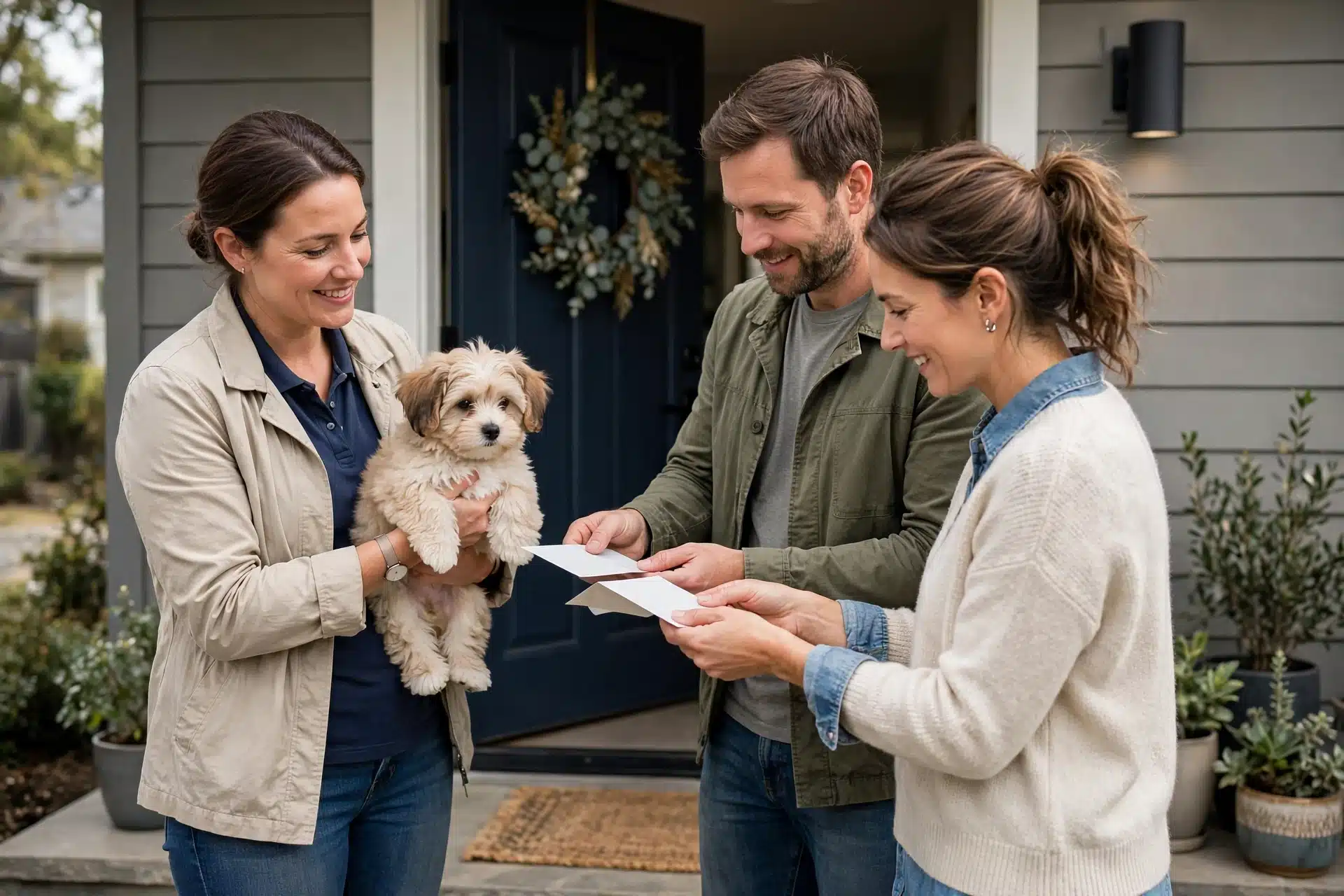
Before you fall in love with a face, check that the puppy’s shots match its age, not some finish line. Maternal antibodies can block early doses, so timing matters more than the number of shots. Current AAHA guidance calls for a combination puppy series starting at 6 to 8 weeks, repeated every 2 to 4 weeks, with the last dose given after 16 weeks in most plans. A puppy can be responsibly ready for pickup and still need more boosters.
Highlights
- Look for the core combination vaccine covering distemper, adenovirus, parvovirus, and often parainfluenza.
- Check the puppy’s age at each dose instead of counting shots without dates.
- Expect more boosters after pickup if the series is not finished.
- Ask which vaccine comes next and when the vet recommends it.
Specs
- Best for: Every puppy family
- What to verify: Vaccine name, date, dose, and puppy age
- Timing: Usually starts at 6-8 weeks and repeats every 2-4 weeks under veterinary guidance
- Buyer action: Bring the dated record to the first veterinary visit
Pros
- Creates a clear starting point for your puppy’s preventive-care plan.
- Helps your veterinarian account for maternal-antibody timing.
- Makes missing or unclear doses easy to spot.
Cons
- The series is never complete at the first dose.
- Exact timing varies with health, vaccine product, age, and veterinary judgment.
When reviewing puppy vaccinations Arkansas families should ask the breeder to explain the current status in plain language, then take the record to your veterinarian. That habit alone prevents the most common misunderstanding: “vaccinated for its age” does not mean fully protected yet. It ranks first because a documented, age-appropriate series is the central health question before pickup.
Last updated: September 25, 2026
Also Read: Guides – Sage Puppies
2. Arkansas rabies timing
Arkansas requires dogs and cats to be vaccinated against rabies by four months of age, and a licensed vet or authorized professional must give the shot, per the Arkansas Department of Health. Many puppies go home before that birthday, so they may not have had rabies yet. That is fine, but you should know the plan before pickup and book the appointment in time.
Do not confuse this shot with the puppy’s combination vaccine. The distemper, adenovirus, parvovirus, and parainfluenza series is a separate track. Rabies stands alone under state rules, which also call for a booster during the twelfth month after the first dose.
Highlights
- Rabies vaccination is due by four months of age in Arkansas
- The first shot and later booster timing should be documented
- Keep the signed certificate in your puppy’s permanent health file
What to verify
- If under four months: Confirm the deadline and schedule the first rabies shot
- If four months or older: Request a current rabies certificate with product, date, and due date
- Ongoing: Ask your vet to confirm the booster plan for your records
Pros
- Gives you a clear, state-specific planning date
- Protects your family and creates an official record
Cons
- A young puppy may not be old enough for the dose yet
- Local rules or travel plans can add extra requirements
It ranks here because this is the most Arkansas-specific detail, and the one buyers most often mix up with the general puppy shot schedule.
Last updated: September 25, 2026
Also Read: Puppy Care Blog & Resources | Sage Puppies
3. Complete written vaccination record
A vaccine is only useful to your next veterinarian when its record is clear enough to follow. Before pickup, ask for a written health record that identifies the puppy and lists every shot given while in the breeder’s care. A vague note like “vaccinated” is not enough for a careful handoff.

A good record lists the vaccine or combination name, the date given, the clinic or veterinarian, and the next dose due. Lot or manufacturer details should appear when available. Check that the puppy’s name or description matches the puppy you are actually picking up, since mix-ups happen in busy litters.
Ask whether the record also covers deworming, parasite prevention, exam notes, and any health observations. Keep your questions centered on vaccines, but the whole picture helps your vet start fresh.
Highlights
- The puppy’s name or identifying description should match the puppy you pick up.
- Dates matter because vaccine timing is age-dependent.
- The record should name the veterinary practice or authorized administrator.
- Ask for clarification before pickup if any entry is handwritten, abbreviated, or hard to read.
Pros
- Supports continuity of care between the breeder and your vet.
- Makes the schedule easier to understand.
- Helps avoid accidental duplicate or delayed doses.
Cons
- Records may use abbreviations unfamiliar to first-time owners.
- A breeder record does not replace your veterinarian’s own exam.
Save a digital copy, share it with your vet, and clarify anything unclear before you leave.
Last updated: September 25, 2026
Also Read: 7 Documents a Reputable Puppy Breeder Should Provide
4. Veterinary examination and health documentation
A vaccination entry tells you what was given. It does not tell you whether the puppy is thriving right now. That is why a vaccine record should always sit beside a current veterinary examination, not stand alone.
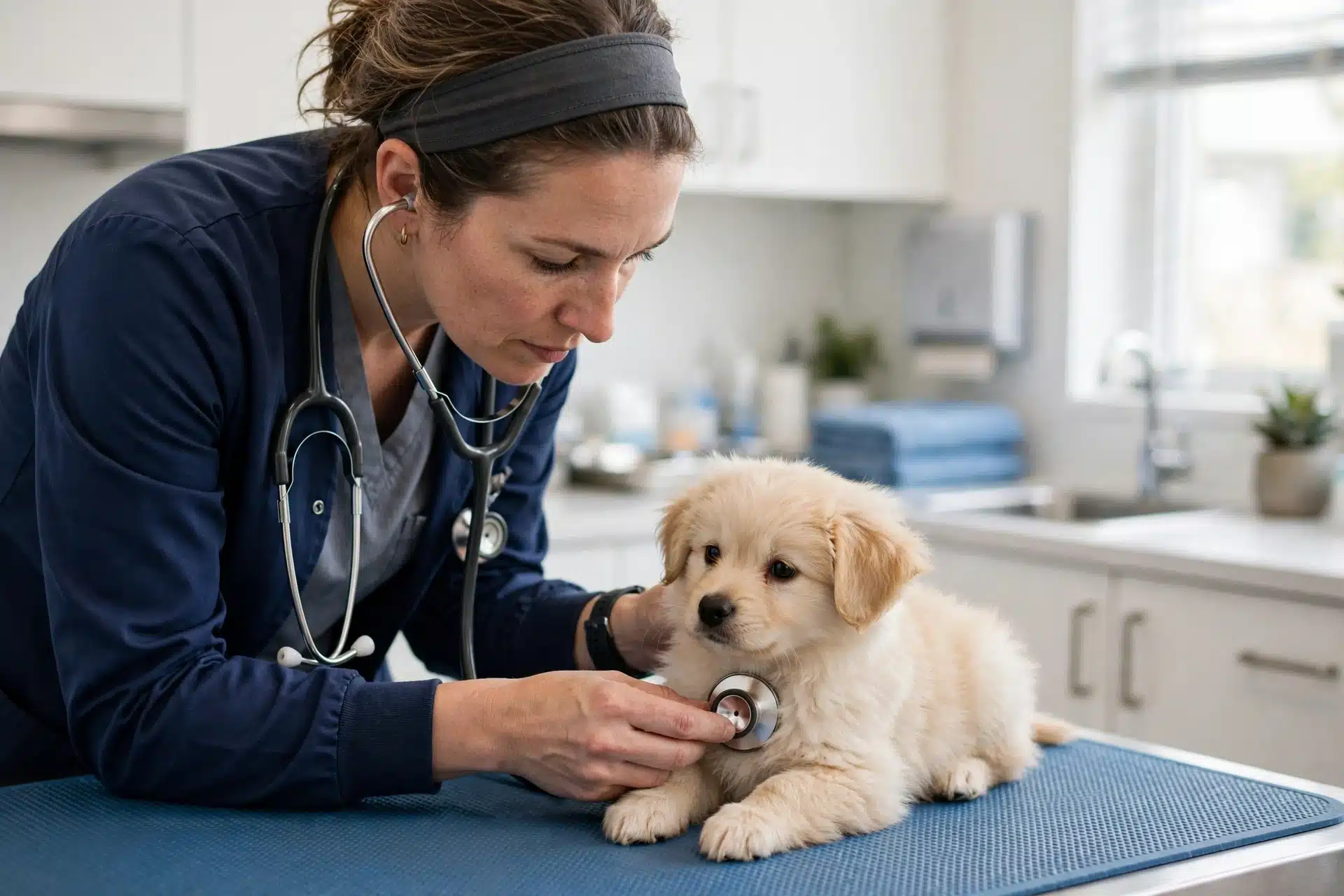
For a puppy shipped or driven into the state, Arkansas rules require an official certificate of veterinary inspection, issued by an accredited veterinarian after a physical exam. That exam usually covers heart and lung sounds, hydration, weight, and overall development.
Highlights
- Confirm the examination date and that the record identifies the exact puppy examined.
- Ask whether any vaccine was delayed because of illness or veterinary judgment.
- Request written disclosure of findings instead of relying on a verbal summary.
- Plan a prompt first visit with your own veterinarian, per USDA APHIS pet travel guidance.
Pros
- Adds clinical context to vaccination entries
- Encourages an orderly handoff to your family vet
- Surfaces questions before a long trip home
Cons
- A pre-pickup exam cannot predict every future condition
- Your puppy still needs an ongoing veterinary relationship
A vaccine schedule is safest when your vet interprets it alongside the puppy’s current health.
Last updated: September 25, 2026
5. Risk-based vaccines for the puppy’s lifestyle
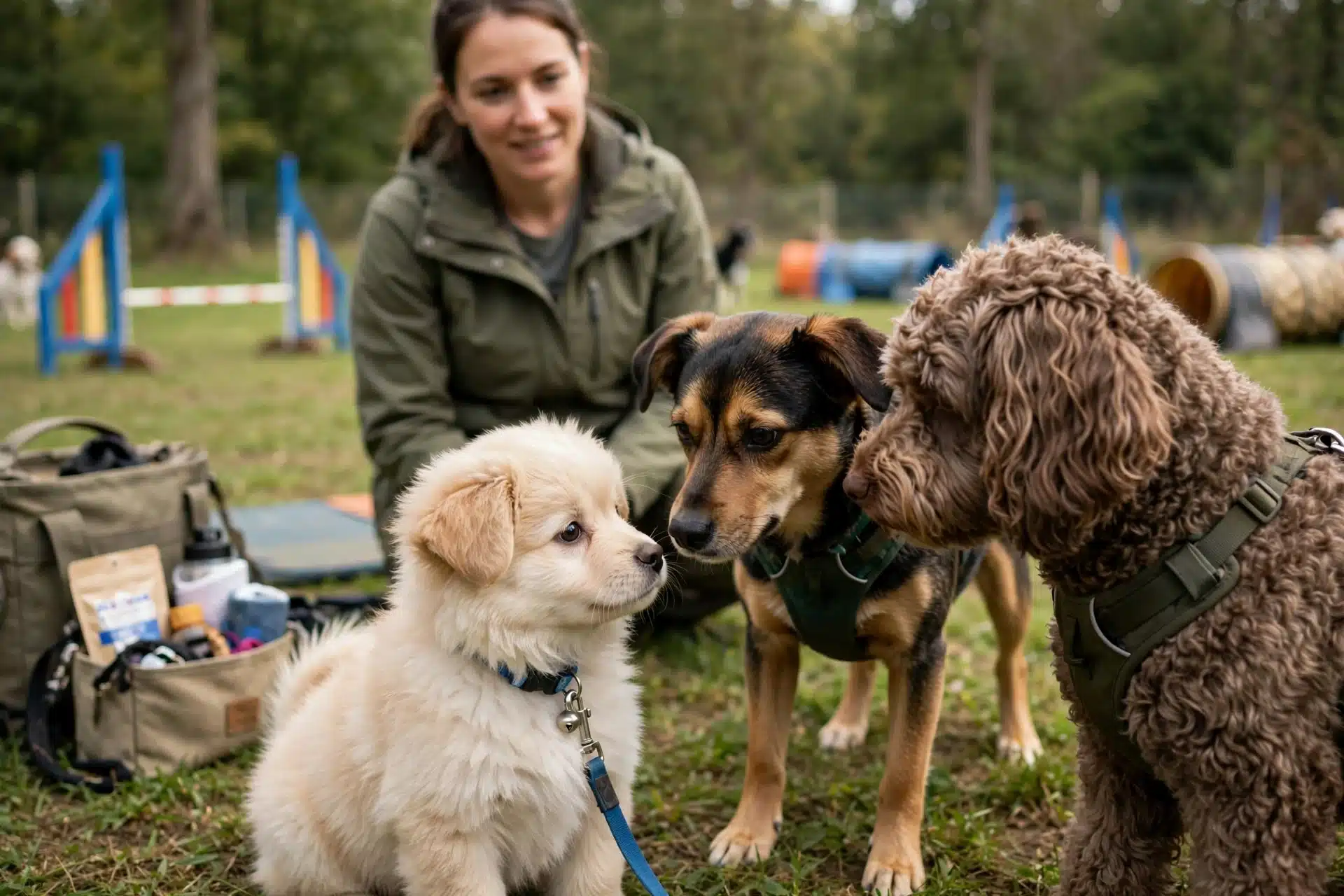
The right Arkansas puppy vaccine schedule depends partly on where your puppy will go and who it will meet. Not every puppy needs the same noncore vaccines at the same time, and AAHA guidance sorts shots like Bordetella, Lyme, canine influenza, and rattlesnake toxoid by lifestyle and exposure risk.
Highlights
- Bordetella may matter for boarding, daycare, grooming, training, or group settings.
- Lyme vaccination depends on geographic and tick exposure risk.
- Canine influenza is considered based on current circulation and group-dog exposure.
- Leptospirosis deserves a talk even for small dogs, since rodents and suburbs carry risk.
Specs
- Best for: Families planning travel, daycare, grooming, boarding, or group classes
- What to verify: Exposure history and the veterinarian’s risk-based recommendations
- Timing: Before the puppy enters higher-exposure environments
- Buyer action: Tell the veterinarian your puppy’s expected activities and destinations
Pros
- Creates a more individualized preventive-care plan
- Connects vaccine decisions to real household routines
- Helps you plan before daycare, boarding, or travel deadlines
Cons
- There is no universal noncore vaccine package
- Some facilities set their own documentation rules
Ask the breeder what exposure your puppy has had, then describe your lifestyle honestly to your vet. Don’t request a shot just because another puppy got it, and don’t assume a small breed is automatically low risk. That balance is why this detail ranks here.
Last updated: September 25, 2026
Also Read: Havapoo Puppies in Utah: Local Pickup and Breeder Questions
The route home can change which health documents need to be prepared. A local Arkansas pickup and an interstate delivery are not always paperwork-equivalent, and a puppy with current vaccines can still be delayed by missing travel forms. Arkansas entry rules list dogs among animals that may need a Certificate of Veterinary Inspection to enter the state, and the destination state sets its own rules for animals crossing state lines. The USDA advises contacting a veterinarian as soon as travel details are known, since states may require health certificates, updated vaccinations, testing, or treatments.

Before pickup day, confirm six things: the puppy’s destination, how it will travel, whether a CVI is needed, who arranges it, how long the certificate stays valid, and whether the receiving state adds extra rules. Many CVIs are valid for 30 days from the exam date, so timing matters. Never assume an ordinary vaccine record replaces a travel certificate.
Highlights
- Confirm whether the puppy is picked up in Arkansas or delivered across state lines.
- Ask which authority sets the destination requirements.
- Request the CVI or other travel documents before departure when applicable.
- Match the puppy’s identification on every document.
Pros
- Reduces last-minute travel surprises.
- Creates a documented health handoff.
Cons
- Rules differ by state and can change.
- A certificate may have a limited issuance or validity window.
What to verify: Destination rules, CVI, rabies status, and document validity
Paperwork problems can delay travel even when vaccinations are current, especially for families arranging delivery across state lines.
Last updated: September 25, 2026
Also Read: Havanese, Havapoo & Cavapoo Puppy Care Blog
7. The first-year booster plan
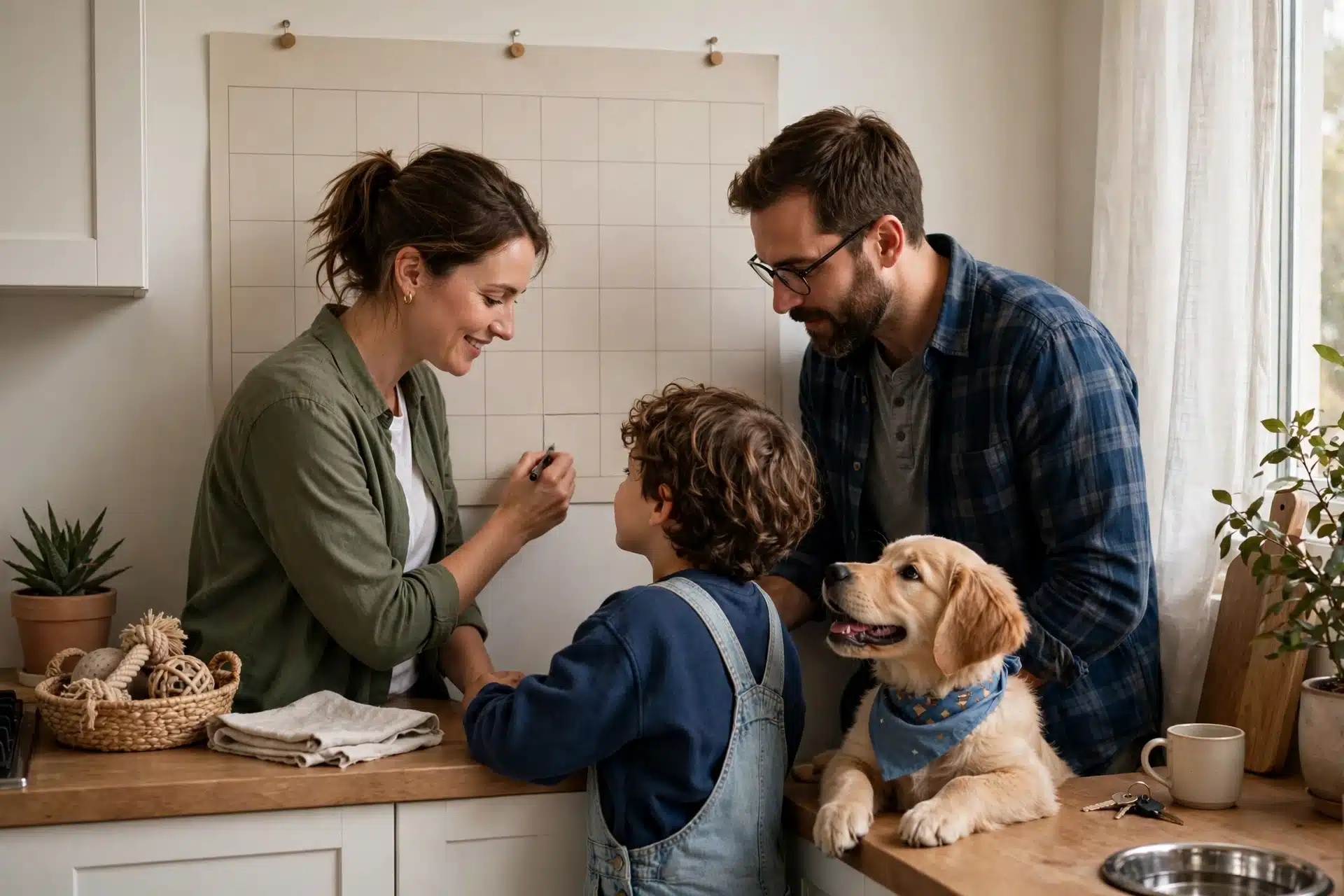
Leave pickup knowing the next appointment, not just the last injection. Ask the breeder or seller to mark the next recommended dose on the record, then confirm it with your veterinarian. AAHA guidance commonly places a core booster within one year after the puppy series, while later intervals depend on the vaccine and your dog’s risk.
Highlights
- Write down the next core-series appointment before leaving pickup.
- Track the rabies date separately from the combination-vaccine schedule.
- Ask when the puppy can safely attend classes, grooming, daycare, or boarding.
- Bring all paperwork to every veterinary visit.
Specs
- Best for: Every new puppy owner
- Timing: Set before pickup and confirm at the first veterinary visit
- What to verify: Next core dose, rabies date, boosters, and activity restrictions
Arkansas also requires rabies revaccination during the twelfth month after the initial rabies shot, so keep that deadline on its own calendar entry. Your vet may discuss parasite prevention and socialization timing, but ask for a written plan. Current rabies booster guidance recommends a booster one year after the first dose regardless of vaccine type.
Pros
- Prevents missed boosters
- Coordinates vaccinations with socialization and travel
- Gives first-time owners a clear next step
Cons
- The schedule may shift if the puppy is ill or records are incomplete
- Never copy another puppy’s timing without veterinary advice
It ranks here because a vaccination schedule only protects your puppy when your family can continue it, so plan before the excitement of pickup takes over.
Last updated: September 25, 2026
How to choose the right vaccination plan for your Arkansas puppy
Pick a plan that fits your puppy’s actual records, not assumptions. Here’s what to look for:
- Insist on dated, written records. Any breeder worth reserving from hands you a paper or digital record with exact vaccine dates and products used. Verbal “he’s had his shots” is not enough.
- Let the puppy’s age and history drive the schedule. Match documented dates to breed size and health history, then let your Arkansas veterinarian set the next dose.
- Track rabies separately. Arkansas rabies rules (the four-month deadline and first booster) sit outside the core puppy series. Calendar both.
- Share exposure risks before noncore shots. Mention daycare, grooming, boarding, puppy classes, dog parks, travel, and wildlife contact so your vet can advise on lepto, Bordetella, or Lyme.
Where Sage Puppies fits: families choosing Havanese, Havapoo, or Cavapoo puppies get transparent, documented vaccination records plus help with delivery or interstate paperwork, including when a Certificate of Veterinary Inspection is needed. Browse Available Puppies or the How It Works page before reserving.

Ready to meet your puppy with every vaccine detail handled? At Sage Puppies, our home-raised Havanese, Havapoo, and Cavapoo puppies come with clear records, honest vet answers, and simple pickup or delivery steps. Browse our available puppies, then submit an application so your Arkansas welcome day feels easy and exciting.
Frequently Asked Questions About Arkansas Puppy Vaccinations
Q1: What vaccinations do puppies need before pickup in Arkansas?
Most puppies go home after their first round of DHPP shots, given around 6 to 8 weeks. Rabies comes later, usually by 16 weeks. Ask your breeder for vaccine records so your vet can plan the rest of the series.
Q2: Are there Arkansas laws for puppy vaccinations?
Yes. Arkansas requires rabies vaccination by four months of age, given by a licensed veterinarian. Sellers must also disclose the puppy’s vaccination and deworming history in writing. Your local vet will confirm timing.
Q3: What is the puppy vaccination schedule for the first year?
Expect DHPP boosters every 3 to 4 weeks until about 16 weeks, a rabies shot around that same age, and optional bordetella. Some vets add leptospirosis. Your puppy’s record shows what is done and what’s next.
Q4: How many rounds of shots before my puppy is protected?
Full protection typically comes after the final booster near 16 weeks. Until then, keep outings limited and avoid public dog areas.
Q5: Can I pick up my puppy before all shots are done?
Yes, that’s normal. Puppies leave breeders mid-series. Your vet simply continues the schedule after pickup.
Q6: Should vaccine records come from a vet or the breeder?
Either is fine, as long as records are written and dated. Ethical breeders like Sage Puppies provide complete vaccination and deworming documentation at pickup.