Quick Summary: A family-raised small-breed puppy typically costs $4,820 to $8,850 in the first year, including a $3,500 to $4,500 breeder price, $250 to $600 in setup supplies, and $520 to $1,450 in veterinary care. After that, expect $700 to $1,300 each year, plus $400 to $600 for professional grooming, which is especially important for Havanese, Havapoo, and Cavapoo coats. Sage Puppies makes comparisons easier by clearly listing what its purchase price includes, but buyers should still plan ahead for spay or neuter surgery, food, training, delivery, grooming, and possible emergency care.
Two families each set aside $3,500 for a family-raised puppy, yet one ends the year comfortably while the other scrambles. The difference is simple: the first family planned the puppy total cost, from deposit to spay appointment, and the second budgeted for the puppy alone. Hidden puppy costs, like the crate, the vaccine series and that first grooming visit, add up faster than most people expect. This guide lays out every line item so your puppy total cost is a number you know in advance, not a surprise you absorb. We draw on years of raising small companion breeds in Utah, and we separate the one-time purchase price from the puppy ownership expenses that follow it, so you can compare breeders fairly and plan with confidence.
The Purchase Price: What a Family-Raised Puppy Costs to Acquire
Most families spend $3,500 to $4,500 to buy a family-raised Havanese, Havapoo or Cavapoo from a boutique program like Sage Puppies. The puppy total cost of acquisition breaks down like this:
- Breeder price: $3,500-$4,500 for a well-bred small-breed puppy
- Deposit: often $500, applied to the balance
- Delivery or pickup: $0 locally in Utah; a flight nanny can add $550-$1,000
- Sales tax or licensing: varies by state
Breeder Price Bands and What Drives the Number
Price bands reflect more than cuteness. Coat color, size, and how closely a puppy matches the breed standard all move the number, and so does the breeder’s investment in health testing and early socialization. A Havapoo puppy cost tends to sit near a Cavapoo’s, while a Havanese puppy price can run higher for a champion line. Programs that raise litters in the home, with daily handling, usually charge more than kennel-based sellers, and the difference shows up in temperament.

Deposits, Balances and Payment Schedules
Most family breeders ask for a deposit to hold your place, then collect the balance before pickup or delivery day. Read the puppy deposit and purchase contract closely: some deposits transfer to a future litter, others are refundable only in specific cases. Ask when the balance is due and which payments the program accepts, so nothing surprises you at handoff.
What the Breeder’s Price Typically Excludes
The purchase price covers the puppy itself, first vaccinations, a vet check, and usually microchipping. It does not cover spay or neuter surgery, ongoing vet care, food, grooming, crates, training, insurance, or the dog licensing fee in Utah and most other states. Some breeders include a starter kit with food and a blanket; many do not. A few, like Sage Puppies, spell out exactly what’s included on their pricing page, which makes comparing programs easier. Before you commit, it helps to review the questions to ask before buying a family-raised puppy, because the answers reveal what you’d otherwise pay for separately.
One-Time Setup Costs for a Small-Breed Puppy
Budget roughly $250 to $600 for setup supplies. Crate and bed: $60 to $180. Identification and licensing: $25 to $80. Toys and house-training gear: $50 to $150. vet first visit and microchip sit in the veterinary budget, not here. This is what the purchase price does not cover, and small breeds rarely need the large versions.
Crate, Bed and Safe Zones
A 24- to 30-inch crate with a divider runs $40 to $90, and a washable bed or crate mat adds $20 to $60. Add an exercise pen or baby gates ($30 to $70) so your puppy has a safe zone while you cook or work. That is usually $90 to $220 total.
Identification, Licensing and Microchip Registration
Responsible breeders microchip before go-home day; registration in your name costs about $20 to $25. An engraved tag runs $5 to $15, and a collar fits that $10 to $25 range. Utah families also pay a one-time dog license fee, often $10 to $30 depending on the city. Altogether, expect $45 to $95.
Toys, Chewing Items and House-Training Supplies
Plan on $50 to $150 here. Size-appropriate chew toys, a puzzle feeder and a couple of plush toys cover the toy budget. For house training, buy an enzyme cleaner, training pads if you use them, and a leash and harness sized for a 10-pound dog. Small-breed gear costs less because it is simply smaller.
Check your breeder’s take-home checklist before you shop. Some programs, for example, send each puppy home with a starter kit, which trims this list.
First-Year Veterinary Costs: The Largest and Most Predictable Line
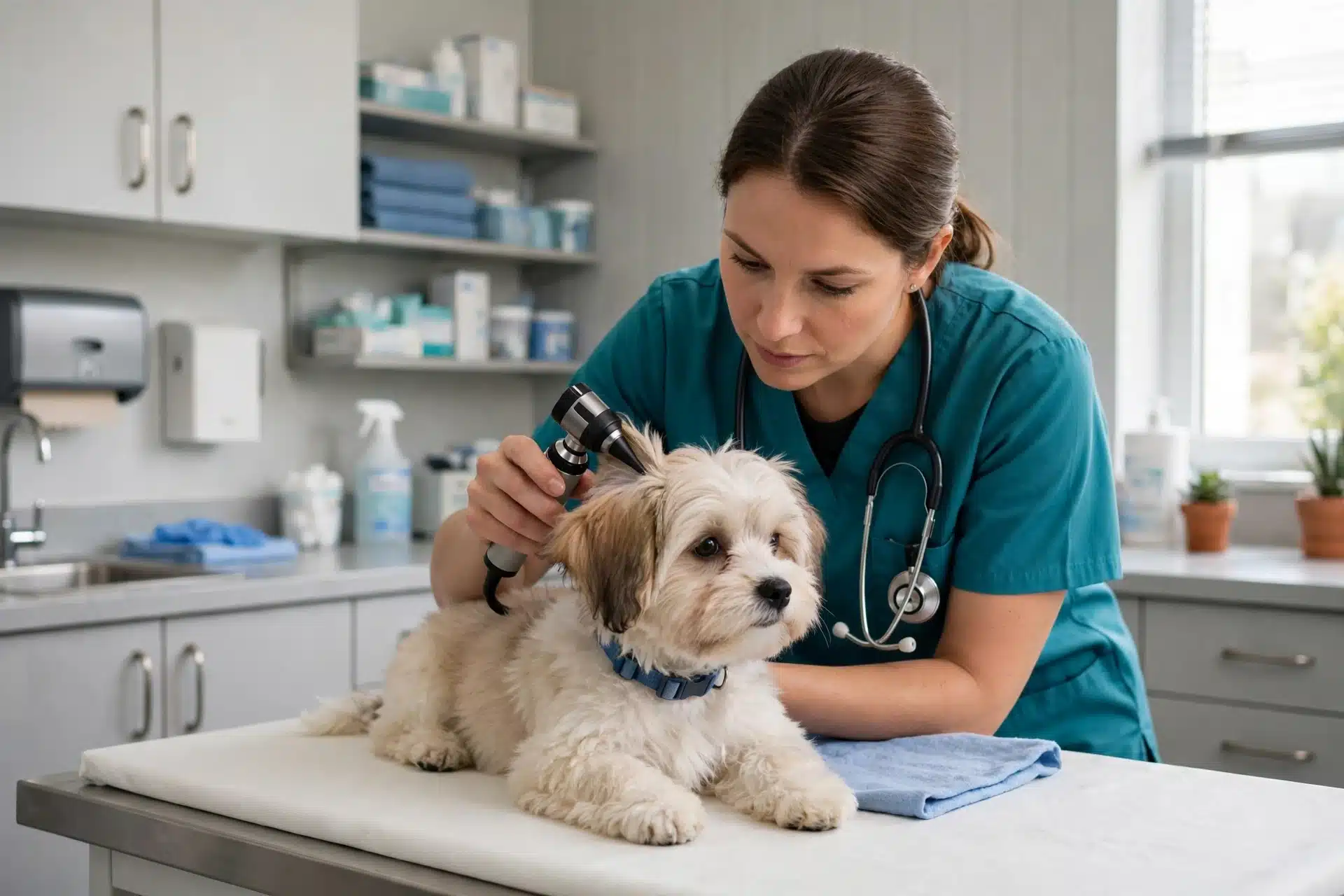
Veterinary care is the biggest first-year line after the purchase price, and it is the one you can plan with confidence. A typical first year breaks into three blocks: the vaccine series and wellness exams ($200 to $450), spay or neuter surgery ($200 to $700 for a small breed), and parasite prevention plus routine screening ($120 to $300). Together, most families spend $520 to $1,450, depending on their clinic and region.
The Puppy Vaccine Series and Wellness Exams
Puppies need a series of distemper-parvo shots at roughly 8, 12, and 16 weeks, plus a rabies vaccine. Chewy’s 2025 cost guide puts initial vaccines at $15 to $100 per dose, with a first exam at $60 to $100. A good breeder sends your puppy home with its first rounds done, so ask exactly which shots were given.
Spay or Neuter Surgery
Small breeds are often altered around six months. Costs vary widely: the average runs about $455 to spay and $487 to neuter, according to CareCredit’s procedure guide. Low-cost clinics charge far less, while private urban practices quote $300 to $800.
Parasite Prevention and Routine Screening
Plan on monthly heartworm and flea preventives, about $10 to $25 each month, plus a fecal test and a heartworm baseline. The ASPCA’s cost guide estimates $175 to $300 for initial medical basics, which lines up well with prevention and screening for a 10-pound breed.
What a First-Year Vet Budget Looks Like in Total
Label this an example, not a quote: vaccines and exams ($250 to $450), surgery ($300 to $700), prevention and screening ($120 to $300). Ask your clinic for written estimates, since local pricing moves faster than any national figure.
Food, Grooming and Everyday Care for a Small-Breed Companion
A 10-pound Havanese eats far less than a retriever, so food is one of the smallest lines in your budget. Grooming is the opposite: those long, low-shedding coats need professional care every four to six weeks, and that is where monthly costs add up.
Food and Treats: The Monthly Baseline
A small adult dog typically costs $25 to $70 per month to feed, depending on the brand, and fresh or premium formulas sit at the top of that range, according to Rover’s dog food cost guide. Treats add $50 to $730 per year for adult dogs, so budget $10 to $25 monthly. Choose a food labeled for small breeds and check that it meets AAFCO standards for growth during puppyhood.
Grooming Costs for Long-Coated Companion Breeds
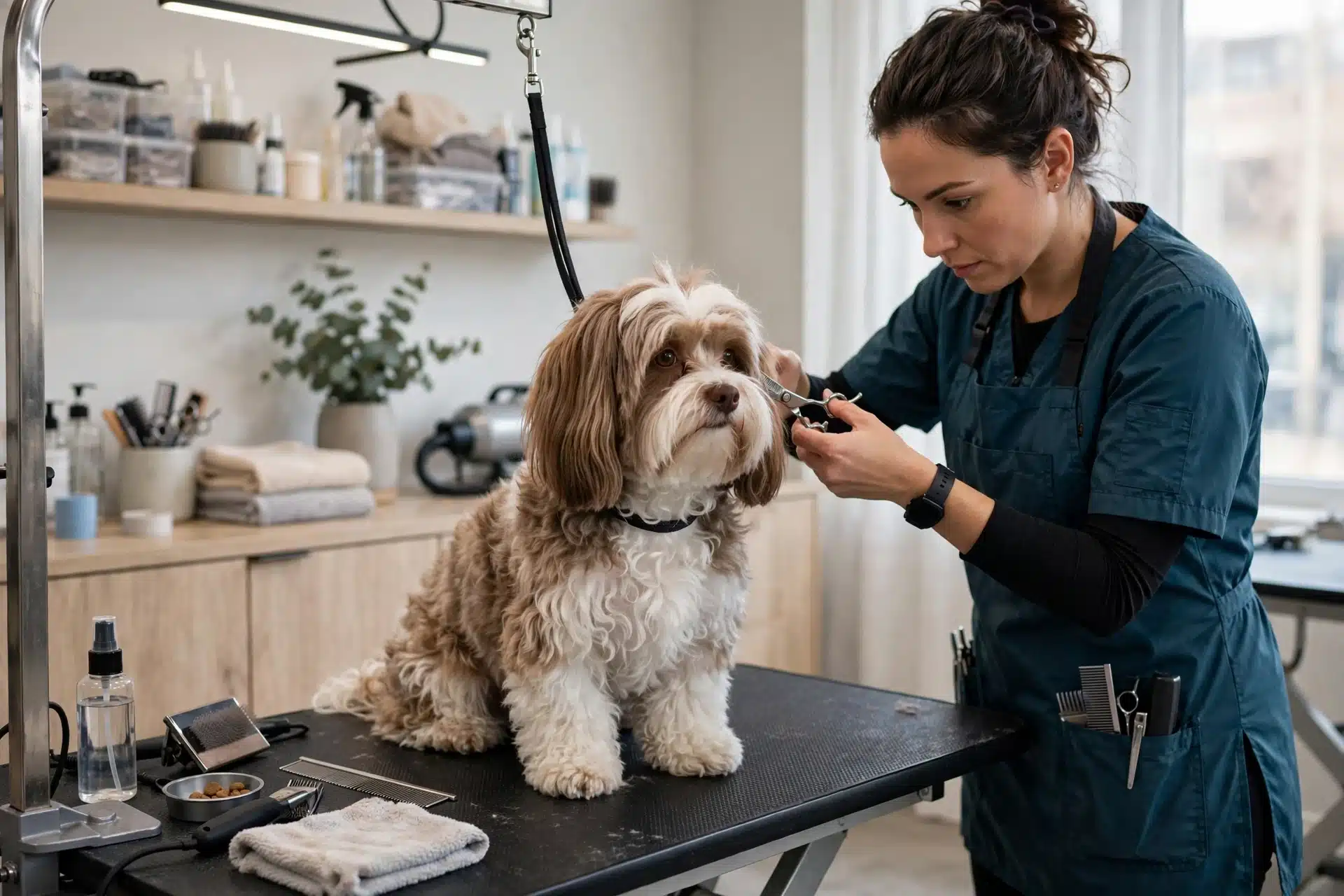
Havanese, Havapoo and Cavapoo coats grow continuously. Full grooms usually run $50 to $100 per visit, so six to eight visits a year costs $300 to $800. Between appointments, plan on a slicker brush, a steel comb and detangling spray, roughly $30 to $60 upfront. Daily brushing prevents mats and stretches the time between grooms, which is the single easiest way to lower this line. For a practical schedule, our Cavapoo grooming guide for first-time owners walks through each stage.
Consumables You Will Replace Monthly
Several small costs repeat. Waste bags run $5 to $10 a month, and pads add $10 to $20 during house training. Replace chews and dental treats at $10 to $20 monthly, and count on enzyme cleaner refills at $5 to $15 while your puppy is learning. Toothpaste, shampoo and stain remover each need restocking a few times a year. Together, expect $30 to $60 in recurring consumables, and add them to your monthly total rather than treating them as surprises.
Hidden Puppy Costs Most Buyers Forget
The sticker price is only the start. Hidden puppy costs usually include emergency vet care ($300 to $5,000+ for toxin ingestion), puppy training classes ($100 to $300), delivery or flight nanny fees ($550 to $1,000), and pet insurance ($30 to $70 per month). Here is where each one shows up.
- Emergency and ingestion care
- Training and behavior help
- Delivery and travel fees
- Insurance as a safety net
Emergency and Accidental Ingestion
Puppies eat socks, medicine, and houseplants. An emergency exam alone averages about $135 for dogs, but treatment can climb fast. Toxin ingestion often runs $300 to $5,000 or more, and overnight hospitalization adds up quickly. Even one scare can exceed your entire setup budget, so an emergency fund is not optional.
Training and Behavior Support
A group puppy class typically costs $100 to $300 for a six-week series, and private sessions run higher. Small companion breeds still need socialization, house-training help, and basic manners. Skipping this often costs more later, because behavior problems drive many rehoming decisions. Budget for at least one class in year one.
Delivery, Travel and Nanny Services
Local pickup in Utah costs nothing extra. But a flight nanny, who carries your puppy in the cabin to your airport, typically adds $550 to $1,000 to your total. Families buying out of state should also plan for a travel-approved carrier and a go-home kit, which some programs include and others do not.
Pet Insurance as a Risk Decision

Insurance for a young small-breed puppy often runs $30 to $70 per month, and premiums rise as dogs age, so enrolling early locks in lower rates. It will not cover pre-existing conditions, which is why timing matters. Treat it as a risk decision: pay a predictable monthly amount now, or accept a possible four-figure emergency bill later.
Building a Realistic Total: A Worked First-Year Budget
The total first-year cost of raising a family-raised puppy runs roughly $4,800 to $8,850 beyond day one, or about $6,700 to $10,000 if you include the purchase price. Here is one worked example for a small breed, labeled as a budget example rather than a market average.
The Line-Item Budget Table
| Expense | Low | Middle | High |
|---|---|---|---|
| Breeder price | $3,500 | $4,000 | $4,500 |
| Delivery or pickup | $0 | $700 | $1,000 |
| Setup supplies | $250 | $425 | $600 |
| First-year veterinary care | $520 | $985 | $1,450 |
| Food | $200 | $300 | $400 |
| Grooming | $250 | $400 | $600 |
| Training class | $100 | $200 | $300 |
| Total | $4,820 | $7,010 | $8,850 |
How Published First-Year Totals Compare
Independent estimates land in a similar band. AKC Pet Insurance puts a puppy’s first year at $740 to $1,325 before the purchase price, while Petco’s puppy budget guide breaks first-year vet costs into a similar range. This table simply adds breeder price and delivery to those ownership costs.
How to Adapt the Budget to Your Household
Swap in your own numbers before you commit. Local Utah pickup instead of a flight nanny saves $550 to $1,000, and current pricing and reservation details show where your puppy sits in the range. Trim grooming by learning at-home brushing, or add pet insurance at roughly $46 per month if you want a cushion for emergencies.
Year Two and Beyond: Where the Cost Settles
After the puppy year, spending drops sharply and becomes predictable. The one-time purchases are done, so what remains is food, prevention, grooming, and a yearly checkup.
What Continues Every Single Year
Budget $700 to $1,300 annually for a small breed. That covers premium food ($300 to $500), parasite prevention ($150 to $300), an annual exam with vaccines ($150 to $300), and toys or treats ($50 to $100). Add professional grooming every six to eight weeks for a Havanese, Havapoo or Cavapoo coat, often $400 to $600 a year. The AKC pegs average annual dog costs near $2,500, though small breeds usually land well below that.
Annual Licensing and Compliance
Licensing repeats yearly. Utah cities charge roughly $10 to $30 for an unaltered dog and less for a spayed or neutered one, so renew each January with proof of rabies vaccination. Some cities also require a new registration if you move within the state.
Planning for Age-Related Veterinary Costs
Small breeds often live 14 to 16 years, so senior care arrives late but lands hard. Bloodwork, dental cleanings, and joint support can add $500 to $1,500 in later years. Rover’s 2026 cost report notes that medical needs drive the widest swings in yearly spending. A pet insurance policy started young, or a dedicated savings account, spreads that risk out.
Common Mistakes to Avoid When Budgeting for a Puppy
Budgeting and Payment Mistakes
The biggest error is budgeting only for the sticker price. A $3,500 to $4,500 puppy is the starting point, not the total. Families also forget the deposit comes out of the balance, not on top of it, and that a flight nanny can add $550 to $1,000 for out-of-state delivery. Set aside money for the first-year veterinary block before you commit, so the purchase contract never outruns your cash flow.
Care and Record-Keeping Mistakes
The second mistake is treating vet visits as one-time events. Your puppy needs the full vaccine series, parasite prevention, and eventually spay or neuter surgery, which together run $520 to $1,450 in year one. Skipping records creates a third problem: lost vaccine dates mean repeated shots and repeat fees. Keep a simple folder or app with receipts, vaccine dates, and your license paperwork from day one.

Ready to budget with real numbers instead of guesses? See current pricing and the application at Sage Puppies, then reserve your Havanese, Havapoo or Cavapoo with confidence. Your first-year total should come as no surprise, only joy.
Frequently Asked Questions
Q1: How much does it cost to buy a family-raised puppy?
Expect $3,500 to $4,500 for the breeder price, plus a deposit (often $500, applied to the balance) and delivery. Local Utah pickup adds nothing; a flight nanny adds $550 to $1,000.
Q2: What is the total first-year cost of raising a puppy?
Budget roughly $4,820 to $8,850 including the purchase price, per the worked example above. Most of that arrives in the first six months, so spread payments carefully.
Q3: How much should I budget for puppy supplies, vet care, and food?
Plan $250 to $600 for setup supplies, $520 to $1,450 for first-year veterinary care, and $200 to $400 for food in the puppy year.
Q4: Does the deposit count toward the puppy’s price?
Usually yes. Most breeders apply it to the balance, so you pay the remaining amount at pickup or delivery, not the full price again.
Q5: Is pet insurance worth it for a puppy?
Often. At $30 to $70 monthly, enrolling early locks in lower rates before any conditions appear on record, which later policies exclude.
Q6: What recurring costs continue after the first year?
Budget $700 to $1,300 annually for a small breed, plus grooming of $400 to $600 and a yearly license renewal of $10 to $30.
Conclusion
A family-raised puppy costs more than its purchase price, and now you can see exactly where. The breeder fee of $3,500 to $4,500 covers the puppy; setup supplies, first-year veterinary care, food, grooming and training add the rest, bringing a realistic first-year total to roughly $4,820 to $8,850. Plan the vaccine series, spay or neuter surgery and delivery method before you commit, keep records from day one, and budget $700 to $1,300 yearly after that. With each line item written down, the total cost breakdown of buying a family-raised puppy becomes a plan you control, not a bill you absorb.